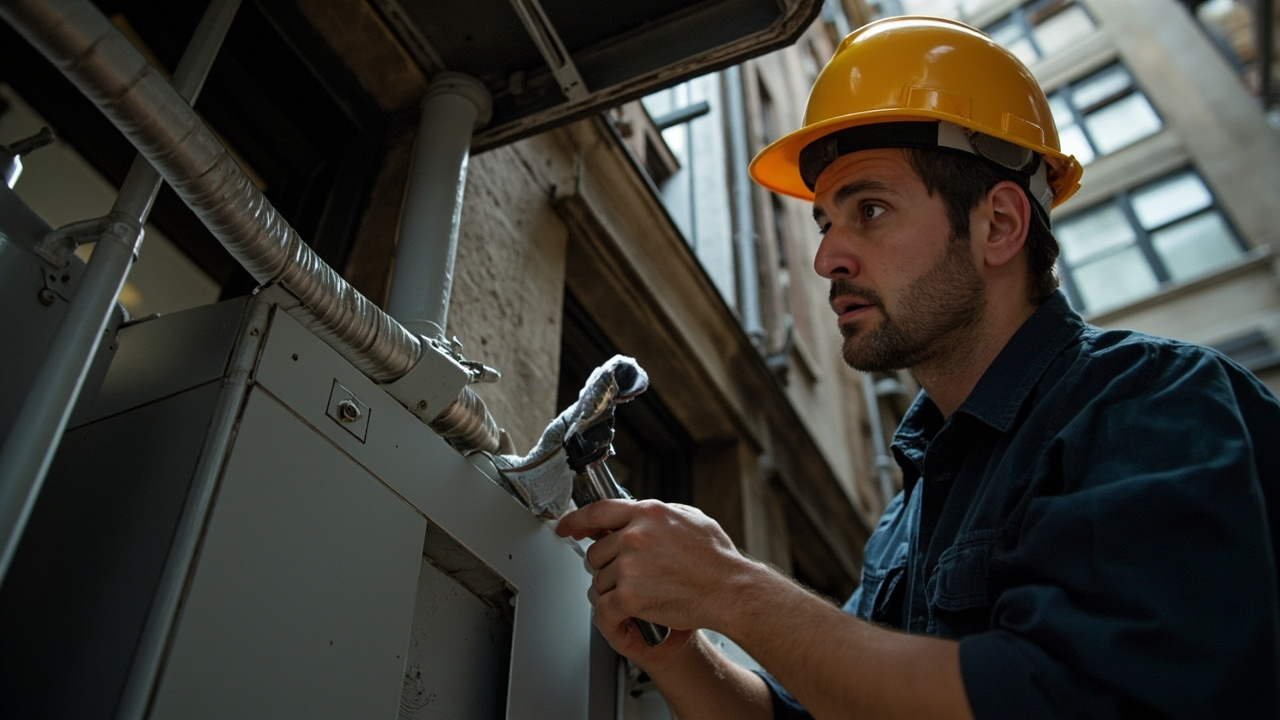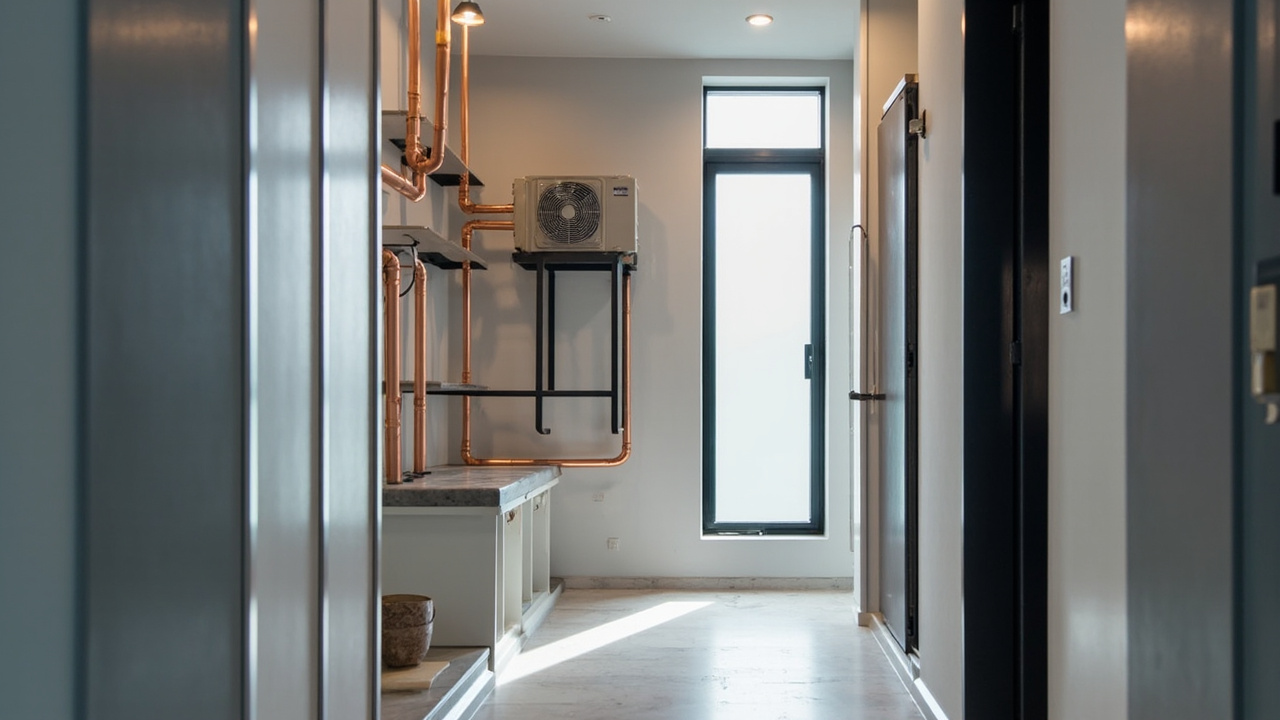






Chicago sits 20 miles west of Lake Michigan, but the lake's moderating effect disappears once arctic air masses move in during January and February. When subfreezing air from Canada crosses the lake, it picks up moisture and dumps it as snow on the Indiana and Michigan shorelines, leaving Chicago with dry, frigid conditions. Indoor humidity drops below 15 percent when outdoor dewpoints fall below zero, and your furnace runs continuously to maintain 68 degrees. HVAC humidifiers counteract this extreme dryness by reintroducing moisture directly into your ductwork, preventing the respiratory irritation and structural damage that come from prolonged exposure to desert-level humidity.
Chicago's residential building code requires mechanical ventilation in new construction, but most existing homes rely on natural infiltration through older windows and uninsulated walls. When you seal air leaks to cut heating costs, you trap dry air inside and eliminate the passive moisture exchange that once kept humidity levels tolerable. Five Star HVAC Chicago installs whole house humidifiers that work within this tighter building envelope, balancing indoor air quality without sacrificing energy efficiency. We understand how Chicago's housing stock behaves during winter and size ducted humidifiers to match your home's actual moisture loss rate.