




menu

Commercial AC Repair in Chicago – Industrial-Grade Solutions That Keep Your Business Running

When your commercial cooling system fails, every hour of downtime costs you money. Five Star HVAC Chicago delivers fast commercial air conditioning repair with the capacity and technical expertise to handle multi-zone systems, rooftop units, and industrial-scale equipment across the Chicago metro.

Slider Image 1
Slider Image 2
Slider Image 3
Slider Image 4
Slider Image 5
Slider Image 7
Slider Image 8
Slider Image 9
Slider Image 10
Slider Image 11

Why Commercial AC Failures Hit Chicago Businesses Harder

Chicago's climate creates a brutal stress test for commercial cooling systems. Summer humidity regularly pushes 80 percent while temperatures spike into the 90s. Your rooftop units absorb punishing UV exposure and thermal expansion cycles that residential systems never face. Winter freeze-thaw cycles corrode compressor housings and crack refrigerant lines. Spring storms deposit debris into condenser coils, choking airflow when you need it most.

Multi-story office buildings in the Loop face constant HVAC demands. Retail spaces along Michigan Avenue cannot afford temperature swings that drive customers out. Warehouses in the South Side require precise climate control for inventory. Manufacturing facilities in the industrial corridors need 24/7 cooling capacity to protect equipment and maintain production schedules.

A failing commercial cooling system creates immediate financial pressure. Employee productivity drops when indoor temperatures climb above 78 degrees. Server rooms overheat, risking data loss and equipment failure. Food service operations face health code violations. Medical facilities cannot maintain sterile environments. Retail stores lose sales as customers walk out.

Commercial hvac repair demands different capabilities than residential service. Your system may include multiple compressors, variable refrigerant flow controls, economizers, and building automation integration. Industrial ac repair requires technicians who understand three-phase power, complex ductwork design, and load calculations for spaces measured in thousands of square feet. Generic service calls waste your time and money when the technician cannot diagnose commercial-grade equipment.

Business ac repair in Chicago requires understanding local building codes and energy compliance standards that do not apply to homes.

Why Commercial AC Failures Hit Chicago Businesses Harder
How Five Star HVAC Chicago Approaches Commercial Cooling Failures

How Five Star HVAC Chicago Approaches Commercial Cooling Failures

We dispatch technicians equipped for commercial environments, not residential service trucks retrofitted with extra tools. Our diagnostic process starts with building automation system integration checks. Many commercial air conditioning repair calls trace back to faulty sensors, miscalibrated thermostats, or scheduling conflicts in your BAS that create phantom failures.

We assess refrigerant charge across all zones using manifold gauges calibrated for R-410A, R-22, and R-407C systems. Subcooling and superheat measurements reveal compressor efficiency and expansion valve function. We test amperage draw on each compressor and condenser fan motor against nameplate specifications to identify mechanical degradation before catastrophic failure.

Airflow measurement separates actual problems from perceived ones. We calculate cubic feet per minute at each supply register and compare total airflow against design specifications. Restaurants often discover their exhaust hoods create negative pressure that starves the AC system. Server rooms frequently show inadequate return air that causes short cycling.

Electrical diagnostics cover three-phase power quality, contactor pitting, capacitor microfarad drift, and control voltage stability. Chicago's electrical grid experiences voltage sags during peak demand that stress commercial compressors. We document power quality issues that void equipment warranties if left unaddressed.

Refrigerant leak detection uses electronic sensors and ultraviolet dye to find failures in brazed joints, vibration-damaged lines, and corroded evaporator coils. We pressure test repairs with nitrogen before recharging to verify integrity. Commercial systems hold 50 to 500 pounds of refrigerant. Leak repairs require proper recovery equipment and EPA-certified handling to avoid environmental violations and financial penalties.

Our repair specifications reference manufacturer service bulletins, not generic procedures. We source OEM parts through commercial supply channels that stock components for Trane, Carrier, Lennox, and York commercial units.

What Happens During Your Commercial AC Repair Service

Commercial AC Repair in Chicago – Industrial-Grade Solutions That Keep Your Business Running
01

Emergency Dispatch and Assessment

You call our dedicated commercial line and speak directly with a dispatcher who understands business cooling emergencies. We gather your equipment make, model, and symptom description. Our technician arrives with diagnostic tools, replacement contactors, capacitors, and common failure components for your equipment type. We evaluate your entire cooling system, not just the obvious failure point, because commercial systems have interdependencies that residential units do not.
02

Root Cause Diagnosis

We document all measurements and test results in a written diagnostic report. You receive refrigerant pressures, electrical readings, airflow data, and photographic evidence of failed components. This documentation supports your maintenance records, warranty claims, and insurance requirements. We explain exactly what failed, why it failed, and what other components show wear. You get a clear repair quote with line-item pricing before we begin work, so you control the decision.
03

Repair Execution and Verification

We complete repairs using proper brazing techniques, torque specifications, and electrical terminations that meet NEC standards. After repair, we run full-load tests and measure system performance against baseline specifications. You receive a completion report showing before and after measurements that verify your system operates correctly. We update your equipment service history and provide maintenance recommendations to prevent future failures. Your cooling system returns to normal operation with documented proof of proper repair.

Why Chicago Businesses Choose Five Star HVAC for Commercial Repairs

Commercial cooling failures do not wait for business hours. We maintain service availability that matches your operational schedule. Manufacturing facilities running second and third shifts receive the same response priority as daytime office calls. Weekend retail operations get technicians dispatched with the same urgency as weekday emergencies.

Our technicians hold EPA Section 608 Universal Certification required for commercial refrigerant handling. They receive ongoing factory training on commercial equipment that differs substantially from residential systems. A technician qualified for home AC service cannot properly diagnose a variable refrigerant flow system or troubleshoot economizer controls in a commercial rooftop unit.

Chicago's commercial building codes require specific installation standards, ventilation rates, and energy efficiency compliance. The Chicago Energy Conservation Code mandates efficiency levels that affect equipment selection and repair specifications. Cook County has inspection requirements for refrigerant handling and disposal. We document all work to meet these standards, protecting you from compliance issues that create liability during building inspections or tenant disputes.

We understand the financial pressure of commercial downtime. A failed AC system in a retail space costs you sales revenue every hour it remains broken. Office environments lose productivity as employees struggle with heat stress. Medical facilities face patient safety concerns. We prioritize repairs that restore partial cooling capacity while we order specialized components for complete fixes, minimizing your revenue loss.

Five Star HVAC Chicago maintains relationships with commercial parts suppliers that stock components unavailable through residential channels. When your Trane Voyager rooftop unit needs a specific compressor or your Carrier AquaEdge chiller requires a specialized control board, we source it through commercial networks that understand urgency.

Our service vehicles carry test equipment scaled for commercial applications, including digital manifold sets, combustion analyzers, and amperage meters rated for three-phase systems.

What Your Business Should Expect From Commercial AC Repair

Response Time and Availability

Emergency commercial calls receive priority dispatch. We understand that every hour without cooling costs your business money in lost productivity, damaged inventory, or customer walkouts. Our commercial technicians carry equipment and parts for common failure modes in rooftop units, split systems, and packaged equipment. You get realistic time estimates based on your specific equipment and the required repair, not vague promises. We communicate clearly about parts availability if your system needs specialized components that require ordering. For critical operations, we discuss temporary cooling solutions that maintain business continuity while we complete permanent repairs.

Diagnostic Methodology and Reporting

Commercial diagnostics require systematic testing that eliminates guesswork. We measure refrigerant charge, verify electrical supply quality, calculate airflow rates, and test safety controls. Your diagnostic report includes specific measurements with units, not subjective observations. This documentation supports your maintenance records, helps you budget for future needs, and provides evidence for warranty claims or insurance disputes. We explain technical findings in clear language that helps you make informed decisions about repair versus replacement. You understand exactly what failed and why, so you can evaluate our recommendations against your business needs and budget constraints.

Repair Quality and Performance Standards

Commercial repairs must meet higher standards than residential work because the consequences of failure are greater. We use nitrogen pressure testing to verify leak repairs before adding expensive refrigerant to your system. Electrical connections receive proper terminations with anti-oxidant compound and correct torque specifications to prevent future failures. We pull evacuation to 500 microns and hold to verify system integrity before charging refrigerant. After completing repairs, we measure system performance against manufacturer specifications to confirm your equipment operates correctly. You receive documentation showing your system meets the performance standards required for your application, whether that involves precise temperature control for a data center or humidity management for a medical facility.

Maintenance Planning and Follow-Up

Commercial cooling systems require preventive maintenance to avoid emergency failures during peak cooling season. After completing repairs, we provide a written assessment of your equipment condition that identifies components showing wear. This allows you to budget for future needs rather than facing unexpected failures. We explain how Chicago's climate affects your specific equipment and recommend maintenance intervals appropriate for your operating conditions. High-hour operations need more frequent service than buildings with seasonal occupancy. We document your equipment service history and maintain records that support warranty claims, building inspections, and tenant lease requirements. You receive clear recommendations without pressure tactics or unnecessary upsells.

Frequently Asked Questions

You Have Questions,
We Have Answers

What is the $5000 AC rule? +

The $5000 AC rule is an IRS guideline for capital improvements versus repairs. If your repair costs exceed $5000, you may need to capitalize and depreciate the expense over time rather than deduct it immediately. This matters for Chicago businesses managing cash flow and tax planning. Consult your CPA to determine if your commercial AC repair qualifies as a deductible repair or a capital improvement. The classification depends on whether the work restores function or adds value. Proper documentation of invoices and scope of work is critical for audit protection.

What are common commercial HVAC problems? +

Commercial systems in Chicago face refrigerant leaks from pressure cycling during extreme temperature swings, compressor failures from constant load demands, and thermostat malfunctions due to zoning complexity. Dirty coils reduce efficiency in high-humidity environments. Failed capacitors stop units from starting. Ductwork leaks waste conditioned air and spike utility costs. Control board failures disrupt automated scheduling. Drain line clogs cause water damage in multi-story buildings. Belt-driven systems experience belt wear and bearing failure. These issues require immediate attention to prevent downtime and liability exposure in occupied commercial spaces.

What are the costs of commercial HVAC repair? +

Commercial HVAC repair costs vary by system size, equipment age, and failure type. Minor fixes like capacitor replacement or thermostat recalibration run less than major compressor or evaporator coil replacements. Rooftop unit repairs differ from split systems. Emergency after-hours service increases costs but prevents business interruption. Multi-zone systems require more labor. Chicago's building codes may mandate specific repairs or upgrades during service calls. Factor in lost revenue from downtime when budgeting. Request detailed diagnostics before authorizing work. Preventive maintenance contracts reduce emergency repair frequency and associated costs.

What is the life expectancy of a commercial AC unit? +

Commercial AC units last 15 to 20 years with proper maintenance. Chicago's freeze-thaw cycles and humidity stress components faster than mild climates. Rooftop units exposed to weather age quicker than indoor equipment. Usage intensity matters. A unit running 12 hours daily in a retail space outlasts one operating 24/7 in a data center. Poor maintenance cuts lifespan significantly. Regular filter changes, coil cleaning, and refrigerant checks extend equipment life. Plan capital replacement budgets around the 15-year mark to avoid unexpected failures during peak cooling season.

What is the 3 minute rule for AC? +

The 3-minute rule prevents compressor damage after shutdown. When you turn off an AC unit, refrigerant pressure must equalize between the high and low sides before restarting. Starting too soon forces the compressor to work against unbalanced pressure, risking motor burnout. Most modern commercial units have built-in time delay relays that enforce this waiting period automatically. If your system short-cycles or experiences frequent breaker trips, the time delay relay may have failed. This protection is critical for expensive commercial compressors serving Chicago office buildings and retail spaces.

Can I write off my new AC unit on my taxes? +

You can write off a new commercial AC unit through Section 179 deduction or bonus depreciation if it meets IRS requirements. Section 179 allows immediate expensing of qualifying equipment up to annual limits. Bonus depreciation may apply to new systems. The unit must be placed in service during the tax year and used for business purposes. Chicago businesses replacing failed equipment or upgrading to energy-efficient models often qualify. Consult your tax advisor to maximize deductions and understand recapture rules. Keep detailed invoices and installation records for documentation.

What is the 2 foot rule for HVAC? +

The 2-foot rule requires maintaining two feet of clearance around HVAC equipment for safe service access and proper airflow. Chicago building codes enforce this for rooftop units and mechanical rooms. Obstructions reduce cooling efficiency, create fire hazards, and violate OSHA requirements for technician safety. Stored materials, ductwork, or electrical conduits must not encroach on this clearance zone. Inspectors cite violations during routine inspections. Restricted airflow causes units to overheat and fail prematurely. Ensure your facility manager maintains clear access zones to prevent code violations and equipment damage.

What is the most common part to fail on an AC unit? +

Capacitors fail most often in commercial AC units. These components store electrical charge to start motors and maintain compressor operation. Chicago's temperature extremes stress capacitors, causing them to bulge, leak, or lose capacitance. A failed capacitor prevents the unit from starting or causes hard starting that damages the compressor. Symptoms include humming sounds without cooling, intermittent operation, or complete failure. Capacitors are inexpensive components but require immediate replacement to prevent secondary damage to motors. Regular testing during maintenance visits identifies weak capacitors before they fail during peak demand.

How often should a commercial HVAC system be serviced? +

Commercial HVAC systems require professional service twice yearly, ideally before cooling and heating seasons. Chicago's temperature extremes demand spring and fall maintenance to ensure reliable operation. High-use facilities like restaurants or data centers need quarterly service. Maintenance includes filter changes, coil cleaning, refrigerant level checks, electrical connection tightening, and control calibration. Regular service prevents 80% of emergency breakdowns, extends equipment life, and maintains energy efficiency. Document all service visits for warranty compliance and liability protection. Neglected systems fail during peak demand when replacement parts are scarce and labor costs spike.

Will insurance cover HVAC repair? +

Standard commercial property insurance rarely covers HVAC repair from normal wear and mechanical breakdown. Coverage typically applies only to damage from covered perils like fire, vandalism, or storm damage. Equipment breakdown insurance, sold as an endorsement or separate policy, covers mechanical failure of commercial systems. This coverage is valuable for Chicago businesses with aging equipment or high replacement costs. Review your policy declarations with your agent. Some policies exclude deferred maintenance claims. Document regular service records to support any insurance claim. Consider equipment breakdown coverage if your units exceed 10 years old.

How Chicago's Commercial Building Density Affects AC Repair Complexity

Chicago's commercial architecture creates unique cooling challenges that residential HVAC technicians never encounter. The Loop's high-rise buildings rely on central chilled water systems with multiple air handlers per floor. River North's converted loft spaces have exposed ductwork and zone control issues from adaptive reuse. The Magnificent Mile's retail corridors require constant cooling capacity to offset body heat from thousands of daily visitors. Industrial facilities along the Stevenson Expressway run 24/7 operations where cooling failures shut down production lines. These environments demand technicians who understand complex commercial systems, not service calls that treat your business like an oversized house.

Five Star HVAC Chicago built its reputation serving the commercial corridor from downtown through the surrounding business districts. We understand Chicago's commercial building codes, the mechanical permit requirements through the Department of Buildings, and the energy efficiency standards that affect equipment replacement decisions. Local businesses choose us because we show up prepared for commercial environments with the right tools, the proper certifications, and the technical knowledge to diagnose systems that require specialized expertise. When your business cooling system fails, you need a service provider who understands the financial pressure of downtime and delivers repairs that restore operations quickly.
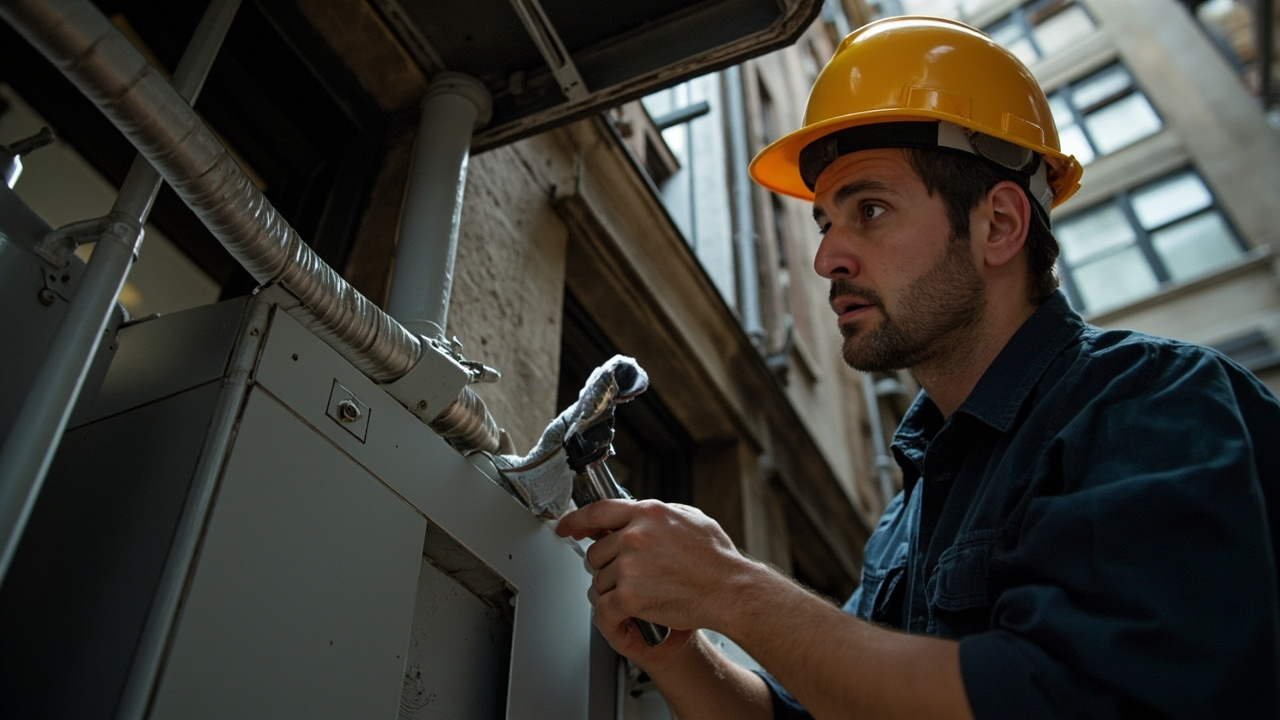
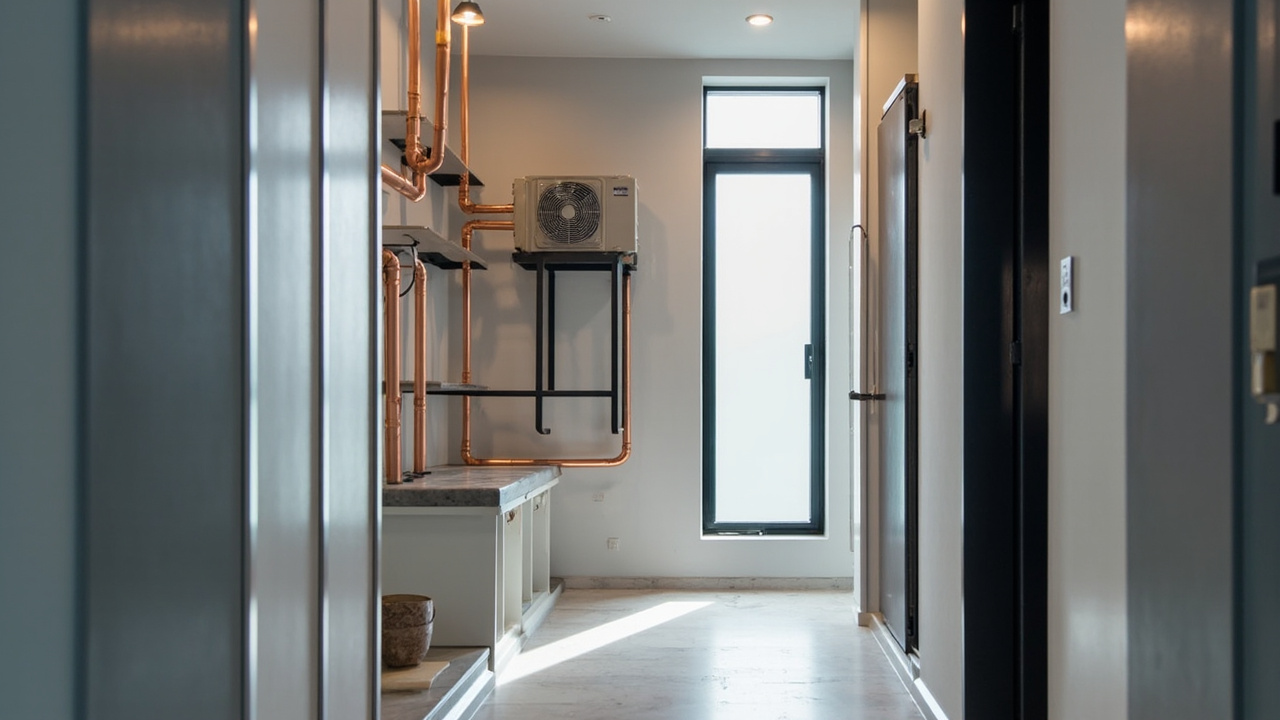
HVAC Services in The Chicago Area

Whether you’re dealing with a heating emergency or planning an AC upgrade, Five Star is just around the corner. Serving Chicago and surrounding communities, we’re proud to be the go-to HVAC company for homes and businesses alike. Use the map below to locate us quickly, or give us a call for directions or on-site service availability. We’re always ready to help, no matter where you are in the area — because comfort should never be out of reach.

Address:
Five Star HVAC Chicago, 2828 N Clark St, Chicago, IL, 60657

Additional Services We Offer

Our news updates

Latest Articles & News from The Blogs

Living in a dense Chicago neighborhood like Chinatown offers incredible access to culture and food. The narrow alleys and brick…

Quiet the Echo of Your Neighbors Loud AC in a Chinatown Alleyway

Living in a dense Chicago neighborhood like Chinatown offers incredible access to culture and food. The narrow alleys and brick…

Keeping Your Morgan Park Home Warm During a Winter Power Outage

Winter in Morgan Park brings a unique set of challenges for homeowners. The neighborhood is famous for its beautiful canopy…

Comparing Carrier and Trane for the unpredictable Chicago climate

The High Stakes of Chicago Climate Performance in 2026Chicago weather moves from one extreme to another with very little warning.…

Contact Us

Every hour without AC costs your business money. Call Five Star HVAC Chicago now at (708) 328-5999 for priority commercial dispatch. Our technicians carry the equipment and expertise to diagnose your system and restore cooling capacity fast. We answer our phones, not voicemail systems.