




menu

Short Cycling in Chicago – Expert Diagnosis and Permanent Repair for Systems That Won't Stay Running

When your AC or furnace keeps kicking on and off every few minutes, you need more than a quick fix. Five Star HVAC Chicago delivers thorough diagnostics and targeted repairs that stop short cycling for good.

Slider Image 1
Slider Image 2
Slider Image 3
Slider Image 4
Slider Image 5
Slider Image 7
Slider Image 8
Slider Image 9
Slider Image 10
Slider Image 11

Why Your System Keeps Turning On and Off in Chicago

You hear the click. The system starts. Then it shuts down. Thirty seconds later, it starts again. This is short cycling, and it destroys equipment while driving up your energy bills.

In Chicago, HVAC rapid cycling hits harder because of our extreme temperature swings. When January temperatures drop to single digits, furnace short cycling can leave you without heat at the worst possible time. When July humidity spikes above 70 percent, an air conditioner short cycle means your system never runs long enough to remove moisture from the air. You get a cold house that still feels clammy and uncomfortable.

Short cycling happens for specific reasons. Oversized equipment is the most common culprit. A furnace or AC that is too powerful for your space hits temperature setpoint too quickly, shuts down, then restarts when the thermostat registers even a slight change. Refrigerant leaks cause AC turning on and off repeatedly because low pressure triggers safety cutoffs. Dirty flame sensors make furnaces shut down seconds after ignition. Clogged air filters restrict airflow until high limit switches trip and kill the system.

Chicago's freeze-thaw cycles make the problem worse. When outdoor units ice over during our cold snaps, refrigerant pressures fluctuate wildly. Clay soil settling affects ductwork, creating air leaks that throw off pressure balances. Homes in neighborhoods like Lincoln Park and Wicker Park have aging HVAC systems installed before modern sizing protocols existed.

When your system kicks on and off, you are not just annoyed. You are burning through components that were designed for longer run cycles. Compressors fail. Heat exchangers crack. Blower motors burn out. Fixing short cycling now prevents a full system replacement later.

Why Your System Keeps Turning On and Off in Chicago
How We Stop Short Cycling Permanently

How We Stop Short Cycling Permanently

Generic troubleshooting misses the root cause. We use diagnostic testing that identifies why your system cycles rapidly, then we fix the actual problem.

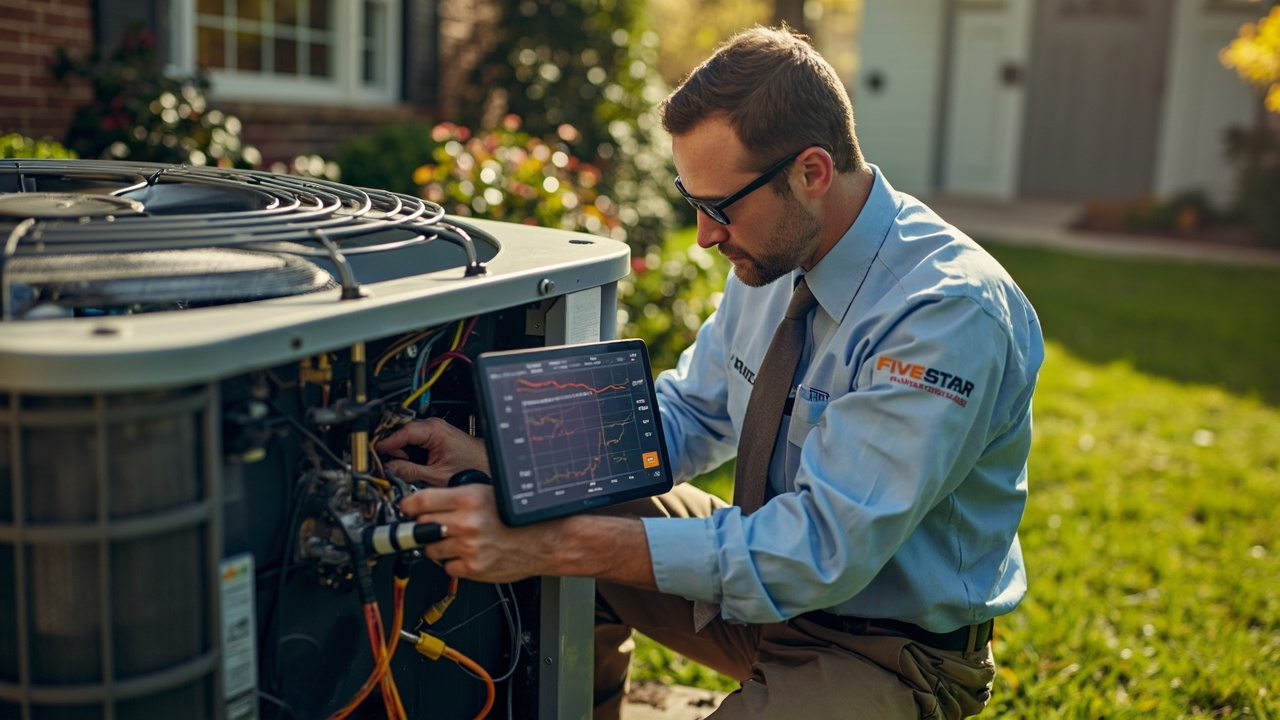
We start with airflow measurement using a digital manometer. Static pressure readings tell us if ductwork restrictions are forcing the system to short cycle. Residential systems should operate between 0.5 and 0.8 inches of water column. Anything higher indicates blockages, undersized returns, or crushed flex ducts in crawl spaces.

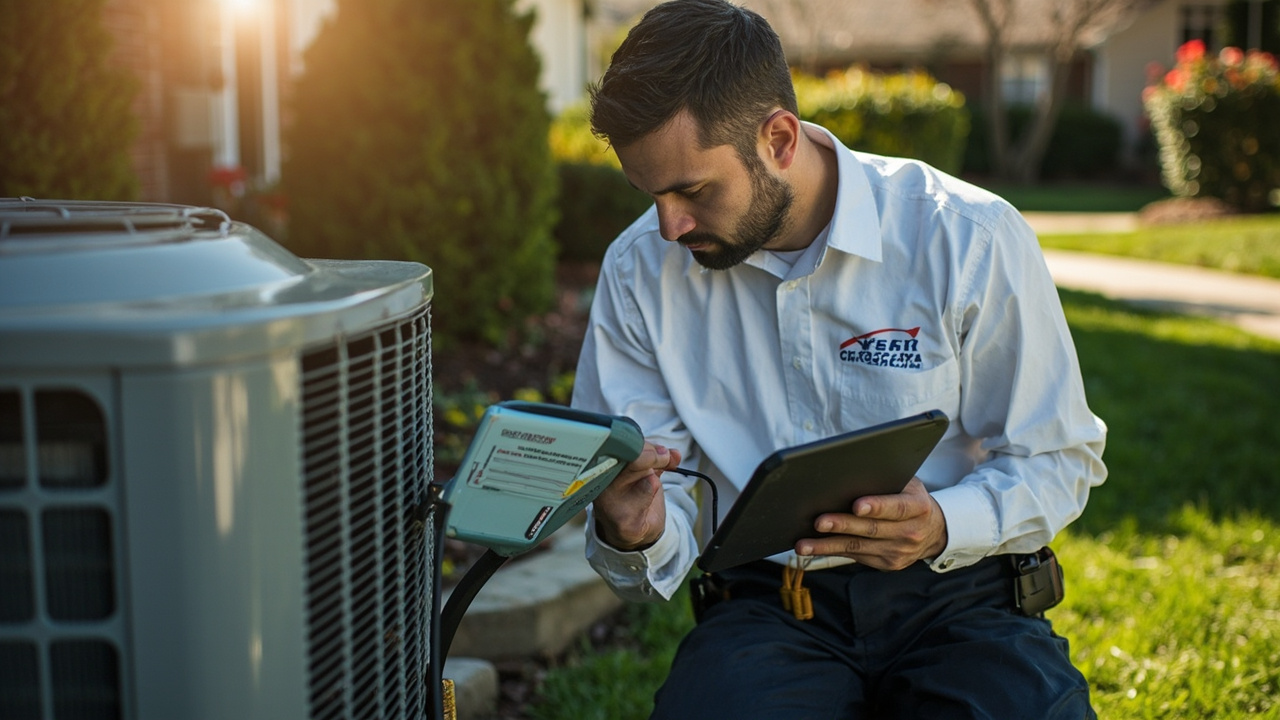
Next, we check refrigerant charge with manifold gauges. Low refrigerant causes rapid cycling because the compressor cannot maintain adequate head pressure. We measure superheat and subcooling to verify whether the charge is correct for Chicago's climate. Summer humidity affects these readings, so we adjust for ambient conditions.

For furnaces, we test flame sensor current with a microamp meter. A reading below 0.5 microamps means the sensor cannot confirm ignition, so the gas valve closes and the system restarts. We also inspect heat exchanger integrity using a combustion analyzer. Cracked exchangers create unsafe carbon monoxide levels and trigger short cycling through safety limits.

Thermostat calibration matters more than most people realize. We verify that your thermostat differential is set correctly. If the differential is too narrow, the system cycles every time the temperature shifts half a degree. We test anticipator settings on older thermostats and swing settings on digital models.

Oversized equipment requires a different solution. If your furnace or AC is too large for your space, we calculate Manual J heat load to determine the correct size. Sometimes zoning or variable-speed equipment solves the problem without replacing the entire system.

We document every test result so you understand exactly why your system was short cycling and what we did to fix it.

What Happens When We Fix Your Short Cycling Problem

Short Cycling in Chicago – Expert Diagnosis and Permanent Repair for Systems That Won't Stay Running
01

Complete System Diagnostics

We arrive with testing equipment and begin by documenting cycle times and observing system behavior. We measure airflow, check refrigerant pressures, test electrical components, and inspect ductwork connections. This step identifies whether the issue stems from mechanical failure, incorrect sizing, or control malfunction. You get a clear explanation of what is causing the rapid cycling before any repair work begins.
02

Targeted Component Repair

Once we identify the root cause, we replace or adjust the failed component. This might mean cleaning flame sensors, sealing refrigerant leaks, replacing faulty pressure switches, or recalibrating thermostat settings. For airflow issues, we modify ductwork or upgrade filters. If your system is oversized, we discuss long-term solutions like variable-speed equipment or zoning. Every repair targets the specific failure point, not generic maintenance tasks.
03

Verification and Testing

After repairs, we run the system through multiple cycles to confirm normal operation. We verify that cycle times are appropriate for your equipment type and that temperature swings stay within acceptable ranges. You watch the system run smoothly for at least 15 minutes without interruption. We document final test readings and explain what to monitor going forward. Your system now operates the way it was designed to.

Why Chicago Homeowners Trust Five Star HVAC for Short Cycling Repairs

Short cycling repairs require diagnostic skill, not parts replacement guesswork. Five Star HVAC Chicago trains our technicians to test first, then repair based on evidence.

We understand Chicago-specific HVAC challenges. We know that Chicagoland homes built before 1980 often have oversized furnaces because contractors used rules of thumb instead of heat load calculations. We know that Lake Michigan humidity affects air conditioner performance differently than dry climates. We know that clay soil movement in neighborhoods like Beverly and Mount Greenwood can shift ductwork and create air leaks.

Our diagnostic equipment includes digital manometers, refrigerant scales, combustion analyzers, and thermal imaging cameras. We do not rely on visual inspection alone. We measure static pressure, verify refrigerant charge by weight, and test electrical current draw on every motor. This approach finds problems that other companies miss.

We also understand Chicago building codes and permit requirements. If your repair involves refrigerant handling, we follow EPA Section 608 regulations. If we modify ductwork, we ensure compliance with local mechanical codes. You do not get surprise code violations or failed inspections.

Our technicians live and work in Chicago. We service systems in Rogers Park, Bridgeport, Hyde Park, and every neighborhood in between. We have seen short cycling caused by everything from incorrectly wired thermostats in vintage Greystones to undersized ductwork in new construction condos.

When you call Five Star HVAC Chicago, you get someone who shows up on time, diagnoses the real problem, and fixes it correctly the first time. We do not upsell unnecessary replacements. If your system can be repaired, we repair it. If it needs replacement, we explain why and give you options that fit your budget and your home.

What to Expect When We Fix Your Short Cycling Problem

Fast Response and Flexible Scheduling

Short cycling is frustrating, but it rarely qualifies as an emergency unless your system stops working completely. We typically schedule diagnostic appointments within 24 to 48 hours. If your furnace short cycles during a January cold snap and your home is losing heat, we prioritize your call and arrive the same day. We offer evening and weekend appointments so you do not have to take time off work. Most diagnostic visits take between one and two hours, depending on the complexity of your system and the severity of the cycling issue.

Thorough Diagnostic Process

We do not guess. Our technician arrives with testing equipment and begins by observing how your system operates through several cycles. We measure airflow at supply and return registers, check refrigerant pressures with manifold gauges, test flame sensor current, and inspect thermostat wiring. We look for duct leaks, blocked vents, and dirty coils. You watch the testing process and ask questions. Before we recommend any repair, you see the test results that prove what is wrong. We explain the failure in plain language and describe exactly what needs to be fixed.

Reliable Repair Results

Once we complete the repair, your system runs through multiple heating or cooling cycles without shutting down prematurely. You notice longer run times, more consistent temperatures, and quieter operation. Your energy bills drop because the system is not constantly restarting. We verify that cycle times match the expected performance for your equipment type. For furnaces, typical cycle lengths range from 10 to 15 minutes. For air conditioners, expect 15 to 20 minutes per cycle in moderate weather. You leave with confidence that the problem is solved, not just temporarily patched.

Ongoing Support and Maintenance Guidance

After we fix your short cycling issue, we provide guidance on preventing future problems. We recommend filter change intervals based on your system type and home environment. If airflow restrictions contributed to the issue, we explain how to keep vents clear and ductwork sealed. We do not push maintenance contracts, but we do offer seasonal tune-ups that catch minor issues before they cause short cycling again. If you have questions after we leave, you call the same number and talk to someone who has your service history. We stand behind our repair work and make it right if the problem returns.

Frequently Asked Questions

You Have Questions,
We Have Answers

What is the most common cause of short cycling? +

The most common cause of short cycling is an oversized AC unit. When your system is too powerful for your home, it cools the space too quickly and shuts off before completing a full cycle. Other frequent culprits include clogged air filters restricting airflow, refrigerant leaks causing pressure imbalances, faulty thermostats sending incorrect signals, and frozen evaporator coils. In Chicago homes, rapid temperature swings during spring and fall can also trigger short cycling when thermostats are placed near windows or heat sources. The compressor needs proper run time to work efficiently, and these issues prevent that from happening.

How do you fix short cycling? +

Fixing short cycling starts with identifying the root cause. Replace your air filter if it is clogged. Check your thermostat placement and settings to confirm it reads temperature accurately. If refrigerant is low, you need a licensed technician to find the leak, repair it, and recharge the system. Frozen coils require thawing and addressing airflow problems. An oversized unit may need replacing with properly sized equipment based on a Manual J load calculation. In Chicago's humid summers, drainage issues can also cause cycling problems. A qualified HVAC technician can diagnose the specific issue and implement the correct fix.

What is the definition of short cycling? +

Short cycling is when your HVAC system turns on and off too frequently without completing a full cooling or heating cycle. A normal cycle should run 10 to 15 minutes before shutting off. When your system runs for only two to three minutes before stopping, that is short cycling. This pattern puts excessive wear on the compressor and other components, increases energy bills, fails to properly dehumidify your home, and reduces overall comfort. The constant starting and stopping creates temperature inconsistencies and shortens equipment lifespan. It is a symptom of an underlying problem that needs professional attention.

How to tell if HVAC is short cycling? +

You can tell your HVAC is short cycling by timing the run cycles. If your system starts, runs for less than five to seven minutes, shuts off, then repeats this pattern within a few minutes, you have short cycling. Other signs include uneven temperatures throughout your Chicago home, higher than normal energy bills, and the compressor constantly clicking on and off. Your home never reaches the set temperature on the thermostat. You may also notice increased humidity indoors during summer because the system does not run long enough to remove moisture from the air.

How to avoid short cycling? +

Avoid short cycling by scheduling regular maintenance every spring and fall before Chicago's extreme seasons hit. Change your air filter every one to three months depending on usage and household conditions. Keep outdoor condenser units clear of debris, leaves, and vegetation. Install your thermostat away from windows, doors, and heat sources for accurate temperature readings. Size your HVAC equipment correctly during installation using proper load calculations. Address refrigerant leaks immediately. Clean evaporator and condenser coils annually. These preventive steps help your system run complete cycles and maintain efficiency throughout our humid summers and cold winters.

How to tell if a compressor is shorted to ground? +

Testing if a compressor is shorted to ground requires a multimeter and should be done by a trained technician. Turn off all power to the unit at the breaker and disconnect panel. Use the multimeter to check resistance between each compressor terminal and the compressor housing or ground. A reading of zero or very low resistance indicates a short to ground. You can also check for continuity between windings. Chicago's temperature extremes put stress on compressor windings, making them vulnerable to failure. A shorted compressor typically requires replacement, not repair, because internal damage has occurred.

Can a dirty air filter cause short cycling? +

Yes, a dirty air filter absolutely causes short cycling. When the filter becomes clogged with dust, pet hair, and debris, it restricts airflow across the evaporator coil. This reduced airflow causes the coil to freeze, triggering the system to shut down prematurely. The system restarts once pressure normalizes, then repeats the cycle. Chicago homes deal with high pollen counts in spring and airborne particulates year-round, which accelerate filter clogging. Check your filter monthly and replace it when it looks dirty. This simple maintenance step prevents most short cycling issues and protects your equipment.

What is the $5000 AC rule? +

The five thousand dollar AC rule is an informal guideline for deciding between repair and replacement. Multiply the repair cost by the age of your unit. If the result exceeds five thousand, replacement makes more financial sense than repair. For example, a twelve hundred dollar repair on a six year old system equals seven thousand two hundred, suggesting replacement is better. This rule helps Chicago homeowners evaluate whether investing in an aging system is worthwhile. However, consider additional factors like efficiency ratings, refrigerant type, and how many years of service you can reasonably expect from the existing equipment.

What is the 3 minute rule for AC? +

The three minute rule for AC is a built-in time delay that protects the compressor from damage. After your system shuts off, the compressor must wait at least three minutes before restarting. This delay allows refrigerant pressures to equalize throughout the system. Starting the compressor under unequal pressure stresses internal components and shortens lifespan. Most modern thermostats and control boards enforce this delay automatically. If your system tries to restart immediately and trips the breaker, the time delay relay may have failed. This protection is especially important in Chicago where systems cycle frequently during shoulder seasons.

Why is my AC set to 72 but reads 78? +

If your AC is set to 72 but reads 78, you have a capacity or airflow problem. Your system cannot remove heat fast enough to reach the setpoint. Common causes include undersized equipment for your home, low refrigerant from a leak, extremely dirty coils reducing heat transfer, failing compressor, or severe airflow restrictions. Chicago's humid summer heat puts maximum demand on AC systems. If outdoor temperatures exceed 95 degrees, even a properly functioning system may struggle to maintain more than a 20 degree temperature difference from outside. Schedule a diagnostic to identify whether you need repair or replacement.

How Chicago's Extreme Temperature Swings Make Short Cycling More Damaging

Chicago sees 100-degree temperature swings between January lows and July highs. This extreme range puts enormous stress on HVAC equipment. When your furnace short cycles during subzero weather, the heat exchanger never reaches full operating temperature. Condensation forms inside the exchanger, leading to rust and cracks. When your air conditioner cycles rapidly during humid summer days, the evaporator coil never gets cold enough to remove moisture from the air. Your home feels damp even when the thermostat says 72 degrees. Rapid cycling also prevents defrost cycles from completing during shoulder seasons, causing ice buildup on outdoor coils.

Five Star HVAC Chicago understands how local conditions affect system performance. We account for Lake Michigan humidity when checking refrigerant charge. We recognize that older homes in Ravenswood and Logan Square often have undersized ductwork that restricts airflow. We know that Chicago's building codes require specific venting standards for high-efficiency furnaces, and we verify compliance during every repair. When we diagnose short cycling, we consider the full picture of how your system interacts with Chicago's climate, your home's construction, and local code requirements. This approach delivers repairs that last.
HVAC Services in The Chicago Area

Whether you’re dealing with a heating emergency or planning an AC upgrade, Five Star is just around the corner. Serving Chicago and surrounding communities, we’re proud to be the go-to HVAC company for homes and businesses alike. Use the map below to locate us quickly, or give us a call for directions or on-site service availability. We’re always ready to help, no matter where you are in the area — because comfort should never be out of reach.

Address:
Five Star HVAC Chicago, 2828 N Clark St, Chicago, IL, 60657

Additional Services We Offer

Our news updates

Latest Articles & News from The Blogs

Professional duct cleaning services for Hyde Park townhomes and historical Chicago estatesLiving in a Hyde Park townhome near the Chicago…

Professional duct cleaning services for Hyde Park townhomes and historical Chicago estates

Professional duct cleaning services for Hyde Park townhomes and historical Chicago estatesLiving in a Hyde Park townhome near the Chicago…

Common HVAC problems in Gold Coast high rises and how to fix them for reliable comfort

Living in a Gold Coast high rise offers some of the most spectacular views of Lake Michigan and the Magnificent…

Signs your McKinley Park coach house needs its own heating system

McKinley Park homeowners are increasingly transforming historic coach houses into legal living spaces. The expansion of the Chicago Additional Dwelling…

Contact Us

Your system should not turn on and off every few minutes. Call Five Star HVAC Chicago at (708) 328-5999 to schedule a diagnostic appointment. We find the real problem and fix it right the first time.