





Springfield sits in the heart of Illinois where brutal temperature swings put serious stress on heating and cooling equipment. Winter temperatures drop below zero while summer heat pushes past 95 degrees, forcing HVAC systems to work overtime in both directions. The extreme seasonal shifts cause expansion and contraction in ductwork, stress compressor components, and accelerate wear on heat exchangers.
Central Illinois humidity creates another challenge. Summer dew points regularly exceed 70 degrees, making air conditioners work harder to remove moisture while maintaining comfort. This constant dehumidification strains compressors and shortens equipment life. Older homes near Washington Park and the Enos Park neighborhood often lack proper insulation, forcing HVAC systems to cycle more frequently and driving up energy costs.
Springfield's clay-heavy soil also impacts ground-level HVAC installations. Poor drainage around condensing units can lead to premature rust and electrical issues. Local building codes require specific clearances and installation standards that protect equipment from moisture damage. Systems installed without understanding these regional factors fail faster and cost more to operate.
Five Star HVAC Chicago has served Springfield and the surrounding Illinois communities for years, building a reputation for fast response and honest service. We understand the urgency when your heating or cooling fails, which is why we maintain a fleet of fully equipped service vehicles and keep our technicians available around the clock. When you call us at 3 AM because your furnace died, we answer the phone and dispatch help immediately.
Our technicians receive continuous training on all major HVAC brands and systems. They arrive prepared to diagnose problems quickly and carry the parts needed for most repairs on their trucks. This means we complete most service calls in a single visit, getting your comfort restored without delays for parts orders or return trips. We stock equipment for both older systems and modern high-efficiency units, so we can service any residential HVAC installation in the Springfield area.
What sets us apart is our transparent approach to pricing and repairs. Before starting any work, we explain exactly what failed, why it happened, and what the repair will cost. We never push unnecessary replacements or upsell services you don't need. If your system can be repaired cost-effectively, we repair it. If replacement makes more financial sense, we explain why and give you options at different price points. This straightforward approach has earned us consistent referrals from satisfied customers across Springfield's neighborhoods.
We also understand Springfield's climate demands. We recommend maintenance schedules that match local weather patterns and help you prepare systems for seasonal transitions. Our fall furnace checks catch problems before the first freeze, and spring AC tune-ups ensure your cooling system is ready when temperatures spike.

HVAC emergencies don't wait for business hours. We maintain full staffing day and night, every day of the year. When your system fails at midnight or on a holiday, we dispatch a certified technician to your Springfield home fast. Our trucks carry diagnostic equipment and common repair parts so we can restore your comfort quickly.

We complete most repairs on the first visit because our technicians arrive prepared. Each service vehicle stocks parts for common failures across all major HVAC brands. This eliminates delays waiting for parts shipments and gets your heating or cooling working again the same day. No return trips, no extended discomfort.
We diagnose the problem first, then explain your options with clear pricing before starting any work. You'll know exactly what the repair costs and why it's necessary. We never surprise you with hidden fees or pressure you into unnecessary replacements. This honest approach has built our reputation across Springfield.
We've serviced HVAC systems through dozens of Springfield winters and summers. We know how extreme cold affects furnace heat exchangers and how high humidity strains air conditioner compressors. This local experience helps us diagnose problems faster and recommend solutions that hold up to central Illinois weather conditions.
Five Star HVAC Chicago handles every heating and cooling need for Springfield residential properties. Our certified technicians service all system types, from basic central air to high-efficiency heat pumps and dual-fuel installations. We repair any brand of furnace, air conditioner, or heat pump, and we install new systems when replacement makes more sense than continued repairs.
Our service range covers emergency breakdowns, routine maintenance, complete system replacements, and indoor air quality improvements. Whether you need urgent AC service during a heat wave, annual furnace maintenance before winter, or ductwork repairs to improve efficiency, we handle it all. We also diagnose and fix related issues like thermostat problems, air handler failures, and refrigerant leaks.
We organize our services around how you actually need help. Emergency repairs get you working again fast. Maintenance prevents breakdowns and extends equipment life. Installation services cover both planned upgrades and emergency replacements. This approach ensures you get the right service at the right time, whether your system just failed or you're planning ahead.
System failures happen without warning. Your furnace quits on the coldest night or your air conditioner stops cooling during peak summer heat. We respond to these emergencies fast with technicians available 24/7. Our service vehicles carry diagnostic tools and common repair parts for all major brands, so we can identify problems quickly and complete most repairs on the first visit. We work efficiently to restore your heating or cooling and get your home comfortable again.
Regular maintenance catches small problems before they become expensive failures. Our seasonal tune-ups include thorough inspections of all system components, cleaning of critical parts, and adjustments to ensure efficient operation. We check refrigerant levels, test electrical connections, inspect heat exchangers for cracks, and verify proper airflow. This preventive approach extends equipment life, reduces energy costs, and prevents inconvenient breakdowns during extreme weather when you need your system most.
Old systems eventually cost more to repair than replace. We help you understand when replacement makes financial sense and guide you through equipment options that fit your home and budget. Our installations follow manufacturer specifications and local codes exactly. We properly size new systems for your home's square footage and insulation levels, install equipment with correct clearances, and test operation thoroughly before we leave. All new installations include warranty coverage and follow-up service.
Springfield's extreme climate creates specific HVAC challenges that lead to predictable failure patterns. Temperature swings between seasons stress components through constant expansion and contraction. High summer humidity forces air conditioners to run longer cycles, wearing out compressors prematurely. Winter cold pushes furnaces to their limits, exposing weak heat exchangers and failing igniters.
We see these problems repeatedly across Springfield homes. Many issues stem from deferred maintenance or systems installed without accounting for local weather extremes. Older equipment that worked adequately in milder climates struggles with central Illinois conditions. Understanding these common problems helps homeowners recognize warning signs before complete system failure leaves them without heating or cooling during the worst weather.
Springfield's humid summers force air conditioners to remove moisture constantly while maintaining temperature. This continuous operation stresses compressors beyond normal wear patterns. Compressors fail prematurely when systems lack proper maintenance or refrigerant levels drop. Warning signs include unusual noises, reduced cooling capacity, and higher electric bills as the struggling compressor works harder.
Furnace heat exchangers expand when hot and contract when cool. Years of Springfield's severe winters create stress fractures in older exchangers. Cracks allow combustion gases to mix with household air, creating dangerous carbon monoxide risks. Regular inspections catch developing cracks before they become hazardous. Unusual furnace odors or visible soot near vents signal potential heat exchanger problems.
Temperature cycling causes ductwork connections to separate over time. Leaking ducts waste conditioned air in attics, crawl spaces, and wall cavities instead of delivering it to living spaces. This forces systems to run longer to maintain comfort, driving up energy costs. Homes with uneven room temperatures or constantly running HVAC systems often have significant duct leakage problems.
Restricted airflow causes evaporator coils to freeze, shutting down cooling completely. Dirty air filters, blocked return vents, or failing blower motors reduce airflow below minimum requirements. Ice forms on coils when refrigerant can't absorb enough heat from passing air. The system stops cooling while the frozen coil damages other components. Regular filter changes prevent most airflow issues.
When your HVAC system fails, you need clear information and fast action. Five Star HVAC Chicago delivers both. From your first phone call through repair completion, we keep you informed about what's happening and what comes next. Our process prioritizes getting your system working again quickly while ensuring you understand the problem and solution.
We answer our phones 24/7, not an answering service. You talk directly to our dispatch team who can often provide troubleshooting guidance while a technician is on the way. For some simple issues like tripped breakers or thermostat settings, we can sometimes get your system running again over the phone. When a service visit is necessary, we give you an accurate arrival window and text when the technician is en route to your Springfield home.
Our technicians arrive with diagnostic equipment and immediately begin troubleshooting your system. We methodically test components to identify the exact failure point, not just symptoms. Once we find the problem, we explain what failed, why it happened, and what's needed to fix it. We show you the failed part when possible and answer all your questions before proposing any repairs. You'll understand exactly what went wrong with your heating or cooling system.
After diagnosing the problem, we provide a clear price quote for the repair before starting any work. Our pricing includes parts, labor, and any applicable warranties. We explain what's covered and identify any additional repairs we recommend, though we never pressure you into unnecessary work. If your system needs multiple repairs, we prioritize them so you can make informed decisions about what to fix now versus later.
After completing repairs, we test your system through full heating or cooling cycles to verify proper operation. We check airflow, measure temperature splits, and confirm all safety controls function correctly. We don't leave until your system operates reliably. Before we go, we clean our work area completely and show you how to prevent similar problems. You receive documentation of all work performed for your maintenance records.
We've streamlined our service approach to minimize disruption to your day while maximizing repair quality. Every job follows the same reliable process regardless of whether you need emergency repair or scheduled maintenance.
Call us anytime at (708) 328-5999 and speak directly with our team. We gather information about your HVAC problem, provide immediate troubleshooting if appropriate, and dispatch a certified technician to your Springfield home. You receive a clear arrival window and text notification when your technician is on the way. Emergency calls get priority dispatch with technicians typically arriving within two hours.
Your technician performs a complete system diagnostic to identify all problems affecting your heating or cooling. We explain what we found, show you failed components when possible, and provide upfront pricing for recommended repairs. Once you approve the work, we complete repairs using quality parts and proper techniques. Most service calls conclude with your system restored to reliable operation the same day.
We test your repaired system thoroughly before leaving, running full heating or cooling cycles to confirm proper operation and efficiency. You receive documentation of all work performed, parts installed, and warranty information. We explain any maintenance recommendations to help prevent future problems. If you have any concerns after we leave, we're available around the clock to address them promptly.
Professional HVAC installation requires strict adherence to manufacturer specifications, local building codes, and industry standards that protect system performance and occupant safety. Springfield falls under Illinois mechanical codes that reference International Mechanical Code provisions with state-specific amendments. These codes dictate minimum efficiency ratings, proper venting requirements, combustion air provisions, and clearance specifications that prevent equipment damage and safety hazards.
Equipment sizing forms the foundation of proper installation. Manual J load calculations account for home square footage, insulation levels, window areas, orientation, and occupancy to determine precise heating and cooling requirements. Oversized systems cycle too frequently, reducing efficiency and failing to control humidity properly. Undersized equipment runs constantly without maintaining comfort. Professional installers complete load calculations before recommending equipment capacity.
Refrigerant line installation demands exact procedures. Lines must be properly sized, pitched for oil return, insulated to prevent condensation, and pressure tested for leaks before charging. Incorrect line sizing or improper brazing creates restrictions that reduce capacity and damage compressors. Refrigerant charging follows superheat and subcooling measurements specific to each system and outdoor temperature, not just pressure gauge readings. Improper charging reduces efficiency by 20 percent or more while shortening compressor life.
Ductwork design affects system performance as much as equipment selection. Ducts sized using Manual D calculations ensure proper airflow to each room while maintaining static pressure within blower specifications. Supply registers need appropriate throw patterns for room size and ceiling height. Return air paths must be adequate to prevent negative pressure that pulls unconditioned air into living spaces. Sealed duct connections prevent air leakage that wastes 25 to 40 percent of heating and cooling energy in typical installations.
Springfield requires permits for HVAC system replacements and major repairs. Permitted work ensures installations meet safety codes for venting, electrical connections, refrigerant handling, and combustion air supply. Inspections verify proper installation before systems are approved for operation. Working with licensed contractors who pull permits protects homeowners from liability and ensures installations meet minimum safety standards required by law.
HVAC efficiency ratings directly impact monthly utility costs. SEER ratings measure air conditioner efficiency while AFUE percentages indicate furnace efficiency. Higher ratings cost more upfront but reduce operating expenses over equipment life. Springfield's climate favors balanced efficiency investments since both heating and cooling see heavy use. Professional load calculations and proper installation ensure equipment achieves rated efficiency rather than underperforming due to poor setup.
Complete system replacements typically take one to two days depending on installation complexity. Straightforward changeouts with existing ductwork finish faster than installations requiring duct modifications or electrical upgrades. Emergency replacements during equipment failures take priority with expedited scheduling. Quality installations can't be rushed since proper procedures for refrigerant handling, electrical connections, and startup testing require time to complete correctly.
New HVAC equipment includes manufacturer warranties covering parts for five to ten years depending on the brand and model. Compressor warranties often extend longer than other components. Labor coverage varies by installer and may require separate service agreements. Extended warranties and maintenance plans provide additional protection beyond manufacturer coverage while ensuring regular service that maintains efficiency and catches problems early.
This video explains common HVAC problems affecting Springfield, Illinois homes and demonstrates professional repair processes. Viewers learn how extreme temperature swings and high humidity impact heating and cooling systems, what warning signs indicate component failures, and how certified technicians diagnose and repair furnaces and air conditioners. The video covers troubleshooting methods, proper repair techniques, and guidance for choosing between repair and replacement. Five Star HVAC Chicago demonstrates the complete service process from initial diagnosis through testing repaired systems.
Five Star HVAC Chicago serves the entire Springfield metropolitan area with fast response times to every neighborhood and surrounding community. Our technicians know the area well, from the historic homes near the Governor's Mansion and Enos Park district to newer developments in the west side near Veterans Parkway. We service HVAC systems in older properties around Washington Park where mature trees shade homes but aging ductwork needs attention, and we handle modern high-efficiency installations in recently built neighborhoods near Wabash Avenue.
The east side of Springfield near Lake Springfield presents unique HVAC challenges with homes built across different decades requiring varied approaches to heating and cooling. Properties near Lincoln Memorial Garden often need humidity control solutions due to proximity to water. We regularly service systems throughout the south side along Toronto Road and into Chatham, where growing residential areas demand reliable HVAC contractors who respond quickly to service calls.
North Springfield residents near the University of Illinois Springfield campus trust us for both emergency repairs and planned maintenance on rental properties and family homes. The older housing stock in the Pillsbury neighborhood requires experienced technicians who understand how to work with existing duct systems and adapt modern equipment to homes built before central air conditioning became standard. We also serve communities just outside Springfield proper, including Sherman to the north and Rochester to the south, maintaining the same fast response times and quality service standards regardless of location.
Our familiarity with Springfield's layout means we route service calls efficiently, often arriving faster than companies based outside the area. We understand which neighborhoods typically have which HVAC challenges, whether that's undersized ductwork in 1950s ranch homes, improperly installed systems in flipped properties, or aging equipment in established neighborhoods where original installations are reaching end of life. This local knowledge helps us arrive prepared with the right parts and tools for your specific situation.
The $5000 rule helps you decide between repairing or replacing your HVAC system. Multiply the age of your unit by the repair cost. If the total exceeds $5000, replacement makes better financial sense. For example, if your 12-year-old system needs a $500 repair, that equals $6000, signaling replacement time. In Springfield, where humidity and temperature swings stress aging equipment, this rule helps avoid throwing money at a failing system. Consider efficiency gains too. Newer systems cut energy bills significantly, which matters during our hot summers and cold winters when your unit runs constantly.
In Springfield, a complete HVAC replacement typically ranges from moderate to significant investment depending on system size and efficiency rating. Factors affecting your total include existing ductwork condition, home square footage, SEER rating you select, and whether you need both heating and cooling components. Simple furnace replacements cost less than full dual-fuel systems. Spring and fall often bring better pricing than peak summer or winter demand periods. Your home's insulation quality and our local climate extremes also impact which system size you need. Get multiple quotes from licensed contractors who perform load calculations specific to your home.
For a 2000 square-foot home in Springfield, you need a properly sized system that handles our humid summers and frigid winters. Most homes this size require a 3 to 4-ton unit. Your total investment depends on efficiency rating, brand, ductwork modifications, and whether you choose a single-stage or variable-speed system. Springfield's clay soil can shift foundations and stress ductwork, sometimes requiring repairs during installation. Higher SEER ratings cost more upfront but slash your electric bills during July and August when air conditioners run nonstop. Always insist on a Manual J load calculation before installation.
The $5000 rule helps you decide between repairing or replacing your HVAC system. Multiply the age of your unit by the repair cost. If the total exceeds $5000, replacement makes better financial sense. For example, if your 12-year-old system needs a $500 repair, that equals $6000, signaling replacement time. In Springfield, where humidity and temperature swings stress aging equipment, this rule helps avoid throwing money at a failing system. Consider efficiency gains too. Newer systems cut energy bills significantly, which matters during our hot summers and cold winters when your unit runs constantly.
In Springfield, a complete HVAC replacement typically ranges from moderate to significant investment depending on system size and efficiency rating. Factors affecting your total include existing ductwork condition, home square footage, SEER rating you select, and whether you need both heating and cooling components. Simple furnace replacements cost less than full dual-fuel systems. Spring and fall often bring better pricing than peak summer or winter demand periods. Your home's insulation quality and our local climate extremes also impact which system size you need. Get multiple quotes from licensed contractors who perform load calculations specific to your home.
For a 2000 square-foot home in Springfield, you need a properly sized system that handles our humid summers and frigid winters. Most homes this size require a 3 to 4-ton unit. Your total investment depends on efficiency rating, brand, ductwork modifications, and whether you choose a single-stage or variable-speed system. Springfield's clay soil can shift foundations and stress ductwork, sometimes requiring repairs during installation. Higher SEER ratings cost more upfront but slash your electric bills during July and August when air conditioners run nonstop. Always insist on a Manual J load calculation before installation.
A 1200 square-foot house in Springfield typically needs a 2 to 2.5-ton HVAC system. Your investment varies based on equipment efficiency, installation complexity, and whether your ductwork needs modification. Smaller homes sometimes face higher per-square-foot installation costs due to minimum service charges. In Springfield's older neighborhoods near the Capitol Complex, homes often have outdated ductwork or lack proper insulation, which affects sizing requirements. Consider a higher SEER rating even for smaller homes because our summer humidity makes your AC work harder. Proper sizing prevents short-cycling, which wastes energy and reduces equipment lifespan.
A 4000 square-foot home requires a commercial-grade or dual-system residential setup in Springfield. You need roughly 5 to 7 tons of cooling capacity, often split between two units for better temperature control and efficiency. Larger homes face higher installation complexity, especially if you have multiple stories or zoning requirements. Springfield's temperature extremes mean your system works year-round, making efficiency critical. Expect ductwork modifications or upgrades, particularly in custom builds. Zoned systems let you control temperatures by area, reducing waste when sections sit empty. Always work with contractors experienced in large-scale residential installations who perform detailed load calculations.
The 3-minute rule prevents compressor damage by requiring a waiting period between on-off cycles. When your AC shuts off, refrigerant pressure needs three minutes to equalize throughout the system. Restarting too quickly forces the compressor to work against high pressure, causing premature wear and potential failure. Most modern thermostats include built-in delay timers. In Springfield's humid climate where AC units cycle frequently, this protection matters. If your system short-cycles (turns on and off rapidly), call a technician immediately. Short-cycling wastes energy, spikes your electric bill, and drastically shortens equipment life.
A well-maintained HVAC system lasts 15 to 20 years in Springfield, though our climate extremes can shorten that span. Furnaces typically outlast air conditioners by several years. Factors affecting lifespan include installation quality, regular maintenance, system sizing, and how hard your unit works. Springfield's humid summers and freezing winters mean your equipment runs more than in moderate climates. Annual tune-ups, filter changes every 90 days, and prompt repairs extend life significantly. Once your system hits 12 to 15 years old, start budgeting for replacement. Efficiency declines with age, costing you more monthly even if the unit still runs.
Springfield homeowners most often need thermostat replacements, refrigerant recharges, capacitor replacements, and blower motor repairs. Clogged condensate drains cause water damage during our humid summers. Dirty evaporator coils reduce efficiency and freeze up. Contactor failures prevent your outdoor unit from starting. Cracked heat exchangers pose carbon monoxide risks in furnaces. Our freeze-thaw cycles stress outdoor components, causing premature wear. Ignition system failures plague gas furnaces during winter cold snaps. Many repairs result from deferred maintenance. Changing filters regularly and scheduling annual tune-ups prevent most breakdowns. Catching small problems early saves you from expensive emergency repairs during extreme weather.
A new HVAC system for Springfield homes represents a significant investment that varies based on size, efficiency, and complexity. Budget systems provide basic comfort, mid-range units balance performance and value, while premium systems offer variable-speed technology and superior efficiency. Your home's size, existing ductwork condition, and insulation quality affect final totals. In Springfield, investing in higher SEER ratings pays off faster due to our climate extremes. Factor in installation labor, permits, ductwork modifications, and old equipment removal. Spring and fall typically offer better pricing than peak summer or winter. Quality installation matters as much as equipment brand for longevity.
October and November offer the best HVAC buying opportunities in Springfield. Contractors face slower demand after cooling season ends but before heating emergencies spike. You get better scheduling flexibility and sometimes lower pricing. Spring months like April and May also work well before summer heat arrives. Avoid buying during July, August, January, and February when demand peaks and contractors charge premium rates for rushed installations. Off-season purchases let you compare multiple quotes without pressure. You can schedule installation at your convenience rather than during an emergency when you accept whatever is available. Plan ahead and replace aging systems before they fail.
A 1200 square-foot house in Springfield typically needs a 2 to 2.5-ton HVAC system. Your investment varies based on equipment efficiency, installation complexity, and whether your ductwork needs modification. Smaller homes sometimes face higher per-square-foot installation costs due to minimum service charges. In Springfield's older neighborhoods near the Capitol Complex, homes often have outdated ductwork or lack proper insulation, which affects sizing requirements. Consider a higher SEER rating even for smaller homes because our summer humidity makes your AC work harder. Proper sizing prevents short-cycling, which wastes energy and reduces equipment lifespan.
A 4000 square-foot home requires a commercial-grade or dual-system residential setup in Springfield. You need roughly 5 to 7 tons of cooling capacity, often split between two units for better temperature control and efficiency. Larger homes face higher installation complexity, especially if you have multiple stories or zoning requirements. Springfield's temperature extremes mean your system works year-round, making efficiency critical. Expect ductwork modifications or upgrades, particularly in custom builds. Zoned systems let you control temperatures by area, reducing waste when sections sit empty. Always work with contractors experienced in large-scale residential installations who perform detailed load calculations.
The 3-minute rule prevents compressor damage by requiring a waiting period between on-off cycles. When your AC shuts off, refrigerant pressure needs three minutes to equalize throughout the system. Restarting too quickly forces the compressor to work against high pressure, causing premature wear and potential failure. Most modern thermostats include built-in delay timers. In Springfield's humid climate where AC units cycle frequently, this protection matters. If your system short-cycles (turns on and off rapidly), call a technician immediately. Short-cycling wastes energy, spikes your electric bill, and drastically shortens equipment life.
A well-maintained HVAC system lasts 15 to 20 years in Springfield, though our climate extremes can shorten that span. Furnaces typically outlast air conditioners by several years. Factors affecting lifespan include installation quality, regular maintenance, system sizing, and how hard your unit works. Springfield's humid summers and freezing winters mean your equipment runs more than in moderate climates. Annual tune-ups, filter changes every 90 days, and prompt repairs extend life significantly. Once your system hits 12 to 15 years old, start budgeting for replacement. Efficiency declines with age, costing you more monthly even if the unit still runs.
Springfield homeowners most often need thermostat replacements, refrigerant recharges, capacitor replacements, and blower motor repairs. Clogged condensate drains cause water damage during our humid summers. Dirty evaporator coils reduce efficiency and freeze up. Contactor failures prevent your outdoor unit from starting. Cracked heat exchangers pose carbon monoxide risks in furnaces. Our freeze-thaw cycles stress outdoor components, causing premature wear. Ignition system failures plague gas furnaces during winter cold snaps. Many repairs result from deferred maintenance. Changing filters regularly and scheduling annual tune-ups prevent most breakdowns. Catching small problems early saves you from expensive emergency repairs during extreme weather.
A new HVAC system for Springfield homes represents a significant investment that varies based on size, efficiency, and complexity. Budget systems provide basic comfort, mid-range units balance performance and value, while premium systems offer variable-speed technology and superior efficiency. Your home's size, existing ductwork condition, and insulation quality affect final totals. In Springfield, investing in higher SEER ratings pays off faster due to our climate extremes. Factor in installation labor, permits, ductwork modifications, and old equipment removal. Spring and fall typically offer better pricing than peak summer or winter. Quality installation matters as much as equipment brand for longevity.
October and November offer the best HVAC buying opportunities in Springfield. Contractors face slower demand after cooling season ends but before heating emergencies spike. You get better scheduling flexibility and sometimes lower pricing. Spring months like April and May also work well before summer heat arrives. Avoid buying during July, August, January, and February when demand peaks and contractors charge premium rates for rushed installations. Off-season purchases let you compare multiple quotes without pressure. You can schedule installation at your convenience rather than during an emergency when you accept whatever is available. Plan ahead and replace aging systems before they fail.
Whether you’re dealing with a heating emergency or planning an AC upgrade, Five Star is just around the corner. Serving Chicago and surrounding communities, we’re proud to be the go-to HVAC company for homes and businesses alike. Use the map below to locate us quickly, or give us a call for directions or on-site service availability. We’re always ready to help, no matter where you are in the area — because comfort should never be out of reach.
Address:
Springfield, IL, 62702
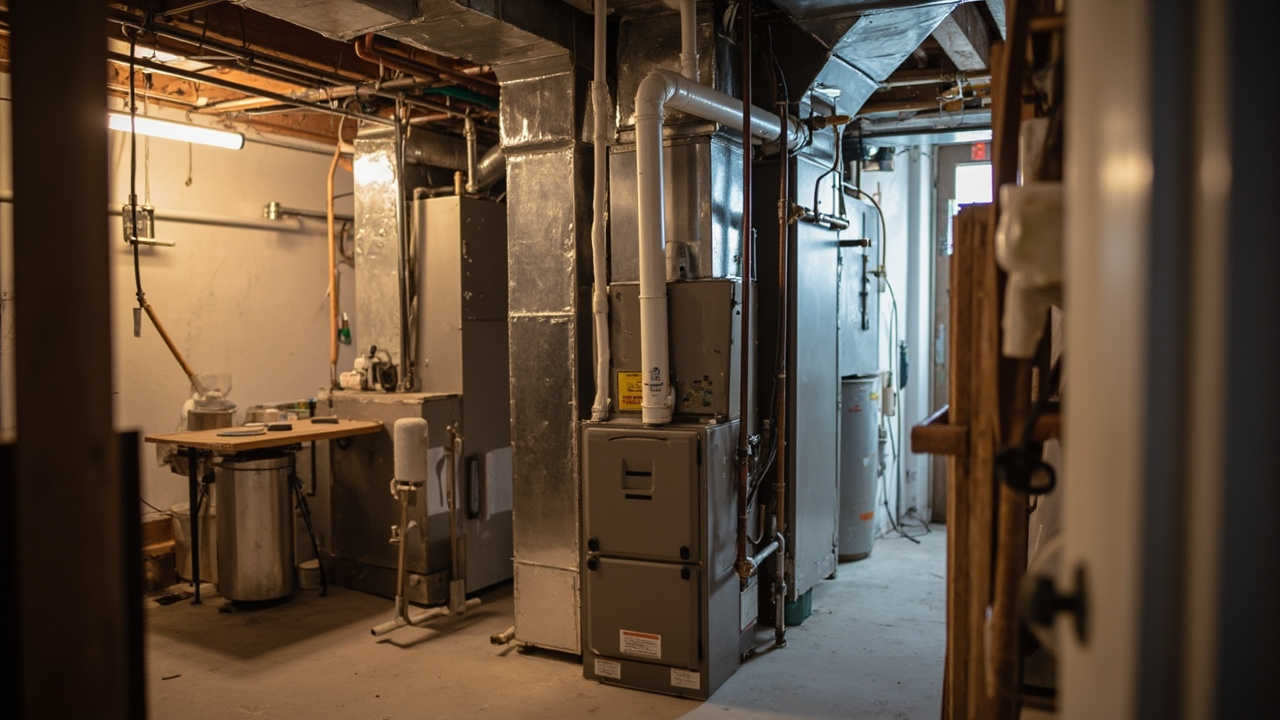
Heating a historic Oak Park bungalow requires a specialized approach that differs from modern suburban home maintenance. These iconic structures, known for their brick masonry and deep layouts, present unique challenges during the 2026 winter…
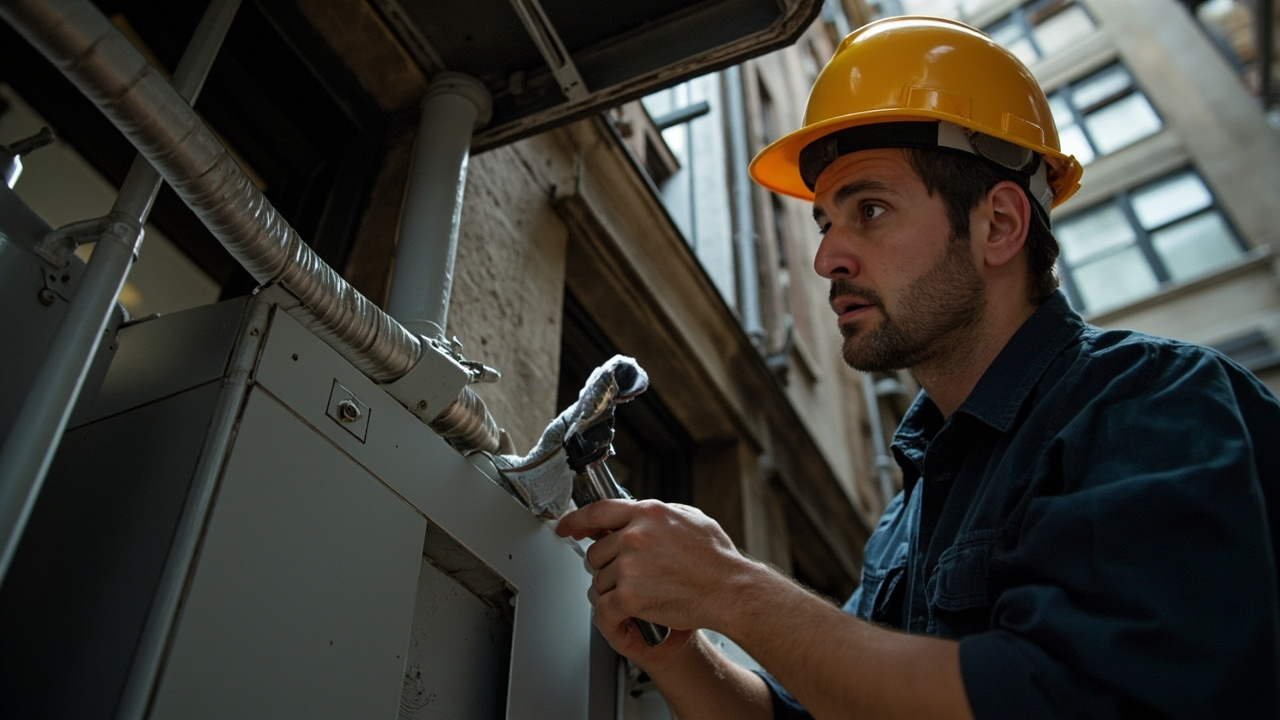
Professional duct cleaning services for Hyde Park townhomes and historical Chicago estatesLiving in a Hyde…
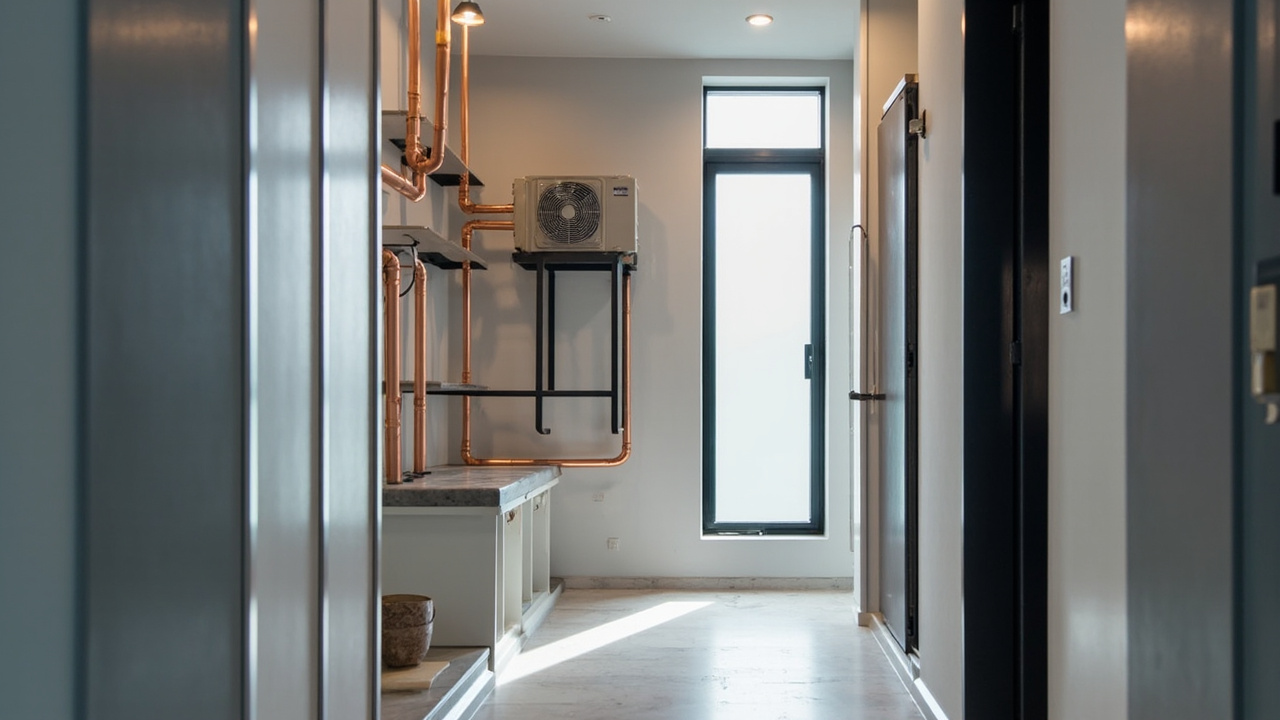
Living in a Gold Coast high rise offers some of the most spectacular views of…
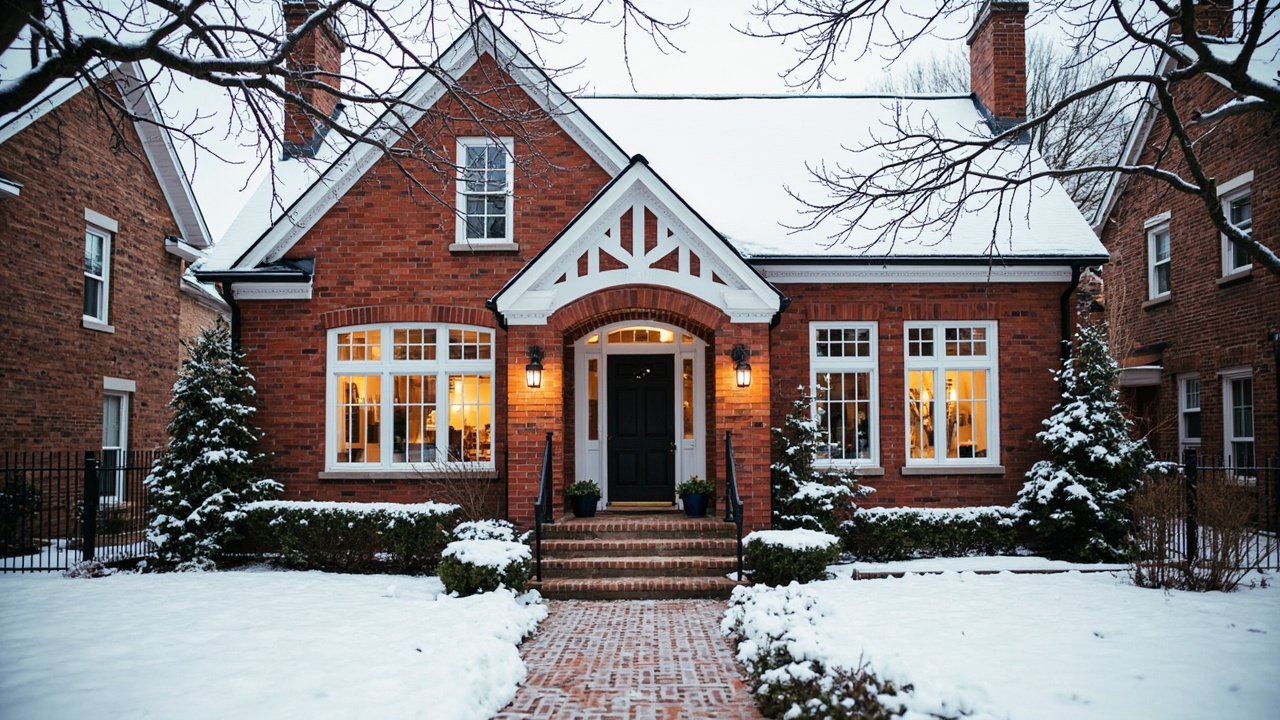
McKinley Park homeowners are increasingly transforming historic coach houses into legal living spaces. The expansion…
Don't suffer through another day without reliable heating or cooling. Five Star HVAC Chicago responds fast with certified technicians ready to diagnose and repair your system. Call us now at (708) 328-5999 for immediate service anywhere in Springfield. We're available 24/7 for emergencies and offer convenient scheduling for maintenance and installations.