





Evanston sits right on Lake Michigan, where temperature swings are brutal on heating and cooling equipment. Summer humidity off the lake works your air conditioner constantly, straining compressors and clogging condensate drains. Winter windchill drops to negative numbers, forcing furnaces into overdrive and exposing weak heat exchangers. The freeze-thaw cycle destroys outdoor units if they're not maintained properly.
Historic neighborhoods like Central Street and Dempster-Dodge have older homes with undersized ductwork and aging systems retrofitted into spaces never designed for central air. The tree canopy in areas near Northwestern University blocks airflow to outdoor units, causing inefficiency and premature failure. Properties near Burnham Shores and the lakefront deal with salt air that corrodes coils and connections faster than inland systems.
Evanston's municipal code requires permits for most HVAC replacements, and inspectors enforce proper sizing and efficiency standards. Many homeowners discover their failing system isn't up to code until replacement time, adding complexity to what should be a straightforward fix. The combination of harsh weather, aging housing stock, and strict building requirements means your HVAC system needs a technician who knows this area inside and out.
We've been fixing heating and cooling systems in Evanston for years, and we know what breaks in this climate. Our technicians drive from Chicago daily to serve Evanston neighborhoods, carrying inventory specifically chosen for the equipment common in this area. When you call us, you're getting someone who has worked on your model furnace or air conditioner dozens of times before.
Most HVAC companies dispatch whoever is available and hope they can figure it out. We send technicians who specialize in residential climate control and have seen every failure mode your equipment can produce. They diagnose fast because they've solved the same problem in a hundred other Evanston basements and attics. No guesswork, no learning on your dime.
We stock our trucks with parts that fit the Carrier, Lennox, Trane, and Rheem systems installed throughout Evanston. If your compressor failed or your ignitor cracked, we probably have the replacement part already. That means same-day repairs instead of waiting three days for an order to arrive while you sweat or freeze.
Our pricing is straightforward. You get a firm quote before we start work. No surprise charges, no inflated diagnostic fees, no pressure to replace equipment that can be fixed. We repair what's broken and tell you honestly when replacement makes more sense than dumping money into an old system. Evanston homeowners keep our number because we show up when we say we will and solve problems without the runaround.

Your furnace doesn't break on a convenient schedule. We respond to Evanston emergency calls within hours, including evenings and weekends. When your heat goes out at 9 PM in January or your air conditioning dies during a heatwave, we dispatch immediately. Most repairs are completed the same day you call. No waiting around in discomfort while other companies take their time.

Our trucks carry the parts that fail most often in Evanston homes. Blower motors, capacitors, contactors, igniters, thermostats, and refrigerant are already onboard. We don't need to order parts and schedule a second visit for most repairs. One trip fixes the problem. That's faster comfort restoration and less disruption to your day. You're back up and running while other companies are still ordering parts.
You know the cost before we touch your system. We diagnose the problem, explain what's broken, and quote the repair price upfront. No hidden fees or hourly rates that climb while technicians work slowly. If you approve the price, we do the work. If not, you only pay the diagnostic fee. Evanston customers appreciate knowing exactly what they're spending before committing to a repair.
Lake Michigan weather puts unique stress on heating and cooling systems. We've diagnosed hundreds of failures caused by humidity, temperature extremes, and salt air corrosion specific to Evanston's lakefront location. Our technicians understand how Evanston's climate destroys equipment and what modifications extend system life. We recommend solutions based on real-world performance in your neighborhood, not generic manufacturer specs.
Your heating and cooling system is a collection of mechanical components that all need to work together. When one part fails, your comfort disappears fast. Five Star HVAC Chicago handles every aspect of residential climate control in Evanston, from emergency repairs when your system quits to planned replacements when equipment reaches the end of its life.
We fix furnaces that won't ignite, air conditioners that won't cool, and thermostats that won't communicate with equipment. We replace aging systems with modern, efficient units sized correctly for your home. We maintain equipment so it lasts longer and breaks less often. Whether you need immediate repair, system replacement, or preventive maintenance, we handle it with the same urgency and expertise.
Our service categories cover the three main situations Evanston homeowners face. Equipment breaks and needs immediate repair to restore comfort. Equipment ages out and needs replacement before it fails completely. Equipment needs regular maintenance to prevent emergency breakdowns during the worst weather. Each situation requires different expertise and equipment, and we're set up to handle all three.
Your furnace won't light. Your air conditioner won't turn on. Your heat pump is blowing cold air. We respond to Evanston emergency calls within hours and diagnose problems on the spot. Our technicians test components, identify failures, and explain what's broken in plain language. Most repairs are completed the same day with parts we already carry. We fix compressors, blower motors, igniters, capacitors, contactors, thermostats, and refrigerant leaks. If your system quit working, we get it running again fast.
Your furnace is 20 years old and burning money. Your air conditioner limps through every summer. We replace worn-out systems with modern, efficient equipment properly sized for your Evanston home. Our installations include load calculations to determine the right capacity, ductwork inspection to identify airflow problems, and permit filing with the City of Evanston. We install Carrier, Lennox, Trane, and Rheem systems. You get equipment that matches your home's needs, not whatever fits the truck. Installation is clean, fast, and passes inspection the first time.
Systems that get maintained break less often and last longer. Our maintenance service includes complete inspection, cleaning, and adjustment of your furnace or air conditioner before heating and cooling season. We test electrical components, measure refrigerant levels, clean coils, check airflow, inspect heat exchangers, and replace filters. You get a written report of what we found and what needs attention. Most emergency breakdowns are caused by neglected maintenance. Regular service catches small problems before they become expensive failures during the coldest or hottest days.
Evanston's location creates specific problems for heating and cooling equipment. Lake Michigan humidity during summer overworks air conditioners and fills condensate pans faster than drain lines can handle. Winter cold stresses furnaces and exposes cracked heat exchangers that leak carbon monoxide. Salt air from the lake corrodes outdoor units, especially in homes near Burnham Shores and Lighthouse Beach.
Historic homes in Central Street and Dempster-Dodge neighborhoods have undersized ductwork that restricts airflow and makes systems work harder than they should. Tree canopy throughout Evanston blocks outdoor units from proper ventilation, causing inefficiency and early failure. The freeze-thaw cycle damages condensate lines, refrigerant connections, and outdoor unit housings. These aren't problems you can prevent by being careful. They're built into Evanston's geography and climate. The solution is fast response when they happen and expert diagnosis the first time.
Your furnace clicks but won't light, or it lights then shuts down after a few seconds. This usually means a failed igniter, dirty flame sensor, or cracked heat exchanger. Evanston's cold winters force furnaces to cycle constantly, wearing out igniters and sensors faster than in milder climates. We test all ignition components, clean sensors, and inspect heat exchangers for cracks that cause safety shutdowns.
Your air conditioner runs but doesn't cool, or it blows warm air instead of cold. This usually indicates low refrigerant from a leak, a failed compressor, or a broken reversing valve. Lake Michigan humidity makes Evanston air conditioners work harder than units inland, stressing compressors and connections. We test refrigerant levels, check compressor operation, and locate leaks using electronic detection equipment.
Your furnace or air conditioner runs nonstop but your home stays too hot or too cold. This usually means undersized equipment, restricted airflow from dirty filters or blocked ducts, or refrigerant problems. Many older Evanston homes have ductwork too small for the equipment installed. We measure airflow, inspect ducts for restrictions and leaks, and calculate whether your system is properly sized for your home's square footage.
Your system makes grinding, squealing, or banging sounds. You smell burning, gas, or musty odors. You see rust, corrosion, or water around equipment. These are warning signs of serious problems. Grinding means failed bearings. Squealing means worn belts. Gas smell means a leak. Burning smell means electrical problems. Water means clogged drains or leaking coils. We diagnose the cause and fix it before minor problems become expensive failures.
You call because your system isn't working. You need someone who shows up when promised, diagnoses the problem accurately, and fixes it without wasting your time or money. That's exactly what you get. Our process is designed around fast response and transparent communication. You're never left wondering what's happening or what it will cost.
When you call our office, we schedule a service window and dispatch a technician. No vague all-day appointments. We tell you when to expect us and we show up on time. Our technician arrives in a fully stocked truck, inspects your system, and tests components to identify what failed. You get a clear explanation of what's broken and a firm price quote before any work starts. If you approve, we fix it. If not, you only pay for the diagnostic visit. Most repairs are completed the same day. You know the cost upfront, the work is done right, and your comfort is restored fast.
We schedule service windows you can plan around, not all-day appointments that waste your time. When you call for emergency repair, we dispatch within hours. For scheduled maintenance or replacement, we give you a specific arrival window and show up when promised. Our technicians call ahead when they're on the way so you're not waiting around wondering when we'll arrive. Time is valuable. We don't waste yours.
Our technician inspects your system, tests components, and explains what's broken in plain language. You get a firm price quote before we start the repair. No hourly rates, no surprises, no pressure. If you approve the price, we do the work. If you decide not to proceed, you only pay the diagnostic fee. You're in control of what gets fixed and what it costs. We believe you should know the price before committing to the repair.
We fix your system right the first time using quality parts and proven techniques. Our repairs are backed by warranty on both parts and labor. If something goes wrong with our work, we come back and make it right at no charge. Your satisfaction matters because our reputation depends on Evanston homeowners trusting us when their comfort is on the line. We're not interested in quick fixes that fail again next month. We want your system running reliably for years.
Our process is built for speed without sacrificing accuracy. You call, we respond, we diagnose, we fix it. Most repairs are completed the same day you call because we carry parts and don't waste time.
You call our office and describe what's wrong. We schedule an arrival window based on urgency. For emergency breakdowns during extreme weather, we dispatch within hours. For less urgent repairs, we schedule the next available window that works for you. Our technician calls when he's on the way so you know exactly when to expect him. You don't wait around all day wondering if anyone is coming.
Our technician arrives with diagnostic tools and a fully stocked truck. He inspects your system, tests components, and identifies what failed. You get a clear explanation of the problem and a firm price quote for the repair. No hidden fees or vague estimates. If you approve the price, we proceed immediately. If not, you only pay for the diagnostic visit. The decision is yours.
We fix the problem using parts we're already carrying. The technician replaces failed components, tests the system to confirm proper operation, and cleans up the work area. You get a written invoice showing exactly what was done and what you paid. Your system is back to heating or cooling properly. Most repairs are completed in a few hours. You're restored to comfort the same day you called.
HVAC work in Evanston must comply with Illinois state mechanical code and local amendments adopted by the City of Evanston. Most system replacements and major repairs require permits from the Building Division at 2100 Ridge Avenue. Inspectors verify proper equipment sizing using Manual J load calculations, adequate combustion air for gas furnaces, correct refrigerant charge for air conditioners, and proper venting for condensing units.
Equipment sizing matters more than most homeowners realize. An oversized furnace or air conditioner costs more to run, cycles on and off too frequently, and wears out faster. Undersized equipment runs constantly without reaching the desired temperature. Proper sizing requires calculating heat loss and gain based on home square footage, insulation values, window area, and orientation. Many contractors skip this step and guess based on old equipment size. That's a mistake that costs you money for the next 15 years.
Refrigerant regulations have changed significantly with the phase-out of R-22 and the shift to R-410A and newer refrigerants. Air conditioners older than about 2010 use R-22, which is no longer manufactured and costs three times what it used to. Leak repairs on R-22 systems often don't make economic sense compared to replacement with modern equipment. Refrigerant must be recovered and recycled by EPA-certified technicians. Venting refrigerant to atmosphere is illegal and harms the environment.
Ductwork quality determines system efficiency more than equipment brand. Leaky ducts waste 20 to 30 percent of conditioned air into attics, crawlspaces, and wall cavities. Undersized ducts restrict airflow and make systems work harder. Properly sealed and insulated ductwork is required by code but often neglected. Blower door testing and duct leakage testing quantify air sealing quality. Homes in Evanston's historic districts often have ductwork added long after original construction, creating sizing and routing problems that hurt comfort and efficiency.
Proper equipment sizing requires Manual J calculations that account for home square footage, insulation levels, window area, air infiltration, and orientation. Oversized equipment costs more to run and wears out faster from short cycling. Undersized equipment runs constantly without reaching desired temperature. Most contractors guess based on old equipment size instead of calculating actual heating and cooling loads. That's why systems are often sized wrong.
Repair costs depend on which component failed and how hard it is to access. Compressor replacement is expensive because the component costs more and requires refrigerant recovery and recharge. Simple repairs like igniter or capacitor replacement cost less because parts are cheap and installation is fast. Replacement costs depend on equipment efficiency rating, capacity, brand, and installation complexity. Homes with difficult attic or crawlspace access cost more to service.
Furnaces last 15 to 20 years with proper maintenance. Air conditioners last 12 to 15 years. Systems that get annual tune-ups last longer and break less often than neglected equipment. Evanston's climate extremes stress equipment more than moderate climates, shortening lifespan if maintenance is skipped. Age isn't the only factor. An 18-year-old furnace might run fine for years, or it might fail next month depending on maintenance history and usage patterns.
The City of Evanston requires permits for most system replacements and major repairs. Inspectors verify load calculations, combustion air supply, refrigerant charge, and venting. Work that doesn't pass inspection must be corrected before final approval. Unpermitted work creates problems when you sell your home because title companies and buyers want proof that mechanical systems are code compliant. Legitimate contractors pull permits and pass inspections the first time.
This video explains common HVAC failures in Evanston homes and how Five Star HVAC Chicago provides same-day emergency repair service. Learn why Lake Michigan climate creates specific problems for heating and cooling equipment, what components fail most often, and how proper diagnosis leads to faster repairs. See how fully stocked service trucks enable same-day completion of most furnace and air conditioner repairs in Evanston neighborhoods.
Five Star HVAC Chicago serves every neighborhood in Evanston, from lakefront properties near Burnham Shores to historic homes in Central Street and Dempster-Dodge. We respond to calls from Northwestern University area rentals, single-family homes in South Evanston, and multi-unit buildings throughout the city. Our technicians know the equipment common in each area and the specific problems that climate and housing age create.
Lakefront homes near Lighthouse Beach and Burnham Shores face salt air corrosion that destroys outdoor units faster than equipment inland. The humidity off Lake Michigan overworks air conditioners and creates condensate drainage problems. We've replaced dozens of corroded coils and outdoor units in these neighborhoods. Properties near Northwestern University include a mix of single-family homes and multi-unit rentals with varying equipment quality and maintenance histories. Student housing often has neglected systems that fail during move-in and move-out periods. We handle emergency calls from property managers who need tenants back in working units fast.
Central Evanston neighborhoods around Ridge Avenue and Downtown Evanston have older homes with original ductwork never designed for central air. Retrofitting air conditioning into these homes often means undersized ducts, poor airflow, and comfort problems. We've diagnosed and corrected airflow issues in dozens of these historic properties. South Evanston homes near Main Street and Dempster Street tend to be newer construction or extensively remodeled, with modern HVAC systems that match current efficiency standards. Equipment in these homes is often sized correctly and maintained properly, but failures still happen.
West Evanston near Dodge Avenue and Central Street includes a mix of housing types and ages. Tree canopy blocks outdoor units from proper ventilation, causing inefficiency and early failure. We trim back vegetation and relocate outdoor units when needed to restore proper airflow. The entire city experiences the same temperature extremes and freeze-thaw cycles, but housing age and proximity to Lake Michigan create neighborhood-specific problems. We've worked in every part of Evanston long enough to know what breaks where and why. That local knowledge means faster diagnosis and more reliable repairs.
The $5000 rule helps you decide between repairing or replacing your HVAC system. Multiply the age of your unit by the repair cost. If the total exceeds $5000, replacement makes more sense. For example, a 12-year-old system needing $500 in repairs equals $6000, so you should replace it. Evanston homes with older systems facing frequent breakdowns should apply this rule. It saves you from throwing money at a failing unit when a new, energy-efficient system offers better value and reliability for our humid summers and frigid winters.
For a 2000 square foot home in Evanston, expect to invest between $5000 and $10,000 for a complete HVAC system. Cost depends on efficiency rating, brand, ductwork condition, and installation complexity. Our Lake Michigan humidity and winter temperature swings demand properly sized equipment. A two-story home costs more than a ranch due to zoning needs. Quality installation matters more than the cheapest bid. Undersized systems struggle during July heat waves, while oversized units cycle inefficiently. Get a Manual J load calculation to match your home's specific needs.
HVAC installers in Evanston charge between $75 and $150 per hour for service work. Installation labor for full system replacements runs higher, typically bundled into project pricing. Emergency calls outside business hours cost more. Labor rates reflect technician certification, insurance, and overhead costs. Experienced techs diagnose problems faster, saving you money despite higher hourly rates. Flat-rate pricing for specific repairs offers better value than hourly billing for complex jobs. Always get written estimates before work begins. Cheap labor often means unlicensed contractors who create bigger problems down the road.
The $5000 rule helps you decide between repairing or replacing your HVAC system. Multiply the age of your unit by the repair cost. If the total exceeds $5000, replacement makes more sense. For example, a 12-year-old system needing $500 in repairs equals $6000, so you should replace it. Evanston homes with older systems facing frequent breakdowns should apply this rule. It saves you from throwing money at a failing unit when a new, energy-efficient system offers better value and reliability for our humid summers and frigid winters.
For a 2000 square foot home in Evanston, expect to invest between $5000 and $10,000 for a complete HVAC system. Cost depends on efficiency rating, brand, ductwork condition, and installation complexity. Our Lake Michigan humidity and winter temperature swings demand properly sized equipment. A two-story home costs more than a ranch due to zoning needs. Quality installation matters more than the cheapest bid. Undersized systems struggle during July heat waves, while oversized units cycle inefficiently. Get a Manual J load calculation to match your home's specific needs.
HVAC installers in Evanston charge between $75 and $150 per hour for service work. Installation labor for full system replacements runs higher, typically bundled into project pricing. Emergency calls outside business hours cost more. Labor rates reflect technician certification, insurance, and overhead costs. Experienced techs diagnose problems faster, saving you money despite higher hourly rates. Flat-rate pricing for specific repairs offers better value than hourly billing for complex jobs. Always get written estimates before work begins. Cheap labor often means unlicensed contractors who create bigger problems down the road.
A 1200 square foot house in Evanston needs a 2 to 2.5 ton system, costing between $4000 and $7500 installed. Smaller homes require less equipment, but installation complexity still affects price. Single-story bungalows common in Evanston neighborhoods install faster than multi-level units. Ductwork condition matters. Homes built before 1980 often need duct sealing or replacement, adding cost. High-efficiency units cost more upfront but cut utility bills during our humid summers. Variable-speed systems provide better comfort control than single-stage units in compact spaces.
The federal Energy Efficient Home Improvement Credit offers up to $2000 for qualifying HVAC systems installed in 2025. Your system must meet specific efficiency standards: 16 SEER2 for central air, 8 HSPF2 for heat pumps. Heat pumps may qualify for higher credits under separate provisions. Keep all receipts and manufacturer certifications for tax filing. This credit applies to primary residences only, not rental properties. Consult a tax professional for your situation. The credit reduces your tax liability dollar-for-dollar, making high-efficiency systems more affordable for Evanston homeowners.
A 4000 square foot home requires a 4 to 5 ton system or multiple units, costing $10,000 to $20,000 installed. Larger Evanston homes often benefit from zoned systems that control temperature by floor or wing. Two smaller units provide better efficiency and redundancy than one oversized system. Multi-story homes need careful airflow balancing to prevent hot second floors. Ductwork modifications add cost. High-efficiency variable-speed systems cost more but deliver better comfort and lower utility bills. Complex installations take longer, increasing labor costs. Get multiple quotes with detailed equipment specifications.
October through March offers the best pricing for HVAC systems in Evanston. Contractors have lighter schedules during colder months and offer off-season discounts. Spring and summer bring premium pricing due to high demand. Plan ahead before breakdowns force emergency replacements at peak prices. Fall installations prepare you for winter heating season without the July rush. Manufacturers release rebates in early spring and late fall. Avoid buying during heat waves when you have zero negotiating power. Schedule consultations in winter for spring installation to lock in better rates and flexible scheduling.
16 SEER outperforms 13 SEER for Evanston homes. The higher efficiency cuts cooling costs by 20 to 25 percent during our humid summers. Lake Michigan moisture makes air conditioners work harder, so efficiency matters more here. A 16 SEER system pays for itself within 7 to 10 years through energy savings. Higher SEER units run quieter and provide better humidity control. They include variable-speed components for consistent comfort. 13 SEER meets minimum standards but offers no long-term value. Invest in 16 SEER minimum for better performance and resale value.
The 3 minute rule prevents compressor damage by requiring a 3 minute wait between restart attempts. When your AC shuts off, refrigerant pressure needs time to equalize throughout the system. Restarting too quickly forces the compressor to work against high pressure, risking mechanical failure. Modern thermostats include time-delay relays to enforce this rule. If your system short-cycles (turns on and off rapidly), you have a bigger problem like refrigerant leaks or oversizing. Short-cycling wastes energy and destroys equipment. Call for service if you notice frequent cycling in your Evanston home.
A complete HVAC installation takes 1 to 3 days for most Evanston homes. Simple changeouts with existing ductwork take 8 to 12 hours. Full replacements with duct modifications or zoning systems take 2 to 3 days. Old homes with asbestos-wrapped ducts require abatement, adding time. Multi-unit installations for larger properties take longer. Weather delays happen. Good contractors protect your home with drop cloths and clean up daily. Expect noise, dust, and limited access to areas during work. Rushed installations cause problems. Focus on quality workmanship over speed for a system that lasts 15 to 20 years.
A 1200 square foot house in Evanston needs a 2 to 2.5 ton system, costing between $4000 and $7500 installed. Smaller homes require less equipment, but installation complexity still affects price. Single-story bungalows common in Evanston neighborhoods install faster than multi-level units. Ductwork condition matters. Homes built before 1980 often need duct sealing or replacement, adding cost. High-efficiency units cost more upfront but cut utility bills during our humid summers. Variable-speed systems provide better comfort control than single-stage units in compact spaces.
The federal Energy Efficient Home Improvement Credit offers up to $2000 for qualifying HVAC systems installed in 2025. Your system must meet specific efficiency standards: 16 SEER2 for central air, 8 HSPF2 for heat pumps. Heat pumps may qualify for higher credits under separate provisions. Keep all receipts and manufacturer certifications for tax filing. This credit applies to primary residences only, not rental properties. Consult a tax professional for your situation. The credit reduces your tax liability dollar-for-dollar, making high-efficiency systems more affordable for Evanston homeowners.
A 4000 square foot home requires a 4 to 5 ton system or multiple units, costing $10,000 to $20,000 installed. Larger Evanston homes often benefit from zoned systems that control temperature by floor or wing. Two smaller units provide better efficiency and redundancy than one oversized system. Multi-story homes need careful airflow balancing to prevent hot second floors. Ductwork modifications add cost. High-efficiency variable-speed systems cost more but deliver better comfort and lower utility bills. Complex installations take longer, increasing labor costs. Get multiple quotes with detailed equipment specifications.
October through March offers the best pricing for HVAC systems in Evanston. Contractors have lighter schedules during colder months and offer off-season discounts. Spring and summer bring premium pricing due to high demand. Plan ahead before breakdowns force emergency replacements at peak prices. Fall installations prepare you for winter heating season without the July rush. Manufacturers release rebates in early spring and late fall. Avoid buying during heat waves when you have zero negotiating power. Schedule consultations in winter for spring installation to lock in better rates and flexible scheduling.
16 SEER outperforms 13 SEER for Evanston homes. The higher efficiency cuts cooling costs by 20 to 25 percent during our humid summers. Lake Michigan moisture makes air conditioners work harder, so efficiency matters more here. A 16 SEER system pays for itself within 7 to 10 years through energy savings. Higher SEER units run quieter and provide better humidity control. They include variable-speed components for consistent comfort. 13 SEER meets minimum standards but offers no long-term value. Invest in 16 SEER minimum for better performance and resale value.
The 3 minute rule prevents compressor damage by requiring a 3 minute wait between restart attempts. When your AC shuts off, refrigerant pressure needs time to equalize throughout the system. Restarting too quickly forces the compressor to work against high pressure, risking mechanical failure. Modern thermostats include time-delay relays to enforce this rule. If your system short-cycles (turns on and off rapidly), you have a bigger problem like refrigerant leaks or oversizing. Short-cycling wastes energy and destroys equipment. Call for service if you notice frequent cycling in your Evanston home.
A complete HVAC installation takes 1 to 3 days for most Evanston homes. Simple changeouts with existing ductwork take 8 to 12 hours. Full replacements with duct modifications or zoning systems take 2 to 3 days. Old homes with asbestos-wrapped ducts require abatement, adding time. Multi-unit installations for larger properties take longer. Weather delays happen. Good contractors protect your home with drop cloths and clean up daily. Expect noise, dust, and limited access to areas during work. Rushed installations cause problems. Focus on quality workmanship over speed for a system that lasts 15 to 20 years.
Whether you’re dealing with a heating emergency or planning an AC upgrade, Five Star is just around the corner. Serving Chicago and surrounding communities, we’re proud to be the go-to HVAC company for homes and businesses alike. Use the map below to locate us quickly, or give us a call for directions or on-site service availability. We’re always ready to help, no matter where you are in the area — because comfort should never be out of reach.
Address:
Evanston, IL, 60208
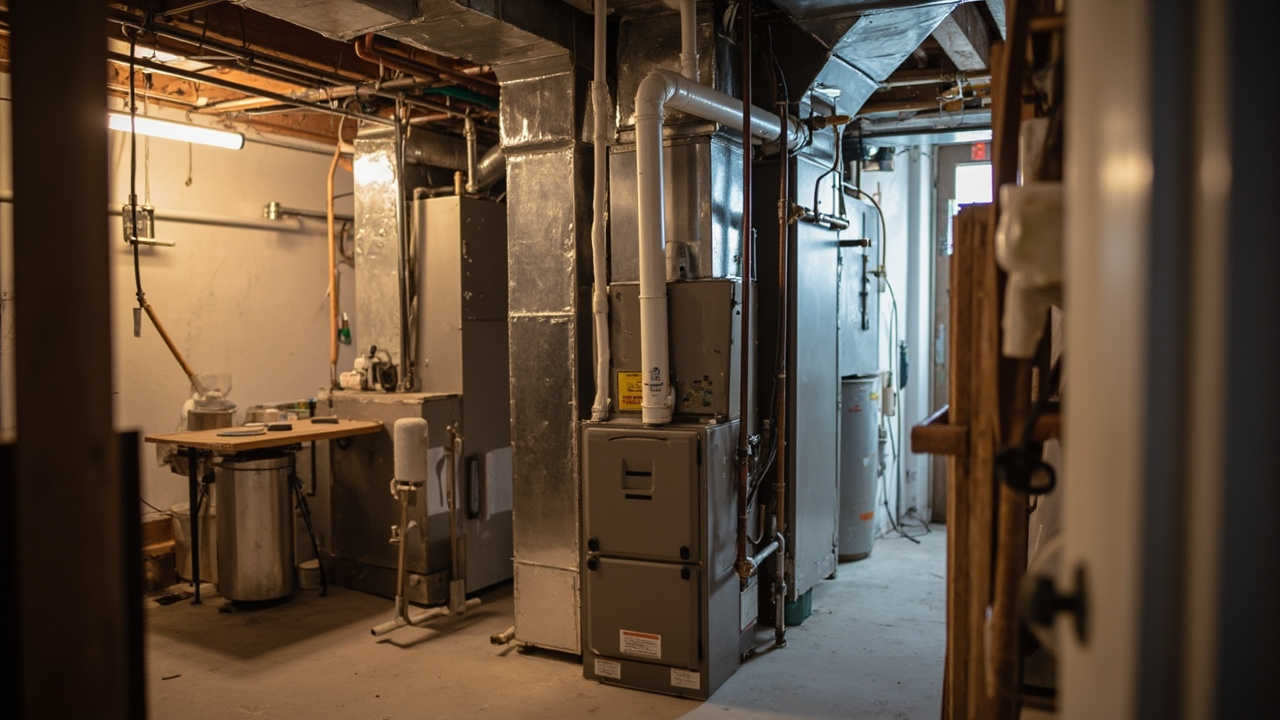
Heating a historic Oak Park bungalow requires a specialized approach that differs from modern suburban home maintenance. These iconic structures, known for their brick masonry and deep layouts, present unique challenges during the 2026 winter…
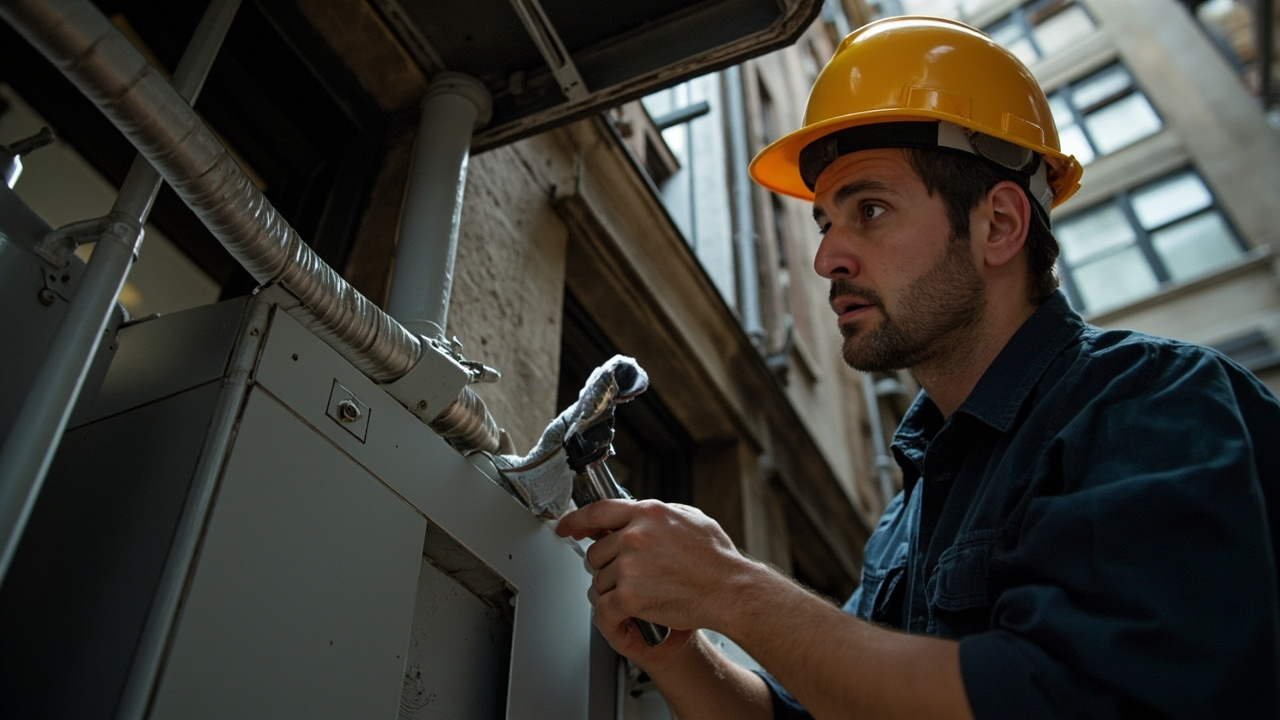
Professional duct cleaning services for Hyde Park townhomes and historical Chicago estatesLiving in a Hyde…
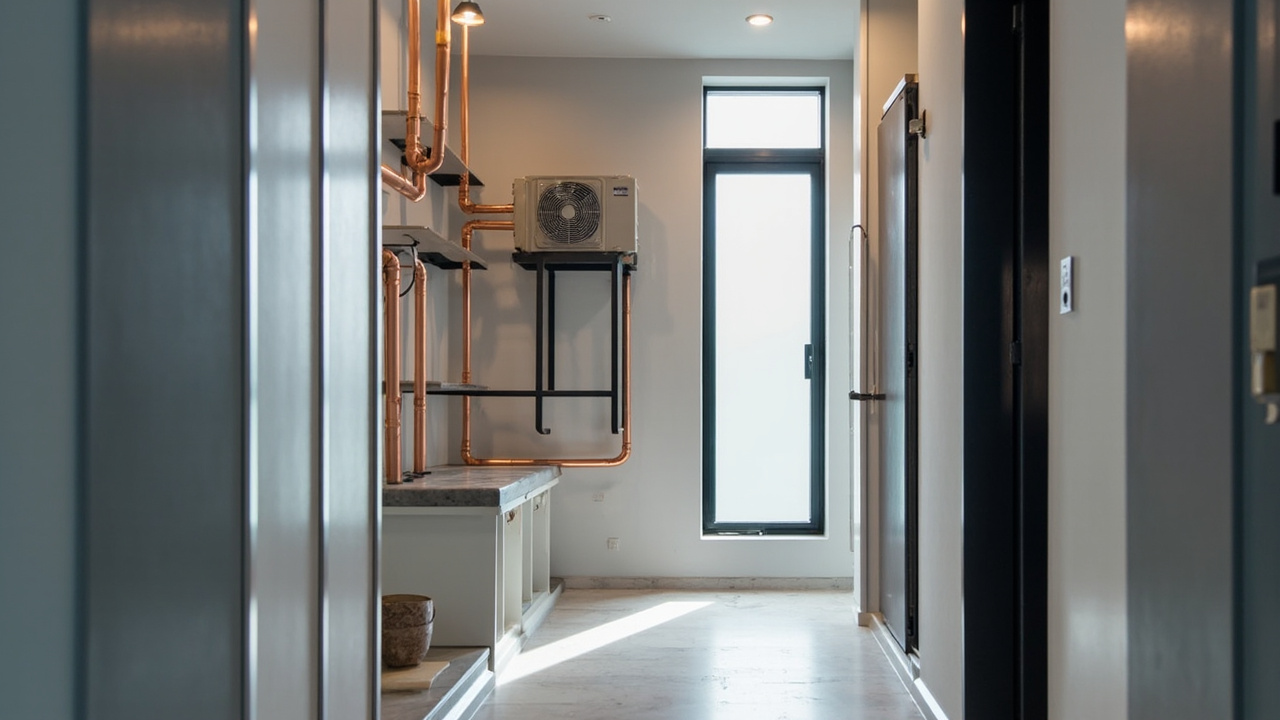
Living in a Gold Coast high rise offers some of the most spectacular views of…
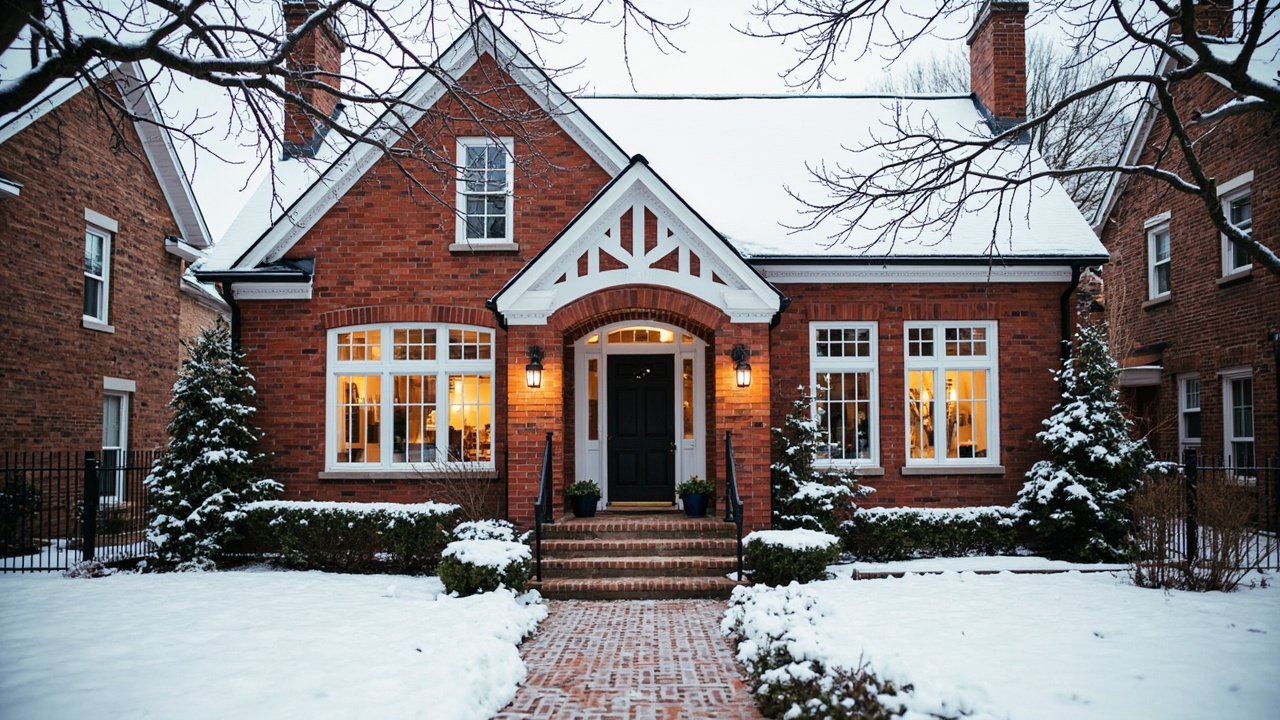
McKinley Park homeowners are increasingly transforming historic coach houses into legal living spaces. The expansion…
Your system isn't working and you need it fixed now. Call Five Star HVAC Chicago at (708) 328-5999 for same-day emergency service in Evanston. We respond fast, diagnose accurately, and restore your comfort the same day you call.