




menu

AC Blowing Warm Air Urgent in Chicago – Technicians Dispatched in 60 Minutes or Less

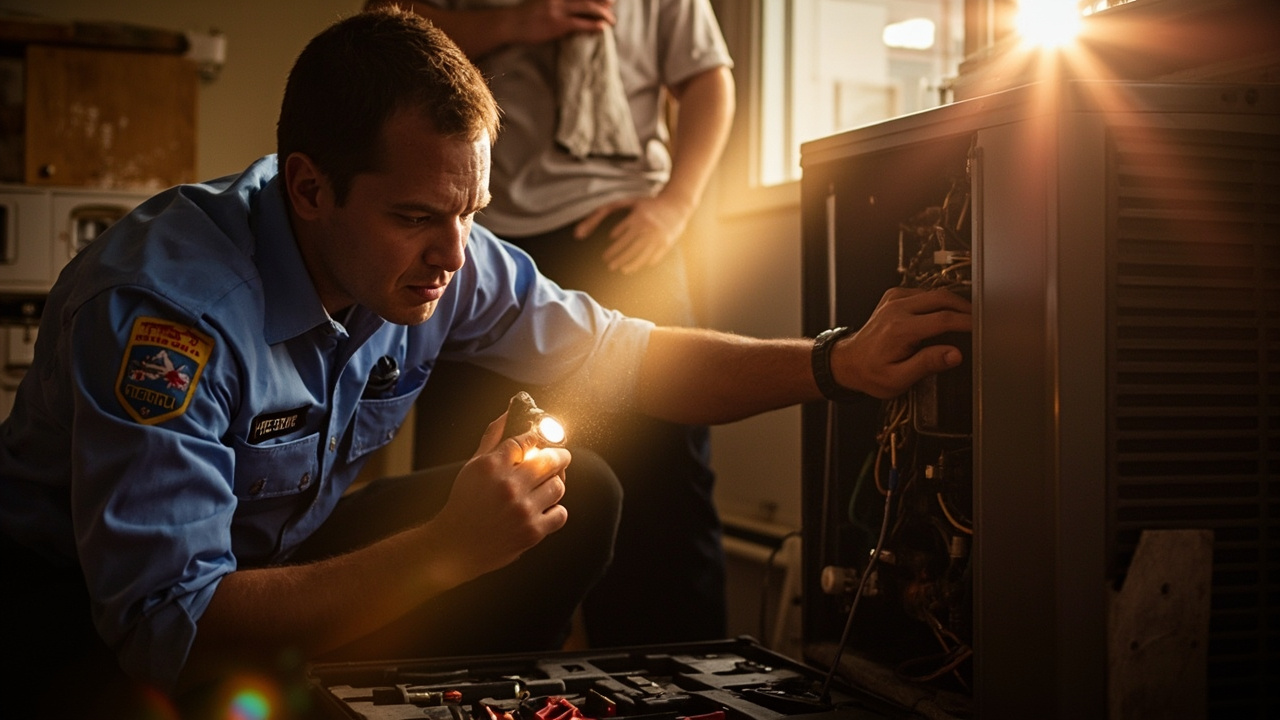
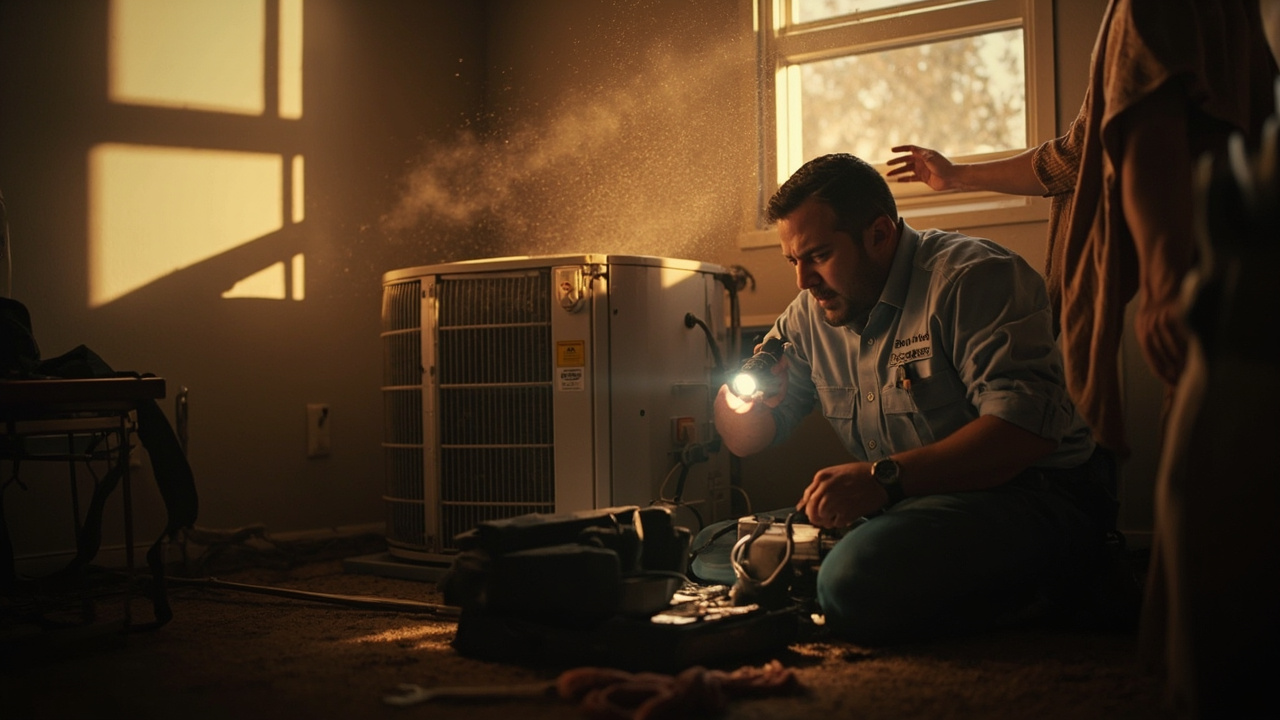
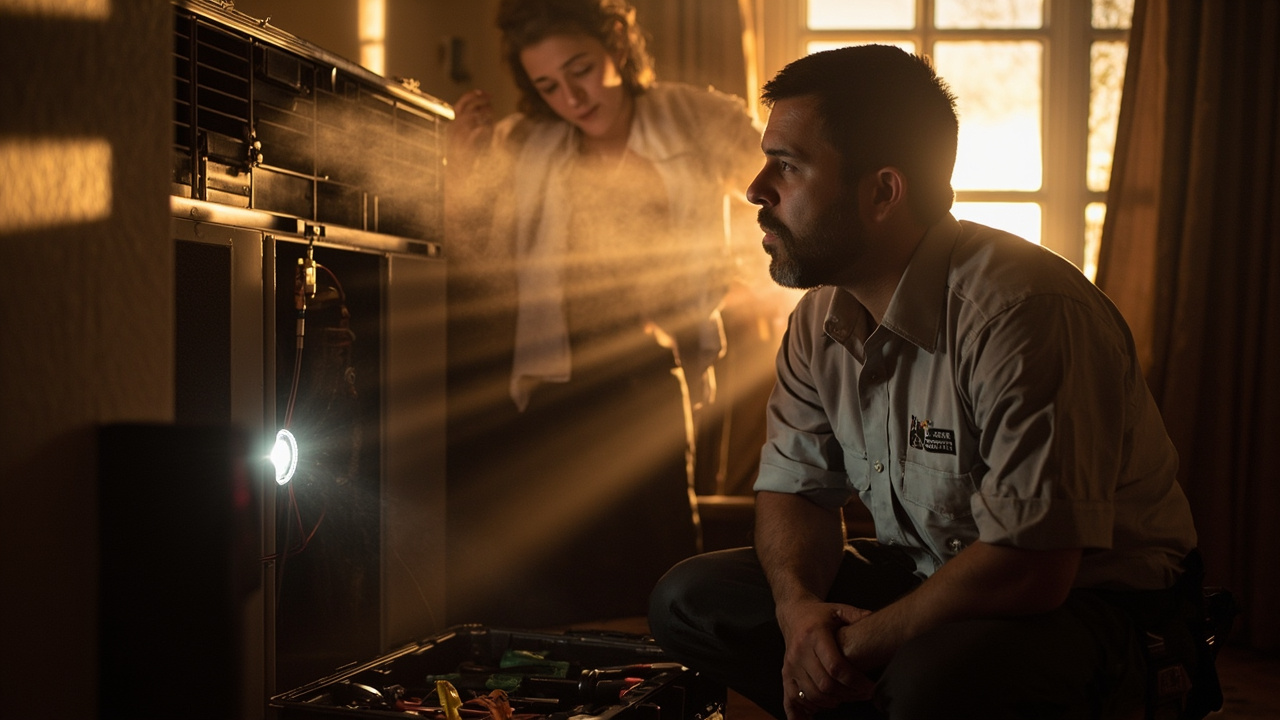
When your air conditioner blows hot air during a Chicago heatwave, you need emergency ac repair blowing hot air, not promises. Our technicians carry fully stocked trucks and diagnose the issue on site, restoring cold air the same day.

Slider Image 1
Slider Image 2
Slider Image 3
Slider Image 4
Slider Image 5
Slider Image 7
Slider Image 8
Slider Image 9
Slider Image 10
Slider Image 11

Why Your AC Unit Blowing Heat in Chicago Is a True Emergency

You expected relief. Instead, your vents push warm air into your home while the temperature climbs past 90 degrees. This is not a minor inconvenience. When your central air blowing hot air during peak summer in Chicago, the indoor temperature can spike to dangerous levels within two hours. Elderly family members, young children, and pets face real health risks from heat exhaustion.

Chicago's extreme summer humidity makes this worse. When outdoor humidity reaches 70 to 80 percent and your AC unit blowing heat instead of cold air, your home becomes a sweatbox. Moisture accumulates. Mold spores begin colonizing drywall and carpet within 48 hours. Your HVAC system is not just failing to cool. It is actively creating a health hazard.

Most warm air emergencies stem from refrigerant leaks, compressor failures, or reversing valve malfunctions. These are not DIY fixes. Refrigerant systems operate under high pressure and require EPA-certified technicians. Attempting to recharge refrigerant without diagnosing the leak wastes money and damages the environment.

You need air conditioner blowing warm air same day service, not a callback for next Tuesday. Every hour you wait, the problem compounds. Your compressor works harder trying to cool, burning more electricity and risking total failure. Five Star HVAC Chicago operates 24 hour ac repair blowing warm air with technicians stationed across Chicagoland. We dispatch within 60 minutes and carry the parts needed to restore cold air on the first visit. When your AC blows warm air, speed is not a luxury. It is a necessity.

Why Your AC Unit Blowing Heat in Chicago Is a True Emergency
How We Diagnose and Fix AC Systems Blowing Warm Air

How We Diagnose and Fix AC Systems Blowing Warm Air

Most homeowners assume low refrigerant causes warm air. That is only half the diagnosis. Low refrigerant is a symptom, not the root cause. Refrigerant does not evaporate. If your system is low, there is a leak. Our technicians use electronic leak detectors and UV dye to locate breaches in the refrigerant lines, evaporator coils, or condenser coils. We repair the leak first, then recharge the system to manufacturer specifications using digital manifold gauges. Guessing the charge leads to poor performance and compressor damage.

Reversing valve failure is the second common culprit, especially in heat pump systems. The reversing valve directs refrigerant flow to switch between heating and cooling modes. When it fails or sticks in heating mode, your system pushes warm air even when set to cool. We test the solenoid coil for continuity and check for mechanical binding. If the valve is seized, we replace it and verify proper refrigerant flow direction.

Compressor issues present differently. If the compressor runs but does not build pressure, internal valves have failed. If it hums but does not start, you have a capacitor failure or locked rotor. We measure amp draw, check capacitance with a multimeter, and test for short cycling. A failing compressor generates excessive heat, which accelerates refrigerant breakdown and damages the entire system.

We also inspect the air handler and ductwork. Blocked return vents, clogged filters, or disconnected supply ducts cause airflow restrictions that mimic refrigerant issues. We measure static pressure across the blower and verify CFM output matches the tonnage of your system. Proper airflow is critical. Without it, even a perfectly charged system will underperform. Our diagnostic process eliminates guesswork and ensures the repair addresses the actual failure, not just the symptoms.

What Happens When You Call for Central Air Blowing Hot Air Urgent Fix

AC Blowing Warm Air Urgent in Chicago – Technicians Dispatched in 60 Minutes or Less
01

Immediate Dispatch and Arrival

You call our emergency line at (708) 328-5999 and speak directly to a dispatcher, not a voicemail system. We ask three questions: Is the outdoor unit running? Are the vents blowing air at all? When did you last have maintenance? Based on your answers, we dispatch the nearest technician with the right tools and parts loaded. Most customers see our truck within 60 minutes. No appointment windows. No waiting until tomorrow.
02

On-Site Diagnostics and Repair

Our technician tests voltage at the contactor, measures refrigerant pressures, and checks superheat and subcooling values against factory specs. We do not guess. If we find a refrigerant leak in the evaporator coil, we show you the leak using UV dye under blacklight. If the compressor has failed, we explain why replacement is necessary and what caused it. Most repairs finish within two to three hours, restoring cold air the same day.
03

System Testing and Verification

After repairs, we run the system through a full cooling cycle. We measure supply air temperature at the vents, verify refrigerant charge with manifold gauges, and confirm amp draw on the compressor matches the nameplate rating. You feel cold air before we leave. We document the repair, provide a detailed invoice showing exactly what failed and what we replaced, and schedule a follow-up check if needed for complex repairs like compressor replacement.

Why Chicago Homeowners Choose Five Star HVAC for Emergency AC Repair

Chicago's HVAC demands are unique. Summer temperatures swing from 65 degrees to 95 degrees in three days. Humidity spikes after afternoon thunderstorms roll in off Lake Michigan. Your air conditioner does not just cool. It dehumidifies, and that dual load stresses compressors and evaporator coils harder than in dry climates. We see failures other cities rarely encounter, like frozen evaporator coils caused by high indoor humidity combined with undersized ductwork.

Our technicians train specifically on Chicago's housing stock. Bungalows in neighborhoods like Portage Park and Jefferson Park have undersized ducts installed in the 1940s. Greystones along the North Side have radiator heat but retrofit central air with ductwork crammed into closets. These installations create unique failure points. A technician from Phoenix would misdiagnose the airflow restriction as a refrigerant issue. We know better.

We also understand the urgency. When your AC fails during a heat advisory, you cannot wait three days for an appointment. Five Star HVAC Chicago runs true 24 hour ac repair blowing warm air with technicians on call every night, weekend, and holiday. We do not contract out emergency calls to unlicensed handymen. Every technician on our roster is EPA 608 certified and carries a full parts inventory, including compressors, reversing valves, and TXVs for the most common residential systems in Chicago.

Local suppliers matter too. We source parts from HVAC distributors in Elk Grove Village and Franklin Park, not distant warehouses. If we need a specialty part for an older Carrier or Trane system, we get it within hours, not days. That speed translates to faster repairs and less time suffering in a hot house. You are not just hiring an HVAC company. You are hiring Chicago HVAC experts who understand your home, your weather, and your urgency.

What to Expect During Your Emergency AC Repair Visit

Response Time and Availability

We dispatch technicians within 60 minutes of your call, day or night. Our trucks are staged across Chicagoland, from the South Side to Evanston, to minimize drive time. You receive a text message with your technician's name, photo, and estimated arrival time. If traffic on the Kennedy or Dan Ryan delays arrival, we update you immediately. Most emergency repairs finish within two to four hours from the initial call. We do not schedule callbacks unless major component replacement requires a special order part, which is rare.

Diagnostic Process and Transparency

Our technician begins with a visual inspection of the outdoor condenser unit and indoor air handler. We test electrical components first, checking voltage, capacitance, and contactor function. Then we connect manifold gauges to measure refrigerant pressures and calculate superheat and subcooling. If we suspect a leak, we pressurize the system with nitrogen and use electronic leak detectors or UV dye. You see the problem firsthand. We explain the issue in plain language, show you the failed part, and provide a written estimate before starting repairs. No surprise charges.

Quality of Repair and Parts

We use OEM or equivalent parts rated for Chicago's climate. Capacitors, contactors, and reversing valves come from Copeland, Emerson, or Honeywell. We do not install generic offshore components that fail in six months. Refrigerant recovery and recharge follow EPA guidelines using calibrated scales and manifold gauges. After repairs, we measure supply air temperature, verify airflow at the registers, and run the system through a complete cooling cycle. You feel cold air before we pack up. The system operates correctly, or we do not leave.

Follow-Up and Maintenance Plans

Emergency repairs address the immediate failure, but ongoing maintenance prevents future breakdowns. After restoring your cold air, we offer a maintenance plan that includes biannual inspections, priority emergency service, and discounted repairs. Chicago's freeze-thaw cycles stress HVAC systems harder than temperate climates. Coils corrode. Ductwork separates. Regular maintenance catches small issues before they become midnight emergencies. We schedule your next service visit before leaving and send email reminders. You also receive a detailed service report documenting pressures, temperatures, and amp draw for future reference.

Frequently Asked Questions

You Have Questions,
We Have Answers

Why is my AC suddenly blowing warm air? +

Your AC blowing warm air typically means a refrigerant leak, failed compressor, or frozen evaporator coil. A clogged air filter or thermostat issue can also trigger this. In Chicago's humid summers, a refrigerant leak is common because pressure cycling stresses the system. Check your thermostat setting first. Make sure it's on cool mode, not heat. If the filter looks dirty, replace it. If warm air persists after 10 minutes, you need a technician fast. Do not ignore this. Running a system with low refrigerant damages the compressor and turns a $300 fix into a $2,000 replacement.

What is the 3 minute rule for AC? +

The 3 minute rule protects your compressor from short cycling damage. After your AC shuts off, wait 3 full minutes before restarting it. This lets refrigerant pressures equalize inside the system. If you restart too soon, the compressor fights high pressure and can overheat or fail. Chicago's stop-and-start summer storms cause power flickers that trip systems. If your AC keeps clicking off and on rapidly, it's short cycling. This destroys compressors fast. Turn the system off at the thermostat and call for service. You may need a hard start kit or a new capacitor.

What is the $5000 rule for AC? +

The $5,000 rule is a replacement guideline. Multiply the repair cost by your system's age in years. If the total exceeds $5,000, replace the unit instead of fixing it. Example: A $600 compressor repair on a 10 year old system equals $6,000. Replace it. This formula accounts for declining efficiency and future breakdowns. In Chicago, older AC units struggle with our humid summers and cost more to run. A new high efficiency system drops your electric bill and ends emergency repair calls. Always get a second opinion if a contractor pushes immediate replacement without showing you the math.

What are signs of a failing AC compressor? +

A failing compressor makes loud grinding, clicking, or rattling noises when starting. You may hear hard start attempts where the unit tries to kick on but fails. Warm air from vents is the primary symptom. Your breaker may trip repeatedly because the compressor draws excessive amperage. In Chicago's humid climate, compressor failure often follows refrigerant leaks or electrical issues from storm surges. If the outdoor unit hums but the fan spins and nothing cools, the compressor is locked. Turn the system off immediately. Running a failed compressor can damage other components and void warranties.

Should I turn off the AC if it blows hot air? +

Yes. Turn off your AC immediately if it blows hot air for more than 10 minutes. Continuing to run the system can overheat the compressor or freeze the evaporator coil. Both lead to expensive damage. Switch your thermostat to off, not just fan mode. Let the system rest for 30 minutes. Check your air filter and outdoor unit for debris. If you have a frozen coil, you will see ice on the copper lines near the air handler. Let it thaw completely before restarting. If hot air returns, call for emergency service. Do not cycle the system on and off repeatedly.

How to tell if AC is low on refrigerant? +

Low refrigerant causes ice buildup on the copper lines running to your outdoor unit. You may see frost on the evaporator coil inside the air handler. The AC runs constantly but never reaches the set temperature. Vents blow cool but not cold air. Your energy bills spike because the system works harder. In Chicago, refrigerant leaks happen from vibration and corrosion on older systems. Hissing or bubbling sounds near the outdoor unit confirm an active leak. Refrigerant does not deplete naturally. If you're low, you have a leak. A technician must find and repair the leak before recharging the system.

How long should it take to cool a house from 80 to 72? +

A properly sized AC should drop your home 8 degrees in 60 to 90 minutes under normal conditions. Cooling from 80 to 72 takes about an hour if your system is healthy. In Chicago's humid summers, higher outdoor humidity slows cooling because your AC must remove moisture and heat. If it takes 3 hours or more, you have an issue. Check your air filter first. A clogged filter chokes airflow and doubles cooling time. If the filter is clean and cooling is slow, you may have low refrigerant, a failing compressor, or undersized ductwork.

How cool should my house be if it's 100 outside? +

Set your thermostat to 75 or 76 degrees when it's 100 outside. Your AC can typically maintain a 20 degree difference between indoor and outdoor temps in Chicago's climate. Setting it to 68 when it's 100 outside overworks the system and spikes your electric bill. The compressor runs nonstop and may overheat. Close blinds on south facing windows to reduce heat gain. Run ceiling fans to improve comfort without dropping the thermostat lower. If your home won't stay below 78 on a 100 degree day, you need service or a system upgrade.

Why is my AC working but not blowing cold air? +

Your AC is running but not cooling because of low refrigerant, a frozen evaporator coil, or a failed compressor. In Chicago, dirty coils from cottonwood and pollen can choke airflow and prevent cooling. Check your air filter first. If it's clean, inspect the outdoor unit for dirt buildup on the condenser coils. Turn off the system and spray the coils gently with a hose. If the indoor coil is frozen, you will see ice on the copper lines. Let it thaw completely before restarting. If the issue persists, call for emergency service immediately.

What is the life expectancy of an air conditioner? +

Air conditioners last 12 to 15 years in Chicago with proper maintenance. High humidity and temperature swings from our freeze-thaw cycles stress components faster than in milder climates. If your system is over 10 years old and needs a major repair, replacement is often smarter. Newer units are 30 to 40 percent more efficient and qualify for rebates. Schedule annual tune-ups before cooling season to extend lifespan. Replace filters monthly during summer. If your AC is 8 years old or older and blowing warm air, get a replacement quote alongside the repair estimate.

How Chicago's Lake Effect Humidity Increases AC Failures and Warm Air Emergencies

Chicago sits on the southwest shore of Lake Michigan, which creates unique humidity challenges. When summer winds blow from the northeast, they carry moisture-laden air across the lake and into the city. Indoor humidity levels spike to 65 percent or higher, forcing your air conditioner to work harder removing moisture. The evaporator coil becomes a dehumidifier under constant stress. Condensate drains clog with algae. Coils freeze when airflow drops. These failures manifest as warm air blowing from your vents even though the system runs continuously. Homes in lakefront neighborhoods like Rogers Park and Edgewater experience this more frequently than inland areas. Your AC does not just cool. It fights Lake Michigan's humidity every day, and that accelerates wear on compressors, fans, and refrigerant lines.

Five Star HVAC Chicago operates exclusively in Chicagoland and understands these localized stressors. We are not a national franchise training technicians on generic systems. Our team lives in the neighborhoods we serve, from Lincoln Park to Bridgeport, and repairs the same Carrier and Trane units installed across the city. We know which models fail most often in Chicago's climate. We stock the parts your system needs, not what works in Dallas or Phoenix. When you call for 24 hour ac repair blowing warm air, you reach a local dispatcher who knows the difference between a Portage Park bungalow and a Loop high-rise. That local expertise translates to faster diagnosis, correct repairs, and systems that survive Chicago summers.
HVAC Services in The Chicago Area

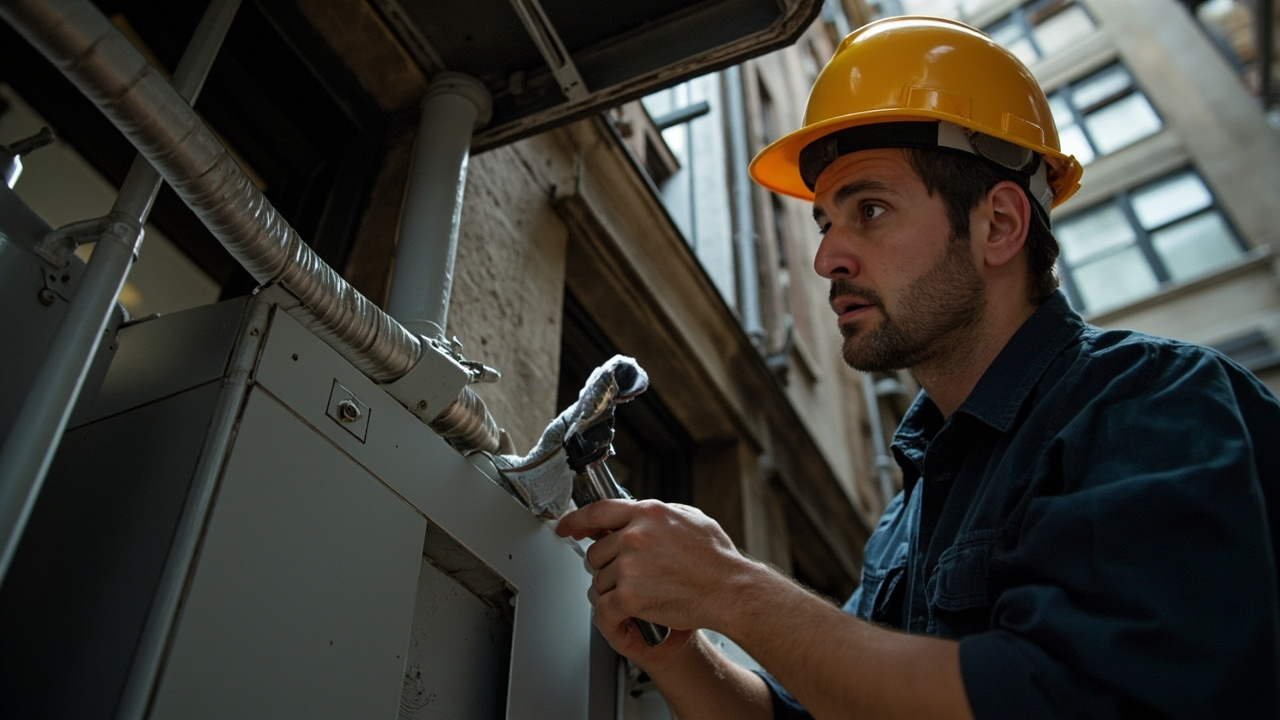
Whether you’re dealing with a heating emergency or planning an AC upgrade, Five Star is just around the corner. Serving Chicago and surrounding communities, we’re proud to be the go-to HVAC company for homes and businesses alike. Use the map below to locate us quickly, or give us a call for directions or on-site service availability. We’re always ready to help, no matter where you are in the area — because comfort should never be out of reach.

Address:
Five Star HVAC Chicago, 2828 N Clark St, Chicago, IL, 60657

Additional Services We Offer

Our news updates

Latest Articles & News from The Blogs

Professional duct cleaning services for Hyde Park townhomes and historical Chicago estatesLiving in a Hyde Park townhome near the Chicago…

Professional duct cleaning services for Hyde Park townhomes and historical Chicago estates

Professional duct cleaning services for Hyde Park townhomes and historical Chicago estatesLiving in a Hyde Park townhome near the Chicago…

Common HVAC problems in Gold Coast high rises and how to fix them for reliable comfort

Living in a Gold Coast high rise offers some of the most spectacular views of Lake Michigan and the Magnificent…

Signs your McKinley Park coach house needs its own heating system

McKinley Park homeowners are increasingly transforming historic coach houses into legal living spaces. The expansion of the Chicago Additional Dwelling…

Contact Us

Your air conditioner blowing warm air will not fix itself. Every minute you wait, the temperature climbs and the repair gets more expensive. Call (708) 328-5999 now. Our dispatcher answers immediately, and a technician arrives within the hour. We carry the parts to fix your system today, not next week.