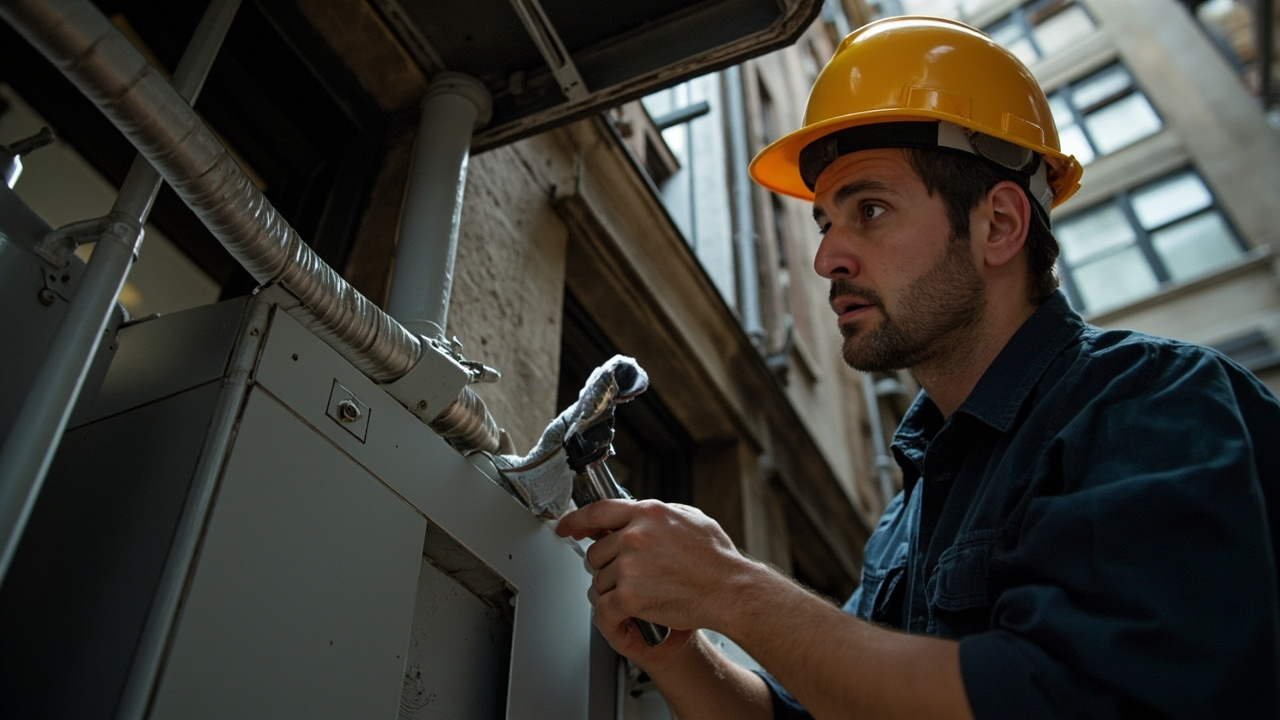






Chicago's municipal water supply contains high concentrations of calcium and magnesium that create persistent scaling problems in cooling tower systems. The minerals precipitate when water evaporates during the cooling process, forming hard deposits on fill media, distribution nozzles, and heat exchanger surfaces. These deposits reduce heat transfer efficiency by 20 to 40 percent over a single cooling season if left untreated. The problem intensifies during summer months when cooling loads are highest and evaporation rates peak. Combined with the city's freeze-thaw cycles that cause cracking and structural stress, Chicago cooling towers face accelerated wear compared to facilities in more moderate climates. Proper cooling tower cleaning and water treatment are not optional. They are operational necessities that directly impact your energy costs and equipment reliability.
Commercial facilities in Chicago operate under strict oversight from the Chicago Department of Public Health, which mandates cooling tower registration, water testing, and maintenance documentation to prevent Legionella outbreaks. The city's regulations require facility managers to implement water management programs that include regular inspections, cleaning protocols, and microbial testing. Non-compliance results in citations, mandatory remediation, and potential facility shutdowns. Five Star HVAC Chicago understands these regulatory requirements and provides the documentation and compliance support your facility needs. Our maintenance programs align with CDPH standards and industry best practices from ASHRAE and CDC guidelines. When you work with a local provider who understands Chicago's specific regulatory environment, you reduce compliance risk and avoid the administrative burden of managing these requirements internally.