




menu

Weak Airflow from Vents in Chicago – Expert Diagnosis and Permanent Fixes for Your System

When reduced airflow from registers leaves rooms stuffy and uneven, Five Star HVAC Chicago pinpoints the root cause fast and restores proper circulation through your entire system.

Slider Image 1
Slider Image 2
Slider Image 3
Slider Image 4
Slider Image 5
Slider Image 7
Slider Image 8
Slider Image 9
Slider Image 10
Slider Image 11

Why Your Chicago Home Struggles with Poor Airflow

You adjust the thermostat, but little air comes out of vents in the back bedrooms. The living room feels fine while upstairs remains stagnant and uncomfortable. This is not normal, and you are not imagining it.

Chicago homes face unique airflow challenges that most other climates do not. The extreme temperature swings between January lows and July highs force your HVAC system through intense cycling patterns. Ductwork in older Chicago bungalows and two-flats often runs through unconditioned attics or crawl spaces where temperature extremes cause metal to expand and contract, loosening connections and creating gaps. Those gaps bleed conditioned air before it reaches your living spaces.

Low air pressure from vents also develops when return air pathways get restricted. Many Chicago homes added walls or converted spaces without updating the duct design. The system cannot pull enough air back to the air handler, which starves the blower and reduces output at every register.

Dirty evaporator coils create another common bottleneck. Chicago's high spring pollen counts and summer humidity load the coil with debris that acts like a filter, choking off airflow before it enters the supply ducts. When the AC is blowing weakly, the coil may be covered in a mat of biological growth that standard filter changes never address.

Undersized or failing blower motors struggle to push adequate volume through the ductwork, especially when the system ages past ten years. The motor runs, but reduced air flow from registers reveals the blower cannot generate the static pressure needed to overcome duct resistance and deliver proper circulation throughout your home.

Why Your Chicago Home Struggles with Poor Airflow
How We Restore Full System Airflow

How We Restore Full System Airflow

We do not guess at airflow problems. Our diagnostic process starts with measuring static pressure at multiple points in your duct system using calibrated manometers. This tells us exactly where restrictions occur and whether your blower is operating within manufacturer specifications.

We inspect every supply and return register with an anemometer to document actual cubic feet per minute at each outlet. This data reveals which rooms receive inadequate airflow and helps us trace the problem back through the ductwork to its source. Poor airflow from AC units often stems from issues invisible from the outside, like collapsed flex duct in attic spaces or disconnected trunk lines in crawl spaces.

Our technicians access your air handler and evaporator coil to check for debris accumulation that standard maintenance misses. We measure temperature drop across the coil to verify refrigerant charge and proper heat exchange. A coil clogged with biofilm reduces airflow by up to forty percent while also killing cooling capacity and efficiency.

We evaluate your return air pathways for adequacy. Chicago homes frequently have undersized return ducts or too few return grilles for the system capacity. When return air cannot flow freely back to the air handler, the entire system suffocates. We calculate required return air volume based on your equipment tonnage and compare it against actual measurements.

Blower performance gets tested under load to verify the motor delivers rated CFM at operating static pressure. We check capacitor health, clean the blower wheel, and verify proper belt tension on belt-driven units. A blower running at seventy percent capacity creates weak airflow that no duct repair can fix.

What Happens During Your Airflow Restoration

Weak Airflow from Vents in Chicago – Expert Diagnosis and Permanent Fixes for Your System
01

Comprehensive System Mapping

We document your entire duct layout and measure airflow at every register and return grille. Static pressure readings at the air handler, plenum, and multiple branch points create a performance map that reveals exactly where your system loses capacity. This diagnostic phase typically takes ninety minutes and gives us the data needed to recommend targeted solutions rather than guesswork repairs.
02

Targeted Repair Implementation

Based on diagnostic findings, we address the specific failures causing reduced airflow. This might include sealing duct leaks with mastic and foil tape, cleaning or replacing the evaporator coil, upgrading the blower motor, or adding return air pathways. We prioritize repairs that deliver the greatest airflow improvement per dollar spent, focusing on the restrictions that most severely limit your system performance.
03

Performance Verification Testing

After repairs, we re-measure airflow at every register and compare results against design specifications for your equipment. You receive a printed report showing before and after CFM readings at each outlet. We verify temperature drop across the evaporator coil falls within the proper range and confirm static pressure readings indicate healthy system operation. This documentation proves the repair solved your airflow problem.

Why Chicago Homeowners Choose Five Star HVAC for Airflow Problems

Airflow diagnosis requires tools and knowledge that most HVAC companies skip. Many techs glance at the filter, check refrigerant, and leave without ever measuring actual system performance. That approach wastes your money on repairs that do not fix the root problem.

We invested in the diagnostic equipment needed to measure airflow accurately because guessing costs you more in the long run. Our manometers, anemometers, and thermal imaging cameras reveal problems that visual inspection misses. When we recommend duct sealing or blower replacement, you see the data that proves the diagnosis.

Chicago's housing stock presents unique challenges that require local expertise. We work on everything from vintage Georgians in Lincoln Park to modern construction in Lakeview and post-war bungalows throughout the Northwest Side. Each architectural style presents different duct configurations and access challenges. We know where builders typically cut corners and which components fail first in systems serving Chicago's climate extremes.

Our technicians receive ongoing training in building science and airflow dynamics. Understanding how your home operates as a system lets us identify problems that other companies miss. When return air pathways are inadequate, adding more supply registers makes the problem worse. We fix the actual bottleneck instead of creating new ones.

We also understand Chicago building codes and permitting requirements for duct modifications. When airflow problems require adding return grilles or relocating supply ducts, we handle the permit process and ensure work meets current mechanical code standards. This protects your home value and prevents issues during future sales or refinancing.

What to Expect When You Call About Weak Airflow

Fast Diagnostic Scheduling

We schedule most airflow diagnostics within two business days of your call. The evaluation takes ninety minutes to two hours depending on system complexity and accessibility. You receive a detailed written diagnosis the same day with measured data showing exactly where your system underperforms. If repairs can be completed during the diagnostic visit, we provide pricing and can often finish the work immediately. More complex repairs get scheduled within three to five days.

Thorough Performance Assessment

Our diagnostic process measures airflow at every register, static pressure at multiple system points, temperature drop across the evaporator coil, and blower motor performance under load. We inspect accessible ductwork for leaks, restrictions, and design flaws. You receive a written report with measured CFM at each outlet, static pressure readings, and temperature measurements. This documentation shows exactly what works properly and what needs repair. We explain findings in plain language and answer questions until you understand the problem completely.

Measured Performance Improvement

After completing repairs, we re-test your system to verify airflow meets design specifications. You receive before and after measurements showing the improvement at each register. Most airflow repairs improve delivery by thirty to sixty percent at affected outlets. Rooms that felt stuffy achieve proper air circulation. Temperature variation between spaces drops significantly. Your system runs more efficiently because the blower does not work against restrictions. These improvements are measurable and documented, not subjective claims.

Ongoing System Monitoring

Proper airflow requires maintaining clean filters, coils, and blower components. We provide a maintenance schedule specific to your system and home conditions. Chicago's seasonal pollen and humidity variations affect how often coils need cleaning and filters need replacement. Our maintenance plans include annual airflow verification to catch developing problems before they become failures. We track system performance over time and alert you when measurements indicate developing issues. This proactive approach prevents emergency breakdowns during extreme weather when you need your system most.

Frequently Asked Questions

You Have Questions,
We Have Answers

Why do I barely feel air coming out of my vents? +

Weak airflow usually points to a clogged air filter, blocked return vents, or ductwork issues. In Chicago homes, dust and debris from construction or seasonal allergens choke filters fast. Check your filter first. If it looks dirty, replace it. Next, walk through your home and make sure furniture or curtains are not covering vents or returns. If airflow is still weak, you may have duct leaks, a failing blower motor, or undersized ductwork. A technician can diagnose the root cause and restore proper circulation throughout your system.

Why is my AC not blowing hard through the vents? +

When your AC runs but barely pushes air, the blower motor or capacitor may be failing. Chicago's humid summers strain blower components, especially in older systems. A dirty evaporator coil can also restrict airflow by freezing over or blocking air passages. Check your filter and thermostat fan setting first. If the fan is set to auto instead of on, airflow stops between cycles. If the problem continues, the blower wheel may be caked with dirt or the motor itself is dying. A professional inspection identifies the exact failure point.

How to increase air flow in vents? +

Start by replacing your air filter every 30 to 60 days, especially during Chicago's high pollen months. Open all supply vents fully and remove obstructions like furniture or rugs blocking returns. Check your ductwork for visible gaps or disconnected sections in the basement or attic. Sealing duct leaks with mastic can recover lost airflow. If your system still underperforms, consider duct cleaning to remove years of buildup or upgrading to a variable speed blower for better circulation. A load calculation ensures your system matches your home's actual demands.

What is the $5000 AC rule? +

The so-called $5000 AC rule is not an official guideline. It suggests that if your repair estimate exceeds $5000 or your unit is over 10 years old, replacement makes more financial sense than repairs. This rule oversimplifies decisions. In Chicago, where systems endure extreme seasonal swings, a well-maintained 12-year-old unit may still have years left. Factor in refrigerant type, energy costs, and frequency of breakdowns. Always get multiple opinions before scrapping a system. A good technician shows you cost comparisons and explains long-term value.

What is the 2 foot rule for HVAC? +

The 2 foot rule means keeping at least 24 inches of clearance around outdoor condenser units. In Chicago, this matters year-round. Winter snow drifts, spring landscaping, and fall leaves can choke your condenser and kill efficiency. Blocked airflow forces the compressor to work harder, raising energy bills and shortening equipment life. Trim bushes, move garbage cans, and clear snow away from the unit regularly. Condenser coils also need cleaning to maintain proper heat exchange. Neglecting this simple rule leads to premature failure and expensive repairs during peak seasons.

How to tell if a house has poor ventilation? +

Signs of poor ventilation include stuffy air, persistent odors, high humidity, condensation on windows, and mold growth. In Chicago's older brick homes and bungalows, inadequate return air pathways trap stale air in rooms. You may notice temperature imbalances where some rooms never cool down. Check if bathrooms or kitchens lack exhaust fans. Poor ventilation stresses your HVAC system and degrades indoor air quality. A technician can measure airflow, check duct design, and recommend solutions like adding returns, upgrading ventilation fans, or installing an energy recovery ventilator.

What is the 3 minute rule for AC? +

The 3 minute rule prevents short cycling and compressor damage. After your AC shuts off, wait at least 3 minutes before restarting it. This allows refrigerant pressures to equalize inside the system. Rapidly cycling the compressor on and off causes mechanical stress and can burn out the compressor or trip the breaker. In Chicago's summer heat, impatient homeowners sometimes toggle the thermostat repeatedly when cooling feels slow. Resist the urge. If your system short cycles on its own, you have a real problem requiring professional diagnosis, not a thermostat adjustment.

How do you fix a weak AC airflow? +

First, replace the air filter and verify all vents are open. If airflow stays weak, inspect the evaporator coil for ice buildup or dirt. Chicago's high humidity can freeze coils when airflow drops. Turn the system off and let ice melt fully before restarting. Check the blower motor and capacitor for failure. Duct leaks in your basement or crawlspace waste conditioned air before it reaches living spaces. A blower door test identifies pressure imbalances. Fixing weak airflow often requires sealing ducts, cleaning coils, or replacing the blower motor or capacitor.

Why is my AC set to 72 but reads 78? +

A 6 degree gap between your thermostat setting and actual temperature signals serious problems. Your system may be undersized for Chicago's extreme heat, especially if you added square footage without upgrading capacity. Refrigerant leaks, dirty coils, or a failing compressor also prevent proper cooling. Check your air filter and outdoor condenser first. Make sure the condenser fan spins and coils are clean. If the system runs nonstop without reaching setpoint, you need a load calculation and refrigerant check. Ductwork leaks or poor insulation also sabotage cooling performance.

Do air vent boosters really work? +

Vent boosters can help in specific situations but do not fix underlying problems. If one distant bedroom in your Chicago home stays warm due to long duct runs, a booster fan may improve airflow to that zone. However, boosters add noise and use electricity. They cannot overcome a clogged filter, undersized ductwork, or a failing blower motor. Installing a booster without diagnosing the root cause wastes money. A better solution is often balancing dampers, sealing duct leaks, or upgrading to a zoned system with proper airflow design tailored to your home.

How Chicago's Seasonal Extremes Accelerate Airflow Problems

Chicago's hundred-degree temperature swings between winter and summer stress HVAC systems beyond what moderate climates experience. Ductwork in unconditioned spaces expands and contracts with extreme attic temperatures that reach 140 degrees in July and drop below zero in January. These cycles loosen connection joints and deteriorate duct tape and mastic over years of operation. The result is duct leakage that bleeds conditioned air into spaces where it provides no comfort benefit. Homes built before 1990 often have flex duct in attics that becomes brittle and develops holes after twenty years of Chicago weather exposure.

Five Star HVAC Chicago has diagnosed airflow problems in every neighborhood from Rogers Park to Beverly. We know which local builders used inadequate duct sizing in subdivisions throughout the metro area during the construction boom. We understand how Chicago's limestone bedrock and clay soil affect crawl space conditions where ductwork runs in older homes. Our familiarity with local construction practices helps us identify problems faster and recommend solutions appropriate for your specific home type and age. This local expertise saves you time and money compared to national chains learning your home on your dime.
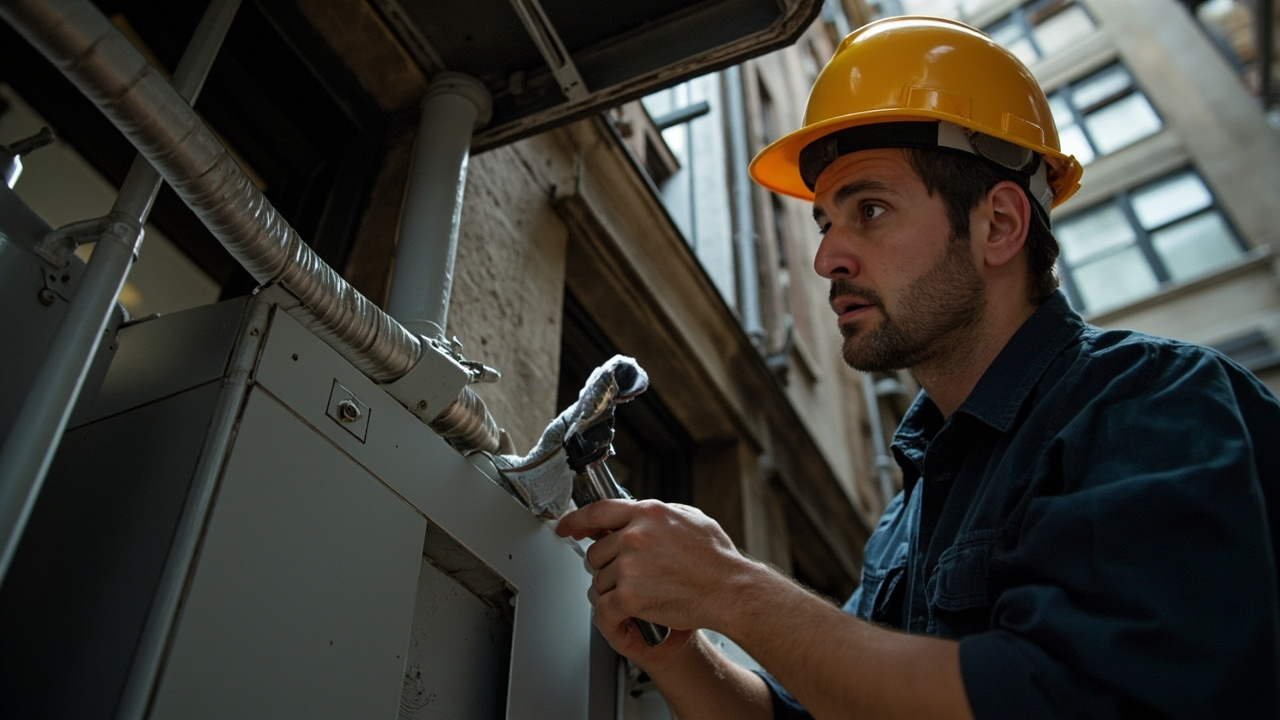
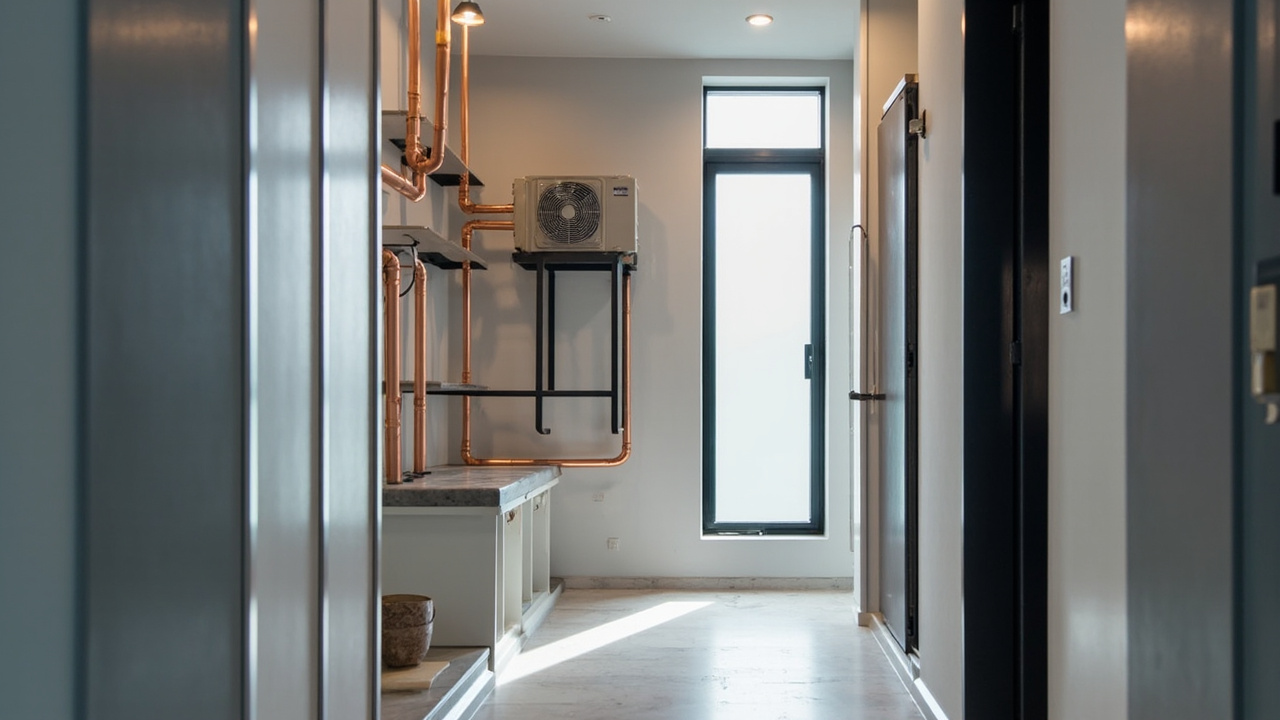
HVAC Services in The Chicago Area

Whether you’re dealing with a heating emergency or planning an AC upgrade, Five Star is just around the corner. Serving Chicago and surrounding communities, we’re proud to be the go-to HVAC company for homes and businesses alike. Use the map below to locate us quickly, or give us a call for directions or on-site service availability. We’re always ready to help, no matter where you are in the area — because comfort should never be out of reach.

Address:
Five Star HVAC Chicago, 2828 N Clark St, Chicago, IL, 60657

Additional Services We Offer

Our news updates

Latest Articles & News from The Blogs

Living in a dense Chicago neighborhood like Chinatown offers incredible access to culture and food. The narrow alleys and brick…

Quiet the Echo of Your Neighbors Loud AC in a Chinatown Alleyway

Living in a dense Chicago neighborhood like Chinatown offers incredible access to culture and food. The narrow alleys and brick…

Keeping Your Morgan Park Home Warm During a Winter Power Outage

Winter in Morgan Park brings a unique set of challenges for homeowners. The neighborhood is famous for its beautiful canopy…

Comparing Carrier and Trane for the unpredictable Chicago climate

The High Stakes of Chicago Climate Performance in 2026Chicago weather moves from one extreme to another with very little warning.…

Contact Us

Call Five Star HVAC Chicago at (708) 328-5999 to schedule your comprehensive airflow diagnostic. We measure actual system performance and show you exactly what needs repair to restore proper circulation throughout your home.