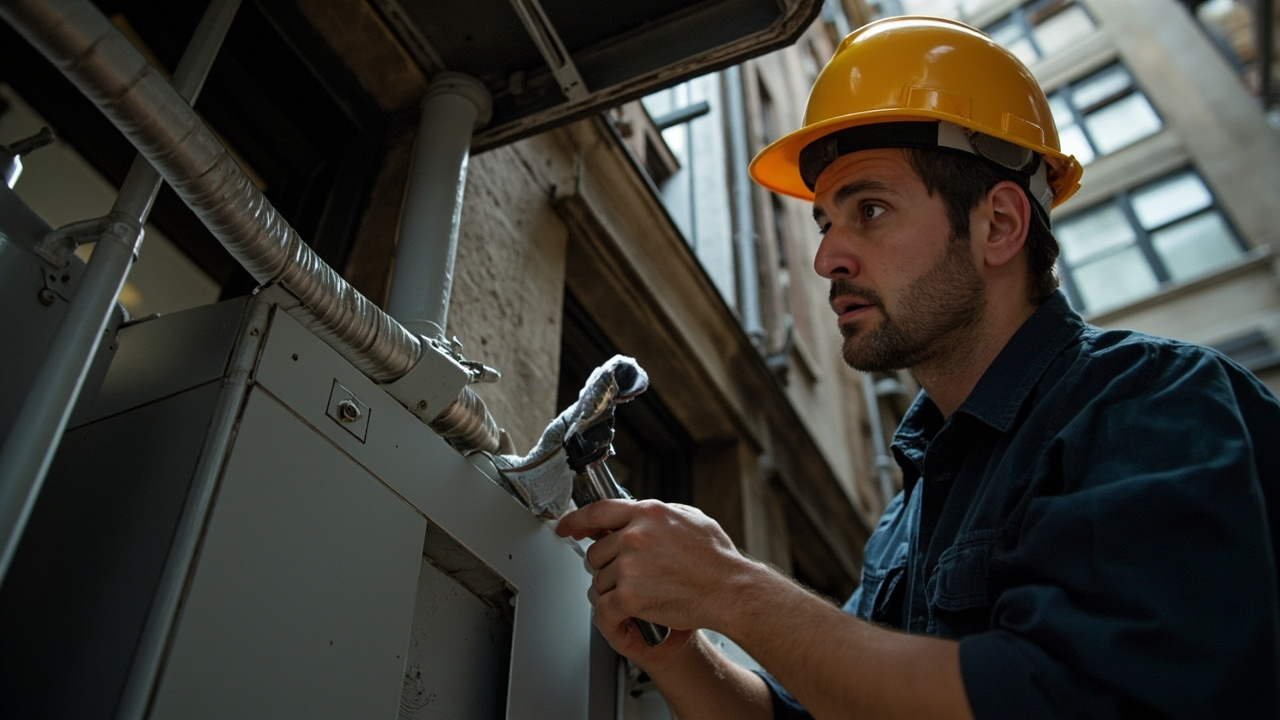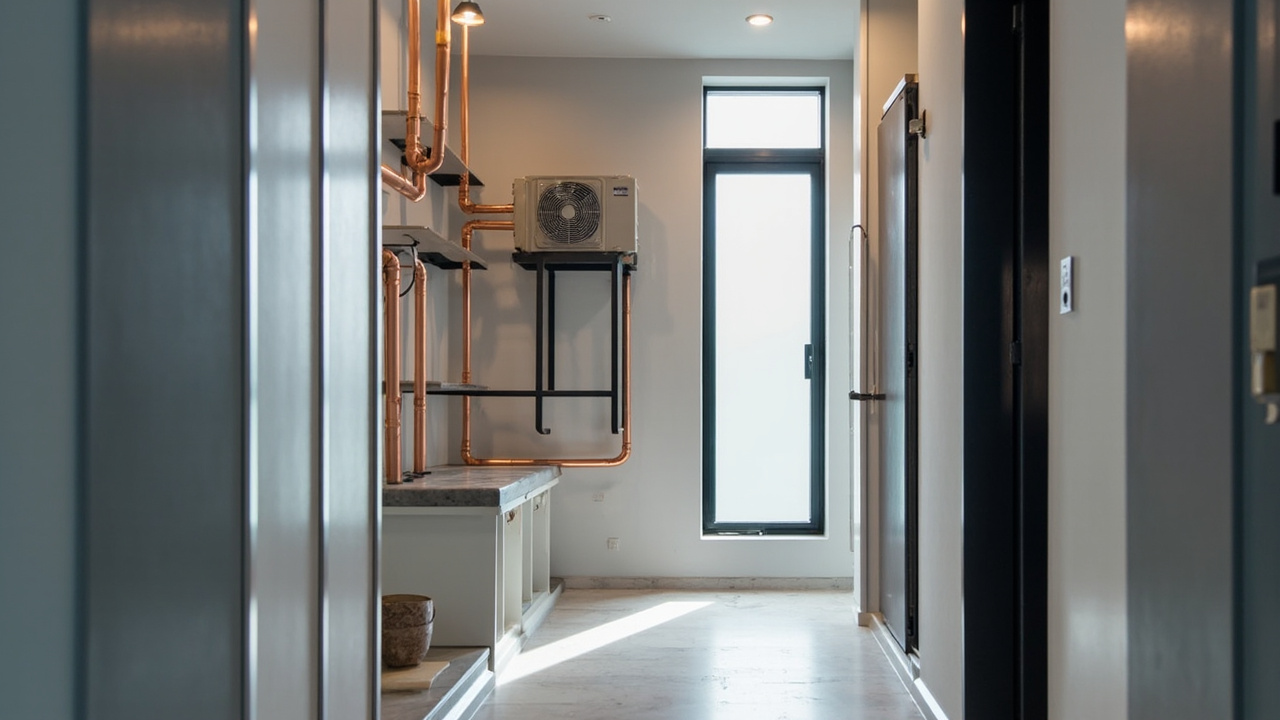







Chicago experiences some of the widest annual temperature variations in the country, with winter lows below zero and summer highs in the mid-90s. This 120-degree temperature range forces your HVAC system to work at maximum capacity for extended periods. Furnaces run continuously for weeks during polar vortex events, and air conditioners cycle constantly during July and August humidity. This extreme stress accelerates wear on heat exchangers, compressors, and blower motors. Many warranty claims in Chicago involve components that failed due to thermal stress, but manufacturers often argue this is normal wear rather than a defect. Understanding how to document system performance and maintenance history is critical to winning these disputed claims.
Chicago's strict mechanical codes and inspection requirements also affect warranty coverage. The city requires permits for HVAC installations and replacement equipment must meet current efficiency standards. If your contractor skipped the permit or failed the inspection, your warranty could be voided because the installation doesn't meet local code. Five Star HVAC Chicago pulls permits for every installation, coordinates inspections with the city, and provides you with copies of approved permits. This documentation proves your system was installed legally and protects your warranty rights if the manufacturer questions the installation quality during a claim review.