



menu

Air Conditioning Installation in Chicago – Fast, Right-Sized Systems for Extreme Midwest Weather

We size and install central air systems built to handle Chicago's humid summers and sub-zero winters, ensuring year-round comfort and efficiency for homes and businesses across the metro.

Slider Image 1
Slider Image 2
Slider Image 3
Slider Image 4
Slider Image 5
Slider Image 7
Slider Image 8
Slider Image 9
Slider Image 10
Slider Image 11

Why Chicago's Climate Demands a Properly Installed AC System

Chicago's weather punishes poorly installed air conditioning systems. Summer humidity regularly tops 70 percent, forcing compressors to work harder to dehumidify indoor air. Winter temperatures drop below zero for weeks at a stretch, stressing refrigerant lines and outdoor condensers. Your AC unit installation must account for both extremes.

Most homeowners in neighborhoods like Lincoln Park, Wicker Park, and Hyde Park face another challenge: older housing stock with inconsistent ductwork. Homes built before 1960 often lack proper insulation in walls and attics, forcing new AC units to compensate for thermal losses. If your air conditioner replacement ignores these factors, you will overpay on utility bills every summer.

Chicago's flat topography and proximity to Lake Michigan create microclimates that affect cooling loads. Properties near the lake experience cooler summers but higher humidity. Inland neighborhoods like Pilsen and Bridgeport endure hotter, drier conditions. A proper central air installation starts with a Manual J load calculation that factors in your specific location, building orientation, and insulation quality.

We see failed AC installations weekly. Contractors skip the load calculation, oversize the unit to avoid callbacks, and leave you with short-cycling equipment that cannot dehumidify properly. Your home feels clammy at 72 degrees. The compressor cycles on and off every four minutes. Energy bills climb. A correctly sized new air conditioner install solves these problems and lasts 15 to 20 years when maintained.

Why Chicago's Climate Demands a Properly Installed AC System
How We Install Air Conditioning Systems That Last

How We Install Air Conditioning Systems That Last

We begin every air conditioning installation with a room-by-room heat gain calculation using Manual J software. This identifies actual cooling demand, not guesswork. We measure window square footage, insulation R-values, and air infiltration rates. Chicago's brick bungalows and greystones have different thermal characteristics than vinyl-sided ranch homes, and we account for that.

Next, we calculate duct sizing using Manual D protocols. Undersized ducts choke airflow, forcing the blower motor to work harder and reducing system efficiency by 30 percent or more. Oversized ducts create low velocity, allowing dust to settle and reducing dehumidification. We measure existing ductwork, test static pressure, and modify trunk lines or branch ducts as needed. If you live in a two-flat with shared ductwork, we install zone dampers to balance airflow between floors.

Our installers replace the linesets during every AC unit installation. Reusing old copper tubing introduces contaminants into the refrigerant circuit and voids most manufacturer warranties. We run new refrigerant lines, vacuum the system to 500 microns to remove moisture, and charge the unit to factory specifications using digital manifolds and superheat calculations. This prevents compressor failure caused by liquid slugging or inadequate oil return.

We test airflow at every register using a flow hood, adjusting dampers to achieve even distribution. The goal is 400 cubic feet per minute per ton of cooling capacity, which ensures proper dehumidification and prevents frozen evaporator coils. We leave you with a written performance report showing measured airflow, refrigerant pressures, and delta T across the coil.

What Happens During Your AC Installation Appointment

Air Conditioning Installation in Chicago – Fast, Right-Sized Systems for Extreme Midwest Weather
01

On-Site Load Calculation

We measure every room, evaluate insulation levels, and calculate actual cooling demand using Manual J software. You receive a written report showing the correct tonnage and SEER rating for your home. This prevents oversizing, which causes short-cycling and high humidity. The visit takes 60 to 90 minutes, and we answer every question about equipment options, efficiency ratings, and installation logistics.
02

Equipment Installation Day

Our crew arrives with the new condenser, air handler, and lineset materials. We remove the old equipment, install the new air handler in the furnace plenum, and run new refrigerant lines through existing chases or soffits. We mount the outdoor condenser on a composite pad, level it, and connect electrical service. The evaporator coil goes above the furnace, and we install a new condensate drain with trap and overflow switch to prevent water damage.
03

System Testing and Training

After installation, we vacuum the refrigerant circuit to remove moisture and contaminants, then charge the system to manufacturer specs. We test airflow at every register, measure temperature drop across the evaporator coil, and verify the condensate drain operates correctly. You learn how to change filters, adjust the thermostat, and recognize warning signs of trouble. We program your Wi-Fi thermostat if you choose that option, and provide a written commissioning report.

Why Chicago Property Owners Choose Five Star HVAC Chicago

We install air conditioning systems in Chicago year-round, so we understand the unique challenges of this market. Chicago enforces strict mechanical codes through the Department of Buildings. Every central air installation requires a permit, and inspectors verify refrigerant line sizing, electrical disconnects, and condensate drain connections. We handle the permit process, schedule inspections, and ensure your installation passes on the first visit.

Chicago's housing stock varies wildly. Lincoln Park has Victorian-era homes with knob-and-tube wiring and no existing ductwork. South Loop high-rises require rooftop condenser installations with crane access and building engineer coordination. Suburban homes in areas like Beverly and Mount Greenwood have crawl spaces and attics suitable for traditional split systems. We adapt our approach to your building type, working within architectural constraints and historical preservation rules when necessary.

Lake Michigan's proximity affects equipment selection. Homes within two miles of the lake face salt air exposure, which corrodes condenser coils and cabinet panels. We recommend coated coils and stainless steel fasteners for these installations. Inland properties face different challenges, including clay soil that retains moisture and can settle, stressing refrigerant lines. We use flexible linesets with expansion loops to prevent stress cracks.

We stock equipment for same-week installation in most cases. Chicago summers are short, and you cannot afford to wait three weeks for a new AC unit. Our warehouse carries 14 to 18 SEER systems in multiple tonnages, so we can move quickly once you approve the proposal. We also service what we install, with techs who know your system's quirks and installation details.

What You Can Expect From Start to Finish

Installation Timeline

Most single-family air conditioner replacements take one full day from start to finish. We arrive between 8 and 9 AM, complete the installation, and finish testing by 5 or 6 PM. Complex jobs involving ductwork modifications, electrical panel upgrades, or multi-zone systems may require two days. We schedule installations Monday through Saturday, and we provide a two-hour arrival window the morning of your appointment. During peak summer months, lead times run seven to ten days. Off-season installations in spring and fall often happen within three to five days of signing the contract.

Pre-Installation Assessment

Before installation day, we evaluate your existing ductwork, electrical service, and thermostat wiring. Homes with 100-amp electrical panels may require an upgrade to handle modern high-efficiency air conditioners, which draw more amperage during startup. We test duct leakage using a blower door if your home was built before 1980, and we recommend sealing services if leakage exceeds 15 percent. If you have a gas furnace, we verify the blower motor can handle the static pressure added by a new evaporator coil. This assessment prevents surprise costs on installation day.

Performance Verification

After we finish your AC unit installation, we measure system performance using calibrated instruments. You receive a commissioning report showing supply and return air temperatures, refrigerant subcooling and superheat, and airflow in cubic feet per minute at the main trunk. We verify the condensate drain flows freely, the outdoor disconnect operates correctly, and the thermostat communicates with the air handler. We test the system under load for 30 minutes to confirm stable operation, and we walk you through the startup sequence so you understand what normal operation sounds and feels like.

Ongoing Support

Every new air conditioner install includes a one-year labor warranty covering installation defects. Manufacturer warranties on compressors and parts range from five to ten years depending on the brand and model you choose. We offer annual maintenance plans that include spring tune-ups, filter changes, and refrigerant level checks. Regular maintenance prevents coil freezing, compressor burnout, and blower motor failure. Plan members receive priority scheduling during heat waves and discounted service rates. We keep detailed service records in our system, so any tech who visits your home can access your equipment specs and past repair history.

Frequently Asked Questions

You Have Questions,
We Have Answers

How much would it cost to have air conditioning installed? +

Air conditioning installation in Chicago typically ranges from $3,500 to $7,500 for a standard residential system. Your final price depends on unit size, SEER rating, ductwork condition, and installation complexity. Chicago's extreme temperature swings mean you need proper sizing for both summer humidity and efficiency. Older homes in neighborhoods like Logan Square or Wicker Park often require ductwork modifications, which increases costs. Two-stage or variable-speed systems cost more upfront but handle Chicago's humid summers better. Get multiple quotes from licensed contractors who understand local building codes and permit requirements specific to Cook County.

What is the $5000 rule for AC? +

The $5000 rule is a calculation to help you decide between repairing or replacing your AC unit. Multiply the age of your system by the repair cost. If the result exceeds $5000, replacement makes more financial sense. For example, a 12-year-old unit needing $450 in repairs equals $5400, suggesting replacement. In Chicago, where systems work overtime during muggy July and August, this rule helps avoid throwing money at failing equipment. Consider that older units waste energy during our high-demand cooling season. A new system with higher SEER ratings cuts utility bills significantly over Chicago's long cooling season.

How expensive is it to install an AC unit? +

AC unit installation costs between $3,500 and $7,500 for most Chicago homes. The price breaks down into equipment, labor, permits, and any necessary modifications. Chicago's building codes require permits and inspections, adding to the total. High-efficiency units with SEER ratings above 16 cost more but perform better during humid summer months. Homes without existing ductwork face higher costs, sometimes reaching $10,000 or more. Factor in Chicago's clay soil, which can affect outdoor condenser pad installation. Older homes in historic districts may need special electrical upgrades. Always verify your contractor pulls proper city permits.

How much does Home Depot charge for AC installation? +

Home Depot typically charges $2,500 to $5,000 for AC installation through their contractor network. They subcontract the work to local HVAC companies, adding a markup. You lose the direct relationship with your installer, which matters during Chicago's peak summer season when callbacks happen. Their contractors may not specialize in Chicago-specific challenges like freeze-thaw foundation shifts or local code nuances. You get a national warranty but often sacrifice personalized service. For complex installations in older Chicago homes with unique ductwork or electrical issues, a dedicated local contractor provides better long-term value and accountability.

How much does an air conditioner cost for a 2000 sq ft home? +

A 2000 square foot home in Chicago typically needs a 3 to 4-ton AC system costing $4,500 to $7,000 installed. The exact size depends on insulation quality, window count, sun exposure, and ceiling height. Chicago's high humidity requires proper dehumidification capacity, not just cooling tonnage. Homes with poor attic insulation or older windows need larger units, driving costs up. Two-story homes often require zoned systems for better comfort control. Your contractor should perform a Manual J load calculation, factoring in Chicago's 90-degree summer peaks and humidity levels. Avoid oversizing, which causes short cycling and humidity problems.

What is the 3 minute rule for AC? +

The 3-minute rule refers to the time delay built into modern AC compressors. After your system shuts off, it waits at least 3 minutes before restarting. This protects the compressor from damage caused by rapid cycling under high pressure. In Chicago, where summer temperatures fluctuate, thermostats may call for cooling frequently. The 3-minute delay prevents short cycling, extending compressor life. If your unit restarts immediately without this delay, you may have a failing time-delay relay or faulty control board. Ignoring this issue shortens equipment lifespan and increases energy costs during Chicago's demanding cooling season.

Is HVAC system cost tax deductible? +

HVAC system costs are generally not tax deductible for most homeowners. The IRS considers it a home improvement, not a repair expense. However, if you install a high-efficiency system meeting federal energy standards, you may qualify for tax credits under the Inflation Reduction Act. These credits can reach 30% of equipment costs for qualifying systems. Business owners in Chicago can deduct HVAC installation as a capital expense or depreciate it over time. Consult a tax professional familiar with Illinois and federal codes. Energy Star certified systems often qualify for both federal credits and occasional ComEd rebates in the Chicago area.

What is the best month to buy an HVAC system? +

Fall and early spring offer the best HVAC pricing in Chicago. October through March sees lower demand, giving you negotiating power and faster installation scheduling. Contractors offer discounts during their slow season instead of laying off crews. You avoid the panic pricing that hits during June heat waves when everyone needs immediate replacement. Planning ahead lets you research options thoroughly and secure permits without rushing. Chicago's unpredictable spring weather means you should install before late May when temperatures spike. Avoid July and August when contractors run weeks behind and charge premium rates. Early fall installations prepare you for next summer.

How much does a new HVAC system cost for 1500 square feet? +

A 1500 square foot home in Chicago typically requires a 2.5 to 3-ton system costing $3,800 to $6,500 installed. Price varies based on SEER rating, brand, and existing ductwork condition. Chicago bungalows and older construction often need ductwork upgrades or electrical panel improvements, adding $1,000 to $2,500. Single-story layouts install easier than multi-level homes. High-efficiency variable-speed systems cost more but handle Chicago's humid summers better than single-stage units. Your contractor should calculate heat gain based on insulation, window quality, and sun exposure. Proper sizing matters more than price. Oversized units waste energy and fail to control humidity.

What is the lifespan of an AC unit? +

AC units last 12 to 15 years in Chicago with proper maintenance. Our extreme climate, cycling between sub-zero winters and 90-degree summers with high humidity, stresses systems more than moderate climates. Units running overtime during July and August wear faster. Coastal salt air is not an issue here, but Chicago's freeze-thaw cycles affect outdoor condenser units. Regular maintenance extends lifespan significantly. Change filters monthly during cooling season. Schedule annual tune-ups before summer heat arrives. Quality installation matters. Poor refrigerant charging or undersized ductwork shortens lifespan. After 12 years, declining efficiency and rising repair costs usually justify replacement.

How Chicago's Humidity and Temperature Swings Affect AC Performance

Chicago averages 15 days per year with dew points above 70 degrees, creating muggy conditions that stress air conditioning systems. High humidity increases latent cooling load, forcing your AC to remove moisture from indoor air in addition to lowering temperature. Systems sized only for sensible heat cannot handle this dual demand. They cool the air quickly but cycle off before dehumidifying, leaving you with a cold, clammy house. Proper central air installation accounts for latent load, ensuring your system runs long enough to pull moisture out of the air. Chicago's brick and masonry construction also holds moisture, compounding the problem in older homes without vapor barriers.

We work throughout Cook County and the surrounding metro, installing systems in Rogers Park, Oak Park, Evanston, Naperville, and dozens of other communities. Chicago's mechanical code requires licensed contractors to pull permits for AC installations, and we maintain full compliance with city and state regulations. Our techs understand local inspection requirements, including refrigerant leak testing, electrical disconnect placement, and condensate drain termination rules. Choosing a local contractor means faster response times, familiarity with regional building practices, and accountability if problems arise. We have worked in this market for years, and our reputation depends on quality workmanship and honest communication.
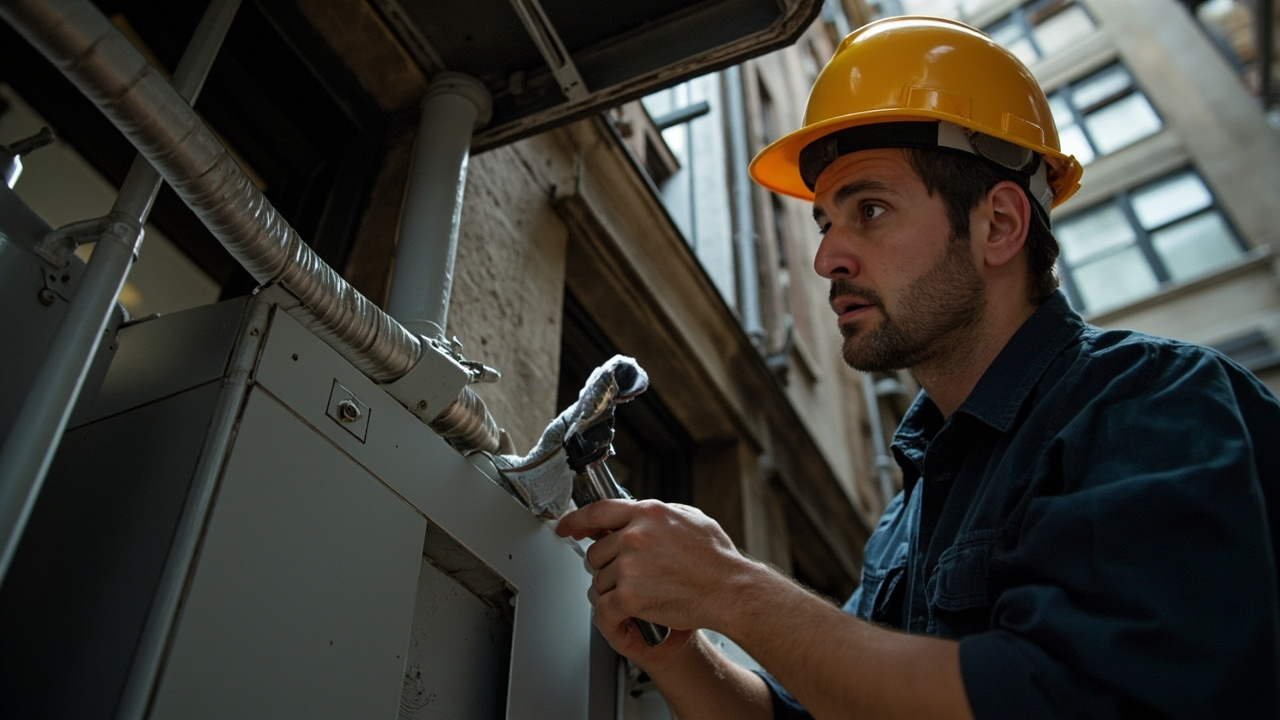
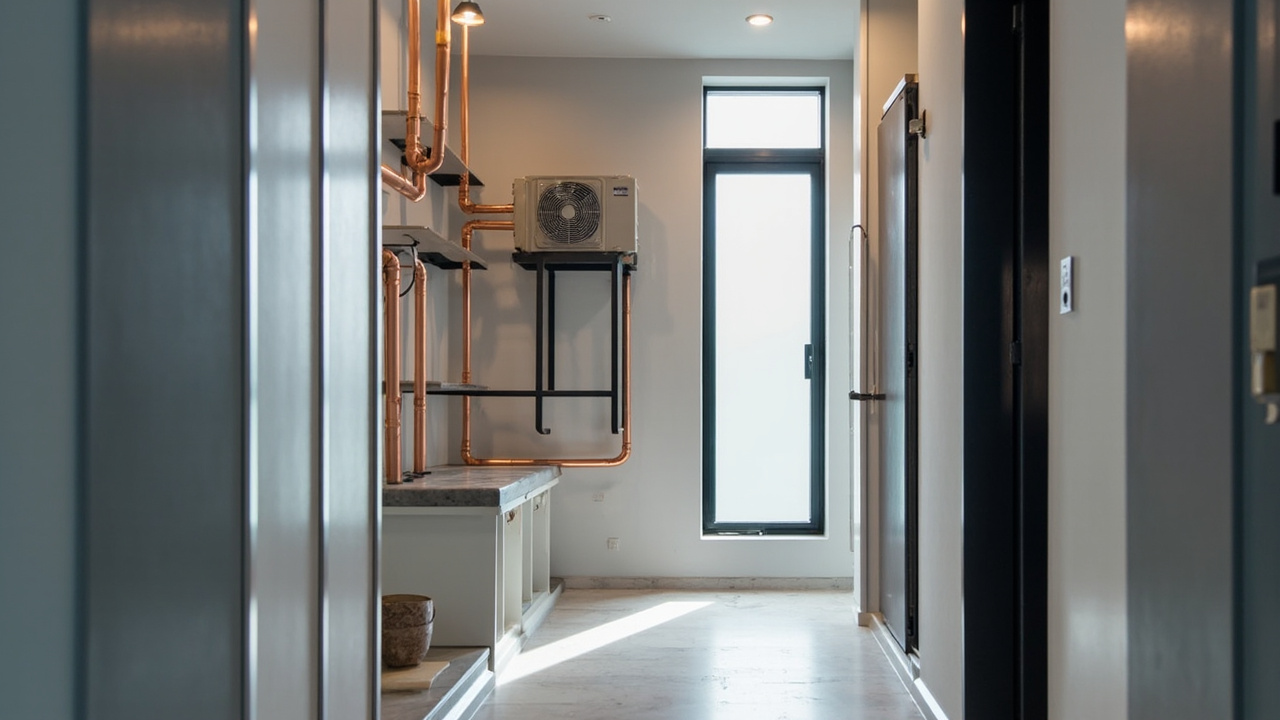
HVAC Services in The Chicago Area

Whether you’re dealing with a heating emergency or planning an AC upgrade, Five Star is just around the corner. Serving Chicago and surrounding communities, we’re proud to be the go-to HVAC company for homes and businesses alike. Use the map below to locate us quickly, or give us a call for directions or on-site service availability. We’re always ready to help, no matter where you are in the area — because comfort should never be out of reach.

Address:
Five Star HVAC Chicago, 2828 N Clark St, Chicago, IL, 60657

Additional Services We Offer

Our news updates

Latest Articles & News from The Blogs

Professional duct cleaning services for Hyde Park townhomes and historical Chicago estatesLiving in a Hyde Park townhome near the Chicago…

Professional duct cleaning services for Hyde Park townhomes and historical Chicago estates

Professional duct cleaning services for Hyde Park townhomes and historical Chicago estatesLiving in a Hyde Park townhome near the Chicago…

Common HVAC problems in Gold Coast high rises and how to fix them for reliable comfort

Living in a Gold Coast high rise offers some of the most spectacular views of Lake Michigan and the Magnificent…

Signs your McKinley Park coach house needs its own heating system

McKinley Park homeowners are increasingly transforming historic coach houses into legal living spaces. The expansion of the Chicago Additional Dwelling…

Contact Us

Call (708) 328-5999 now to schedule your on-site assessment. We provide written load calculations, equipment recommendations, and upfront pricing with no hidden fees. Our team installs air conditioning systems across Chicago six days a week, and we are ready to help you stay comfortable all summer.