




menu

AC Repair Services in Chicago – Fast Response Times When Your System Fails

Five Star HVAC Chicago delivers complete air conditioning repair and HVAC service across Chicagoland, with trained technicians who diagnose issues quickly and restore comfort in residential and commercial properties throughout the metro area.

Slider Image 1
Slider Image 2
Slider Image 3
Slider Image 4
Slider Image 5
Slider Image 7
Slider Image 8
Slider Image 9
Slider Image 10
Slider Image 11

Why Chicago's Climate Makes AC Reliability Critical

Chicago summers hit hard. High humidity paired with temperatures routinely climbing into the 90s turns a malfunctioning air conditioner from an inconvenience into a health hazard. You need reliable central air repair when the heat index spikes and your system stops producing cold air.

The city's dramatic temperature swings stress HVAC systems more than people realize. Spring brings 50-degree days. By June, you are running your AC constantly. This rapid seasonal shift forces compressors, condensers, and evaporator coils to cycle harder than systems in moderate climates. Parts wear faster. Refrigerant leaks develop. Electrical connections loosen from thermal expansion and contraction.

Chicago's older housing stock adds another layer of complexity. Many homes in neighborhoods like Lincoln Park, Lakeview, and Logan Square still run on older ductwork and original HVAC installations from decades past. These systems were not designed for modern cooling demands or energy efficiency standards. When they fail, you need air conditioner repair that accounts for outdated infrastructure and limited access points in historic buildings.

Humidity creates secondary problems. Clogged condensate drains are common in Chicago because the air holds so much moisture during summer months. When drain lines back up, water damage spreads quickly through ceilings and walls. Mold grows in damp ductwork. Indoor air quality suffers. These issues require immediate HVAC repair before structural damage compounds the problem.

Your AC system is not optional equipment in this city. It is essential infrastructure that protects your family's health, preserves your property value, and maintains livable conditions when outdoor temperatures become dangerous.

Why Chicago's Climate Makes AC Reliability Critical
How Professional AC Service Differs From Quick Fixes

How Professional AC Service Differs From Quick Fixes

Proper air conditioning repair starts with accurate diagnosis, not guesswork. Five Star HVAC Chicago uses digital manifold gauges to measure refrigerant pressures, infrared thermometers to check temperature splits across coils, and amp meters to verify compressor draw. These tools reveal the actual problem instead of treating symptoms.

Many service calls involve refrigerant issues. Low charge indicates a leak somewhere in the system. We use electronic leak detectors and UV dye to pinpoint the exact location, whether it is a corroded evaporator coil, a vibration crack in the suction line, or a failed Schrader valve. After repairing the leak, we pull a vacuum to remove moisture and non-condensables before recharging to manufacturer specifications. Shortcuts here cause premature compressor failure.

Electrical problems account for a large percentage of AC failures in Chicago. Capacitors degrade from heat exposure and voltage fluctuations common in older city grid infrastructure. Contactors pit and burn from repeated cycling. Control boards fail when power surges travel through the system during summer thunderstorms. We test voltage at every connection point and replace components that fall outside acceptable tolerance ranges.

Airflow issues often masquerade as refrigerant problems. A blower motor pulling low amperage indicates worn bearings. Restricted airflow across the evaporator coil causes icing and reduced capacity. We measure static pressure in the duct system and calculate actual CFM against design specs. Sometimes the fix is a thorough coil cleaning. Other times, undersized ductwork or blocked returns require modifications to restore proper air movement.

Our HVAC repair approach addresses root causes. Quick fixes might get your system running temporarily, but they do not prevent the next breakdown. Comprehensive service extends equipment life and improves reliability when you need cooling most.

What Happens During Your AC Repair Appointment

AC Repair Services in Chicago – Fast Response Times When Your System Fails
01

System Diagnostics

Our technician arrives with diagnostic equipment and begins by gathering information about the failure. When did the problem start? What symptoms did you notice? Strange noises, weak airflow, or warm air from vents all point to different failure modes. We test thermostat operation, check circuit breakers, and verify power to the outdoor unit before opening panels to inspect internal components. This methodical approach identifies problems quickly without unnecessary part replacement.
02

Repair Execution

Once we identify the failed component, we explain the problem and provide a clear estimate before starting work. Most central air repair jobs complete in a single visit because our trucks stock common parts like capacitors, contactors, and thermostatic expansion valves. For complex repairs requiring specialized components, we source OEM parts quickly and schedule a follow-up appointment. We handle refrigerant according to EPA regulations and dispose of failed parts properly.
03

Testing and Verification

After completing repairs, we run the system through complete cooling cycles while monitoring temperatures, pressures, and electrical draw. We verify proper superheat and subcooling numbers, check for adequate airflow at registers, and confirm the thermostat cycles the equipment correctly. You receive documentation of all work performed, including before and after measurements. We walk you through what we fixed and answer questions about system operation and maintenance recommendations.

Why Chicago Property Owners Choose Five Star HVAC Chicago

Local expertise matters when you need air conditioner repair in a city with unique infrastructure challenges. Chicago's building codes require specific installation practices. The city's permit requirements for HVAC work differ from surrounding suburbs. Our technicians understand these regulations and ensure repairs meet local standards.

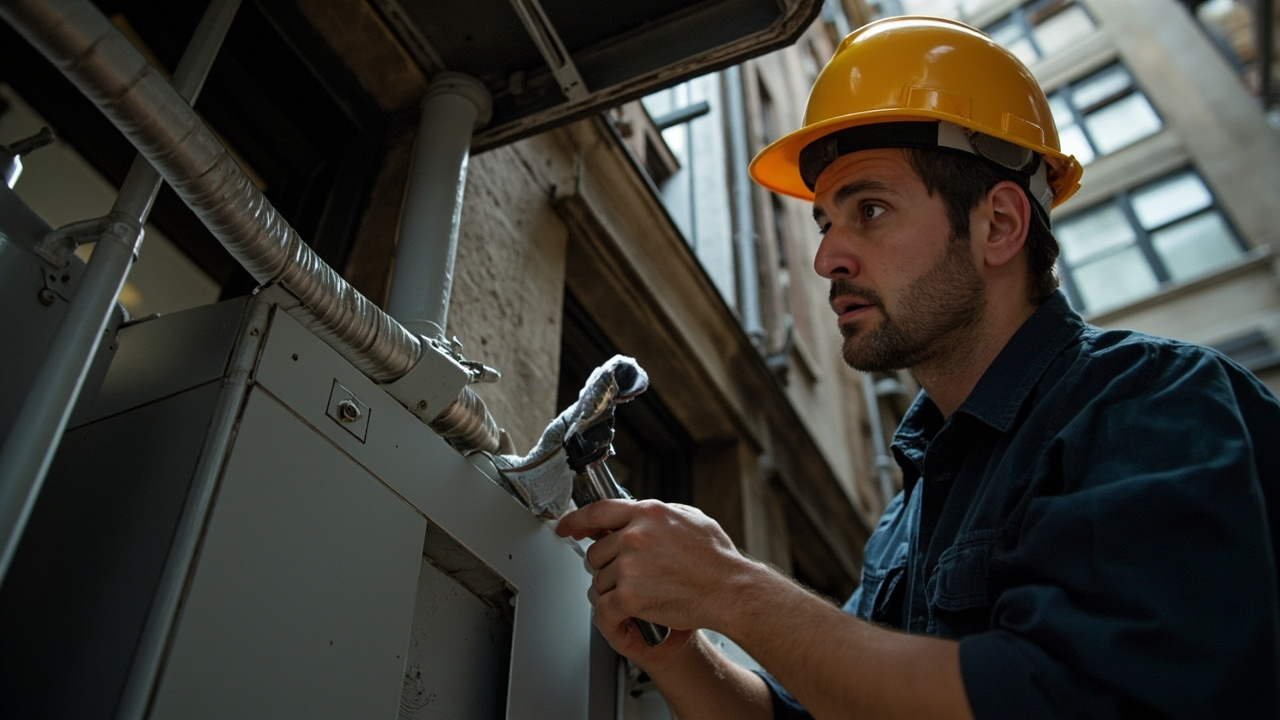
We know the common failure patterns in Chicago HVAC systems. Condensing units on flat roofs face hail damage from severe storms that roll off Lake Michigan. Ground-level units in alleyways suffer from debris accumulation and physical damage. Older homes with radiator heat often have undersized electrical services that struggle to handle modern AC loads. These location-specific issues require solutions that work within Chicago's existing infrastructure.

Our service area covers the entire metro region, from Rogers Park down to Hyde Park, west through Oak Park and Cicero, and across to neighborhoods near Midway and O'Hare. We maintain fast response times because our technicians work from locations throughout the region, not from a single distant shop.

Five Star HVAC Chicago handles both residential and commercial AC service. We repair split systems in single-family homes, packaged units on small commercial buildings, and multi-zone systems in apartment buildings. Our technicians carry proper licensing and insurance coverage for work in Chicago and Cook County.

You need a service provider who shows up prepared. Our diagnostic process identifies problems accurately the first time. We stock trucks with quality parts so repairs complete without delays. When we finish a job, your system works correctly and reliably.

Chicago summers are too hot to wait days for service or settle for technicians who guess at problems. You deserve air conditioning repair from professionals who understand local conditions and fix systems properly.

What to Expect From Our AC Repair Services

Response Time and Scheduling

We prioritize emergency calls during heat waves when indoor temperatures become dangerous. Same-day service is available for urgent situations, especially when vulnerable family members or critical business operations depend on functioning AC. Non-emergency repairs typically schedule within 24 to 48 hours based on current demand. Our dispatch system routes technicians efficiently to minimize your wait time. You receive confirmation calls with arrival windows so you can plan your day. We respect your property and your schedule, arriving when promised with everything needed to complete the repair.

Initial Assessment Process

Every HVAC repair starts with a thorough evaluation. Our technician examines both the indoor air handler and outdoor condensing unit, checking electrical connections, refrigerant levels, and mechanical components. We test system operation under load to observe actual performance rather than relying on visual inspection alone. You receive a clear explanation of what failed, why it failed, and what repair options make sense for your situation. We provide upfront pricing before starting work so you make informed decisions without surprise charges. If your system is old and requires expensive repairs, we discuss replacement options honestly so you understand the full picture.

Quality of Work and Components

We use OEM parts whenever possible because they are engineered specifically for your equipment. Generic aftermarket components might cost less initially but often fail prematurely, creating repeat service calls and additional expense. Our technicians take time to complete repairs correctly instead of rushing through jobs to hit quotas. Refrigerant work follows EPA guidelines for recovery, evacuation, and recharging. Electrical connections are torqued to specifications and protected from vibration and weather exposure. When we finish a central air repair, your system operates as the manufacturer intended, delivering proper cooling capacity and energy efficiency for your space.

Service Documentation and Follow-Up

You receive detailed documentation of all work performed, including parts replaced, refrigerant added, and system measurements taken during testing. This paperwork creates a service history for your equipment that helps with future diagnostics and proves proper maintenance if you sell your property. We stand behind our repairs and address any concerns that arise after service. Our team provides recommendations for preventive maintenance to reduce future breakdowns, including filter change schedules, annual tune-ups, and signs that indicate developing problems. We want your AC system to run reliably season after season, not just until the next heat wave.

Frequently Asked Questions

You Have Questions,
We Have Answers

What is the $5000 AC rule? +

The $5000 AC rule is an IRS guideline that helps determine if you repair or replace your AC unit for tax purposes. If repair costs exceed 50% of the unit's value, you must depreciate the expense as a capital improvement rather than deduct it immediately. For Chicago homeowners, this matters when major repairs approach replacement costs. A unit worth $10,000 means repairs over $5,000 trigger the rule. This calculation includes parts and labor. Always consult a tax professional to understand how this applies to your situation, especially with Illinois-specific tax codes.

How much does an AC service call cost? +

An AC service call in Chicago typically costs $100 to $200 for the diagnostic visit. This fee covers the technician's time to inspect your system, identify the problem, and provide a repair estimate. Many companies apply this charge toward the repair cost if you proceed. Emergency calls after hours or on weekends often add $50 to $100 more. Chicago's humid summers mean peak season pricing can be higher. The actual repair cost depends on the issue discovered. Get the total estimate in writing before authorizing work to avoid surprises.

What is the most expensive repair on an AC unit? +

The compressor is the most expensive AC repair in Chicago, often costing $1,500 to $3,000 including labor. This component pressurizes refrigerant and pumps it through your system. Compressor failure usually results from electrical issues, refrigerant leaks, or overheating during Chicago's humid summers. Because replacement requires refrigerant recovery, vacuum testing, and system recharge, labor is intensive. If your compressor fails and your unit is over 10 years old, replacement often makes better financial sense than repair. Age and efficiency matter when deciding whether to fix or replace.

Can I write off my new AC unit on my taxes? +

You can claim a federal tax credit for a new AC unit if it meets energy efficiency standards under the Inflation Reduction Act. High-efficiency systems with qualifying SEER2 ratings may be eligible for credits up to $2,000. Illinois also offers energy efficiency rebates through ComEd or other utilities. If you use the AC for a home office, you might deduct a portion as a business expense. Medical necessity documentation can sometimes qualify AC as a deductible medical expense. Consult a tax professional to maximize available deductions and credits for your Chicago home.

What is the 3 minute rule for AC? +

The 3 minute rule for AC means waiting at least three minutes after shutdown before restarting your unit. This delay lets refrigerant pressure equalize throughout the system. Restarting too quickly forces the compressor to work against high pressure, which can damage internal components or trip circuit breakers. Chicago homeowners should follow this rule during power outages or when adjusting thermostats frequently. Modern units often have built-in delay circuits, but older systems do not. This simple practice extends compressor life and prevents unnecessary service calls during our hot, humid summers.

What is the average lifespan of an AC unit? +

An AC unit in Chicago lasts 12 to 17 years with proper maintenance. Our humid summers and freeze-thaw cycles during winter stress systems more than moderate climates. Units that receive annual tune-ups, clean filters monthly during cooling season, and have adequate airflow typically reach the upper end of this range. Coastal moisture from Lake Michigan can accelerate corrosion on outdoor components. Poor installation, irregular maintenance, or undersized systems for your home shorten lifespan. If your unit is over 15 years old and needs major repairs, replacement usually offers better value than continued fixes.

Can I service my AC myself? +

You can perform basic AC maintenance yourself, but most repairs require a licensed technician. Homeowners should change filters monthly during cooling season, keep outdoor units clear of debris, and ensure vents stay unblocked. You can clean condenser coils with a garden hose and straighten bent fins carefully. However, refrigerant handling requires EPA certification, and electrical work needs proper licensure in Chicago. Misdiagnosis or improper repairs often create bigger problems and void warranties. For anything beyond filter changes and basic cleaning, hire a qualified technician to protect your investment and ensure safe operation.

What are common AC problems? +

Common AC problems in Chicago include refrigerant leaks, frozen evaporator coils, capacitor failures, and clogged condensate drains. Our humid climate causes drainage issues as systems pull moisture from air. Dirty filters restrict airflow and freeze coils, especially during peak summer use. Electrical components like capacitors and contactors fail from frequent cycling. Thermostat malfunctions cause short cycling or failure to cool. Outdoor units accumulate cottonwood seeds and debris in spring, blocking airflow. Most issues are preventable with annual maintenance. Catching small problems early prevents expensive emergency repairs during July and August heat waves.

Is AC repair covered by insurance? +

Homeowners insurance typically covers AC repair only if damage results from a covered peril like fire, lightning strike, vandalism, or falling tree limbs. Standard policies exclude normal wear and tear, maintenance issues, or equipment breakdown from age. Chicago homeowners can purchase equipment breakdown coverage as an endorsement for mechanical or electrical failures. This add-on covers sudden component failures but not gradual deterioration. Document damage with photos and get written repair estimates when filing claims. Review your policy or contact your agent to understand specific coverage limits and exclusions before assuming insurance will pay.

What is the most expensive part to replace on an air conditioner? +

The compressor is the most expensive part to replace on an air conditioner, costing $1,200 to $2,800 for the part alone. Labor adds another $500 to $1,000 because technicians must recover refrigerant, remove the old compressor, install the new one, vacuum the system, and recharge refrigerant to manufacturer specifications. Heat exchangers rank second in cost, followed by condensing units. Chicago's humid climate and temperature swings stress these components. If your compressor fails and the unit is over 12 years old, total replacement usually makes more financial sense than this major repair.

How Lake Michigan's Humidity Impacts AC Performance in Chicago

Chicago's proximity to Lake Michigan creates humidity levels that stress air conditioning systems harder than dry climates. The lake effect adds moisture to incoming air masses, pushing relative humidity above 70 percent during summer months. Your AC must work harder to remove this moisture, not just cool the air. Evaporator coils ice over when airflow drops because they cannot handle the latent heat load. Condensate drain pans overflow more frequently because the system pulls so much water from humid air. This constant moisture exposure corrodes electrical connections faster and promotes biological growth in ductwork. Central air repair in Chicago requires understanding how local humidity affects component longevity and system performance.

Chicago's building inspectors enforce mechanical codes that protect property owners and ensure safe HVAC installations. When you hire Five Star HVAC Chicago for air conditioning repair, you get technicians who understand local permit requirements and code compliance standards. We know which repairs require permits in Chicago versus surrounding municipalities. Our work meets the standards inspectors expect, which matters if you plan to sell your property or file insurance claims after storm damage. Local expertise prevents problems during home inspections and ensures your HVAC system operates legally and safely within Chicago's regulatory framework.
HVAC Services in The Chicago Area

Whether you’re dealing with a heating emergency or planning an AC upgrade, Five Star is just around the corner. Serving Chicago and surrounding communities, we’re proud to be the go-to HVAC company for homes and businesses alike. Use the map below to locate us quickly, or give us a call for directions or on-site service availability. We’re always ready to help, no matter where you are in the area — because comfort should never be out of reach.

Address:
Five Star HVAC Chicago, 2828 N Clark St, Chicago, IL, 60657

Additional Services We Offer

Our news updates

Latest Articles & News from The Blogs

Living in a dense Chicago neighborhood like Chinatown offers incredible access to culture and food. The narrow alleys and brick…

Quiet the Echo of Your Neighbors Loud AC in a Chinatown Alleyway

Living in a dense Chicago neighborhood like Chinatown offers incredible access to culture and food. The narrow alleys and brick…

Keeping Your Morgan Park Home Warm During a Winter Power Outage

Winter in Morgan Park brings a unique set of challenges for homeowners. The neighborhood is famous for its beautiful canopy…

Comparing Carrier and Trane for the unpredictable Chicago climate

The High Stakes of Chicago Climate Performance in 2026Chicago weather moves from one extreme to another with very little warning.…

Contact Us

Your family should not suffer through another night without cool air. Call Five Star HVAC Chicago now at (708) 328-5999 for fast, professional AC repair services. We diagnose problems accurately and fix them right the first time.