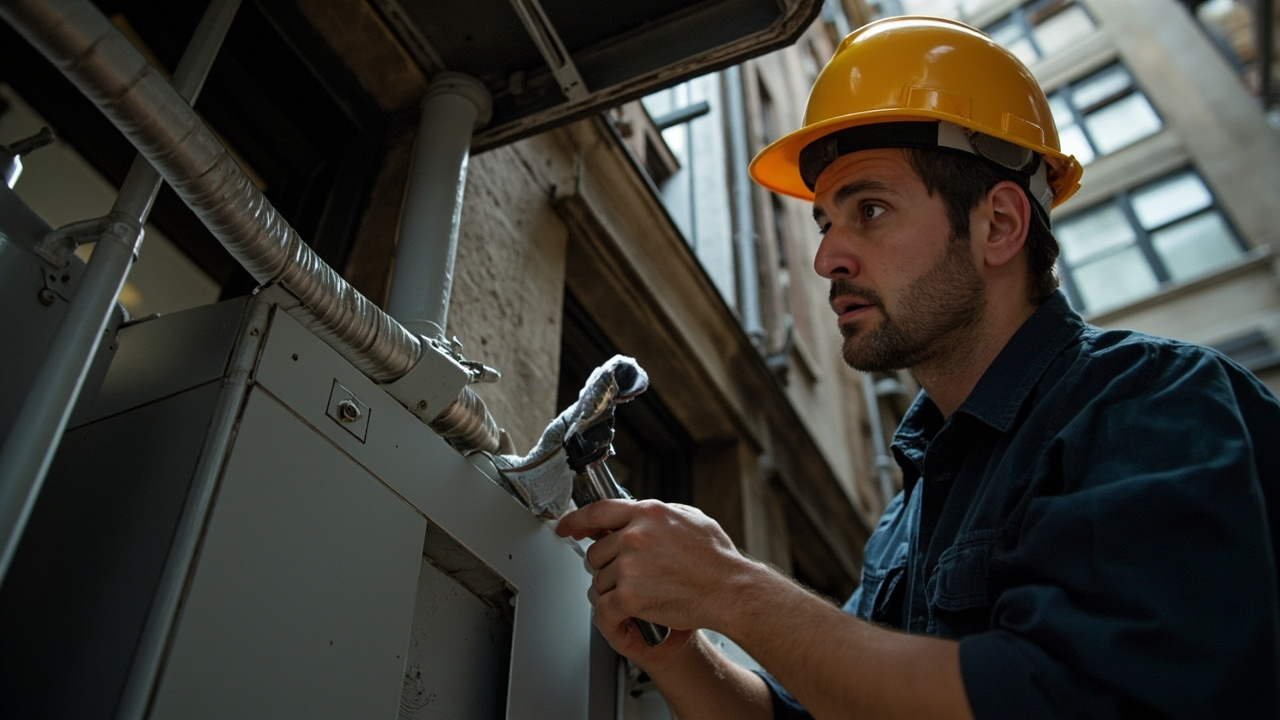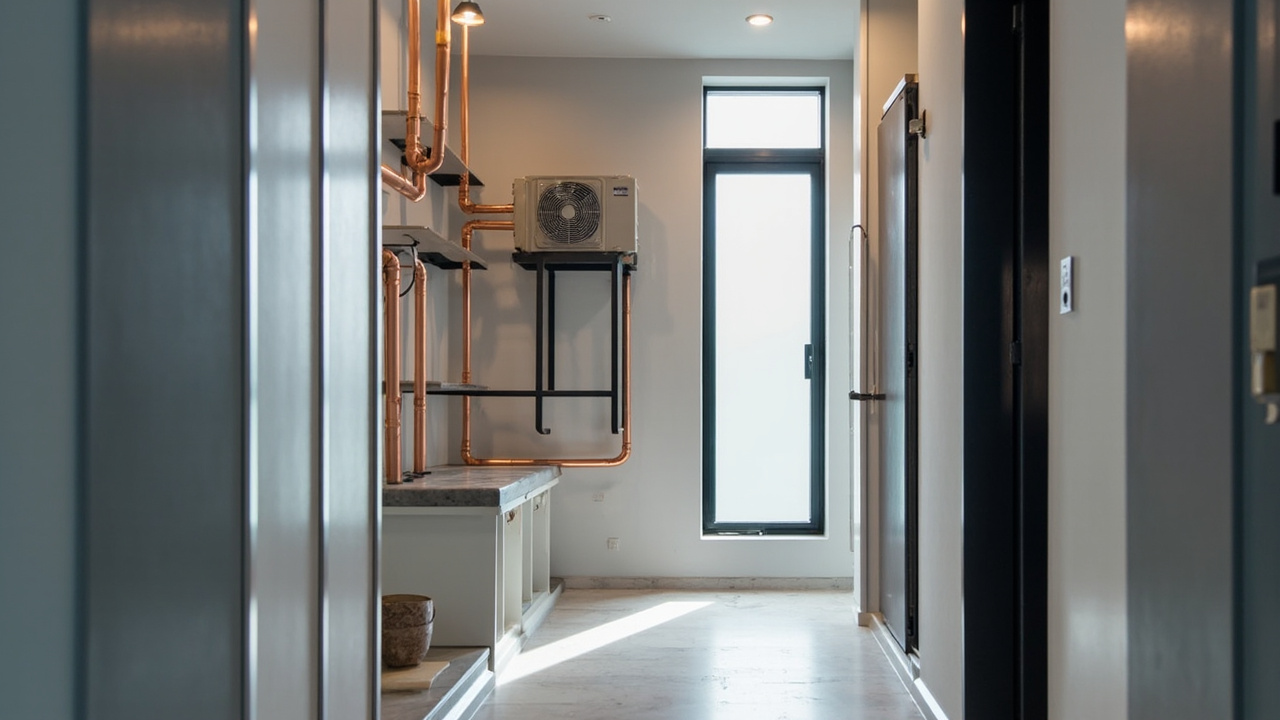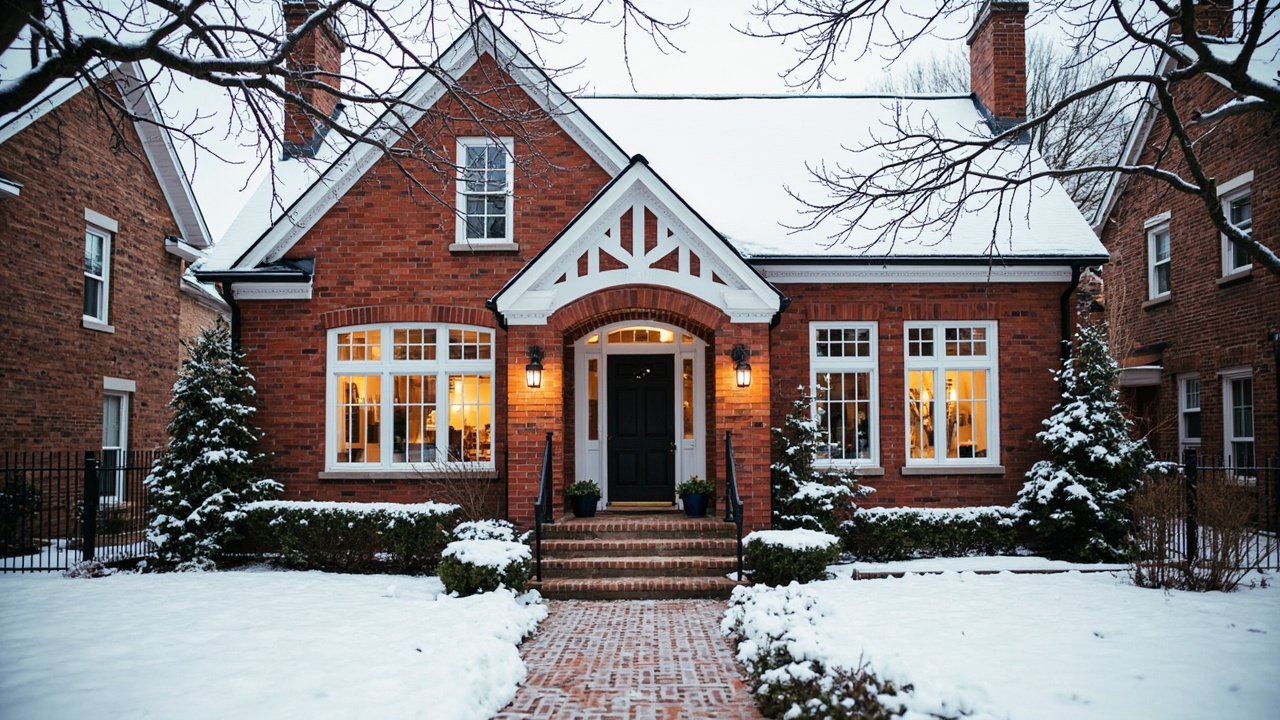






Chicago's extended heating season runs from October through April, with furnaces operating continuously during weeks of subzero temperatures. This prolonged runtime accelerates wear on heat exchangers, inducer motors, and venting systems. Older equipment in neighborhoods like Avondale, Portage Park, and Jefferson Park experiences stress levels that expose hidden cracks and failing components. When outdoor temperatures drop to single digits, furnaces cycle constantly, and any combustion defect becomes a continuous CO source. Chicago's aging housing stock compounds this risk. Properties built before 1960 often have original chimneys with deteriorating clay tile liners, corroded B-vent piping, and undersized flues shared by multiple appliances. These conditions create backdrafting and CO spillage even in properly functioning equipment.
Five Star HVAC Chicago maintains relationships with local building inspectors and understands Chicago's mechanical code requirements for combustion appliance installation and venting. We know which repairs require permits, how to properly size replacement equipment for Chicago's climate loads, and what venting configurations meet current code in buildings constructed under older standards. Our technicians recognize the specific CO risks present in Chicago's housing types, from two-flats in Gage Park to single-family bungalows in Norwood Park. This local expertise matters when diagnosing complex venting problems or recommending equipment replacements that must function reliably through Chicago winters. Choosing a local provider means working with technicians who understand your specific building type and the challenges created by Chicago's climate and building regulations.