





Arlington Heights sits in the humid continental climate zone where HVAC systems work overtime year-round. Summer humidity regularly pushes past 70 percent, forcing air conditioners to remove moisture while fighting 90-degree heat. Winter temperatures drop below zero for extended periods, stressing furnaces and heat pumps beyond their design limits.
The freeze-thaw cycles here are brutal on outdoor condenser units. Water seeps into small cracks during rain, then expands when temperatures plummet overnight, cracking coils and damaging compressors. Spring and fall bring rapid temperature swings of 30 to 40 degrees in a single day, forcing systems to switch between heating and cooling modes repeatedly.
Homes near Salt Creek and the Des Plaines River corridor deal with higher humidity levels that encourage mold growth in ductwork and condensation problems. The clay-heavy soil common throughout Arlington Heights settles unevenly, shifting foundations and pulling ductwork apart at the seams. These aren't problems you can ignore. A small refrigerant leak or cracked heat exchanger becomes dangerous fast in this climate. We understand how Arlington Heights weather accelerates wear on HVAC equipment because we've been repairing systems here through every brutal winter and sweltering summer.
We've built our reputation in Arlington Heights on one principle: show up fast and fix it right the first time. When your furnace quits at 2 AM in January or your AC fails during a July heat wave, you need a technician who knows these systems inside and out, not someone reading a manual in your driveway.
Our technicians average 12 years of field experience. They've diagnosed thousands of furnaces, air conditioners, heat pumps, and ductless systems across every neighborhood in Arlington Heights. They recognize patterns immediately. A clicking sound in a Carrier furnace means one thing. A frozen evaporator coil on a Trane system points to a specific cause. This experience means accurate diagnosis and faster repairs.
We stock our trucks with parts for the brands most common in Arlington Heights homes: Carrier, Lennox, Trane, Rheem, Goodman, and York. Most repairs happen in one visit because we arrive prepared. No waiting days for parts to arrive while your family suffers through extreme temperatures.
Our service area focuses exclusively on Arlington Heights and the immediate northwest suburbs. We're not driving in from 40 miles away. When you call, we dispatch from nearby, cutting response time significantly. During peak seasons, we add technicians to maintain fast service when demand spikes.
We respect your time and property. Our technicians wear shoe covers, use drop cloths, and clean up completely. You get a detailed explanation of what failed, why it failed, and what we did to fix it. No technical jargon or pressure tactics. Just honest information so you can make informed decisions about your comfort system.

HVAC emergencies don't wait for business hours. We answer calls around the clock and dispatch technicians immediately when your heating or cooling fails. You won't reach an answering service or wait until morning. A real person answers, assesses your situation, and sends help fast.

Our technicians have seen every failure mode across thousands of service calls in Arlington Heights. They diagnose problems accurately without guessing or replacing parts unnecessarily. Experience means we identify the root cause fast, explain it clearly, and fix it right the first time.
We carry parts for all major HVAC brands in our trucks. Capacitors, contactors, thermostats, ignitors, flame sensors, motors, and refrigerant. This means we complete most repairs in one visit instead of making you wait days for parts to arrive while your system stays broken.
We concentrate our service area in Arlington Heights and nearby communities. We're not stretched thin across three counties. This local focus means faster response times, familiarity with homes and buildings in your neighborhood, and technicians who understand the specific climate challenges your equipment faces here.
Five Star HVAC Chicago handles every aspect of residential and commercial climate control in Arlington Heights. From emergency breakdowns that need immediate attention to planned system replacements and ongoing maintenance, we provide complete HVAC service under one roof.
Our emergency repair service operates 24 hours a day because heating and cooling failures don't respect your schedule. When a compressor fails, a heat exchanger cracks, or a blower motor quits, we respond immediately to restore comfort and safety.
System replacement and installation requires different expertise. We evaluate your home's specific heating and cooling load, recommend properly sized equipment, and install it according to manufacturer specifications and local codes. Poor installation ruins even the best equipment, so we follow strict protocols for refrigerant charging, duct connections, and airflow balancing.
Maintenance prevents breakdowns. Our tune-up service catches small problems before they become expensive failures. We clean coils, check refrigerant levels, test electrical components, inspect heat exchangers, and verify proper airflow. Regular maintenance extends equipment life and maintains efficiency, which lowers your utility bills.
We service all equipment types: forced air furnaces, boilers, central air conditioners, heat pumps, ductless mini-splits, and geothermal systems. Whether you need urgent AC service on a 95-degree afternoon or planned furnace maintenance before winter, we have the expertise and availability to help.
When your furnace quits on the coldest night or your air conditioner fails during a heat wave, we respond immediately. Our technicians diagnose the failure, explain your options clearly, and complete most repairs in one visit. We handle refrigerant leaks, failed compressors, broken blower motors, cracked heat exchangers, electrical failures, thermostat problems, and frozen coils. No system is too old or too new for our experienced team to repair.
Replacing your heating or cooling system is a major investment that requires precise execution. We calculate accurate heat load requirements for your home, recommend properly sized equipment from trusted manufacturers, and install according to strict specifications. Our installation includes proper refrigerant charging, duct modifications if needed, new thermostats, complete testing, and verification of efficiency ratings. We pull permits and schedule inspections to ensure your new system meets all local codes.
Regular maintenance catches small problems before they become expensive failures and dangerous situations. Our tune-up service includes cleaning condenser and evaporator coils, checking refrigerant charge, testing capacitors and contactors, inspecting heat exchangers for cracks, verifying proper gas pressure, measuring airflow, lubricating motors, and testing safety controls. Maintained systems run more efficiently, last longer, and break down less often. We offer seasonal maintenance before summer and winter peak demand.
The extreme seasonal temperature swings in Arlington Heights create specific patterns of HVAC failures we see repeatedly. Understanding these common problems helps you recognize warning signs early, before a minor issue becomes a complete system failure or safety hazard.
Humidity plays a huge role in air conditioning problems here. Summer dew points regularly reach uncomfortable levels, forcing AC systems to work overtime removing moisture from indoor air. When evaporator coils ice over from restricted airflow or low refrigerant, cooling stops completely. Homeowners often mistake this for a failed compressor when the actual problem is a dirty filter or blocked return vent.
Furnace heat exchangers crack from thermal stress. When your furnace cycles on, the heat exchanger expands. When it shuts off, it contracts. After 15 or 20 years of this expansion and contraction through brutal Arlington Heights winters, metal fatigues and cracks form. A cracked heat exchanger allows combustion gases including carbon monoxide to enter your home's air supply. This is dangerous and requires immediate furnace replacement.
Ductwork problems waste energy and reduce comfort. Ducts hidden in attics and crawl spaces develop leaks at the seams from settling foundations and temperature cycling. Conditioned air escapes before reaching your rooms, making some areas too hot or too cold while driving up utility bills. We find major duct leaks in about 40 percent of the homes we inspect in older Arlington Heights neighborhoods.
When your evaporator coil freezes, cooling stops completely. Ice buildup usually results from restricted airflow caused by dirty filters, blocked return vents, or failed blower motors. Low refrigerant from a leak also causes freezing. We diagnose the root cause, clear the ice safely, and fix the underlying problem to restore proper cooling.
Years of heating cycles stress metal heat exchangers until cracks form. These cracks allow carbon monoxide and other combustion gases into your breathing air. Warning signs include soot buildup, strange odors, and increased carbon monoxide detector alarms. A cracked heat exchanger requires immediate furnace replacement because repairs are unsafe and ineffective.
Capacitors start motors and keep them running. When they fail, your AC compressor or furnace blower won't start. You'll hear clicking or humming but no actual operation. Contactors are electrical relays that switch high voltage to motors. Both components fail frequently from the electrical load and heat stress of Arlington Heights summers and winters.
Gaps and holes in ductwork allow conditioned air to escape into attics, crawl spaces, and wall cavities before reaching your rooms. This waste drives up utility bills and creates hot or cold spots throughout your home. We seal ducts properly using mastic and metal-backed tape, not standard duct tape which fails quickly.
When your heating or cooling system fails, you need clear information and fast action, not confusion and delays. We've designed our service process to eliminate uncertainty and restore your comfort as quickly as possible.
When you call our number, a real person answers who understands HVAC systems and can assess your situation. We ask targeted questions about what's happening with your equipment to dispatch the right technician with the right tools and parts. You get an accurate arrival window, not a vague four-hour range.
Our technician arrives in a clearly marked truck with your company name visible. They introduce themselves, listen to your description of the problem, and begin systematic diagnosis. They explain what they're checking and why. When they identify the failure, they show you the failed part if possible and explain your options clearly with upfront pricing before starting any work.
After repairs are complete, they test the system thoroughly to verify proper operation. They clean up their work area completely, answer your questions, and provide maintenance recommendations to prevent future problems. You receive a detailed invoice explaining exactly what was done and what parts were installed. No surprises, no hidden fees, no pressure tactics. Just professional service that solves your problem and gets your life back to normal.
When you call, we gather information about your system and symptoms to dispatch the right help. A real technician answers, not a call center operator reading a script. We provide accurate arrival times and call ahead when we're on the way. Our technician listens carefully to your concerns and explains their diagnostic process in plain language before starting work.
Our technician identifies the problem through systematic testing, then explains what failed and why. They show you the failed component when possible and describe your repair or replacement options clearly. You receive exact pricing before any work begins. No surprise charges appear on your invoice. If we find additional problems during repairs, we discuss them with you before proceeding.
After completing repairs, we test your system thoroughly to verify proper operation. We check temperatures, measure airflow, verify electrical readings, and confirm all safety controls work correctly. You see the system running properly before we leave. We clean up completely, explain any maintenance recommendations, and provide a detailed invoice documenting all work performed and parts installed.
We've streamlined our service process to eliminate waiting and confusion. Three clear steps take you from a broken system to restored comfort with no surprises or delays.
Call (708) 328-5999 and describe your HVAC problem to our experienced dispatcher. We assess your situation, ask relevant questions about symptoms, and immediately schedule a technician. You receive an accurate arrival window and a call when the technician is on the way. Our response time averages under 90 minutes for emergency calls in Arlington Heights because we focus our service area locally.
Our technician arrives with a fully stocked truck and begins systematic diagnosis. They identify the root cause, explain the problem clearly, and provide upfront pricing for repairs. After you approve the work, they complete repairs using quality parts and proper techniques. Most repairs finish in one visit because we carry common parts and have the experience to diagnose accurately.
Before leaving, we test your system completely to verify proper operation. We measure temperatures, check airflow, and confirm all safety controls function correctly. You see the system working properly. We explain any maintenance recommendations and provide a detailed invoice showing all work performed. Your comfort is restored and you have complete documentation.
Professional HVAC installation in Illinois requires strict adherence to the International Mechanical Code as adopted by the state, plus specific EPA regulations governing refrigerant handling. These aren't suggestions. They're legal requirements designed to protect safety, efficiency, and the environment.
The Illinois State Fire Marshal enforces mechanical codes for HVAC installations. All work requires permits and inspections in Arlington Heights. Permit requirements cover new installations, system replacements, and major modifications to existing ductwork or equipment. Inspectors verify proper clearances around equipment, adequate combustion air for fuel-burning appliances, correct gas line sizing and pressure, proper venting, and code-compliant electrical connections.
Refrigerant handling requires EPA Section 608 certification. The 2020 AIM Act phases down production of hydrofluorocarbon refrigerants including R-410A, the current standard in residential air conditioning. This regulation is pushing the industry toward low-GWP alternatives like R-32 and R-454B. Technicians must recover refrigerant properly during repairs and disposal. Venting refrigerant to atmosphere is illegal and carries penalties up to $44,539 per violation.
Load calculation determines proper system sizing. Manual J calculations account for your home's square footage, insulation levels, window area and orientation, ceiling height, and internal heat sources. Oversized equipment costs more to operate and provides poor humidity control. Undersized equipment can't maintain comfort during temperature extremes. We perform Manual J calculations for every installation to specify correctly sized equipment.
Ductwork design follows Manual D protocols for proper airflow and pressure balancing. Supply ducts must deliver correct CFM to each room based on heating and cooling load. Return ducts must provide adequate airflow back to the equipment without creating negative pressure that pulls unconditioned air into the building envelope. Static pressure testing verifies the duct system operates within manufacturer specifications. High static pressure from undersized ducts or excessive length reduces efficiency and shortens equipment life.
Refrigerant charging must match manufacturer specifications exactly. Undercharging reduces capacity and efficiency. Overcharging damages compressors and reduces equipment life. We use superheat and subcooling measurements to verify correct charge, not just gauge pressures which vary with outdoor temperature. Digital manifolds and temperature probes provide accuracy within one degree.
Proper equipment sizing requires Manual J load calculations accounting for insulation, windows, orientation, internal heat sources, and occupancy. Oversized systems short-cycle and waste energy. Undersized systems can't maintain comfort during temperature extremes. We calculate loads for every installation to specify equipment that matches your home's specific requirements, not rough rules of thumb.
System replacement costs depend on equipment efficiency rating, required ductwork modifications, refrigerant line length, electrical upgrades, permit fees, and disposal of old equipment. High-efficiency systems cost more upfront but reduce utility bills. Complex installations requiring significant ductwork changes or electrical panel upgrades increase labor costs. We provide detailed quotes explaining what drives your specific project cost.
Straightforward system replacements typically complete in one to two days. Day one involves removing old equipment, installing new indoor and outdoor units, connecting refrigerant lines, making electrical connections, and installing the thermostat. Day two covers startup, refrigerant charging, airflow testing, and final adjustments. Complex installations requiring ductwork modifications or electrical upgrades may take three to four days.
Federal law requires EPA Section 608 certification for any technician handling refrigerants. We must recover refrigerant properly during repairs and disposal. Venting refrigerant to atmosphere carries penalties up to $44,539 per violation. The AIM Act phases down HFC refrigerant production, transitioning the industry to low global warming potential alternatives. All our technicians maintain current EPA certification.
Educational video about HVAC repair services in Arlington Heights, Illinois, covering common heating and cooling system failures, climate factors that stress equipment, warning signs of serious problems, and what to expect from professional emergency service. Includes explanation of refrigerant leaks, frozen coils, cracked heat exchangers, failed electrical components, and ductwork issues specific to Arlington Heights homes. Provides practical maintenance advice and emergency response information.
Five Star HVAC Chicago provides complete heating and cooling service throughout Arlington Heights and the immediate northwest suburbs. We know this area because we work here every day, not just when dispatch routes us through.
Our service area covers all Arlington Heights neighborhoods from the historic downtown district near the Metra station east to Arlington Heights Road, and from Palatine Road south to Euclid Avenue. We regularly service homes in the tree-lined streets of Thomas and Greenbrier subdivisions where mature landscaping and established homes create unique HVAC challenges. The older housing stock near Recreation Park and North School often needs duct modifications when replacing 30-year-old equipment that originally served smaller cooling loads.
The neighborhoods along Salt Creek near Lions Park face higher humidity from proximity to water, requiring careful attention to dehumidification capacity when sizing AC systems. Homes built in the 1960s and 1970s around South Middle School typically have ductwork in crawl spaces where leaks waste significant energy. We've sealed hundreds of crawl space duct systems in these areas, cutting utility bills substantially.
Commercial properties along the Northwest Highway corridor and around Arlington Heights Village Hall require different HVAC expertise. Retail spaces, office buildings, and restaurants need precise temperature control and often operate with rooftop package units or split systems with complex control strategies. We handle commercial service, preventive maintenance contracts, and emergency repairs for businesses that can't afford downtime.
We also serve neighboring Palatine, Mount Prospect, Rolling Meadows, and Elk Grove Village. The geographic concentration lets us maintain fast response times year-round. When everyone's AC fails during a July heat wave or furnaces quit during a January cold snap, we're nearby and can reach you quickly. We're not stretched thin covering five counties. We focus on serving this area exceptionally well rather than covering a massive territory poorly.
Proximity matters during emergencies. A technician dispatching from 40 miles away might promise service, but when the entire region faces HVAC failures from extreme weather, distant companies push local calls to the bottom of the list. We prioritize Arlington Heights because that's where we've built our reputation and where we'll continue building it for years to come.
The $5000 rule helps you decide between repair and replacement. If your repair cost multiplied by your system age exceeds $5000, replacement makes more sense. For example, a $400 repair on a 15-year-old system equals $6000, meaning you should replace. In Arlington Heights, where winters hit hard and systems age faster, this rule helps avoid throwing money at an old furnace or AC that will fail again. Consider efficiency gains too. Modern systems cut energy bills by 20 to 40 percent compared to units over 10 years old.
Typical HVAC jobs in Arlington Heights range widely based on scope. A simple repair like replacing a capacitor or cleaning coils runs a few hundred dollars. Full furnace or AC replacements fall into the mid to high thousands, depending on system size, efficiency rating, and ductwork condition. Homes in older Arlington Heights neighborhoods often need duct sealing or modifications, which adds to total project cost. Installation complexity, refrigerant type, and brand choice all impact the final number. Getting multiple estimates helps you understand fair pricing for your specific home.
For a 2000 square foot home in Arlington Heights, expect system sizing around 2.5 to 3.5 tons for cooling and 60,000 to 80,000 BTU for heating. Total replacement cost depends on efficiency tier, brand, and whether ductwork needs updates. Homes built before 1990 often need duct sealing or insulation work, which increases investment. Two-story layouts may require zoning systems for balanced comfort. Get a Manual J load calculation to ensure proper sizing. Oversized units short-cycle and waste energy, while undersized units struggle during polar vortex events common here.
The $5000 rule helps you decide between repair and replacement. If your repair cost multiplied by your system age exceeds $5000, replacement makes more sense. For example, a $400 repair on a 15-year-old system equals $6000, meaning you should replace. In Arlington Heights, where winters hit hard and systems age faster, this rule helps avoid throwing money at an old furnace or AC that will fail again. Consider efficiency gains too. Modern systems cut energy bills by 20 to 40 percent compared to units over 10 years old.
Typical HVAC jobs in Arlington Heights range widely based on scope. A simple repair like replacing a capacitor or cleaning coils runs a few hundred dollars. Full furnace or AC replacements fall into the mid to high thousands, depending on system size, efficiency rating, and ductwork condition. Homes in older Arlington Heights neighborhoods often need duct sealing or modifications, which adds to total project cost. Installation complexity, refrigerant type, and brand choice all impact the final number. Getting multiple estimates helps you understand fair pricing for your specific home.
For a 2000 square foot home in Arlington Heights, expect system sizing around 2.5 to 3.5 tons for cooling and 60,000 to 80,000 BTU for heating. Total replacement cost depends on efficiency tier, brand, and whether ductwork needs updates. Homes built before 1990 often need duct sealing or insulation work, which increases investment. Two-story layouts may require zoning systems for balanced comfort. Get a Manual J load calculation to ensure proper sizing. Oversized units short-cycle and waste energy, while undersized units struggle during polar vortex events common here.
A 1200 square foot home typically needs a 1.5 to 2.5 ton AC and 40,000 to 60,000 BTU furnace. Costs run lower than larger homes, but proper sizing remains critical. Many Arlington Heights bungalows and ranch homes fall into this range. Older homes may lack adequate insulation, forcing systems to work harder. Address air sealing and attic insulation first to avoid oversizing equipment. Ductless mini-splits work well for smaller homes or additions without existing ductwork. Efficiency ratings impact long-term operating costs more than initial purchase price.
A 4000 square foot home needs significant heating and cooling capacity, typically 4 to 5 tons for AC and 100,000 to 120,000 BTU for furnace output. Larger Arlington Heights homes often benefit from zoned systems to avoid heating or cooling unused spaces. Two-stage or variable-speed equipment provides better comfort control and efficiency. Ductwork design becomes critical at this size. Poorly designed systems create hot and cold spots. Expect higher investment for quality equipment and proper installation. Multi-zone systems add complexity but deliver superior comfort and energy savings in homes this size.
The Inflation Reduction Act offers tax credits for qualifying high-efficiency HVAC systems installed through 2032. You can claim up to 30 percent of equipment and installation costs, capped at specific amounts per system type. Heat pumps, central AC units, and furnaces meeting efficiency thresholds qualify. In Arlington Heights, where heating costs dominate winter bills, high-efficiency heat pumps provide both tax benefits and lower operating costs. You must file IRS Form 5695 with your return. Save all receipts and manufacturer certification statements. Consult a tax professional for your specific situation.
Furnaces last 15 to 20 years with proper maintenance, while central AC units run 12 to 15 years. Heat pumps fall between 10 to 15 years due to year-round use. Arlington Heights climate stresses systems more than moderate climates. Harsh winters force furnaces to cycle frequently, accelerating wear. Annual maintenance extends lifespan by catching small issues before they cause breakdowns. Neglected systems fail earlier. If your equipment approaches these age ranges and needs frequent repairs, replacement makes financial sense. Modern systems offer better efficiency and reliability than units over 15 years old.
The 3-minute rule prevents compressor damage by allowing refrigerant pressures to equalize before restarting. When you shut off your AC, pressure remains high on one side of the system. Immediate restart forces the compressor to work against this pressure differential, causing strain and potential failure. Wait at least 3 minutes between off and on cycles. Modern thermostats include built-in delay timers. If your AC trips breakers or struggles to start, short cycling may indicate compressor wear or electrical issues. Arlington Heights power surges during summer storms also stress compressors.
The most common HVAC repairs include thermostat malfunctions, dirty filters restricting airflow, capacitor failures, ignition problems, and refrigerant leaks. In Arlington Heights, furnace ignitors fail frequently during cold snaps when systems run constantly. AC capacitors wear out from summer heat and humidity. Clogged condensate drains cause water damage in finished basements common here. Blower motor issues create weak airflow or no air movement. Regular filter changes and annual tune-ups prevent many repairs. Addressing small problems early avoids system breakdowns during extreme weather when you need heating or cooling most.
Spring and fall offer the best pricing and availability for HVAC replacement. Contractors face lower demand between heating and cooling seasons, providing better scheduling flexibility and potential discounts. In Arlington Heights, target late April through May or September through October. Avoid peak summer when AC failures spike and winter when furnace emergencies dominate. Planning ahead lets you research options, compare bids, and choose equipment based on needs rather than panic. Off-season installation means your new system gets tested before extreme temperatures hit. You avoid emergency pricing and rushed decisions during breakdowns.
A 1200 square foot home typically needs a 1.5 to 2.5 ton AC and 40,000 to 60,000 BTU furnace. Costs run lower than larger homes, but proper sizing remains critical. Many Arlington Heights bungalows and ranch homes fall into this range. Older homes may lack adequate insulation, forcing systems to work harder. Address air sealing and attic insulation first to avoid oversizing equipment. Ductless mini-splits work well for smaller homes or additions without existing ductwork. Efficiency ratings impact long-term operating costs more than initial purchase price.
A 4000 square foot home needs significant heating and cooling capacity, typically 4 to 5 tons for AC and 100,000 to 120,000 BTU for furnace output. Larger Arlington Heights homes often benefit from zoned systems to avoid heating or cooling unused spaces. Two-stage or variable-speed equipment provides better comfort control and efficiency. Ductwork design becomes critical at this size. Poorly designed systems create hot and cold spots. Expect higher investment for quality equipment and proper installation. Multi-zone systems add complexity but deliver superior comfort and energy savings in homes this size.
The Inflation Reduction Act offers tax credits for qualifying high-efficiency HVAC systems installed through 2032. You can claim up to 30 percent of equipment and installation costs, capped at specific amounts per system type. Heat pumps, central AC units, and furnaces meeting efficiency thresholds qualify. In Arlington Heights, where heating costs dominate winter bills, high-efficiency heat pumps provide both tax benefits and lower operating costs. You must file IRS Form 5695 with your return. Save all receipts and manufacturer certification statements. Consult a tax professional for your specific situation.
Furnaces last 15 to 20 years with proper maintenance, while central AC units run 12 to 15 years. Heat pumps fall between 10 to 15 years due to year-round use. Arlington Heights climate stresses systems more than moderate climates. Harsh winters force furnaces to cycle frequently, accelerating wear. Annual maintenance extends lifespan by catching small issues before they cause breakdowns. Neglected systems fail earlier. If your equipment approaches these age ranges and needs frequent repairs, replacement makes financial sense. Modern systems offer better efficiency and reliability than units over 15 years old.
The 3-minute rule prevents compressor damage by allowing refrigerant pressures to equalize before restarting. When you shut off your AC, pressure remains high on one side of the system. Immediate restart forces the compressor to work against this pressure differential, causing strain and potential failure. Wait at least 3 minutes between off and on cycles. Modern thermostats include built-in delay timers. If your AC trips breakers or struggles to start, short cycling may indicate compressor wear or electrical issues. Arlington Heights power surges during summer storms also stress compressors.
The most common HVAC repairs include thermostat malfunctions, dirty filters restricting airflow, capacitor failures, ignition problems, and refrigerant leaks. In Arlington Heights, furnace ignitors fail frequently during cold snaps when systems run constantly. AC capacitors wear out from summer heat and humidity. Clogged condensate drains cause water damage in finished basements common here. Blower motor issues create weak airflow or no air movement. Regular filter changes and annual tune-ups prevent many repairs. Addressing small problems early avoids system breakdowns during extreme weather when you need heating or cooling most.
Spring and fall offer the best pricing and availability for HVAC replacement. Contractors face lower demand between heating and cooling seasons, providing better scheduling flexibility and potential discounts. In Arlington Heights, target late April through May or September through October. Avoid peak summer when AC failures spike and winter when furnace emergencies dominate. Planning ahead lets you research options, compare bids, and choose equipment based on needs rather than panic. Off-season installation means your new system gets tested before extreme temperatures hit. You avoid emergency pricing and rushed decisions during breakdowns.
Whether you’re dealing with a heating emergency or planning an AC upgrade, Five Star is just around the corner. Serving Chicago and surrounding communities, we’re proud to be the go-to HVAC company for homes and businesses alike. Use the map below to locate us quickly, or give us a call for directions or on-site service availability. We’re always ready to help, no matter where you are in the area — because comfort should never be out of reach.
Address:
Arlington Heights, IL, 60004
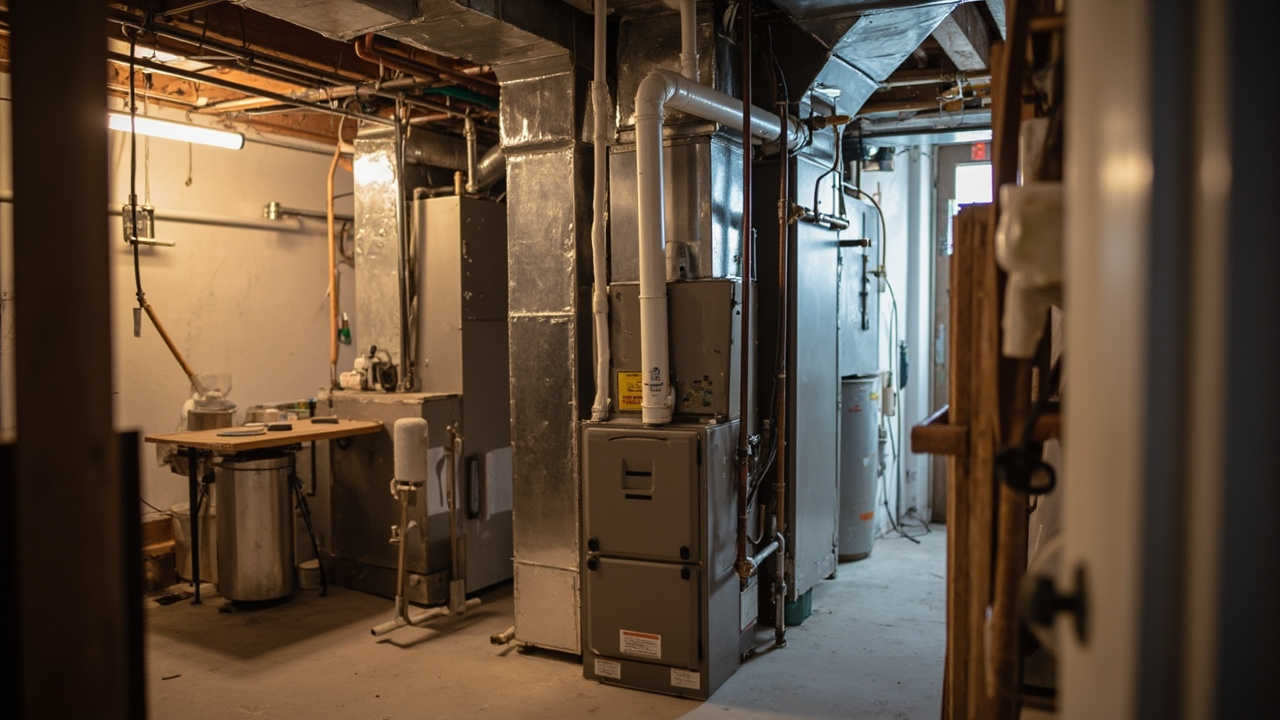
Heating a historic Oak Park bungalow requires a specialized approach that differs from modern suburban home maintenance. These iconic structures, known for their brick masonry and deep layouts, present unique challenges during the 2026 winter…
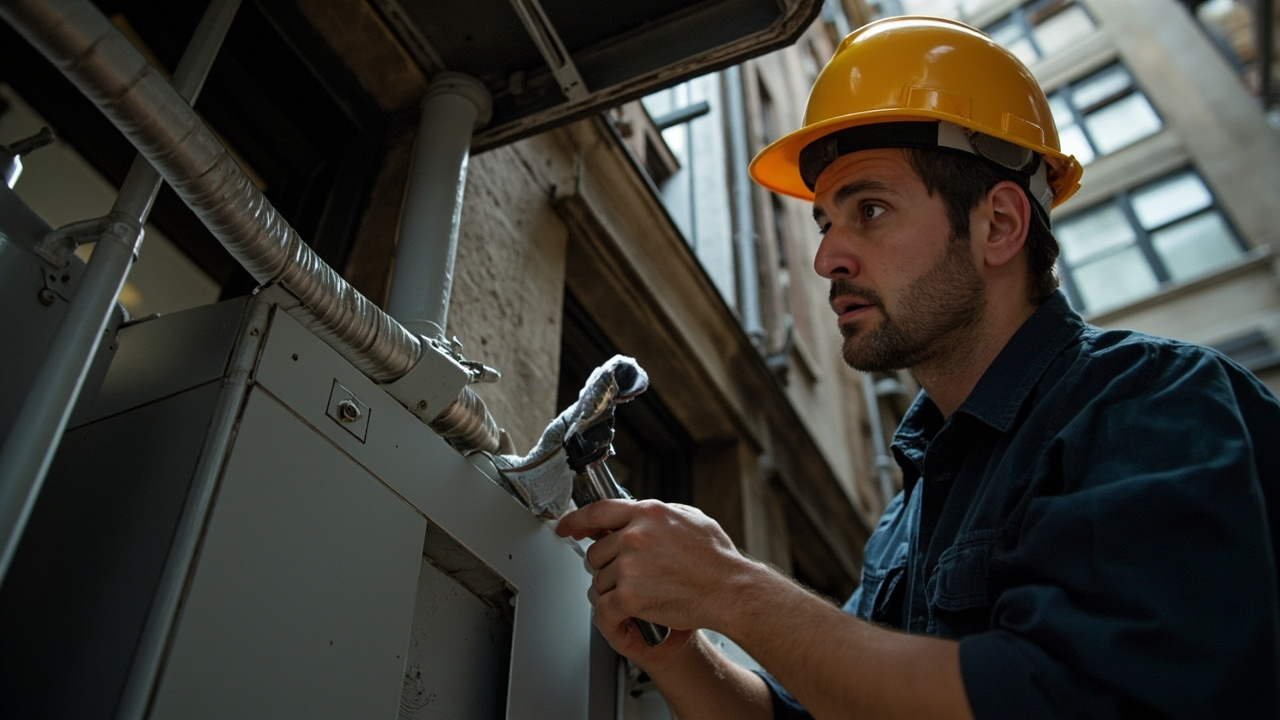
Professional duct cleaning services for Hyde Park townhomes and historical Chicago estatesLiving in a Hyde…
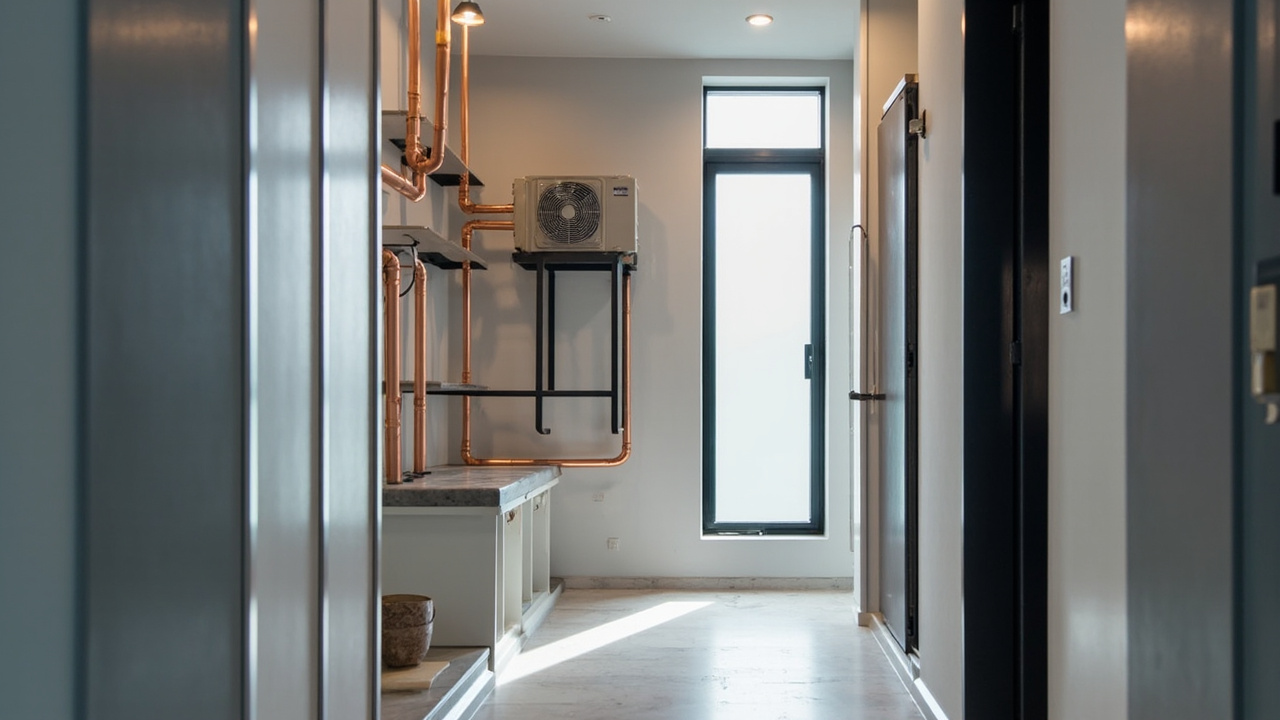
Living in a Gold Coast high rise offers some of the most spectacular views of…
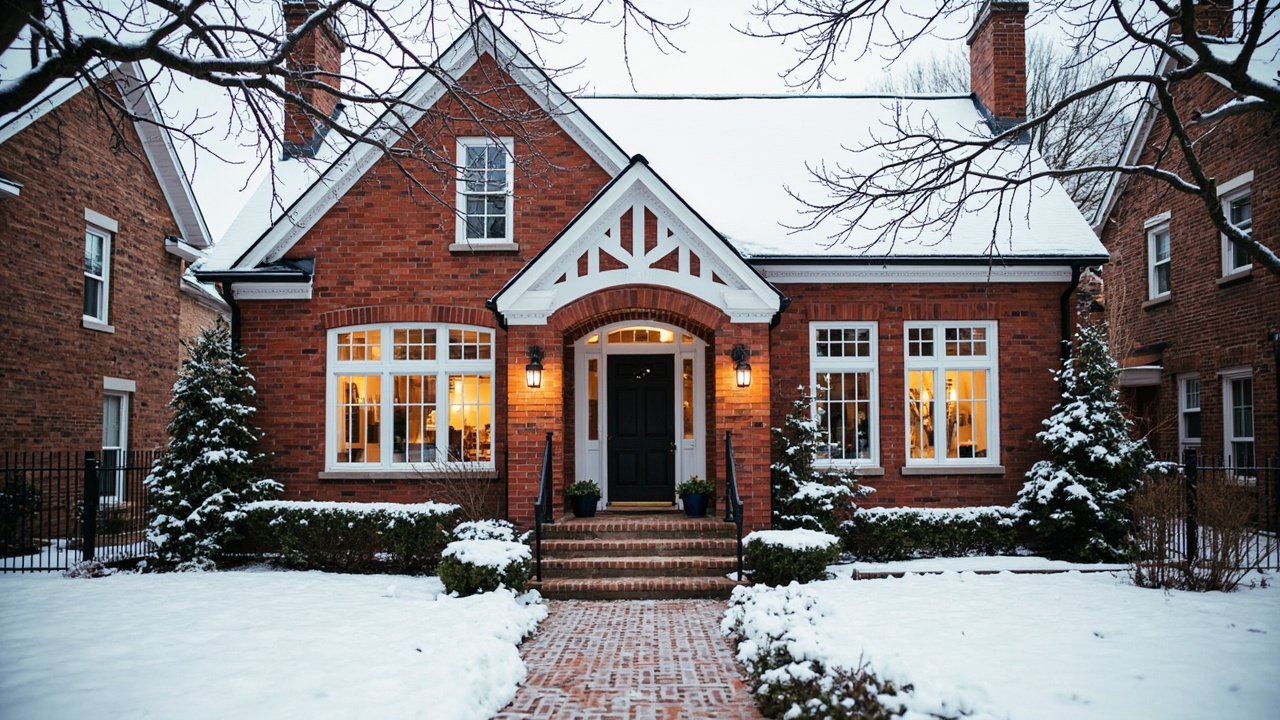
McKinley Park homeowners are increasingly transforming historic coach houses into legal living spaces. The expansion…
Your heating or cooling problem won't fix itself. Call Five Star HVAC Chicago at (708) 328-5999 right now for immediate dispatch. We answer 24/7 and arrive prepared to diagnose and repair your system today. Stop suffering through extreme temperatures and get your comfort back.