




menu

HVAC Maintenance & Tune-Ups in Chicago – Keep Your System Running Through Every Season

Professional HVAC maintenance protects your heating and cooling equipment from Chicago's brutal winters and humid summers, preventing mid-season breakdowns when you need your system most.

Slider Image 1
Slider Image 2
Slider Image 3
Slider Image 4
Slider Image 5
Slider Image 7
Slider Image 8
Slider Image 9
Slider Image 10
Slider Image 11

Why Chicago's Four-Season Climate Demands Regular HVAC Maintenance

Chicago's weather extremes put enormous stress on your HVAC system. You go from running your air conditioner during 90-degree July heat waves to firing up your furnace when January temperatures plunge below zero. That constant cycling between heating and cooling modes creates wear points that lead to failures at the worst possible times.

Lake Michigan's humidity compounds the problem. During summer, your AC works overtime removing moisture from the air, which strains the compressor and clogs drain lines. In winter, forced-air furnaces dry out indoor air while cycling on and off to maintain temperature in poorly insulated Chicago homes built before modern energy codes.

Without seasonal HVAC checkups, small issues become expensive emergencies. A dirty flame sensor causes your furnace to short-cycle. Refrigerant slowly leaks from corroded coil connections. Blower motors accumulate dust that restricts airflow. These problems don't announce themselves until your system quits during a polar vortex or a heat advisory.

HVAC preventative maintenance catches these issues before they cascade into total system failure. A heating and cooling tune up addresses wear patterns specific to Chicago's climate cycles. You get longer equipment life, lower energy bills, and the confidence that your system will perform when outdoor conditions turn hostile.

Regular AC and furnace maintenance is not optional in Chicago. It is the difference between controlled upkeep and crisis repair bills when temperatures reach their seasonal extremes.

Why Chicago's Four-Season Climate Demands Regular HVAC Maintenance
What a Complete HVAC System Inspection Includes

What a Complete HVAC System Inspection Includes

A legitimate seasonal HVAC checkup goes far beyond changing a filter and checking a thermostat. We perform a full diagnostic evaluation of every component that affects system performance and reliability.

For furnaces, we measure gas pressure at the manifold to confirm proper combustion ratios. We test the heat exchanger for cracks using visual inspection and flame rollout patterns. We check draft inducer motors, inspect the ignition system, and clean the flame sensor. We verify that the pressure switch closes at the correct differential and that the blower motor runs at the specified CFM for your ductwork design.

For air conditioners, we measure subcooling and superheat to verify refrigerant charge accuracy. We check amp draw on the compressor and condenser fan motor against manufacturer specifications. We inspect contactors for pitting, measure capacitor microfarads, and clean the condensate drain line with appropriate biocide to prevent algae blockages common in Chicago's humid climate.

We test safety controls like high-limit switches and rollout sensors to confirm they trip at proper temperatures. We inspect ductwork connections in unconditioned spaces where temperature swings cause joint separation. We measure supply and return air temperatures to calculate temperature split and identify airflow restrictions.

You receive a written report documenting all measurements, identifying components approaching end of useful life, and prioritizing repairs by urgency. We explain what needs attention now versus what you can monitor for the next season. This data-driven approach eliminates surprise breakdowns and gives you control over maintenance budgets.

How Your HVAC Tune-Up Appointment Works

HVAC Maintenance & Tune-Ups in Chicago – Keep Your System Running Through Every Season
01

System Performance Baseline

We start by running your system through a complete heating or cooling cycle while measuring operating pressures, temperatures, and electrical loads. This establishes baseline performance data we compare against manufacturer specifications. We document static pressure across the blower to identify duct restrictions and measure supply register outputs to find airflow imbalances that waste energy and create hot or cold spots in your home.
02

Component-Level Inspection

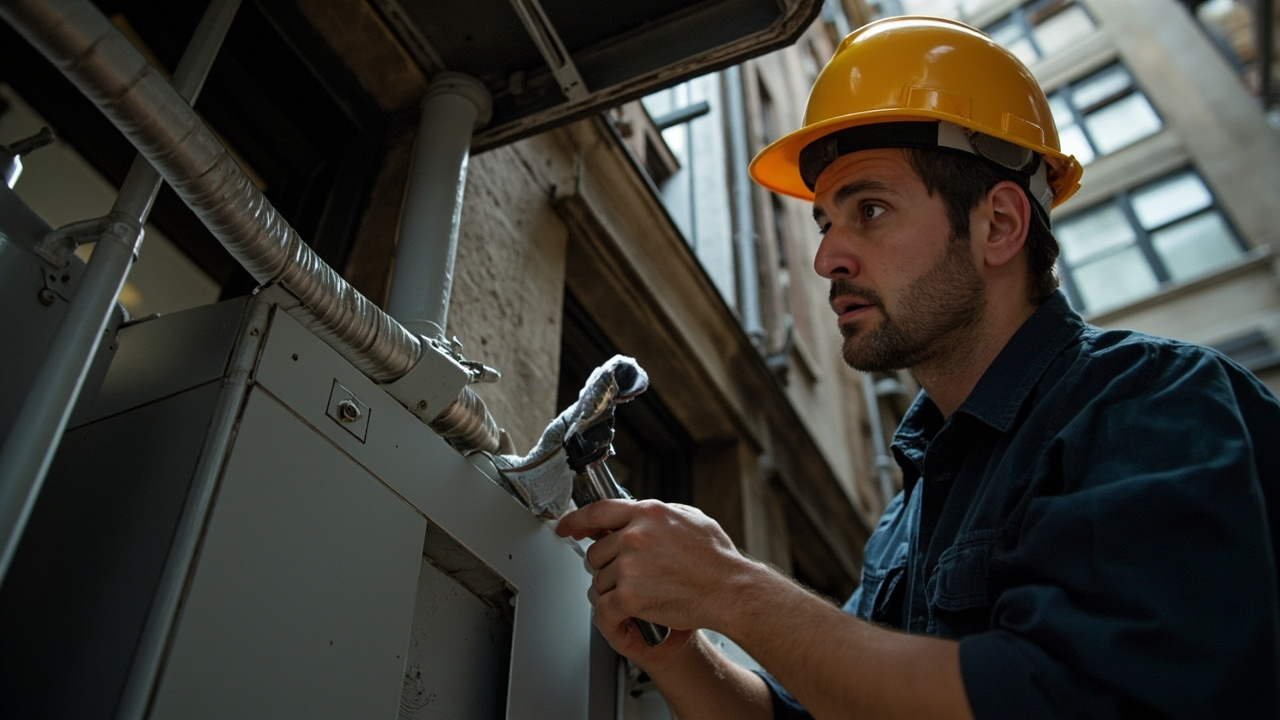
We disassemble and clean critical components like blower wheels, evaporator coils, and condensate drains. We test electrical connections with a thermal camera to find high-resistance contacts before they fail. We lubricate motor bearings, inspect belt tension and condition, and check all mechanical fasteners for vibration looseness. Every safety control gets tested to confirm proper operation under simulated failure conditions so you know your system will shut down safely if a component malfunctions.
03

Calibration and Documentation

We calibrate your thermostat against a reference thermometer and verify staging controls operate correctly for multi-stage systems. You receive detailed documentation showing all test measurements, photographs of component condition, and clear recommendations prioritized by safety risk and failure probability. We answer your questions about equipment life expectancy and explain repair-versus-replace considerations so you can make informed decisions before facing an emergency service call during extreme weather.

Why Chicago Homeowners Trust Five Star HVAC for System Maintenance

Chicago's housing stock presents unique maintenance challenges. You have early 1900s two-flats with radiator heat and window AC units alongside 1960s ranch homes with original forced-air systems and modern construction with high-efficiency variable-speed equipment. Each requires different maintenance protocols.

We understand how Chicago's building codes evolved and what that means for your HVAC system. Homes built before 1980 typically lack proper return air pathways, which causes pressure imbalances that reduce efficiency and comfort. Post-2000 construction has tighter building envelopes that require balanced ventilation to prevent indoor air quality problems. We adjust our maintenance approach based on your specific home construction and equipment type.

Our technicians know the common failure patterns for equipment operating in Chicago's climate zone. We see the same issues repeatedly because Lake Michigan humidity corrodes electrical connections and freeze-thaw cycles stress refrigerant lines. That pattern recognition helps us spot problems before they escalate into failures.

We service both residential and commercial HVAC systems throughout the Chicago metro area. That broad experience base means we have seen almost every equipment configuration and failure mode. We apply that knowledge to your maintenance visit, checking the specific weak points relevant to your system age and type.

You get honest assessments without pressure to buy unnecessary repairs or premature replacements. We tell you what needs attention now, what to monitor, and what will eventually need replacement based on realistic equipment life expectancy. That transparency builds the long-term relationships we maintain with Chicago homeowners who value straight answers over sales pitches.

What You Can Expect from Your Maintenance Visit

Scheduling and Service Windows

We schedule maintenance appointments within 48 hours for most requests. Spring and fall are peak seasons for tune-ups, so booking early gives you better scheduling flexibility. Each maintenance visit takes 90 minutes to two hours depending on equipment complexity and accessibility. We provide arrival time windows and call ahead when we are 30 minutes out. Our technicians arrive in marked vehicles with all diagnostic equipment and common replacement parts needed to address minor issues found during inspection.

Comprehensive System Evaluation

Your technician performs a 40-point inspection covering electrical, mechanical, and combustion components. We use calibrated test instruments to measure system performance against manufacturer specifications. You watch as we explain what we are testing and why each measurement matters for system reliability and efficiency. We photograph components showing wear or pending failure so you see exactly what we are describing. This transparent process eliminates uncertainty about system condition and helps you understand maintenance value.

Detailed Performance Report

You receive a written report documenting all test measurements, component conditions, and recommended actions. We categorize findings by urgency: immediate safety concerns, repairs needed before next season, and items to monitor. The report includes reference photos and explains the consequences of delaying each recommended repair. This documentation creates a maintenance history for your system that helps with future service decisions and provides valuable information if you sell your home.

Ongoing Maintenance Planning

We track your equipment service history and send reminders when seasonal maintenance is due. Regular maintenance customers receive priority scheduling during extreme weather when service demand spikes. We document parts replaced and adjustments made so future technicians have complete system history. This continuity prevents redundant diagnostics and helps identify chronic issues that might indicate deeper system problems. You build a relationship with technicians who know your equipment and home comfort priorities.

Frequently Asked Questions

You Have Questions,
We Have Answers

What does a HVAC tune up include? +

A HVAC tune up includes a full inspection of your heating and cooling system. The technician cleans or replaces air filters, checks refrigerant levels, tests thermostat calibration, and inspects electrical connections. They clean condenser coils, lubricate moving parts, and test system startup and shutdown cycles. In Chicago, technicians pay close attention to components stressed by extreme temperature swings between harsh winters and humid summers. They check for carbon monoxide leaks in furnaces and verify proper drainage to prevent freeze damage. This thorough checkup identifies small problems before they become expensive repairs.

How much should a HVAC tune up cost? +

HVAC tune up costs vary based on system type, age, and service scope. You can expect to pay between costs for a standard residential tune up in the Chicago area. Older systems or those needing additional refrigerant may cost more. Many Chicago HVAC companies offer seasonal maintenance plans that bundle spring and fall tune ups at a discount. The price typically includes labor, basic cleaning, and minor adjustments. Complex repairs discovered during the tune up are quoted separately. Investing in regular maintenance saves money by preventing breakdowns during extreme weather when emergency service rates spike.

What is the difference between HVAC tune up and maintenance? +

The terms are often used interchangeably, but maintenance is the broader term. HVAC maintenance includes all routine service tasks like filter changes, inspections, and minor adjustments performed throughout the year. A tune up is a specific, comprehensive maintenance session performed seasonally. Think of maintenance as ongoing care and a tune up as a deep service appointment. In Chicago, you want maintenance performed twice yearly before heating and cooling seasons begin. The spring tune up prepares your air conditioner for summer humidity. The fall tune up ensures your furnace handles subzero temperatures safely and efficiently.

What is the $5000 rule for HVAC? +

The $5000 rule is a guideline for deciding between repair and replacement. Multiply the age of your HVAC system by the repair cost estimate. If the result exceeds $5000, replacement makes more financial sense than repair. For example, a $400 repair on a 10-year-old unit equals $4000, so repair it. A $700 repair on a 15-year-old unit equals $10500, so replace it. This rule helps Chicago homeowners make smart decisions, especially when systems fail during peak heating or cooling season. Factor in energy efficiency gains and potential utility rebates when considering replacement.

What is the average cost of a full tune up? +

A full HVAC tune up typically costs between reasonable amounts in Chicago. This includes a complete inspection of both heating and cooling components, cleaning, adjustments, and a performance report. The price covers one system. If you have separate units or multiple zones, expect higher costs. Spring and fall are peak tune up seasons in Chicago, so booking early may secure better rates. Some companies charge more for emergency or same-day service. A full tune up pays for itself by improving efficiency, lowering utility bills, and catching problems early before they escalate into expensive emergency repairs.

Is a HVAC tune up worth it? +

Yes, a HVAC tune up is worth the investment. Regular tune ups extend system lifespan by five to ten years and improve energy efficiency by up to 20 percent. In Chicago, where your HVAC works hard through freezing winters and muggy summers, maintenance prevents breakdowns during extreme weather. You avoid emergency service calls that cost three times more than scheduled maintenance. Tune ups maintain warranty coverage, improve indoor air quality, and reduce safety risks like carbon monoxide leaks. The small upfront cost prevents expensive repairs and keeps your system running reliably when you need it most.

How Chicago's Temperature Swings Impact HVAC Maintenance Needs

Chicago experiences 100-degree temperature swings between summer highs and winter lows. That thermal stress causes expansion and contraction cycles that loosen electrical connections, crack heat exchangers, and separate duct joints. Lake Michigan moderates temperatures near the lakefront while western suburbs see more extreme readings, creating different maintenance priorities based on your specific location. Homes in Lincoln Park face humidity challenges from lake effect weather, while properties in Naperville deal with temperature extremes that stress compressors and heat exchangers differently. Your seasonal HVAC checkup must account for these microclimate variations.

Five Star HVAC Chicago understands Cook County mechanical code requirements and how they affect system maintenance. We know which older neighborhoods have undersized electrical services that limit HVAC upgrade options. We understand how Chicago's typical basement installations create condensate drainage challenges that require specific maintenance attention. Our familiarity with local HVAC contractors who performed original installations helps us identify common shortcut issues that affect long-term reliability. That local knowledge protects you from generic maintenance approaches that miss Chicago-specific failure patterns.
HVAC Services in The Chicago Area

Whether you’re dealing with a heating emergency or planning an AC upgrade, Five Star is just around the corner. Serving Chicago and surrounding communities, we’re proud to be the go-to HVAC company for homes and businesses alike. Use the map below to locate us quickly, or give us a call for directions or on-site service availability. We’re always ready to help, no matter where you are in the area — because comfort should never be out of reach.

Address:
Five Star HVAC Chicago, 2828 N Clark St, Chicago, IL, 60657

Additional Services We Offer

Our news updates

Latest Articles & News from The Blogs

Living in a dense Chicago neighborhood like Chinatown offers incredible access to culture and food. The narrow alleys and brick…

Quiet the Echo of Your Neighbors Loud AC in a Chinatown Alleyway

Living in a dense Chicago neighborhood like Chinatown offers incredible access to culture and food. The narrow alleys and brick…

Keeping Your Morgan Park Home Warm During a Winter Power Outage

Winter in Morgan Park brings a unique set of challenges for homeowners. The neighborhood is famous for its beautiful canopy…

Comparing Carrier and Trane for the unpredictable Chicago climate

The High Stakes of Chicago Climate Performance in 2026Chicago weather moves from one extreme to another with very little warning.…

Contact Us

Do not wait until your system fails during a temperature extreme. Call Five Star HVAC Chicago at (708) 328-5999 to schedule your heating and cooling tune up. We will identify problems before they become emergencies and keep your equipment running efficiently through every season.