





Chicago punishes heating and cooling systems harder than almost anywhere in America. Winter temperatures plunge below zero with Arctic winds screaming off Lake Michigan, forcing furnaces to run nonstop for weeks. Summer humidity climbs past 80 percent while temperatures hit the mid-90s, making air conditioners work overtime to maintain comfort. This 100-degree temperature swing between January and July puts extreme stress on every component in your system.
The lake effect creates microclimates across neighborhoods. Homes near the waterfront in Streeterville deal with higher humidity and salt air corrosion. Properties in Rogers Park face brutal north winds that strain outdoor units. Buildings in the Loop contend with urban heat island effects that add 5-10 degrees to cooling loads.
Older Chicago homes built before modern insulation standards lose conditioned air fast. Three-flat buildings common in Logan Square and Pilsen create unique ductwork challenges. Basement furnaces in bungalows throughout Bridgeport and Beverly face moisture issues from clay soil drainage patterns. Your HVAC system works harder here than it would in Phoenix or Atlanta.
We built our company around one principle that matters when your system fails: speed without shortcuts. Our dispatch center operates 24 hours a day, 365 days a year, because heating and cooling emergencies follow no schedule. We keep fully stocked service vehicles positioned across Chicago so our average response time stays under 90 minutes, even during peak demand periods.
Every technician carries diagnostic equipment that identifies problems accurately the first time. We stock the most common parts for every major brand on every truck, which means we complete most repairs during the initial visit. No waiting three days for an order to arrive while your family sweats or freezes.
Our technicians train constantly on the systems Chicago homes actually use. We know the quirks of older cast iron radiators in Wicker Park brownstones. We understand how to balance airflow in vintage two-flats. We handle the ductwork challenges in ranch homes throughout Mount Greenwood and the ventilation demands of modern high-rises along the Gold Coast.
We price every job upfront before we start work. No surprise charges. No hidden fees. You know the cost before we touch a tool. If we find additional issues during repair, we explain them clearly and let you decide how to proceed. Many companies push unnecessary replacements to inflate tickets. We fix what needs fixing and leave the rest alone.
Chicago homeowners call us back because we show up when we say we will, fix problems completely, and respect both their time and their budget.

Our dispatch center never closes. Real technicians answer emergency calls at 3 AM on Christmas morning with the same urgency as Tuesday afternoon. We keep teams on call across Chicago every hour of every day because heating failures and AC breakdowns follow no schedule. When you need help, we respond immediately.

We stock hundreds of common parts on every service vehicle. Our technicians carry advanced diagnostic tools that identify problems accurately without guesswork. This combination means we complete most repairs during the first visit without return trips or waiting for orders. Your system gets fixed today, not next week.
You see the total cost before we start any work. No hourly rates that climb while technicians work slowly. No surprise charges added to the final bill. We diagnose the problem, quote the repair price, and wait for your approval. If you decline, you pay nothing for the diagnosis.
Our technicians train specifically on the heating and cooling challenges Chicago buildings create. We understand lake effect humidity, urban heat loads, and the ventilation demands of older construction. We know which systems perform best in Chicago's extreme temperature swings and which ones fail first. This local knowledge prevents repeat problems.
Five Star HVAC Chicago handles every aspect of residential climate control from emergency repairs to complete system replacements. We service all major brands of furnaces, boilers, air conditioners, and heat pumps. Our teams work on forced air systems, hydronic heating, ductless mini-splits, and geothermal installations.
We separate our services into three core categories based on urgency and scope. Emergency repair work gets you back online fast when systems fail. Preventive maintenance keeps equipment running efficiently and prevents breakdowns before they happen. System replacement and installation brings modern efficiency to homes with outdated or failing equipment.
Each service category requires different expertise and equipment. Emergency AC service demands fast diagnosis and immediate parts availability. Furnace installations require precise load calculations and careful ductwork integration. Maintenance programs need systematic inspection protocols and detailed record keeping. We staff and equip each division to deliver results.
When your heating quits in January or your central air fails during a heatwave, we dispatch immediately. Our technicians arrive equipped with diagnostic tools and common parts to complete most repairs on the first visit. We troubleshoot failed furnaces, frozen AC units, broken thermostats, blower motor failures, refrigerant leaks, ignition problems, and electrical issues. Every repair truck carries parts for Carrier, Lennox, Trane, Goodman, Rheem, and other major brands. We restore comfort fast without shortcuts.
Regular maintenance keeps systems running efficiently and prevents expensive emergency breakdowns. Our technicians inspect every component, clean coils and burners, test electrical connections, measure airflow, check refrigerant levels, and replace filters. We identify worn parts before they fail and schedule replacements during off-peak seasons when parts cost less. Maintained systems use 15-20 percent less energy and last years longer than neglected equipment. We offer seasonal tuneups or year-round service agreements.
Outdated systems waste energy and fail frequently. We replace old furnaces, air conditioners, and heat pumps with properly sized modern equipment that matches your home's actual heating and cooling demands. Our installers perform load calculations based on square footage, insulation levels, window area, and Chicago's climate zone. We handle all permits, inspections, and utility rebate paperwork. New installations include ductwork modifications, thermostat upgrades, and warranty registration. Quality installation determines system performance for the next 15-20 years.
Chicago's extreme weather creates predictable HVAC failures that happen across thousands of homes every year. Subzero January temperatures cause furnace heat exchangers to crack and ignitors to fail. July humidity overworks air conditioner compressors and freezes evaporator coils. Spring and fall temperature swings confuse thermostats and stress systems switching between heating and cooling modes.
Lake Michigan's influence creates moisture problems that accelerate equipment corrosion and mold growth in ductwork. Older Chicago homes with inadequate insulation force systems to run constantly, wearing out components years early. Understanding these patterns helps homeowners recognize warning signs before complete system failure.
Chicago summer humidity causes evaporator coils to freeze when airflow drops or refrigerant runs low. Ice buildup blocks airflow completely and can damage the compressor. Dirty filters, closed vents, and failing blower motors all restrict airflow enough to freeze coils. We thaw the system properly, identify the root cause, and prevent repeat freezing with correct repairs.
Furnaces older than 15 years develop cracks in heat exchangers from repeated expansion and contraction during Chicago's cold winters. Cracks allow carbon monoxide to leak into your home's air supply. We test for carbon monoxide during every furnace service and shut down dangerous systems immediately. Heat exchanger replacement often costs more than a new furnace, making replacement the safer choice.
Spring and fall bring daily temperature swings of 30-40 degrees in Chicago. Thermostats switching constantly between heating and cooling modes develop calibration errors and electrical failures. Systems short cycle, temperatures drift, and energy bills spike. We replace failing thermostats with programmable or smart models that handle Chicago's variable climate better than basic units.
Air conditioners and high-efficiency furnaces produce gallons of condensation daily. Drain lines clog with algae, mold, and debris, causing water to back up and overflow into basements or crawl spaces. Chicago's humidity accelerates algae growth in drain pans. We clear clogs, treat drain lines to prevent regrowth, and install safety switches that shut systems down before water damage occurs.
We built our service process around transparency and speed because HVAC emergencies create stress and uncertainty. You deserve to know exactly what happens from your first call through completed repair. Our process eliminates surprises, hidden fees, and scheduling delays that frustrate homeowners dealing with broken heating or cooling systems.
Every interaction follows the same professional standards whether you call for routine maintenance or a 2 AM emergency. We answer calls immediately with real people, not answering services. We arrive when promised. We explain problems in plain language without technical jargon. We quote prices before starting work. This consistency makes the experience predictable even when the HVAC problem is not.
Real technicians answer our phones 24 hours a day, not answering services that take messages. We gather basic information about your problem, confirm your address, and dispatch the closest available truck immediately. You receive the technician's name, photo, and estimated arrival time via text message. Most Chicago locations get service within 90 minutes of calling. Emergency calls get priority dispatch over scheduled maintenance visits.
Our technician inspects your system thoroughly to identify the actual problem, not just the obvious symptom. We test electrical connections, measure airflow, check refrigerant pressures, and inspect all major components. You get a clear explanation of what failed, why it failed, and what repair options exist. We provide upfront flat-rate pricing for recommended repairs and wait for your approval before touching any tools or parts.
After completing repairs, we run your system through full heating or cooling cycles to confirm proper operation. We measure temperature output, check airflow at vents, and verify thermostat response. You see the system working correctly before we leave. We clean up all debris, package old parts for your inspection, and explain any maintenance recommendations to prevent future problems. Every repair includes warranty coverage on parts and labor.
We simplified HVAC repair into three clear steps that eliminate confusion and get you back to comfort fast. No complicated procedures. No endless diagnostic visits. Just straightforward service that fixes problems completely.
Call (708) 328-5999 any time your system fails. Our technician answers immediately, asks targeted questions about your problem, and dispatches a fully equipped service vehicle to your location. You receive a text with technician details and arrival time. Most Chicago homes get service within 90 minutes. We confirm your address, discuss any access requirements, and answer initial questions while the truck rolls.
Our technician inspects your entire system with diagnostic equipment to find the root problem. We explain what failed and why in plain language you understand. You get upfront pricing before we start any repair work. Once you approve, we complete the fix using quality parts from our truck inventory. Most repairs finish during this single visit without return trips or waiting for special orders.
We run your system through complete heating or cooling cycles to prove the repair solved the problem. You see cold air flowing or heat rising before we leave. We clean our work area, explain any maintenance tips to prevent repeat failures, and provide warranty documentation. You receive a follow-up call within 48 hours to confirm everything still works correctly.
Chicago enforces strict mechanical codes that govern HVAC installations and repairs through the Department of Buildings. All system replacements require permits and inspections, whether you work with a licensed contractor or attempt DIY installation. These regulations exist to protect homeowners from dangerous installations that cause carbon monoxide poisoning, fires, or catastrophic equipment failures.
The Chicago Mechanical Code adopts most International Mechanical Code standards but adds specific local requirements based on climate and building density. Furnace installations must include proper combustion air supplies calculated for Chicago's cold climate. Gas piping requires specific pressure testing protocols. Ductwork installations must meet minimum R-6 insulation values in unconditioned spaces to prevent condensation and heat loss.
Cook County requires additional permits for refrigerant handling. Only EPA-certified technicians can purchase or work with refrigerants, and all work requires documentation of refrigerant recovery and recycling. Illegal venting of refrigerants carries federal fines starting at $37,500 per violation.
High-efficiency furnaces above 90 percent AFUE require condensate drains that meet plumbing codes, including proper trap installation and discharge locations. These systems produce acidic condensation that corrodes standard drain materials, requiring PVC or CPVC piping. Failed condensate systems cause water damage and mold growth that costs thousands to remediate.
Smart thermostat installations must comply with electrical codes, particularly when replacing older mercury thermostats that require different wiring configurations. Improper wiring can damage circuit boards in modern furnaces and air conditioners, turning a simple thermostat upgrade into an expensive control board replacement.
Proper system sizing requires Manual J calculations that account for your home's insulation, window area, orientation, and Chicago's climate zone. Oversized systems short cycle, waste energy, and fail early. Undersized systems run constantly without maintaining comfort. We measure actual heating and cooling demands rather than guessing based on square footage. Correct sizing improves efficiency by 20-30 percent.
System age, brand, efficiency rating, and installation complexity determine final costs. Emergency repairs outside business hours cost more than scheduled service. Refrigerant prices fluctuate with EPA regulations. Ductwork modifications add expense to replacement projects. Permits and inspections add several hundred dollars to installations. High-efficiency systems cost more upfront but save money through lower utility bills and utility company rebates.
Simple furnace or AC replacements take one day when ductwork needs no modification. Whole-system replacements with ductwork upgrades require two to three days. City permit approval adds one to two weeks before installation starts. Spring and fall represent peak installation seasons with longer scheduling waits. Winter and summer emergency replacements sometimes happen same-day when systems fail completely and inventory allows.
Manufacturer warranties require professional installation and annual maintenance to remain valid. Most equipment carries 5-10 year parts warranties. Labor warranties vary by contractor from one to five years. Extended warranties require registration within 60-90 days of installation. Missed maintenance appointments void many warranties. We register all equipment, document maintenance, and handle warranty claims directly with manufacturers.
Licensed HVAC contractor explains emergency heating and air conditioning repair processes specific to Chicago's climate challenges. Covers common furnace and AC failures caused by extreme temperature swings, humidity, and lake effect weather. Details what homeowners should expect during service calls including diagnostic procedures, upfront pricing, same-day repair completion, and how Chicago building codes affect HVAC installations. Provides guidance on choosing qualified contractors and avoiding common scams during emergency breakdowns.
Five Star HVAC Chicago provides heating and cooling services across the entire city and surrounding suburbs. Our service vehicles position strategically throughout the metro area to reach every neighborhood quickly when systems fail. We know the unique HVAC challenges each area presents because we work there every day.
North Side neighborhoods from Lincoln Park through Rogers Park deal with lake effect humidity that stresses air conditioners and promotes mold growth in ductwork. Older brownstones and greystones in these areas often have outdated radiator systems we convert to modern forced air or maintain with hydronic expertise. High-rise buildings along the lakefront from Edgewater to Streeterville require specialized knowledge of rooftop HVAC units and vertical duct chases.
The Loop and Near West Side present unique challenges with commercial-residential mixed use buildings and vintage loft conversions in Fulton Market and West Loop. These spaces often have exposed ductwork, high ceilings, and open floor plans that require careful airflow balancing. We handle both the aesthetic concerns of visible HVAC systems and the performance demands of large open spaces.
South Side communities from Bridgeport through Beverly and Mount Greenwood feature Chicago bungalows and brick two-flats with basement furnaces and compact ductwork layouts. Clay soil common throughout this area creates moisture problems that rust furnace cabinets and corrode ductwork faster than sandier soils elsewhere. We recommend and install proper drainage and ventilation solutions specific to these conditions.
Western suburbs including Oak Park, Berwyn, and Cicero contain housing stock from multiple eras requiring different HVAC approaches. Post-war ranch homes need different solutions than Victorian-era buildings. We stock parts and maintain expertise across all construction types common to the Chicago metro area.
Proximity to O'Hare and Midway airports gives us fast access to overnight parts shipments for unusual repairs. Major highways including I-90, I-94, I-290, and I-55 let us reach anywhere in Cook County within the service windows we promise. Local presence matters when subfreezing temperatures or extreme heat create citywide service demand that overwhelms companies based outside Chicago.
The $5000 rule helps you decide whether to repair or replace your system. Take the repair cost and multiply it by the age of your unit. If that number exceeds $5000, replacement makes more financial sense. For example, a $400 repair on a 15-year-old system equals $6000, so you should replace it. Chicago's freeze-thaw cycles and humidity extremes stress aging equipment, making this calculation especially relevant here. This rule helps you avoid throwing money at a failing system that will break again soon.
Full HVAC replacement in Chicago typically runs $5000 to $12,000 for most residential homes, depending on system size, efficiency rating, and ductwork condition. Chicago's extreme temperature swings from subzero winters to humid summers require robust equipment that can handle a wide operating range. Factors affecting your cost include existing ductwork, home size, insulation quality, and whether you need gas furnace replacement or AC-only work. Getting multiple local quotes helps you understand fair pricing for your specific situation.
HVAC technicians in Chicago earn between $45,000 and $85,000 annually, with experienced specialists and those holding EPA certifications reaching the higher end. Union technicians working commercial jobs in the Chicago metro often earn more than residential-focused techs. The strong demand for skilled technicians here, driven by both harsh winters requiring furnace expertise and humid summers needing AC work, supports competitive wages. Technicians who handle emergency service calls or specialize in commercial systems typically see higher earnings.
The $5000 rule helps you decide whether to repair or replace your system. Take the repair cost and multiply it by the age of your unit. If that number exceeds $5000, replacement makes more financial sense. For example, a $400 repair on a 15-year-old system equals $6000, so you should replace it. Chicago's freeze-thaw cycles and humidity extremes stress aging equipment, making this calculation especially relevant here. This rule helps you avoid throwing money at a failing system that will break again soon.
Full HVAC replacement in Chicago typically runs $5000 to $12,000 for most residential homes, depending on system size, efficiency rating, and ductwork condition. Chicago's extreme temperature swings from subzero winters to humid summers require robust equipment that can handle a wide operating range. Factors affecting your cost include existing ductwork, home size, insulation quality, and whether you need gas furnace replacement or AC-only work. Getting multiple local quotes helps you understand fair pricing for your specific situation.
HVAC technicians in Chicago earn between $45,000 and $85,000 annually, with experienced specialists and those holding EPA certifications reaching the higher end. Union technicians working commercial jobs in the Chicago metro often earn more than residential-focused techs. The strong demand for skilled technicians here, driven by both harsh winters requiring furnace expertise and humid summers needing AC work, supports competitive wages. Technicians who handle emergency service calls or specialize in commercial systems typically see higher earnings.
Installing central air in a 2000 square foot house typically costs $4,500 to $8,500 in the Chicago area. This assumes existing ductwork in good condition. If you need new ductwork installed, add $3,000 to $5,000. Chicago's brick and vintage construction in many neighborhoods can complicate installation, affecting labor costs. System efficiency matters too. Higher SEER ratings cost more upfront but save money on summer cooling bills. Your insulation quality and home layout also impact equipment sizing and final cost.
Many high-efficiency HVAC systems qualify for federal tax credits up to $2,000 under current energy legislation. Your furnace must meet 97% AFUE or higher, and AC units need 16 SEER2 or better. Heat pumps qualify at 16 SEER2 and 8.5 HSPF2. You claim credits when filing your federal taxes for the year you installed the equipment. Ask your contractor for manufacturer certification documents proving efficiency ratings. Some utility companies in the Chicago area offer additional rebates for high-efficiency equipment upgrades.
A 4000 square foot home in Chicago typically needs a 4 to 5-ton system, costing $8,000 to $18,000 for complete HVAC replacement. Larger homes often require zoned systems to maintain even temperatures across multiple floors, which increases costs. Chicago's climate demands equipment that handles both extreme cold and summer humidity. Older homes with high ceilings or poor insulation may need larger capacity. Two-stage or variable-speed systems cost more but provide better comfort and efficiency in homes this size.
HVAC replacement for a 1200 square foot house in Chicago runs $4,000 to $8,000 depending on equipment quality and installation complexity. This size home typically needs a 2 to 2.5-ton system. Chicago bungalows and smaller vintage homes in this range often have tight mechanical spaces that can complicate installation. If your current ductwork needs modification or you want upgraded features like two-stage heating or variable-speed air handling, expect costs toward the higher end. Energy-efficient equipment pays back faster in smaller homes.
A well-maintained HVAC system lasts 15 to 20 years in Chicago. Furnaces often reach 18 to 20 years, while AC units typically last 12 to 15 years due to outdoor exposure. Chicago's harsh winters and humid summers work equipment hard, making regular maintenance critical for longevity. Systems that skip annual tune-ups fail earlier. Salt air from Lake Michigan can corrode outdoor units in near-shore neighborhoods. Quality installation matters too. Poor airflow from undersized ductwork or incorrect refrigerant charge shortens equipment life significantly.
The best HVAC brand depends on your priorities and budget. Carrier, Trane, and Lennox dominate the premium market with strong warranties and proven reliability in Chicago's climate extremes. Rheem and American Standard offer solid mid-range value. What matters more than brand is proper sizing for your home and quality installation. A premium brand installed incorrectly performs worse than a mid-tier brand installed right. Look for contractors who perform Manual J load calculations and have experience with Chicago's building types and climate challenges.
Yes, HVAC technicians can earn six figures in Chicago, especially those who run their own businesses, specialize in commercial systems, or work extensive overtime during peak seasons. Union commercial technicians with strong overtime often clear $100,000. Master technicians handling complex troubleshooting or large commercial projects reach this level. Emergency service technicians taking after-hours calls boost earnings significantly. Building a reputation for quality work in Chicago's competitive market leads to steady referral business. Combining technical skills with business knowledge creates the strongest income potential.
Installing central air in a 2000 square foot house typically costs $4,500 to $8,500 in the Chicago area. This assumes existing ductwork in good condition. If you need new ductwork installed, add $3,000 to $5,000. Chicago's brick and vintage construction in many neighborhoods can complicate installation, affecting labor costs. System efficiency matters too. Higher SEER ratings cost more upfront but save money on summer cooling bills. Your insulation quality and home layout also impact equipment sizing and final cost.
Many high-efficiency HVAC systems qualify for federal tax credits up to $2,000 under current energy legislation. Your furnace must meet 97% AFUE or higher, and AC units need 16 SEER2 or better. Heat pumps qualify at 16 SEER2 and 8.5 HSPF2. You claim credits when filing your federal taxes for the year you installed the equipment. Ask your contractor for manufacturer certification documents proving efficiency ratings. Some utility companies in the Chicago area offer additional rebates for high-efficiency equipment upgrades.
A 4000 square foot home in Chicago typically needs a 4 to 5-ton system, costing $8,000 to $18,000 for complete HVAC replacement. Larger homes often require zoned systems to maintain even temperatures across multiple floors, which increases costs. Chicago's climate demands equipment that handles both extreme cold and summer humidity. Older homes with high ceilings or poor insulation may need larger capacity. Two-stage or variable-speed systems cost more but provide better comfort and efficiency in homes this size.
HVAC replacement for a 1200 square foot house in Chicago runs $4,000 to $8,000 depending on equipment quality and installation complexity. This size home typically needs a 2 to 2.5-ton system. Chicago bungalows and smaller vintage homes in this range often have tight mechanical spaces that can complicate installation. If your current ductwork needs modification or you want upgraded features like two-stage heating or variable-speed air handling, expect costs toward the higher end. Energy-efficient equipment pays back faster in smaller homes.
A well-maintained HVAC system lasts 15 to 20 years in Chicago. Furnaces often reach 18 to 20 years, while AC units typically last 12 to 15 years due to outdoor exposure. Chicago's harsh winters and humid summers work equipment hard, making regular maintenance critical for longevity. Systems that skip annual tune-ups fail earlier. Salt air from Lake Michigan can corrode outdoor units in near-shore neighborhoods. Quality installation matters too. Poor airflow from undersized ductwork or incorrect refrigerant charge shortens equipment life significantly.
The best HVAC brand depends on your priorities and budget. Carrier, Trane, and Lennox dominate the premium market with strong warranties and proven reliability in Chicago's climate extremes. Rheem and American Standard offer solid mid-range value. What matters more than brand is proper sizing for your home and quality installation. A premium brand installed incorrectly performs worse than a mid-tier brand installed right. Look for contractors who perform Manual J load calculations and have experience with Chicago's building types and climate challenges.
Yes, HVAC technicians can earn six figures in Chicago, especially those who run their own businesses, specialize in commercial systems, or work extensive overtime during peak seasons. Union commercial technicians with strong overtime often clear $100,000. Master technicians handling complex troubleshooting or large commercial projects reach this level. Emergency service technicians taking after-hours calls boost earnings significantly. Building a reputation for quality work in Chicago's competitive market leads to steady referral business. Combining technical skills with business knowledge creates the strongest income potential.
Whether you’re dealing with a heating emergency or planning an AC upgrade, Five Star is just around the corner. Serving Chicago and surrounding communities, we’re proud to be the go-to HVAC company for homes and businesses alike. Use the map below to locate us quickly, or give us a call for directions or on-site service availability. We’re always ready to help, no matter where you are in the area — because comfort should never be out of reach.
Address:
Chicago, IL, 60611
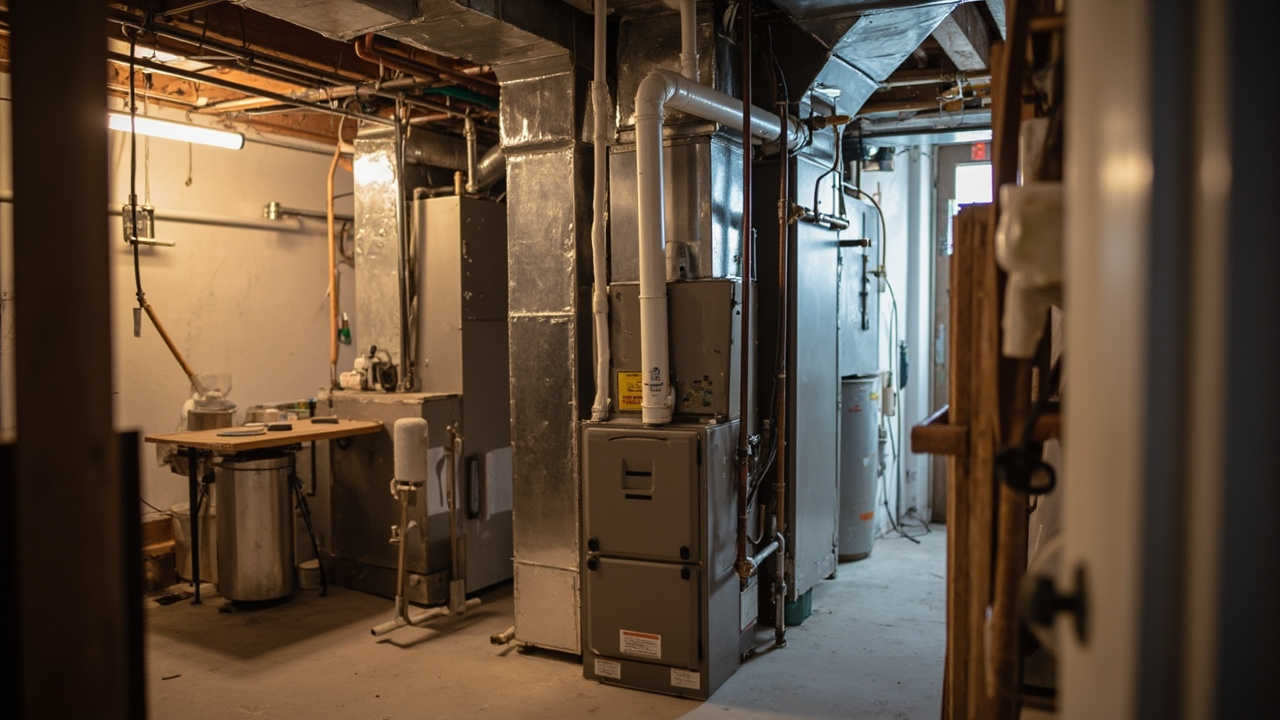
Heating a historic Oak Park bungalow requires a specialized approach that differs from modern suburban home maintenance. These iconic structures, known for their brick masonry and deep layouts, present unique challenges during the 2026 winter…
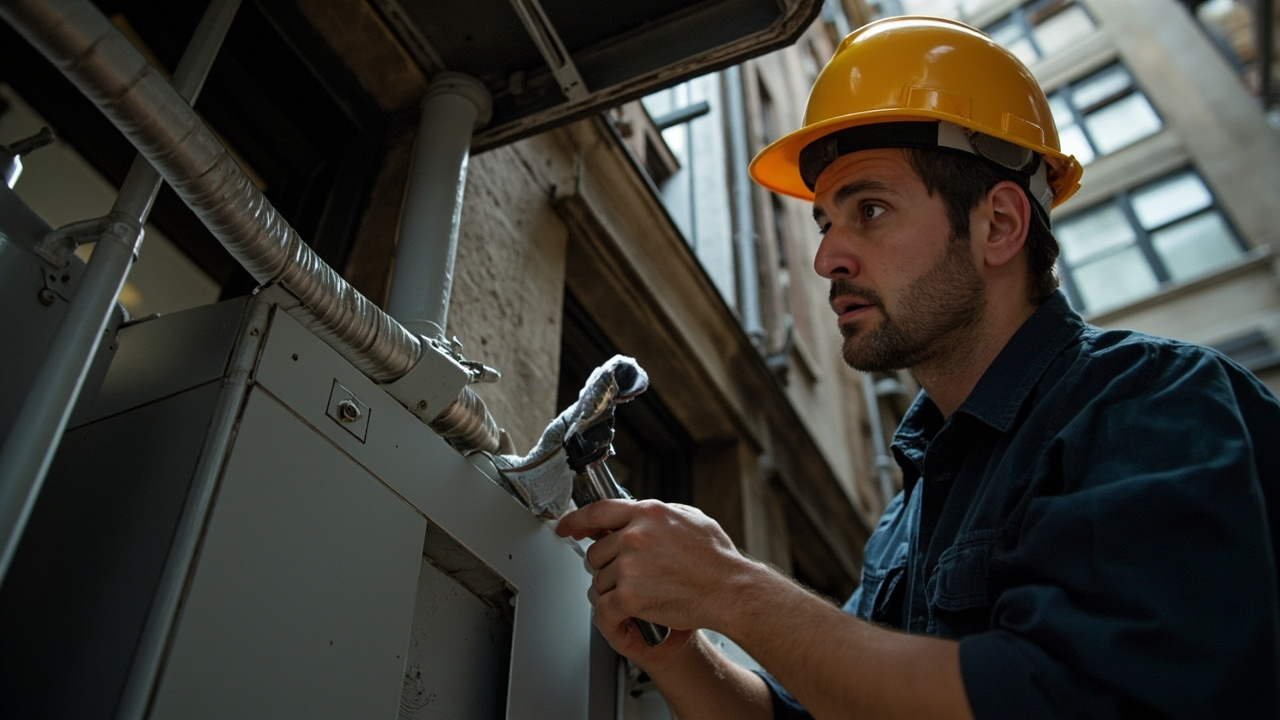
Professional duct cleaning services for Hyde Park townhomes and historical Chicago estatesLiving in a Hyde…
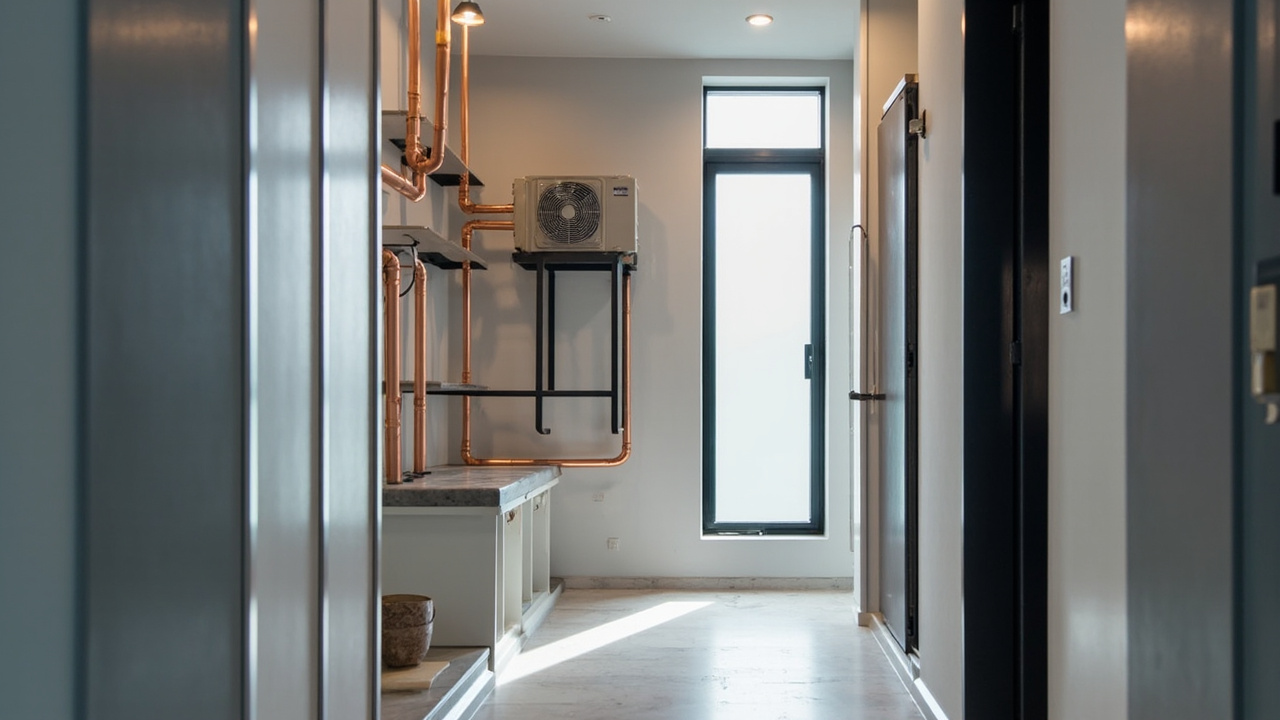
Living in a Gold Coast high rise offers some of the most spectacular views of…
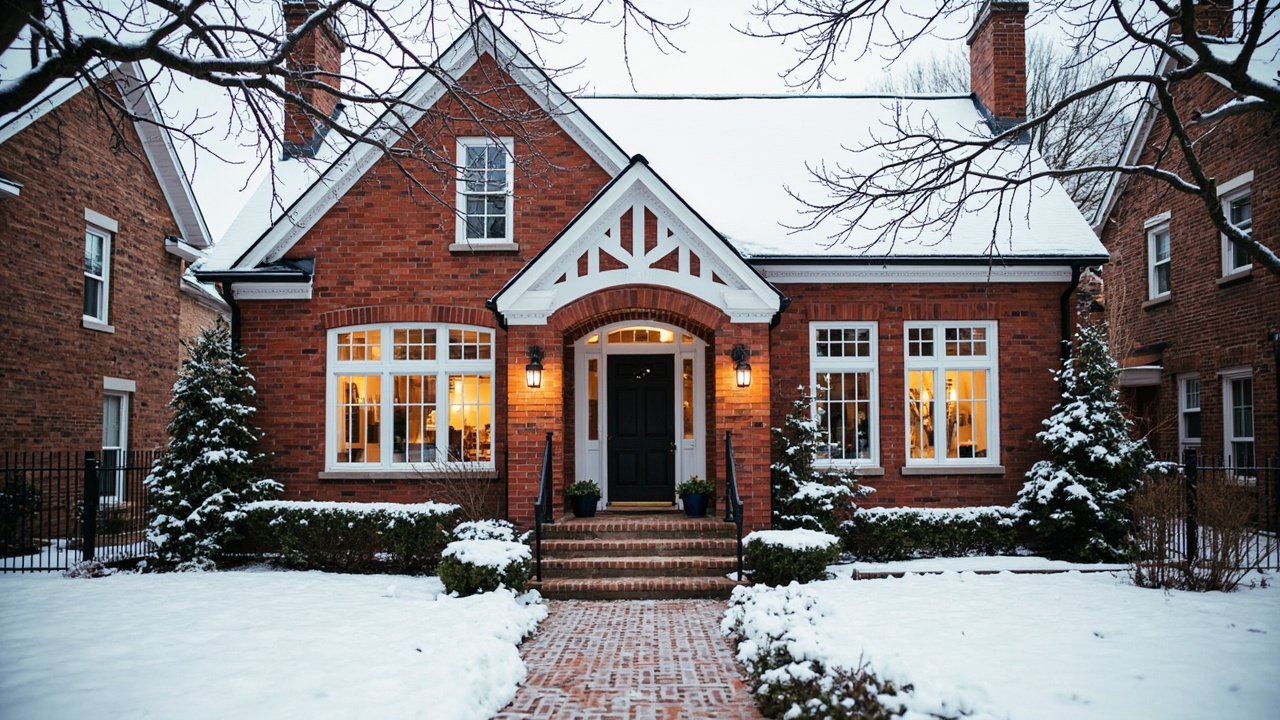
McKinley Park homeowners are increasingly transforming historic coach houses into legal living spaces. The expansion…
Your comfort cannot wait when heating or cooling fails. Call Five Star HVAC Chicago at (708) 328-5999 right now for immediate dispatch. Real technicians answer 24/7 with the parts and expertise to fix your system today. Stop sweating or freezing and start getting comfortable again.