





Chicago's summer humidity averages 70 percent, which forces your evaporator coil to remove more moisture from the air than it would in drier climates. High humidity increases the load on the coil, and any restriction in airflow or drop in refrigerant charge causes the coil temperature to fall below freezing faster. Homes near the lakefront experience even higher humidity levels, especially during overnight hours when temperatures drop but moisture lingers. This creates the perfect condition for rapid ice buildup on an already compromised coil.
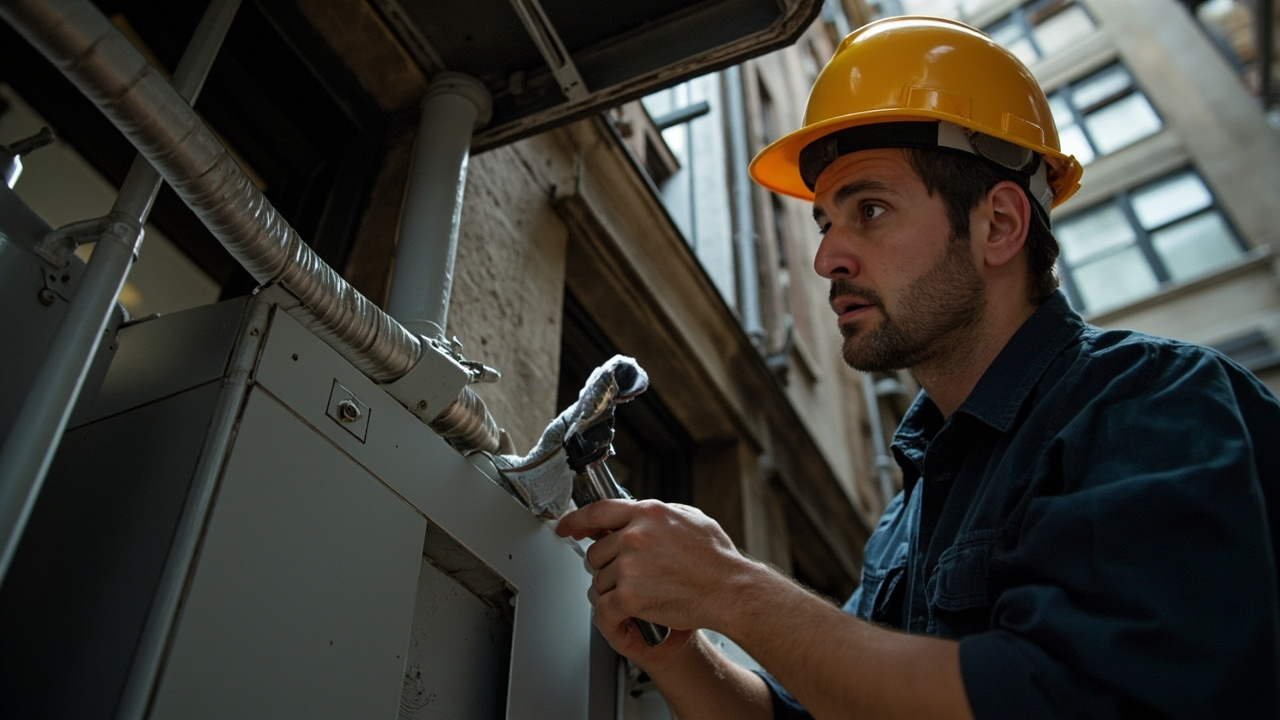
Chicago's housing stock includes thousands of older homes with HVAC systems retrofitted into spaces designed for radiators and window units. Many of these installations have undersized return ducts or poorly sealed plenums that starve the evaporator coil of airflow. We work in these homes daily and understand the ductwork limitations that contribute to frozen coils. Local expertise matters because a technician unfamiliar with Chicago's housing stock may misdiagnose airflow problems as refrigerant leaks, leading to unnecessary repairs and repeat service calls.