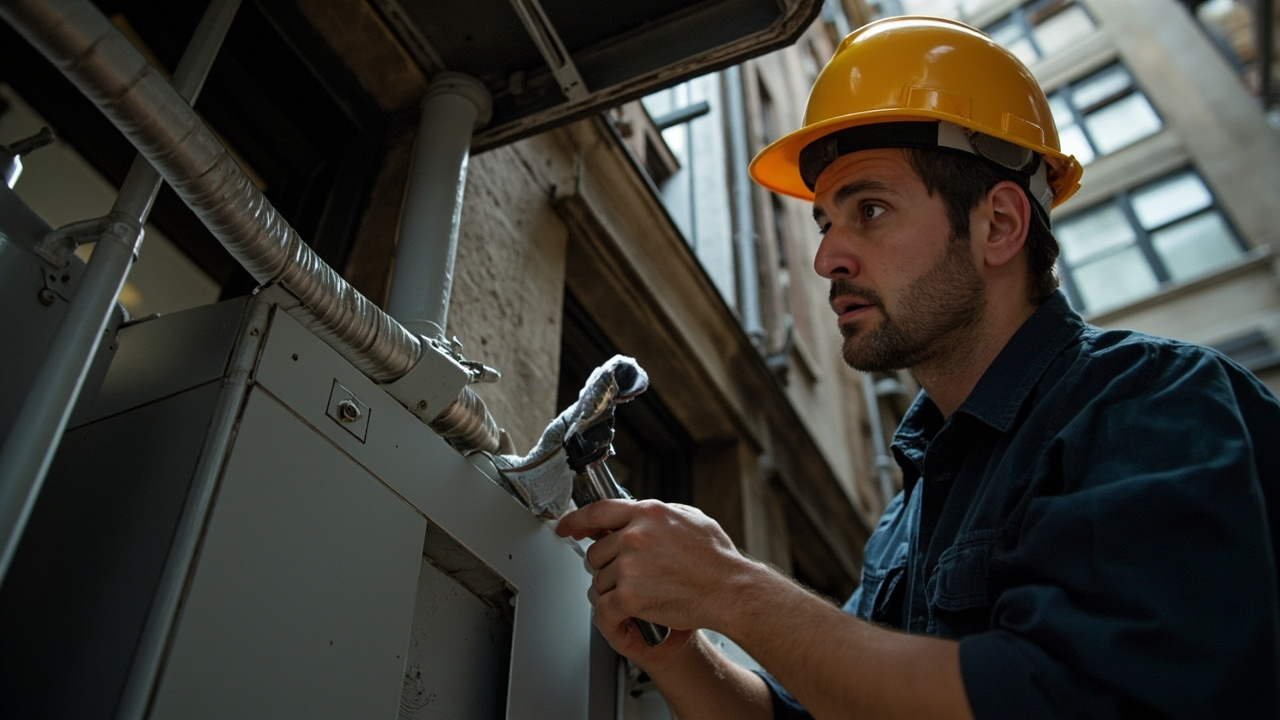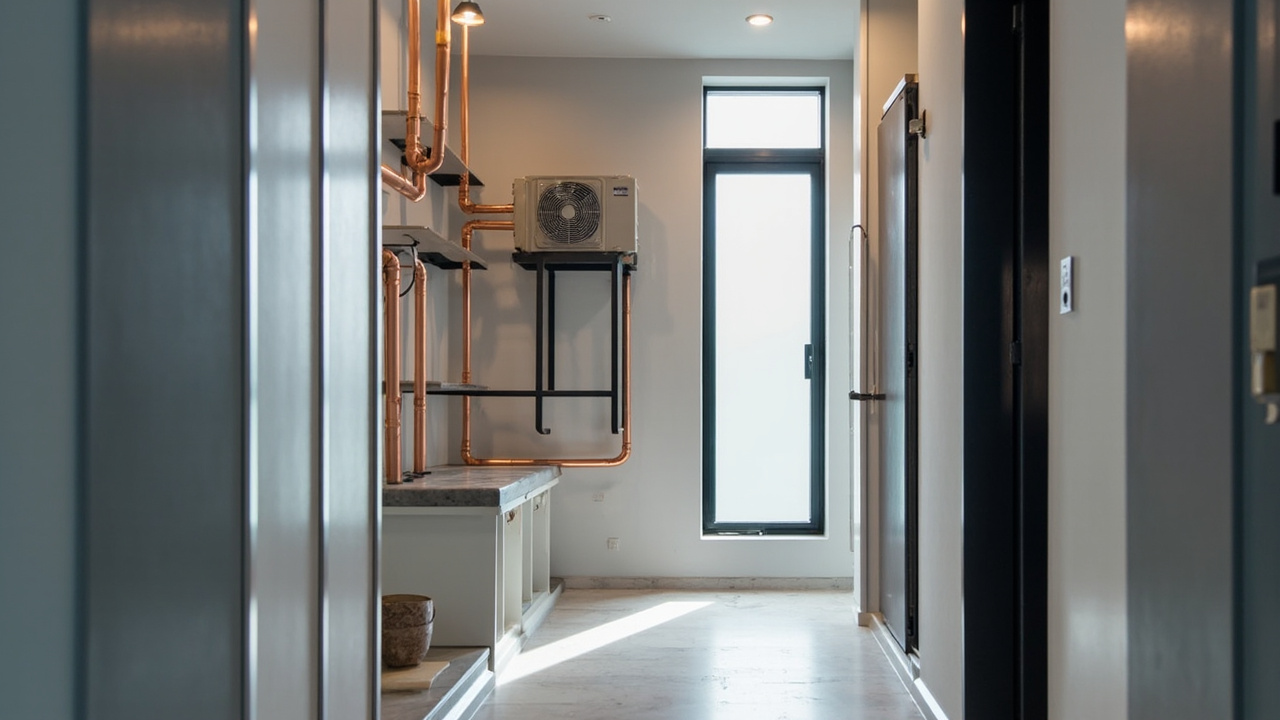






Chicago experiences some of the most violent temperature swings in the country. A 60-degree temperature change from day to night is common in spring and fall. Metal ductwork expands when heated and contracts when cooled. Over years, this constant expansion and contraction loosens joints, cracks seams, and separates connections. Homes near the lake face additional stress from high humidity in summer, which causes condensation inside ducts and accelerates corrosion. Flex duct installed in unconditioned attics becomes brittle in winter cold and sags in summer heat, restricting airflow and tearing at connection points.
Chicago's building codes are strict, but most homes were built before modern energy efficiency standards existed. Older ductwork was installed with minimal insulation and poor sealing practices. Many Chicago bungalows and two-flats have original galvanized steel ducts that are now 70 or 80 years old. These systems were never designed for modern high-efficiency furnaces and air conditioners, which operate at higher static pressures. When you need emergency ductwork repair in Chicago, you need a company that understands the specific challenges of this housing stock and this climate.