

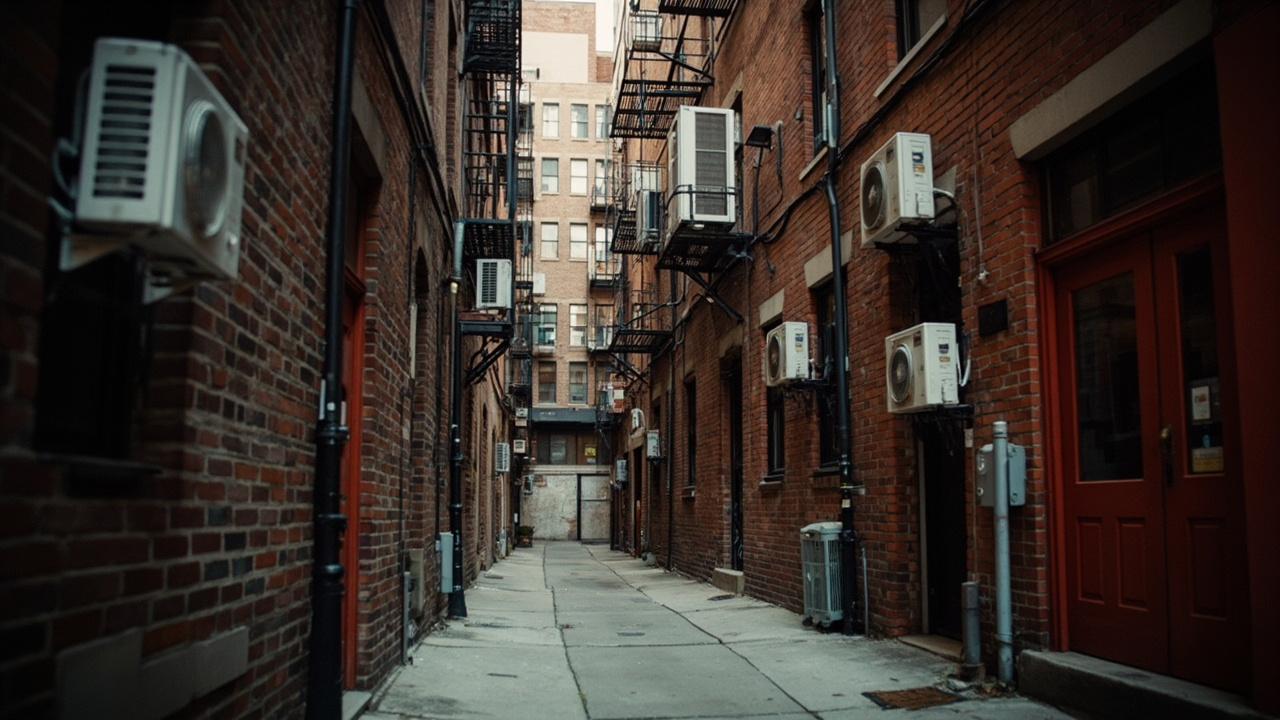
Living in a dense Chicago neighborhood like Chinatown offers incredible access to culture and food. The narrow alleys and brick buildings create a unique urban atmosphere that residents love. This density presents specific challenges during the hot and humid summer months. When your neighbor has a noisy air conditioner located in a narrow alleyway, the sound bounces off the surrounding brick walls. This creates an echo effect that makes a standard mechanical hum feel like an aggressive vibration inside your own home. Dealing with a loud condenser unit in these tight quarters requires a mix of technical knowledge, social skills, and an understanding of local Chicago regulations.
The sound usually starts as a faint buzz and grows into a grinding or screeching noise as the unit struggles with the 2026 summer heat. In Chinatown, buildings are often separated by only a few feet of alley space. This means the sound pressure levels intensify as they reflect off hard surfaces. If you are struggling to sleep or work because of the constant noise, you need to determine if the unit is failing or if it is simply poorly installed. A system that makes excessive noise is often running inefficiently and costing the owner more in electricity bills. Identifying the source of the sound is the first step toward a quieter home.
Identifying Different Types of Air Conditioner Noise
Not all noises indicate the same problem. You can often diagnose the mechanical issue just by listening from across the alley. A high pitched screeching sound typically points to a failing fan motor or a worn out belt in an older system. If you hear a loud banging or clanking, it suggests that a component has come loose inside the cabinet. This could be a fan blade hitting a shroud or a mounting bracket that has failed due to years of vibration. A persistent buzzing sound often indicates an electrical issue or a failing contactor. Each of these sounds signals a different level of urgency for repair.
Grinding sounds are particularly concerning because they usually involve the compressor. The compressor is the heart of the air conditioner and its most expensive component. When internal bearings begin to fail, the metal-on-metal friction creates a deep rumble that can vibrate through the foundation of your building. This type of noise is common in older units that have not received regular maintenance. If the unit in the alleyway is making these sounds, it is likely nearing the end of its functional life. You can see how this compares to newer technology by looking at central air installation costs for Lakeview Chicago homes in 2026 to understand what a modern, quiet replacement looks like.
| Type of Noise | Likely Mechanical Cause | Urgency Level |
|---|---|---|
| Screeching or Squealing | Fan motor bearings or belt wear | Moderate |
| Banging or Thumping | Loose parts or debris in the fan | High |
| Deep Grinding | Compressor bearing failure | Critical |
| Rapid Humming | Electrical contactor or loose panels | Low |
Chicago Noise Ordinances and Legal Limits
The City of Chicago has specific laws regarding noise pollution to protect residents in high density areas. According to the Chicago Municipal Code Section 11-4-1100, there are limits on how much noise mechanical equipment can produce at the property line. In residential zones, the sound from an air conditioner should not exceed specific decibel levels during the day or night. If a unit is loud enough to be heard through your closed windows from across the alley, it might be violating these local standards. You can find the specific legal language on the official City of Chicago Municipal Code site.
Measuring the sound is important before taking official action. Most modern smartphones have apps that can provide a basic decibel reading. While these are not as accurate as professional meters, they give you a baseline. If the reading at your property line consistently exceeds 55 to 60 decibels at night, you have a legitimate concern. The Department of Public Health oversees these complaints. It is usually better to resolve the issue with your neighbor directly before involving city inspectors. A friendly conversation can prevent a long legal process and maintain a good relationship with the people living next door.
Effective Communication with Your Neighbors
Many homeowners in Chinatown might not realize their air conditioner is causing a disturbance. They might spend most of their time in rooms away from the alley. When you approach them, focus on the facts of the noise rather than personal frustration. Explain that the sound is echoing in the alley and making it difficult to rest. You can mention that a noisy unit is often a sign of mechanical failure. Suggesting a professional inspection can save them money by preventing a total system breakdown in the middle of a heat wave. If they are worried about the cost of repairs, you can point them toward services like the best emergency furnace repair services in the South Loop which also handle high priority cooling issues.
You might offer to share the cost of a quiet-tune-up or a sound blanket installation if the relationship is good. This proactive approach often leads to faster results than waiting for the city to respond to a 311 complaint. Many Chicago residents find that a simple fix, like tightening a loose panel or lubricating a fan motor, resolves the issue. If the neighbor is renting, you will need to contact the landlord or property management company. Mentioning the potential for a code violation fine usually encourages landlords to take action on equipment maintenance.
Technical Solutions for Reducing Condenser Noise
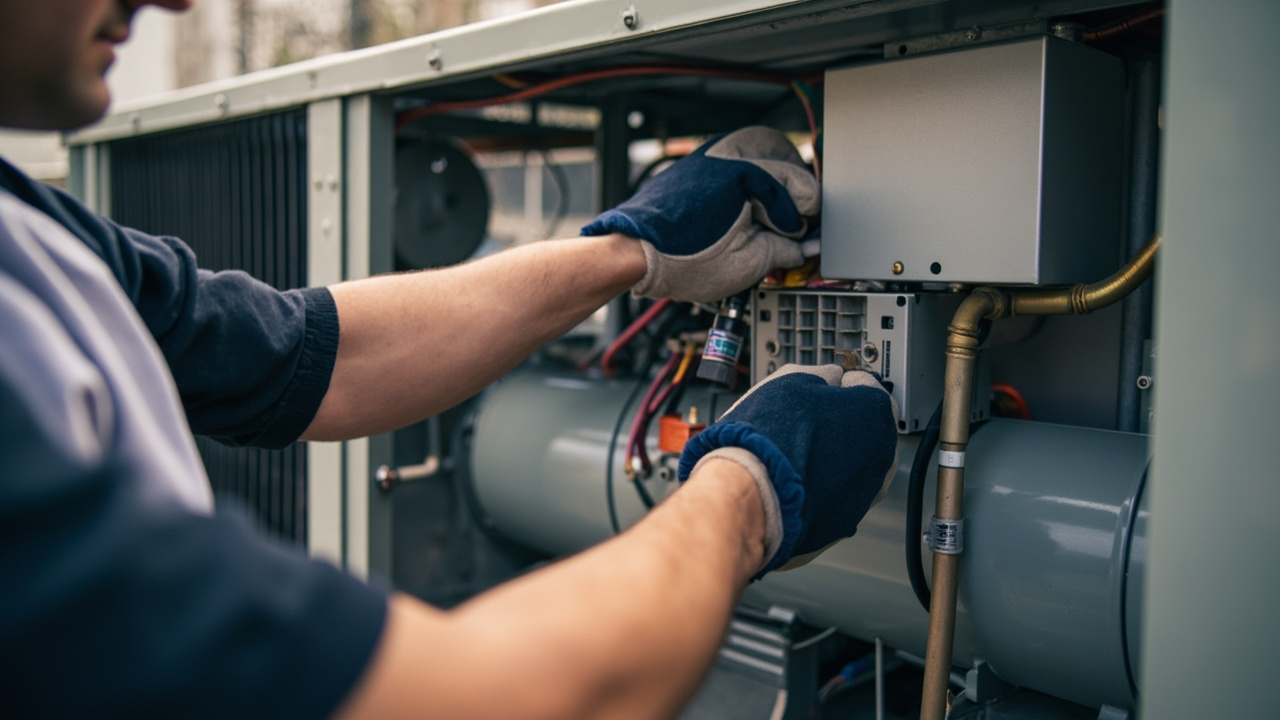
There are several professional methods to quiet a loud outdoor unit without replacing the entire system. One of the most effective tools is a compressor sound blanket. This is a heavy, insulated wrap that fits around the compressor inside the unit. It is designed to trap noise without causing the component to overheat. These blankets can reduce the perceived noise level by several decibels. Another common fix involves installing vibration isolation pads. These are placed under the corners of the unit to decouple it from the concrete or metal brackets. This prevents the vibration from traveling through the structure of the building.
In narrow Chinatown alleys, the way the unit is mounted makes a big difference. Units mounted on wall brackets tend to transfer more sound into the building than those sitting on the ground. If a unit is on brackets, replacing old rubber mounts with new, high quality dampers can significantly lower the noise. For residents in other dense areas, such as those seeking getting your Lincoln Park AC fixed fast before the next heat wave hits, these technical solutions are standard practice for maintaining urban comfort.
- Install a custom fit compressor sound blanket to muffle internal noise
- Replace worn out rubber isolation pads to stop structural vibration
- Clean the fan blades to ensure the motor stays balanced and quiet
- Tighten all cabinet screws and panels to eliminate rattling sounds
- Schedule a professional lubrication service for the fan motor bearings
Soundproofing Your Own Property Against Alley Noise
If the neighbor is unwilling or unable to fix their equipment, you can take steps to protect your own living space. Windows are the weakest point in your home for sound transmission. Adding acoustic window inserts can block a significant amount of the noise coming from the alley. These inserts create an airtight seal and an additional layer of glass or acrylic that dampens sound waves. Thick, soundproof curtains also help, though they are less effective than window inserts. For those living in older buildings, similar to why Logan Square homeowners trust our team for historic property HVAC upgrades, checking the sealing around window frames is essential. Gaps in the caulking allow sound to leak directly into your home.
Another option for the alleyway is a sound barrier. If there is enough space, a small acoustic fence can be installed between the noise source and your window. These barriers are made of mass loaded vinyl or treated wood that reflects or absorbs sound. You must ensure the barrier does not block the airflow to the neighbor’s air conditioner. Modern HVAC systems require significant clearance to breathe. If you block the airflow, the unit will work harder, run hotter, and eventually become even louder before it fails completely.
Comparing Sound Mitigation Options and Costs
The cost and effectiveness of these solutions vary depending on the severity of the noise. Minor fixes like isolation pads are very affordable and can be installed quickly. More significant changes, like adding acoustic window inserts to your own home, require a larger investment but provide long term benefits beyond just blocking the AC noise. They also help with street noise and improve your home’s energy efficiency. When considering these options, think about the current age of the equipment. If the neighbor’s unit is over fifteen years old, any repair might just be a temporary fix for an inevitable replacement.
| Mitigation Method | Estimated Effectiveness | Installation Time |
|---|---|---|
| Vibration Isolation Pads | 3 to 5 decibel reduction | Under 1 hour |
| Compressor Sound Blanket | 5 to 10 decibel reduction | 1 to 2 hours |
| Acoustic Window Inserts | 10 to 15 decibel reduction | Full day | Eliminates screeching completely | 2 to 3 hours |
The Importance of Professional HVAC Inspections
A professional inspection is the only way to accurately determine if a noise is dangerous. High pressure levels or electrical faults can lead to fires or total system destruction. A technician with NATE certification knows how to check the internal pressures and electrical draw of the unit. They can provide a written report that you can show your neighbor or a landlord. This report serves as objective proof that the unit needs attention. In many cases, the technician can perform a simple adjustment that silences the unit immediately. This is much cheaper than waiting for the compressor to burn out.
For those in nearby neighborhoods, finding a specialist is easy. Whether you need a reliable boiler repair specialist in Wicker Park and Bucktown or a cooling expert in Chinatown, local knowledge matters. A local technician understands the specific mounting challenges and electrical grids of Chicago neighborhoods. They can recommend parts that are designed to withstand the high humidity levels found near Lake Michigan. Regular maintenance is the most effective way to prevent noise problems from developing in the first place.

When to Seek Further Help
If you have tried talking to your neighbor and the noise persists, it may be time to contact the authorities. The City of Chicago 311 system allows you to log noise complaints online or over the phone. Be prepared to provide specific times when the noise is most disruptive. While the city can issue fines, the process can be slow. Continuing to look for mechanical solutions or soundproofing for your own home remains your fastest path to peace and quiet. Most noise issues in 2026 are solvable with the right combination of modern dampening technology and professional service.
Dealing with a noisy neighbor in a crowded alleyway is a common part of Chicago life. By staying calm and focusing on technical solutions, you can resolve the issue without unnecessary conflict. Whether it is installing a sound blanket or upgrading your own windows, there are many ways to reclaim your comfort. If you suspect the noise is coming from a failing system that needs urgent care, do not wait for the situation to get worse. Contact a local expert to evaluate the equipment and provide a clear plan for noise reduction.
{
“@context”: “https://schema.org”,
“@type”: “BlogPosting”,
“headline”: “Quiet the Echo of Your Neighbors Loud AC in a Chinatown Alleyway”,
“description”: “Stop the stress of a noisy neighbor air conditioner in Chicago Chinatown. Learn about noise ordinances, technical fixes, and soundproofing for narrow alleys.”,
“wordCount”: 1918,
“datePublished”: “2026-04-06T05:31:00.000Z”,
“dateModified”: “2026-04-06T05:31:00.000Z”,
“inLanguage”: “en-US”,
“mainEntityOfPage”: {
“@type”: “WebPage”,
“@id”: “https://5starhvacchicago.com”
},
“publisher”: {
“@type”: “LocalBusiness”,
“name”: “Five Star HVAC Chicago”,
“url”: “https://5starhvacchicago.com”
},
“author”: {
“@type”: “Organization”,
“name”: “Five Star HVAC Chicago”,
“url”: “https://5starhvacchicago.com”
},
“image”: {
“@type”: “ImageObject”,
“url”: “https://5starhvacchicago.com/wp-content/uploads/2026/03/dealing-with-a-neighbor-s-noisy-ac-unit-in-a-crowd-1.jpg”
}
}
{
“@context”: “https://schema.org”,
“@type”: “HVACBusiness”,
“name”: “Five Star HVAC Chicago”,
“url”: “https://5starhvacchicago.com”,
“address”: {
“@type”: “PostalAddress”,
“addressLocality”: “Chicago”
},
“areaServed”: {
“@type”: “City”,
“name”: “Chicago”
}
}
{
“@context”: “https://schema.org”,
“@type”: “BreadcrumbList”,
“itemListElement”: [
{
“@type”: “ListItem”,
“position”: 1,
“name”: “Home”,
“item”: “https://5starhvacchicago.com”
},
{
“@type”: “ListItem”,
“position”: 2,
“name”: “Blog”,
“item”: “https://5starhvacchicago.com/blog”
},
{
“@type”: “ListItem”,
“position”: 3,
“name”: “Quiet the Echo of Your Neighbors Loud AC in a Chinatown Alleyway”
}
]
}
{
“@context”: “https://schema.org”,
“@type”: “Service”,
“serviceType”: “HVAC”,
“provider”: {
“@type”: “LocalBusiness”,
“name”: “Five Star HVAC Chicago”,
“url”: “https://5starhvacchicago.com”
},
“areaServed”: {
“@type”: “City”,
“name”: “Chicago”
},
“description”: “Stop the stress of a noisy neighbor air conditioner in Chicago Chinatown. Learn about noise ordinances, technical fixes, and soundproofing for narrow alleys.”
}