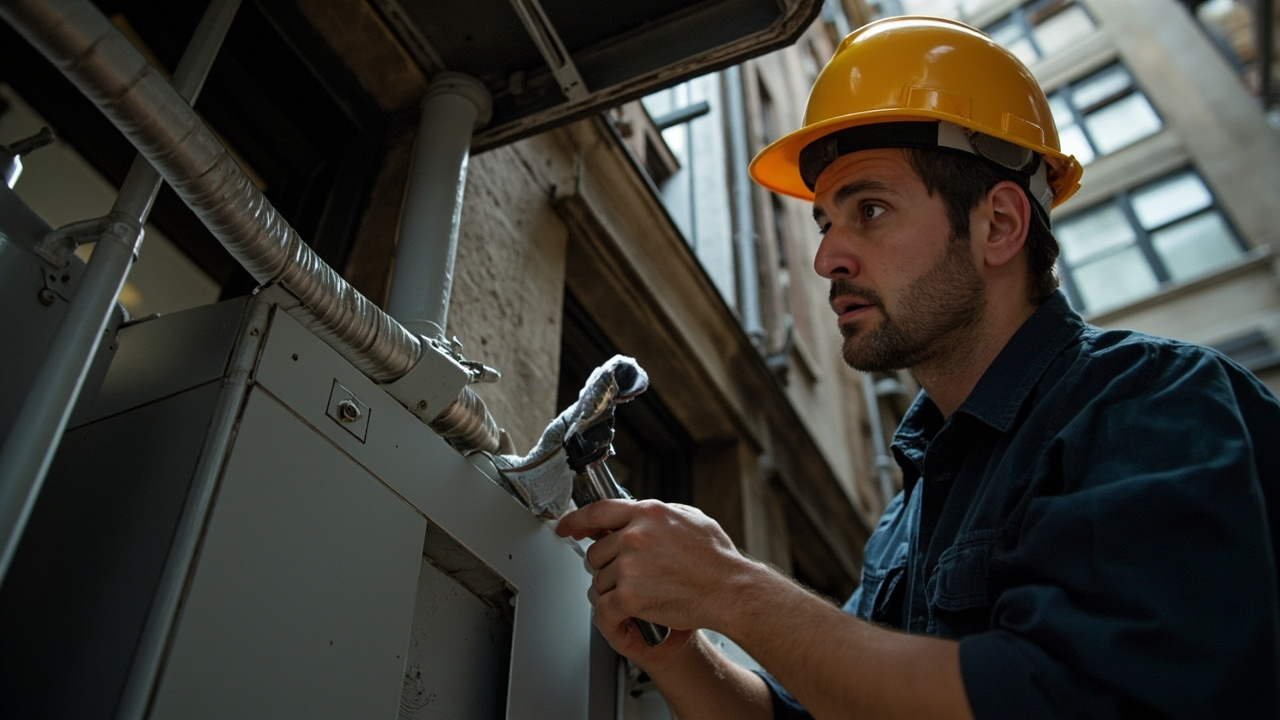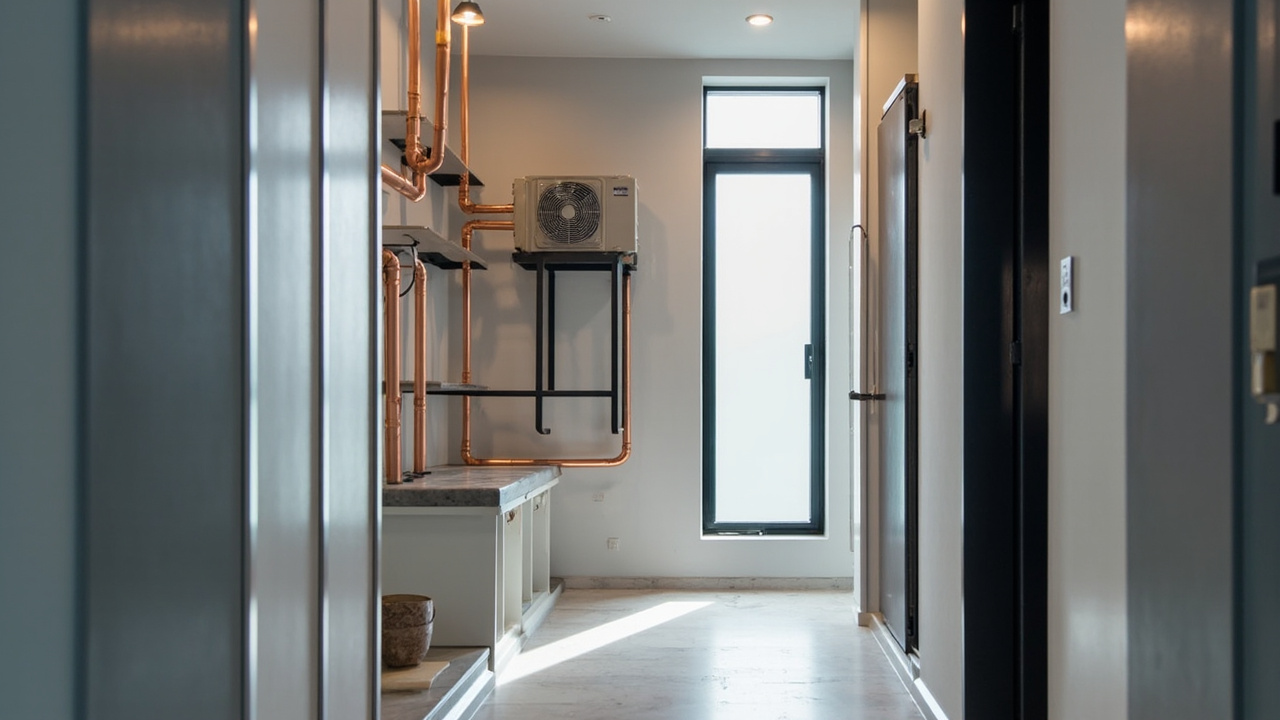






Chicago's proximity to Lake Michigan creates humidity patterns that accelerate biological growth inside HVAC ductwork. Summer moisture condenses on cold AC ducts and evaporator coils, creating conditions where mold and mildew thrive. Winter heating cycles then bake these contaminants into duct surfaces while pulling in dry outdoor air laden with salt and road treatment chemicals. This seasonal swing between wet and dry conditions creates a contamination cycle unique to Great Lakes cities. The temperature differential between Chicago's humid summers and subzero winters also causes duct joints to expand and contract, creating gaps where unconditioned air infiltrates the system.
Five Star HVAC Chicago understands the mechanical code requirements specific to Cook County and surrounding jurisdictions. We recognize construction methods common to different Chicago eras, from the octopus ductwork in early 1900s buildings to the flex duct systems prevalent in 1960s ranch homes. This local expertise means we adapt our cleaning methods to your specific system type rather than applying a one-size-fits-all approach. Our familiarity with Chicago building types also helps us identify problems quickly and recommend solutions that account for local construction realities and climate demands.