





Cicero sits in the humid continental climate zone where Lake Michigan creates dramatic temperature swings and moisture problems. Summer humidity reaches 70 percent, forcing air conditioners to work overtime removing moisture while cooling. Winter temperatures drop below zero, stressing furnaces and heat pumps beyond their design limits. The freeze-thaw cycle attacks outdoor condensers and causes refrigerant leaks.
Most Cicero homes were built between 1920 and 1950 with brick construction and minimal insulation. These older structures lose conditioned air through gaps around windows, uninsulated walls, and leaky ductwork in unfinished basements. Your HVAC system runs constantly trying to maintain temperature, driving up energy bills and wearing out components faster.
The town's proximity to industrial areas near Cermak Road means outdoor air carries more particulates and pollutants. Furnace filters clog faster here than in suburban areas. Air conditioner coils collect grime that reduces efficiency. Regular maintenance matters more in Cicero because the environment is harder on equipment. Homes near Hawthorne Works or along major corridors like Cicero Avenue face even more airborne contaminants that stress HVAC systems year-round.
We have served Cicero and the western Cook County area for over fifteen years. Our technicians know the brick bungalows and two-flats that dominate neighborhoods from 16th Street down to Cermak Road. We have worked on thousands of systems in homes built before central air was standard, solving the unique challenges these structures present.
Our service vehicles stock parts for the brands most common in Cicero homes. Carrier, Lennox, Rheem, Goodman, and Trane components are already on the truck when we arrive. This means same-day repairs instead of waiting three days for parts to ship. We fix 85 percent of problems on the first visit because we come prepared for what actually breaks in this climate.
Every technician on our team holds EPA Section 608 certification for refrigerant handling and completes ongoing training on residential comfort systems. We do not send helpers or apprentices to diagnose complex problems. The person who answers your call and the technician who fixes your system both have the experience to get it right.
We offer transparent pricing before starting work. You see the cost breakdown for parts and labor, then decide whether to proceed. No surprise charges appear on the final bill. If we quote $480 to replace a blower motor, that is exactly what you pay. This straightforward approach has earned us a reputation across Cicero for honest service without games or upsells.

HVAC emergencies do not wait for business hours. We dispatch technicians to Cicero homes within two hours of your call, including evenings and weekends. Our rapid response stops water damage from frozen coils, prevents heat-related health risks, and restores comfort before your family suffers through another miserable night.

We stock capacitors, contactors, thermostats, blower motors, and ignitors for systems common in Cicero. Most repairs finish the same day because parts are already on the truck. You do not wait three days for a warehouse shipment while your family swelters or freezes. We fix it now.
Every technician carries EPA Section 608 certification and completes annual training on residential HVAC systems. We diagnose problems accurately the first time and repair them according to manufacturer specifications. No guessing, no cutting corners, no return visits to fix what should have been done right initially.
We know Cicero homes because we have worked in them for fifteen years. The brick construction, basement layouts, and older ductwork require specific solutions. Our experience with local housing stock means we solve problems faster and recommend upgrades that actually fit your home's structure.
Five Star HVAC Chicago handles everything your heating and cooling system needs. Air conditioning repair when your compressor fails during July heat. Furnace service when the ignitor quits in January. Complete system replacements when equipment reaches end of life and repairs no longer make financial sense.
We divide our services into three categories based on urgency and scope. Emergency repairs address immediate failures that leave you without heating or cooling. Maintenance and tune-ups prevent breakdowns before they happen and keep systems running efficiently. System replacements and installations provide new equipment when repairs would cost more than the system is worth.
Each service category uses the same diagnostic process and quality standards. Whether we are replacing a $40 capacitor or installing a $6,000 furnace, the work meets manufacturer specifications and local building codes. Our technicians explain what failed, why it happened, and what you can do to prevent similar problems. This education helps you make informed decisions about repairs versus replacement.
Air conditioners quit during heat waves. Furnaces fail on the coldest nights. We respond to HVAC emergencies across Cicero within two hours. Our diagnostic process identifies the failed component quickly, then we replace it with parts already stocked on the truck. Most emergency repairs finish within three hours from arrival. We restore heating or cooling the same day so your family does not suffer through extreme temperatures overnight.
Annual maintenance catches small problems before they become expensive failures. We clean coils, test electrical components, measure refrigerant levels, and inspect heat exchangers for cracks. Furnace tune-ups before winter prevent carbon monoxide hazards and ignition failures. Air conditioner service before summer ensures your system keeps up when temperatures hit 95 degrees. Maintenance extends equipment life by three to five years and reduces energy bills by keeping systems running efficiently.
Systems older than fifteen years break down frequently and waste energy. When repair costs approach half the price of new equipment, replacement makes better financial sense. We install high-efficiency furnaces, air conditioners, and heat pumps sized correctly for your home's square footage and insulation levels. Proper sizing ensures comfort in every room and prevents the short-cycling that wears out components. New systems include manufacturer warranties covering parts and labor for up to ten years.
Cicero's climate and housing stock create specific HVAC challenges. Lake Michigan humidity forces air conditioners to remove moisture while cooling, stressing compressors and fans. Winter cold pushes furnaces to their limits, causing heat exchangers to crack and ignitors to fail. Older homes with original ductwork leak conditioned air through gaps and disconnected sections.
The town's brick construction holds heat in summer and loses warmth in winter. Walls lack insulation that newer homes have, making HVAC systems work harder to maintain comfortable temperatures. Basement furnaces and air handlers sit in damp conditions that corrode electrical connections and promote mold growth on coils.
These problems compound when systems go without regular maintenance. Dirty filters restrict airflow, causing coils to freeze. Worn contactors fail during peak demand. Low refrigerant levels force compressors to overheat. What starts as a minor issue becomes an expensive emergency because the problem went unnoticed until the system quit completely. Regular service catches these issues early, but most Cicero homeowners only call when their heating or cooling stops working.
Cicero summer humidity reaches 70 percent. Your air conditioner removes moisture while cooling, but undersized systems or dirty coils cannot keep up. The house feels clammy even when the thermostat reads 72 degrees. High humidity promotes mold growth and makes rooms uncomfortable. Proper refrigerant levels and clean coils solve most humidity problems without replacing the entire system.
Winter temperatures below zero stress furnaces beyond design limits. Ignitors crack from repeated heating and cooling cycles. Heat exchangers develop cracks that leak carbon monoxide. Blower motors wear out from constant operation. Most furnace failures happen during the coldest week of winter when you need heat most. Annual tune-ups catch these problems before they leave you without heat overnight.
Homes built before 1970 have ductwork installed without proper sealing. Gaps at connections and holes in sheet metal leak 20 to 30 percent of conditioned air into basements, crawl spaces, and attics. Your furnace or air conditioner runs constantly but some rooms never reach comfortable temperatures. Sealing ductwork with mastic and metal tape stops these leaks and drops energy bills immediately.
Many Cicero homes have HVAC systems too large for their square footage. Oversized furnaces and air conditioners short-cycle, turning on and off repeatedly without running long enough to distribute temperature evenly. This wastes energy and wears out components faster. Rooms near the thermostat feel comfortable while distant bedrooms stay too hot or cold. Proper sizing calculations during replacement eliminate short-cycling problems.
You call because your HVAC system stopped working. We answer with questions that help us understand the problem before sending a technician. Is the system making noise? Are some rooms comfortable while others are not? How old is the equipment? These questions let us bring the right tools and parts on the first visit.
We provide a two-hour arrival window, then call thirty minutes before the technician arrives. No waiting around all day wondering when someone will show up. Our technicians wear shoe covers, carry floor mats to protect your flooring, and clean up completely before leaving. You should not have to vacuum after we fix your furnace.
Diagnosis comes first. We test components, measure voltages, check refrigerant levels, and inspect heat exchangers or coils for damage. Once we identify the problem, we explain what failed and why. You get a written estimate showing parts cost and labor charges before we start repairs. No surprise bills. If you approve the work, we fix it the same day in most cases. Systems running when we leave stay running.
We test your system thoroughly before suggesting repairs or replacement. Diagnostic equipment measures electrical current, refrigerant pressure, and airflow volume. These numbers tell us exactly what failed and whether other components will fail soon. You receive a clear explanation of the problem and realistic options for fixing it. We never push replacement when repair makes better financial sense.
You see the total cost before we touch your system. The estimate breaks down parts, labor, and any additional charges like after-hours service. No hidden fees appear on the final bill. If the blower motor replacement costs $520, that is exactly what you pay. This transparency lets you make informed decisions without pressure or surprises when we finish the job.
We test your HVAC system completely before leaving your home. Furnaces run through a full heating cycle. Air conditioners cool to the thermostat setpoint. We measure temperature at supply registers to verify proper airflow. This final testing ensures the repair solved the problem completely. You get a written summary of work completed and recommendations for preventing future issues.
HVAC repairs should not take days or require multiple visits. We complete most service calls in three hours from arrival to departure. This efficiency comes from thorough diagnosis, stocked parts, and experienced technicians who fix problems right the first time.
We test electrical components, measure refrigerant levels, inspect heat exchangers, and check airflow at every register. Diagnostic tools identify which component failed and whether related parts need attention. This thorough inspection prevents repeat failures from missed problems. You receive a clear explanation of what broke, why it happened, and what fixing it involves. The diagnosis takes 30 to 45 minutes for most systems.
We replace failed components with parts already stocked on the truck. Capacitors, contactors, blower motors, ignitors, and thermostats are standard inventory. Most repairs finish within two hours because we do not wait for parts to ship. Work follows manufacturer specifications and local codes. We pressure-test refrigerant connections, verify electrical draws, and ensure safety switches function correctly before moving to final testing.
Your system runs through complete heating or cooling cycles while we monitor performance. Temperature measurements at supply registers confirm proper airflow. Electrical readings verify components operate within specifications. We adjust thermostat settings and demonstrate system operation before leaving. You receive documentation of work completed and maintenance recommendations to prevent future breakdowns. The system works properly when we leave your home.
Illinois requires permits for furnace and air conditioner replacements, enforced through Cook County building departments. These permits ensure new equipment meets current efficiency standards and safety codes. Minimum SEER ratings for air conditioners installed in Illinois now stand at 14, though high-efficiency models reach 20 SEER or higher. Furnaces must achieve at least 80 percent AFUE, but condensing models deliver 95 percent efficiency or better.
EPA Section 608 certification is mandatory for anyone handling refrigerants in residential HVAC systems. This federal regulation exists because refrigerant leaks damage the environment and create safety hazards. Technicians must demonstrate competence in proper refrigerant recovery, evacuation, and charging procedures before receiving certification. Homeowners should verify their HVAC contractor employs certified technicians, as unlicensed work with refrigerants violates federal law.
Cook County adopted the International Residential Code with local amendments addressing regional climate conditions. These amendments specify insulation requirements for ductwork in unconditioned spaces, minimum clearances around combustion equipment, and carbon monoxide detector placement. Furnace installations require inspection of gas connections, venting systems, and combustion air supply. Air conditioner installations must meet electrical code requirements for disconnect switches and proper wire sizing based on equipment amperage draw.
Load calculation using Manual J methodology determines correct equipment sizing for Illinois homes. This calculation accounts for square footage, insulation levels, window area, and air infiltration rates. Properly sized systems run longer cycles that distribute temperature evenly and remove humidity effectively. Oversized equipment short-cycles, wasting energy and reducing comfort. Undersized systems run constantly without reaching desired temperatures during extreme weather. Professional load calculations prevent both problems by matching equipment capacity to actual heating and cooling requirements.
Cook County requires permits for furnace and air conditioner replacements. Permits ensure new equipment meets current efficiency and safety standards. Inspectors verify gas connections, electrical wiring, refrigerant lines, and condensate drainage before approving installations. Working without permits risks fines and problems selling your home later. Professional contractors handle permit applications and schedule required inspections.
Parts availability, labor complexity, and refrigerant type affect repair pricing. Common components like capacitors and contactors cost less than specialized parts like compressors or heat exchangers. Systems using older R-22 refrigerant cost more to service because the refrigerant itself is expensive. Emergency service outside normal business hours includes additional charges. Age matters because parts for systems over fifteen years old are harder to source.
Emergency repairs finish the same day in 85 percent of cases when we stock the necessary parts. System replacements take one to two days depending on installation complexity and whether ductwork modifications are needed. Maintenance tune-ups require 60 to 90 minutes per system. Permit approval and inspection scheduling add two to five days to replacement timelines in Cook County.
Illinois mandates minimum 14 SEER for air conditioners and 80 percent AFUE for furnaces. High-efficiency models reach 20 SEER and 98 percent AFUE, reducing energy bills significantly. ENERGY STAR certification identifies equipment exceeding minimum standards. Rebates from utility companies offset the higher cost of efficient equipment. Monthly savings from reduced energy use often cover the upgrade cost within five to seven years.
This video explains common HVAC problems in Cicero Illinois and how Five Star HVAC Chicago provides same-day repair service. Topics include air conditioning failures during summer humidity, furnace breakdowns in winter cold, and maintenance that prevents expensive emergencies. The video covers diagnostic procedures, repair timelines, and why proper equipment sizing matters for older brick homes common throughout Cicero neighborhoods.
Five Star HVAC Chicago serves every neighborhood in Cicero, from the residential streets near 16th Street down to the commercial corridor along Cermak Road. We know the housing patterns across town. The older brick bungalows between 22nd Street and 30th Street have basement furnaces and window air conditioners that need seasonal service. Two-flats near Cicero Avenue house multiple families who depend on reliable heating and cooling year-round.
Homes in the Warren Park area face different challenges than properties near Hawthorne Works. Proximity to industrial sites means outdoor air carries more particulates that clog filters and dirty coils. Systems in these areas need filter changes every 30 days instead of 90. We adjust maintenance schedules based on where you live and what your equipment faces daily.
The neighborhoods around Morton East and Morton West high schools have families who cannot afford surprise HVAC failures. We provide straightforward pricing and honest assessments about whether repair or replacement makes better financial sense. When your fifteen-year-old furnace needs a $800 repair, we explain how that cost compares to a new system with a ten-year warranty. This transparency helps families make informed decisions without pressure.
Properties along major routes like Roosevelt Road and Ogden Avenue deal with higher traffic volume and air pollution. These environmental factors stress HVAC systems beyond what suburban homes experience. We account for these conditions when recommending maintenance intervals and discussing system longevity. Living near constant traffic means your air filters work harder and need attention more frequently.
Our service area extends beyond Cicero into Berwyn, Oak Park, and western Chicago neighborhoods. We respond to calls from North Riverside to Forest View, covering the entire western Cook County region. This broad service area comes from fifteen years building relationships with homeowners who value honest work and fair pricing. Word spreads when you show up on time, fix problems correctly, and charge exactly what you quoted.
The $5000 rule helps you decide whether to repair or replace your system. Take the age of your unit and multiply it by the repair cost. If the total exceeds $5000, replacement makes more financial sense. For example, if your 15-year-old furnace needs a $400 repair, that equals $6000, so replacement is smarter. Cicero's humid summers and freezing winters stress aging equipment. Once your system hits 12 to 15 years old, repairs often become Band-Aids. A new energy-efficient system cuts utility bills and prevents surprise breakdowns during peak heating or cooling season.
A standard HVAC service call in the Cicero area typically includes a diagnostic fee that covers the technician's visit and initial inspection. This fee usually applies toward repair costs if you approve the work. Costs vary based on the time of day, day of the week, and complexity of the problem. Emergency calls during nights, weekends, or holidays cost more. Simple fixes like filter changes or thermostat adjustments are less expensive than refrigerant leaks or compressor failures. Always ask for a detailed estimate before authorizing repairs to avoid surprises.
For a 1200 square foot home in Cicero, system sizing depends on insulation quality, window efficiency, and ceiling height. Most homes this size need a 1.5 to 2.5 ton unit. The installation type matters too. A basic single-stage system costs less than a variable-speed heat pump. Ductwork condition affects pricing. If your existing ducts need sealing or replacement, that adds expense. Multi-story homes or older construction with poor insulation may need higher capacity. Get a Manual J load calculation to size equipment correctly and avoid short cycling or inefficiency.
The $5000 rule helps you decide whether to repair or replace your system. Take the age of your unit and multiply it by the repair cost. If the total exceeds $5000, replacement makes more financial sense. For example, if your 15-year-old furnace needs a $400 repair, that equals $6000, so replacement is smarter. Cicero's humid summers and freezing winters stress aging equipment. Once your system hits 12 to 15 years old, repairs often become Band-Aids. A new energy-efficient system cuts utility bills and prevents surprise breakdowns during peak heating or cooling season.
A standard HVAC service call in the Cicero area typically includes a diagnostic fee that covers the technician's visit and initial inspection. This fee usually applies toward repair costs if you approve the work. Costs vary based on the time of day, day of the week, and complexity of the problem. Emergency calls during nights, weekends, or holidays cost more. Simple fixes like filter changes or thermostat adjustments are less expensive than refrigerant leaks or compressor failures. Always ask for a detailed estimate before authorizing repairs to avoid surprises.
For a 1200 square foot home in Cicero, system sizing depends on insulation quality, window efficiency, and ceiling height. Most homes this size need a 1.5 to 2.5 ton unit. The installation type matters too. A basic single-stage system costs less than a variable-speed heat pump. Ductwork condition affects pricing. If your existing ducts need sealing or replacement, that adds expense. Multi-story homes or older construction with poor insulation may need higher capacity. Get a Manual J load calculation to size equipment correctly and avoid short cycling or inefficiency.
Dirty filters top the list, restricting airflow and forcing your system to work harder. Cicero's humidity causes condensate drain clogs, leading to water damage and mold growth. Refrigerant leaks reduce cooling capacity and spike energy bills. Thermostat malfunctions create comfort issues and erratic cycling. Ignitor and flame sensor failures stop furnaces from heating during bitter Chicago-area winters. Capacitor failure prevents compressors and blower motors from starting. Frozen evaporator coils result from airflow blockages or low refrigerant. Belt wear and blower motor issues reduce air circulation. Regular maintenance catches these problems before they escalate.
A 4000 square foot home typically requires a 4 to 5 ton system, sometimes zoned across multiple units for better control. Larger homes often need multi-zone systems with separate thermostats for upper and lower floors. Two-story homes in Cicero face temperature stratification, making zoning essential for comfort. Ductwork complexity, insulation levels, and window square footage all impact sizing and pricing. High-efficiency variable-speed systems cost more upfront but deliver better comfort and lower operating costs. Older homes may need duct modifications or upgrades to support new equipment capacity.
The 3 minute rule protects your compressor from damage. After your AC shuts off, wait at least 3 minutes before restarting it. This allows refrigerant pressure to equalize throughout the system. Starting too soon forces the compressor to work against high pressure, causing premature failure. The same applies when switching your thermostat from cool to heat or vice versa. Frequent thermostat adjustments or power interruptions stress the compressor. Modern thermostats often include built-in delay timers. This simple waiting period extends equipment life and prevents expensive compressor replacement.
A 2000 square foot home in Cicero typically needs a 2.5 to 3.5 ton system. Final sizing depends on insulation, window placement, and home layout. Ranch-style homes heat and cool differently than two-story layouts. Existing ductwork condition affects installation costs significantly. Homes built before 1980 often lack adequate insulation, requiring larger capacity units or efficiency upgrades first. Gas furnace and central AC combinations are common in this area. Heat pumps offer year-round comfort but need careful sizing for Chicago-area winter temperatures. Always get an in-home assessment for accurate pricing.
Quality systems last 15 to 20 years with proper maintenance. Furnaces often outlast air conditioners by a few years. Cicero's temperature extremes accelerate wear. Units running year-round for heating and cooling age faster than equipment in milder climates. Maintenance frequency matters. Annual tune-ups, clean filters, and prompt repairs extend lifespan. Coastal salt air, humidity, and poor installation shorten equipment life. Budget systems with builder-grade components fail sooner. Premium variable-speed models with fewer start-stop cycles last longer. After 12 years, start planning for replacement to avoid emergency breakdowns.
For residential properties, routine AC service is not tax deductible. It qualifies as a personal expense for homeowner comfort. However, if you use part of your Cicero home exclusively for business, you may deduct a proportional amount. Landlords can deduct HVAC service and repairs as property maintenance expenses. Capital improvements like full system replacement must be depreciated over time rather than deducted immediately. Energy-efficient upgrades may qualify for federal tax credits, separate from service costs. Consult a tax professional familiar with Illinois regulations to maximize deductions based on your specific situation.
Fall and spring offer the best pricing and availability in Cicero. October through November and March through April are shoulder seasons when demand drops. Contractors offer promotions to fill schedules before and after peak seasons. Avoid buying during summer heat waves or winter cold snaps when emergency replacements spike prices and reduce negotiating power. Planning ahead lets you compare bids, research rebates, and schedule installation when crews are not rushed. Early fall installation ensures your system runs efficiently before heating season. Spring replacement prepares you for summer cooling demands without desperation pricing.
Dirty filters top the list, restricting airflow and forcing your system to work harder. Cicero's humidity causes condensate drain clogs, leading to water damage and mold growth. Refrigerant leaks reduce cooling capacity and spike energy bills. Thermostat malfunctions create comfort issues and erratic cycling. Ignitor and flame sensor failures stop furnaces from heating during bitter Chicago-area winters. Capacitor failure prevents compressors and blower motors from starting. Frozen evaporator coils result from airflow blockages or low refrigerant. Belt wear and blower motor issues reduce air circulation. Regular maintenance catches these problems before they escalate.
A 4000 square foot home typically requires a 4 to 5 ton system, sometimes zoned across multiple units for better control. Larger homes often need multi-zone systems with separate thermostats for upper and lower floors. Two-story homes in Cicero face temperature stratification, making zoning essential for comfort. Ductwork complexity, insulation levels, and window square footage all impact sizing and pricing. High-efficiency variable-speed systems cost more upfront but deliver better comfort and lower operating costs. Older homes may need duct modifications or upgrades to support new equipment capacity.
The 3 minute rule protects your compressor from damage. After your AC shuts off, wait at least 3 minutes before restarting it. This allows refrigerant pressure to equalize throughout the system. Starting too soon forces the compressor to work against high pressure, causing premature failure. The same applies when switching your thermostat from cool to heat or vice versa. Frequent thermostat adjustments or power interruptions stress the compressor. Modern thermostats often include built-in delay timers. This simple waiting period extends equipment life and prevents expensive compressor replacement.
A 2000 square foot home in Cicero typically needs a 2.5 to 3.5 ton system. Final sizing depends on insulation, window placement, and home layout. Ranch-style homes heat and cool differently than two-story layouts. Existing ductwork condition affects installation costs significantly. Homes built before 1980 often lack adequate insulation, requiring larger capacity units or efficiency upgrades first. Gas furnace and central AC combinations are common in this area. Heat pumps offer year-round comfort but need careful sizing for Chicago-area winter temperatures. Always get an in-home assessment for accurate pricing.
Quality systems last 15 to 20 years with proper maintenance. Furnaces often outlast air conditioners by a few years. Cicero's temperature extremes accelerate wear. Units running year-round for heating and cooling age faster than equipment in milder climates. Maintenance frequency matters. Annual tune-ups, clean filters, and prompt repairs extend lifespan. Coastal salt air, humidity, and poor installation shorten equipment life. Budget systems with builder-grade components fail sooner. Premium variable-speed models with fewer start-stop cycles last longer. After 12 years, start planning for replacement to avoid emergency breakdowns.
For residential properties, routine AC service is not tax deductible. It qualifies as a personal expense for homeowner comfort. However, if you use part of your Cicero home exclusively for business, you may deduct a proportional amount. Landlords can deduct HVAC service and repairs as property maintenance expenses. Capital improvements like full system replacement must be depreciated over time rather than deducted immediately. Energy-efficient upgrades may qualify for federal tax credits, separate from service costs. Consult a tax professional familiar with Illinois regulations to maximize deductions based on your specific situation.
Fall and spring offer the best pricing and availability in Cicero. October through November and March through April are shoulder seasons when demand drops. Contractors offer promotions to fill schedules before and after peak seasons. Avoid buying during summer heat waves or winter cold snaps when emergency replacements spike prices and reduce negotiating power. Planning ahead lets you compare bids, research rebates, and schedule installation when crews are not rushed. Early fall installation ensures your system runs efficiently before heating season. Spring replacement prepares you for summer cooling demands without desperation pricing.
Whether you’re dealing with a heating emergency or planning an AC upgrade, Five Star is just around the corner. Serving Chicago and surrounding communities, we’re proud to be the go-to HVAC company for homes and businesses alike. Use the map below to locate us quickly, or give us a call for directions or on-site service availability. We’re always ready to help, no matter where you are in the area — because comfort should never be out of reach.
Address:
Cicero, IL, 60804
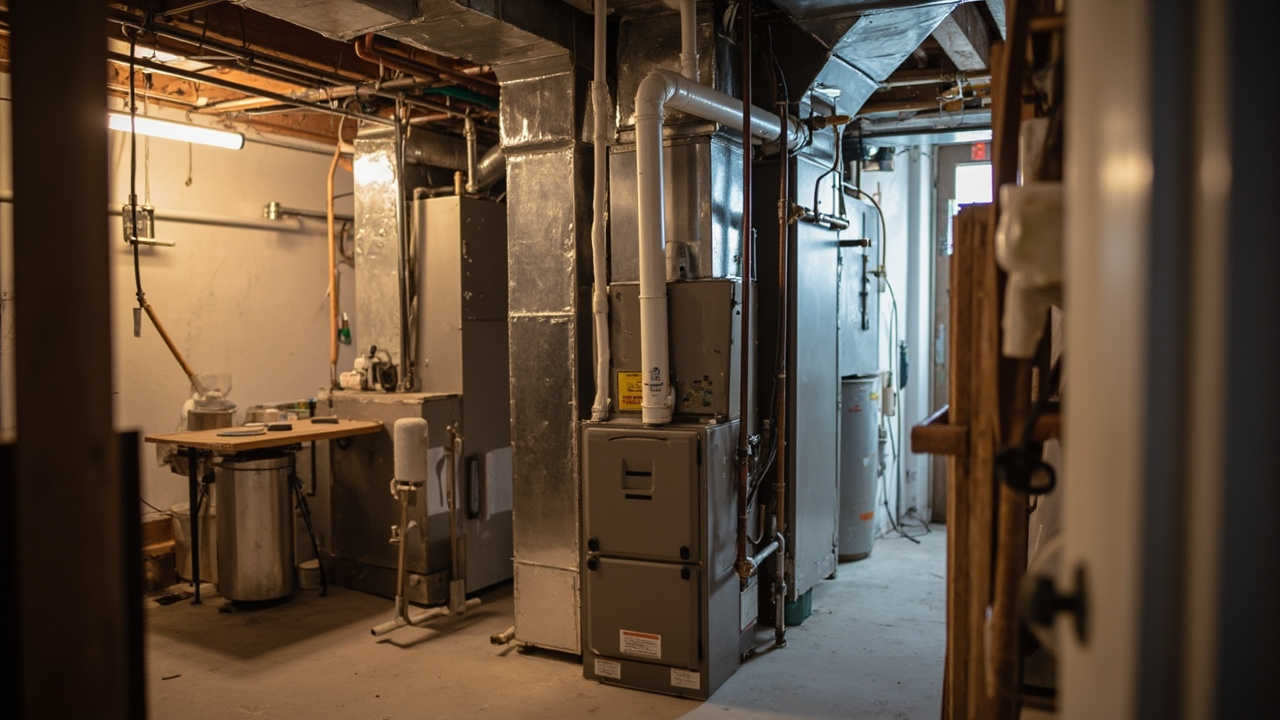
Heating a historic Oak Park bungalow requires a specialized approach that differs from modern suburban home maintenance. These iconic structures, known for their brick masonry and deep layouts, present unique challenges during the 2026 winter…
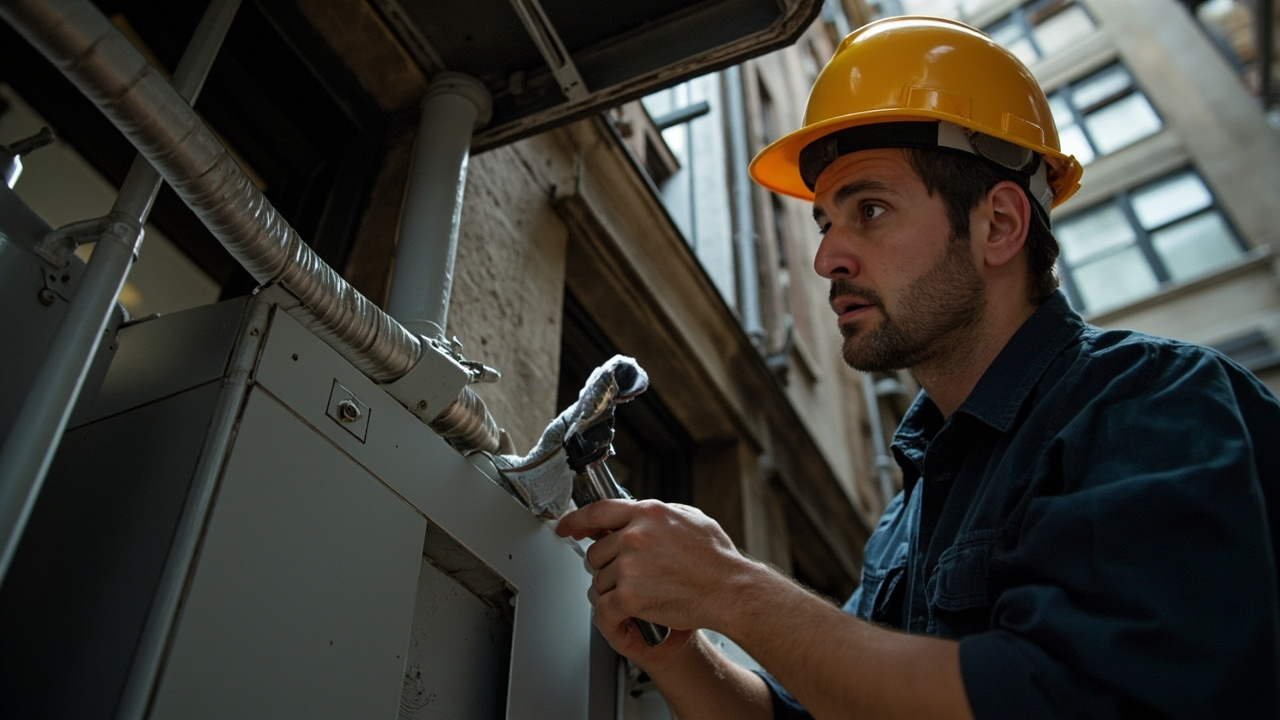
Professional duct cleaning services for Hyde Park townhomes and historical Chicago estatesLiving in a Hyde…
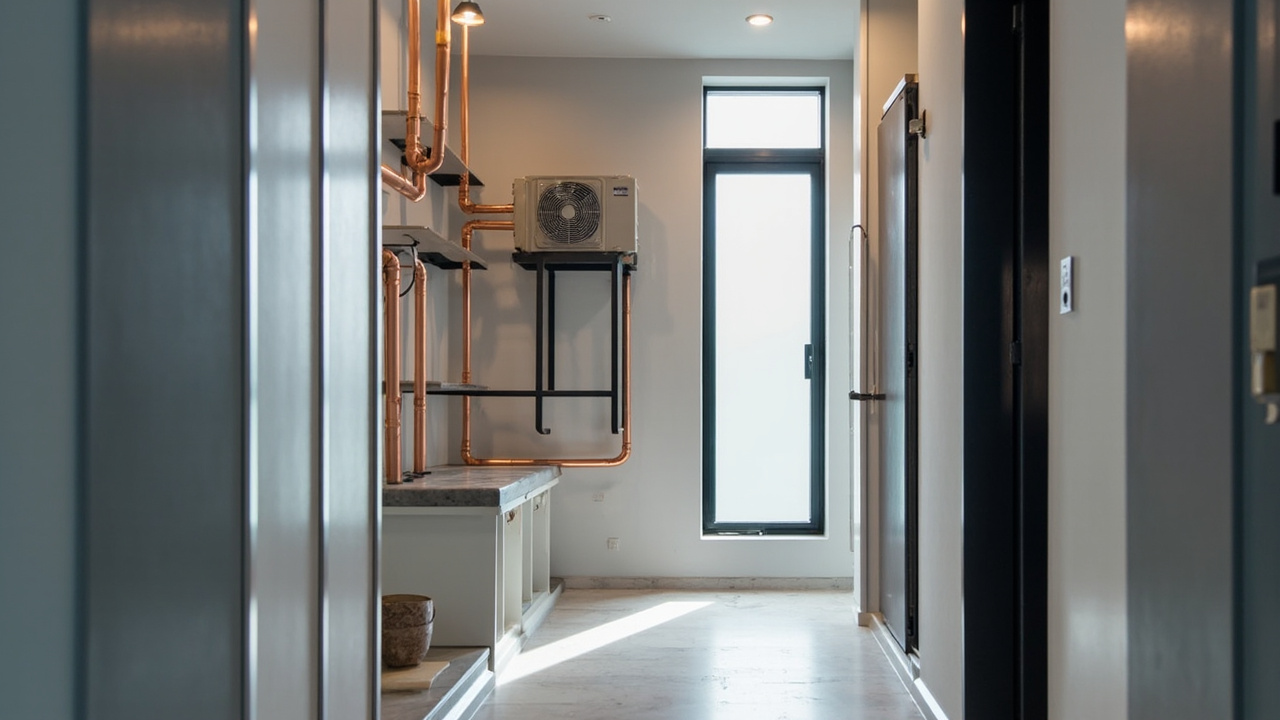
Living in a Gold Coast high rise offers some of the most spectacular views of…
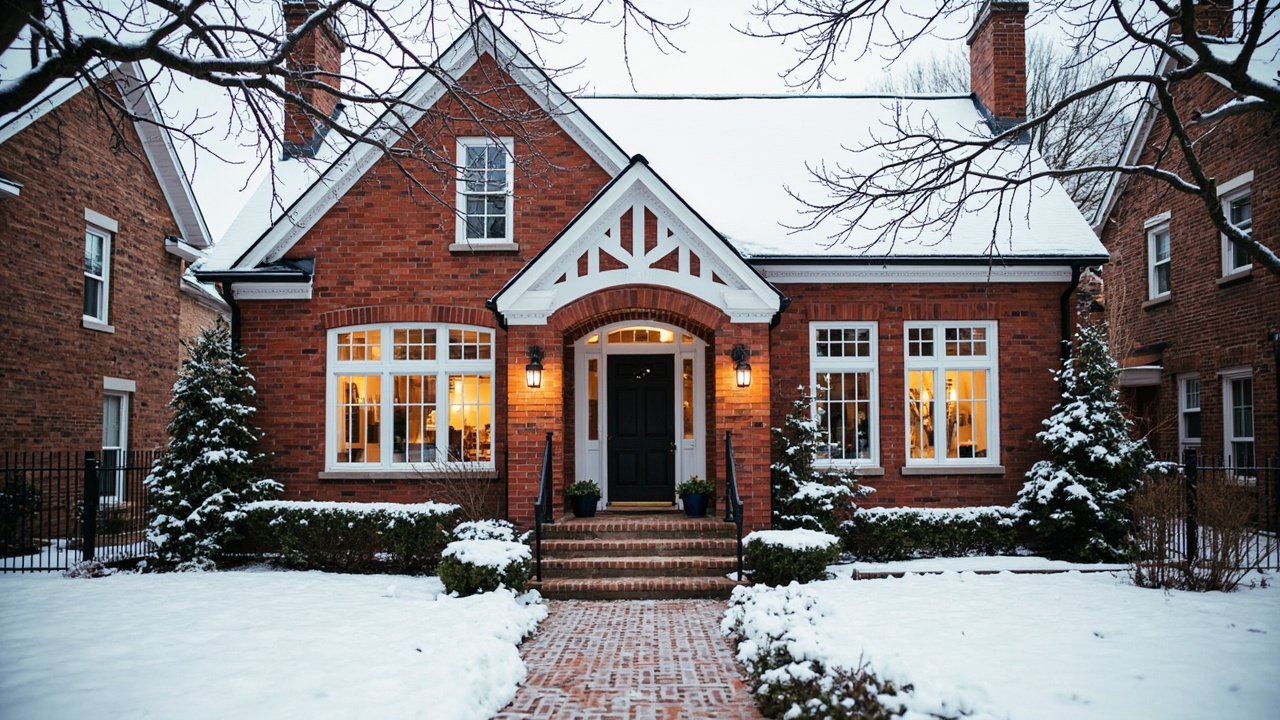
McKinley Park homeowners are increasingly transforming historic coach houses into legal living spaces. The expansion…
Your comfort matters. Call Five Star HVAC Chicago now at (708) 328-5999 for same-day service across Cicero. We answer emergency calls 24/7 and arrive within two hours. Our technicians diagnose the problem quickly and fix it right the first time.