





Peoria sits in the heart of Illinois, where the climate puts extreme stress on heating and cooling systems. Winter temperatures drop below zero, forcing furnaces to run continuously for weeks. Summer heat and humidity push air conditioners to their limits, with temperatures climbing into the 90s and humidity making it feel even hotter.
The Illinois River valley creates unique weather patterns. Cold air settles in low-lying areas near the riverfront and in neighborhoods like South Peoria. Homes on the bluffs in areas like the West Bluff face different challenges, with wind exposure increasing heat loss in winter. This temperature variation across the city means HVAC systems work harder than in more temperate climates.
Peoria's housing stock includes many older homes built before modern energy codes. These homes in historic districts like Moss Avenue and the Warehouse District often have outdated ductwork, insufficient insulation, and aging equipment. Upgrading these systems requires understanding both modern efficiency standards and the limitations of older construction.
The freeze-thaw cycles damage outdoor HVAC components. Condensate lines freeze, outdoor units ice over, and equipment fails when you need it most. Regular maintenance prevents these failures, but when problems strike, you need a service provider who understands local conditions and responds quickly.
Five Star HVAC Chicago brings Chicago-level expertise to Peoria's residential and commercial properties. We built our reputation on fast response times and quality work that lasts. When your system fails, you don't want excuses or delays. You want a technician at your door with the right parts and the skills to fix it.
Our service vehicles carry extensive parts inventory for all major brands. We stock common repair parts for Carrier, Trane, Lennox, Rheem, and Bryant systems. This means most repairs get completed in a single visit, not multiple trips while waiting for parts to arrive. We know that every hour without heat in January or cooling in August causes real discomfort and potential property damage.
We train our technicians on both legacy systems and modern high-efficiency equipment. Many Peoria homes still run furnaces and air conditioners from the 1990s and early 2000s. These older systems need technicians who understand their quirks and can source parts that aren't always readily available. At the same time, newer homes in developments near Grand Prairie and around the edges of Peoria have installed high-efficiency variable-speed systems that require specialized diagnostic tools and training.
Our pricing stays transparent. Before we start any repair, you see the cost in writing. No hidden fees, no surprise charges, no pressure to buy equipment you don't need. If your system can be repaired cost-effectively, we repair it. If replacement makes more financial sense, we explain why and give you options at different price points.

When your heat fails in winter or your AC dies in summer, we respond the same day. Our dispatchers prioritize emergency calls, and our technicians work evenings and weekends to restore comfort fast. We understand that HVAC failures create genuine emergencies, especially for families with young children or elderly residents.

Our trucks carry parts for all major brands and common failure points. Motors, capacitors, contactors, thermostats, and control boards are on board. This extensive inventory means we complete most repairs in one visit. You get your system running again without waiting days for parts to arrive from a warehouse.
Before any work begins, you see the complete cost in writing. We diagnose the problem, explain what needs to be done, and provide a firm price. No hidden fees appear on your invoice. You approve the work with full knowledge of what it costs, giving you control over repair decisions.
We know the common HVAC challenges across Peoria neighborhoods. From older homes near Bradley University to newer construction in Dunlap, we understand how local housing stock, climate patterns, and building practices affect system performance. This local knowledge helps us diagnose problems faster and recommend solutions that work long-term.
Five Star HVAC Chicago handles every aspect of residential and commercial heating and cooling. Our service range covers emergency repairs, planned maintenance, complete system replacements, and indoor air quality improvements. We work on furnaces, boilers, heat pumps, central air conditioners, ductless mini-splits, and packaged rooftop units.
Emergency repairs get priority scheduling. When your system fails, we diagnose the problem and restore operation as quickly as possible. For planned work like system replacements or efficiency upgrades, we schedule at your convenience and complete the job with minimal disruption.
Our maintenance programs keep systems running efficiently and catch small problems before they become expensive failures. Commercial clients rely on us for scheduled service that prevents downtime during critical business periods. Residential customers appreciate the peace of mind that comes from regular professional attention to their heating and cooling equipment.
We also address indoor air quality concerns. Poor ventilation, inadequate filtration, and humidity problems affect comfort and health. We install whole-house humidifiers, dehumidifiers, air cleaners, and UV lights. These improvements work alongside your heating and cooling system to create a healthier indoor environment.
System failures happen without warning. A furnace quits during a cold snap. An air conditioner dies during a heat wave. These aren't minor inconveniences. They create genuine emergencies that threaten comfort and safety. We respond the same day to diagnose problems and restore operation. Our technicians carry common repair parts and have the expertise to handle failures in systems from all major manufacturers. Most repairs get completed in a single visit.
Old equipment eventually reaches the end of its service life. Frequent repairs, rising energy bills, and declining performance signal it's time for replacement. We help you select the right equipment for your home's size, layout, and efficiency goals. Our installers handle complete changeouts, including ductwork modifications if needed. We pull permits, schedule required inspections, and ensure your new system meets all local codes and manufacturer specifications for warranty coverage.
Regular maintenance extends equipment life and prevents failures during peak heating and cooling seasons. Our maintenance visits include complete system inspection, cleaning, lubrication, and testing. We catch worn components before they fail and make minor adjustments that improve efficiency. Maintenance customers receive priority scheduling for service calls and discounts on repairs. Commercial clients rely on scheduled maintenance to avoid costly downtime during business hours.
Peoria's climate and housing stock create predictable HVAC challenges. Understanding these common problems helps homeowners recognize warning signs before small issues become expensive failures. Temperature extremes stress equipment. Older homes have ductwork and insulation issues. High humidity affects both comfort and equipment performance.
Many problems develop gradually. A furnace that struggles to maintain temperature during extreme cold may be undersized, have ductwork leaks, or need cleaning. An air conditioner that runs constantly without cooling properly might be low on refrigerant, have a failing compressor, or struggle with poor airflow. Early diagnosis prevents complete system failure and expensive emergency repairs.
Some issues are seasonal. Ice buildup on outdoor AC units during fall and spring indicates drainage problems. Frozen condensate lines in winter prevent furnaces from operating safely. These problems require immediate attention to prevent damage and restore comfort. Other issues develop over years as equipment ages and efficiency declines.
When temperatures drop below zero, furnaces run almost continuously. This extreme workload exposes weak components. Blower motors overheat, igniters crack, and heat exchangers develop cracks. A furnace that seemed fine in November can fail completely in January when you need it most. Emergency service restores heat quickly and prevents frozen pipes.
Summer heat and humidity push air conditioners to their limits. Compressors fail, capacitors burn out, and refrigerant leaks develop. Systems that worked fine in May struggle to keep up in July and August. High humidity makes indoor temperatures feel even hotter. Quick diagnosis and repair restore cooling before heat causes health problems or property damage.
Many Peoria homes have ductwork in unconditioned attics and crawl spaces. Leaks waste energy and reduce comfort. Poorly insulated ducts lose heat in winter and gain heat in summer. Rooms far from the furnace stay too cold or too hot. Sealing and insulating ductwork improves efficiency and solves uneven temperature problems throughout the house.
High-efficiency furnaces produce condensation that drains through plastic pipes. In winter, these lines freeze if they're not properly insulated or sloped. A frozen condensate line shuts down the furnace completely. Air conditioners also have condensate drainage that can clog with algae and dirt. Regular maintenance prevents these problems, but when they occur, clearing the blockage restores operation.
From your first phone call to job completion, we focus on clear communication and professional service. Our process eliminates surprises and puts you in control of decisions. You know what to expect at each step, from scheduling to final payment.
When you call, our dispatcher gathers information about your problem and schedules service based on urgency. Emergency calls get same-day response. Routine maintenance and non-emergency repairs schedule at your convenience. We provide arrival windows and call ahead when the technician is on the way.
Our technicians arrive in marked vehicles with full parts inventory. They present identification, respect your property, and explain what they're going to do. After diagnosis, you receive written estimates before any work begins. You approve the repair and the price. We complete the work efficiently and test the system thoroughly before leaving. Your invoice matches the estimate you approved.
When you call (708) 328-5999, you speak with knowledgeable dispatchers who understand HVAC problems. They ask the right questions to assess urgency and send the right technician with the right parts. You receive a scheduling window and a callback when the technician is on the way. We respect your time and keep you informed throughout the process.
Our technicians arrive in uniform with photo identification. They wear shoe covers, use drop cloths, and treat your property with respect. After diagnosing the problem, they explain what's wrong in clear language, not technical jargon. You understand what failed, why it failed, and what needs to be done. The written estimate shows parts and labor costs separately.
Once you approve the estimate, work begins immediately. Our technicians complete repairs efficiently and test all system functions before leaving. They explain what they did and answer your questions. The final invoice matches the approved estimate. We warranty our work and stand behind repairs. If you have any concerns after we leave, one phone call brings us back.
We designed our service process to be straightforward and stress-free. Three simple steps get your system diagnosed, repaired, and running properly. You stay informed and in control at each stage.
Call (708) 328-5999 or contact us online to describe your problem. Our dispatcher asks questions to understand the issue and your urgency level. Emergency calls get same-day response. Non-emergency service schedules at your convenience. We provide a time window and call ahead when the technician is on the way. You know exactly when to expect us.
The technician inspects your system and diagnoses the problem. They explain what's wrong, what caused it, and what needs to be fixed. You receive a written estimate showing parts and labor costs. If additional problems are discovered, we explain those too. Nothing gets repaired without your approval. You make informed decisions based on complete information.
After you approve the estimate, we complete the repair using quality parts and proven techniques. The technician tests all system functions, checks safety controls, and verifies proper operation. They explain what was done and answer your questions. You receive documentation of the work performed and warranty information. Your system runs properly, and you have peace of mind.
Professional HVAC service requires understanding building codes, safety standards, and manufacturer specifications. In Illinois, all HVAC work must comply with the International Mechanical Code as adopted by state and local jurisdictions. Furnace installations require permits and inspections to ensure safe venting, proper combustion air supply, and correct electrical connections.
Refrigerant handling requires EPA Section 608 certification. Different license types authorize work on different equipment. Only certified technicians can purchase refrigerants or service sealed refrigeration systems. When we repair or replace air conditioning equipment, we follow EPA regulations for refrigerant recovery, system evacuation, and proper charging procedures. These aren't suggestions. They're federal requirements that protect both environmental quality and system performance.
Equipment sizing requires careful calculation, not guesswork. Manual J load calculations determine the correct heating and cooling capacity for your home based on square footage, insulation levels, window area, orientation, and local climate data. Oversized equipment cycles on and off too frequently, reducing efficiency and equipment life. Undersized equipment runs continuously and never achieves comfortable temperatures. We size equipment correctly the first time.
Ductwork design affects both comfort and efficiency. The Air Conditioning Contractors of America publishes Manual D standards for duct sizing and layout. Proper duct design balances airflow throughout the home, minimizes noise, and reduces energy waste. When we install new equipment or modify existing systems, we follow these standards to ensure optimal performance. Poor ductwork undermines even the best equipment.
Combustion safety is critical for gas furnaces and boilers. We test for carbon monoxide, verify proper draft, and ensure adequate combustion air supply. Cracked heat exchangers, blocked vents, and insufficient combustion air create dangerous conditions. Our technicians use calibrated instruments to verify safe operation and identify potential hazards before they cause problems.
All HVAC installations in Illinois require permits and inspections. Municipal building departments enforce state codes for venting, electrical connections, and gas piping. We handle the permit process, schedule inspections, and ensure installations meet all requirements. Code compliance protects your safety, maintains your home's insurability, and preserves resale value. Unpermitted work creates liability and costly corrections.
Proper equipment sizing requires engineering calculations, not rule-of-thumb estimates. We perform Manual J load calculations to determine exact heating and cooling requirements for your home. Variables include insulation levels, window area and quality, air infiltration rates, and local climate conditions. Correctly sized equipment operates efficiently, maintains comfort, and lasts longer. Poor sizing creates problems that no amount of adjustment can fix.
Installation quality determines long-term performance and reliability. We follow manufacturer specifications exactly for refrigerant charging, airflow adjustment, and control setup. Ductwork connections seal tightly. Condensate drains slope properly. Electrical connections meet National Electrical Code requirements. Thorough installation takes longer but prevents callbacks and warranty problems. Equipment performs as designed when installed correctly.
Combustion equipment requires safety testing before and after service. We measure carbon monoxide levels, test pressure switches, and verify proper venting. Gas connections get leak-checked with electronic detectors. Heat exchangers are inspected for cracks. These safety checks identify hazards that could cause property damage or health problems. Professional service includes comprehensive safety verification.
This video explains HVAC repair services in Peoria provided by Five Star HVAC Chicago. Learn about common heating and cooling problems caused by local climate conditions, what to expect during emergency service calls, and how professional technicians diagnose and repair furnaces and air conditioners. Coverage includes system failures, ductwork issues, maintenance needs, and the importance of proper equipment sizing and code compliance for Peoria area homes and businesses.
Five Star HVAC Chicago serves residential and commercial customers throughout the greater Peoria area. Our service territory covers the historic West Bluff neighborhood, where older homes require expertise with legacy heating systems and challenging ductwork layouts. We work extensively in South Peoria along the riverfront, where humidity and flooding concerns affect equipment placement and outdoor unit protection.
The North Valley area, including neighborhoods near Glen Oak Park and Bradley University, represents a mix of housing ages and system types. Student rental properties need reliable heating and cooling with minimal maintenance. Family homes in established neighborhoods balance efficiency improvements with budget constraints. We understand these different needs and recommend solutions that match each property's situation.
East Peoria across the river presents its own service challenges. Commercial properties along the Route 116 corridor require scheduled maintenance to prevent business disruptions. The Levee District entertainment area needs reliable climate control for restaurants and venues. We schedule commercial service during off-hours to minimize impact on operations.
Surrounding communities including Pekin to the south, Morton to the east, and Dunlap to the north all fall within our regular service area. Newer subdivisions in these growing communities have modern high-efficiency equipment that requires specialized diagnostic tools and training. We invest in equipment and education to service these advanced systems properly.
North Peoria neighborhoods like Sheridan and upland areas near War Memorial Drive face different challenges than riverfront properties. Elevation changes affect drainage and outdoor unit placement. Wind exposure increases heat loss in winter. Ductwork in vented attics experiences more extreme temperature swings than basement installations. We account for these microclimate differences when diagnosing problems and recommending solutions.
The Warehouse District downtown has seen significant redevelopment, with historic buildings converted to lofts and modern commercial spaces. These renovations require creative HVAC solutions that respect historic architecture while providing modern comfort. We work with contractors and building owners to design systems that meet current codes without compromising architectural character.
The $5000 rule is a guideline for deciding whether to repair or replace your HVAC system. Multiply the age of your unit by the repair cost. If the total exceeds $5000, replacement makes more financial sense. For example, if your 12-year-old furnace needs a $500 repair, that equals $6000, so replacement wins. In Peoria, where humidity and temperature swings stress equipment, older units often fail repeatedly. Factor in energy savings from newer models and comfort improvements when making your decision. This rule helps you avoid throwing money into a failing system.
HVAC job costs vary widely based on scope. Furnace replacements typically range from mid-tier to premium pricing depending on efficiency ratings and tonnage. Air conditioning installations follow similar patterns. Ductwork modification, zoning systems, and heat pump installations add complexity and cost. In Peoria, where homes face cold winters and humid summers, proper sizing matters more than square footage alone. Variables include existing ductwork condition, electrical panel capacity, and accessibility. Emergency repairs cost more than scheduled service. Get multiple quotes and verify contractor licenses. Costs reflect equipment quality, labor, permits, and warranty coverage.
A 2000 square foot home in Peoria typically requires a 2.5 to 3.5 ton system, but square footage alone does not determine cost. Insulation quality, window efficiency, ceiling height, and ductwork condition all affect sizing and pricing. Split systems with standard efficiency cost less than high-efficiency heat pumps or variable-speed units. Peoria's climate demands equipment that handles humidity and temperature extremes. Two-story homes need better airflow balancing. Older homes with outdated ductwork add expense. Expect investment levels to reflect your comfort priorities and energy goals. Proper load calculations prevent oversizing and undersizing.
The $5000 rule is a guideline for deciding whether to repair or replace your HVAC system. Multiply the age of your unit by the repair cost. If the total exceeds $5000, replacement makes more financial sense. For example, if your 12-year-old furnace needs a $500 repair, that equals $6000, so replacement wins. In Peoria, where humidity and temperature swings stress equipment, older units often fail repeatedly. Factor in energy savings from newer models and comfort improvements when making your decision. This rule helps you avoid throwing money into a failing system.
HVAC job costs vary widely based on scope. Furnace replacements typically range from mid-tier to premium pricing depending on efficiency ratings and tonnage. Air conditioning installations follow similar patterns. Ductwork modification, zoning systems, and heat pump installations add complexity and cost. In Peoria, where homes face cold winters and humid summers, proper sizing matters more than square footage alone. Variables include existing ductwork condition, electrical panel capacity, and accessibility. Emergency repairs cost more than scheduled service. Get multiple quotes and verify contractor licenses. Costs reflect equipment quality, labor, permits, and warranty coverage.
A 2000 square foot home in Peoria typically requires a 2.5 to 3.5 ton system, but square footage alone does not determine cost. Insulation quality, window efficiency, ceiling height, and ductwork condition all affect sizing and pricing. Split systems with standard efficiency cost less than high-efficiency heat pumps or variable-speed units. Peoria's climate demands equipment that handles humidity and temperature extremes. Two-story homes need better airflow balancing. Older homes with outdated ductwork add expense. Expect investment levels to reflect your comfort priorities and energy goals. Proper load calculations prevent oversizing and undersizing.
Illinois HVAC system costs reflect regional factors like installation complexity, permit requirements, and seasonal demand. Furnace and air conditioner combinations vary based on efficiency ratings, brand selection, and home size. Peoria installations account for our freeze-thaw cycles and summer humidity. Gas furnace availability and natural gas infrastructure affect pricing. High-efficiency systems qualify for utility rebates through Ameren Illinois, reducing upfront investment. Installation costs include labor, permits, ductwork modifications, and thermostat upgrades. Spring and fall offer better scheduling flexibility. Compare warranties, efficiency ratings, and contractor experience when evaluating bids. Quality installation matters more than equipment brand alone.
HVAC systems last 15 to 20 years with proper maintenance, but Peoria's climate can shorten that window. Furnaces endure cold-start stress during harsh winters. Air conditioners work harder in humid conditions. Heat pumps cycle more frequently, wearing components faster. Annual maintenance extends lifespan by catching small issues before they cascade. Dirty filters force systems to overwork. Ductwork leaks waste energy and strain equipment. Neglected units fail at 10 to 12 years. Quality installation, regular tune-ups, and prompt repairs maximize your investment. If your system approaches 15 years and needs frequent fixes, plan for replacement.
High-efficiency HVAC systems may qualify for federal tax credits in 2025 under the Inflation Reduction Act. Energy Star certified heat pumps, central air conditioners, and furnaces meeting specific efficiency thresholds are eligible. Credits cover a percentage of equipment and installation costs, with annual caps. You must claim credits when filing taxes, not as instant rebates. Ameren Illinois also offers rebates for qualifying upgrades. Consult a tax professional to verify eligibility based on your specific installation. Keep receipts, manufacturer certifications, and contractor documentation. These incentives offset replacement costs and improve long-term energy savings for Peoria homeowners.
Peoria homeowners face predictable HVAC repairs due to our climate extremes. Igniter failures plague furnaces during cold snaps. Capacitor burnout tops summer repair lists when air conditioners run nonstop. Refrigerant leaks reduce cooling capacity. Blower motor failures interrupt airflow. Thermostat malfunctions cause erratic cycling. Clogged condensate drains from high humidity lead to water damage. Cracked heat exchangers pose safety risks in older furnaces. Contactor failure prevents compressors from starting. Dirty evaporator coils freeze up. Limit switch issues cause furnaces to overheat. Regular maintenance catches these problems early, preventing emergency breakdowns and extending equipment life.
The compressor is the most expensive component in an HVAC system. This pump pressurizes refrigerant and drives the cooling cycle. Compressor failure often costs more than half the price of a new outdoor unit. Heat exchangers in furnaces rank second, especially when cracks develop, creating carbon monoxide risks. Variable-speed blower motors cost significantly more than single-speed versions. Circuit boards and control modules add up quickly. In Peoria, compressor failures increase during extreme heat when units run continuously. Age, poor maintenance, and electrical issues cause premature failure. When these components fail on older systems, replacement beats repair.
Time your HVAC replacement during shoulder seasons when contractors offer better pricing and availability. Get multiple quotes from licensed contractors. Choose appropriately sized equipment, not oversized units that cost more and perform worse. Consider mid-tier efficiency ratings that balance cost and savings. Utility rebates through Ameren Illinois reduce upfront expense. Federal tax credits apply to qualifying systems. Maintain existing ductwork if it is in good condition. Finance options spread costs over time. In Peoria, addressing insulation and air sealing before replacement maximizes system efficiency. Avoid emergency replacements by planning ahead when your system approaches 15 years old.
Fall and spring offer the best HVAC purchasing opportunities in Peoria. Contractors have lighter schedules between peak heating and cooling seasons, allowing better installation dates and competitive pricing. October and November work well for furnace installations before winter demand spikes. April and May suit air conditioner replacements before summer heat arrives. Avoid July and January when emergency replacements dominate contractor schedules and prices rise. Manufacturers release new models in spring, creating closeout deals on prior-year inventory. Plan ahead rather than waiting for failure. Off-season purchases give you negotiating leverage and ensure proper installation without rushed timelines.
Illinois HVAC system costs reflect regional factors like installation complexity, permit requirements, and seasonal demand. Furnace and air conditioner combinations vary based on efficiency ratings, brand selection, and home size. Peoria installations account for our freeze-thaw cycles and summer humidity. Gas furnace availability and natural gas infrastructure affect pricing. High-efficiency systems qualify for utility rebates through Ameren Illinois, reducing upfront investment. Installation costs include labor, permits, ductwork modifications, and thermostat upgrades. Spring and fall offer better scheduling flexibility. Compare warranties, efficiency ratings, and contractor experience when evaluating bids. Quality installation matters more than equipment brand alone.
HVAC systems last 15 to 20 years with proper maintenance, but Peoria's climate can shorten that window. Furnaces endure cold-start stress during harsh winters. Air conditioners work harder in humid conditions. Heat pumps cycle more frequently, wearing components faster. Annual maintenance extends lifespan by catching small issues before they cascade. Dirty filters force systems to overwork. Ductwork leaks waste energy and strain equipment. Neglected units fail at 10 to 12 years. Quality installation, regular tune-ups, and prompt repairs maximize your investment. If your system approaches 15 years and needs frequent fixes, plan for replacement.
High-efficiency HVAC systems may qualify for federal tax credits in 2025 under the Inflation Reduction Act. Energy Star certified heat pumps, central air conditioners, and furnaces meeting specific efficiency thresholds are eligible. Credits cover a percentage of equipment and installation costs, with annual caps. You must claim credits when filing taxes, not as instant rebates. Ameren Illinois also offers rebates for qualifying upgrades. Consult a tax professional to verify eligibility based on your specific installation. Keep receipts, manufacturer certifications, and contractor documentation. These incentives offset replacement costs and improve long-term energy savings for Peoria homeowners.
Peoria homeowners face predictable HVAC repairs due to our climate extremes. Igniter failures plague furnaces during cold snaps. Capacitor burnout tops summer repair lists when air conditioners run nonstop. Refrigerant leaks reduce cooling capacity. Blower motor failures interrupt airflow. Thermostat malfunctions cause erratic cycling. Clogged condensate drains from high humidity lead to water damage. Cracked heat exchangers pose safety risks in older furnaces. Contactor failure prevents compressors from starting. Dirty evaporator coils freeze up. Limit switch issues cause furnaces to overheat. Regular maintenance catches these problems early, preventing emergency breakdowns and extending equipment life.
The compressor is the most expensive component in an HVAC system. This pump pressurizes refrigerant and drives the cooling cycle. Compressor failure often costs more than half the price of a new outdoor unit. Heat exchangers in furnaces rank second, especially when cracks develop, creating carbon monoxide risks. Variable-speed blower motors cost significantly more than single-speed versions. Circuit boards and control modules add up quickly. In Peoria, compressor failures increase during extreme heat when units run continuously. Age, poor maintenance, and electrical issues cause premature failure. When these components fail on older systems, replacement beats repair.
Time your HVAC replacement during shoulder seasons when contractors offer better pricing and availability. Get multiple quotes from licensed contractors. Choose appropriately sized equipment, not oversized units that cost more and perform worse. Consider mid-tier efficiency ratings that balance cost and savings. Utility rebates through Ameren Illinois reduce upfront expense. Federal tax credits apply to qualifying systems. Maintain existing ductwork if it is in good condition. Finance options spread costs over time. In Peoria, addressing insulation and air sealing before replacement maximizes system efficiency. Avoid emergency replacements by planning ahead when your system approaches 15 years old.
Fall and spring offer the best HVAC purchasing opportunities in Peoria. Contractors have lighter schedules between peak heating and cooling seasons, allowing better installation dates and competitive pricing. October and November work well for furnace installations before winter demand spikes. April and May suit air conditioner replacements before summer heat arrives. Avoid July and January when emergency replacements dominate contractor schedules and prices rise. Manufacturers release new models in spring, creating closeout deals on prior-year inventory. Plan ahead rather than waiting for failure. Off-season purchases give you negotiating leverage and ensure proper installation without rushed timelines.
Whether you’re dealing with a heating emergency or planning an AC upgrade, Five Star is just around the corner. Serving Chicago and surrounding communities, we’re proud to be the go-to HVAC company for homes and businesses alike. Use the map below to locate us quickly, or give us a call for directions or on-site service availability. We’re always ready to help, no matter where you are in the area — because comfort should never be out of reach.
Address:
Peoria, IL, 61604
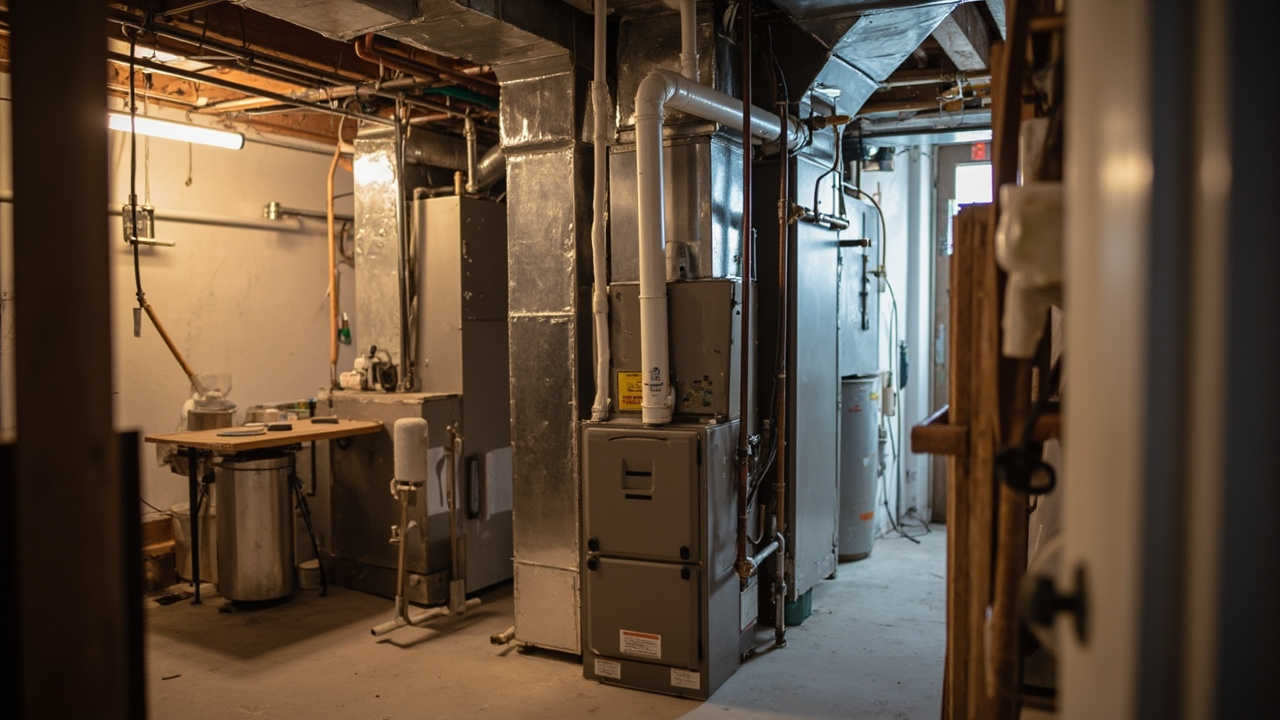
Heating a historic Oak Park bungalow requires a specialized approach that differs from modern suburban home maintenance. These iconic structures, known for their brick masonry and deep layouts, present unique challenges during the 2026 winter…
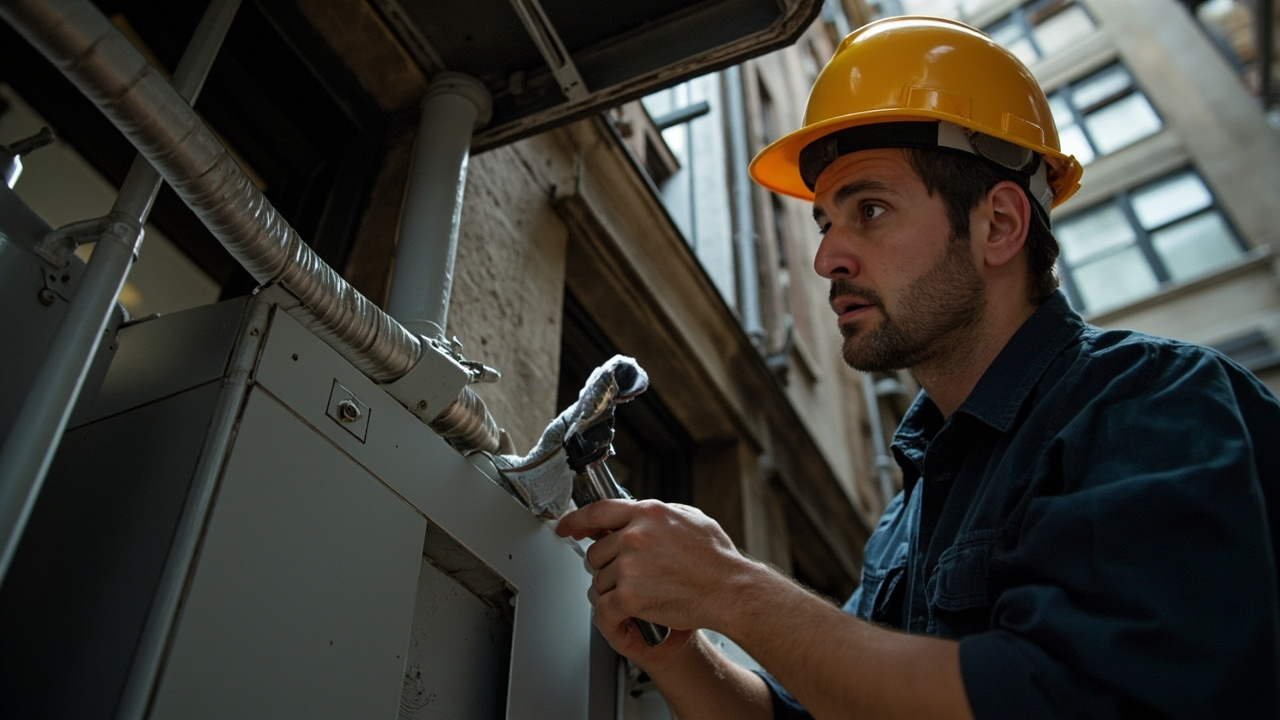
Professional duct cleaning services for Hyde Park townhomes and historical Chicago estatesLiving in a Hyde…
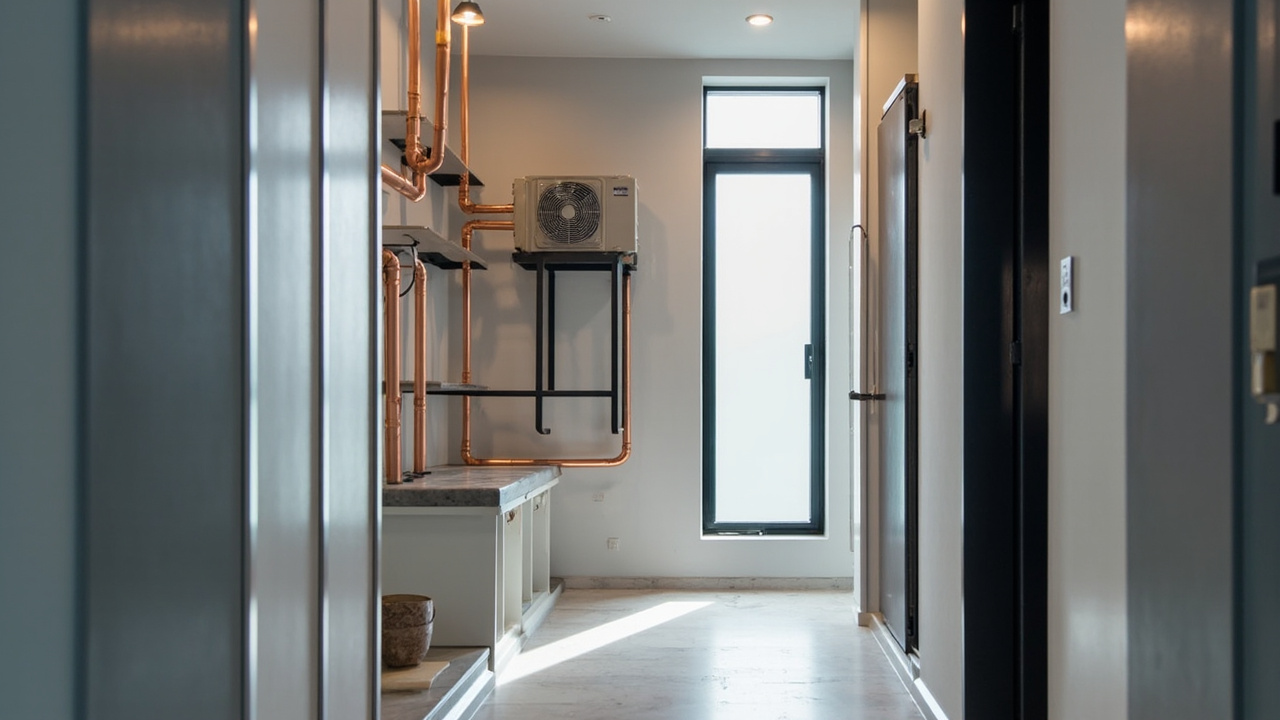
Living in a Gold Coast high rise offers some of the most spectacular views of…
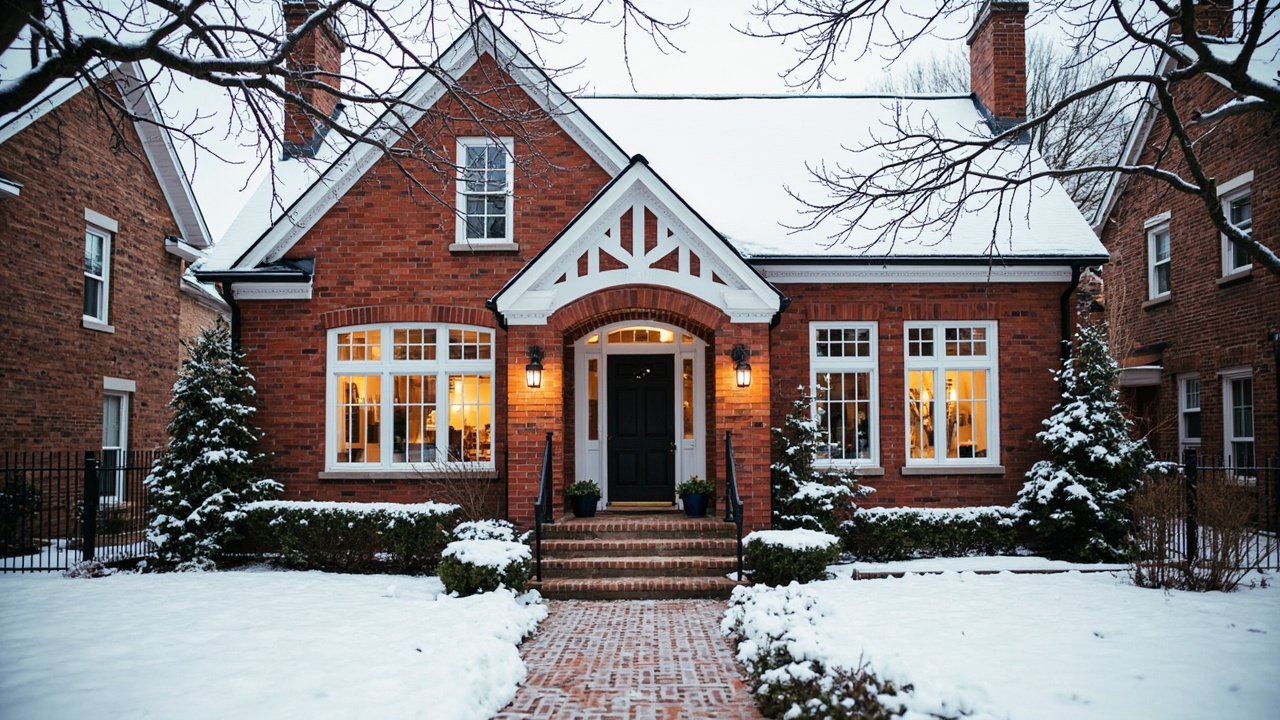
McKinley Park homeowners are increasingly transforming historic coach houses into legal living spaces. The expansion…
Don't wait when your heating or cooling system fails. Call Five Star HVAC Chicago at (708) 328-5999 for same-day emergency service. We respond quickly, diagnose accurately, and fix problems right the first time. Your comfort matters.