



menu

Signs of Carbon Monoxide in Chicago – Recognize the Warning Signs Before It's Too Late

Learn how to identify carbon monoxide poisoning symptoms in your Chicago home and understand when your heating system poses a silent threat to your family's safety.

Slider Image 1
Slider Image 2
Slider Image 3
Slider Image 4
Slider Image 5
Slider Image 7
Slider Image 8
Slider Image 9
Slider Image 10
Slider Image 11

Chicago's Heating Season Creates Hidden Carbon Monoxide Dangers

Chicago winters force furnaces to run harder and longer than almost anywhere else in the country. When temperatures drop below zero for weeks at a time, your heating system works overtime, and that's when carbon monoxide risks spike.

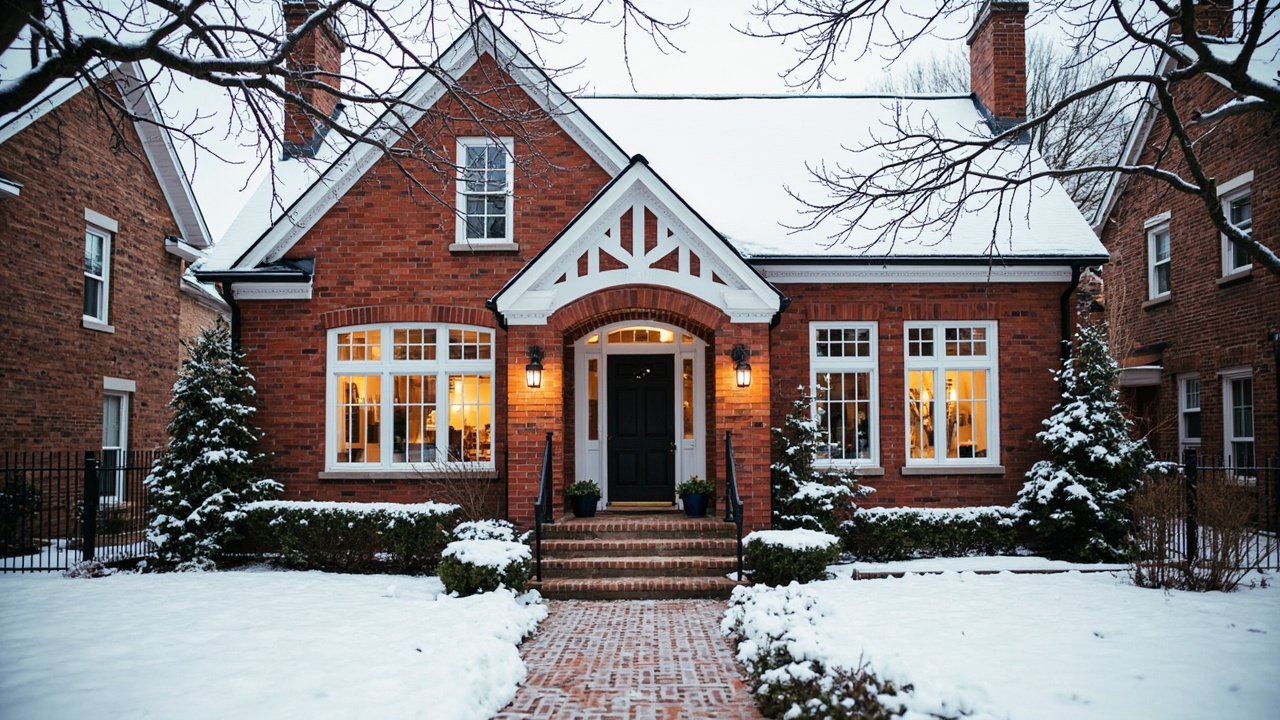
Carbon monoxide poisoning symptoms often appear during the coldest months when homes are sealed tight against the brutal wind chill coming off Lake Michigan. You close every window, stuff towels under doors, and create the perfect environment for this odorless gas to accumulate.

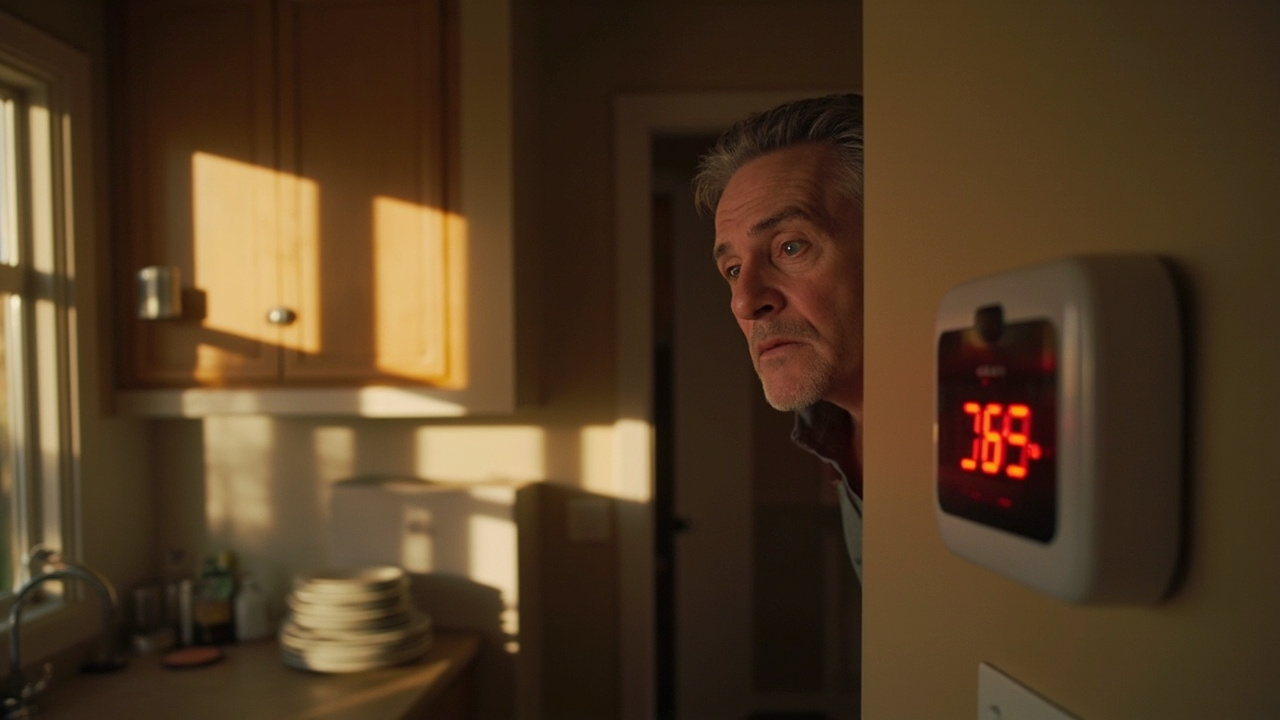
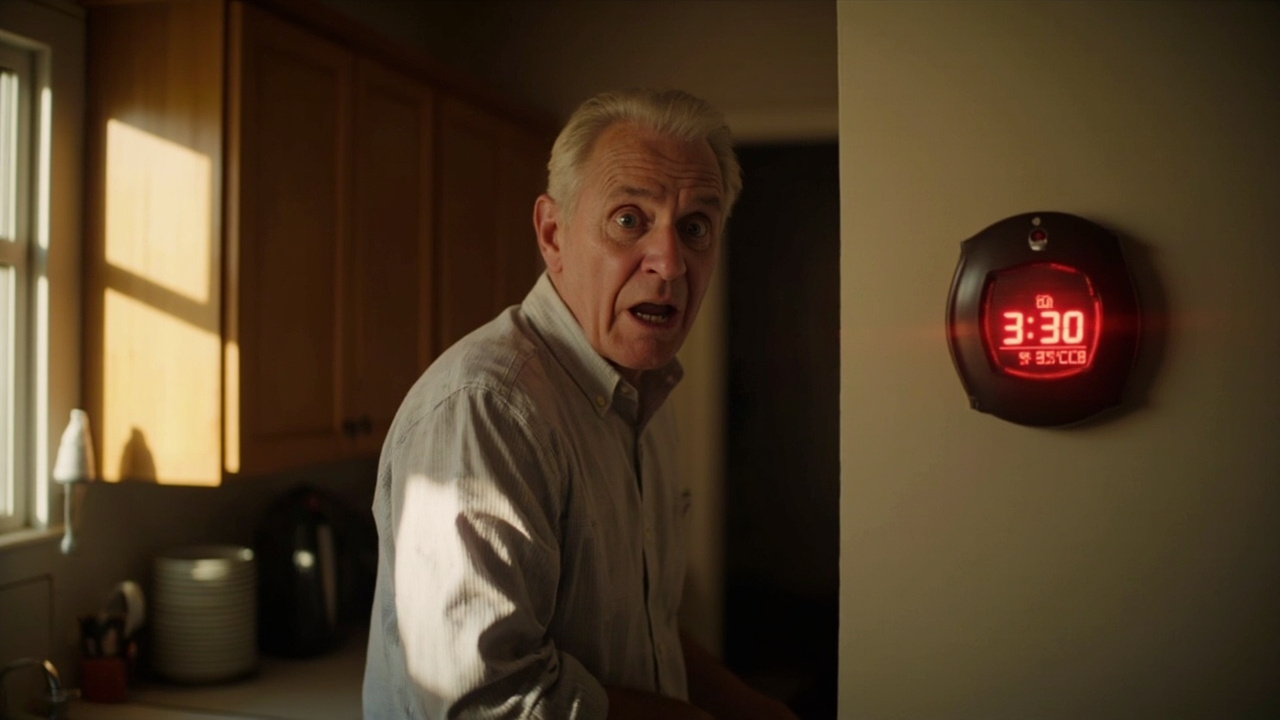
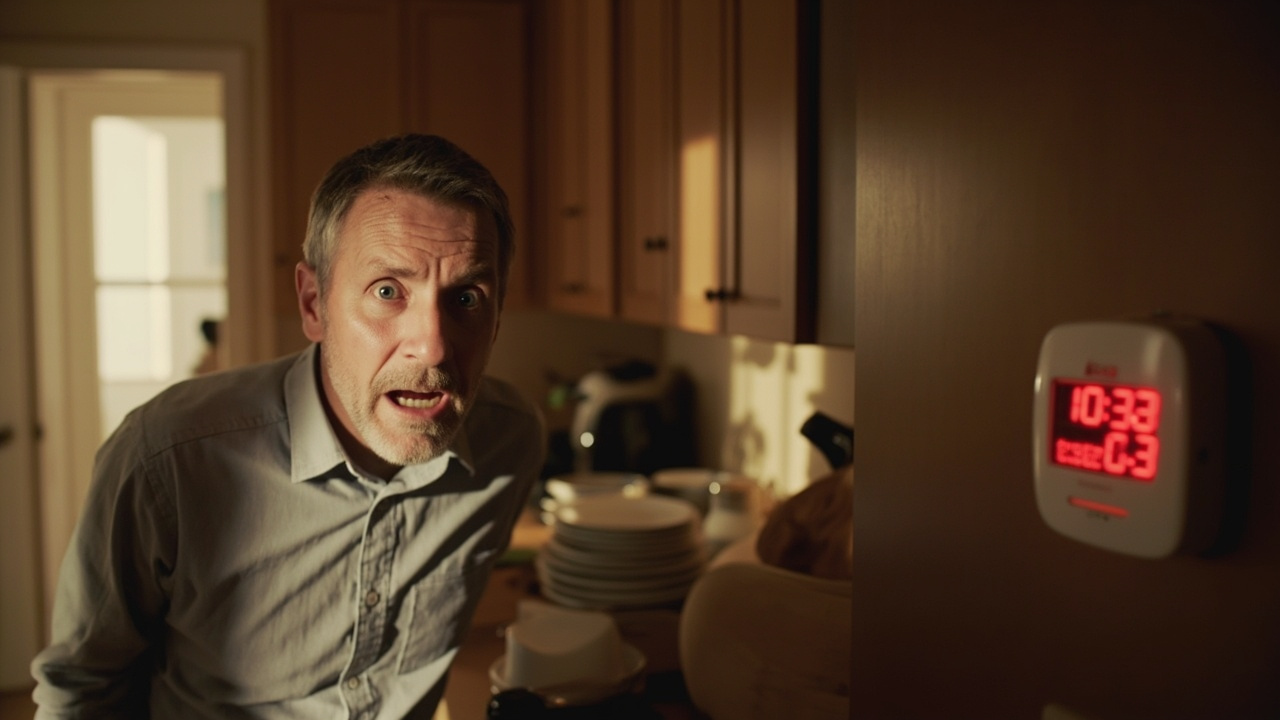
The warning signs of carbon monoxide exposure mimic the flu. You feel tired, dizzy, confused, or nauseous. Your head pounds. You might blame it on the winter blues or a virus going around your neighborhood. Meanwhile, faulty combustion in your furnace, water heater, or boiler releases carbon monoxide into your living space.

Older homes in neighborhoods like Lincoln Park, Wicker Park, and Hyde Park face higher risks. Many still use original cast iron radiators connected to aging boilers. Cracked heat exchangers in forced air furnaces are common after 15 to 20 years of Chicago freeze-thaw cycles. When exhaust gases leak into your ductwork instead of venting outside, you breathe poison with every heating cycle.

Carbon monoxide symptoms often affect everyone in the house at once. Pets show signs first. They become lethargic or sick. Then children complain of headaches. Adults feel foggy and weak. If symptoms improve when you leave home and return when you come back, you likely have a carbon monoxide leak.

The indicators of carbon monoxide include physical symptoms and equipment clues. Yellow or orange flames instead of blue flames signal incomplete combustion. Soot buildup around your furnace or water heater means something's wrong. Excess moisture on windows suggests ventilation problems that trap exhaust gases indoors.

Chicago's Heating Season Creates Hidden Carbon Monoxide Dangers
How Professional Carbon Monoxide Detection Protects Chicago Families

How Professional Carbon Monoxide Detection Protects Chicago Families

Detecting carbon monoxide requires specialized equipment and training. Store-bought detectors provide basic protection, but they only sound an alarm after concentrations reach dangerous levels. Professional assessment identifies problems before they become life-threatening.

We use low-level carbon monoxide monitors that detect parts per million far below what triggers residential alarms. These industrial-grade analyzers reveal minor leaks that expose you to chronic, low-level poisoning over weeks or months. You won't end up in the emergency room, but you'll feel tired, foggy, and sick without knowing why.

Our technicians test ambient air throughout your home and measure carbon monoxide directly at potential sources. We place probes in supply plenums, near draft hoods, and around appliance exhaust points. Combustion analysis tools measure flue gas composition and draft pressure to verify complete combustion and proper venting.

A thorough carbon monoxide inspection examines every fuel-burning appliance. We check your furnace heat exchanger for cracks using video inspection equipment. We verify proper gas pressure and air-fuel mixture. We test draft strength to confirm exhaust gases exit through the flue instead of spilling into your basement or utility room.

Vent pipes need inspection too. Chicago's temperature swings cause expansion and contraction that loosens joints and creates gaps. We look for rust, corrosion, and improper slope that allows condensation to pool and block exhaust flow. We verify clearances to combustible materials and check for bird nests or debris blocking termination points.

The furnace is just one source. Water heaters, boilers, gas fireplaces, and ranges all produce carbon monoxide. We test each appliance under operating conditions to measure actual carbon monoxide production. Some units produce zero carbon monoxide when new but develop problems as components wear out.

What Happens During a Carbon Monoxide Safety Inspection

Signs of Carbon Monoxide in Chicago – Recognize the Warning Signs Before It's Too Late
01

Initial Air Quality Testing

We start by measuring baseline carbon monoxide levels throughout your home using calibrated electronic monitors. This tells us if you currently have a leak before we even look at equipment. We test breathing zones in bedrooms, living areas, and near sleeping areas where exposure causes the most harm. We also check your basement and utility room where furnaces and water heaters are located.
02

Appliance Combustion Analysis

Next, we test each fuel-burning appliance individually. We measure carbon monoxide in flue gases, verify draft strength, and check for spillage when the appliance fires. We inspect heat exchangers, burner flames, and ignition systems for defects that cause incomplete combustion. We test under actual operating conditions with all exhaust fans running to simulate real-world conditions that might create backdrafting.
03

Documentation and Recommendations

We provide a detailed report showing carbon monoxide measurements at each test location and appliance. If we find problems, we explain the source, severity, and corrective action needed. We prioritize issues based on immediate danger versus maintenance concerns. You receive clear recommendations about what needs immediate attention and what to monitor going forward for long-term safety.

Why Chicago Homeowners Trust Local HVAC Experts for Carbon Monoxide Safety

Carbon monoxide detection requires more than a certification. It demands experience with Chicago's unique housing stock and heating systems. A technician who grew up servicing Chicago bungalows, greystones, and vintage apartment buildings understands the specific failure points that cause carbon monoxide leaks in these structures.

Chicago's extreme temperature swings create thermal stress that cracks heat exchangers faster than in milder climates. Our technicians know which furnace models from the 1990s and early 2000s have pattern failures. We know that Chicago's high humidity causes corrosion in vent pipes and draft hoods. We recognize when a furnace installed in a basement with inadequate combustion air will backdraft on windy days.

Local building codes require carbon monoxide detectors within 15 feet of sleeping areas. Chicago updated its carbon monoxide ordinance in 2007 after several tragic deaths. Landlords and homeowners must install approved detectors, but the law doesn't require professional testing of heating equipment. That's a gap. A detector only warns you after the problem starts. Professional inspection prevents the problem.

We understand Chicago's mix of natural gas and heating oil systems. While most homes use natural gas, many older buildings in neighborhoods near the lakefront still burn heating oil. Oil furnaces and boilers produce different combustion byproducts and require different testing procedures. We carry equipment for both fuel types.

Chicago's housing density means carbon monoxide problems in one unit can affect neighbors. Shared flues in multi-unit buildings create risks when one tenant's furnace backdrafts into another tenant's apartment. We understand the complexities of testing carbon monoxide in two-flats, three-flats, and small apartment buildings where multiple heating systems share common spaces.

Experience with Chicago's utility providers matters too. We know how Peoples Gas and Nicor Gas respond to carbon monoxide calls. We understand when to recommend calling the utility emergency line versus handling the repair ourselves.

What to Expect When You Schedule Carbon Monoxide Testing

Same-Day Emergency Response

If your carbon monoxide detector sounds or family members show symptoms of poisoning, we respond immediately. Get everyone outside into fresh air and call 911 first. Once the fire department clears the scene, we can come out the same day to identify the source and make your home safe again. For non-emergency inspections, we typically schedule within 48 hours. Testing takes one to two hours depending on how many appliances you have. We work around your schedule because we know carbon monoxide doesn't wait for business hours.

Comprehensive Multi-Point Testing

Our technicians arrive with electronic combustion analyzers, digital carbon monoxide monitors, and pressure testing equipment. We don't just check your furnace. We test every gas appliance, including your water heater, range, dryer, and fireplace. We measure carbon monoxide in flue gases, check draft strength, and verify proper venting. We inspect for cracked heat exchangers, damaged vent pipes, and blocked flues. We test your home's carbon monoxide detectors to confirm they work properly. You get a written report with measurements at each test point.

Clear Safety Results

When testing is complete, you'll know exactly whether your home is safe. If we find a carbon monoxide source, we explain the problem in plain terms and show you the measurements. We prioritize fixes based on danger level. A cracked heat exchanger requires immediate furnace shutdown. A poorly adjusted burner can wait a few days. We provide written documentation you can share with landlords, property managers, or insurance companies if needed. Our goal is to give you peace of mind backed by data.

Annual Inspection Programs

Carbon monoxide safety requires ongoing vigilance. Equipment that tests clean today can develop problems next winter. We offer annual inspection programs that include carbon monoxide testing as part of routine furnace maintenance. Fall inspections before heating season starts catch problems before you need your furnace. Spring inspections after heating season verify your equipment survived another Chicago winter. Regular testing protects your family year after year. We keep records of previous test results to track trends and identify developing problems before they become dangerous.

Frequently Asked Questions

You Have Questions,
We Have Answers

What are signs of carbon monoxide in the house? +

Carbon monoxide is invisible and odorless, so you cannot detect it with your senses. Physical symptoms in people include headaches, dizziness, nausea, confusion, chest pain, and fatigue. These signs often mimic the flu but without fever. Watch for yellow or orange furnace flames instead of blue, soot buildup around appliances, or excessive moisture on windows. In Chicago homes with older heating systems, cracked heat exchangers and blocked vents from winter ice dams increase risk. If multiple people feel sick indoors but better outside, evacuate immediately and call 911. Install battery-backup CO detectors on every floor.

How long after carbon monoxide exposure do you get symptoms? +

Symptoms appear quickly depending on concentration levels. Low-level exposure causes headaches and fatigue within one to two hours. Moderate exposure triggers confusion, vomiting, and chest pain within 30 to 60 minutes. High concentrations cause loss of consciousness in minutes. Chicago residents running furnaces continuously during cold snaps face higher risk if equipment malfunctions. Delayed symptoms can appear hours after exposure ends, especially neurological effects. If you suspect exposure, seek medical evaluation immediately even if symptoms seem mild. Carbon monoxide binds to hemoglobin 200 times stronger than oxygen, starving organs of oxygen rapidly.

How can I check if I have carbon monoxide? +

Install UL-listed carbon monoxide detectors with digital displays on every level of your home, near bedrooms, and close to fuel-burning appliances. Test detectors monthly and replace batteries twice yearly. Devices cost 20 to 50 dollars and save lives. Schedule annual inspections of your furnace, water heater, and gas appliances with a licensed HVAC technician. In Chicago, where heating systems run six months yearly, professional inspections catch cracked heat exchangers and blocked flues before they become deadly. If your detector alarms, evacuate immediately, call 911, and do not re-enter until cleared by emergency responders.

What gas is known as the silent killer? +

Carbon monoxide earns the name silent killer because it has no smell, taste, or color. You cannot detect it without specialized equipment. It kills by displacing oxygen in your bloodstream, causing organ failure and death. The Centers for Disease Control reports over 400 Americans die annually from unintentional CO poisoning, with thousands hospitalized. Chicago winters increase risk as residents seal homes tightly and run heating systems continuously. Faulty furnaces, blocked chimneys, and poor ventilation turn living spaces deadly within hours. Unlike natural gas, which contains an added odor for detection, carbon monoxide gives no warning before it incapacitates you.

Can a phone app detect carbon monoxide? +

No. Smartphone apps claiming to detect carbon monoxide do not work and create dangerous false security. Your phone lacks the electrochemical sensors required to measure CO gas. Some apps analyze symptoms or remind you to check detectors, but they cannot detect the gas itself. Do not trust your safety to an app. Purchase dedicated carbon monoxide detectors certified by Underwriters Laboratories. These devices use specialized sensors that react to CO presence and cost less than 50 dollars. In Chicago, where heating season spans October through April, reliable detection equipment is not optional. Apps cannot replace proper safety devices.

How to tell if your house is toxic? +

Beyond carbon monoxide, watch for mold growth, persistent musty odors, peeling paint, excessive dust, and condensation. Test for radon with DIY kits available at hardware stores. Check for lead paint in Chicago homes built before 1978, common in older neighborhoods like Logan Square and Hyde Park. Look for asbestos insulation around pipes and ductwork in pre-1980 construction. Notice if symptoms like headaches, respiratory issues, or allergies improve when you leave the house. Schedule air quality testing if you suspect contamination. Ensure proper ventilation, especially in basements prone to moisture in Chicago clay soil conditions.

How to test for carbon monoxide without a detector? +

You cannot reliably test for carbon monoxide without a detector. Visual clues include yellow or orange furnace flames instead of blue, soot streaks around appliances, excessive moisture on cold windows, and rust on vent pipes. Physical symptoms in occupants include headache, dizziness, and nausea that improve outdoors. However, these methods are dangerous and unreliable. By the time you notice symptoms, exposure may be severe. The only safe approach is installing certified CO detectors. In Chicago, where heating equipment runs heavily during bitter winters, detectors provide the only dependable early warning before concentrations reach dangerous levels.

Can I go to sleep after carbon monoxide exposure? +

No. Do not sleep after suspected carbon monoxide exposure. Even if symptoms seem mild, CO remains in your bloodstream for hours and continues damaging cells. Sleeping allows CO levels to build while you are unconscious and unable to respond to worsening symptoms. Evacuate immediately, get fresh air, and call 911. Emergency responders will measure your blood carboxyhemoglobin levels and provide oxygen therapy if needed. In Chicago, poisoning cases spike during January and February when furnaces run continuously. Delayed treatment causes permanent neurological damage. Medical evaluation is critical even if you feel better after getting outside.

What are the odds of surviving carbon monoxide poisoning? +

Survival depends on exposure duration, concentration levels, and treatment speed. With prompt evacuation and medical care, most people survive without permanent damage. However, carbon monoxide causes roughly 400 deaths yearly in the United States. High-level exposure can kill in minutes. Delayed treatment increases risk of permanent brain damage, memory loss, and cardiac complications. Chicago sees preventable deaths each winter from malfunctioning furnaces. Survival improves dramatically with early detection through working CO alarms and immediate medical intervention. Hyperbaric oxygen therapy helps severe cases. The key is never ignoring detector alarms or symptoms and getting medical help fast.

What's the most common household thing to cause a carbon monoxide leak? +

Furnaces cause the majority of residential carbon monoxide leaks. Cracked heat exchangers, blocked flue pipes, and improper venting allow exhaust gases to enter living spaces. In Chicago, freeze-thaw cycles stress heating systems, and ice or snow can block exterior vents. Other common sources include gas water heaters, fireplaces with closed dampers, portable generators run indoors or in garages, and vehicles idling in attached garages. Older homes in neighborhoods like Pilsen and Bridgeport often have aging equipment needing replacement. Annual professional HVAC inspections catch problems before they turn deadly. Never ignore strange furnace odors or unusual noises.

Why Chicago's Sealed Homes Trap Carbon Monoxide During Winter

Chicago's brutal winters force residents to seal homes tighter than almost anywhere in the country. You weatherstrip doors, install storm windows, and caulk every gap to keep heating bills manageable when wind chills hit 20 below. Modern energy efficiency upgrades like spray foam insulation and high-performance windows reduce air infiltration to near zero. That saves money but eliminates natural ventilation that once diluted carbon monoxide from minor leaks. Older Chicago homes were drafty by design. Fresh air leaked in through gaps and cracks, preventing dangerous gas buildup. Today's airtight homes trap carbon monoxide if combustion appliances malfunction or vent improperly.

Chicago's dense urban neighborhoods create unique carbon monoxide risks. Row houses, two-flats, and courtyard apartments share walls and sometimes share vents. A carbon monoxide leak in one unit can migrate through walls into neighboring spaces. Basement furnaces in multi-unit buildings pull combustion air from shared mechanical rooms where other equipment exhausts. Understanding these interconnected systems requires local experience. National chain companies send technicians who learned HVAC in suburban sprawl with detached single-family homes. They miss the complexity of Chicago's urban housing stock. Local HVAC professionals grew up working on these buildings and understand how they breathe.
HVAC Services in The Chicago Area

Whether you’re dealing with a heating emergency or planning an AC upgrade, Five Star is just around the corner. Serving Chicago and surrounding communities, we’re proud to be the go-to HVAC company for homes and businesses alike. Use the map below to locate us quickly, or give us a call for directions or on-site service availability. We’re always ready to help, no matter where you are in the area — because comfort should never be out of reach.

Address:
Five Star HVAC Chicago, 2828 N Clark St, Chicago, IL, 60657

Additional Services We Offer

Our news updates

Latest Articles & News from The Blogs

Professional duct cleaning services for Hyde Park townhomes and historical Chicago estatesLiving in a Hyde Park townhome near the Chicago…

Professional duct cleaning services for Hyde Park townhomes and historical Chicago estates

Professional duct cleaning services for Hyde Park townhomes and historical Chicago estatesLiving in a Hyde Park townhome near the Chicago…

Common HVAC problems in Gold Coast high rises and how to fix them for reliable comfort

Living in a Gold Coast high rise offers some of the most spectacular views of Lake Michigan and the Magnificent…

Signs your McKinley Park coach house needs its own heating system

McKinley Park homeowners are increasingly transforming historic coach houses into legal living spaces. The expansion of the Chicago Additional Dwelling…

Contact Us

Don't wait for your detector to alarm. Professional testing identifies carbon monoxide risks before they threaten your family. Call (708) 328-5999 now for same-day emergency service or to schedule a comprehensive inspection. Your safety is too important to guess.