


menu

Furnace Maintenance Checklist in Chicago | Proven 23-Point System Built for Midwest Winters

Our comprehensive furnace tune-up checklist addresses every critical component that Chicago's extreme freeze-thaw cycles stress most, from heat exchanger cracks to blower motor failures caused by sub-zero operation and thermal shock.

Slider Image 1
Slider Image 2
Slider Image 3
Slider Image 4
Slider Image 5
Slider Image 7
Slider Image 8
Slider Image 9
Slider Image 10
Slider Image 11

Why Chicago Furnaces Need More Than a Generic Inspection

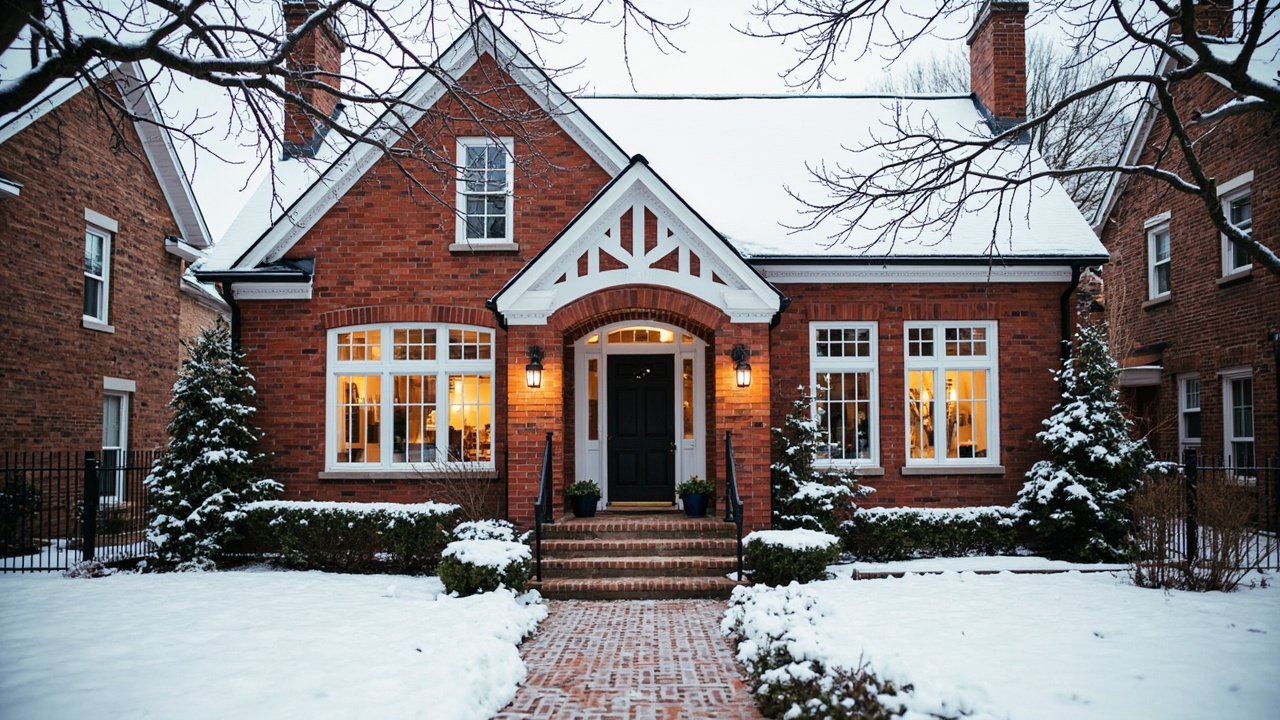
Chicago winters are brutal on heating systems. Your furnace doesn't just heat your home. It survives temperature swings from 60 degrees in October to -15 in January, runs 18-hour cycles during polar vortex events, and fights against cold air infiltration through masonry common in older brick homes across Logan Square, Pilsen, and Hyde Park.

Generic heating system maintenance steps miss what matters here. The Lake Michigan humidity creates condensation in flue pipes. The freeze-thaw cycling causes thermal stress on heat exchangers. The clay soil shifts foundations, which disconnects ductwork and creates air leaks that force your furnace to work harder.

Most furnaces fail between December and February, when you need heat most. The annual furnace inspection list that works in Phoenix doesn't address cracked heat exchangers from rapid temperature cycling. It doesn't test for carbon monoxide risks that increase when Chicago's old chimneys develop creosote buildup. It doesn't verify static pressure in ductwork that's been compromised by foundation settling.

Your preventative heating maintenance guide needs to be location-specific. We built ours around 23 years of Chicago service calls. We know that Carrier and Lennox units installed in vintage walk-ups behave differently than Trane systems in newer construction. We know that radiator conversions in Wicker Park greystone buildings create different airflow challenges than ranch homes in Jefferson Park.

Your seasonal furnace service schedule should happen in October, before the first cold snap. Waiting until November means competing with emergency calls when units start failing.

Why Chicago Furnaces Need More Than a Generic Inspection
The 23-Point Furnace Tune-Up Checklist That Prevents Midwest Failures

The 23-Point Furnace Tune-Up Checklist That Prevents Midwest Failures

Our annual furnace inspection list starts where others stop. We don't just change filters and call it done. We perform combustion analysis with a digital analyzer to measure oxygen levels, carbon monoxide output, and flame temperature. Chicago's tight building envelopes and weatherization efforts reduce fresh air intake, which creates incomplete combustion. We verify your air-to-fuel ratio is correct for safe, efficient operation.

We pressure-test heat exchangers because thermal cycling creates hairline cracks invisible to visual inspection. A cracked heat exchanger leaks carbon monoxide into your home. We use a manometer to measure static pressure in supply and return ducts. High static pressure from undersized ductwork or clogged filters kills blower motors and reduces airflow by 40 percent.

We inspect flame sensors and ignition systems. Modern furnaces use hot surface ignitors that crack from thermal shock. We test capacitors on blower motors and induced draft fans because weak capacitors cause hard starts that damage motors. We verify your thermostat is level and properly calibrated. A thermostat off by two degrees makes your furnace short-cycle, which wastes energy and creates wear.

We clean burners and flame rods. Carbon buildup from incomplete combustion causes delayed ignition and mini-explosions that crack heat exchangers. We inspect flue pipes for corrosion and proper pitch. Condensing furnaces produce acidic condensate that eats through metal. We verify condensate drains are clear because frozen drain lines shut down your furnace.

We test safety controls including limit switches and rollout switches. These prevent fires if your furnace overheats or flames roll out of the combustion chamber. We measure amp draw on motors to catch failing components before they strand you without heat.

How Your Annual Heating System Inspection Works

Furnace Maintenance Checklist in Chicago | Proven 23-Point System Built for Midwest Winters
01

Diagnostic Testing and Baseline

We start with combustion analysis and airflow measurement before touching anything. This establishes baseline performance data. We measure supply and return temperatures, verify temperature rise across the heat exchanger, test static pressure in ductwork, and document current amp draw on motors. This data tells us if your system is operating within manufacturer specifications or drifting into failure range.
02

Component Inspection and Cleaning

We disassemble and clean the burner assembly, inspect the heat exchanger for cracks using a mirror and flashlight, clean flame sensors and ignitors, vacuum the blower assembly and housing, inspect electrical connections for corrosion or loose wires, test capacitors under load, and verify all safety switches operate correctly. This phase addresses the mechanical and electrical components that fail from wear and contamination.
03

Calibration and Performance Verification

We retest combustion after cleaning to verify efficiency improvements, calibrate the thermostat and verify proper cycling, adjust gas pressure if needed for optimal flame characteristics, seal any air leaks in ductwork we discover during inspection, and document final performance data. You receive a detailed report showing before and after measurements, plus photographs of any components showing wear that need monitoring or replacement soon.

Why Chicago Homeowners Trust Five Star HVAC Chicago

We built our preventative heating maintenance guide around Chicago's specific demands. We understand that homes in Andersonville have different heating challenges than bungalows in Beverly. We know that 1920s radiator systems converted to forced air often have undersized ductwork. We recognize that newer construction in South Loop uses high-efficiency condensing furnaces that require different maintenance protocols than standard efficiency units.

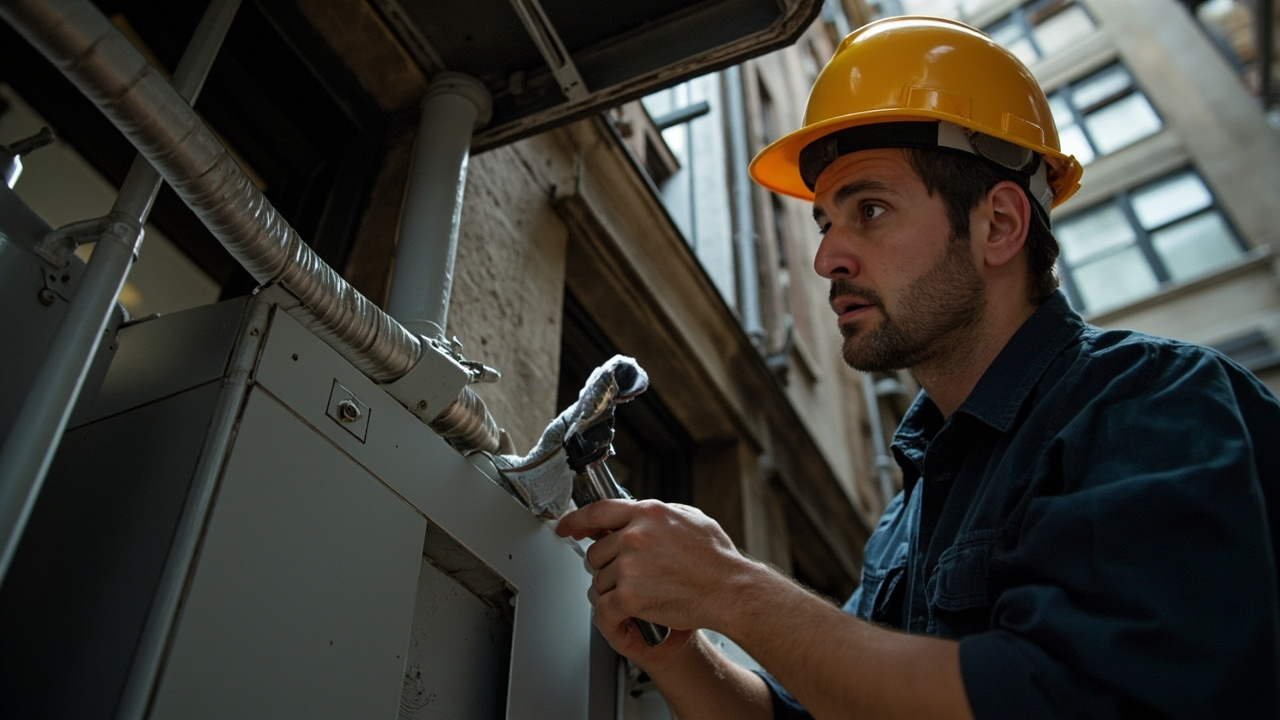
Our technicians carry combustion analyzers, manometers, and thermal imaging cameras because visual inspection alone misses critical problems. We've diagnosed heat exchanger cracks in units that passed other company inspections. We've found carbon monoxide leaks that cheaper tune-ups missed. We've identified ductwork disconnections in crawl spaces that reduced heating capacity by 30 percent.

We stock parts for Carrier, Lennox, Trane, Rheem, Goodman, and Bryant systems because Chicago homes have diverse equipment. When we find a worn component during your inspection, we can replace it the same day. We don't schedule return trips that leave you vulnerable to breakdown.

We understand Chicago building codes and permit requirements for furnace work. We know when repairs require permits and inspections. We handle that process so you stay compliant. We're familiar with local utility rebate programs through ComEd and Nicor Gas that reduce upgrade costs.

Our seasonal furnace service schedule accounts for Chicago's weather patterns. We start scheduling October appointments in August because demand spikes fast. We offer priority scheduling for customers on our annual maintenance plan. When polar vortex events hit and emergency calls flood in, maintenance plan customers get priority response.

We serve greater Chicago metro including Oak Park, Evanston, Skokie, Cicero, and surrounding suburbs. We understand the housing stock and common heating system configurations across the region.

What Your Furnace Maintenance Service Includes

Appointment Timing and Duration

Your inspection takes 90 to 120 minutes depending on system complexity and age. We schedule appointments in October and early November before the rush. You receive a two-hour arrival window and a text notification 30 minutes before we arrive. We work Monday through Saturday with some evening availability. Emergency inspections for customers experiencing performance issues get same-day or next-day scheduling. We don't rush through checklists. Thorough inspection takes time, and cutting corners misses problems that strand you without heat in January.

The Initial Assessment Process

We start by asking about system performance. Are you hearing unusual noises? Noticing uneven heating between rooms? Seeing higher gas bills? These symptoms guide our diagnostic focus. We review your furnace age and maintenance history. Units over 15 years old get extra scrutiny on heat exchangers and motors. We note your thermostat type because older mercury thermostats create temperature swing problems. We inspect accessible ductwork for disconnections, damage, or excessive dust buildup. We photograph any concerns and review findings with you before proceeding with cleaning and adjustments.

Performance Improvements You'll Notice

You'll feel more consistent temperatures between rooms after we balance airflow and seal duct leaks. Your furnace will run quieter after we clean the blower assembly and lubricate motors. You'll notice shorter run times because improved combustion efficiency and airflow restore heating capacity. Your gas bills should drop 10 to 15 percent from efficiency improvements, assuming your system was running degraded before service. Most importantly, you'll have confidence your furnace won't fail during the coldest weeks. We catch 90 percent of impending failures during preventative maintenance, which means fewer emergency calls and no middle-of-the-night breakdowns.

Maintenance Records and Future Planning

You receive a detailed inspection report with photos showing component condition, combustion analysis results, and before-and-after performance measurements. We document any components showing wear and provide replacement timelines so you can budget accordingly. We note your filter size and replacement schedule. We send reminder notices next fall when it's time to schedule your next tune-up. Customers on our annual maintenance plan receive priority scheduling, discounted repair rates, and extended labor coverage on repairs. We keep digital records of your system history so any technician who responds to future service calls knows your equipment and past issues.

Frequently Asked Questions

You Have Questions,
We Have Answers

What maintenance should be done on a furnace? +

Furnace maintenance includes inspecting the heat exchanger for cracks, testing the ignition system, checking gas pressure and connections, lubricating the blower motor, and verifying thermostat accuracy. A technician will inspect the flue pipe for obstructions, test carbon monoxide levels, and check electrical connections. In Chicago, freeze-thaw cycles and humid summers stress furnace components year-round, so inspecting the condensate drain line prevents winter clogs. The air filter gets replaced, belts get checked for wear, and safety controls get tested. This comprehensive approach prevents mid-winter breakdowns when Chicago temperatures plummet and furnace demand peaks.

What is included in furnace tune-up? +

A furnace tune-up includes cleaning the burner assembly, inspecting the heat exchanger, testing the blower motor and capacitor, and calibrating the thermostat. The technician checks gas connections for leaks, measures combustion efficiency, and inspects the exhaust vent system. Electrical connections get tightened, the flame sensor gets cleaned, and the air filter gets replaced. In Chicago, where furnaces run hard from October through April, technicians also check the condensate drain to prevent freeze-ups and verify proper airflow. Safety controls, including the limit switch and rollout switch, get tested to ensure safe operation during extreme cold snaps.

What is the average cost to service a furnace? +

Furnace service typically costs between 80 and 150 dollars for a standard tune-up in the Chicago metro area. Pricing varies based on furnace age, type, and accessibility. High-efficiency systems with complex controls may cost more to service. Some contractors offer seasonal specials or service agreements that reduce per-visit costs. Emergency calls during winter cost significantly more due to demand. If your technician discovers needed repairs during maintenance, parts and labor add to the base service fee. Older furnaces often require more time and adjustment, which can increase service costs.

What parts of a furnace need to be cleaned? +

The burner assembly requires cleaning to remove soot and carbon buildup that reduces combustion efficiency. The flame sensor needs cleaning because buildup causes ignition failures. The blower compartment collects dust that restricts airflow and strains the motor. In Chicago homes, dust and debris from older buildings accumulate faster, making blower cleaning critical. The condensate drain line requires flushing to prevent water backup in high-efficiency furnaces. The heat exchanger surfaces get inspected and cleaned if accessible. The flue pipe and exhaust vent need checking for obstructions, especially important after Chicago's windy seasons when debris can block venting.

What is the $5000 rule? +

The 5000 dollar rule is a repair-versus-replace guideline used by HVAC professionals. You multiply the repair cost by the furnace age in years. If the result exceeds 5000, replacement makes more financial sense than repair. For example, a 1200 dollar repair on a 6-year-old furnace equals 7200, suggesting replacement. A 400 dollar repair on a 10-year-old furnace equals 4000, making repair reasonable. This rule helps Chicago homeowners make informed decisions when facing expensive repairs, especially on systems nearing the typical 15-to-20-year lifespan. Energy efficiency improvements in newer models also factor into replacement decisions.

Can I do furnace maintenance myself? +

You can perform basic maintenance like replacing filters monthly and keeping vents clear, but professional service remains necessary. Chicago homeowners can visually inspect the flame for proper blue color, check thermostat batteries, and ensure airflow remains unobstructed. However, checking gas connections, testing carbon monoxide levels, inspecting the heat exchanger for cracks, and measuring combustion efficiency require specialized tools and training. Attempting repairs on gas appliances creates safety risks including carbon monoxide leaks and gas explosions. Most manufacturers require annual professional maintenance to keep warranties valid. DIY efforts should supplement, not replace, professional tune-ups.

What is the average cost of a full tune up? +

A full furnace tune-up averages between 100 and 200 dollars in the Chicago area, depending on system complexity and contractor rates. High-efficiency condensing furnaces with electronic controls typically cost more to service than basic single-stage units. Service agreements often reduce costs by bundling annual maintenance with priority service and repair discounts. Pricing includes labor, basic cleaning, filter replacement, and system testing. Additional costs arise if the technician discovers worn parts needing replacement during the tune-up. Scheduling maintenance during off-season months like September or May sometimes yields lower rates than peak heating season.

What is the most expensive part to fix on a furnace? +

The heat exchanger represents the most expensive furnace component to replace, often costing 1200 to 2500 dollars including labor. Heat exchanger failure typically means replacement makes more sense than repair on furnaces over 12 years old. The blower motor ranks second, averaging 400 to 800 dollars for replacement. Control boards on high-efficiency furnaces cost 300 to 600 dollars. In Chicago, freeze-thaw cycles and temperature extremes stress heat exchangers over time, causing metal fatigue and cracking. Gas valves and induced draft motors also represent significant repair expenses. Repair costs approaching half the replacement value signal time for new equipment.

Is it necessary to get a furnace tune up every year? +

Annual furnace tune-ups are necessary, especially in Chicago where heating systems run six months or more yearly. Regular maintenance prevents mid-winter breakdowns, improves energy efficiency by up to 15 percent, and extends equipment lifespan. Carbon monoxide safety checks alone justify annual service. Chicago's humid summers promote rust and corrosion during idle months, while harsh winters stress components. Most manufacturers require documented annual maintenance to honor warranties. Skipping yearly service leads to higher utility bills, premature component failure, and safety risks. The cost of annual maintenance remains far less than emergency repairs during January cold snaps when service calls spike.

How long does furnace maintenance take? +

Standard furnace maintenance takes 60 to 90 minutes for a thorough inspection and tune-up. Complex high-efficiency systems with multiple zones may require two hours. If the technician discovers issues requiring adjustment or minor repairs, service time extends accordingly. Chicago homes with difficult furnace access, such as cramped closets or low crawlspaces, may add time. First-time service on neglected systems takes longer due to heavy cleaning needs. A professional technician works methodically through the checklist, testing safety controls, measuring combustion efficiency, and documenting findings. Rushed service misses critical issues, so adequate time ensures comprehensive inspection and safe operation.

How Chicago's Freeze-Thaw Cycles Accelerate Furnace Component Failure

Chicago experiences 40 to 50 freeze-thaw cycles per winter. Your furnace heats a cold combustion chamber from 0 degrees to 1,800 degrees in seconds, then cools back down when it cycles off. This thermal shock creates microscopic stress fractures in heat exchangers that grow over time. Older cast iron heat exchangers in 1990s furnaces are particularly vulnerable. Steel heat exchangers in modern high-efficiency units resist cracking better but develop pinhole leaks in welds. The humidity from Lake Michigan accelerates corrosion in flue pipes and vent systems. Condensing furnaces produce acidic condensate that eats through metal drain pans and pipes. A comprehensive heating system maintenance checklist must address these Chicago-specific failure modes that don't exist in milder climates.

Chicago's older housing stock requires technicians who understand vintage systems and common retrofit issues. Many homes in Lakeview, Lincoln Park, and Ukrainian Village have radiator systems converted to forced air with undersized ductwork that creates high static pressure. Bungalows in Portage Park and Norwood Park often have furnaces in crawl spaces where frozen condensate lines cause winter shutdowns. Greystone buildings with shared chimneys need special venting considerations. We've worked on heating systems across every Chicago neighborhood for over two decades. We understand local building department requirements, common permit issues, and which utility rebates apply to your specific situation. Local expertise matters when your furnace maintenance checklist needs to address problems specific to Chicago construction and climate.
HVAC Services in The Chicago Area

Whether you’re dealing with a heating emergency or planning an AC upgrade, Five Star is just around the corner. Serving Chicago and surrounding communities, we’re proud to be the go-to HVAC company for homes and businesses alike. Use the map below to locate us quickly, or give us a call for directions or on-site service availability. We’re always ready to help, no matter where you are in the area — because comfort should never be out of reach.

Address:
Five Star HVAC Chicago, 2828 N Clark St, Chicago, IL, 60657

Additional Services We Offer

Our news updates

Latest Articles & News from The Blogs

Living in a dense Chicago neighborhood like Chinatown offers incredible access to culture and food. The narrow alleys and brick…

Quiet the Echo of Your Neighbors Loud AC in a Chinatown Alleyway

Living in a dense Chicago neighborhood like Chinatown offers incredible access to culture and food. The narrow alleys and brick…

Keeping Your Morgan Park Home Warm During a Winter Power Outage

Winter in Morgan Park brings a unique set of challenges for homeowners. The neighborhood is famous for its beautiful canopy…

Comparing Carrier and Trane for the unpredictable Chicago climate

The High Stakes of Chicago Climate Performance in 2026Chicago weather moves from one extreme to another with very little warning.…

Contact Us

October and early November appointments fill fast. Don't wait until the first cold snap when everyone needs service. Call Five Star HVAC Chicago at (708) 328-5999 to schedule your comprehensive furnace tune-up. We'll verify your system is ready for Chicago's coldest months.