




menu

Troubleshooting AC Issues in Chicago – Expert Diagnostics That Identify the Real Problem Fast

Our HVAC system diagnostics go beyond surface symptoms to pinpoint compressor faults, refrigerant leaks, and airflow restrictions specific to Chicago's climate demands, saving you from repeat service calls and unnecessary replacements.

Slider Image 1
Slider Image 2
Slider Image 3
Slider Image 4
Slider Image 5
Slider Image 7
Slider Image 8
Slider Image 9
Slider Image 10
Slider Image 11

Why Your AC Struggles in Chicago's Extreme Seasonal Swings

Chicago forces your air conditioner to work harder than almost anywhere else in the country. Summer humidity clocks in above 70 percent on most July days, which means your evaporator coil is drowning in condensate while trying to cool air that feels like soup. When fall arrives, temperature swings of 40 degrees in a single week shock your system components. That thermal expansion and contraction stress compressor mounts, crack refrigerant line joints, and warp fan blades.

Most homeowners call for service when they notice weak airflow or warm air from the vents. Those symptoms point to deeper issues. Diagnosing air conditioner problems starts with understanding how Chicago's lake-effect humidity accelerates mold growth inside ductwork and on evaporator coils, which restricts airflow and triggers frozen coil shutdowns. Central air troubleshooting requires checking refrigerant charge levels, because even a 10 percent undercharge cuts cooling efficiency by 20 percent in high-humidity conditions.

Identifying AC faults means looking at the whole system. A capacitor might test within spec on a cool morning but fail under the electrical load of a 95-degree afternoon. Condenser coils clogged with cottonwood seeds from Chicago's riverside neighborhoods cause high head pressure, which burns out compressor windings. HVAC system diagnostics catch these location-specific problems before they cascade into thousand-dollar failures. You need someone who knows how Chicago weather punishes air conditioning equipment, not a technician reading generic checklists.

Why Your AC Struggles in Chicago's Extreme Seasonal Swings
How We Diagnose AC Problems the Right Way

How We Diagnose AC Problems the Right Way

We use a systematic air conditioning troubleshooting guide that tests every critical component under actual load conditions. First, we measure supply and return air temperatures at the plenum, not just at a random vent. That tells us if your system is achieving the 15 to 20 degree temperature split it needs to dehumidify effectively. We check static pressure across the air handler to detect duct restrictions or undersized return grilles that starve the blower motor.

Next comes refrigerant analysis. We measure subcooling and superheat at both the evaporator and condenser coils, comparing those numbers against manufacturer specifications for your exact model and Chicago's typical ambient conditions. A subcooling reading that's 5 degrees off spec tells us you have a refrigerant leak or a restriction in the liquid line. Superheat measurements reveal evaporator coil icing, metering device failures, or airflow problems that generic diagnostics miss.

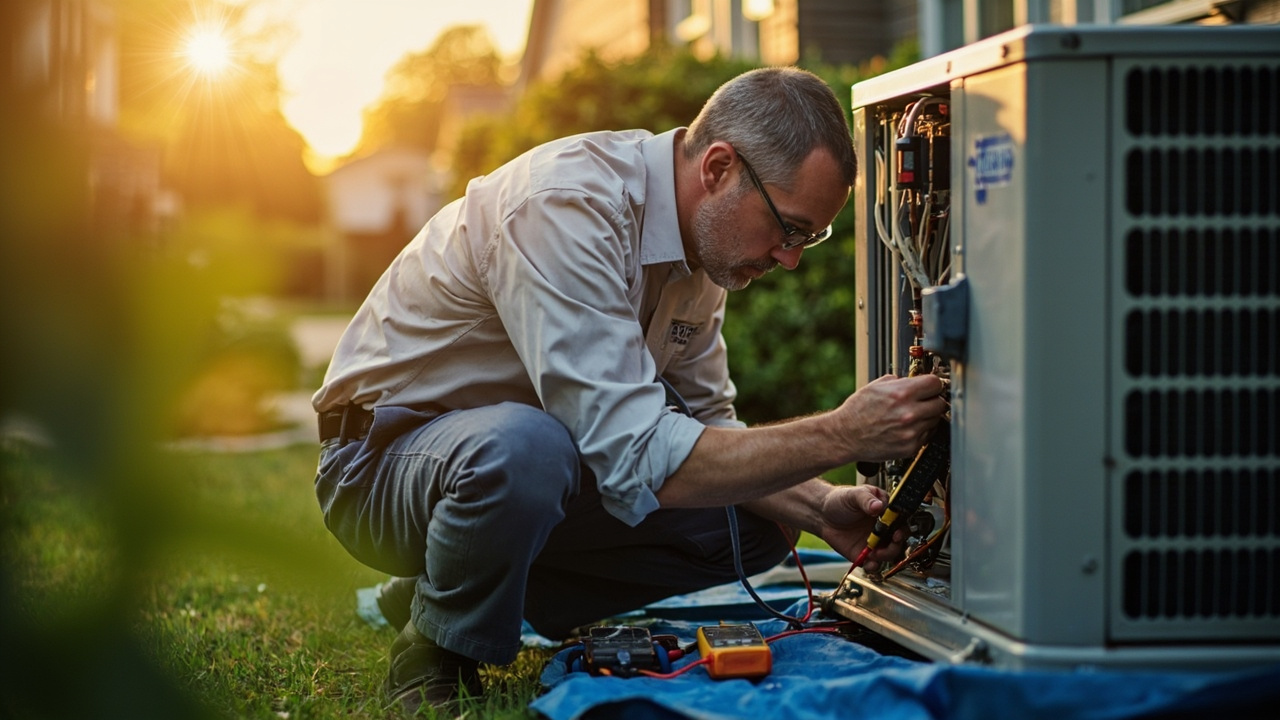
We test electrical components under load using amp clamps and multimeters, not just visual inspection. Compressor amperage draw reveals failing start components or mechanical binding inside the scroll. Blower motor amps show bearing wear before the motor seizes. Capacitor microfarad readings change as the component heats up, so we test after the system runs for 15 minutes, not during a cold start.

Our diagnostics include combustion analysis if you have a gas furnace sharing the air handler, because cracked heat exchangers and improper gas pressure affect your AC performance. We document everything with photos and measurements so you understand exactly what failed and why.

What Happens During Your AC Diagnostic Appointment

Troubleshooting AC Issues in Chicago – Expert Diagnostics That Identify the Real Problem Fast
01

System Performance Baseline

We start by running your air conditioner through a complete cooling cycle while monitoring temperatures, pressures, and electrical draw at multiple points. This establishes baseline performance data before we start testing individual components. We measure indoor humidity levels and check thermostat calibration to rule out settings issues. This first step separates actual mechanical faults from installation problems or user error, which saves diagnostic time and prevents unnecessary part replacement.
02

Component-Level Testing

After identifying performance gaps, we isolate each suspect component for detailed testing. Refrigerant pressures get measured at service ports with calibrated gauges. Airflow gets tested with manometers and anemometers at the coil face and major duct branches. Electrical components get tested with meters that measure voltage, amperage, and capacitance under operating conditions. We inspect ductwork accessible from the air handler and check drain lines for biological growth that signals coil contamination.
03

Findings and Repair Options

We present diagnostic findings with photos, measurements, and clear explanations of what failed and why. You get written repair options with parts and labor broken out separately, plus information about how each repair affects system efficiency and longevity. We explain which repairs are urgent and which can wait, so you can make informed decisions about your budget. Every diagnostic visit includes a written report you can use for warranty claims or future service reference.

Why Chicago Homeowners Trust Our AC Diagnostics

We have diagnosed air conditioner problems in every Chicago neighborhood from Lincoln Park to Hyde Park, which means we know how different housing types affect AC performance. Bungalows with sealed crawl spaces develop different airflow issues than three-flats with open returns. Greystones with original ductwork need different diagnostic approaches than new construction with flex duct runs.

Our technicians understand Chicago's mechanical code requirements for refrigerant handling and duct insulation, which matters when diagnostics reveal code violations from previous contractors. We know which permits are required for refrigerant recovery and which repairs trigger upgrade requirements under current energy codes. That knowledge prevents surprise expenses when your repair needs permitting or inspection.

We carry diagnostic equipment that most residential contractors skip because of the cost. Our refrigerant scales measure charge to the ounce. Our combustion analyzers detect carbon monoxide at one part per million. Our thermal cameras reveal duct leaks and insulation voids that cause comfort problems even when the AC mechanically functions. These tools find problems that symptoms-based troubleshooting misses.

We also understand how Chicago's seasonal extremes affect diagnosis timing. Testing AC performance during a cool June morning gives different results than testing during a humid August afternoon. We schedule diagnostics during peak load conditions when possible, or we use load simulation techniques to recreate the conditions that trigger your symptoms. That approach identifies intermittent faults that other contractors blame on phantom issues or blame you for imagining.

What to Expect from Our Diagnostic Service

Same-Day Diagnostic Appointments Available

We offer same-day diagnostic appointments for most Chicago neighborhoods when you call before noon. Our dispatch system routes technicians by location to minimize your wait time. Standard diagnostics take 60 to 90 minutes depending on system complexity and accessibility. If we find a simple fix during diagnosis, we can often complete the repair immediately with your approval. We stock common failure parts like capacitors, contactors, and blower motors on every truck, which eliminates return trips for straightforward repairs.

Thorough System Evaluation

Our diagnostic fee covers complete system evaluation, not just the obvious problem. We check refrigerant charge, electrical components, airflow, ductwork condition, drain line function, and thermostat operation as standard procedure. You get a written report with temperature measurements, pressure readings, and electrical values documented for your records. We include photos of any damaged or worn components so you can see exactly what we found. This thorough approach often reveals multiple issues that contribute to poor performance, which prevents callback visits for problems we should have caught initially.

Clear Repair Recommendations

We explain diagnostic findings in plain language without technical jargon or scare tactics. You get written repair estimates that break down parts costs, labor hours, and any permit fees required for the work. We prioritize repairs by urgency and explain how each issue affects your comfort, energy bills, and equipment lifespan. If your system needs multiple repairs, we help you decide which fixes are immediate and which can wait for your next maintenance visit. You will never feel pressured to approve repairs you do not understand or cannot afford right now.

Diagnostic Fee Credit Toward Repairs

We credit your full diagnostic fee toward any repair work you approve on the same visit or within seven days of diagnosis. That policy rewards customers who act on our findings quickly and ensures you are not paying twice for the same service call. If you choose to delay repairs or get second opinions, you keep the detailed diagnostic report we provide, which documents system condition for warranty purposes or future service needs. Our goal is to give you the information you need to make smart decisions about your AC system, not to lock you into immediate repairs you are not ready for.

Frequently Asked Questions

You Have Questions,
We Have Answers

What is the most common AC problem? +

Clogged air filters cause most AC failures in Chicago homes. Midwest dust, pollen, and humidity force your system to work harder when filters get blocked. This restricts airflow, freezes evaporator coils, and triggers safety shutdowns. Dirty filters also spike energy bills and spread allergens. Check your filter monthly during cooling season. Replace disposable filters every 30-90 days depending on pets, occupants, and air quality. Washable filters need cleaning every month. A $5 filter change prevents a $300 service call and protects your compressor from premature failure.

What is the 3 minute rule for AC? +

The 3 minute rule prevents compressor damage after system shutdowns. Wait at least three minutes between turning your AC off and back on. This pause allows refrigerant pressures to equalize throughout the system. Restarting too quickly forces the compressor to start against high pressure, which can burn out the motor or trip breakers. Chicago's humid summers make this crucial when testing thermostats or resetting breakers. The compressor is your AC's most expensive component. Following this rule extends equipment life and prevents emergency repairs during peak cooling season.

What is the $5000 rule for AC? +

The $5000 rule helps you decide between repair and replacement. If your AC is over 10 years old and repair costs exceed $5000, replacement makes better financial sense. Multiply the system age by repair cost. If the result exceeds $5000, replace the unit. For example, a 12-year-old system needing $450 in repairs equals $5400, so replace it. Newer systems offer better SEER ratings, lower energy bills, and handle Chicago's humid summers more efficiently. This guideline prevents throwing money at dying equipment that will fail again soon.

How to troubleshoot air conditioning problems? +

Start with the simple fixes before calling for service. Check your thermostat batteries and settings. Confirm the breaker did not trip. Inspect the air filter and replace if dirty. Verify the outdoor unit has clear airflow with no debris blocking the fins. Check that all supply vents are open. Listen for unusual sounds like grinding or squealing. Feel the supply vents for cool air. If the outdoor unit runs but indoor air stays warm, you likely have low refrigerant or a failed compressor. These symptoms require professional diagnosis and repair.

Why is my AC running but not cooling? +

Low refrigerant levels cause most cooling failures in Chicago. Refrigerant does not deplete naturally, so low levels mean you have a leak somewhere in the system. Other culprits include frozen evaporator coils from restricted airflow, failed compressors, broken reversing valves, or clogged expansion valves. Check your air filter first and replace it if dirty. Inspect the outdoor condenser unit for debris blocking airflow. Feel the copper lines near the outdoor unit. One should be cold and sweating, one warm. If both are the same temperature, call a technician immediately.

What should my AC be set at if it's 100 degrees outside? +

Set your thermostat to 75-78 degrees when outdoor temps hit 100. Most AC systems can cool 15-20 degrees below outdoor temperature. Setting it lower will not cool faster and forces your compressor to run continuously without achieving the target. Chicago rarely hits 100, but when it does, your system works hardest. Running constantly without cycling off stresses components and spikes energy bills. Use ceiling fans to improve comfort without lowering the setpoint. Close blinds on sun-facing windows. A realistic thermostat setting prevents system breakdowns during extreme heat events.

Why is my AC set to 72 but reads 78? +

Your AC probably cannot keep up with heat load or has mechanical problems. Check if direct sunlight hits your thermostat, causing false readings. Verify all supply vents are open and unblocked. Dirty air filters restrict airflow and reduce cooling capacity. Low refrigerant from leaks prevents proper heat transfer. Failed capacitors weaken compressor performance. Undersized equipment cannot handle extreme Chicago humidity and heat. Ductwork leaks lose cooled air before it reaches living spaces. If the outdoor unit runs constantly without cycling off, you need professional diagnosis to identify the specific failure point.

How to tell if an AC capacitor is bad? +

Look for visible bulging, leaking, or rust on the capacitor casing. Listen for humming sounds from the outdoor unit without the fan spinning. Test with a multimeter set to capacitance mode after discharging stored voltage with an insulated screwdriver. Compare readings to the rated microfarads printed on the capacitor label. Readings 6% or more below rating mean replacement. Capacitors fail frequently in Chicago's humid climate. Failed start capacitors prevent the compressor from starting. Failed run capacitors cause hard starting, overheating, and premature compressor failure. Always disconnect power before inspecting electrical components.

How long should your AC run on a 100 degree day? +

Expect your AC to run 12-16 hours daily when temps hit 100 degrees. Chicago's high humidity makes the heat index feel even hotter, forcing longer run times. Your system should cycle on and off in 15-20 minute intervals. Continuous running without breaks signals undersized equipment, low refrigerant, dirty coils, or failing components. Short cycling every few minutes indicates oversized equipment or bad thermostats. Proper sizing and maintenance determine efficiency. Clean outdoor coils, replace filters monthly, and shade the condenser unit from direct sun to reduce runtime and energy costs during extreme heat.

What is the life expectancy of an air conditioner? +

Most air conditioners last 12-15 years in Chicago with proper maintenance. Humid summers and temperature swings stress components more than moderate climates. Systems installed before 2010 use older refrigerants and lower efficiency ratings, making replacement attractive even if still functional. Annual maintenance extends lifespan by preventing minor issues from becoming major failures. Neglected systems fail around year 10. Signs your AC nears end of life include frequent repairs, rising energy bills, uneven cooling, and loud operation. Plan replacement before catastrophic failure during peak cooling season when HVAC companies face longest wait times.

How Chicago's Lake Michigan Proximity Affects AC Diagnostics

Chicago's location 20 miles along Lake Michigan creates microclimates that confuse standard HVAC system diagnostics. Neighborhoods within two miles of the lake experience temperature inversions on summer mornings, where cool lake breezes drop outdoor temps 15 degrees below inland readings. Your AC might run perfectly in the evening but struggle at noon when the lake breeze dies and humidity spikes. Central air troubleshooting requires understanding these daily temperature swings, because a system sized for inland conditions will short-cycle in lakefront zones. We adjust diagnostic parameters based on your specific neighborhood's lake effect patterns, which reveals sizing and control issues that generic diagnostics miss.

Chicago's mechanical code and the strict permitting requirements through the Department of Buildings mean AC repairs often need documentation that proves proper refrigerant handling and electrical work. We maintain our EPA 608 certification and City of Chicago contractor licenses specifically to handle the permitting process that follows diagnostic findings. When identifying AC faults reveals code violations from previous work, we know which repairs trigger permit requirements and which fall under maintenance exemptions. That local knowledge prevents permit violations that can complicate home sales or insurance claims, and it ensures repairs meet the standards Chicago inspectors actually enforce during spot checks.
HVAC Services in The Chicago Area

Whether you’re dealing with a heating emergency or planning an AC upgrade, Five Star is just around the corner. Serving Chicago and surrounding communities, we’re proud to be the go-to HVAC company for homes and businesses alike. Use the map below to locate us quickly, or give us a call for directions or on-site service availability. We’re always ready to help, no matter where you are in the area — because comfort should never be out of reach.

Address:
Five Star HVAC Chicago, 2828 N Clark St, Chicago, IL, 60657

Additional Services We Offer

Our news updates

Latest Articles & News from The Blogs

Living in a dense Chicago neighborhood like Chinatown offers incredible access to culture and food. The narrow alleys and brick…

Quiet the Echo of Your Neighbors Loud AC in a Chinatown Alleyway

Living in a dense Chicago neighborhood like Chinatown offers incredible access to culture and food. The narrow alleys and brick…

Keeping Your Morgan Park Home Warm During a Winter Power Outage

Winter in Morgan Park brings a unique set of challenges for homeowners. The neighborhood is famous for its beautiful canopy…

Comparing Carrier and Trane for the unpredictable Chicago climate

The High Stakes of Chicago Climate Performance in 2026Chicago weather moves from one extreme to another with very little warning.…

Contact Us

Stop guessing what is wrong with your air conditioner. Call Five Star HVAC Chicago at (708) 328-5999 for same-day diagnostic service that identifies the real problem. We serve all Chicago neighborhoods with honest, thorough AC troubleshooting backed by written reports and clear repair options.