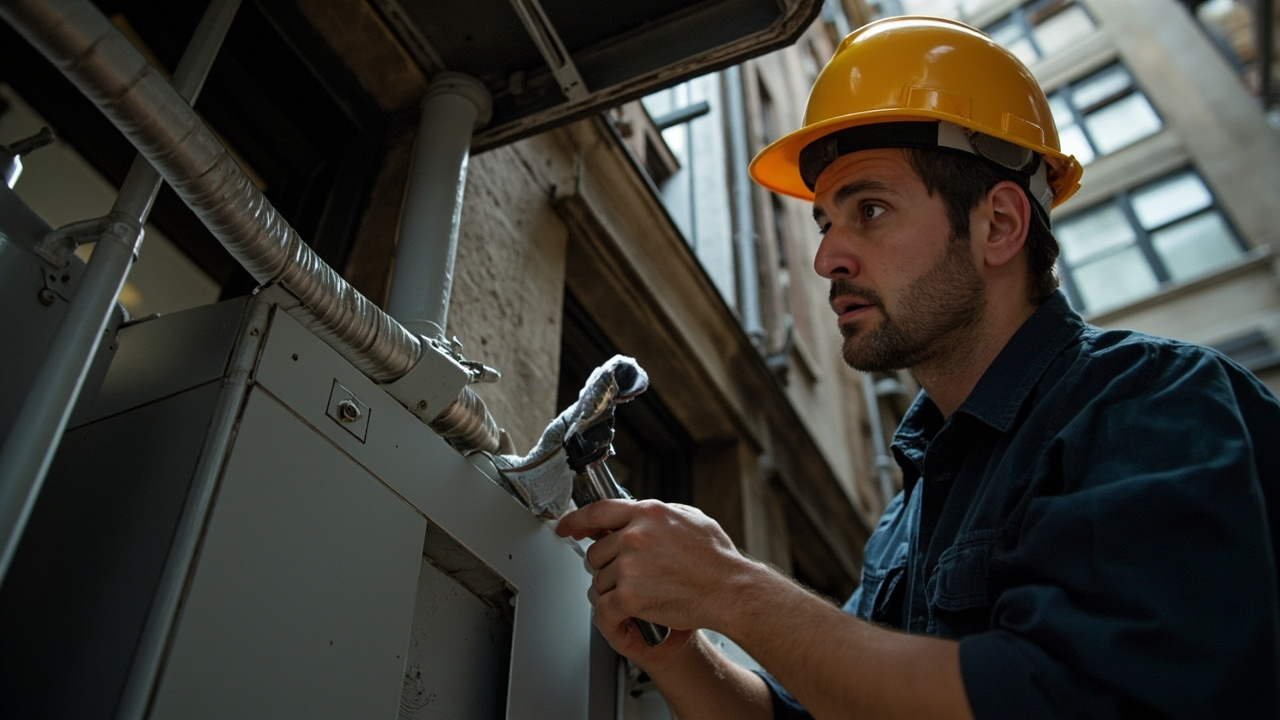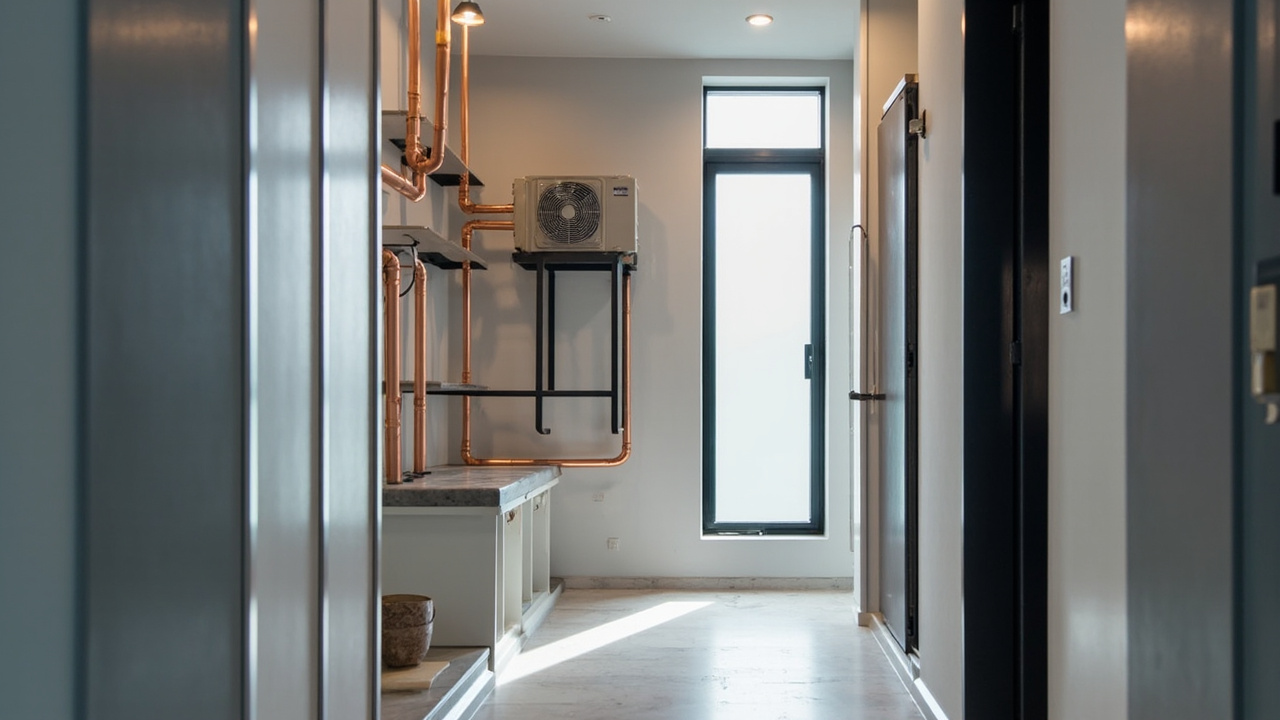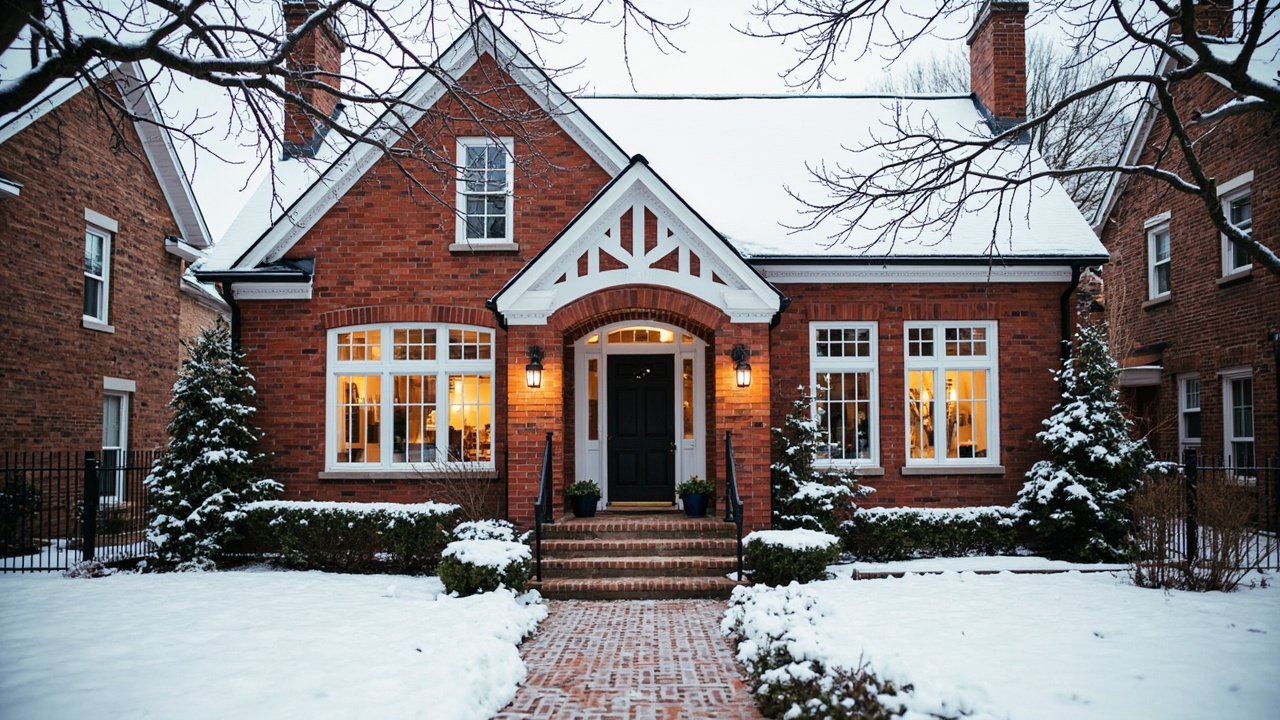




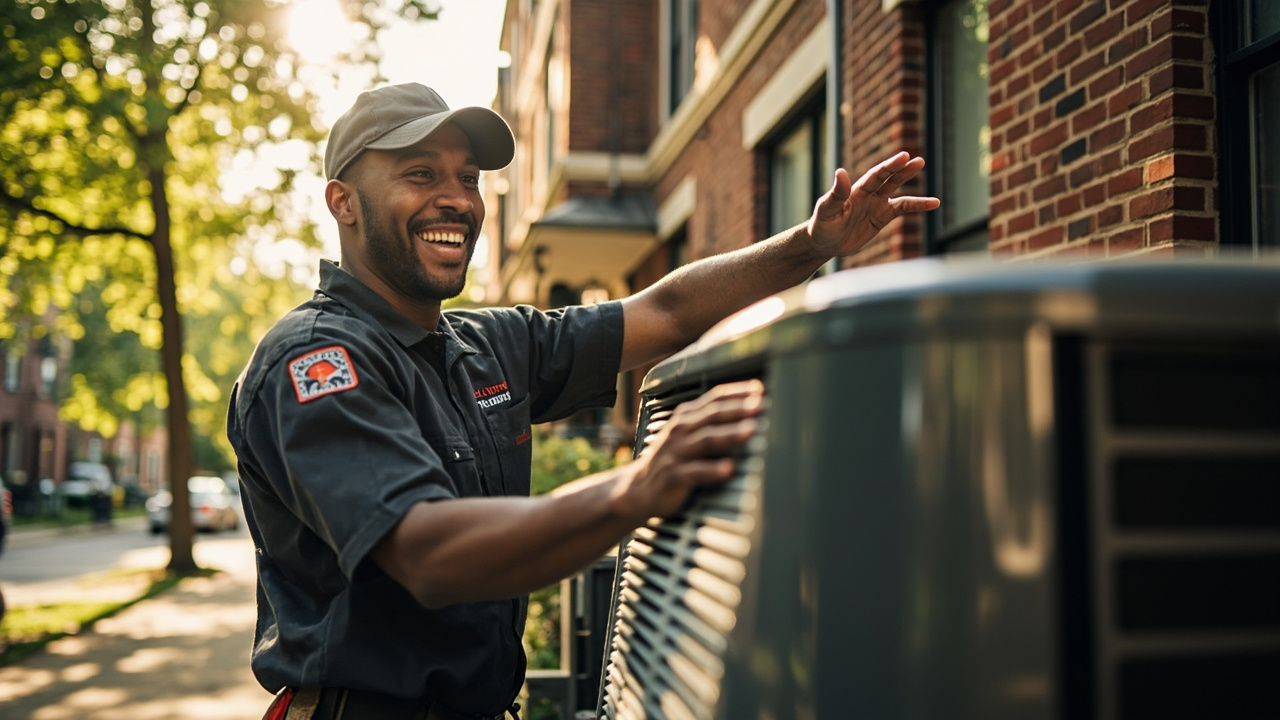
Chicago's climate subjects HVAC equipment to conditions that dramatically shorten lifespan in poorly designed systems. We regularly see temperature differentials exceeding 120 degrees between winter lows and summer highs, forcing equipment through extreme thermal expansion and contraction cycles. Lake Michigan creates humidity spikes during summer months that stress cooling systems, while winter's dry air makes humidification essential for comfort and building preservation. This environment eliminates budget equipment options that work adequately in temperate regions. The 2026 HVAC replacement cost reflects the need for components rated for extreme operation, from compressors with crankcase heaters for cold weather starts to heat exchangers designed for high-efficiency condensing operation in subzero temperatures. Systems installed here must meet Chicago's 91-degree cooling design temperature and -7 degree heating design temperature, which requires careful sizing and component selection beyond what online calculators or national averages suggest.
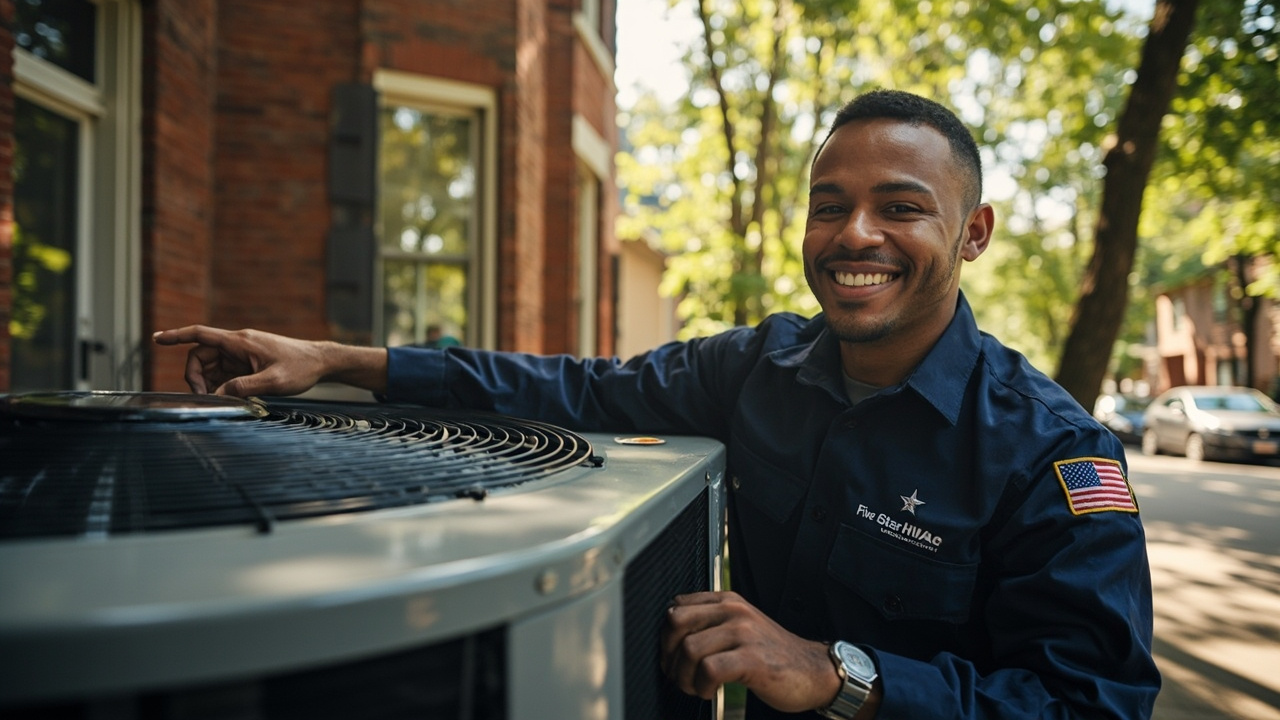
Chicago's permitting and inspection requirements add accountability that protects homeowners from substandard installations. The city requires licensed contractors to pull permits for HVAC replacements, and inspectors verify code compliance on gas connections, electrical work, venting, and refrigerant handling. This oversight catches problems like undersized gas lines, improper condensate drainage, and inadequate combustion air that cause failures or safety hazards. Working with contractors familiar with Chicago's inspection standards prevents costly callbacks and ensures your system operates safely and efficiently. Five Star HVAC Chicago maintains relationships with local inspectors and understands exactly what they check during rough-in and final inspections, so every installation passes without delays or required modifications. This local expertise matters more than national certifications when navigating the specific requirements that govern HVAC work in Cook County.