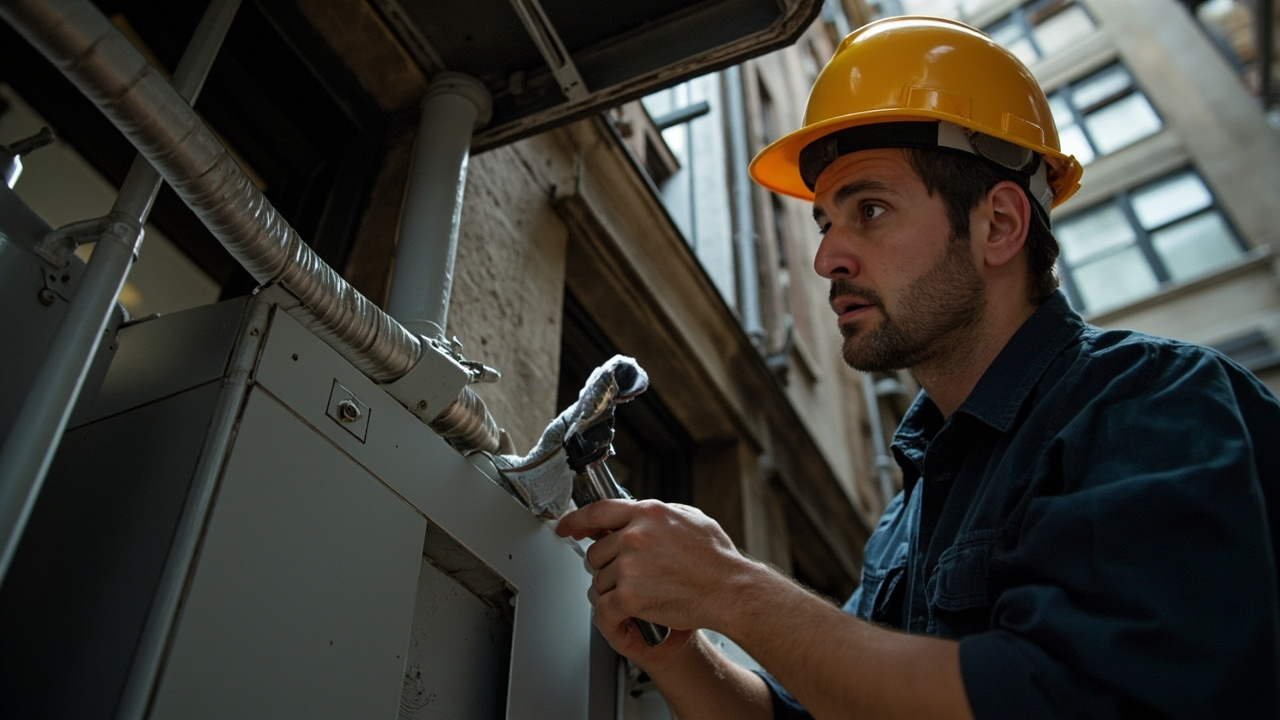





Chicago sees 100-degree temperature swings between January lows and July highs. This extreme range puts enormous stress on HVAC equipment. When your furnace short cycles during subzero weather, the heat exchanger never reaches full operating temperature. Condensation forms inside the exchanger, leading to rust and cracks. When your air conditioner cycles rapidly during humid summer days, the evaporator coil never gets cold enough to remove moisture from the air. Your home feels damp even when the thermostat says 72 degrees. Rapid cycling also prevents defrost cycles from completing during shoulder seasons, causing ice buildup on outdoor coils.
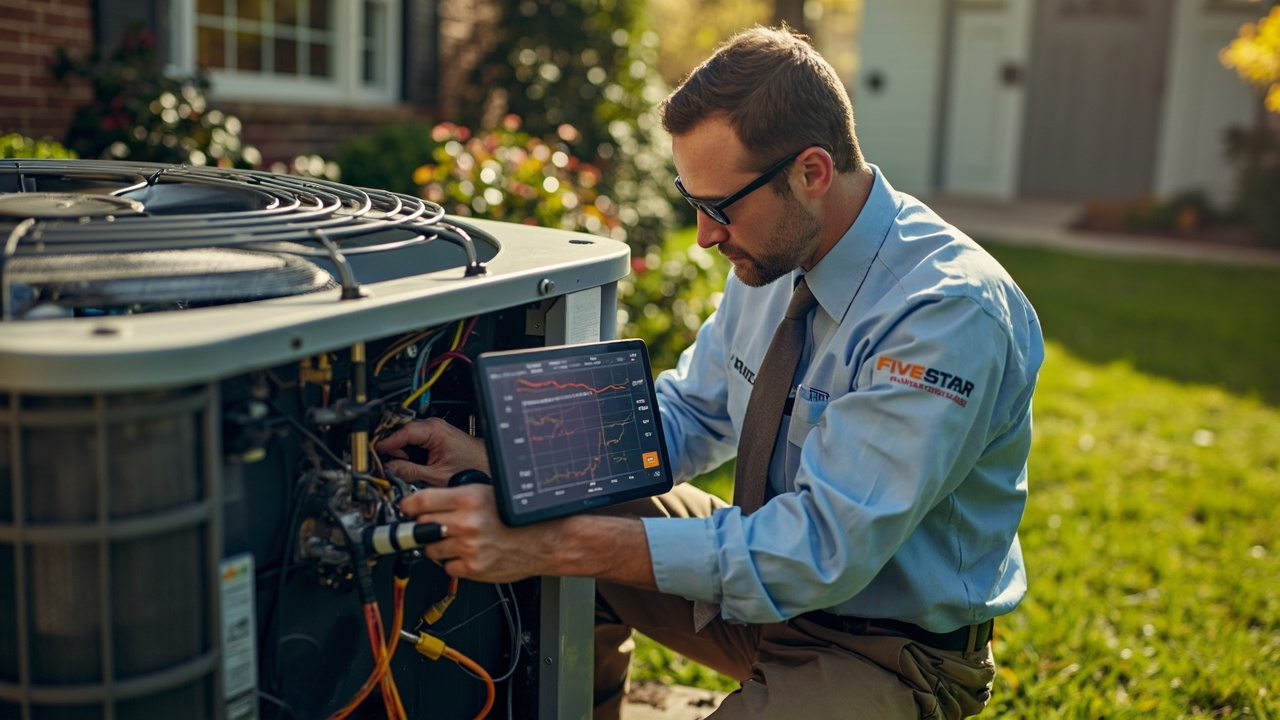
Five Star HVAC Chicago understands how local conditions affect system performance. We account for Lake Michigan humidity when checking refrigerant charge. We recognize that older homes in Ravenswood and Logan Square often have undersized ductwork that restricts airflow. We know that Chicago's building codes require specific venting standards for high-efficiency furnaces, and we verify compliance during every repair. When we diagnose short cycling, we consider the full picture of how your system interacts with Chicago's climate, your home's construction, and local code requirements. This approach delivers repairs that last.