




menu

Rapid Response Cooling in Chicago – 24/7 Emergency AC Repair with Same-Day Dispatch

When your air conditioning fails during a Chicago heatwave, every minute counts. Our rapid response cooling team deploys within the hour to restore comfort and prevent heat-related health risks in your home or business.

Slider Image 1
Slider Image 2
Slider Image 3
Slider Image 4
Slider Image 5
Slider Image 7
Slider Image 8
Slider Image 9
Slider Image 10
Slider Image 11

When Chicago Heat Turns Your Home Into an Oven

Chicago summers hit differently. The humidity off Lake Michigan traps heat inside homes like a greenhouse. When your AC dies on a 95-degree afternoon with 80% humidity, you are not just uncomfortable. You are risking heat exhaustion, property damage from moisture buildup, and potential mold growth in as little as 48 hours.

The urban heat island effect makes Chicago neighborhoods like Pilsen, Logan Square, and Bronzeville even hotter than surrounding suburbs. Brick buildings and asphalt absorb daytime heat and radiate it back at night. Your compressor is working overtime. When it fails, temperatures inside can exceed outdoor readings by 15 to 20 degrees.

You need immediate AC service. Not tomorrow. Not in three days. Right now.

Emergency AC repair in Chicago requires technicians who understand our specific climate demands. The freeze-thaw cycles from brutal winters stress refrigerant lines. Spring pollen clogs condensers. Summer storms knock out electrical components. These are not generic problems. They require urgent air conditioning service from professionals who work in these conditions daily.

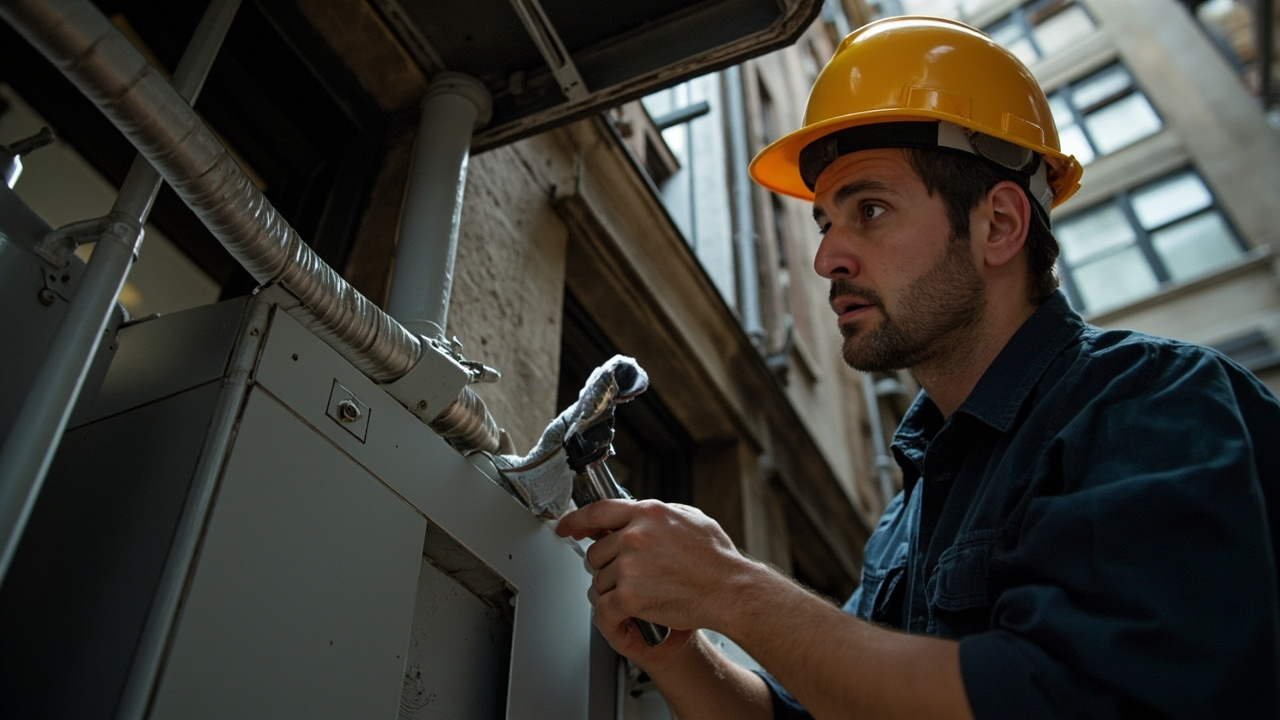
Five Star HVAC Chicago responds to cooling emergencies across the metro area. We dispatch technicians to River North high-rises, Bridgeport bungalows, and South Loop commercial buildings. Our 24/7 cooling repair service means you get a live person when you call, not a voicemail. You get a truck headed your way while other companies tell you to wait until Monday.

When your system fails during peak heat, you need rapid response cooling from technicians who carry the parts, tools, and experience to fix it the first time.

When Chicago Heat Turns Your Home Into an Oven
How We Deliver Emergency Cooling Service Fast

How We Deliver Emergency Cooling Service Fast

Speed matters in emergency HVAC cooling, but speed without accuracy just wastes your time. Our approach combines rapid deployment with diagnostic precision.

When you call for immediate AC service, we start with a brief phone assessment. This helps us load the right equipment before we leave. Chicago systems vary wildly. A 1920s courtyard building in Wicker Park uses different components than a new construction townhouse in Lincoln Park. We ask targeted questions about your system age, symptoms, and recent maintenance. This saves diagnostic time on-site.

Our trucks carry inventory for the most common Chicago AC failures. Capacitors fail in high heat. Contactors wear out from frequent cycling. Refrigerant leaks develop at brazed joints stressed by temperature swings. We stock these components in multiple sizes and ratings. Most emergency repairs finish during the first visit.

The diagnostic process follows a logical sequence. We check power supply at the disconnect and breaker. We test the thermostat for accurate temperature reading and proper signaling. We inspect the condensing unit for physical damage, debris blockage, and compressor function. We measure refrigerant pressures and temperatures to identify leaks or charge issues. We examine the evaporator coil for ice formation or airflow restriction.

This systematic approach prevents misdiagnosis. A frozen coil looks like a refrigerant problem but often indicates a blower motor failure or dirty filter. We identify the root cause, not just the visible symptom.

For 24/7 cooling repair, we communicate clearly about what failed, why it failed, and what you need to prevent recurrence. You make informed decisions. We execute the repair. Your system runs cold before we leave.

What Happens During Emergency AC Service

Rapid Response Cooling in Chicago – 24/7 Emergency AC Repair with Same-Day Dispatch
01

Immediate Call Response

You reach a live technician, not an answering service. We assess your situation, provide an estimated arrival window, and dispatch the nearest available truck. Our average response time for urgent air conditioning service in Chicago is under 60 minutes. We text you when our technician is 15 minutes out so you know exactly when help arrives.
02

On-Site Diagnosis and Repair

Our technician performs a complete system evaluation using calibrated diagnostic tools. We test electrical components, measure refrigerant charge, inspect mechanical parts, and identify failure points. You receive a clear explanation of the problem and repair options. Most emergency AC repairs complete within two hours because we carry common parts and have the expertise to work efficiently under pressure.
03

System Testing and Verification

After repairs, we run your system through multiple cooling cycles to verify proper operation. We check temperature drop across the evaporator coil, confirm correct refrigerant pressures, test safety controls, and measure airflow at registers. You feel cold air before we leave. We provide maintenance recommendations to prevent future breakdowns and answer questions about your system performance.

Why Chicago Trusts Us for Emergency Cooling

Emergency HVAC cooling requires more than technical skill. It requires local knowledge and genuine 24/7 availability.

We service Chicago year-round. We know how lake effect humidity accelerates corrosion on outdoor units. We understand how the city's aging electrical infrastructure causes voltage fluctuations that damage compressors. We have repaired systems in every neighborhood from Rogers Park to Beverly, in buildings from vintage walk-ups to modern glass towers.

Chicago building codes affect emergency repairs. Refrigerant regulations changed significantly in recent years. R-22 refrigerant is no longer produced, making repairs on older systems more complex and expensive. We explain your options clearly. Sometimes a repair makes sense. Sometimes replacement is smarter. We give you honest guidance based on system age, repair cost, and expected remaining lifespan.

Our technicians carry current EPA Section 608 certification for refrigerant handling. We follow proper recovery and charging procedures. We document refrigerant usage as required by law. These details matter when you need work done right under pressure.

True 24/7 service means we answer calls at 2 AM on Sunday. We dispatch technicians on holidays. We show up during snowstorms and heat advisories. Other companies claim emergency service but route calls to voicemail or quote you a callback time 12 hours out. That is not emergency service.

Five Star HVAC Chicago maintains a rotation of on-call technicians specifically for urgent air conditioning service. When you call, someone answers. When we commit to a time window, we hit it. When we say we will fix your system, we bring the parts and expertise to make it happen.

Chicago residents deserve reliable emergency AC repair from a local team that understands their needs.

What to Expect from Our Emergency Service

Response Time and Availability

We commit to under 60-minute response time for emergency calls in most Chicago neighborhoods. Our dispatch system tracks technician locations in real time to send the closest available truck. We operate genuine 24/7 service including weekends and holidays. You receive text updates when your technician is dispatched and when they are 15 minutes from arrival. No waiting. No wondering. No endless voicemail loops. During peak heat events, we prioritize calls involving health risks, but we never push your call to the next day. If every technician is deployed, we tell you the honest wait time and give you the option to schedule the first available slot.

Diagnostic Process and Transparency

Our technician performs a complete system evaluation before recommending repairs. We test electrical components with multimeters, measure refrigerant pressures with manifold gauges, inspect mechanical parts for wear, and check airflow with anemometers. You receive a clear explanation of what failed and why. We show you the faulty component when possible. We provide repair options with honest cost estimates before starting work. You approve the repair. We never begin work without your explicit authorization. For immediate AC service, transparency prevents surprise bills and builds trust when you are already stressed from heat and system failure.

Repair Quality and Parts

We use OEM or equivalent quality parts designed for Chicago climate demands. Capacitors are rated for high ambient temperatures. Contactors meet manufacturer specifications for your system brand. Refrigerant charging follows manufacturer pressure and temperature charts, not guesswork. Our technicians complete repairs to industry standards, not shortcuts. We tighten electrical connections to proper torque specifications. We braze refrigerant line repairs with nitrogen purge to prevent oxidation. We test system operation through multiple cooling cycles before leaving your property. You get cold air and peace of mind. The repair holds because we did it right the first time, even under emergency conditions.

Follow-Up and Preventive Guidance

After emergency AC repair, we provide specific maintenance recommendations to prevent future breakdowns. This might include filter change schedules, condenser cleaning frequency, or signs to watch for system stress. We do not pressure you into unnecessary maintenance contracts. We give you actionable information to extend your system lifespan. If your repair revealed underlying issues that need attention, we explain the timeline and priority. Some problems need immediate fixing. Others can wait for off-season scheduling when rates are lower. We follow up within 48 hours to confirm your system is still operating properly. You have our direct line if problems recur.

Frequently Asked Questions

You Have Questions,
We Have Answers

What is the rapid cooling process? +

Rapid cooling is the process of quickly lowering indoor temperature during an HVAC emergency. In Chicago, where summer heat spikes and humidity can push the heat index above 100, your system runs at full capacity to drop the temperature fast. During an emergency, technicians diagnose why your AC stopped cooling, repair or replace faulty components like compressors or refrigerant lines, and restore airflow. The goal is immediate relief, especially for families with young children, elderly residents, or medical conditions. Proper system sizing and clean filters help your unit cool faster when you need it most.

What is the $5000 AC rule? +

The $5000 AC rule is an IRS guideline that classifies HVAC expenses. If your AC repair or replacement costs $5000 or more, it may qualify as a capital improvement rather than a routine repair. This affects tax deductions and depreciation schedules. In Chicago, where full system replacements often exceed this threshold due to local labor rates and cold climate equipment needs, consult a tax professional. Emergency repairs under $5000 typically qualify as immediate business expenses for commercial properties. The threshold matters for homeowners claiming energy efficiency credits or landlords managing rental properties.

What is the 3 minute rule for AC? +

The 3 minute rule protects your AC compressor from damage. After your system shuts off, wait at least 3 minutes before restarting it. This lets refrigerant pressure equalize between the high and low sides of the system. Restarting too quickly forces the compressor to work against high pressure, which can cause mechanical failure. In Chicago's stop and start cooling season, where temps fluctuate between 60 and 95 degrees, this rule prevents premature compressor burnout. If your system short cycles or trips breakers repeatedly, you need emergency service immediately. Compressor replacement can cost thousands.

How cool should my house be if it's 100 outside? +

When outdoor temps hit 100 degrees, aim for 75 to 78 degrees indoors. Your AC system can realistically cool 15 to 20 degrees below outside temperature in Chicago's humid climate. Pushing your thermostat lower overworks the system and risks breakdowns during peak demand. High humidity makes 78 feel warmer, so use ceiling fans to improve comfort without lowering the setpoint. If your home stays above 80 despite the AC running constantly, you have a failing system. Call for emergency service before the compressor fails completely. Heat exhaustion risk climbs fast above 85 indoors.

At what temperature do you stop rapid cooling? +

Stop rapid cooling attempts if your indoor temp drops below 72 degrees or if you notice ice forming on refrigerant lines or the evaporator coil. Ice buildup means airflow problems or refrigerant leaks. In Chicago's humid climate, frozen coils can lead to water damage when they thaw. If your system runs nonstop for over 4 hours without dropping temperature, shut it down and call for emergency service. Continuing to run a malfunctioning unit causes compressor damage and higher repair costs. Focus on safety first. Move vulnerable family members to a cooler room or location.

How long does it take to cool down a house from 80 to 72? +

A properly functioning AC takes 1 to 3 hours to cool a house from 80 to 72 degrees, depending on size, insulation, and outdoor temperature. In Chicago, older homes with poor insulation or single pane windows take longer. If your system runs over 4 hours without reaching setpoint, you have a problem. Low refrigerant, dirty coils, or undersized equipment are common culprits. High humidity slows cooling because your AC must remove moisture before lowering temperature. If temps stay stuck above 75, call for emergency service. Waiting damages the compressor and leaves your family uncomfortable.

Can I write off my new AC unit on my taxes? +

You may write off a new AC unit if it qualifies under energy efficiency tax credits or as a business expense. The Inflation Reduction Act offers up to $2000 in credits for high efficiency systems meeting ENERGY STAR standards. In Chicago, cold climate heat pumps may qualify for additional incentives. For rental properties or home offices, depreciate the unit over several years as a capital improvement. Emergency replacements do not automatically qualify, so keep all receipts and check with a tax professional familiar with Illinois regulations. Installation costs and permits can also be deductible under specific circumstances.

Is a 3 ton AC too big for 1500 square feet? +

A 3 ton AC is appropriate for 1500 square feet in most Chicago homes. However, proper sizing depends on insulation quality, ceiling height, window count, and sun exposure. Homes with poor insulation or large south facing windows may need more capacity. Oversized units short cycle, which reduces efficiency and increases humidity. Undersized units run constantly without cooling effectively. Chicago's humid summers demand precise load calculations. If your 3 ton unit struggles to maintain temperature, the problem is likely airflow restrictions, refrigerant leaks, or ductwork issues rather than sizing. Get a Manual J load calculation during replacement.

What are the new HVAC regulations in 2025? +

Starting January 2025, new HVAC regulations mandate higher SEER2 ratings for energy efficiency. Northern regions like Chicago require minimum 13.4 SEER2 for split systems. The rules also phase out R-410A refrigerant in favor of lower global warming potential options like R-454B. These changes increase upfront equipment costs but lower operating expenses. Existing systems are grandfathered, but replacement refrigerant will become scarce and expensive. If your AC is over 10 years old, plan for replacement before emergency failure forces a rushed decision. New systems also require updated installation practices and technician certification.

How do the amish keep cool in the summer? +

The Amish cool homes without electricity using passive strategies. They build homes with deep porches, cross ventilation, and thermal mass to moderate temperature swings. Basements stay naturally cool in summer. They hang wet sheets in doorways and windows, using evaporative cooling as air passes through. Sleeping porches and outdoor living spaces reduce indoor heat exposure. In Chicago, these methods work during mild weather but fail during heat waves with high humidity. Modern homes lack the design features that make passive cooling effective. When temps exceed 90 with humidity, mechanical cooling becomes necessary for health and safety.

Why Lake Michigan Humidity Makes Emergency AC Service Critical in Chicago

Chicago sits on Lake Michigan, which creates humidity levels that stress air conditioning systems harder than dry climates. When outdoor humidity reaches 70% to 80% during summer, your AC works overtime removing moisture from indoor air. The evaporator coil handles both temperature reduction and dehumidification. High humidity causes coils to ice over faster when airflow is restricted. It accelerates corrosion on outdoor units exposed to lake effect moisture. Emergency AC repair calls spike during humid heat waves because systems pushed to maximum capacity fail at their weakest points. Capacitors overheat. Compressors seize. Blower motors burn out. Understanding this local climate factor helps us diagnose Chicago AC failures faster and recommend preventive measures specific to lakefront and near-lake neighborhoods.

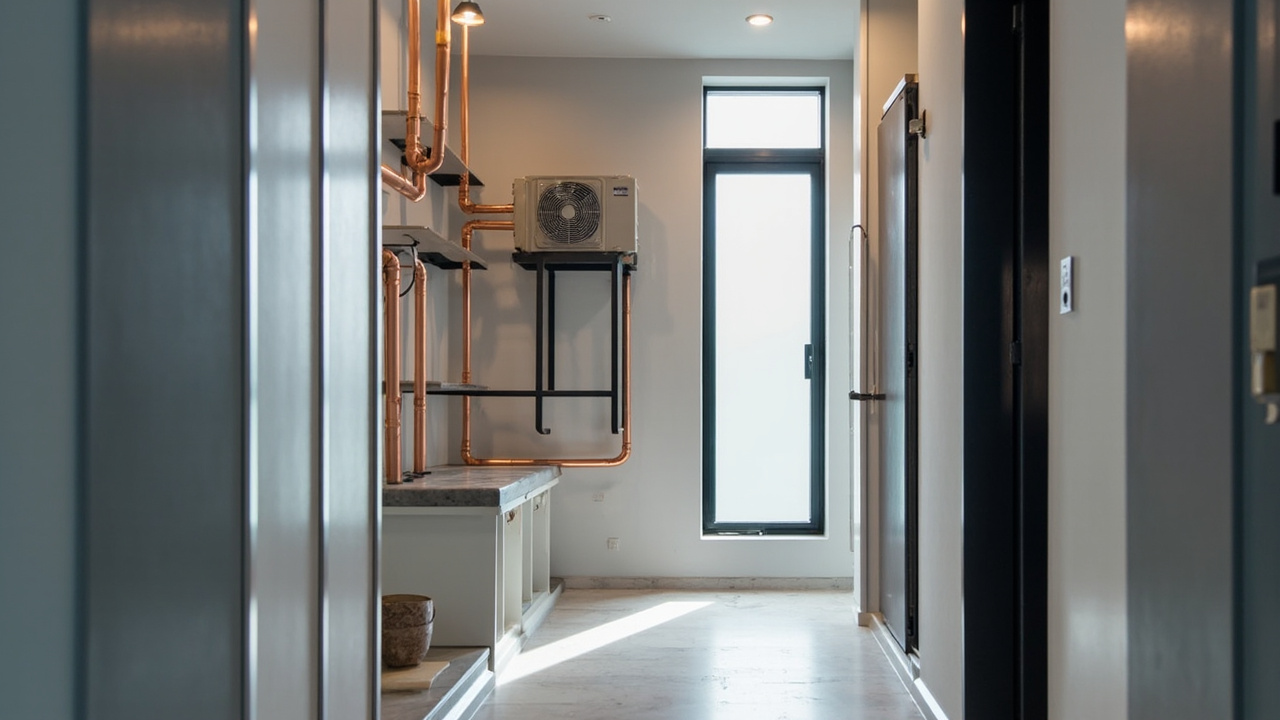
Chicago building diversity requires technicians familiar with every system type. We service central AC in single-family homes, ductless mini-splits in vintage condos without ductwork, rooftop package units on commercial buildings, and chilled water systems in high-rises. Neighborhoods like Lincoln Square have bungalows from the 1920s with updated HVAC. The Loop has modern towers with sophisticated building automation. Pilsen has mixed-use buildings with residential and commercial cooling needs. Our technicians train continuously on multiple system types and brands. We carry diagnostic tools for residential and light commercial applications. This local expertise means faster repairs and better outcomes when you need urgent air conditioning service. You get someone who has seen your exact system and building type before.
HVAC Services in The Chicago Area

Whether you’re dealing with a heating emergency or planning an AC upgrade, Five Star is just around the corner. Serving Chicago and surrounding communities, we’re proud to be the go-to HVAC company for homes and businesses alike. Use the map below to locate us quickly, or give us a call for directions or on-site service availability. We’re always ready to help, no matter where you are in the area — because comfort should never be out of reach.

Address:
Five Star HVAC Chicago, 2828 N Clark St, Chicago, IL, 60657

Additional Services We Offer

Our news updates

Latest Articles & News from The Blogs

Professional duct cleaning services for Hyde Park townhomes and historical Chicago estatesLiving in a Hyde Park townhome near the Chicago…

Professional duct cleaning services for Hyde Park townhomes and historical Chicago estates

Professional duct cleaning services for Hyde Park townhomes and historical Chicago estatesLiving in a Hyde Park townhome near the Chicago…

Common HVAC problems in Gold Coast high rises and how to fix them for reliable comfort

Living in a Gold Coast high rise offers some of the most spectacular views of Lake Michigan and the Magnificent…

Signs your McKinley Park coach house needs its own heating system

McKinley Park homeowners are increasingly transforming historic coach houses into legal living spaces. The expansion of the Chicago Additional Dwelling…

Contact Us

Your home should be cool and comfortable. Call Five Star HVAC Chicago at (708) 328-5999 for immediate dispatch. We answer 24/7. We arrive fast. We fix it right. Stop sweating and start cooling down today.