




menu

Cooling Tower Services in Chicago – Industrial-Grade Solutions That Keep Your Operations Running

Five Star HVAC Chicago delivers comprehensive cooling tower maintenance, repair, cleaning, inspections, and restoration services engineered to maximize uptime, prevent costly failures, and ensure regulatory compliance for commercial facilities across the Chicago metro.

Slider Image 1
Slider Image 2
Slider Image 3
Slider Image 4
Slider Image 5
Slider Image 7
Slider Image 8
Slider Image 9
Slider Image 10
Slider Image 11

Chicago's Climate Puts Extreme Demands on Your Cooling Tower Infrastructure

Your cooling tower operates in one of the most challenging environments in the industrial Midwest. Chicago's temperature swings from subzero winters to 90-degree summers with high humidity force your equipment through brutal freeze-thaw cycles that accelerate corrosion, scale buildup, and structural fatigue. The city's hard water compounds the problem, depositing minerals that reduce heat transfer efficiency and clog distribution systems.

Industrial facilities in neighborhoods like the Clearing Industrial District, Goose Island, and the South Deering manufacturing corridor face additional challenges. Airborne particulates from nearby rail yards and heavy industrial activity accelerate fouling in your fill media and basin. Algae and bacteria thrive in the warm, humid conditions typical of Chicago summers, creating biofilm that reduces efficiency and poses Legionella risks.

When your cooling tower fails, you face immediate consequences. Production stops. Climate control systems collapse. Equipment overheats. Every hour of downtime translates to lost revenue and potential contract penalties. Reactive repairs cost three to five times more than scheduled cooling tower maintenance. Regulatory violations from Chicago Department of Public Health inspections can result in citations and mandatory shutdowns.

The facilities that avoid these problems share one approach: they treat cooling tower services as mission-critical infrastructure maintenance, not an afterthought. Proper cooling tower cleaning prevents scale accumulation. Regular cooling tower inspections catch structural issues before they become failures. Professional cooling tower repair restores efficiency without the capital expense of full replacement. Strategic cooling tower restoration extends equipment life by decades.

Your cooling tower is not a passive piece of equipment. It requires active management from professionals who understand Chicago's unique environmental stressors.

Chicago's Climate Puts Extreme Demands on Your Cooling Tower Infrastructure
Engineering-Based Diagnostics That Identify Problems Before They Become Failures

Engineering-Based Diagnostics That Identify Problems Before They Become Failures

We approach cooling tower services from a systems engineering perspective, not a checklist mentality. Our technicians assess your equipment within the context of your complete HVAC infrastructure, heat load profile, and operational demands. We measure performance against baseline efficiency metrics and identify deviations that signal developing problems.

The diagnostic process begins with thermal imaging to detect hot spots in the fill media that indicate uneven water distribution or clogged nozzles. We test water chemistry for pH, conductivity, and biological contamination. Ultrasonic thickness testing identifies corrosion in steel components before visible rust appears. Vibration analysis on fan assemblies catches bearing wear that leads to catastrophic failure if ignored.

Our cooling tower maintenance protocols address the root causes of performance degradation. We chemically treat your system to control scale, corrosion, and biological growth based on your specific water chemistry. Fill media gets pressure-washed to restore proper airflow and heat transfer. Drift eliminators are inspected and replaced when efficiency drops. Motor bearings get lubricated on manufacturer-specified intervals to prevent premature failure.

For cooling tower repair, we stock critical components for the most common commercial cooling tower models in Chicago. Broken fan blades, failed float valves, damaged fill media, and worn drive belts get replaced immediately. We fabricate custom sheet metal repairs for basin leaks and structural issues. Electrical controls are tested and recalibrated to maintain precise temperature regulation.

Cooling tower restoration involves comprehensive rebuilds that address systemic deterioration. We strip equipment down to the structural frame, replace corroded components, install new fill media and distribution systems, upgrade mechanical and electrical systems, and apply protective coatings. The result is equipment that performs like new at a fraction of replacement cost.

Every service includes detailed documentation for your facility maintenance records and regulatory compliance files.

What Happens When You Schedule Cooling Tower Services

Cooling Tower Services in Chicago – Industrial-Grade Solutions That Keep Your Operations Running
01

Initial System Assessment

We schedule the evaluation during off-peak hours to minimize disruption to your operations. Our technicians review your cooling tower's maintenance history, inspect all mechanical and structural components, test water quality, measure performance metrics, and document current conditions with thermal imaging and photography. You receive a detailed report identifying immediate concerns, efficiency losses, and recommended interventions ranked by priority and ROI impact.
02

Coordinated Service Execution

We develop a work plan that aligns with your production schedule and minimizes downtime. For facilities that cannot shut down, we coordinate with your operations team to stage work during planned maintenance windows or execute repairs on redundant systems. All work is performed by certified HVAC technicians using commercial-grade tools and OEM-equivalent parts. We handle containment, water treatment shutdowns, lockout-tagout procedures, and regulatory notifications required for Chicago Department of Public Health compliance.
03

Performance Verification and Documentation

After completing service, we test your cooling tower under operating conditions to verify temperature differentials, flow rates, and efficiency targets are met. You receive comprehensive documentation including work performed, parts replaced, test results, photographic evidence, and updated maintenance recommendations. We provide the compliance records you need for regulatory audits and insurance requirements. Your facility manager gets direct contact information for our service team for any follow-up questions or concerns.

Why Chicago Facilities Trust Five Star HVAC for Cooling Tower Services

Industrial cooling towers are not residential air conditioners. They operate under extreme thermal loads, harsh environmental conditions, and strict regulatory oversight. The technicians who service your equipment need specialized training in industrial refrigeration, water treatment chemistry, and commercial HVAC systems. They need to understand Chicago's municipal codes, CDPH regulations, and ASHRAE standards for cooling tower operation.

Five Star HVAC Chicago specializes in commercial and industrial HVAC systems. Our technicians have worked on cooling towers in manufacturing plants, data centers, hospitals, universities, and high-rise office buildings throughout the Chicago metro. We understand the operational demands of facilities that cannot tolerate downtime. We know how to diagnose complex system interactions between your cooling tower, chillers, and process equipment.

We maintain relationships with major cooling tower manufacturers and parts suppliers, which means we can source components quickly when you need emergency repairs. Our service vehicles stock common wear items and we have access to expedited shipping for specialty parts. When you call with a cooling tower problem, we respond immediately with the technical expertise and parts inventory to resolve it.

Facilities in Chicago face unique challenges. Your cooling tower must handle the thermal stress of 100-degree temperature swings between winter and summer. The calcium and magnesium in Chicago's water supply accelerates scale formation. Freeze protection becomes critical when temperatures drop below zero for extended periods. Air quality issues from industrial areas require more frequent cleaning cycles. These are not theoretical concerns. These are operational realities that impact your bottom line.

We also understand the administrative burden of cooling tower compliance. Chicago requires annual inspections and water testing for Legionella prevention. Facilities must maintain detailed maintenance logs and respond to CDPH inquiries. We provide the documentation you need to demonstrate compliance and avoid regulatory problems.

You need a cooling tower service provider who treats your equipment as critical infrastructure, not a maintenance checkbox.

What to Expect From Professional Cooling Tower Services

Rapid Response for Emergency Situations

Cooling tower failures do not wait for convenient times. When your system goes down, you need immediate response from technicians who can diagnose the problem and implement solutions fast. We prioritize emergency service calls and dispatch technicians within two hours for critical failures. Our trucks carry diagnostic equipment, common replacement parts, and specialty tools needed for field repairs. For situations requiring parts we do not stock, we leverage expedited supplier relationships to minimize your downtime. You get direct communication with the technician assigned to your facility and realistic timelines for restoration. We understand that every hour your cooling tower is offline costs you money.

Comprehensive System Evaluation

Effective cooling tower services start with accurate diagnostics. Our initial evaluation goes beyond visual inspection. We use thermal imaging cameras to detect hot spots in fill media, ultrasonic testing to measure metal thickness and identify hidden corrosion, vibration analysis on rotating equipment to catch bearing problems before failure, and water chemistry testing to assess scale, corrosion, and biological contamination levels. We review your maintenance history and operating parameters to establish performance baselines. The assessment produces a detailed report that identifies immediate risks, efficiency losses, and recommended interventions with projected ROI. You get the information you need to make informed decisions about repairs, maintenance investments, and budget planning.

Precision Repairs That Restore Full Performance

We do not patch problems. We fix them correctly. Cooling tower repairs address root causes, not symptoms. Leaking basins get welded or sealed with industrial-grade materials that withstand thermal cycling and chemical exposure. Corroded components get replaced with upgrades that improve longevity. Fill media is replaced with modern high-efficiency designs when original materials have degraded. Electrical controls are recalibrated or upgraded to improve temperature regulation and reduce energy consumption. Fan assemblies get balanced and aligned to eliminate vibration. Water distribution systems are cleaned, repaired, or replaced to ensure even coverage across the fill. Every repair is tested under operating conditions to verify performance targets are met before we sign off.

Proactive Maintenance Programs That Prevent Failures

The facilities with the lowest total cost of ownership for cooling tower equipment are the ones that implement scheduled maintenance programs. We offer customized maintenance plans based on your equipment type, operating hours, water quality, and environmental conditions. Quarterly or monthly service visits include water treatment testing and adjustment, fill media inspection and cleaning, mechanical component lubrication, electrical system testing, performance monitoring against baseline metrics, and detailed reporting. These programs catch small problems before they become expensive failures, maintain efficiency to reduce energy costs, extend equipment life, ensure regulatory compliance, and provide budget predictability. You avoid the surprise repair bills and emergency downtime that plague facilities using reactive maintenance approaches.

Frequently Asked Questions

You Have Questions,
We Have Answers

How often should cooling towers be serviced? +

Commercial cooling towers in Chicago require quarterly servicing at minimum. This schedule accounts for seasonal demands, including heavy summer cooling loads and freeze protection during harsh winters. High-rise buildings and industrial facilities often need monthly inspections due to continuous operation. Each service includes water treatment checks, fill media inspection, drift eliminator cleaning, and mechanical component lubrication. Chicago's fluctuating temperatures accelerate wear on tower components. Facilities with critical cooling needs, like data centers or hospitals, benefit from bimonthly service to prevent unplanned downtime. Regular maintenance reduces Legionella risk and extends equipment life, protecting your operational investment and meeting Chicago code requirements.

How much do cooling tower technicians make? +

Cooling tower technicians in the Chicago metro earn between $45,000 and $75,000 annually, with experienced specialists reaching $85,000 or more. Compensation depends on certifications, years in the field, and technical expertise. Technicians with water treatment licenses, welding skills, or Legionella remediation training command higher pay. Commercial facilities prefer technicians familiar with Chicago's unique climate challenges, including freeze-thaw cycles and high humidity periods. Union positions typically offer better benefits and wage scales. Overtime during peak summer months increases total earnings. Technicians who work on high-rise towers or industrial systems in the greater Chicago area often earn premium rates due to specialized skills required.

How do you service a cooling tower? +

Servicing a cooling tower begins with a complete system shutdown and lockout. Technicians drain the basin, then pressure wash fill media, drift eliminators, and internal surfaces to remove biofilm and scale. They inspect fan assemblies, gearboxes, and drive belts for wear. Water distribution nozzles get checked for clogs. Technicians test water chemistry, adjust chemical feed systems, and verify bleed-off rates. Motor alignment and vibration analysis prevent mechanical failure. In Chicago, technicians inspect for corrosion from road salt exposure and freeze damage. The process includes Legionella testing and remediation if needed. Final steps involve refilling, balancing water flow, and documenting findings for compliance records.

What does a cooling tower cost? +

Cooling tower costs range from $15,000 for small packaged units to over $500,000 for custom industrial systems. Price depends on tonnage capacity, construction material, and configuration. Fiberglass units cost less than stainless steel or concrete towers. Chicago installations add 10 to 15 percent for cold-weather packages, including basin heaters and insulated piping. High-rise applications require structural reinforcement and crane access, increasing labor costs. Factory-assembled towers reduce field installation time. Energy-efficient designs with variable-speed drives cost more upfront but lower operating expenses. Replacement towers for existing Chicago facilities must meet current code, potentially requiring structural upgrades or sound attenuation to satisfy municipal regulations.

How much does it cost to clean a cooling tower? +

Professional cooling tower cleaning in Chicago costs between $1,500 and $8,000, depending on tower size and contamination level. Small rooftop units start around $1,500. Large industrial towers with heavy biofilm or scale buildup exceed $5,000. Price includes chemical treatment, pressure washing, basin cleaning, and disposal of contaminated water per EPA regulations. Legionella remediation adds costs. Facilities with deferred maintenance pay more due to extra labor and chemical needs. Chicago's hard water increases scale formation, requiring more intensive cleaning. Most commercial operators schedule biannual cleanings to control costs and maintain efficiency. Emergency cleanings after contamination events cost significantly more due to expedited service and specialized disinfection protocols.

What is the 10 rule of preventive maintenance? +

The 10 rule of preventive maintenance states that every dollar spent on planned maintenance saves $10 in reactive repairs. This principle applies directly to cooling towers, where neglect causes cascading failures. A $200 quarterly inspection prevents a $2,000 emergency motor replacement or $20,000 in lost production from system failure. Chicago facilities face accelerated wear from temperature extremes, making this ratio even more critical. Preventive maintenance identifies minor issues before they escalate. Regular water treatment prevents corrosion and scale that destroy fill media and heat transfer surfaces. Documentation satisfies insurance requirements and protects against liability. For commercial cooling towers, this rule justifies consistent maintenance budgets and prevents business interruption.

What tech jobs pay $400,000 a year? +

This question falls outside cooling tower services. However, in Chicago's commercial building sector, highly specialized roles reach these compensation levels. Chief Technology Officers at major corporations, software architects at trading firms, and senior engineers at fintech companies approach or exceed $400,000 annually. These positions require advanced degrees, decades of experience, and direct revenue impact. Medical device executives and pharmaceutical researchers in Chicago's biotech corridor also reach this threshold. Data center infrastructure managers overseeing mission-critical cooling systems earn significant compensation but typically cap below $300,000. For context, this salary level represents executive-tier compensation in most industries, including facilities management at Fortune 500 companies headquartered in the Chicago area.

Can HVAC make $100,000 a year? +

Yes, experienced HVAC technicians in Chicago regularly earn $100,000 or more annually. This requires specialization in commercial systems, particularly chillers, cooling towers, and building automation. Technicians with EPA certifications, factory training on major equipment brands, and troubleshooting expertise command premium rates. Union scale for master technicians in the Chicago metro approaches $60 per hour before overtime. Summer demand generates substantial overtime pay. Service managers and lead technicians at commercial firms exceed $100,000 through base salary plus performance bonuses. Contractors running their own businesses often surpass this threshold. Self-employed technicians serving high-rise buildings or industrial facilities in Chicago achieve six-figure incomes by specializing in critical systems requiring 24/7 reliability.

What is the highest paid tower technician? +

Senior cooling tower technicians with specialized certifications earn $75,000 to $90,000 annually in major markets like Chicago. Lead technicians overseeing crews at industrial facilities or data centers reach $95,000 or more. Those combining tower expertise with water treatment licenses, welding certifications, and project management skills command the highest pay. Supervisory roles at large mechanical contractors or facility management companies offer salaries exceeding $100,000. Independent contractors serving Chicago's commercial district often earn more through premium billing rates for emergency service and specialized repairs. Compensation reflects the critical nature of cooling tower systems in preventing costly downtime. Technicians maintaining towers at hospitals, manufacturing plants, or high-rises earn more than those servicing smaller commercial properties.

What is the main problem in the cooling tower? +

Scale accumulation represents the most common cooling tower problem in Chicago. Hard water combined with high evaporation rates deposits calcium carbonate and minerals on fill media, reducing heat transfer efficiency by 30 percent or more. This forces chillers to work harder, spiking energy costs. Scale also restricts water flow and clogs distribution nozzles. Biological growth ranks second, with warm, moist conditions breeding Legionella bacteria and algae. Corrosion from road salt exposure damages metal components in Chicago installations. Poor water treatment accelerates all these issues. Neglected towers lose efficiency, risk health code violations, and face premature failure. Regular chemical treatment and cleaning prevent scale formation and maintain safe, efficient operation year-round.

Why Chicago's Hard Water and Temperature Extremes Accelerate Cooling Tower Deterioration

Chicago's municipal water supply contains high concentrations of calcium and magnesium that create persistent scaling problems in cooling tower systems. The minerals precipitate when water evaporates during the cooling process, forming hard deposits on fill media, distribution nozzles, and heat exchanger surfaces. These deposits reduce heat transfer efficiency by 20 to 40 percent over a single cooling season if left untreated. The problem intensifies during summer months when cooling loads are highest and evaporation rates peak. Combined with the city's freeze-thaw cycles that cause cracking and structural stress, Chicago cooling towers face accelerated wear compared to facilities in more moderate climates. Proper cooling tower cleaning and water treatment are not optional. They are operational necessities that directly impact your energy costs and equipment reliability.

Commercial facilities in Chicago operate under strict oversight from the Chicago Department of Public Health, which mandates cooling tower registration, water testing, and maintenance documentation to prevent Legionella outbreaks. The city's regulations require facility managers to implement water management programs that include regular inspections, cleaning protocols, and microbial testing. Non-compliance results in citations, mandatory remediation, and potential facility shutdowns. Five Star HVAC Chicago understands these regulatory requirements and provides the documentation and compliance support your facility needs. Our maintenance programs align with CDPH standards and industry best practices from ASHRAE and CDC guidelines. When you work with a local provider who understands Chicago's specific regulatory environment, you reduce compliance risk and avoid the administrative burden of managing these requirements internally.
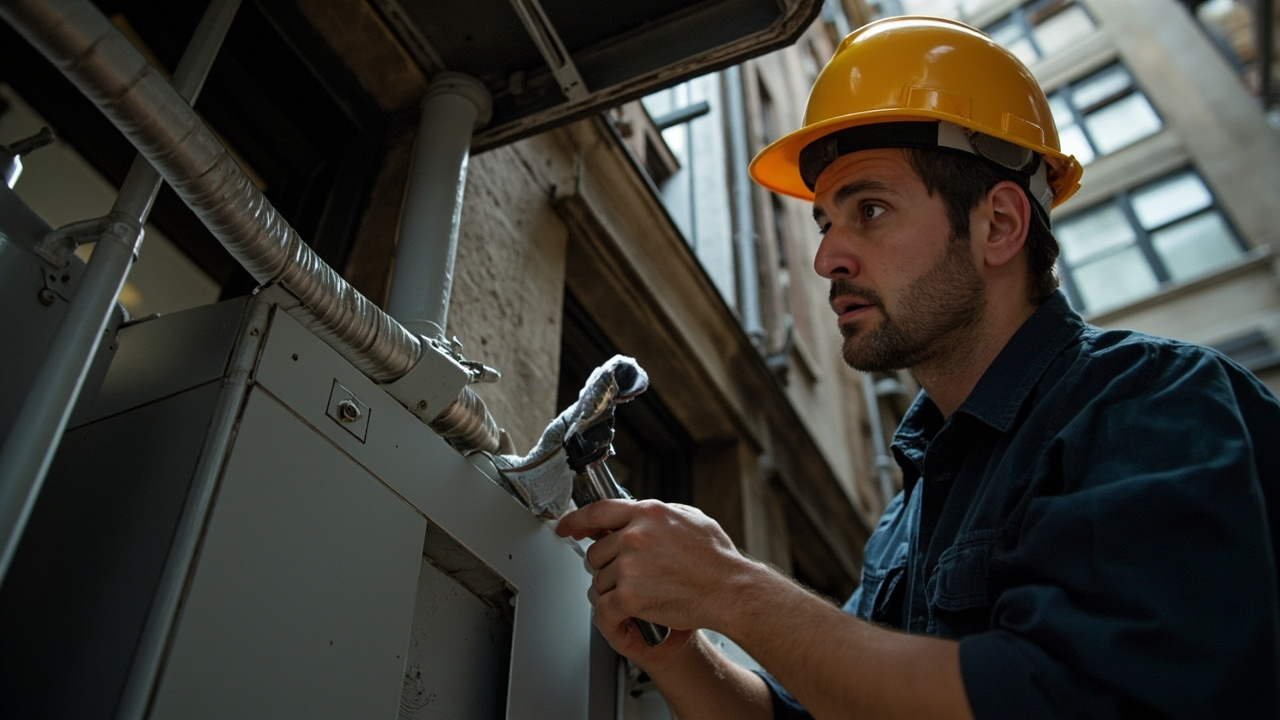
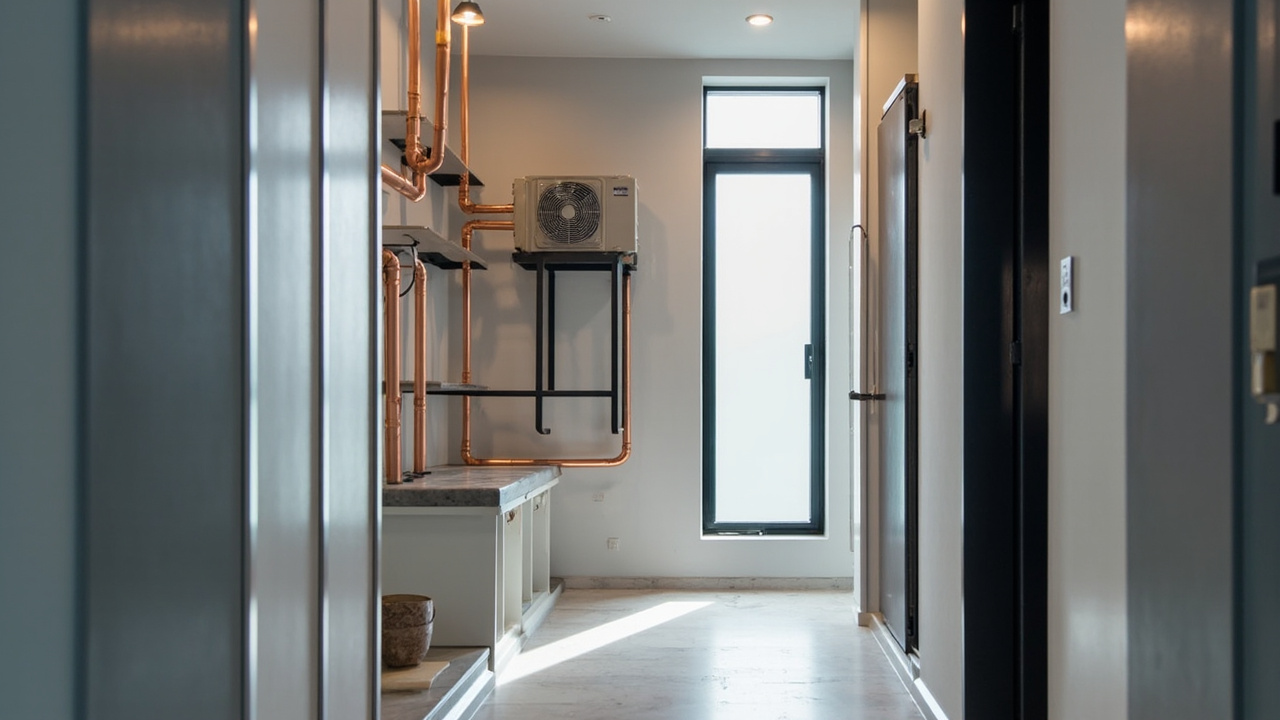
HVAC Services in The Chicago Area

Whether you’re dealing with a heating emergency or planning an AC upgrade, Five Star is just around the corner. Serving Chicago and surrounding communities, we’re proud to be the go-to HVAC company for homes and businesses alike. Use the map below to locate us quickly, or give us a call for directions or on-site service availability. We’re always ready to help, no matter where you are in the area — because comfort should never be out of reach.

Address:
Five Star HVAC Chicago, 2828 N Clark St, Chicago, IL, 60657

Additional Services We Offer

Our news updates

Latest Articles & News from The Blogs

Professional duct cleaning services for Hyde Park townhomes and historical Chicago estatesLiving in a Hyde Park townhome near the Chicago…

Professional duct cleaning services for Hyde Park townhomes and historical Chicago estates

Professional duct cleaning services for Hyde Park townhomes and historical Chicago estatesLiving in a Hyde Park townhome near the Chicago…

Common HVAC problems in Gold Coast high rises and how to fix them for reliable comfort

Living in a Gold Coast high rise offers some of the most spectacular views of Lake Michigan and the Magnificent…

Signs your McKinley Park coach house needs its own heating system

McKinley Park homeowners are increasingly transforming historic coach houses into legal living spaces. The expansion of the Chicago Additional Dwelling…

Contact Us

Your cooling tower is critical infrastructure. Do not wait for a failure to address maintenance needs. Call Five Star HVAC Chicago at (708) 328-5999 to schedule a comprehensive system evaluation. We will identify efficiency losses, structural risks, and compliance gaps before they become expensive problems.