



menu

Furnace Repair & Heating Service in Chicago | Fast Response When Your Heat Fails

Expert furnace repair and heating system diagnostics across Chicago's neighborhoods, backed by trained technicians who understand how harsh winter conditions affect your central heating equipment and home comfort.

Slider Image 1
Slider Image 2
Slider Image 3
Slider Image 4
Slider Image 5
Slider Image 7
Slider Image 8
Slider Image 9
Slider Image 10
Slider Image 11

Why Chicago Furnaces Fail When You Need Them Most

Chicago winters test heating systems like few other places. When temperatures drop to single digits and the wind rips off Lake Michigan, your furnace runs nonstop for days. That constant cycling exposes weaknesses in heat exchangers, ignition systems, and blower motors.

The freeze-thaw cycles here create another problem. Condensate lines freeze. Exhaust vents ice over. Gas pressure drops when demand spikes across the city. Your furnace might fire up fine in October, then fail completely in January when every home on your block demands heat simultaneously.

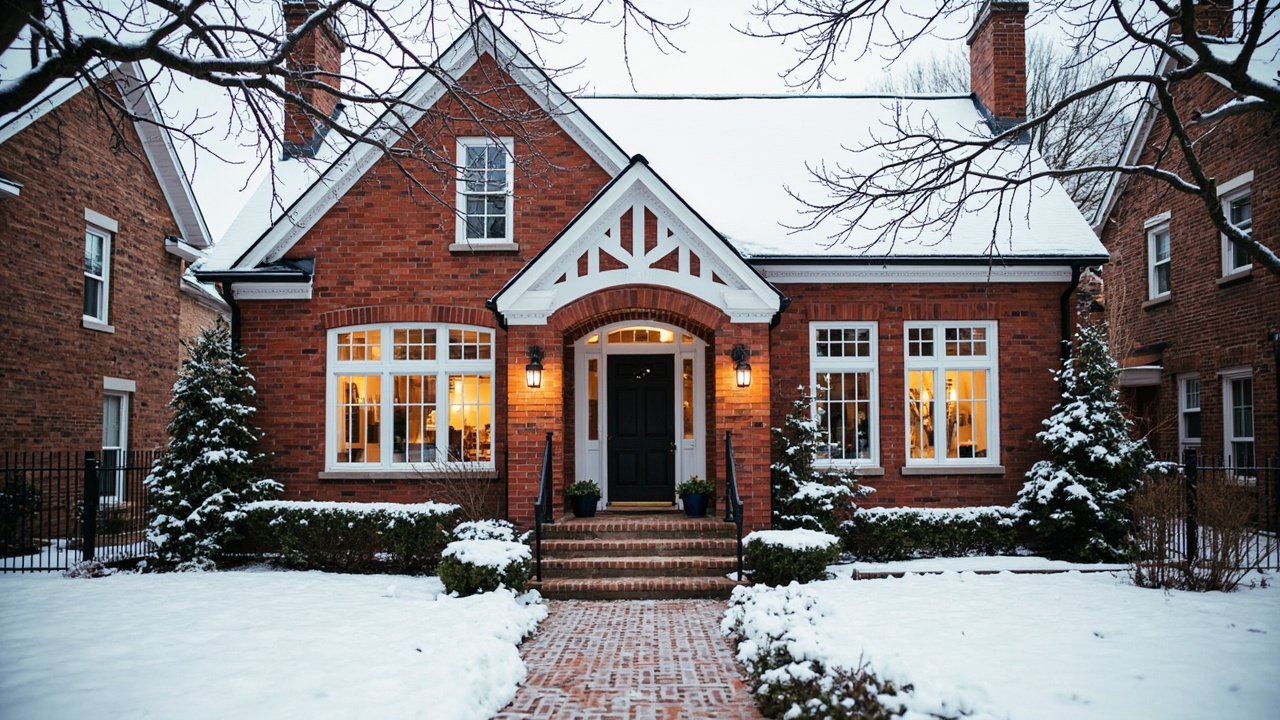
Homes in neighborhoods like Lincoln Park and Wicker Park face unique challenges. Older brick construction means poor insulation. Your heating system works harder to maintain temperature. Ductwork in vintage Chicago homes often leaks, forcing your furnace to compensate. That extra strain shortens component life.

You need heating system repair from technicians who know these patterns. Someone who understands that a furnace struggling in Rogers Park faces different issues than one failing in a newer Lakeview condo. Someone who stocks parts for both modern high-efficiency units and older workhorse systems common in Chicago's residential furnace repair market.

When your heat fails at 2 AM and it's 10 degrees outside, you need heater repair services that respond immediately. Not next week. Not when convenient. Now.

Why Chicago Furnaces Fail When You Need Them Most
How Professional Heating System Diagnostics Work

How Professional Heating System Diagnostics Work

Most heating failures happen because of failed diagnostics. Someone guesses at the problem, swaps a part, and hopes it works. That approach wastes money and leaves you cold.

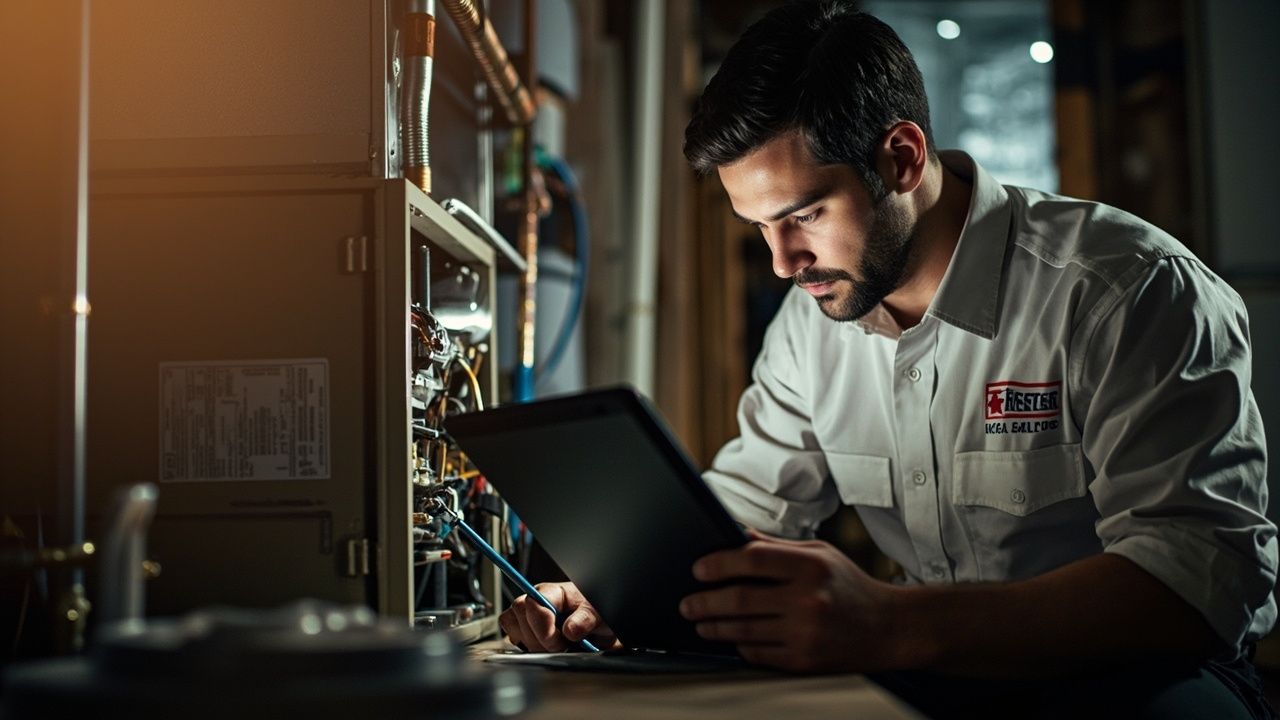
Professional central heating maintenance starts with systematic testing. We check gas pressure at the valve and at the burner assembly. We measure voltage at the transformer and at each safety switch. We test for proper draft through the exhaust vent using a manometer, not guesswork.

The heat exchanger gets visual inspection with a borescope. Cracks hide where you cannot see them. Carbon monoxide leaks kill people. We check every panel, every weld, every stress point. If the exchanger shows fatigue, we tell you immediately.

Blower motors fail gradually. We measure amp draw under load. A motor pulling higher amps than rated will quit soon. Better to replace it during a scheduled visit than at midnight in January. The capacitor gets tested with a multimeter. Weak capacitors cause hard starts that damage compressor windings.

Ignition systems vary by furnace age. Hot surface igniters crack from thermal stress. We replace them before they fail completely. Pilot assemblies on older units need cleaning and adjustment. Flame sensors corrode, causing nuisance shutdowns. A light sanding restores proper conductivity.

Ductwork inspection matters. Leaking supply ducts in your attic or crawlspace waste heated air. Return air leaks pull cold outside air into the system. Both problems force your furnace to run longer, burning more gas while delivering less comfort.

This systematic approach finds the real problem. We fix it right the first time.

What Happens During Your Furnace Service Call

Furnace Repair & Heating Service in Chicago | Fast Response When Your Heat Fails
01

Emergency Response Assessment

You call when your heat stops working. We dispatch a technician with diagnostic equipment and common repair parts. No waiting days for an appointment. During the call, we ask specific questions about symptoms. Is the thermostat calling for heat? Do you hear the blower running? Any unusual sounds or smells? These answers guide our initial diagnosis before arrival.
02

System Testing and Diagnosis

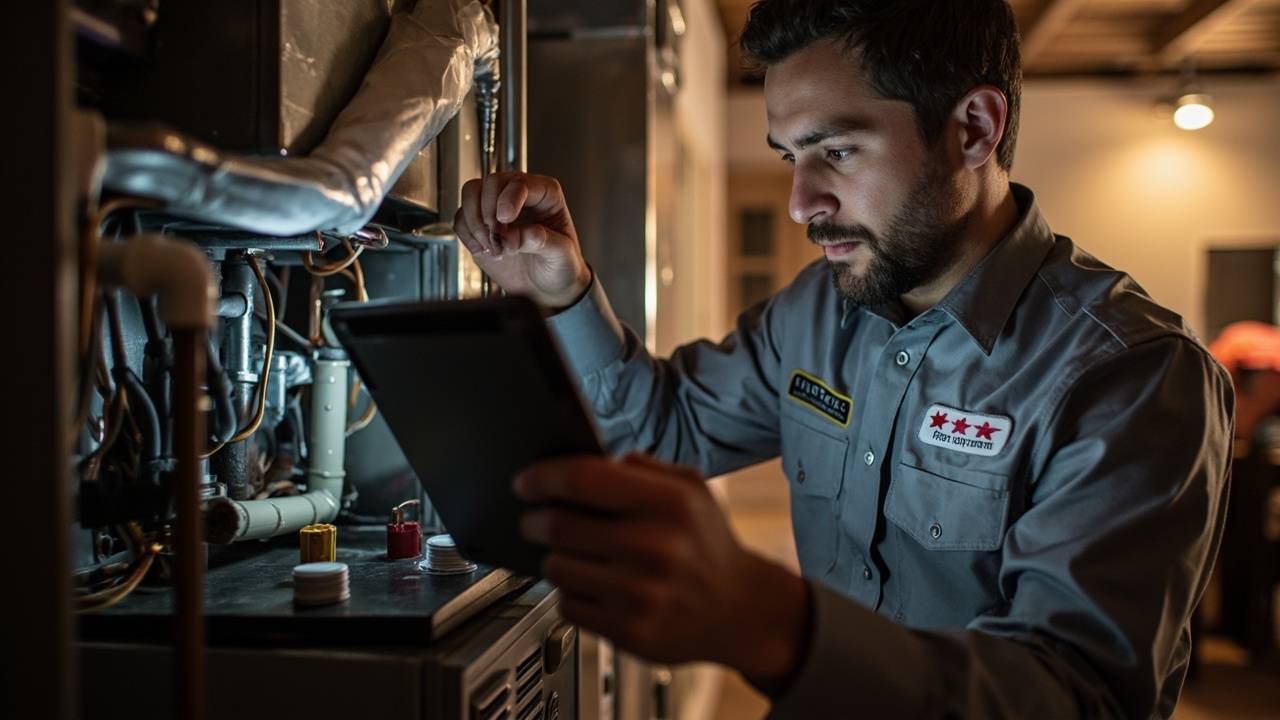
The technician tests each component in your heating system sequentially. Starting at the thermostat, we verify proper voltage and signals. Moving to the furnace, we check safety switches, gas valve operation, ignition sequence, and flame characteristics. Digital multimeters, manometers, and combustion analyzers provide objective data. We identify the failed component and explain what caused the failure.
03

Repair and Verification

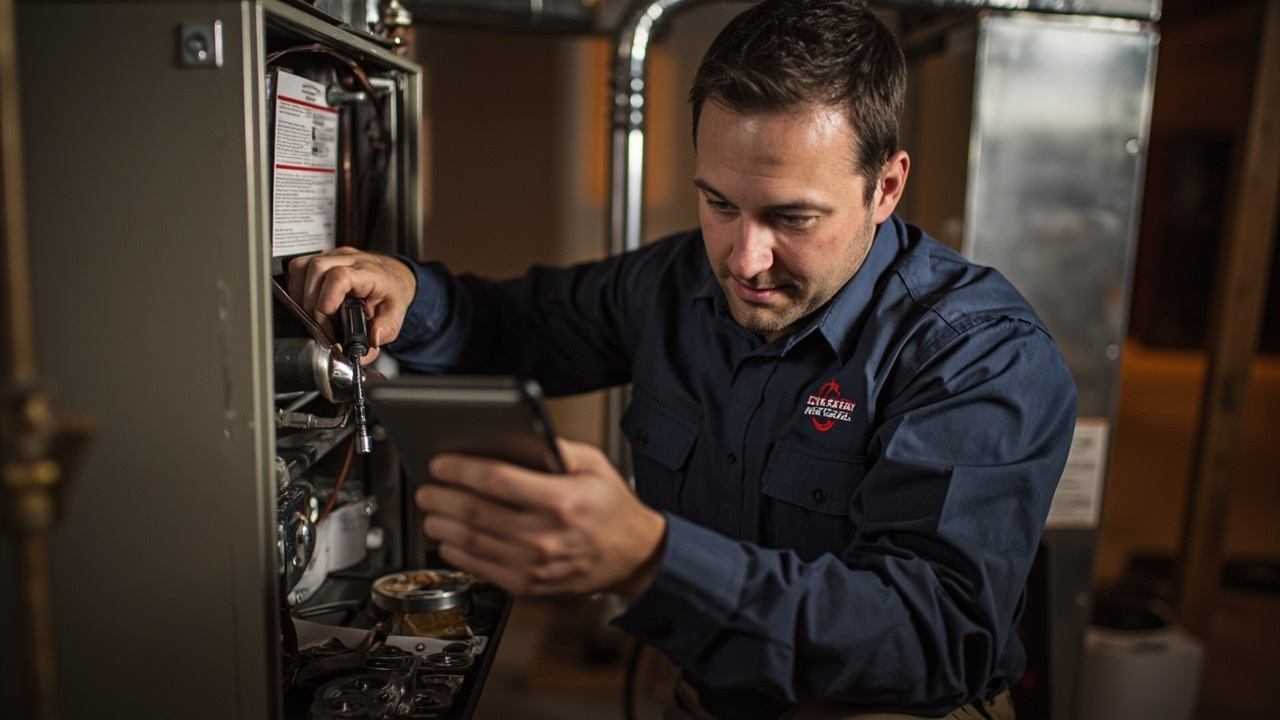
After explaining the problem and repair cost, we complete the work. New parts get installed to manufacturer specifications. The furnace runs through multiple heating cycles while we monitor performance. Temperature rise across the heat exchanger must fall within the acceptable range. Draft pressure, gas pressure, and flame pattern all get verified. You get heat restored and documentation of what we fixed.

Why Chicago Homeowners Trust Local Heating Experts

Chicago has specific building codes for heating equipment. Combustion air requirements differ based on home construction and furnace location. An installer from the suburbs might not know Chicago's amendments to state mechanical code. A technician unfamiliar with local inspection requirements can create compliance problems when you sell your home.

Neighborhoods have different infrastructure ages. A home in Edison Park might have original ductwork from the 1950s. A Pilsen renovation could have modern mini-split systems supplementing an older boiler. We stock parts for equipment across this entire range. National chains carry parts for units sold in the last five years. They cannot help when your reliable old furnace needs a specific blower wheel or gas valve.

Response time matters desperately in winter. A company based in Naperville takes an extra 40 minutes to reach your home in Rogers Park. We operate in Chicago. Our technicians live in Chicago. When you call at 11 PM because your furnace quit and the temperature inside is dropping, we arrive faster because we start closer.

Local commercial relationships matter too. We know which supply houses carry emergency stock. When a furnace needs an unusual part, we can get it tonight instead of ordering it for next week. That keeps your family warm instead of waiting in a cold house.

Five Star HVAC Chicago understands the rhythm of heating failures here. We know which furnace brands hold up in Chicago conditions and which models fail prematurely. That experience guides our repair recommendations. Sometimes repair makes sense. Sometimes replacement saves you money long-term. We give you honest advice based on decades of Chicago heating service.

You need someone who answers the phone, arrives fast, and fixes the problem correctly. That describes how we work.

What to Expect from Professional Furnace Service

Rapid Response Times

Heating emergencies cannot wait until normal business hours. We staff technicians for evening and weekend calls because furnaces fail when they run hardest. You call, we dispatch, and a technician arrives within hours, not days. Our trucks carry common repair parts so most fixes happen during the first visit. No appointments scheduled three days out while you shiver under blankets. Time matters when your home temperature drops and pipes risk freezing. Fast response prevents secondary damage and restores your comfort quickly.

Thorough System Evaluation

Proper diagnosis requires testing, not guessing. Technicians use calibrated instruments to measure system performance. Gas pressure readings show supply problems. Temperature measurements across the heat exchanger reveal efficiency issues. Amp draw on the blower motor predicts impending failure. Combustion analysis detects dangerous conditions. This testing takes time but finds problems accurately. You get a clear explanation of what failed, why it failed, and what repair restores proper operation. No vague descriptions or unnecessary parts replacement.

Reliable Heating Restoration

The repair must last through winter, not just restart your furnace temporarily. We replace failed components with quality parts designed for Chicago's demanding heating season. Installation follows manufacturer procedures. After repair, the system runs through complete heating cycles while we monitor performance. Temperature rise, draft pressure, and gas consumption all get verified against specification. Your furnace leaves our care working correctly, efficiently, and safely. You get documentation of the work performed and parts installed.

Ongoing Maintenance Guidance

Most heating failures are preventable with proper maintenance. After repairs, we explain what maintenance your specific furnace needs and when. Filter changes matter more than most homeowners realize. Dirty filters kill blower motors and crack heat exchangers. Annual inspections catch small problems before they become expensive failures. We can schedule fall maintenance before heating season begins. Catching a weak capacitor in October beats replacing a burned-out blower motor in January. Prevention costs less than emergency repairs.

Frequently Asked Questions

You Have Questions,
We Have Answers

What is the average cost to have your furnace serviced? +

Furnace service in Chicago typically costs $100 to $300 for a standard tune-up. Price varies based on furnace age, system type, and whether repairs are needed beyond routine maintenance. Chicago's harsh winters demand annual servicing to catch issues early. Older furnaces or complex systems may cost more. The inspection includes cleaning burners, checking the heat exchanger, testing carbon monoxide levels, and verifying airflow. Skipping maintenance raises winter breakdown risk when temperatures drop below zero. Regular service extends furnace life and prevents costly emergency calls during January cold snaps. Most Chicago HVAC companies offer seasonal maintenance plans that reduce per-visit costs.

What is the $5000 rule for HVAC? +

The $5,000 rule helps Chicago homeowners decide between repair and replacement. If repair cost times furnace age exceeds $5,000, replace the unit. Example: a 15-year-old furnace needs $400 in repairs. Multiply 400 by 15, which equals $6,000. This exceeds $5,000, so replacement makes financial sense. Chicago's freeze-thaw cycles stress furnaces more than milder climates. Older units run inefficiently during subzero weather, wasting energy. The rule factors in remaining lifespan and efficiency gains from new models. It prevents throwing money at dying equipment. Use this calculation when facing major component failures on aging systems.

What is the most common furnace failure? +

Ignitor failure tops the list in Chicago furnaces. Modern hot surface igniters crack from repeated heating cycles during cold months. Symptoms include the furnace running but producing no heat. Chicago's long heating season means more ignition cycles than warmer climates. Flame sensors rank second. They get coated with carbon buildup and shut down the burner as a safety measure. Blower motor issues come third, especially in older systems. Dirty filters force motors to work harder. Limit switches fail when furnaces overheat from restricted airflow. Most failures happen during the coldest weeks when you need heat most.

Is it cheaper to fix a furnace or replace it? +

Repair costs less upfront, but replacement saves money long-term if your furnace exceeds 15 years old. Simple fixes like thermostat replacement or blower motor repair cost $150 to $600. Heat exchanger replacement or full system failure runs $1,500 to $3,000, which approaches new furnace territory. Chicago's energy costs make efficiency critical. New furnaces achieve 95% to 98% efficiency versus 80% or less for older units. Calculate annual heating costs for both scenarios. Factor in remaining lifespan. A 12-year-old furnace needing major repairs should be replaced. Units under 10 years old usually justify repair costs.

What is the most expensive part to fix on a furnace? +

Heat exchanger replacement costs $1,500 to $3,000 in Chicago, making it the most expensive repair. This component transfers heat from combustion gases to your home's air. Cracks develop from years of expansion and contraction during heating cycles. Chicago's subzero winters accelerate wear. Cracked heat exchangers leak carbon monoxide, creating serious safety hazards. Most technicians recommend full furnace replacement instead of heat exchanger repair because labor costs approach new equipment prices. Control boards rank second at $400 to $1,200. Variable-speed blower motors cost $500 to $1,000. When facing heat exchanger failure, compare repair costs against new high-efficiency models.

What does a furnace service include? +

Chicago furnace service includes thermostat calibration, burner cleaning, heat exchanger inspection, blower motor lubrication, and filter replacement. Technicians test gas pressure, inspect venting systems, and verify carbon monoxide levels. They check electrical connections, measure temperature rise, and examine the flame sensor. Condensate drain lines get cleared to prevent freeze-ups. Safety controls get tested, including limit switches and rollout switches. Airflow measurements ensure proper circulation throughout your home. Technicians inspect ductwork connections for air leaks. The final step includes running the system through complete heating cycles. Proper service prevents mid-winter breakdowns when Chicago temperatures plummet below zero.

Is HVAC system cost tax deductible? +

HVAC replacements qualify for federal tax credits if you install qualifying energy-efficient equipment. The Inflation Reduction Act offers up to $2,000 for heat pumps and high-efficiency furnaces meeting specific efficiency ratings. Requirements change yearly, so verify current standards before purchasing. Standard repairs and maintenance are not deductible for residential properties. Chicago homeowners should request manufacturer documentation proving equipment meets efficiency thresholds. Business owners can deduct HVAC costs differently through depreciation or immediate expense deductions. Consult a tax professional familiar with Illinois regulations. Keep all receipts and certification documents. Credits reduce your tax bill directly, making high-efficiency upgrades more affordable.

What are signs my HVAC needs replacing? +

Your Chicago HVAC system needs replacement when repair costs exceed half the price of new equipment, the system exceeds 15 years old, or heating bills increase despite normal usage. Strange noises like banging or screeching indicate failing components. Uneven heating between rooms suggests ductwork issues or insufficient capacity. Frequent breakdowns, especially during extreme cold, signal system failure. Yellow furnace flames instead of blue indicate combustion problems. Visible rust or cracks on the heat exchanger require immediate replacement. Rising humidity levels mean your system cannot manage moisture. Chicago's temperature swings demand reliable equipment. Calculate total ownership costs before deciding.

Do HVAC companies give free quotes? +

Most Chicago HVAC companies provide free quotes for replacement systems and major repairs. Standard diagnostic visits typically cost $75 to $150, but this fee often applies toward repair costs. Emergency service calls carry higher diagnostic fees. Companies waive quote fees to stay competitive in Chicago's market. Get multiple quotes to compare equipment recommendations and pricing. Free quotes should include load calculations, efficiency ratings, and written estimates. Avoid companies pressuring immediate decisions. Legitimate contractors explain options without high-pressure tactics. Quotes remain valid for 30 days typically. Winter demand increases, so schedule quotes during fall for better availability and pricing.

Which brand of furnace is most reliable? +

Carrier, Trane, Lennox, and Rheem consistently rank as most reliable furnace brands in Chicago. Carrier handles extreme cold well with proven heat exchangers. Trane builds heavy-duty components that withstand Chicago's long heating seasons. Lennox offers high-efficiency models ideal for reducing winter energy costs. Rheem provides solid mid-range reliability at competitive prices. Brand matters less than proper installation and maintenance. A correctly sized, professionally installed furnace from any major manufacturer will perform reliably. Chicago's climate demands units rated for subzero operation. Work with experienced local contractors familiar with equipment performance in Midwest winters. Regular maintenance extends any brand's lifespan significantly.

How Chicago's Lake Effect Weather Accelerates Furnace Wear

Lake Michigan creates unique heating challenges across Chicago neighborhoods. The lake effect moderates temperatures near the shore but increases humidity year-round. That moisture condenses inside cold ductwork, promoting rust in older systems. As you move inland toward neighborhoods like Portage Park and Jefferson Park, temperature swings become more extreme. Your furnace cycles more frequently, wearing ignition components and heat exchangers faster. The constant wind penetrates older brick homes, creating drafts that force heating systems to compensate. These conditions make residential furnace repair more frequent in Chicago compared to inland cities with stable winter weather.

Chicago's mechanical code requires specific permits for furnace replacement and major repairs. Local inspectors know proper installation details for vintage homes and modern construction. Working with heating contractors who understand these requirements prevents compliance problems. Five Star HVAC Chicago maintains relationships with city inspectors and knows current code interpretations. When your heating system needs work, using local expertise ensures the job meets standards. That matters for your safety, home insurance, and resale value. National chains and suburban contractors often miss Chicago-specific requirements that cause problems later.
HVAC Services in The Chicago Area

Whether you’re dealing with a heating emergency or planning an AC upgrade, Five Star is just around the corner. Serving Chicago and surrounding communities, we’re proud to be the go-to HVAC company for homes and businesses alike. Use the map below to locate us quickly, or give us a call for directions or on-site service availability. We’re always ready to help, no matter where you are in the area — because comfort should never be out of reach.

Address:
Five Star HVAC Chicago, 2828 N Clark St, Chicago, IL, 60657

Additional Services We Offer

Our news updates

Latest Articles & News from The Blogs

Living in a dense Chicago neighborhood like Chinatown offers incredible access to culture and food. The narrow alleys and brick…

Quiet the Echo of Your Neighbors Loud AC in a Chinatown Alleyway

Living in a dense Chicago neighborhood like Chinatown offers incredible access to culture and food. The narrow alleys and brick…

Keeping Your Morgan Park Home Warm During a Winter Power Outage

Winter in Morgan Park brings a unique set of challenges for homeowners. The neighborhood is famous for its beautiful canopy…

Comparing Carrier and Trane for the unpredictable Chicago climate

The High Stakes of Chicago Climate Performance in 2026Chicago weather moves from one extreme to another with very little warning.…

Contact Us

Your family needs warmth now, not promises for later this week. Call (708) 328-5999 to reach a real person who dispatches help immediately. Our technicians carry tools and parts to fix most furnace problems during the first visit. Stop waiting in the cold.