





Schaumburg sits in the humid continental climate zone where summers push 90 degrees with crushing humidity and winters drop below zero. Your HVAC system runs harder here than in moderate climates. The temperature swings between seasons stress compressor components and heat exchangers. High humidity corrodes electrical connections and promotes mold growth in ductwork. The clay soil common throughout Cook County shifts with freeze-thaw cycles, cracking ductwork in crawl spaces and basements.
Schaumburg homes near Woodfield Mall and along the I-290 corridor were built in waves from the 1960s through 2000s, meaning aging systems mix with newer construction. Split-level homes and ranch-style houses dominate neighborhoods like Lexington Hills and Old Plum Grove, creating ductwork challenges that require local expertise. The village building code requires permits for HVAC replacement, and inspections verify proper refrigerant handling and combustion safety. Systems installed without understanding Schaumburg's clay soil drainage issues fail prematurely when condensate lines freeze or foundations settle.
Five Star HVAC Chicago built its reputation responding to middle-of-the-night furnace failures and weekend air conditioning breakdowns throughout the northwest suburbs. We answer our phones at 2 AM because we know a broken furnace in January is not something you can wait until Monday to fix. Our technicians arrive in fully stocked trucks with the parts that fail most often in Chicagoland systems, which means fewer trips and faster repairs.
We train our team on both legacy systems common in Schaumburg's older neighborhoods and the high-efficiency equipment going into newer construction. When we diagnose a problem, we explain what failed, why it failed, and what you can do to prevent it from happening again. No upselling. No scare tactics. Just honest assessment and repair options that fit your budget.
Our relationship with Schaumburg goes beyond emergency calls. We maintain systems for commercial properties along East Golf Road, service multi-family buildings near the Metra station, and handle residential HVAC for homeowners from Prairie Center to Weathersfield. We pull permits, coordinate inspections, and follow Cook County codes because shortcuts create callbacks. Our warranty covers parts and labor because we stand behind the quality of our installations and repairs. When you call Five Star HVAC Chicago, you get a technician who knows Schaumburg systems, respects your property, and fixes the problem permanently.

Your furnace does not wait for business hours to quit. We answer emergency calls day and night, weekends and holidays. Our dispatcher sends the nearest available technician with the diagnostic tools and common parts to get your system running. Fast response prevents frozen pipes, heat exhaustion, and property damage.

Our trucks carry the capacitors, contactors, thermostats, and ignitors that fail most often in Chicagoland systems. We stock parts for Carrier, Trane, Lennox, Rheem, and Goodman equipment. Most repairs finish in one visit because we bring what we need to complete the job without running to a supply house.
We diagnose the actual problem, not the most expensive problem. Our technicians explain what failed, show you the broken component, and give you repair options with upfront pricing. If your system can be repaired, we repair it. If replacement makes more sense, we explain why without pressure.
We pull permits for HVAC replacement and coordinate village inspections. Our installations meet Illinois mechanical code requirements for combustion air, venting, refrigerant handling, and electrical connections. Proper permitting protects your home value and insurance coverage. We do not cut corners that create liability.
Five Star HVAC Chicago handles every aspect of heating, cooling, and air quality for residential and commercial properties in Schaumburg. We repair broken systems, maintain equipment to prevent failures, and install new high-efficiency units when replacement makes more sense than continued repairs. Our service range covers emergency breakdowns, scheduled maintenance contracts, system upgrades, and indoor air quality improvements.
HVAC work divides into three main categories based on urgency and scope. Emergency repairs address immediate failures that leave you without heating or cooling. Maintenance and tune-ups keep systems running efficiently and catch small problems before they become expensive failures. Replacement and installation cover new construction, system upgrades, and end-of-life equipment changes. Each category requires different expertise, parts inventory, and project timelines. Understanding which service you need helps you get the right solution at the right price.
When your system quits, we respond immediately. Our emergency repair service handles furnace failures, air conditioner breakdowns, thermostat malfunctions, and complete system shutdowns. We diagnose the failure, source the replacement part, and restore your heating or cooling the same day whenever possible. Emergency service includes evenings, weekends, and holidays because HVAC failures do not follow a schedule.
Regular maintenance prevents emergency breakdowns and extends equipment life. Our tune-up service includes cleaning coils, checking refrigerant levels, testing electrical connections, lubricating moving parts, and inspecting heat exchangers for cracks. We catch worn components before they fail and give you a written report on system condition. Maintenance contracts include priority scheduling and discounted repairs for homeowners who want year-round protection.
Old systems waste energy and break down repeatedly. Our installation service covers complete system replacement, high-efficiency upgrades, and new construction HVAC. We size equipment correctly for your home, pull village permits, install according to manufacturer specifications, and coordinate final inspections. New systems include warranty registration and startup documentation. We install Carrier, Trane, Lennox, and other major brands based on your budget and efficiency goals.
Schaumburg's climate extremes and housing stock create predictable HVAC problems. Summer humidity overworks air conditioners and corrodes electrical components. Winter cold stresses furnace heat exchangers and ignition systems. The clay soil throughout Cook County shifts with seasonal moisture changes, damaging ductwork and condensate drains. Split-level homes and ranch houses built in the 1960s and 1970s have undersized ductwork that struggles to distribute conditioned air evenly.
These problems repeat across neighborhoods from Old Plum Grove to Lexington Hills. Homeowners near Woodfield experience the same furnace failures and air conditioning breakdowns as properties along the I-290 corridor. Understanding what fails and why helps you recognize problems early and avoid expensive emergency repairs. Here are the issues we see most often in Schaumburg homes.
Heat exchangers crack after 15 to 20 years of thermal cycling between extreme cold and operating temperature. Cracks allow combustion gases to mix with household air, creating carbon monoxide danger. Schaumburg's cold winters stress heat exchangers faster than moderate climates. A cracked heat exchanger requires furnace replacement because the part costs nearly as much as a new system.
Chicagoland humidity forces air conditioners to run longer cycles, which overheats compressors and wears contactors. Dirty coils worsen the problem by reducing heat transfer. Compressor failure makes a loud grinding noise and trips your circuit breaker. Replacement costs $1,500 to $2,500 depending on refrigerant type. Systems older than 12 years often get replaced rather than repaired when the compressor fails.
Air conditioners and high-efficiency furnaces drain condensate through plastic pipes that exit your basement or crawl space. These lines freeze when they pass through unheated areas or lack proper slope. A frozen condensate line backs up water into your furnace or air handler, triggering safety shutoffs. Clay soil settlement in Schaumburg basements changes drain slope over time, making freeze-ups more common in older homes.
Split-level and bi-level homes built in the 1960s and 1970s often have ductwork sized for smaller, less efficient equipment. When you upgrade to a high-efficiency furnace or air conditioner, undersized ducts restrict airflow and cause uneven temperatures. Upper levels overheat in summer while basements stay cold in winter. Proper ductwork modification balances airflow and improves comfort across all levels.
HVAC emergencies create stress. You need information fast and you need someone who shows up when they say they will. Five Star HVAC Chicago runs service calls differently than companies that book appointments in four-hour windows and send whoever is available. We answer our phones with a real person, not a voicemail system. Our dispatcher asks specific questions about your problem, gives you an accurate arrival window, and sends a technician who specializes in your type of equipment.
You get a phone call when the technician is 15 minutes away. The technician arrives in a clearly marked truck with company identification. We respect your property by wearing shoe covers and using drop cloths. After diagnosing the problem, we explain what failed in plain language and give you repair options with upfront pricing. No surprise charges. No pressure to buy services you do not need. Just honest assessment and quality work. Here is what you can expect at each stage of working with us.
When you call Five Star HVAC Chicago, a dispatcher answers and asks about your symptoms. We determine if you need emergency service or if the problem can wait for a scheduled appointment. Emergency calls get same-day dispatch. Scheduled maintenance gets confirmed appointments with specific arrival windows, not vague all-day blocks. You receive a confirmation text with technician name and photo. We call 15 minutes before arrival so you are not waiting around wondering when we will show up.
Our technician inspects your system, tests components, and diagnoses the root cause of the failure. We explain what broke, why it broke, and what happens if you delay the repair. You get written repair options with parts and labor costs listed separately. We never start work without your approval on price. If multiple solutions exist, we explain the differences in cost, longevity, and performance so you can make an informed decision about your home.
We complete repairs using manufacturer-specified parts and proper installation techniques. Our technician tests the system under load to verify proper operation before leaving. You receive a written invoice detailing work performed and parts installed. Repairs include our labor warranty and manufacturer parts warranty. We follow up within 48 hours to confirm your system is running correctly. If problems develop, we return at no additional charge to make it right.
HVAC service should be straightforward. You call with a problem. We show up when we say we will. We fix it correctly. Five Star HVAC Chicago follows a three-step process designed to minimize disruption and get your system running fast.
Call our office or request service online. Our dispatcher asks about your symptoms and equipment type. Emergency calls get same-day dispatch. Scheduled maintenance gets confirmed appointments within your preferred timeframe. You receive a text confirmation with technician details. We call 15 minutes before arrival. Our technician shows up in a marked truck with full parts inventory and diagnostic tools ready to identify your problem immediately.
The technician inspects your system, tests components, and pinpoints the failure. We explain the diagnosis in plain language and show you the problem when possible. You receive written repair options with upfront pricing. Once you approve the work, we complete the repair using quality parts and manufacturer specifications. Most service calls finish in one visit because our trucks carry the components that fail most often in Chicagoland systems.
After completing repairs, the technician tests your system under normal operating conditions to verify proper function. We clean the work area and walk you through what we fixed. You receive a detailed invoice showing parts, labor, and warranty information. We follow up within 48 hours to confirm everything is working correctly. If any issues arise, we return promptly to resolve them at no additional charge.
Illinois follows the International Mechanical Code with state amendments that govern HVAC installation, repair, and replacement. The Village of Schaumburg requires permits for system replacement, major duct modifications, and refrigerant line work. Permits trigger inspections that verify combustion air supply, venting adequacy, electrical connections, refrigerant charge, and condensate drainage. Contractors who skip permits create liability for homeowners and violate state law.
The Illinois Environmental Protection Act regulates refrigerant handling through EPA Section 608 certification requirements. Technicians must recover refrigerant before opening systems, document refrigerant quantities, and dispose of recovered refrigerant properly. Venting refrigerant to atmosphere carries fines up to $37,500 per violation. Proper refrigerant management protects the environment and keeps your system running at peak efficiency.
Furnace installations must follow National Fuel Gas Code requirements for combustion air, venting, and gas piping. High-efficiency condensing furnaces require PVC venting with proper slope, support, and termination location. Heat exchangers need adequate clearances from combustible materials. Undersized combustion air supply causes incomplete combustion, carbon monoxide production, and premature heat exchanger failure. Cook County's clay soil requires proper condensate drainage to prevent basement flooding.
Air conditioning installations require proper refrigerant line sizing, evacuation to 500 microns before charging, and superheat or subcooling verification. Undersized lines restrict refrigerant flow and reduce system capacity. Improper evacuation leaves moisture in the system that freezes at the expansion device and corrodes compressor components. Electrical connections must follow National Electrical Code wire sizing, disconnect placement, and overcurrent protection requirements. Shortcuts create safety hazards and void manufacturer warranties.
Schaumburg requires permits for HVAC replacement, duct modifications, and refrigerant line installation. Permits cost $50 to $150 depending on scope. Inspections verify code compliance for combustion air, venting, electrical, and refrigerant handling. Work completed without permits creates problems when you sell your home or file insurance claims. We pull permits and coordinate inspections for all replacement projects.
System size, efficiency rating, and installation complexity determine replacement cost. A basic 3-ton 14 SEER air conditioner costs less than a 16 SEER variable-speed model. Ductwork modifications, electrical upgrades, and gas line relocation add expense. Split-level homes require more labor than ranch houses. High-efficiency equipment costs more upfront but reduces operating costs. We quote projects with multiple equipment options so you understand the value differences.
Emergency repairs take 1 to 3 hours depending on diagnosis complexity and parts availability. System replacement requires 1 to 2 days for residential installations. Complex projects with ductwork modifications or electrical upgrades take longer. Permit approval adds 3 to 5 business days before installation starts. Final inspections happen within 48 hours of completion. We schedule projects to minimize inconvenience and keep you informed throughout the timeline.
Manufacturer warranties cover parts for 5 to 10 years depending on equipment brand and registration. Labor warranties vary by contractor. Five Star HVAC Chicago provides 1-year labor warranty on installations and 90-day labor warranty on repairs. Extended warranties cover parts and labor beyond manufacturer coverage. Proper registration and documentation protect your investment. We handle warranty registration and provide copies of all documentation.
HVAC technician explains common heating and cooling problems in Schaumburg homes caused by extreme climate, high humidity, and clay soil. Covers cracked heat exchangers, compressor failures, frozen condensate lines, and undersized ductwork in split-level homes. Reviews Illinois mechanical code requirements for permits, refrigerant handling, and combustion safety. Discusses proper system sizing, installation standards, and maintenance strategies that prevent emergency breakdowns in Chicagoland climate conditions.
Five Star HVAC Chicago serves residential and commercial properties throughout Schaumburg and the northwest Cook County area. We respond to service calls from the Old Plum Grove neighborhood in the south where ranch homes and split-levels from the 1960s dominate the housing stock. These older systems require technicians who understand legacy equipment and can source parts for discontinued models. Moving north toward Lexington Hills and the Weathersfield community, newer construction from the 1980s and 1990s presents different challenges with undersized ductwork and builder-grade equipment reaching end of life.
The commercial corridor along East Golf Road and the area surrounding Woodfield Mall includes retail properties, restaurants, and office buildings with rooftop units and complex zoning systems. We handle commercial HVAC service, tenant buildouts, and emergency repairs for businesses that cannot afford downtime. Properties near the Metra station and along the I-290 corridor benefit from our fast response times and fully stocked service trucks that minimize repeat visits.
Schaumburg's location at the intersection of I-290, I-90, and Route 53 makes it accessible from our service area throughout the northwest suburbs. We service systems in neighboring Hoffman Estates, Palatine, Rolling Meadows, and Elk Grove Village. The climate challenges remain consistent across Cook County, whether you live near Busse Woods Forest Preserve or in the newer developments north of Schaumburg Road. Clay soil settlement, extreme temperature swings, and high humidity affect HVAC systems throughout the region.
Homeowners in Prairie Center and neighborhoods near Spring Valley face the same compressor failures and heat exchanger cracks as properties anywhere in Schaumburg. The age of equipment and quality of original installation matter more than specific location. We maintain service records for properties across all Schaumburg ZIP codes, which helps us identify recurring problems and stock the right parts for your neighborhood. When you call Five Star HVAC Chicago, you get a technician who knows Schaumburg systems and responds from nearby staging locations to minimize your wait time during emergencies.
The $5000 rule helps Schaumburg homeowners decide between repair and replacement. If your system is over 15 years old and the repair cost multiplied by the system age exceeds $5000, replacement makes more financial sense. For example, a $400 repair on a 13-year-old unit equals $5200, signaling it's time to replace. With Schaumburg's humid summers and freezing winters stressing older equipment, this rule prevents you from pouring money into a failing system. Factor in rising energy bills and refrigerant phase-outs when making your decision.
Carrier, Trane, and Lennox consistently rank as the most trusted brands nationwide. Carrier invented modern air conditioning and maintains strong reliability scores. Trane builds commercial-grade residential units known for durability. Lennox offers solid efficiency and quiet operation. In Schaumburg's climate with temperature swings from subzero winters to 90-degree summers, brand matters less than proper sizing and professional installation. A correctly installed mid-tier system outperforms a poorly installed premium brand. Focus on finding an experienced local contractor who understands load calculations for Illinois homes.
Trane and Carrier systems typically last 18 to 22 years with proper maintenance. Their compressors and heat exchangers use thicker gauge metals and stronger welds. Lennox and Rheem also build durable equipment when maintained correctly. In Schaumburg, longevity depends heavily on seasonal maintenance. The freeze-thaw cycles and summer humidity stress components. Annual tune-ups, clean coils, and prompt repairs extend any brand's lifespan. A basic system with regular care outlasts a premium neglected unit. Change filters every 90 days and schedule professional service twice yearly.
The $5000 rule helps Schaumburg homeowners decide between repair and replacement. If your system is over 15 years old and the repair cost multiplied by the system age exceeds $5000, replacement makes more financial sense. For example, a $400 repair on a 13-year-old unit equals $5200, signaling it's time to replace. With Schaumburg's humid summers and freezing winters stressing older equipment, this rule prevents you from pouring money into a failing system. Factor in rising energy bills and refrigerant phase-outs when making your decision.
Carrier, Trane, and Lennox consistently rank as the most trusted brands nationwide. Carrier invented modern air conditioning and maintains strong reliability scores. Trane builds commercial-grade residential units known for durability. Lennox offers solid efficiency and quiet operation. In Schaumburg's climate with temperature swings from subzero winters to 90-degree summers, brand matters less than proper sizing and professional installation. A correctly installed mid-tier system outperforms a poorly installed premium brand. Focus on finding an experienced local contractor who understands load calculations for Illinois homes.
Trane and Carrier systems typically last 18 to 22 years with proper maintenance. Their compressors and heat exchangers use thicker gauge metals and stronger welds. Lennox and Rheem also build durable equipment when maintained correctly. In Schaumburg, longevity depends heavily on seasonal maintenance. The freeze-thaw cycles and summer humidity stress components. Annual tune-ups, clean coils, and prompt repairs extend any brand's lifespan. A basic system with regular care outlasts a premium neglected unit. Change filters every 90 days and schedule professional service twice yearly.
The number one company varies by region and need. National chains offer brand recognition but often subcontract local work. Independent Schaumburg contractors provide personalized service and faster response times. Look for proper licensing, insurance, and NATE-certified technicians. Check Google reviews from verified Schaumburg customers. The best company for you answers calls quickly, provides clear pricing, and understands local building codes. Ask neighbors for referrals and verify the contractor pulls permits for installations. Emergency availability matters during Schaumburg's temperature extremes.
A complete system for 4000 square feet typically requires a 4 to 5-ton unit. Costs vary widely based on efficiency ratings, ductwork condition, and installation complexity. Higher SEER ratings reduce operating costs but increase upfront investment. Schaumburg homes with two stories or vaulted ceilings may need zoned systems, adding expense. Proper load calculations matter more than square footage alone. Insulation levels, window quality, and sun exposure affect sizing. Get multiple quotes from licensed contractors who perform Manual J calculations. Equipment-only pricing means nothing without professional installation.
The 3-minute rule prevents compressor damage. After your AC shuts off, wait at least 3 minutes before restarting. This delay lets refrigerant pressures equalize between the high and low sides. Restarting too quickly forces the compressor to start against high head pressure, potentially damaging internal components. Most modern thermostats have built-in delay circuits. In Schaumburg's humid climate where AC cycles frequently, this protection matters. If you notice short cycling or rapid on-off patterns, call a technician. The compressor is the most expensive component to replace.
The best value balances upfront cost with long-term efficiency. For Schaumburg homeowners, a 16 SEER two-stage system offers solid returns. Single-stage budget units cost less initially but run inefficiently and wear faster. Premium 20+ SEER systems take decades to recoup costs through energy savings. Two-stage compressors run longer at lower speeds, improving humidity removal during muggy summers and providing better temperature consistency. Pair any system with a programmable thermostat and quality installation. Proper ductwork sealing and sizing matter more than brand name for actual comfort and savings.
Schaumburg HVAC systems face several recurring issues. Dirty filters restrict airflow and freeze evaporator coils. Clogged condensate drains cause water damage, especially during humid summers. Thermostat malfunctions create temperature inconsistencies. Refrigerant leaks reduce cooling capacity and damage compressors. Frozen outdoor units result from running AC below 60 degrees. Furnace ignition problems spike during cold snaps. Capacitor failures prevent compressors from starting. Ductwork leaks waste energy and reduce comfort. Regular maintenance catches most problems early. Strange noises, weak airflow, or rising energy bills signal trouble.
Reliability varies by specific model and installation quality. Some homeowners report issues with certain Goodman, York, and Frigidaire models. However, any brand fails when improperly installed or neglected. Focus less on avoiding specific brands and more on finding experienced installers. Schaumburg's extreme temperature swings expose poor workmanship quickly. Undersized systems run constantly and fail early. Oversized units short cycle and break down. Check contractor reviews, not just brand reputation. Even premium equipment fails without proper refrigerant charge, airflow balancing, and electrical connections. Maintenance records matter more than nameplates.
An 18 SEER system offers better value for most Schaumburg homes. The efficiency difference between 18 and 20 SEER is minimal in real-world conditions. You'll save roughly $100 annually on cooling costs with 20 SEER versus 18 SEER. That means decades to recover the higher upfront cost. If you plan to stay in your home 15-plus years and run AC heavily, 20 SEER makes sense. For average use, invest the savings in proper installation, quality ductwork, and a smart thermostat. Correct sizing and airflow matter more than SEER ratings for comfort.
The number one company varies by region and need. National chains offer brand recognition but often subcontract local work. Independent Schaumburg contractors provide personalized service and faster response times. Look for proper licensing, insurance, and NATE-certified technicians. Check Google reviews from verified Schaumburg customers. The best company for you answers calls quickly, provides clear pricing, and understands local building codes. Ask neighbors for referrals and verify the contractor pulls permits for installations. Emergency availability matters during Schaumburg's temperature extremes.
A complete system for 4000 square feet typically requires a 4 to 5-ton unit. Costs vary widely based on efficiency ratings, ductwork condition, and installation complexity. Higher SEER ratings reduce operating costs but increase upfront investment. Schaumburg homes with two stories or vaulted ceilings may need zoned systems, adding expense. Proper load calculations matter more than square footage alone. Insulation levels, window quality, and sun exposure affect sizing. Get multiple quotes from licensed contractors who perform Manual J calculations. Equipment-only pricing means nothing without professional installation.
The 3-minute rule prevents compressor damage. After your AC shuts off, wait at least 3 minutes before restarting. This delay lets refrigerant pressures equalize between the high and low sides. Restarting too quickly forces the compressor to start against high head pressure, potentially damaging internal components. Most modern thermostats have built-in delay circuits. In Schaumburg's humid climate where AC cycles frequently, this protection matters. If you notice short cycling or rapid on-off patterns, call a technician. The compressor is the most expensive component to replace.
The best value balances upfront cost with long-term efficiency. For Schaumburg homeowners, a 16 SEER two-stage system offers solid returns. Single-stage budget units cost less initially but run inefficiently and wear faster. Premium 20+ SEER systems take decades to recoup costs through energy savings. Two-stage compressors run longer at lower speeds, improving humidity removal during muggy summers and providing better temperature consistency. Pair any system with a programmable thermostat and quality installation. Proper ductwork sealing and sizing matter more than brand name for actual comfort and savings.
Schaumburg HVAC systems face several recurring issues. Dirty filters restrict airflow and freeze evaporator coils. Clogged condensate drains cause water damage, especially during humid summers. Thermostat malfunctions create temperature inconsistencies. Refrigerant leaks reduce cooling capacity and damage compressors. Frozen outdoor units result from running AC below 60 degrees. Furnace ignition problems spike during cold snaps. Capacitor failures prevent compressors from starting. Ductwork leaks waste energy and reduce comfort. Regular maintenance catches most problems early. Strange noises, weak airflow, or rising energy bills signal trouble.
Reliability varies by specific model and installation quality. Some homeowners report issues with certain Goodman, York, and Frigidaire models. However, any brand fails when improperly installed or neglected. Focus less on avoiding specific brands and more on finding experienced installers. Schaumburg's extreme temperature swings expose poor workmanship quickly. Undersized systems run constantly and fail early. Oversized units short cycle and break down. Check contractor reviews, not just brand reputation. Even premium equipment fails without proper refrigerant charge, airflow balancing, and electrical connections. Maintenance records matter more than nameplates.
An 18 SEER system offers better value for most Schaumburg homes. The efficiency difference between 18 and 20 SEER is minimal in real-world conditions. You'll save roughly $100 annually on cooling costs with 20 SEER versus 18 SEER. That means decades to recover the higher upfront cost. If you plan to stay in your home 15-plus years and run AC heavily, 20 SEER makes sense. For average use, invest the savings in proper installation, quality ductwork, and a smart thermostat. Correct sizing and airflow matter more than SEER ratings for comfort.
Whether you’re dealing with a heating emergency or planning an AC upgrade, Five Star is just around the corner. Serving Chicago and surrounding communities, we’re proud to be the go-to HVAC company for homes and businesses alike. Use the map below to locate us quickly, or give us a call for directions or on-site service availability. We’re always ready to help, no matter where you are in the area — because comfort should never be out of reach.
Address:
Schaumburg, IL, 60173
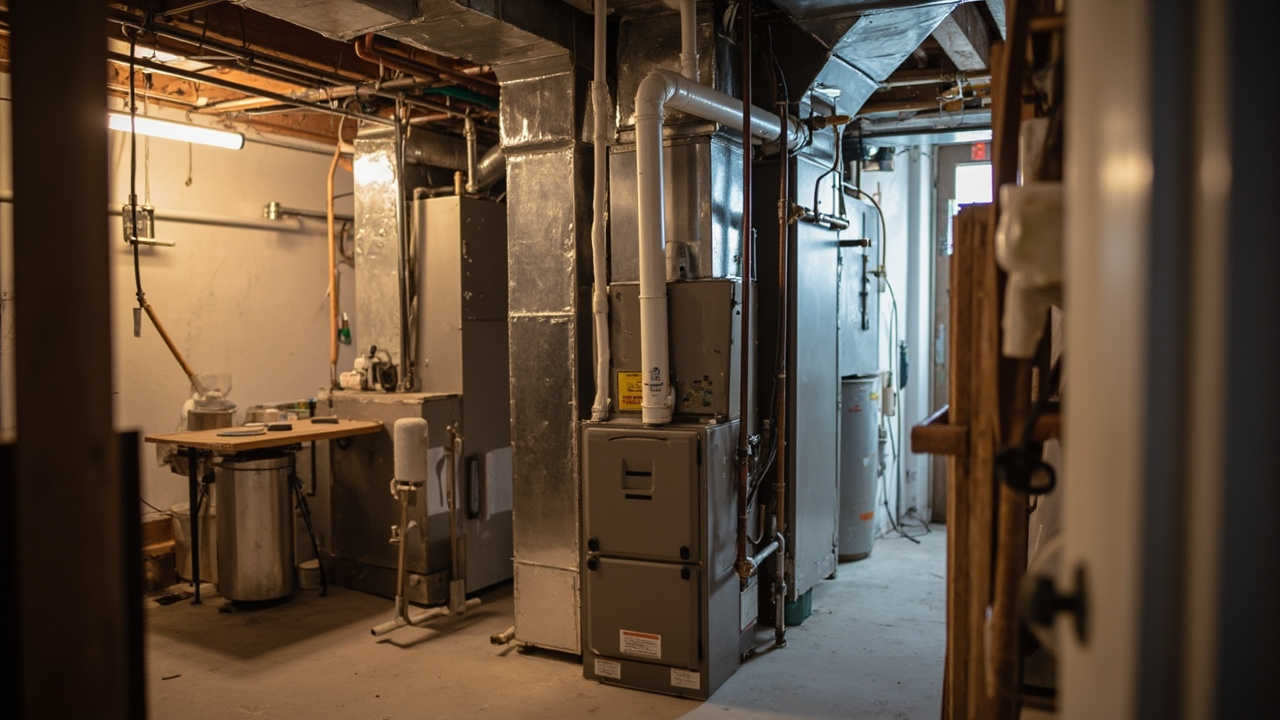
Heating a historic Oak Park bungalow requires a specialized approach that differs from modern suburban home maintenance. These iconic structures, known for their brick masonry and deep layouts, present unique challenges during the 2026 winter…
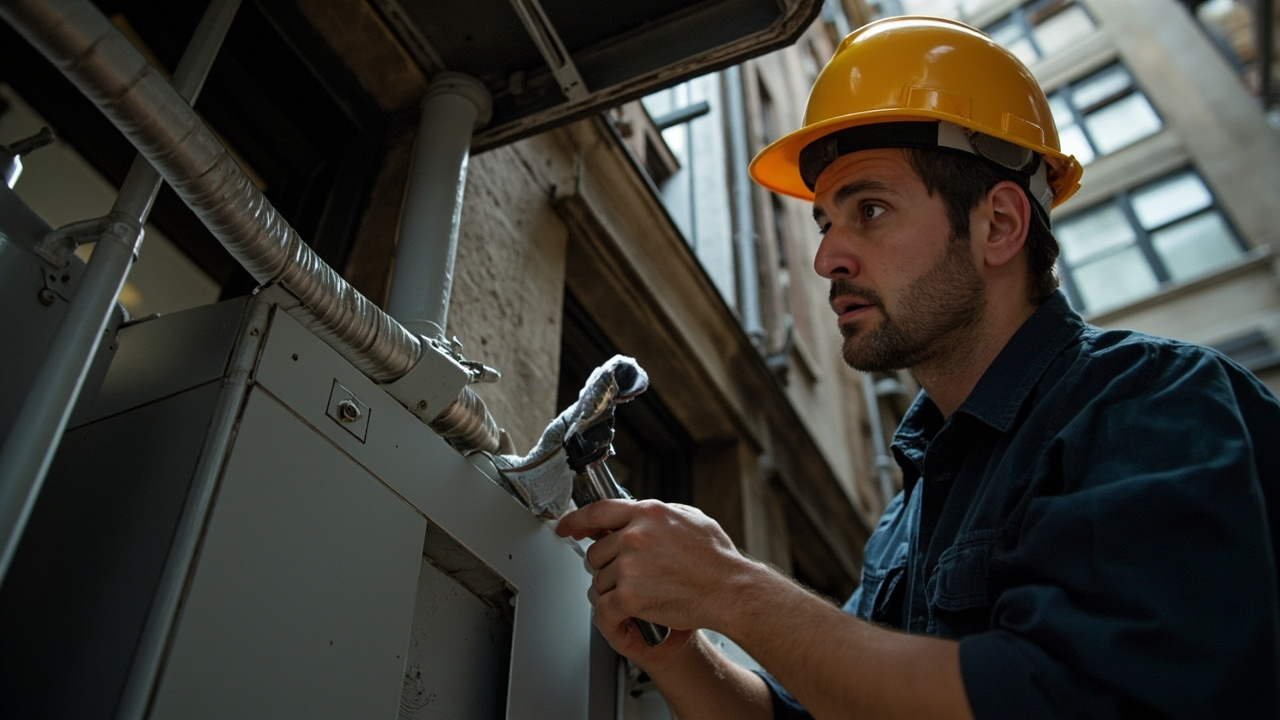
Professional duct cleaning services for Hyde Park townhomes and historical Chicago estatesLiving in a Hyde…
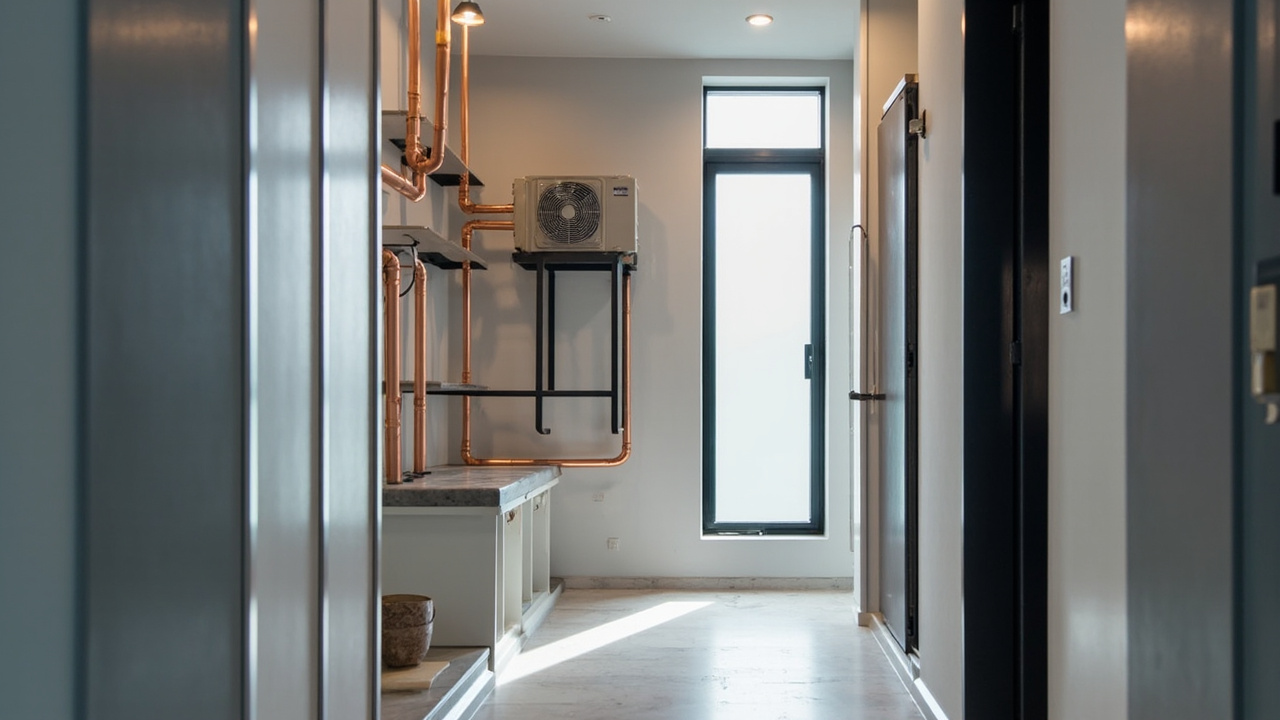
Living in a Gold Coast high rise offers some of the most spectacular views of…
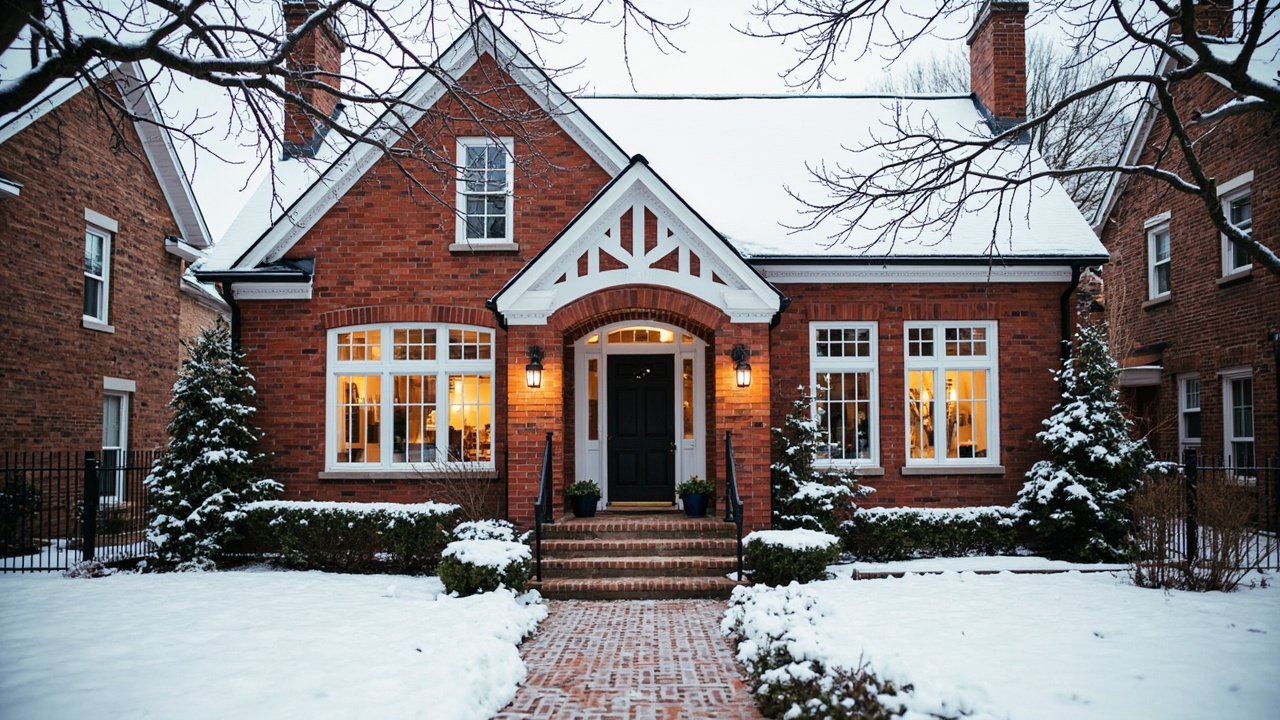
McKinley Park homeowners are increasingly transforming historic coach houses into legal living spaces. The expansion…
Your comfort cannot wait. Call Five Star HVAC Chicago at (708) 328-5999 for same-day emergency repair or schedule maintenance to prevent breakdowns. We answer 24/7 and dispatch immediately. Get your system running right now.