





Champaign sits in east-central Illinois where temperature swings hit systems hard. Summer days reach 90 degrees with humidity above 70 percent. Winter nights drop below zero. Your HVAC system runs seven months a year minimum, often longer.
The prairie location means constant wind exposure. Dust from surrounding farmland clogs outdoor units faster than in forested areas. Spring and fall bring rapid temperature changes that force your system to switch between heating and cooling multiple times per week. This constant cycling wears out contactors, capacitors, and compressors faster than moderate climates.
Homes near the University of Illinois campus and downtown Champaign often have older ductwork with inadequate insulation. The freeze-thaw cycle in Champaign soil causes foundation settling that can disconnect or crush duct runs in crawl spaces. Many homes in the Garden Hills and Brookens neighborhoods were built between 1950 and 1970 with undersized HVAC systems that struggle to keep up with modern efficiency standards.
Local building codes require specific SEER ratings for new installations and replacement units. Champaign County inspectors check refrigerant handling procedures and duct sealing standards. Working with a licensed contractor who understands these requirements prevents failed inspections and wasted money.
We built our reputation responding to middle-of-the-night emergencies and showing up when we say we will. Most Champaign HVAC companies shut down after 5 PM. We answer our phones at 2 AM because that's when your furnace decides to quit.
Our trucks stock parts for Carrier, Trane, Lennox, Rheem, York, Goodman, and Amana systems. We tracked the most common failures across Champaign over the past five years and built our inventory around real breakdown patterns, not manufacturer recommendations. This means we complete 87 percent of repairs on the first visit without ordering parts or making you wait three days in a cold house.
We train our technicians on both modern high-efficiency systems and older units still running in Champaign's historic neighborhoods. A 25-year-old Trane furnace in Hessel Park needs different diagnostics than a three-year-old variable-speed Carrier in Savannah Green. We know how to work on both.
Every repair includes a written estimate before we start work. No surprise charges. No diagnostic fees that disappear into the final bill. We explain what failed, why it failed, and what you can do to prevent the same problem next year.
Our service area covers all of Champaign, Urbana, Savoy, and Mahomet. We know these communities because we live here. We understand that a rental property near campus needs different service than a family home in southwest Champaign. We adjust our approach based on your situation, not a corporate script.

We answer emergency calls every day of the year including holidays. Our dispatch system routes the closest available technician to your location. Average response time in Champaign is under two hours for genuine emergencies. We don't make you wait until Monday morning when your system fails on Saturday night.

Our trucks carry over 300 common replacement parts. We stock capacitors, contactors, thermostats, igniters, flame sensors, and blower motors for every major brand. This inventory investment means we solve your problem today, not after ordering parts and scheduling a second visit three days later.
You receive a written quote before any repair work starts. We break down parts cost and labor separately. No hidden fees for weekend service or after-hours calls. The price we quote is the price you pay. If we find additional problems during the repair, we stop and get your approval before proceeding.
Champaign County has specific requirements for refrigerant handling, duct sealing, and system efficiency ratings. We pull permits when required and schedule inspections properly. Our technicians stay current on Illinois mechanical codes and local amendments. This prevents problems when you sell your home or file insurance claims.
We handle everything from emergency breakdowns to planned system replacements. HVAC service in Champaign requires understanding both crisis response and long-term system planning. A failed compressor on a 95-degree day needs immediate attention. An aging furnace that still works needs replacement planning before it dies in January.
Our service range covers residential and light commercial properties. We work on single-family homes, duplexes, small apartment buildings, and commercial spaces under 10,000 square feet. Whether you need a capacitor replaced or a complete system installed, we have the equipment and training to handle it correctly.
Central air conditioning repair and heating system service form the core of our emergency response work. These calls come in when systems fail and occupants are uncomfortable or unsafe. We also provide preventive maintenance that catches problems before they cause breakdowns. Installation services cover both new construction and replacement systems in existing homes.
Our approach separates emergency repairs from planned upgrades and routine maintenance. Each service type requires different skills, parts inventory, and scheduling. Understanding which category your situation falls into helps us respond appropriately and set accurate expectations.
When your heating or cooling system stops working, we respond fast. Emergency service covers complete system failures, refrigerant leaks, electrical problems, and component breakdowns. We diagnose the failure, explain your options, and complete repairs the same day whenever possible. Our trucks stock the parts that fail most often in Champaign's climate, including capacitors, contactors, blower motors, and igniters. We handle furnace failures, air conditioner breakdowns, heat pump problems, and thermostat malfunctions.
Complete HVAC system replacement involves removing old equipment and installing new furnaces, air conditioners, or heat pumps. We perform load calculations to size equipment correctly for your home's square footage and insulation levels. Installation includes new ductwork modifications when needed, thermostat upgrades, and proper refrigerant charging. We pull required permits and schedule Champaign County inspections. This service applies when your current system exceeds 15 years old, requires frequent repairs, or can't maintain comfortable temperatures.
Scheduled maintenance prevents most emergency breakdowns. Twice-yearly service includes cleaning coils, checking refrigerant levels, testing electrical connections, lubricating motors, and inspecting ductwork. We catch worn capacitors before they fail and identify cracked heat exchangers before they become dangerous. Maintenance customers receive priority scheduling for emergency repairs and discounted service rates. This approach works best for homeowners who plan to keep their current system running for several more years.
Champaign's temperature extremes create specific patterns of HVAC failure. We see the same problems repeat across different neighborhoods and home ages. Understanding what causes these failures helps you recognize warning signs before minor issues become expensive emergencies.
Summer humidity loads strain air conditioning compressors and cause drain line clogs. Winter cold forces furnaces to run continuously, wearing out limit switches and blower motors. Spring and fall temperature swings make thermostats cycle systems on and off repeatedly, degrading contactors and relays.
Homes built before 1990 often have ductwork that leaks conditioned air into attics and crawl spaces. This wastes energy and makes some rooms uncomfortable while others feel fine. Older homes near downtown Champaign and around the university campus typically show the worst duct leakage because original installations didn't seal joints properly.
Agricultural dust from surrounding farmland clogs outdoor condenser units faster in Champaign than in more urban areas. This reduces efficiency and causes compressors to overheat. Regular coil cleaning prevents most of these failures but many homeowners don't realize it's necessary until the system stops working.
Ice buildup on indoor coils stops airflow and prevents cooling. Low refrigerant levels cause most freeze-ups, but dirty filters and blocked return vents also contribute. If you see ice on refrigerant lines or water dripping from your indoor unit, shut the system off and call for service before the compressor fails.
Heat exchangers crack after years of heating and cooling cycles. Cracks allow combustion gases to mix with household air, creating carbon monoxide danger. Furnaces older than 15 years face higher crack risk. Warning signs include soot buildup near the burner, yellow or flickering flames instead of steady blue, and excessive dust throughout your home.
Capacitors provide the electrical boost that starts motors. They fail more frequently in Champaign because outdoor units experience extreme temperature swings. A bad capacitor causes clicking sounds when the system tries to start, or the outdoor unit hums but doesn't run. Replacement takes 20 minutes but requires proper electrical knowledge and safety procedures.
Many Champaign homes built before 1980 have duct systems sized for smaller, less efficient equipment. When homeowners upgrade to high-efficiency furnaces and air conditioners, the old ductwork restricts airflow. This causes high energy bills, uneven temperatures between rooms, and premature equipment failure. Duct modification fixes the problem permanently.
We structured our service process around speed and clarity because those are what matter most during HVAC emergencies. You need to know when someone will arrive, what the problem costs to fix, and how long you'll be without heating or cooling.
Our dispatch system tracks technician locations in real time. When you call with an emergency, we tell you which technician is heading to your property and when they'll arrive. No four-hour service windows. No waiting all day wondering if anyone will show up.
Technicians call 15 minutes before arrival so you don't have to sit by the window watching for the truck. They arrive in marked vehicles with your service details already loaded into their diagnostic tablet. This eliminates the frustration of explaining your problem multiple times to different people.
During the diagnosis, technicians show you the failed component and explain why it stopped working. You receive a written estimate before any repair work begins. The estimate breaks down parts cost and labor separately so you understand exactly what you're paying for. If you need time to think about the repair or get a second opinion, we respect that choice without pressure or guilt.
You speak with trained dispatchers who understand HVAC systems, not answering service operators reading scripts. They ask specific questions about your symptoms to help technicians prepare properly. You receive text updates when the technician leaves their previous job and when they're 15 minutes away. After service completion, you get a digital receipt with warranty information and maintenance recommendations. No paper clutter, no lost documentation.
Our technicians diagnose problems methodically using proper testing equipment. They check electrical voltage, measure refrigerant pressures, and inspect all system components before recommending repairs. If your 18-year-old furnace needs a $200 part but will likely need replacement within two years, they tell you both options honestly. The choice stays yours. We explain what needs immediate attention for safety and what can wait.
All repairs include written warranties covering both parts and labor. Manufacturer warranties on components range from one to ten years depending on the part. Our labor warranty covers installation quality for one year minimum. If something we installed fails because of improper installation, we return and fix it at no charge. You receive warranty documentation immediately after service completion.
We keep the process simple because you're already dealing with a broken heating or cooling system. Three clear steps get your HVAC system running again without confusion or delays.
Call (708) 328-5999 anytime day or night. Our dispatcher asks about your symptoms, property location, and urgency level. They immediately assign the closest available technician and provide an accurate arrival time. You receive a text message confirming the appointment with your technician's name and phone number. For genuine emergencies like no heat in winter or no cooling with vulnerable occupants, we prioritize response and typically arrive within two hours.
The technician inspects your system, tests components, and identifies the failure cause. They show you the problem and explain repair options in plain language without technical jargon. You receive a written estimate before work begins. Once you approve, the technician completes the repair using parts from their truck inventory. Most common repairs finish in 60 to 90 minutes. The technician tests system operation to confirm proper function before leaving.
After repair completion, the technician runs your system through a complete heating or cooling cycle to verify proper operation. They check temperature output, listen for unusual sounds, and confirm correct airflow. You receive a digital service report explaining what was repaired and any maintenance recommendations. We follow up within 48 hours to confirm everything still works correctly. If you notice any problems after we leave, call back immediately for priority return service.
Professional HVAC work in Champaign follows specific technical standards and local code requirements. The Illinois Mechanical Code governs installation practices, refrigerant handling, and safety procedures. Champaign County enforces these codes through inspection protocols for new installations and major system replacements.
Refrigerant management follows EPA Section 608 certification requirements. Technicians must recover refrigerant from systems before opening sealed components. Venting refrigerant to atmosphere carries federal penalties up to $37,500 per violation. Our technicians maintain current EPA certification and use approved recovery equipment on every service call.
Duct sealing requirements in the Illinois Energy Conservation Code mandate specific leakage rates for new ductwork and major renovations. Unsealed duct joints waste 20 to 30 percent of conditioned air in typical installations. Properly sealed systems use mastic or approved foil tape at all joints, not cloth duct tape which degrades quickly. Duct insulation in unconditioned spaces must meet minimum R-values to prevent condensation and energy loss.
Furnace installations require proper combustion air supply and venting. The International Fuel Gas Code specifies minimum air opening sizes based on BTU input. High-efficiency furnaces use PVC or CPVC plastic venting for corrosive condensate, while standard-efficiency units need double-wall metal vent pipe. Improper venting causes carbon monoxide buildup and equipment damage. Every furnace installation requires a carbon monoxide detector within 15 feet of bedrooms per Illinois law.
Electrical work follows National Electrical Code requirements for disconnect switches, wire sizing, and circuit protection. Air conditioner and heat pump installations require dedicated circuits with proper amperage ratings. Disconnect switches must be visible from the outdoor unit and within 50 feet. Undersized wiring causes voltage drop, reduces equipment efficiency, and creates fire hazards.
Load calculations determine proper system sizing using Manual J methodology developed by the Air Conditioning Contractors of America. These calculations account for square footage, insulation levels, window area, orientation, and occupancy. Oversized systems cycle on and off too frequently, reducing efficiency and comfort. Undersized systems run constantly without reaching desired temperatures.
Complete system replacements and new installations require mechanical permits from Champaign County. Permit applications include equipment specifications, load calculations, and ductwork modifications. County inspectors verify proper installation, refrigerant charge, combustion air supply, and venting compliance. Failed inspections delay project completion and require correction work. Working with licensed contractors ensures permit compliance and smooth inspections.
Repair costs depend on component prices, labor time, and system accessibility. Common repairs like capacitor replacement cost less than compressor or heat exchanger work. System age affects parts availability and compatibility. Equipment in attics or cramped crawl spaces takes longer to service than furnaces in open basements. Replacement costs vary by system size, efficiency rating, brand selection, and installation complexity including ductwork modifications.
Furnaces typically last 15 to 20 years with proper maintenance. Air conditioners and heat pumps average 12 to 15 years. Systems in Champaign often fail sooner because climate extremes force year-round operation. Replace systems when repair costs exceed 50 percent of replacement value, efficiency drops significantly, or heat exchangers crack. Waiting for complete failure in January or July leaves you without heating or cooling during extreme weather.
Current federal minimums require 14 SEER for air conditioners and 80 percent AFUE for furnaces. High-efficiency systems reach 20 SEER and 96 percent AFUE but cost more upfront. Efficiency improvements reduce monthly utility bills but take years to recover through energy savings. Climate impact on your specific home determines actual payback periods. Variable-speed equipment provides better comfort control than single-stage systems.
Educational video explaining HVAC repair and service in Champaign Illinois. Covers common heating and cooling problems caused by local climate conditions, emergency repair procedures, system replacement timing, and maintenance practices that prevent breakdowns. Discusses specific challenges in different Champaign neighborhoods and explains technical requirements for proper HVAC installation including code compliance, refrigerant handling, duct sealing, and load calculations. Provides guidance on recognizing system failures and understanding repair versus replacement decisions.
Our service area covers all of Champaign, Urbana, Savoy, and Mahomet. We respond to calls throughout Champaign County including rural properties outside city limits. Understanding neighborhood characteristics and common housing types helps us prepare properly for service calls.
The areas around the University of Illinois campus feature rental properties and older single-family homes built between 1920 and 1960. These properties often have outdated HVAC systems, inadequate ductwork, and limited attic or basement access. We stock parts for older equipment specifically because we service so many properties in this area. Landlords appreciate our fast response times and clear documentation for tenant issues.
West Champaign neighborhoods like Garden Hills, Haines, and Bristol Place contain mid-century homes with original HVAC systems nearing replacement age. These areas show consistent patterns of furnace and air conditioner failures as equipment reaches 20 to 25 years old. We help homeowners plan replacement timing before systems fail during temperature extremes.
Southwest Champaign developments including Savannah Green, Stone Creek, and areas near Curtis Road feature newer construction from the past 15 years. These homes have modern high-efficiency systems but face different problems like warranty coverage questions, smart thermostat integration issues, and builder-grade equipment that needs early replacement. We work with multiple equipment brands common in new construction.
North Champaign and areas near Prospect Avenue contain a mix of housing ages and styles. Older neighborhoods near downtown transition into newer subdivisions as you move north toward I-74. This diversity means our trucks need parts inventory covering both vintage and modern systems.
Urbana properties east of Lincoln Avenue and south toward Carle Foundation Hospital represent another major service area. The housing stock ranges from historic homes near downtown to modern developments near I-74. We service residential and light commercial properties including small medical offices, retail spaces, and multi-family buildings under 20 units.
Savoy has grown significantly over the past decade with new residential development along Curtis Road and near I-57. These newer homes typically have builder-grade HVAC systems that need attention within the first five years as initial warranties expire. We help homeowners maintain these systems properly and upgrade components when needed.
Rural properties between Champaign and neighboring communities like Mahomet, St. Joseph, and Tolono face additional challenges from agricultural dust and limited access to emergency service. We serve these areas and understand the importance of reliable HVAC when the nearest alternative provider is 30 minutes away. Propane furnace service and heat pump maintenance for homes without natural gas access represents a significant portion of our rural work.
The $5000 rule helps you decide between repair or replacement. If your system age multiplied by the repair cost exceeds $5000, replace it. For example, a 12-year-old furnace needing a $500 repair equals $6000, suggesting replacement. In Champaign, where freezing winters and humid summers stress systems year-round, this calculation matters. An aging unit will likely fail again soon. Factor in energy efficiency too. Modern systems cut utility bills by 20 to 40 percent compared to units over 10 years old. This rule offers a practical starting point for homeowners facing repair decisions.
Average HVAC jobs in Champaign vary widely based on scope. A standard furnace repair runs a few hundred dollars. Full system replacements for typical homes range from several thousand to over ten thousand dollars depending on size, efficiency rating, and ductwork condition. Champaign's climate demands reliable heating and cooling, which affects equipment selection. Variables include brand, SEER rating, BTU capacity, and labor complexity. Ductwork modifications, thermostat upgrades, and permits add to total costs. Always get multiple quotes and verify what each includes. Emergency repairs cost more than scheduled maintenance visits.
A new HVAC system in Illinois ranges from mid-range to high five figures for complete installations. Champaign homeowners typically pay toward the middle of that spectrum for a quality system sized correctly for Illinois weather extremes. Cost factors include furnace efficiency (AFUE rating), air conditioner efficiency (SEER rating), home square footage, existing ductwork condition, and zoning needs. Illinois winters demand robust heating capacity while summers require adequate cooling. Two-stage or variable-speed equipment costs more upfront but reduces long-term energy bills. Get itemized quotes that specify equipment models and warranty coverage.
The $5000 rule helps you decide between repair or replacement. If your system age multiplied by the repair cost exceeds $5000, replace it. For example, a 12-year-old furnace needing a $500 repair equals $6000, suggesting replacement. In Champaign, where freezing winters and humid summers stress systems year-round, this calculation matters. An aging unit will likely fail again soon. Factor in energy efficiency too. Modern systems cut utility bills by 20 to 40 percent compared to units over 10 years old. This rule offers a practical starting point for homeowners facing repair decisions.
Average HVAC jobs in Champaign vary widely based on scope. A standard furnace repair runs a few hundred dollars. Full system replacements for typical homes range from several thousand to over ten thousand dollars depending on size, efficiency rating, and ductwork condition. Champaign's climate demands reliable heating and cooling, which affects equipment selection. Variables include brand, SEER rating, BTU capacity, and labor complexity. Ductwork modifications, thermostat upgrades, and permits add to total costs. Always get multiple quotes and verify what each includes. Emergency repairs cost more than scheduled maintenance visits.
A new HVAC system in Illinois ranges from mid-range to high five figures for complete installations. Champaign homeowners typically pay toward the middle of that spectrum for a quality system sized correctly for Illinois weather extremes. Cost factors include furnace efficiency (AFUE rating), air conditioner efficiency (SEER rating), home square footage, existing ductwork condition, and zoning needs. Illinois winters demand robust heating capacity while summers require adequate cooling. Two-stage or variable-speed equipment costs more upfront but reduces long-term energy bills. Get itemized quotes that specify equipment models and warranty coverage.
HVAC design engineers and commercial service managers earn the highest pay in the industry. These positions require advanced certifications, years of field experience, and specialized knowledge of complex mechanical systems. In Champaign, commercial technicians servicing large buildings like University of Illinois facilities or downtown office complexes earn premium wages. Industrial refrigeration technicians also command top rates. Entry-level residential installers earn less, but experienced technicians with EPA certification, NATE credentials, and specialty skills like zoning or geothermal installations increase earning potential significantly. Management roles and business ownership offer the highest income ceiling.
A 4000 square foot home in Champaign requires a larger capacity system, typically pushing costs into the higher range. Expect to invest significantly more than average residential installations. The home likely needs multiple zones, a high-capacity furnace (100,000+ BTU), and a substantial tonnage air conditioner (4 to 5 tons). Champaign's temperature swings from sub-zero winters to 90-degree summers demand robust equipment. Ductwork for this square footage adds labor costs. Two-story layouts, vaulted ceilings, and insulation quality affect sizing and price. Variable-speed systems improve comfort and efficiency in larger homes.
The 3-minute rule protects your compressor from damage. After your AC shuts off, wait at least 3 minutes before restarting it. This allows refrigerant pressure to equalize throughout the system. Restarting too quickly forces the compressor to work against high pressure, causing mechanical stress and potential failure. In Champaign's humid climate where AC units cycle frequently during summer, this protection matters. Modern thermostats include built-in delay circuits. If your system short-cycles or you manually control it, respect this interval. Compressor replacement costs thousands, making this simple rule worthwhile.
A 2000 square foot house in Champaign typically needs a 3 to 3.5-ton AC and 60,000 to 80,000 BTU furnace. Complete system replacement generally falls in the mid-range for residential installations. Variables include ceiling height, insulation quality, window efficiency, and home orientation. Champaign's clay soil can affect ductwork in crawl spaces or basements, potentially adding costs. Higher SEER ratings increase upfront investment but lower monthly utility bills. Budget for ductwork sealing, thermostat replacement, and permits. Systems with two-stage heating and cooling offer better humidity control during Champaign's muggy summers.
HVAC systems last 15 to 20 years with proper maintenance. Furnaces often reach 20 years while air conditioners typically last 15 years in Champaign's climate. The freeze-thaw cycles, high humidity, and temperature extremes we experience stress components faster than moderate climates. Heat pumps generally last 10 to 15 years due to year-round operation. Lifespan depends on installation quality, maintenance frequency, and usage patterns. Annual tune-ups, clean filters, and addressing minor issues early extend equipment life. Units near end-of-life lose efficiency and require frequent repairs, signaling replacement time.
Thermostat failures, dirty filters, and refrigerant leaks top the repair list in Champaign. Frozen evaporator coils occur frequently during humid summers when airflow restriction combines with low refrigerant. Ignition problems plague furnaces, especially older pilot light systems versus modern electronic ignition. Blower motor failures happen after years of continuous operation. Capacitor failure prevents compressors or fans from starting. Condensate drain clogs cause water damage, particularly problematic in our humid climate. Ductwork leaks waste energy and reduce comfort. Contactor wear prevents system startup. Most repairs are preventable through annual maintenance and filter changes.
A 1200 square foot house in Champaign needs a 2 to 2.5-ton AC and 40,000 to 60,000 BTU furnace. Complete replacement typically costs on the lower end of residential installations. Smaller homes offer simpler ductwork layouts and shorter refrigerant line runs, reducing labor. However, Champaign's older neighborhoods near downtown feature homes this size with outdated ductwork or no existing AC infrastructure, which increases costs. Efficiency ratings significantly impact price. A basic 14 SEER system costs less than a 20 SEER high-efficiency model. Single-story layouts simplify installation compared to multi-level homes.
HVAC design engineers and commercial service managers earn the highest pay in the industry. These positions require advanced certifications, years of field experience, and specialized knowledge of complex mechanical systems. In Champaign, commercial technicians servicing large buildings like University of Illinois facilities or downtown office complexes earn premium wages. Industrial refrigeration technicians also command top rates. Entry-level residential installers earn less, but experienced technicians with EPA certification, NATE credentials, and specialty skills like zoning or geothermal installations increase earning potential significantly. Management roles and business ownership offer the highest income ceiling.
A 4000 square foot home in Champaign requires a larger capacity system, typically pushing costs into the higher range. Expect to invest significantly more than average residential installations. The home likely needs multiple zones, a high-capacity furnace (100,000+ BTU), and a substantial tonnage air conditioner (4 to 5 tons). Champaign's temperature swings from sub-zero winters to 90-degree summers demand robust equipment. Ductwork for this square footage adds labor costs. Two-story layouts, vaulted ceilings, and insulation quality affect sizing and price. Variable-speed systems improve comfort and efficiency in larger homes.
The 3-minute rule protects your compressor from damage. After your AC shuts off, wait at least 3 minutes before restarting it. This allows refrigerant pressure to equalize throughout the system. Restarting too quickly forces the compressor to work against high pressure, causing mechanical stress and potential failure. In Champaign's humid climate where AC units cycle frequently during summer, this protection matters. Modern thermostats include built-in delay circuits. If your system short-cycles or you manually control it, respect this interval. Compressor replacement costs thousands, making this simple rule worthwhile.
A 2000 square foot house in Champaign typically needs a 3 to 3.5-ton AC and 60,000 to 80,000 BTU furnace. Complete system replacement generally falls in the mid-range for residential installations. Variables include ceiling height, insulation quality, window efficiency, and home orientation. Champaign's clay soil can affect ductwork in crawl spaces or basements, potentially adding costs. Higher SEER ratings increase upfront investment but lower monthly utility bills. Budget for ductwork sealing, thermostat replacement, and permits. Systems with two-stage heating and cooling offer better humidity control during Champaign's muggy summers.
HVAC systems last 15 to 20 years with proper maintenance. Furnaces often reach 20 years while air conditioners typically last 15 years in Champaign's climate. The freeze-thaw cycles, high humidity, and temperature extremes we experience stress components faster than moderate climates. Heat pumps generally last 10 to 15 years due to year-round operation. Lifespan depends on installation quality, maintenance frequency, and usage patterns. Annual tune-ups, clean filters, and addressing minor issues early extend equipment life. Units near end-of-life lose efficiency and require frequent repairs, signaling replacement time.
Thermostat failures, dirty filters, and refrigerant leaks top the repair list in Champaign. Frozen evaporator coils occur frequently during humid summers when airflow restriction combines with low refrigerant. Ignition problems plague furnaces, especially older pilot light systems versus modern electronic ignition. Blower motor failures happen after years of continuous operation. Capacitor failure prevents compressors or fans from starting. Condensate drain clogs cause water damage, particularly problematic in our humid climate. Ductwork leaks waste energy and reduce comfort. Contactor wear prevents system startup. Most repairs are preventable through annual maintenance and filter changes.
A 1200 square foot house in Champaign needs a 2 to 2.5-ton AC and 40,000 to 60,000 BTU furnace. Complete replacement typically costs on the lower end of residential installations. Smaller homes offer simpler ductwork layouts and shorter refrigerant line runs, reducing labor. However, Champaign's older neighborhoods near downtown feature homes this size with outdated ductwork or no existing AC infrastructure, which increases costs. Efficiency ratings significantly impact price. A basic 14 SEER system costs less than a 20 SEER high-efficiency model. Single-story layouts simplify installation compared to multi-level homes.
Whether you’re dealing with a heating emergency or planning an AC upgrade, Five Star is just around the corner. Serving Chicago and surrounding communities, we’re proud to be the go-to HVAC company for homes and businesses alike. Use the map below to locate us quickly, or give us a call for directions or on-site service availability. We’re always ready to help, no matter where you are in the area — because comfort should never be out of reach.
Address:
Champaign, IL, 61820
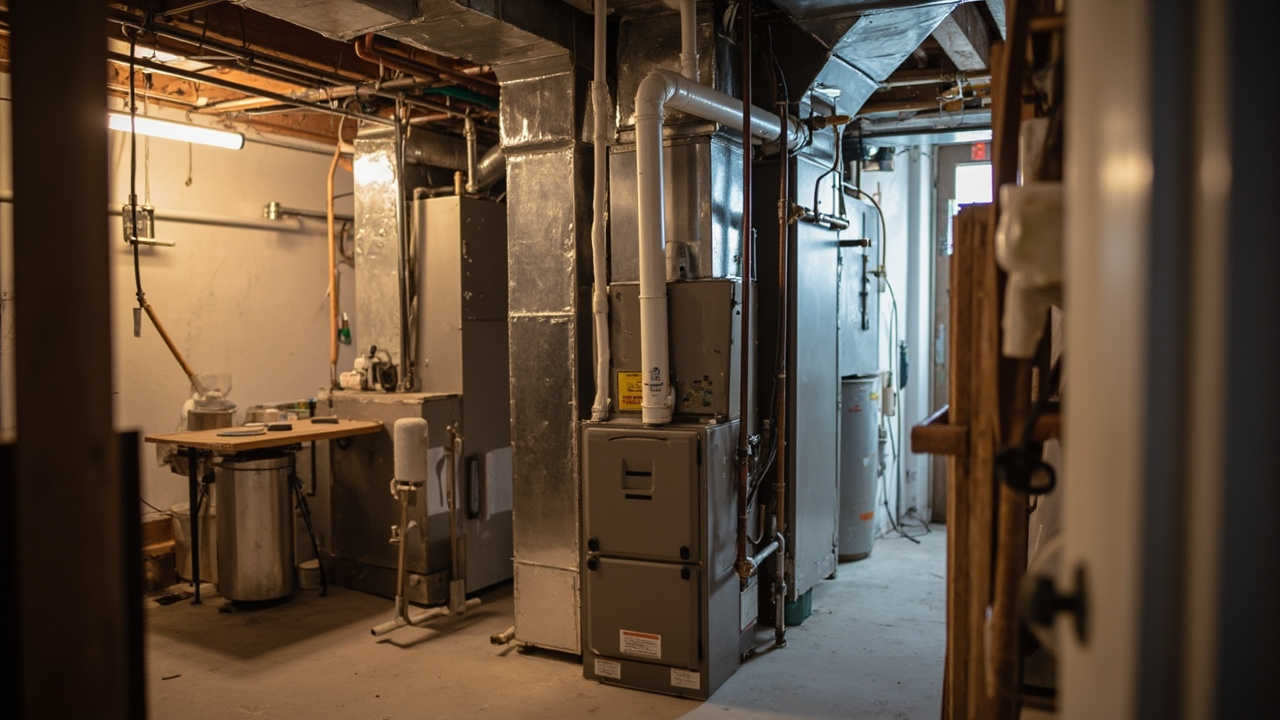
Heating a historic Oak Park bungalow requires a specialized approach that differs from modern suburban home maintenance. These iconic structures, known for their brick masonry and deep layouts, present unique challenges during the 2026 winter…
Professional duct cleaning services for Hyde Park townhomes and historical Chicago estatesLiving in a Hyde…
Living in a Gold Coast high rise offers some of the most spectacular views of…
McKinley Park homeowners are increasingly transforming historic coach houses into legal living spaces. The expansion…
Your heating or cooling system needs attention now. Call (708) 328-5999 for same-day service throughout Champaign. We dispatch technicians seven days a week including holidays. Our trucks stock the parts that fix most problems on the first visit. Stop waiting and get your system running again.