




Naperville sits in DuPage County where extreme temperature swings punish heating and cooling equipment year-round. Summer humidity pushes condensers to their limits while winter temps drop below zero, forcing furnaces to run constantly. The freeze-thaw cycles common along the DuPage River corridor cause ground shifts that stress ductwork connections and refrigerant lines in homes throughout Downtown Naperville and Ashbury.
Most Naperville homes were built between 1970 and 2000, meaning original HVAC systems are past their 15-year service life. Older neighborhoods near Centennial Beach and Knoch Knolls Park have outdated duct designs that waste energy. Clay-heavy soil common in subdivisions off Route 59 holds moisture against foundation walls, leading to condensation problems and mold growth in basement HVAC equipment. Municipal codes require permits for system replacements, and ComEd rebate programs demand specific efficiency ratings. Naperville homeowners need contractors who understand these local factors, not generic service companies guessing their way through repairs.
Five Star HVAC Chicago serves Naperville with technicians who live and work in DuPage County. We understand how the local climate breaks equipment and which systems hold up best in Illinois weather. Our trucks carry parts for every major brand because waiting three days for an ordered capacitor is unacceptable when your family is sweating through July heat or shivering in January cold.
We price every job upfront before work starts. No surprise charges, no hidden fees, no hourly rates that balloon out of control. You get a written estimate, you approve it, and that's what you pay. Period. Our technicians earn salaries, not commissions, so nobody pushes unnecessary replacements or expensive add-ons you don't need.
Every technician on our team holds current certifications in refrigerant handling and combustion safety. We pull permits for all system replacements and coordinate inspections with Naperville building officials. Our work meets or exceeds manufacturer specifications, which protects your equipment warranties and keeps your home insurance valid.
We've restored comfort to homes across Naperville for over a decade. From emergency repairs at midnight to planned system replacements scheduled around your family's needs, we show up on time, work clean, and leave your home better than we found it. When other companies quote you three-week wait times, we're diagnosing your problem and ordering parts the same day you call.

Your HVAC emergency can't wait for next week's opening. We dispatch technicians to Naperville homes within hours, arriving with diagnostic tools and common repair parts already on the truck. Most breakdowns get fixed the same day you call, restoring heat or air conditioning before your family suffers through another uncomfortable night.

We diagnose the problem, calculate the total cost, and present you with a written estimate before touching a single tool. No hourly rates that rack up charges. No surprise fees added at the end. You approve the price, we complete the work, and you pay exactly what we quoted. Simple and honest.
Every technician who enters your Naperville home carries current EPA refrigerant certifications and manufacturer training credentials. We invest in continuous education because HVAC technology changes fast. Our team knows how to service traditional systems and modern high-efficiency equipment, handling repairs that protect your warranty coverage and your investment.
We work exclusively in the Naperville area, which means we understand local building codes, permit requirements, and ComEd rebate programs. Our technicians know which systems perform best in Illinois climate conditions and which brands hold up longest in homes throughout DuPage County. Local knowledge matters when your comfort depends on it.
Five Star HVAC Chicago handles every heating and cooling need for Naperville residential properties. From emergency furnace repairs during winter cold snaps to planned air conditioner replacements before summer heat arrives, we service all makes and models of HVAC equipment. Our technicians diagnose central air systems, heat pumps, gas furnaces, electric heating, ductwork problems, and thermostat issues.
We structure our services around what Naperville homeowners actually need, not what generates the highest profit. Emergency repair calls get priority dispatch because your family's comfort can't wait. Maintenance agreements keep systems running efficiently and catch small problems before they become expensive failures. System replacement projects receive careful planning, proper sizing calculations, and installation that meets manufacturer specifications. Whether you need a quick fix or a complete system upgrade, we match the solution to your situation and your budget.
When your furnace quits in January or your AC fails during a July heatwave, you need help now. We dispatch technicians to Naperville homes any hour of the day or night, arriving with diagnostic equipment and common replacement parts. Most emergency calls get resolved the same visit. Blown capacitors, failed contactors, tripped safety switches, and refrigerant leaks are diagnosed fast and repaired immediately so your family gets relief within hours.
Old HVAC systems waste energy and break down constantly. We replace outdated equipment with properly sized, high-efficiency furnaces and air conditioners matched to your home's square footage and ductwork capacity. Every installation includes load calculations, permit acquisition, manufacturer warranty registration, and final inspection coordination. We handle ComEd rebate paperwork and recommend systems that qualify for utility incentives, reducing your upfront investment while lowering monthly energy bills.
Regular maintenance extends equipment life and prevents unexpected breakdowns. Our tune-up service includes cleaning condenser coils, checking refrigerant levels, testing electrical connections, inspecting heat exchangers for cracks, and calibrating thermostats. We catch small problems like worn belts or dirty flame sensors before they cause system failures. Spring AC checks and fall furnace inspections keep your equipment running efficiently through peak heating and cooling seasons when you need reliability most.
Naperville's climate creates specific patterns of HVAC failure. Extreme summer humidity overworks air conditioning compressors, leading to early failures in homes without proper drainage or adequate insulation. Winter temperature drops below zero force furnaces to cycle constantly, wearing out igniters and flame sensors faster than in milder climates. Homes near the DuPage River or in low-lying areas near Springbrook Prairie experience higher humidity levels that promote mold growth in ductwork and drain pans.
Older neighborhoods built before modern energy codes have inadequate insulation and leaky ductwork that forces HVAC systems to work harder. Clay soil common throughout Naperville holds moisture against foundation walls, causing condensation on cold supply ducts and rust on metal furnace cabinets. Understanding these local factors helps diagnose problems faster and recommend solutions that actually work in DuPage County conditions.
Naperville summers push air conditioners to their limits with high humidity and 90-degree temperatures lasting weeks at a time. Compressors that run constantly without adequate rest cycles wear out early. Poor airflow from dirty filters or blocked returns makes the problem worse by forcing the system to work harder just to move cool air through your home.
Cold Illinois winters mean your furnace cycles dozens of times per day, heating igniters and flame sensors to high temperatures repeatedly. These components wear out from constant thermal stress, causing your furnace to shut down unexpectedly. Failed igniters and dirty sensors account for more than half of all winter emergency calls we receive from Naperville homes.
Older Naperville homes have ductwork that was never properly sealed or has separated at joints from years of temperature cycling. Leaky ducts waste up to 30 percent of heated or cooled air into attics and crawlspaces where it does nothing for your comfort. Rooms far from the furnace stay too hot or too cold while energy bills climb higher every month.
Air conditioners and high-efficiency furnaces produce condensation that drains through small pipes. Algae growth and dust buildup clog these drains, causing water to back up into the unit or overflow onto basement floors. Naperville's humid climate accelerates this problem. Clogged drains trigger safety shutoffs that kill your AC on the hottest days when you need it most.
We answer your call with a real person, not a recording. You explain the problem, we ask a few questions to understand what's happening, and we schedule a technician visit based on urgency. Emergency situations like no heat in winter or no AC during extreme heat get same-day priority. Non-emergency service calls are typically scheduled within 48 hours at a time that works for your schedule.
Our technician arrives in a marked truck within the scheduled window, introduces himself, and listens to your description of the problem. He inspects your equipment, runs diagnostic tests, and explains what's wrong in plain language without technical jargon. Before starting any work, he provides a written estimate showing exactly what the repair costs. You approve the price, he completes the work, tests the system to confirm it's running properly, and cleans up completely. You pay the quoted price with no surprise additions. We guarantee our work and stand behind every repair we complete.
When you call Five Star HVAC Chicago, we give you a realistic arrival window and stick to it. Emergency calls during business hours typically get same-day service. After-hours emergencies receive response within a few hours, not the next morning. We text you when the technician is 30 minutes away so you're not stuck waiting by the window all day. Our dispatch system tracks every truck in real time, which means we know exactly where our technicians are and how quickly they can reach your Naperville home.
Our technicians explain what's wrong with your HVAC system in terms you can understand, not confusing technical language designed to justify expensive repairs. We show you the failed part, explain why it broke, and discuss your options honestly. If your system needs replacement instead of repair, we explain why and provide pricing for both choices. You make the final decision based on complete information, not pressure tactics or scare tactics about safety issues that don't actually exist.
We fix HVAC problems correctly the first time using quality parts and proper installation techniques. Our technicians don't rush through jobs to get to the next call. They take the time to test the system thoroughly after repairs, checking airflow, refrigerant pressures, and safety controls to confirm everything works as designed. We guarantee our repairs and return for free if the same problem happens again within the warranty period.
We keep the process straightforward because dealing with HVAC problems is stressful enough without complicated procedures. From your first call to final payment, every step focuses on solving your problem fast and restoring comfort to your Naperville home.
Our technician arrives at your home, listens to your description of the problem, and performs a complete inspection of your HVAC system. He uses diagnostic tools to test electrical components, measure refrigerant pressures, check airflow, and inspect safety controls. Once he identifies the problem, he explains what's wrong and provides a written estimate showing the total repair cost. You receive options when appropriate, such as repair versus replacement for older equipment.
After you approve the estimate, our technician completes the work using parts carried on his truck or sourced quickly from local suppliers. He follows manufacturer specifications and best practices for every installation. The work area stays clean with drop cloths and protective coverings. For system replacements, we coordinate permits with Naperville building officials and schedule required inspections. All refrigerant handling follows EPA regulations, and electrical connections meet current code requirements.
Before leaving your home, our technician runs your HVAC system through complete heating or cooling cycles to verify proper operation. He checks temperatures, listens for unusual sounds, and confirms all safety controls function correctly. You receive documentation of the work completed, warranty information for new parts or equipment, and maintenance recommendations to prevent future problems. We stand behind our work with guarantees and remain available if you have questions or concerns after we leave.
Professional HVAC work in Naperville requires adherence to multiple regulatory frameworks and technical standards. The International Mechanical Code adopted by Illinois establishes minimum requirements for system installation, ductwork sizing, combustion air supply, and venting configurations. Naperville municipal code requires permits for furnace and air conditioner replacements, with inspections verifying proper installation before systems can operate legally.
EPA Section 608 regulations govern refrigerant handling, requiring certified technicians to recover and recycle refrigerants during repairs and properly charge systems using manufacturer specifications. Improper refrigerant levels reduce efficiency and shorten compressor life. National Electrical Code standards apply to all wiring, disconnect switches, and circuit protection for HVAC equipment. Furnaces require dedicated gas shutoff valves within six feet of the unit, proper condensate drainage with trap configurations that prevent sewer gas entry, and clearances from combustible materials specified by manufacturer listings.
Load calculations using Manual J methodology determine proper equipment sizing based on home square footage, insulation levels, window area, and orientation. Oversized equipment cycles on and off too frequently, reducing efficiency and comfort. Undersized systems run constantly without achieving desired temperatures. Duct design follows Manual D guidelines, calculating friction losses and sizing supply registers to deliver proper airflow to each room. Flex duct requires support every four feet and cannot have bends tighter than the duct diameter. Return air paths must provide adequate volume to prevent negative pressure that can backdraft combustion appliances. These technical requirements separate professional installations from hack work that creates problems.
HVAC equipment must match your home's actual heating and cooling load, not rules of thumb based on square footage alone. Manual J load calculations account for insulation levels, window area, orientation, and infiltration rates. Oversized furnaces and air conditioners cycle on and off too frequently, wasting energy and wearing out components faster. Undersized equipment runs constantly without maintaining comfortable temperatures.
System replacement costs depend on equipment efficiency ratings, capacity requirements, existing ductwork condition, and installation complexity. High-efficiency furnaces with AFUE ratings above 95 percent cost more upfront but reduce heating bills by 30 percent compared to older models. Two-stage compressors and variable-speed air handlers improve comfort but increase equipment investment. Ductwork modifications, electrical upgrades, and permit fees add to total project costs.
Furnace or air conditioner replacement typically takes one full day for straightforward installations in homes with adequate electrical service and accessible ductwork. Complex projects requiring ductwork modifications, electrical panel upgrades, or challenging equipment locations may take two days. Permit processing adds 3 to 5 business days before installation can begin. Final inspections are scheduled within 48 hours of completion.
Naperville requires permits for all HVAC system replacements, with inspections verifying proper installation, adequate combustion air supply, correct venting, and appropriate electrical connections. Working without permits risks failed home inspections during future property sales and may void equipment warranties. Professional contractors pull permits, coordinate inspections, and ensure all work meets current code requirements that protect your safety and investment.
This video explains common HVAC failures in Naperville, Illinois, including air conditioning compressor problems, furnace igniter issues, and ductwork leaks in older homes. Five Star HVAC Chicago discusses diagnostic procedures, emergency repair response times, proper equipment sizing using Manual J load calculations, and technical standards for furnace and air conditioner installation. The video covers permit requirements, inspection processes, and what homeowners should expect from professional HVAC service.
Five Star HVAC Chicago provides heating and cooling service throughout Naperville and the greater DuPage County region. We serve homes in Downtown Naperville near the Riverwalk, where older buildings require careful ductwork modifications to accommodate modern high-efficiency systems. The Ashbury neighborhood south of 95th Street has newer construction with existing HVAC systems reaching their 15-year replacement point. We handle furnace and AC installations in these homes regularly, working with builders' original duct designs and updating equipment to current efficiency standards.
North of Interstate 88 near Springbrook Prairie, homes face higher humidity from proximity to wetlands and the DuPage River corridor. These properties benefit from dehumidification systems integrated with central air conditioning to control moisture levels and prevent mold growth. The Fox Hill and Cress Creek subdivisions off Route 59 feature split-level homes where proper zone control makes a significant comfort difference, allowing independent temperature management for upper and lower levels.
We service properties in the historic neighborhoods surrounding Centennial Beach and Central Park, where homes built in the 1920s through 1950s often lack adequate ductwork for central air conditioning. These installations require creative solutions to route supply and return ducts through older construction without damaging original architectural features. The Knoch Knolls Park area and subdivisions along Book Road present similar challenges with mature homes requiring HVAC updates that respect their original character.
Our service area extends to neighboring communities including Aurora, Lisle, Warrenville, and Wheaton. We maintain fast response times throughout DuPage County by positioning trucks strategically and dispatching from multiple locations. Whether you live near Neuqua Valley High School, work near the Route 59 and 95th Street commercial district, or own property near the Illinois Prairie Path, Five Star HVAC Chicago provides the same reliable service and technical expertise that Naperville residents depend on.
The $5000 rule is a quick calculation to decide between repair or replacement. Multiply your system's age by the repair cost. If the total exceeds $5000, replacement makes more financial sense. For example, a 12-year-old unit needing a $500 repair equals $6000, so you replace it. In Naperville, where freeze-thaw cycles stress older equipment, this rule helps homeowners avoid pouring money into failing systems. A newer unit offers better efficiency, lower energy bills, and fewer breakdowns during harsh Illinois winters when you need heat most.
A 2000 square foot home in Naperville typically needs a 3 to 3.5-ton system. Total costs range from $5000 to $12000, depending on efficiency rating, brand, and ductwork condition. Higher-efficiency units cost more upfront but reduce ComEd bills during humid summers and cold winters. Installation complexity matters. Homes with older ductwork or challenging layouts increase labor costs. Get multiple quotes from local contractors familiar with Naperville's building codes and climate demands. Proper sizing prevents short cycling and ensures comfort year-round.
HVAC professionals in Naperville charge $75 to $150 per hour for service calls, with most diagnostic visits costing $100 to $200. Emergency after-hours or weekend service costs more. Maintenance agreements reduce costs through bundled tune-ups and priority scheduling. Installation labor runs $2000 to $5000, depending on system complexity and existing infrastructure. Refrigerant recovery, ductwork modifications, and permit fees add to final bills. Always ask for itemized estimates. Licensed technicians cost more than handymen but prevent code violations and warranty issues that hurt resale value in Naperville's competitive housing market.
The $5000 rule is a quick calculation to decide between repair or replacement. Multiply your system's age by the repair cost. If the total exceeds $5000, replacement makes more financial sense. For example, a 12-year-old unit needing a $500 repair equals $6000, so you replace it. In Naperville, where freeze-thaw cycles stress older equipment, this rule helps homeowners avoid pouring money into failing systems. A newer unit offers better efficiency, lower energy bills, and fewer breakdowns during harsh Illinois winters when you need heat most.
A 2000 square foot home in Naperville typically needs a 3 to 3.5-ton system. Total costs range from $5000 to $12000, depending on efficiency rating, brand, and ductwork condition. Higher-efficiency units cost more upfront but reduce ComEd bills during humid summers and cold winters. Installation complexity matters. Homes with older ductwork or challenging layouts increase labor costs. Get multiple quotes from local contractors familiar with Naperville's building codes and climate demands. Proper sizing prevents short cycling and ensures comfort year-round.
HVAC professionals in Naperville charge $75 to $150 per hour for service calls, with most diagnostic visits costing $100 to $200. Emergency after-hours or weekend service costs more. Maintenance agreements reduce costs through bundled tune-ups and priority scheduling. Installation labor runs $2000 to $5000, depending on system complexity and existing infrastructure. Refrigerant recovery, ductwork modifications, and permit fees add to final bills. Always ask for itemized estimates. Licensed technicians cost more than handymen but prevent code violations and warranty issues that hurt resale value in Naperville's competitive housing market.
A 2000 square foot home needs 2.5 to 3.5 tons of cooling capacity, equal to 30,000 to 42,000 BTUs. Exact sizing depends on insulation quality, window count, ceiling height, and sun exposure. Naperville's humid summers require proper dehumidification, not just cooling. Oversized units short cycle and fail to remove moisture, leaving homes clammy. Undersized units run constantly and wear out faster. A Manual J load calculation performed by a qualified contractor accounts for your home's specific characteristics. Proper sizing reduces energy waste and extends equipment lifespan through balanced operation.
A 4000 square foot home typically requires a 5 to 6-ton system, costing $8000 to $20,000 installed. Larger homes often need zoned systems with multiple air handlers to maintain consistent temperatures across floors and rooms. Naperville's two-story colonials and ranch homes benefit from dual-zone setups that prevent upstairs overheating in summer. Premium features like variable-speed compressors, smart thermostats, and high-efficiency filters increase costs but improve comfort and efficiency. Ductwork capacity matters. Undersized ducts choke airflow and waste energy. Factor in duct upgrades when budgeting for larger systems.
Yes, if you install a qualifying high-efficiency system. The federal Energy Efficient Home Improvement Credit covers 30 percent of costs, up to $1200 annually for heat pumps and air conditioners meeting efficiency standards. The Inflation Reduction Act extends these credits through 2032. You must meet ENERGY STAR criteria and keep receipts. Illinois offers additional utility rebates through ComEd for qualifying upgrades. Consult a tax professional to confirm eligibility. Installing efficient equipment in Naperville reduces utility bills and provides immediate tax relief, offsetting higher upfront costs for premium systems.
October through April offers the best pricing in Naperville. Contractors discount installations during the off-season when demand drops. You avoid summer rush scheduling and get more attention from install crews. Spring and fall offer moderate weather, so you can test new equipment before extreme temperatures hit. Avoid buying during June through August when breakdowns spike and contractors charge premium rates. Emergency replacements during heat waves cost more and limit your equipment choices. Plan ahead. Schedule fall tune-ups to assess system health and replace before failure. Proactive replacement saves money and stress.
The 3-minute rule prevents compressor damage by allowing refrigerant pressures to equalize before restarting. If your AC trips off, wait 3 minutes minimum before restarting. Immediate restarts force the compressor to work against high pressure, causing electrical stress and premature failure. Modern thermostats have built-in delay timers. If you experience frequent short cycling in Naperville's humid climate, your system may be oversized or low on refrigerant. Call a technician. Compressor replacements cost thousands. Waiting 3 minutes protects your investment and extends equipment life.
Furnaces last 15 to 20 years, air conditioners 12 to 15 years, and heat pumps 10 to 15 years with proper maintenance. Naperville's temperature extremes and humidity stress equipment. Systems run harder during bitter winters and muggy summers, shortening lifespan. Annual tune-ups, clean filters, and prompt repairs extend longevity. Neglected units fail early. Watch for rising energy bills, uneven heating or cooling, and frequent repairs after year 10. Replacing aging equipment before failure prevents emergency costs and uncomfortable downtime. Plan for replacement when your system hits the 12-year mark.
Equipment, labor, refrigerant regulations, and permits drive costs. Modern units use complex electronics and variable-speed technology that improve efficiency but increase manufacturing costs. Skilled technicians require training and licensure. Naperville requires permits and inspections, adding fees. Refrigerant phaseouts make older coolants expensive. R-410A replacement costs more than outdated R-22. Proper installation takes time. Rushed work causes callbacks and failures. Ductwork modifications, electrical upgrades, and code compliance add expenses. Cheap installations fail early and void warranties. Quality work costs more upfront but prevents expensive comebacks and ensures long-term performance.
A 2000 square foot home needs 2.5 to 3.5 tons of cooling capacity, equal to 30,000 to 42,000 BTUs. Exact sizing depends on insulation quality, window count, ceiling height, and sun exposure. Naperville's humid summers require proper dehumidification, not just cooling. Oversized units short cycle and fail to remove moisture, leaving homes clammy. Undersized units run constantly and wear out faster. A Manual J load calculation performed by a qualified contractor accounts for your home's specific characteristics. Proper sizing reduces energy waste and extends equipment lifespan through balanced operation.
A 4000 square foot home typically requires a 5 to 6-ton system, costing $8000 to $20,000 installed. Larger homes often need zoned systems with multiple air handlers to maintain consistent temperatures across floors and rooms. Naperville's two-story colonials and ranch homes benefit from dual-zone setups that prevent upstairs overheating in summer. Premium features like variable-speed compressors, smart thermostats, and high-efficiency filters increase costs but improve comfort and efficiency. Ductwork capacity matters. Undersized ducts choke airflow and waste energy. Factor in duct upgrades when budgeting for larger systems.
Yes, if you install a qualifying high-efficiency system. The federal Energy Efficient Home Improvement Credit covers 30 percent of costs, up to $1200 annually for heat pumps and air conditioners meeting efficiency standards. The Inflation Reduction Act extends these credits through 2032. You must meet ENERGY STAR criteria and keep receipts. Illinois offers additional utility rebates through ComEd for qualifying upgrades. Consult a tax professional to confirm eligibility. Installing efficient equipment in Naperville reduces utility bills and provides immediate tax relief, offsetting higher upfront costs for premium systems.
October through April offers the best pricing in Naperville. Contractors discount installations during the off-season when demand drops. You avoid summer rush scheduling and get more attention from install crews. Spring and fall offer moderate weather, so you can test new equipment before extreme temperatures hit. Avoid buying during June through August when breakdowns spike and contractors charge premium rates. Emergency replacements during heat waves cost more and limit your equipment choices. Plan ahead. Schedule fall tune-ups to assess system health and replace before failure. Proactive replacement saves money and stress.
The 3-minute rule prevents compressor damage by allowing refrigerant pressures to equalize before restarting. If your AC trips off, wait 3 minutes minimum before restarting. Immediate restarts force the compressor to work against high pressure, causing electrical stress and premature failure. Modern thermostats have built-in delay timers. If you experience frequent short cycling in Naperville's humid climate, your system may be oversized or low on refrigerant. Call a technician. Compressor replacements cost thousands. Waiting 3 minutes protects your investment and extends equipment life.
Furnaces last 15 to 20 years, air conditioners 12 to 15 years, and heat pumps 10 to 15 years with proper maintenance. Naperville's temperature extremes and humidity stress equipment. Systems run harder during bitter winters and muggy summers, shortening lifespan. Annual tune-ups, clean filters, and prompt repairs extend longevity. Neglected units fail early. Watch for rising energy bills, uneven heating or cooling, and frequent repairs after year 10. Replacing aging equipment before failure prevents emergency costs and uncomfortable downtime. Plan for replacement when your system hits the 12-year mark.
Equipment, labor, refrigerant regulations, and permits drive costs. Modern units use complex electronics and variable-speed technology that improve efficiency but increase manufacturing costs. Skilled technicians require training and licensure. Naperville requires permits and inspections, adding fees. Refrigerant phaseouts make older coolants expensive. R-410A replacement costs more than outdated R-22. Proper installation takes time. Rushed work causes callbacks and failures. Ductwork modifications, electrical upgrades, and code compliance add expenses. Cheap installations fail early and void warranties. Quality work costs more upfront but prevents expensive comebacks and ensures long-term performance.
Whether you’re dealing with a heating emergency or planning an AC upgrade, Five Star is just around the corner. Serving Chicago and surrounding communities, we’re proud to be the go-to HVAC company for homes and businesses alike. Use the map below to locate us quickly, or give us a call for directions or on-site service availability. We’re always ready to help, no matter where you are in the area — because comfort should never be out of reach.
Address:
Naperville, IL, 60540
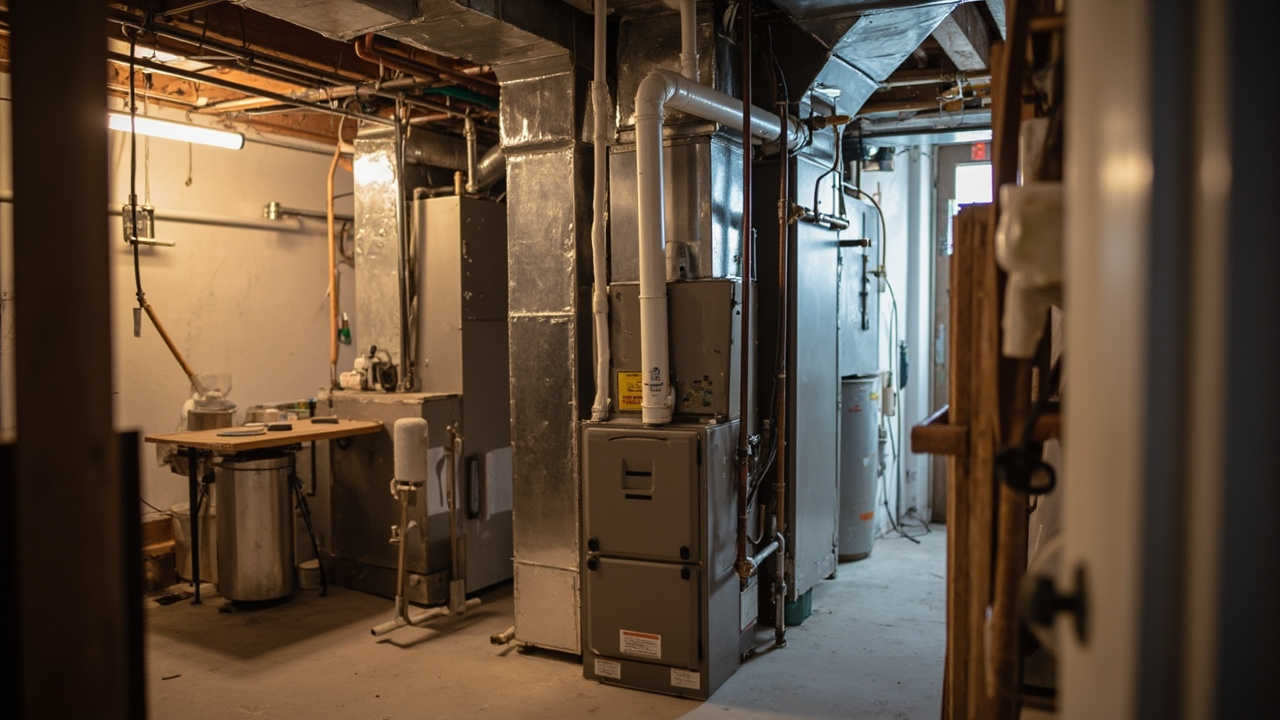
Heating a historic Oak Park bungalow requires a specialized approach that differs from modern suburban home maintenance. These iconic structures, known for their brick masonry and deep layouts, present unique challenges during the 2026 winter…
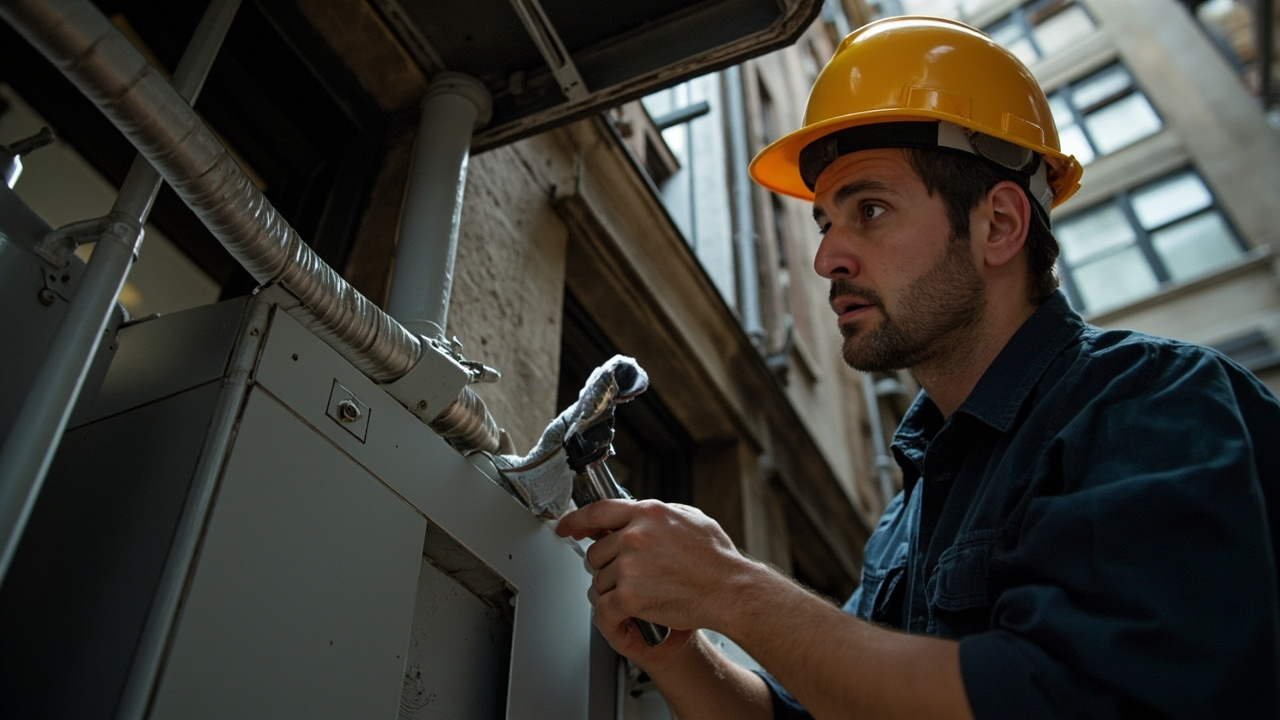
Professional duct cleaning services for Hyde Park townhomes and historical Chicago estatesLiving in a Hyde…
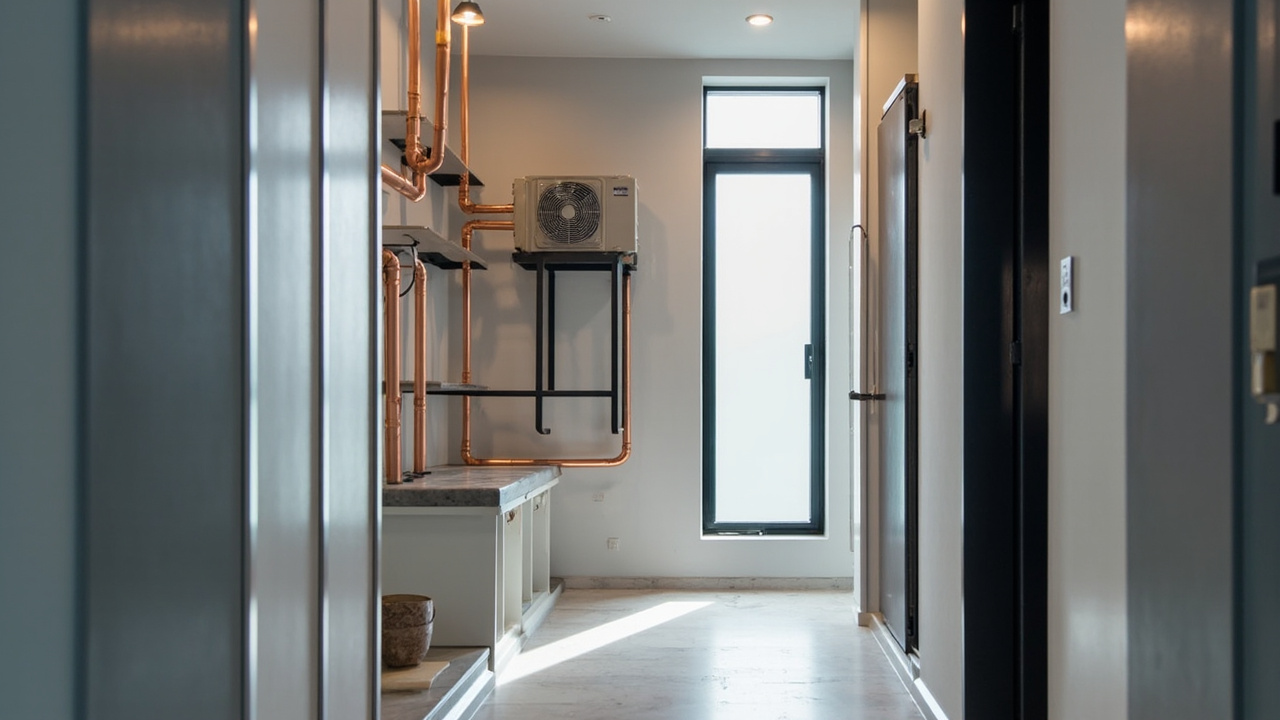
Living in a Gold Coast high rise offers some of the most spectacular views of…
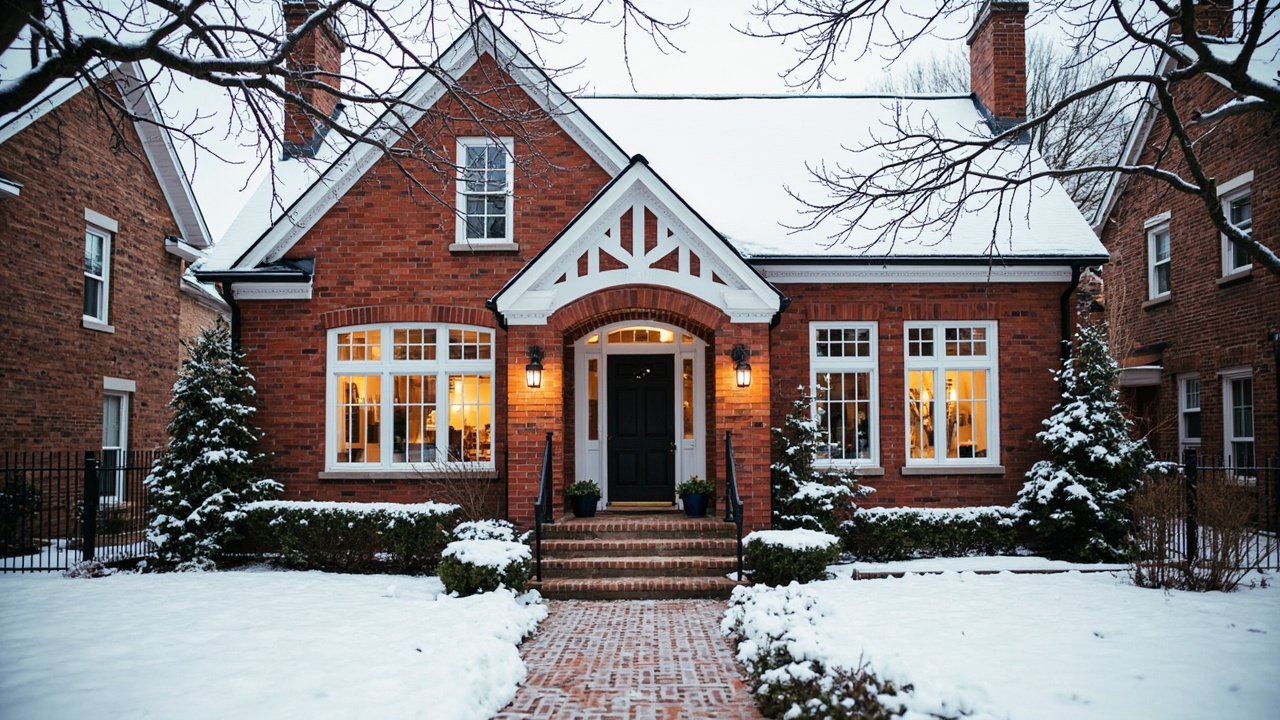
McKinley Park homeowners are increasingly transforming historic coach houses into legal living spaces. The expansion…
Your comfort matters. Five Star HVAC Chicago responds to Naperville homes within hours, not days. Call (708) 328-5999 now for emergency repairs or scheduled service. Our technicians are ready to diagnose your problem and get your heating or cooling system running again today.