
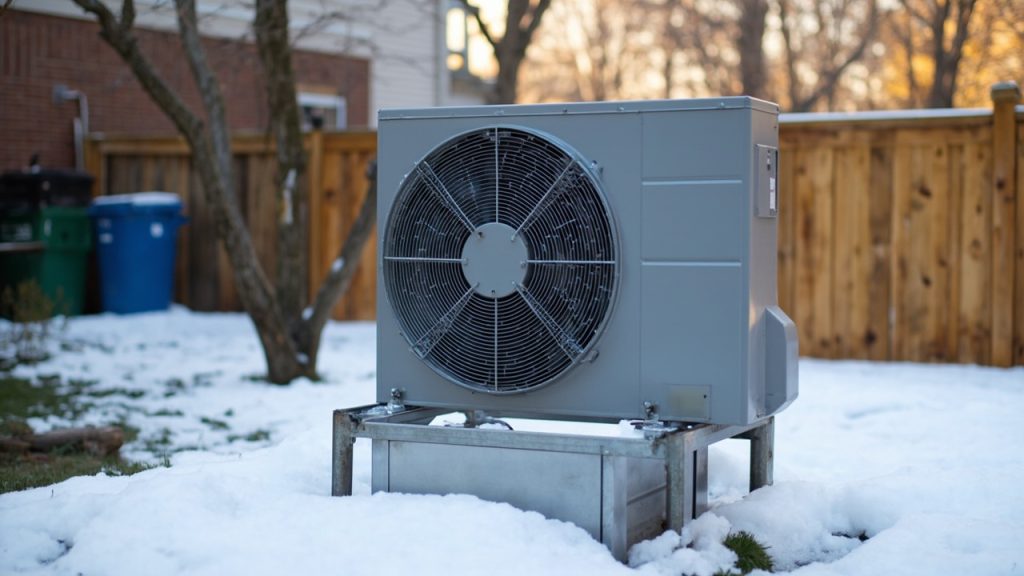
Chicago homeowners have valid reasons for skepticism when it comes to electric heating. For decades, the standard response to a sub-zero January morning was a high-capacity gas furnace or a heavy iron boiler. The lake effect snow and the biting winds off Lake Michigan create a heating demand that few systems could meet without burning fossil fuels. However, the landscape of home comfort has changed. In 2026, the question is no longer if a heat pump can work in our climate, but which specific technology fits your neighborhood and architectural style.
Modern air source heat pumps have evolved beyond the units seen in southern states. The current generation of cold climate heat pumps (CCHP) uses advanced compressors to extract thermal energy from outside air even when temperatures drop well below zero degrees Fahrenheit. For residents in North Center or Roscoe Village, this means a shift toward more sustainable, efficient home heating that does not sacrifice comfort during a polar vortex.
Heat Pump Efficiency in Chicago Handling Illinois Winters
The primary concern for most people in Cook County is the performance cliff. This is the temperature where a standard heat pump loses its ability to keep the indoors warm. In 2026, specialized cold climate models maintain high capacity down to negative thirteen degrees and continue to provide heat even at negative twenty-two degrees. These units do not rely on simple electric resistance coils until the absolute extreme limits of the weather occur.
Efficiency is measured by the Coefficient of Performance or COP. A COP of three means the system produces three units of heat for every one unit of electricity it consumes. Traditional electric baseboard heaters have a COP of one. Modern heat pumps installed in Chicago typically maintain a COP above two even when it is five degrees outside. This is a massive improvement over older technology and rivals the operational cost of high-efficiency natural gas furnaces.
Science of Cold Weather Performance Understanding COP and HSPF2
Understanding how these systems work requires a look at the physics of heat transfer. Even at zero degrees, there is still thermal energy present in the outdoor air. The heat pump uses a refrigerant with an extremely low boiling point. As the refrigerant evaporates in the outdoor coil, it absorbs that heat. The compressor then squeezes the refrigerant, which raises its temperature significantly before it enters your home to release that heat.
In 2026, the industry uses the HSPF2 rating to measure heating seasonal performance. A higher number indicates a more efficient system over the entire winter season. For a Chicago home, you should look for systems with an HSPF2 of nine or higher. This ensures the unit stays efficient through the long stretches of gray, freezing days that characterize our winters from December through March.
| Outdoor Temperature (Fahrenheit) | Typical COP Rating | Heating Capacity Output |
|---|---|---|
| 47 Degrees | 4.2 | 100 Percent |
| 17 Degrees | 2.8 | 100 Percent |
| 5 Degrees | 2.1 | 85 Percent |
| -13 Degrees | 1.6 | 60 to 70 Percent |
Modern Cold Climate Heat Pumps vs Traditional Units
The difference between a standard unit and a cold climate model lies in the hardware. Cold climate heat pumps use inverter-driven compressors. These operate like a dimmer switch rather than an on-off light switch. They ramp up and down to match the exact heating load of the house. This prevents the constant cycling that wears out parts and wastes energy. This technology is essential for Logan Square homeowners who trust our team for historic property HVAC upgrades because it allows for precise control in older, draftier structures.
Another critical feature is vapor injection. This process injects a small amount of flash vapor into the compressor at mid-stage. It boosts the density of the refrigerant and allows the system to move more heat when the outdoor air is thin and cold. Without vapor injection, a heat pump would struggle to provide the high-temperature air needed to satisfy a thermostat in a large Lincoln Park brownstone.
At What Temperature Does a Heat Pump Lose Efficiency
Every mechanical system has a limit. For a modern cold climate system, the efficiency begins to dip as you approach the negative digits. While the unit still produces heat, the amount of electricity required to move that heat increases. This is why sizing the equipment correctly is the most important part of the installation process. An undersized unit will run constantly and rely on backup heat too early, while an oversized unit will short cycle and fail to dehumidify properly during the summer months.
We use Manual J load calculations to determine the exact heat loss of your home. This takes into account your insulation levels, window types, and even the direction your house faces. In neighborhoods with varying home ages, this calculation is non-negotiable. For example, getting your Lincoln Park AC fixed fast before the next heat wave hits often reveals that older homes have unique airflow challenges that must be addressed before a heat pump is installed.
Dual Fuel Systems The Hybrid Solution for Chicago Homes
For many residents, the smartest path forward in 2026 is a dual-fuel or hybrid system. This setup pairs an electric heat pump with a high-efficiency gas furnace. The heat pump handles the heating duties for about eighty-five percent of the winter. When the temperature drops below a specific switchover point, usually around twenty or twenty-five degrees, the system automatically switches to the gas furnace. This provides peace of mind during the most extreme cold snaps.
This approach is particularly popular for finding a reliable boiler repair specialist in Wicker Park and Bucktown for reliable home heating because many of those older homes are currently using hydronic heat. Switching to a hybrid forced air system can offer both cooling and heating while providing a failsafe backup. The furnace acts as the secondary stage of heat, ensuring that your pipes never freeze even if the power grid faces high demand.
[IMAGE_PLACE_HOLDER_2]
The Importance of the Defrost Cycle
One aspect of heat pump ownership that surprises new users is the defrost cycle. When it is cold and humid outside, frost can build up on the outdoor coils. To clear this ice, the unit temporarily reverses its operation. It sends warm refrigerant back to the outdoor coil to melt the frost. During this brief window, the system might use a small amount of backup heat to ensure you do not feel a cold draft inside.
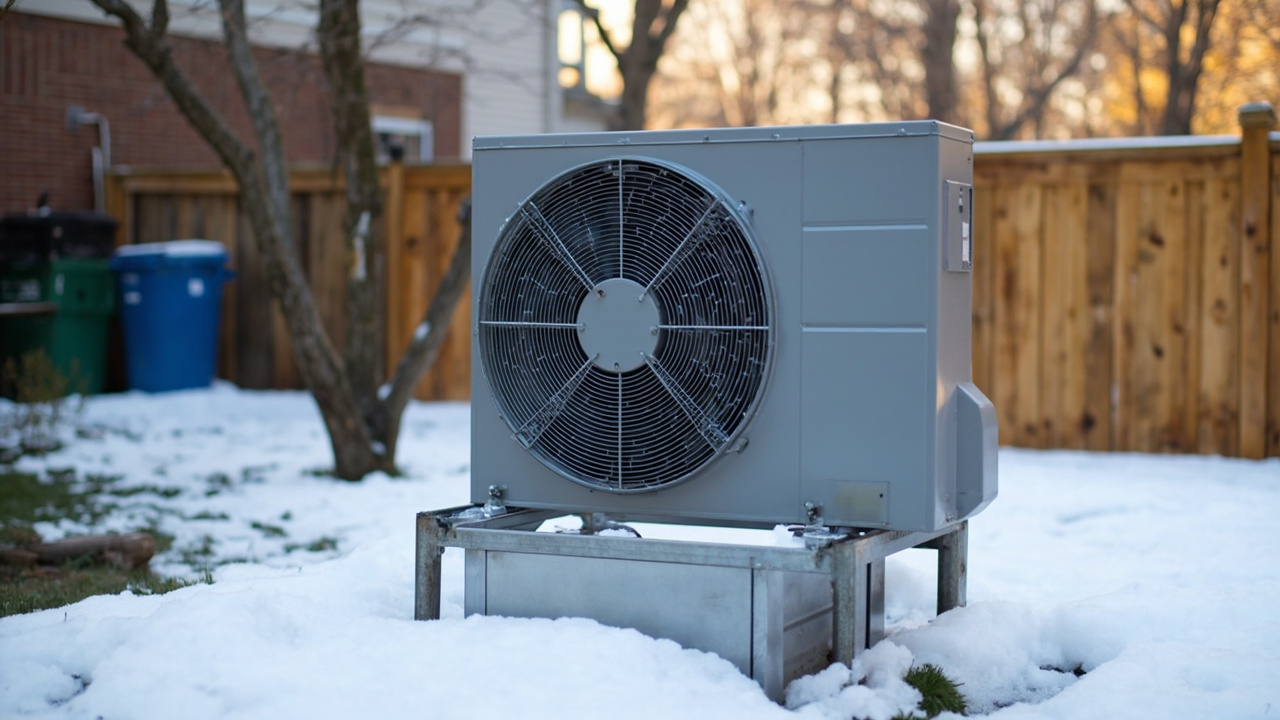
In Chicago, our humidity levels near the lake can trigger more frequent defrost cycles than in drier climates like Minneapolis. A high-quality installation ensures that the outdoor unit is elevated on a stand or snow feet. This prevents the unit from becoming encased in snow or ice, which would block airflow and cause the system to fail. Proper drainage for the meltwater is also a key factor in preventing ice dams around the base of the machine.
Cost Analysis Heat Pump vs Natural Gas Furnaces in Cook County
When comparing costs in 2026, you must look at both the initial investment and the long-term energy savings. While a heat pump typically has a higher upfront cost than a standard gas furnace, the dual-purpose nature of the machine covers both your heating and cooling needs. You are essentially buying one machine to do the work of two. This is a significant factor when looking at central air installation costs for Lakeview Chicago homes in 2026.
| System Type | Installation Timeframe | Expected Lifespan | Efficiency Level |
|---|---|---|---|
| Standard Gas Furnace | 1 to 2 Days | 15 to 20 Years | High |
| Cold Climate Heat Pump | 2 to 3 Days | 15 Years | Very High |
| Hybrid Dual Fuel | 2 to 3 Days | 15 to 20 Years | Maximum Versatility |
The operational cost depends heavily on current utility rates for ComEd and Nicor Gas. In recent years, the gap between electric and gas heating costs has narrowed. With the high efficiency of modern inverters, many homeowners find that their total annual energy spend stays flat or decreases after switching, especially when they factor in the reduced cooling costs during our humid Chicago summers.
State and Federal Incentives for Chicago Homeowners
The financial side of the decision is much easier in 2026 due to the continuation of the Inflation Reduction Act. This federal program provides significant tax credits for installing heat pumps that meet specific efficiency criteria. Many Chicagoans qualify for thousands of dollars in credits that apply directly to their tax liability. Additionally, local utility programs from ComEd often offer instant rebates that further lower the cost.
To qualify for these incentives, the system must be listed on the NEEP cold climate air source heat pump list. This database verifies that the equipment has been tested for performance in extreme temperatures. Our team helps you navigate this paperwork to ensure you receive every dollar available for your upgrade. These incentives make the switch to electric heating a much more viable option for middle-income households across the city.
Maintenance Requirements for Chicago Heat Pumps
A heat pump works harder than a furnace because it runs year-round. While a furnace sits dormant in the summer, your heat pump is busy cooling your home. This means regular maintenance is vital. We recommend a professional checkup twice a year. One visit in the spring prepares the unit for the heat waves, and a second visit in the fall ensures the heating components and defrost sensors are ready for the first frost.
- Change your air filters every one to three months to maintain proper airflow.
- Clear snow and leaves away from the outdoor unit regularly.
- Keep the outdoor coil clean by rinsing it gently with a garden hose in the spring.
- Monitor the condensate drain line to prevent clogs and indoor water damage.
- Check your thermostat settings to ensure you are not accidentally triggering the expensive backup heat.
Failure to maintain the system can lead to emergency situations. If your system stops producing heat during a blizzard, you need the best emergency furnace repair services in the South Loop to respond immediately. However, most emergency calls can be avoided with proactive care and annual inspections.
Is a Heat Pump Right for Your Specific Chicago Home
Determining if this technology is right for you depends on several factors. If you live in a well-insulated newer condo in the West Loop, a heat pump is a perfect fit. If you are in a historic bungalow with original windows, we might suggest combining the heat pump with weatherization efforts like air sealing and attic insulation first. A heat pump is only as good as the envelope it is trying to heat.
In 2026, we see a trend of homeowners moving away from gas entirely to simplify their utility bills and reduce their carbon footprint. Whether you are motivated by environmental concerns or the desire for more consistent indoor comfort, the technology has reached a point where it can handle the toughest weather Cook County can throw at it. The key is choosing the right equipment and ensuring it is installed by technicians who understand the nuances of the Chicago climate.
If you are ready to explore how a cold climate heat pump can transform your home comfort, reach out for a detailed consultation. We can evaluate your current ductwork, check your electrical capacity, and provide a roadmap for a system that will keep you warm through the deepest winter freezes.
{
“@context”: “https://schema.org”,
“@type”: “BlogPosting”,
“headline”: “Will a heat pump actually work during a brutal Chicago winter?”,
“description”: “Learn how modern cold climate heat pumps handle sub-zero Chicago temperatures. Expert advice on COP ratings and dual-fuel systems for Cook County homes in 2026.”,
“wordCount”: 1886,
“datePublished”: “2026-02-07T06:40:00.000Z”,
“dateModified”: “2026-02-07T06:40:00.000Z”,
“inLanguage”: “en-US”,
“mainEntityOfPage”: {
“@type”: “WebPage”,
“@id”: “https://5starhvacchicago.com”
},
“publisher”: {
“@type”: “LocalBusiness”,
“name”: “Five Star HVAC Chicago”,
“url”: “https://5starhvacchicago.com”
},
“author”: {
“@type”: “Organization”,
“name”: “Five Star HVAC Chicago”,
“url”: “https://5starhvacchicago.com”
},
“image”: {
“@type”: “ImageObject”,
“url”: “https://5starhvacchicago.com/wp-content/uploads/2026/03/will-a-heat-pump-actually-work-during-a-brutal-chi-1.jpg”
}
}
{
“@context”: “https://schema.org”,
“@type”: “HVACBusiness”,
“name”: “Five Star HVAC Chicago”,
“url”: “https://5starhvacchicago.com”,
“address”: {
“@type”: “PostalAddress”,
“addressLocality”: “Chicago”
},
“areaServed”: {
“@type”: “City”,
“name”: “Chicago”
}
}
{
“@context”: “https://schema.org”,
“@type”: “BreadcrumbList”,
“itemListElement”: [
{
“@type”: “ListItem”,
“position”: 1,
“name”: “Home”,
“item”: “https://5starhvacchicago.com”
},
{
“@type”: “ListItem”,
“position”: 2,
“name”: “Blog”,
“item”: “https://5starhvacchicago.com/blog”
},
{
“@type”: “ListItem”,
“position”: 3,
“name”: “Will a heat pump actually work during a brutal Chicago winter?”
}
]
}
{
“@context”: “https://schema.org”,
“@type”: “Service”,
“serviceType”: “HVAC”,
“provider”: {
“@type”: “LocalBusiness”,
“name”: “Five Star HVAC Chicago”,
“url”: “https://5starhvacchicago.com”
},
“areaServed”: {
“@type”: “City”,
“name”: “Chicago”
},
“description”: “Learn how modern cold climate heat pumps handle sub-zero Chicago temperatures. Expert advice on COP ratings and dual-fuel systems for Cook County homes in 2026.”
}