
The transition to floor based warmth in Northwest Chicago
Sauganash residents face unique heating challenges during our brutal Chicago winters. Many of the sprawling brick homes in the 60646 area feature high ceilings and large windows that overlook the North Branch of the Chicago River. Traditional forced air systems struggle to keep these spaces comfortable when the outdoor temperature drops below zero. These systems push warm air to the ceiling where it stays while the floor remains cold. This year we see a massive shift toward hydronic radiant floor heating as homeowners seek more consistent warmth and lower monthly utility costs. Radiant systems provide heat from the ground up through thermal radiation. This process warms the objects and people in a room rather than just the air. You avoid the cold drafts and hot spots that come with a furnace. For owners of historic properties near the Sauganash Trail, this upgrade preserves the architecture while providing modern efficiency.
How radiant heating works in a Chicago climate
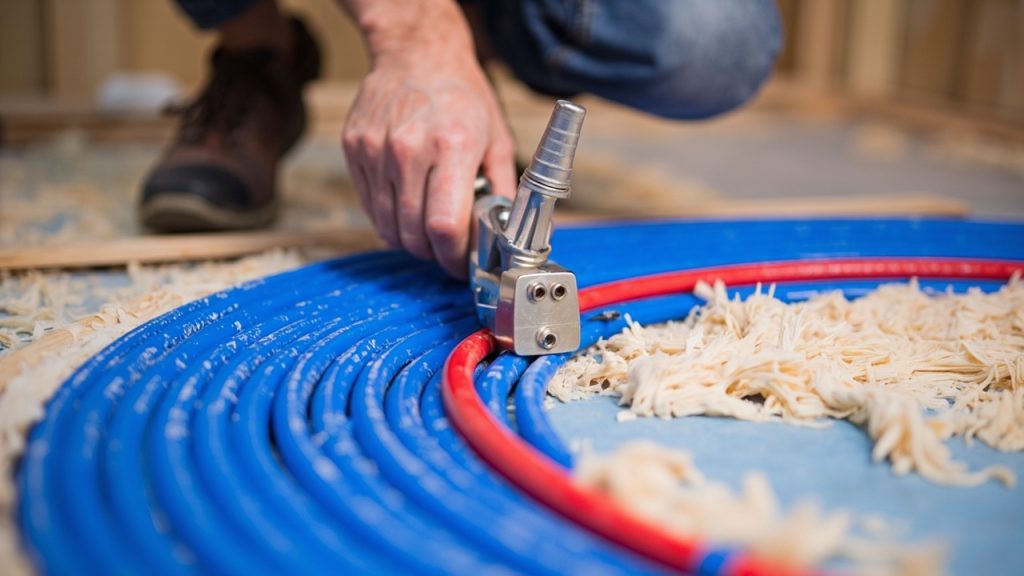
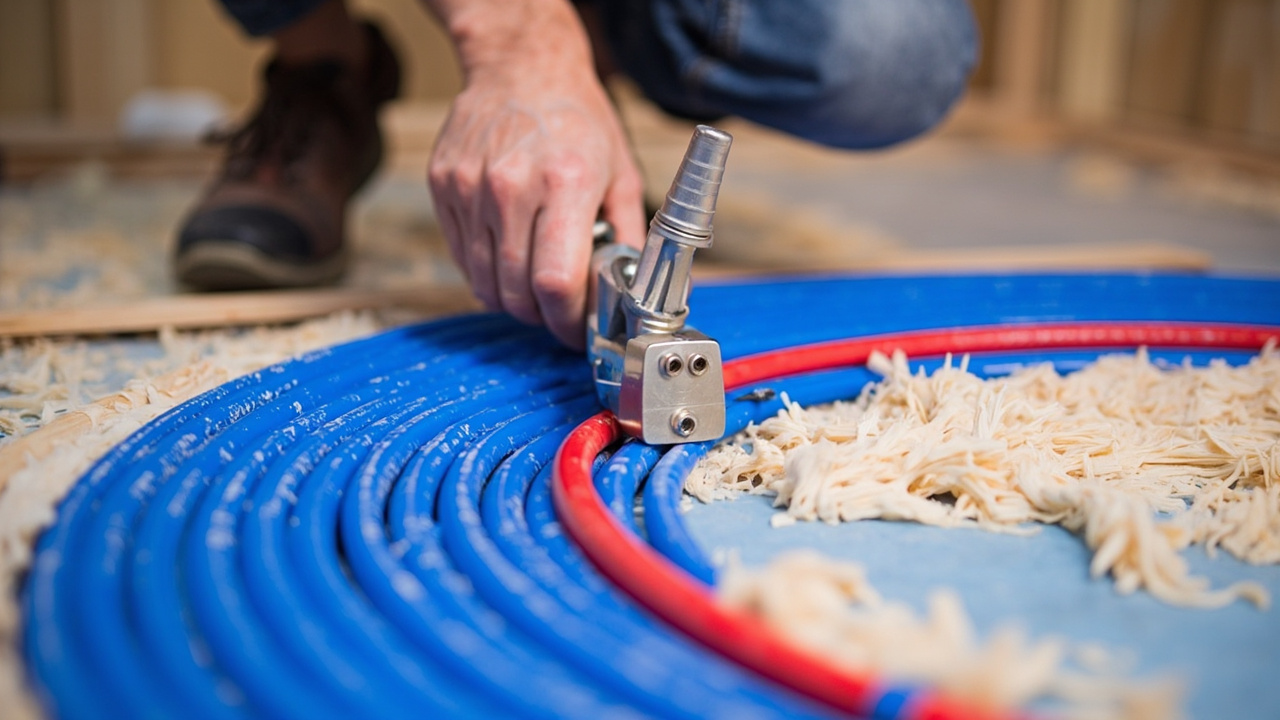
Radiant floor heating relies on a network of flexible PEX tubing installed beneath your flooring. A high efficiency boiler circulates warm water through these tubes. This creates a large heated surface that radiates warmth evenly across the entire room. Unlike a furnace that cycles on and off rapidly, a radiant system maintains a steady temperature. This is crucial when the Chicago wind chill factor reaches dangerous levels. You do not have to deal with the noise of a blower motor or the dry air associated with scorched dust. Many homeowners find that they can set their thermostats a few degrees lower because the heat is concentrated where they actually live. This leads to significant savings on Peoples Gas bills throughout the season. The thermal mass of the floor holds onto heat for hours even if the boiler stops running. This stability is a major reason why local residents choose this over traditional forced air units.
If you currently have an aging system, you might be considering alternatives. Many people who look into boiler repair in Wicker Park and Bucktown eventually decide that a full radiant upgrade provides better long term value for their property. The technology has advanced significantly by 2026. Modern pumps and smart manifolds allow for precise control over every room in your house. You can keep the kitchen warm while keeping the bedrooms cooler for sleep.
Comparing radiant heat to forced air systems
The following table illustrates the performance differences you will notice in a typical Sauganash home during a standard Chicago winter. We focus on efficiency, air quality, and comfort levels.
| Feature | Forced Air Furnace | Hydronic Radiant Heating |
|---|---|---|
| Heat Distribution | Uneven with hot and cold spots | Completely uniform from the floor up |
| Energy Efficiency | Medium to Low due to duct loss | High with zero duct heat loss |
| Air Quality | Circulates dust and allergens | No air movement keeps air clean |
| Noise Level | Audible blower and duct pops | Virtually silent operation |
| Lifespan | 15 to 20 years | 30 to 50 years for tubing |
The benefits of thermal mass in large homes
Sauganash is known for substantial homes that often feature stone, tile, or thick hardwood floors. These materials have high thermal mass. Once the radiant system warms these materials, they act like a giant battery for heat. This is especially helpful during the extreme cold snaps we see in January and February. When a traditional furnace turns off, the air cools down quickly. In a radiant home, the floor continues to emit heat long after the boiler reaches its target temperature. This prevents the constant cycling that wears out mechanical components. The reduced mechanical stress means fewer emergency calls. If you are also managing properties in other parts of the city, you might notice that emergency furnace repair in the South Loop often stems from systems overworking during these peaks. Radiant systems avoid this issue by operating at lower temperatures over longer periods.
Hydronic vs electric radiant systems for Illinois homeowners
When you choose a radiant system, you must decide between hydronic and electric. For a whole home upgrade in a place like Sauganash, hydronic is the clear winner. Electric mats are fine for a small bathroom, but the cost of electricity in Chicago makes them expensive for large areas. Hydronic systems use a gas fired boiler or a heat pump to warm the water. This is much more cost effective. According to the U.S. Department of Energy, radiant heating can be more efficient than baseboard or forced air heating because it eliminates duct losses. This is a primary driver for the current trend toward water based systems in residential retrofits.
Material compatibility and installation timelines
A common question involves which floor types work best with radiant heat. While tile and stone are the most efficient conductors, modern engineering allows us to install radiant heat under hardwood, laminate, and even certain types of carpet. We use specific installation methods like sleepers or over-the-floor panels to ensure the heat moves upward efficiently. The timeline for a retrofit depends on the size of your home and the floor type. A single room might take three days, while a full home renovation could take two weeks. Many homeowners schedule these upgrades during larger remodeling projects. This is similar to how Logan Square HVAC upgrades are often timed with historic preservation efforts. We ensure the system meets all current Chicago building codes and energy requirements for 2026.
| Floor Material | Thermal Conductivity | Recommended Water Temp |
|---|---|---|
| Porcelain or Ceramic Tile | Excellent | 85 to 110 Degrees F |
| Natural Stone or Marble | Excellent | 85 to 115 Degrees F |
| Engineered Hardwood | Good | 80 to 95 Degrees F |
| Laminate Flooring | Moderate | 80 to 90 Degrees F |
| Thick Carpeting | Low | 95 to 120 Degrees F |
Health benefits and improved indoor air quality
Forced air systems act like a giant fan for allergens. They blow dust, pet dander, and pollen through every room in your house. In Sauganash, where many homes sit near wooded areas and parks, outdoor allergens often find their way inside. Radiant heat does not use blowers. This means the air stays still and the dust stays on the floor where you can clean it up. Many residents with asthma or allergies report significant improvements in their symptoms after switching. You also avoid the extreme drop in humidity that occurs when air is passed over a red hot heat exchanger. This keeps your skin and respiratory passages more comfortable during the dry Chicago winters. Maintaining proper humidity levels also protects your wooden furniture and musical instruments from cracking. This holistic approach to comfort is why so many people are moving away from traditional ducts.
If you are thinking about summer comfort as well, you should consider how your cooling system integrates with these changes. For instance, understanding Lakeview central air installation costs can help you budget for a complete home comfort overhaul. While radiant handles the heat, a dedicated high velocity cooling system or ductless mini splits can handle the Chicago humidity in July.
Efficiency and local utility rebates in 2026
The financial incentive for radiant heat has never been stronger. Local utility providers like ComEd and Peoples Gas offer substantial rebates for high efficiency boilers that typically power these radiant systems. Current 2026 programs reward homeowners who install modulating condensing boilers with an AFUE rating of 95 percent or higher. These units adjust their flame size to match the exact heating demand of the home. They do not just blast heat at full power and then shut off. This precision saves you money every single day. When combined with a radiant floor, the efficiency gains can reach 30 percent compared to a standard furnace setup. We help you navigate the paperwork for these rebates to ensure you get the maximum return on your investment.
Preserving Sauganash architecture with radiant solutions
The architectural integrity of a Sauganash home is one of its most valuable assets. Installing new ductwork in a 1940s brick home often requires dropping ceilings or building bulky soffits that ruin the lines of a room. Radiant heat stays hidden. There are no registers on the floor to dictate where you place your furniture. There are no radiators taking up wall space. You gain total aesthetic freedom. This is a major factor for homeowners who want a high end finish without the visual clutter of HVAC equipment. We use the ACCA Manual J standards to calculate the exact heat loss for every room. This ensures the system is sized perfectly for the unique insulation values of your specific property. Whether you live in a classic bungalow or a modern new build, the system adapts to your floor plan.

Maintenance requirements for hydronic systems
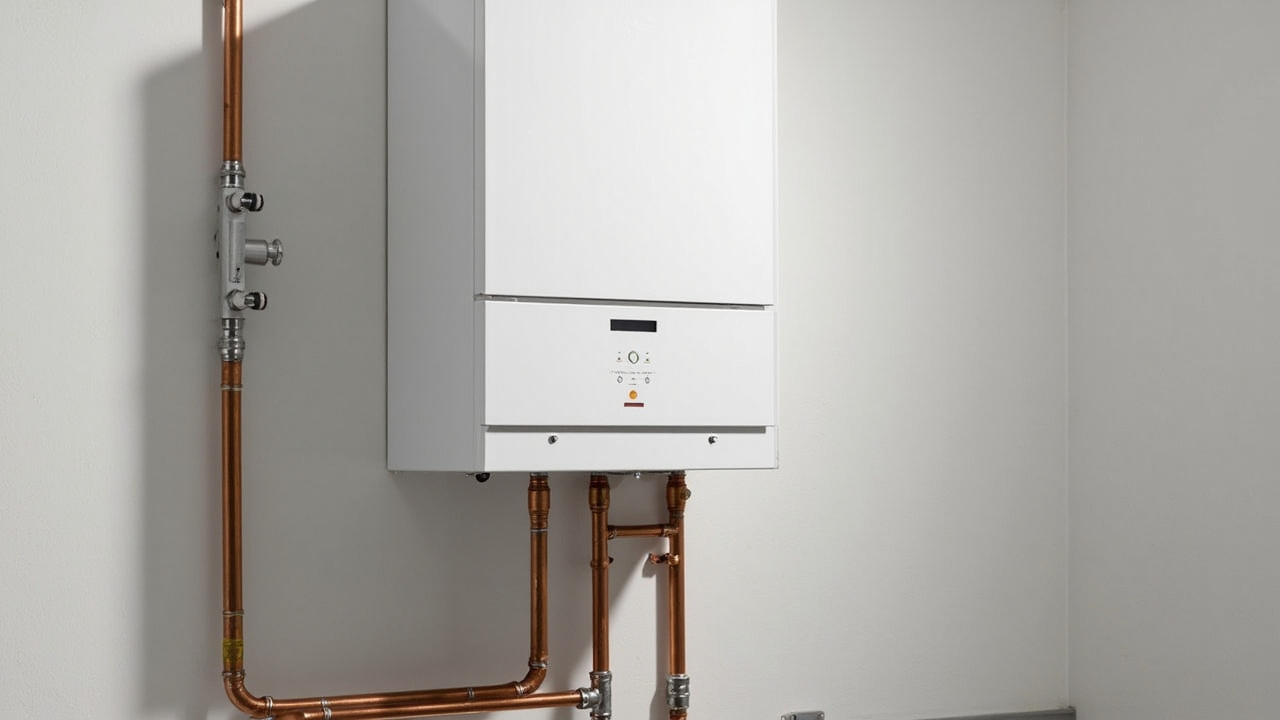
Radiant systems are remarkably durable. Because they have few moving parts compared to a furnace, they rarely break down. The main components include the boiler, the pumps, and the manifold. We recommend a simple annual check to ensure the water chemistry is correct and the pumps are flowing at the right speed. This prevents corrosion and keeps the system quiet. Unlike a furnace where you must change filters every month, a radiant system is largely set it and forget it. If you ever have issues with your cooling side during the summer, you can always look into Lincoln Park AC repair services to keep your entire home in balance. For the heating side, a well maintained hydronic system can easily last half a century.
Homeowners should keep the following maintenance steps in mind to ensure peak performance
- Check the system pressure gauge once a month during the winter.
- Inspect the manifold for any signs of moisture or mineral buildup.
- Listen for any gurgling sounds that might indicate air in the lines.
- Schedule a professional boiler tune up every autumn before the first frost.
- Verify that your smart thermostat is communicating correctly with the zone valves.
The future of home heating in Chicago
The move toward radiant heat reflects a broader trend in Chicago toward sustainable and comfortable living. As energy prices fluctuate, the ability to heat your home with a low temperature fluid system provides a layer of financial security. You are using less fuel to achieve a higher level of comfort. The technology integrates perfectly with modern smart home systems. You can monitor your floor temperatures from your phone while you are at work or traveling. This level of control is exactly what Sauganash homeowners expect in 2026. The combination of quiet operation, incredible comfort, and architectural preservation makes radiant floor heating the premier choice for the neighborhood. If you are tired of cold feet and noisy vents, it is time to look at what a hydronic system can do for your home. We can assess your property and provide a detailed plan for your transition to a warmer, more efficient winter experience.
{
“@context”: “https://schema.org”,
“@type”: “BlogPosting”,
“headline”: “Why Sauganash homeowners are switching to radiant floor heating this year”,
“description”: “Learn why Sauganash residents are moving from forced air to hydronic radiant heating for better efficiency and comfort in high ceiling Chicago homes.”,
“wordCount”: 1798,
“datePublished”: “2026-04-20T10:55:00.000Z”,
“dateModified”: “2026-04-20T10:55:00.000Z”,
“inLanguage”: “en-US”,
“mainEntityOfPage”: {
“@type”: “WebPage”,
“@id”: “https://5starhvacchicago.com”
},
“publisher”: {
“@type”: “LocalBusiness”,
“name”: “Five Star HVAC Chicago”,
“url”: “https://5starhvacchicago.com”
},
“author”: {
“@type”: “Organization”,
“name”: “Five Star HVAC Chicago”,
“url”: “https://5starhvacchicago.com”
},
“image”: {
“@type”: “ImageObject”,
“url”: “https://5starhvacchicago.com/wp-content/uploads/2026/03/why-sauganash-homeowners-are-switching-to-radiant-1.jpg”
}
}
{
“@context”: “https://schema.org”,
“@type”: “HVACBusiness”,
“name”: “Five Star HVAC Chicago”,
“url”: “https://5starhvacchicago.com”,
“address”: {
“@type”: “PostalAddress”,
“addressLocality”: “Chicago”
},
“areaServed”: {
“@type”: “City”,
“name”: “Chicago”
}
}
{
“@context”: “https://schema.org”,
“@type”: “BreadcrumbList”,
“itemListElement”: [
{
“@type”: “ListItem”,
“position”: 1,
“name”: “Home”,
“item”: “https://5starhvacchicago.com”
},
{
“@type”: “ListItem”,
“position”: 2,
“name”: “Blog”,
“item”: “https://5starhvacchicago.com/blog”
},
{
“@type”: “ListItem”,
“position”: 3,
“name”: “Why Sauganash homeowners are switching to radiant floor heating this year”
}
]
}
{
“@context”: “https://schema.org”,
“@type”: “Service”,
“serviceType”: “HVAC”,
“provider”: {
“@type”: “LocalBusiness”,
“name”: “Five Star HVAC Chicago”,
“url”: “https://5starhvacchicago.com”
},
“areaServed”: {
“@type”: “City”,
“name”: “Chicago”
},
“description”: “Learn why Sauganash residents are moving from forced air to hydronic radiant heating for better efficiency and comfort in high ceiling Chicago homes.”
}