
Managing heating demands in Hegewisch rental properties
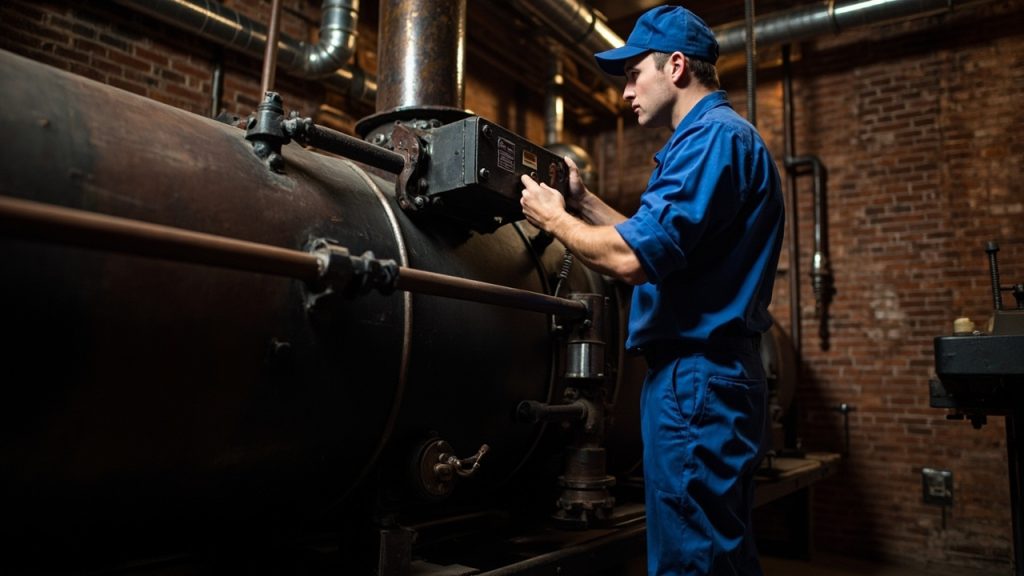
Owners of multi-unit buildings in Hegewisch face a unique set of challenges as we move through 2026. This neighborhood sits in a pocket of Chicago surrounded by industry and water, including Wolf Lake and the Calumet River. The geography creates a micro-climate where damp, freezing winds hit brick two-flats and larger apartment blocks harder than in other parts of the city. When you manage a shared heating system in this environment, you are responsible for more than just mechanical maintenance. You are responsible for tenant safety and legal compliance under strict city codes.
Most multi-unit buildings in the 60633 area code rely on centralized systems. This usually means a single large boiler or a high-capacity furnace that distributes heat to every unit. While this setup simplifies your fuel bills into one monthly statement, it complicates the balance of comfort across the building. A tenant on the first floor might be sweltering while a tenant on the third floor is shivering. Solving these imbalances requires technical precision and an understanding of how older Chicago buildings breathe.
Adhering to the Chicago Heat Ordinance requirements
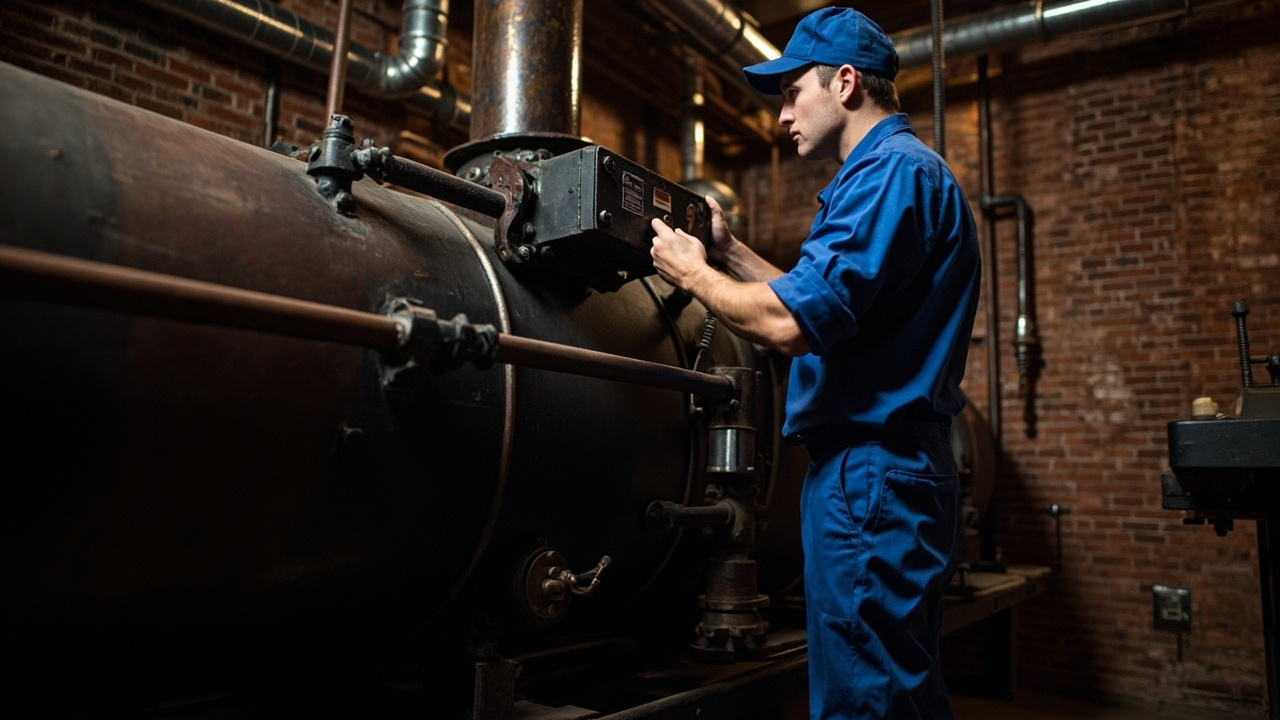
The most critical aspect of managing shared heating systems is staying within the bounds of the Chicago Heat Ordinance. For the 2026 season, the rules remain firm. From September 15 through June 1, every landlord must ensure that occupied apartments are heated appropriately. During the day, which the city defines as 8.30 AM to 10.30 PM, the temperature must stay at least 68 degrees. Overnight, the temperature must remain at least 66 degrees.
Failure to meet these standards leads to heavy daily fines. In Hegewisch, where many buildings are older masonry constructions, heat loss through uninsulated walls is common. You cannot simply set the thermostat to 68 and assume every room hits that mark. You must account for the coldest corner of the building. If you are struggling with a system that fails to keep up, you might need emergency furnace repair services in the South Loop or surrounding areas to restore functionality before the city inspectors arrive.
Technical breakdown of common shared heating setups
Most Hegewisch multi-family units use one of two primary systems. Steam boilers are the most prevalent in historic buildings. These systems use a single-pipe or two-pipe configuration to send steam to cast iron radiators. The benefit of these systems is their massive thermal mass. Once those radiators get hot, they stay hot for a long time. The downside is the difficulty in balancing the pressure. If the air vents on the radiators are clogged, steam cannot enter, and the room stays cold. If the vents are too large, the room overheats.
Forced air systems are more common in buildings that underwent gut renovations or were built in the latter half of the last century. These use a central furnace and a network of ducts. While forced air responds faster to thermostat changes, it often suffers from poor distribution. Tenants furthest from the furnace often receive less airflow. Ensuring your ductwork is sealed and your blower motor is operating at the correct RPM is essential for even heat distribution.
Below is a comparison of current heating system performance metrics for Chicago multi-unit buildings in 2026.
| System Type | Average Efficiency | Typical Lifespan | Primary Distribution |
|---|---|---|---|
| Low Pressure Steam Boiler | 80-82 percent | 25-30 years | Cast Iron Radiators |
| High Efficiency Hydronic Boiler | 90-96 percent | 15-20 years | Baseboard or Panels |
| Commercial Forced Air Furnace | 80-95 percent | 15-22 years | Ductwork and Grilles |
Maintaining steam boilers for long term reliability
If your Hegewisch building uses a steam boiler, your weekly maintenance routine is the difference between a quiet winter and a season of tenant complaints. You must check the sight glass every week to ensure water levels are correct. If the water is dirty, it will foam and prime, which sends liquid water into the pipes. This causes the banging sound known as water hammer. Water hammer is not just annoying. It can crack pipes and damage valves.
Skim-cleaning the boiler is a task we perform frequently for South Side landlords. We add a cleaning agent to the water, boil it, and then slowly drain the top layer of water to remove oils and sediment. This process improves the heat transfer rate and lowers your fuel consumption. Many owners are also finding a reliable boiler repair specialist to install modern electronic low-water cutoffs and automatic feeders. These upgrades prevent the boiler from firing if the water level drops too low, which protects the heat exchanger from melting.
Implementing zone control with thermostatic radiator valves
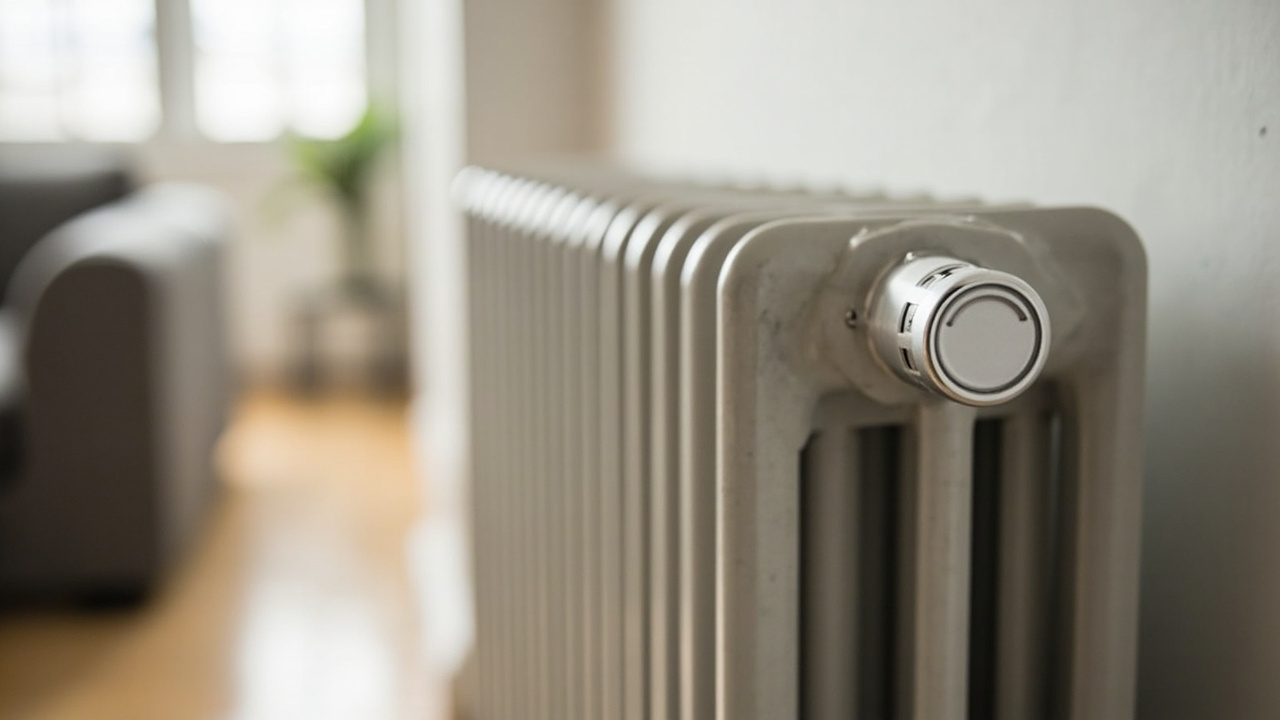
One of the biggest frustrations in shared heating is the lack of individual control. Tenants often open windows in the middle of a Chicago blizzard because their room is 80 degrees. This wastes your money and puts unnecessary strain on the boiler. Thermostatic Radiator Valves, or TRVs, are a simple solution. These valves replace the standard manual valve on a radiator. They contain a wax or liquid-filled sensor that expands and contracts based on the room temperature.
When the room hits the desired temperature, the TRV shuts off the steam flow to that specific radiator even if the boiler is still running. This allows you to provide enough heat for the coldest unit without roasting the rest of the building. It is a cost-effective way to modernize a system without a full teardown. This approach is similar to how we help Logan Square homeowners trust our team for historic property HVAC upgrades by preserving the original charm while adding modern efficiency.
The logistics of sub metering and utility separation
In 2026, more Hegewisch landlords are looking at separating their utilities. Shared heating systems mean the landlord pays the entire gas bill. Separating these systems involves installing individual furnaces or heat pumps for every apartment. This is a significant investment that requires new gas lines, new electrical circuits, and extensive ductwork or refrigerant piping. However, it shifts the cost of heating to the tenant and gives them total control over their environment.
If a full conversion is not in your budget, you can look into sub-metering. While you still have one central boiler, you install sensors on the radiators or in the ducts to track how much heat each unit consumes. You then bill the tenants based on their actual usage. This encourages tenants to be more mindful of their energy consumption. You must ensure your leases are drafted correctly to allow for this billing method under Chicago law.
Review the following maintenance schedule for shared heating systems in the Chicago area.
| Frequency | Task Name | Target Component | Goal |
|---|---|---|---|
| Monthly | Air Vent Inspection | Radiator Vents | Ensure even heat flow |
| Bi-Annually | Burner Cleaning | Heat Exchanger | Prevent soot buildup |
| Annually | Pump Lubrication | Circulator Pumps | Prevent motor seizure |
| Pre-Season | Safety Limit Test | Pressure Controls | System safety verification |
Addressing common air distribution issues
In buildings with shared forced air furnaces, the most common complaint is the smell of cooking or smoke traveling between units. This happens because the return air system is often shared. To mitigate this, you should look into high-quality filtration and UV air purifiers installed directly in the supply plenum. These systems neutralize odors and pathogens before the air is redistributed. If you are also managing properties in other neighborhoods, you might be interested in getting your Lincoln Park AC fixed fast before the next heat wave hits, as indoor air quality is a year-round concern.
Air balancing is another critical task. We use flow hoods to measure exactly how many cubic feet per minute of air are entering each room. By adjusting the dampers in the basement or within the registers, we can force more air to the distant units and restrict it in units that are too warm. This small adjustment can reduce your total run time and lower your energy bills significantly.
Essential steps for winterizing a shared system
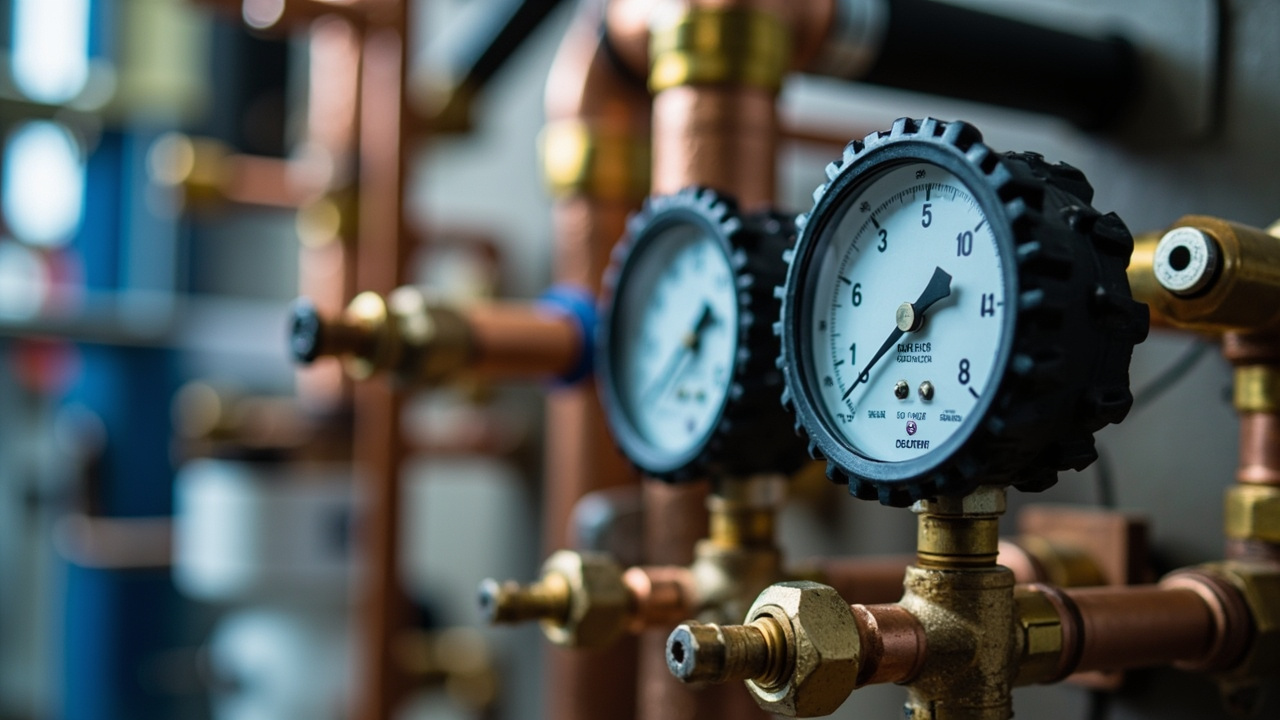
Before the first real freeze hits the Far South Side, you should perform a comprehensive walk-through of your building. Check the following items to ensure your system is ready for the 2026 winter.
- Bleed all air from hydronic baseboards to ensure water circulates fully.
- Verify the outdoor reset sensor is calibrated to adjust water temperature based on the Hegewisch wind chill.
- Insulate all exposed steam pipes in the basement and crawl spaces using fiberglass pipe wrap.
- Check the chimney or power vent for bird nests or debris that could cause carbon monoxide backup.
- Inspect the thermostat in the common area to ensure it is not being tampered with by unauthorized personnel.
- Test the backup generator if your boiler relies on electric pumps to prevent freezing during a power outage.
Using high-quality materials is non-negotiable. For example, when replacing pipes, we recommend L-type copper or schedule 40 steel depending on the system pressure. Avoid cheap plastic components in steam systems as they will fail under the high temperatures and pressures required during a Chicago January.
Evaluating the cost of system replacement
If your shared boiler is more than 30 years old, you are likely spending more on repairs and fuel than a new system would cost over its first five years. Modern high-efficiency boilers use condensing technology to extract heat from the exhaust gases that older units just send up the chimney. This can reduce your fuel usage by 20 percent or more. When calculating the ROI of a replacement, factor in the reduction in tenant turnover. Tenants who are comfortable are far more likely to renew their leases.
For those considering a shift to cooling as well, you can research central air installation costs for Lakeview Chicago homes to get an idea of the pricing trends for larger multi-unit upgrades. While the physical labor in Hegewisch might differ slightly, the equipment costs for 2026 are relatively consistent across the city. High-efficiency heat pumps are becoming a popular choice for multi-family units because they provide both heating and cooling from a single unit, though they often require a supplemental heat source for the coldest Chicago nights.
Professional support for Hegewisch property managers
Managing a multi-unit building is a full-time job that requires a reliable network of tradespeople. When a boiler goes down at 2 AM on a Tuesday, you need a team that knows the streets of Hegewisch and understands the specific quirks of South Side architecture. We have spent over 15 years working in mechanical rooms across Chicago, and we know how to keep these systems running through the harshest conditions.
Regular inspections are the only way to avoid emergency calls. By scheduling a professional tune-up in the late summer or early fall, you can identify thinning heat exchangers, failing capacitors, or leaking valves before they cause a total system shutdown. This proactive approach saves you money and keeps your tenants satisfied. If you need assistance with your shared heating system or want to discuss a modernization plan, our team is ready to provide the technical expertise you need for a successful 2026 heating season.
{
“@context”: “https://schema.org”,
“@type”: “BlogPosting”,
“headline”: “Strategies for managing shared heating systems in Hegewisch multi unit buildings”,
“description”: “Learn how to manage shared boilers and furnaces in Hegewisch multi-unit buildings. Expert advice on Chicago Heat Ordinance compliance and system optimization.”,
“wordCount”: 1826,
“datePublished”: “2026-02-16T13:24:00.000Z”,
“dateModified”: “2026-02-16T13:24:00.000Z”,
“inLanguage”: “en-US”,
“mainEntityOfPage”: {
“@type”: “WebPage”,
“@id”: “https://5starhvacchicago.com”
},
“publisher”: {
“@type”: “LocalBusiness”,
“name”: “Five Star HVAC Chicago”,
“url”: “https://5starhvacchicago.com”
},
“author”: {
“@type”: “Organization”,
“name”: “Five Star HVAC Chicago”,
“url”: “https://5starhvacchicago.com”
},
“image”: {
“@type”: “ImageObject”,
“url”: “https://5starhvacchicago.com/wp-content/uploads/2026/03/managing-shared-heating-systems-in-hegewisch-multi-1.jpg”
}
}
{
“@context”: “https://schema.org”,
“@type”: “HVACBusiness”,
“name”: “Five Star HVAC Chicago”,
“url”: “https://5starhvacchicago.com”,
“address”: {
“@type”: “PostalAddress”,
“addressLocality”: “Chicago”
},
“areaServed”: {
“@type”: “City”,
“name”: “Chicago”
}
}
{
“@context”: “https://schema.org”,
“@type”: “BreadcrumbList”,
“itemListElement”: [
{
“@type”: “ListItem”,
“position”: 1,
“name”: “Home”,
“item”: “https://5starhvacchicago.com”
},
{
“@type”: “ListItem”,
“position”: 2,
“name”: “Blog”,
“item”: “https://5starhvacchicago.com/blog”
},
{
“@type”: “ListItem”,
“position”: 3,
“name”: “Strategies for managing shared heating systems in Hegewisch multi unit buildings”
}
]
}
{
“@context”: “https://schema.org”,
“@type”: “Service”,
“serviceType”: “HVAC”,
“provider”: {
“@type”: “LocalBusiness”,
“name”: “Five Star HVAC Chicago”,
“url”: “https://5starhvacchicago.com”
},
“areaServed”: {
“@type”: “City”,
“name”: “Chicago”
},
“description”: “Learn how to manage shared boilers and furnaces in Hegewisch multi-unit buildings. Expert advice on Chicago Heat Ordinance compliance and system optimization.”
}