

Optimizing Attic Ventilation for Chicago Bungalows
Galewood residents know that living in a historic bungalow comes with specific maintenance needs. These classic homes define the architectural character of our Northwest Side neighborhoods. As we move through 2026, the demand for better energy efficiency is higher than ever. Proper attic ventilation is the most overlooked part of home comfort in these brick structures. If your second floor feels like a furnace during a July heat wave near Rutherford Sayre Park, your attic is likely the culprit. You need a system that handles the unique rooflines and masonry of a Chicago bungalow.
The stack effect is a natural process where hot air rises and escapes through the top of your home. In a perfectly balanced system, cool air enters through intake vents and pushes hot air out through exhaust vents. Most bungalows in Galewood suffer from a lack of intake. Because these homes feature solid brick construction and narrow eaves, finding a spot for soffit vents is difficult. Without proper intake, your exhaust vents will not function. This leads to stagnant, superheated air that bakes your shingles and forces your air conditioner to work twice as hard.

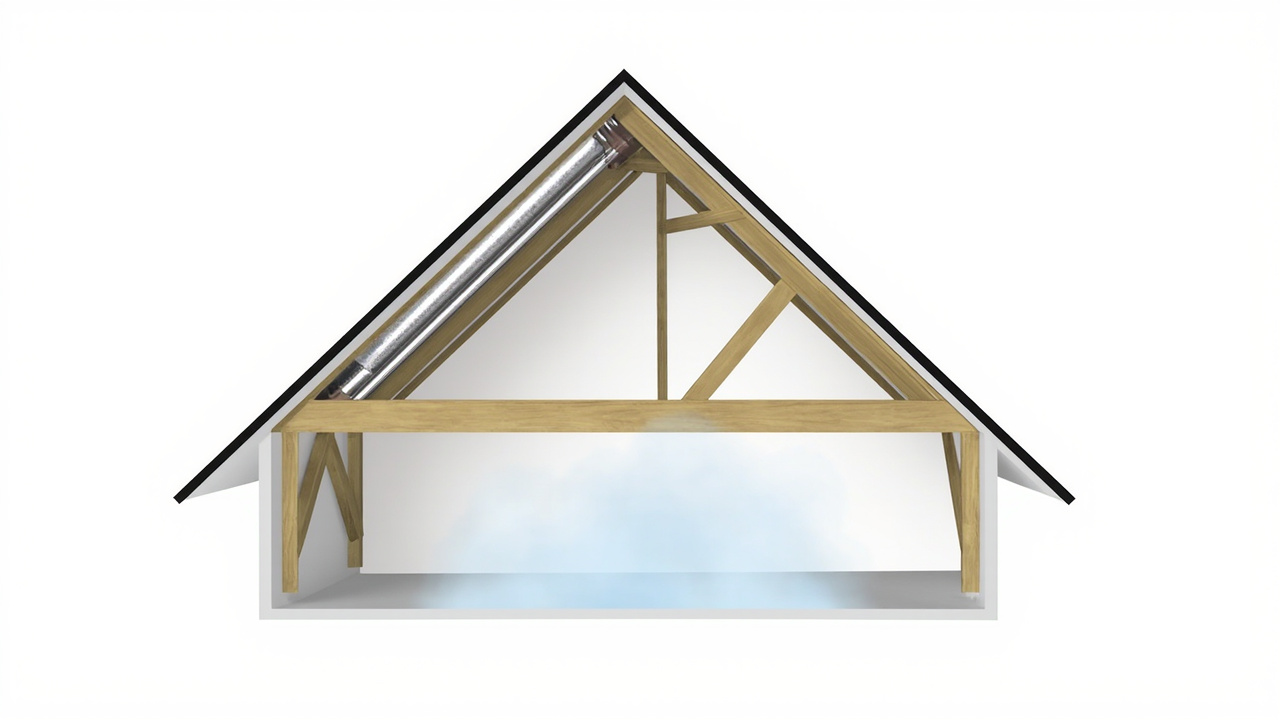
Chicago bungalows often feature a 1.5 story design with finished rooms on the upper level. This creates knee walls, which are small vertical walls that separate the living space from the unfinished eaves. These spaces are notorious for trapping heat and moisture. If you are planning central air installation for Lakeview Chicago homes or similar upgrades in Galewood, you must address these pockets of air first. Poor airflow behind knee walls leads to mold growth and wood rot that can compromise your roof deck over time.
The Unique Anatomy of a Chicago Bungalow Attic
A standard suburban home has a wide open attic floor. A bungalow has a cramped and complex layout. You have the main peak of the roof and then the slanted sections that follow the ceiling of the upstairs bedrooms. This geometry prevents air from moving freely from the bottom of the roof to the top. To fix this, you need to install baffles. Baffles are plastic or foam channels that keep the insulation from blocking the airflow. In a Galewood home, these must be installed between every rafter to ensure the air reaches the peak.
The Chicago Bungalow Association provides guidelines for maintaining these historic properties. They emphasize the importance of preserving the original look while upgrading the internal systems. When choosing vents, you want something that performs well without ruining the silhouette of your home. Mushroom vents are the most common choice for our local climate. These static vents sit low on the roof and provide a high volume of exhaust without the mechanical failure risks of motorized fans.
Signs Your Galewood Home Has Poor Ventilation
You can identify ventilation issues without climbing onto your roof. Look at your exterior paint. If the paint near the roofline is peeling or blistering, moisture is likely trapped in the wood behind it. In the winter, ice dams are a major warning sign. When heat leaks from your house into the attic, it melts the snow on the roof. That water runs down to the cold eaves and freezes, creating a dam that sends water back under your shingles. This causes interior water damage in your beautiful Galewood living room.
Another sign is the temperature of your ceiling. On a hot day, touch the ceiling of your upstairs bedroom. If it feels warm to the touch, your attic is acting like a radiator. Proper ventilation can drop attic temperatures by forty degrees. This reduces the load on your HVAC system significantly. Many homeowners seeking historic property HVAC upgrades in Logan Square and Galewood find that ventilation is the missing piece of their comfort puzzle.
Ventilation Type Comparison for 2026
| Vent Type | Best Use Case | Maintenance Level | Efficiency Rating |
|---|---|---|---|
| Mushroom Vents | Standard Bungalow Roofs | Low | Medium |
| Ridge Vents | Long Uninterrupted Peaks | Low | High |
| Solar Powered Fans | High Heat Areas | Medium | Very High |
| Gable Vents | Large End Walls | Low | Low |
The Best Ventilation Solutions for Historic Brick Homes
For most Galewood bungalows, a combination of static vents and smart intake solutions works best. Since we cannot easily add soffit vents to brick eaves, we often use drip edge vents or smart vents that sit under the first row of shingles. These provide the necessary intake air without altering the brickwork. This maintains the historic integrity of the home while providing modern airflow levels.
Solar powered attic fans have become a top choice in 2026. These units do not require a connection to your electrical grid. They operate only when the sun is hitting the roof, which is exactly when you need the most exhaust. They are quiet and highly effective at pulling heat out of those tight knee wall spaces. If you live near the busy corridors of North Avenue or Harlem Avenue, these fans are great because they do not add much noise to the environment.
Managing the Knee Wall Challenge
The knee wall space is a ventilation nightmare if not handled correctly. You must treat these areas as part of the exterior of the house. This means the floor of the knee wall space should be heavily insulated, but the air must be allowed to move over the insulation. We see many DIY jobs in Galewood where people pack insulation into the eaves, which completely stops the airflow. This leads to localized hot spots and condensation issues in the winter.
The current 2026 building codes suggest a 1 to 300 ratio for attic ventilation. This means you need one square foot of net free ventilating area for every 300 square feet of attic floor space. In a bungalow, calculating this is tricky because of the slanted ceilings. We calculate the total square footage including the hidden spaces behind the walls to ensure you have enough exhaust capacity. Using the Energy.gov ventilation standards ensures your home stays within modern safety and efficiency limits.
Attic Airflow Requirements by Home Size
| Attic Square Footage | Required NFVA (Square Inches) | Recommended Number of Vents |
|---|---|---|
| 1000 | 480 | 4 to 5 |
| 1500 | 720 | 6 to 8 |
| 2000 | 960 | 9 to 11 |
| 2500 | 1200 | 12 to 14 |
Energy Efficiency and ComEd Rebates
Improving your ventilation is a cost-effective way to lower your utility bills. In 2026, ComEd and other local utility providers offer significant rebates for attic upgrades. These programs often cover a portion of the cost for adding insulation and improving airflow. A well-ventilated attic keeps your insulation dry. Wet insulation loses its R-value and becomes useless. By keeping the air moving, you protect your investment and keep your home comfortable year round.
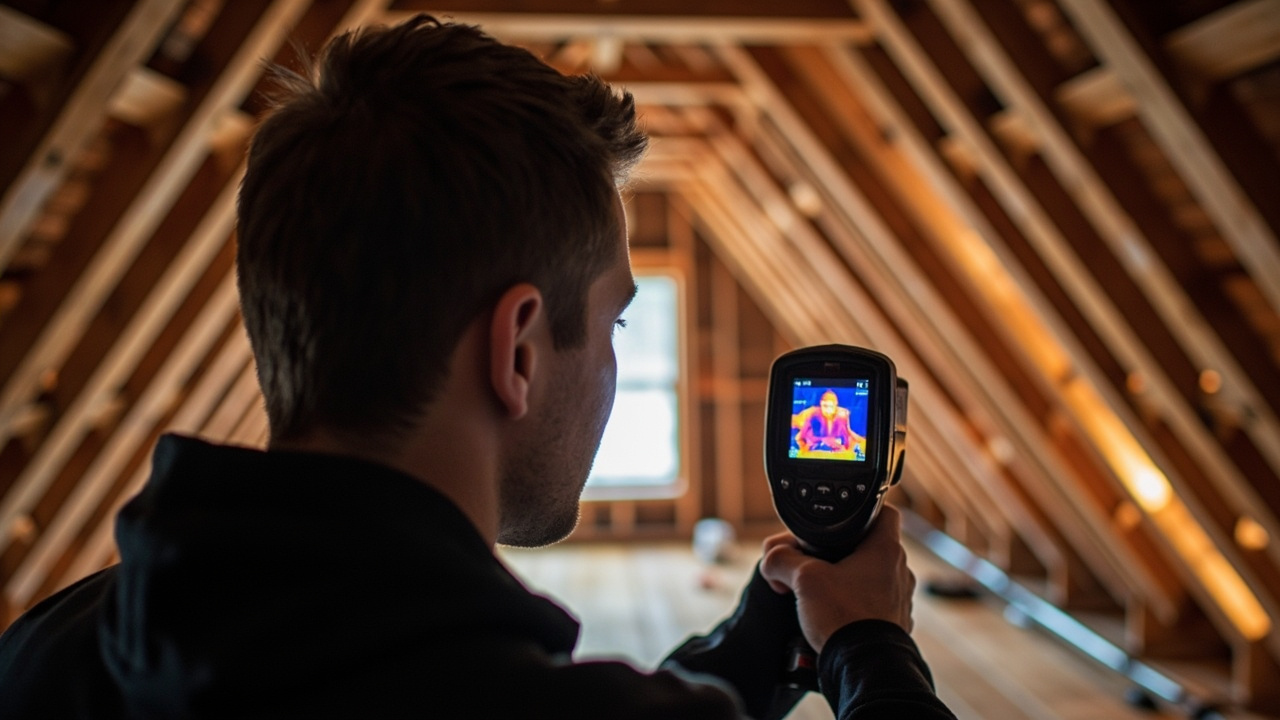
When we perform an energy audit in Galewood, we use thermal imaging to see where heat is building up. We often find that homes with new roofs still have old, clogged vents. Even if you just had a roof replacement, the roofer might not have calculated the ventilation needs for your specific HVAC setup. It is important to have an HVAC professional look at the system as a whole. This ensures that your furnace and air conditioner are not fighting against a stagnant attic.
Professional Assessment and Next Steps
Choosing the right vents requires more than just picking a product from a shelf. You need to consider the pitch of your roof, the direction your home faces, and the existing insulation levels. A home facing the sun on a corner lot in Galewood will have different needs than a home shaded by large trees. We look at the entire building envelope to create a custom plan for your property.
If you have noticed your AC running constantly or if you see dark streaks on your roof shingles, it is time for an inspection. Our team has over fifteen years of experience working on Chicago bungalows. We understand the specific challenges of these historic homes and how to bring them into 2026 standards of efficiency. We serve the entire Northwest Side including Montclare, Elmwood Park, and Oak Park.
- Inspect intake vents for clogs from debris or birds.
- Verify that baffles are correctly positioned in the eaves.
- Check for signs of moisture or mold on the underside of the roof deck.
- Measure the temperature difference between the attic and the outdoors.
- Ensure all bathroom fans are vented to the outside and not into the attic.
Proper attic ventilation is an investment in the longevity of your home. It protects your roof, lowers your energy bills, and makes your living space much more comfortable. Whether you are dealing with a hot second floor or worrying about ice dams this winter, the right ventilation strategy will solve the problem. Residents in Galewood deserve homes that are as efficient as they are beautiful. Contact a local specialist today to evaluate your attic and ensure your bungalow is ready for the seasons ahead.
{
“@context”: “https://schema.org”,
“@type”: “BlogPosting”,
“headline”: “Selecting the Best Attic Ventilation for Your Galewood Bungalow”,
“description”: “Learn how to choose the right attic ventilation for your Galewood bungalow. Expert advice on mushroom vents, knee walls, and improving energy efficiency in 2026.”,
“wordCount”: 1480,
“datePublished”: “2026-03-30T13:42:00.000Z”,
“dateModified”: “2026-03-30T13:42:00.000Z”,
“inLanguage”: “en-US”,
“mainEntityOfPage”: {
“@type”: “WebPage”,
“@id”: “https://5starhvacchicago.com”
},
“publisher”: {
“@type”: “LocalBusiness”,
“name”: “Five Star HVAC Chicago”,
“url”: “https://5starhvacchicago.com”
},
“author”: {
“@type”: “Organization”,
“name”: “Five Star HVAC Chicago”,
“url”: “https://5starhvacchicago.com”
},
“image”: {
“@type”: “ImageObject”,
“url”: “https://5starhvacchicago.com/wp-content/uploads/2026/03/how-to-choose-the-right-attic-ventilation-for-your-1.jpg”
}
}
{
“@context”: “https://schema.org”,
“@type”: “HVACBusiness”,
“name”: “Five Star HVAC Chicago”,
“url”: “https://5starhvacchicago.com”,
“address”: {
“@type”: “PostalAddress”,
“addressLocality”: “Chicago”
},
“areaServed”: {
“@type”: “City”,
“name”: “Chicago”
}
}
{
“@context”: “https://schema.org”,
“@type”: “BreadcrumbList”,
“itemListElement”: [
{
“@type”: “ListItem”,
“position”: 1,
“name”: “Home”,
“item”: “https://5starhvacchicago.com”
},
{
“@type”: “ListItem”,
“position”: 2,
“name”: “Blog”,
“item”: “https://5starhvacchicago.com/blog”
},
{
“@type”: “ListItem”,
“position”: 3,
“name”: “Selecting the Best Attic Ventilation for Your Galewood Bungalow”
}
]
}
{
“@context”: “https://schema.org”,
“@type”: “Service”,
“serviceType”: “HVAC”,
“provider”: {
“@type”: “LocalBusiness”,
“name”: “Five Star HVAC Chicago”,
“url”: “https://5starhvacchicago.com”
},
“areaServed”: {
“@type”: “City”,
“name”: “Chicago”
},
“description”: “Learn how to choose the right attic ventilation for your Galewood bungalow. Expert advice on mushroom vents, knee walls, and improving energy efficiency in 2026.”
}