

The Roscoe Village space challenge in 2026
Roscoe Village residents know the value of every square inch. Whether you live in a classic workers cottage or a newer three story home near Audubon Elementary, storage space is always at a premium. Traditional water heaters take up a massive footprint in your utility room or basement. These cylindrical tanks often sit right in the middle of a room or take up an entire closet that could hold your seasonal gear or pantry items. Switching to a tankless system changes the layout of your home for the better. This upgrade moves your water heating system from the floor to the wall. This change creates immediate room for shelving or other appliances. Our team sees this transformation weekly across the neighborhood as families look for ways to maximize their living areas in 2026.
Many homeowners in this part of Chicago are also upgrading other systems. If you are looking at your total home comfort, you might also be curious about central air installation costs for Lakeview Chicago homes in 2026 to keep your property competitive and comfortable. Modernizing your water heater is a logical step when you decide to reclaim your basement or utility area.

Comparing the footprint of tank and tankless units
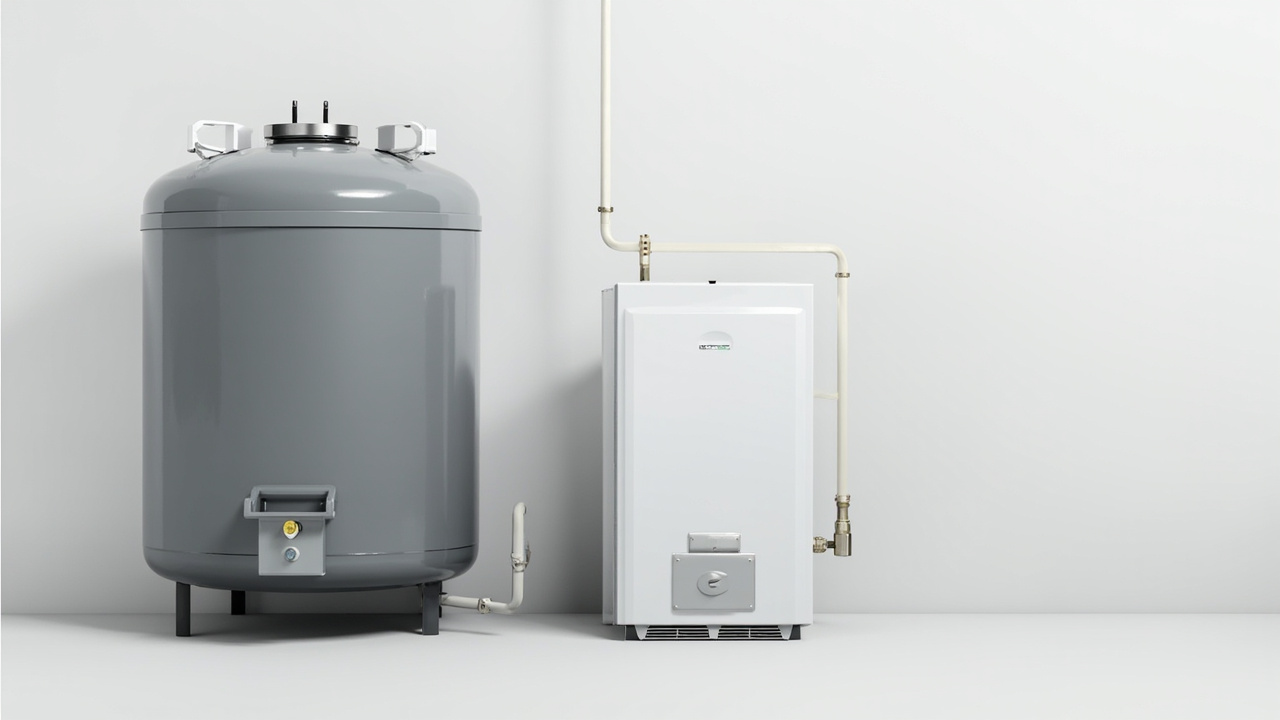
A standard 50 gallon water heater usually measures about 22 inches in diameter and stands 60 inches tall. When you add the required clearance for safety and venting, that tank effectively claims about nine to twelve square feet of floor space. In a tight Roscoe Village basement, that is enough room for a workbench or several storage bins. A tankless unit is roughly the size of a suitcase. These units mount directly to the wall studs. This clears the floor entirely. You can see the physical difference in the data below.
| Feature | Standard 50 Gallon Tank | Condensing Tankless Unit |
|---|---|---|
| Installation Location | Floor standing | Wall mounted |
| Average Height | 60 inches | 28 inches |
| Average Width | 22 inches | 18 inches |
| Floor Space Required | 9 to 12 square feet | 0 square feet |
| Clearance Needs | Significant side clearance | Minimal front clearance |
Freeing up this floor space allows you to organize your home better. Many of our clients in the area use this new room for high efficiency laundry sets or built in shelving. While you are considering these space saving upgrades, you may also want to look into why Logan Square homeowners trust our team for historic property HVAC upgrades as they face similar architectural constraints.
Handling the cold Lake Michigan water temperatures
Chicago winters put unique stress on water heaters. The water coming from Lake Michigan can drop to near freezing temperatures during January and February. A tankless water heater must have the power to heat that incoming water instantly. This is measured by the temperature rise. If your water enters the house at 35 degrees and you want a shower at 110 degrees, the unit needs a 75 degree rise. In 2026, we install high BTU units specifically rated for northern climates. Units from brands like Navien and Rinnai are designed to maintain high flow rates even when the lake water is at its coldest.
Without a tank of preheated water, the system relies entirely on its burners. If you choose an undersized unit, your shower might feel lukewarm during a Chicago cold snap. We calculate the peak demand for your household by looking at how many fixtures you run at once. A typical home in Roscoe Village with two bathrooms needs a unit capable of at least 5.0 to 7.0 gallons per minute during the peak of winter.
| Season | Inlet Temperature | Target Temperature | Required Temp Rise | Estimated GPM Output |
|---|---|---|---|---|
| Summer | 65 to 70 degrees | 120 degrees | 50 to 55 degrees | 9.5 GPM |
| Spring/Fall | 50 to 55 degrees | 120 degrees | 65 to 70 degrees | 7.2 GPM |
| Winter | 35 to 40 degrees | 120 degrees | 80 to 85 degrees | 5.1 GPM |
Technical requirements for a tankless installation in Chicago
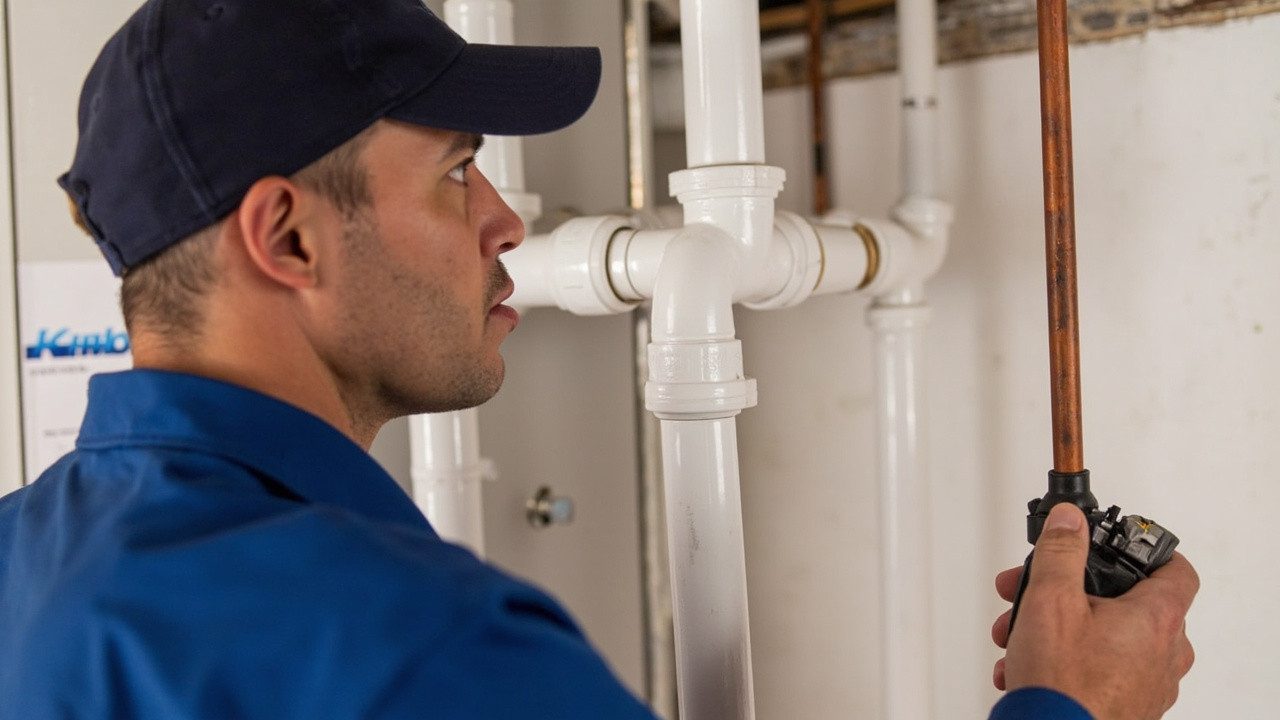
Installing a tankless unit is more complex than swapping out a standard tank. The gas demand is much higher for a short period. Most standard tanks use a half inch gas line. A high performance tankless unit often requires a three quarter inch gas line to provide enough fuel for the 199,000 BTU burners. We inspect your gas manifold to ensure your meter and piping can handle the load. If you are also running other high demand appliances, we may coordinate with Peoples Gas for a meter upgrade to ensure consistent pressure.
Venting is another critical factor. Older tanks use metal chimneys that rely on natural convection. Modern condensing tankless heaters use PVC or polypropylene pipes for venting. These pipes can go out through a side wall. This is a great solution for Roscoe Village homes where the central chimney might be deteriorating or shared with an old boiler. If you have an older heating system, you might consider talking to a boiler repair specialist in Wicker Park and Bucktown to see if your venting can be consolidated during a renovation.
Key installation steps for our Chicago team
- Removing and recycling the old bulky tank unit
- Mounting the tankless unit to a secure wall surface or backer board
- Upgrading gas lines to meet the 199,000 BTU requirement
- Installing concentric or twin pipe PVC venting through the rim joist
- Adding a condensate pump if a floor drain is not nearby
- Integrating a scale shield or water softener to protect the heat exchanger
Managing hard water and scale in Roscoe Village
Chicago water contains minerals that can build up inside a tankless heat exchanger. Because these units heat water so quickly, the minerals tend to drop out of the water and stick to the metal surfaces. This is called scaling. If you do not address this, the unit becomes less efficient and can eventually fail. In 2026, many manufacturers require annual flushing to maintain your warranty. We use a pump and a mild descaling solution to clean the internal copper or stainless steel coils.
Many homeowners choose to install a whole house water filtration system at the same time. This protects your new water heater and your other appliances. If your furnace is also getting older, you should keep an eye on it during the winter. We provide emergency furnace repair services in the South Loop and surrounding areas, so we know how hard water and cold air affect your total home system. Proper maintenance ensures your tankless unit lasts 20 years or more, which is double the life of a standard tank.
Efficiency and tax credits for 2026
The transition to tankless is not just about space. It is also about reducing your monthly gas bill. Traditional tanks keep 50 gallons of water hot all day and night. This is called standby heat loss. Tankless units only burn gas when you turn on a faucet. This change can reduce your water heating energy use by up to 30 percent. In 2026, the federal government continues to offer significant incentives through the Inflation Reduction Act tax credits for high efficiency home improvements. Many qualifying tankless models allow you to claim a credit on your federal taxes, making the initial investment more manageable.
Local utility companies like Peoples Gas often have their own rebate programs for Energy Star certified equipment. These programs change throughout the year, but they consistently favor condensing models with high Uniform Energy Factor ratings. We help our clients navigate this paperwork to ensure they get every dollar back that they deserve. Between the energy savings and the tax credits, the long term cost of a tankless system is often lower than keeping a standard tank.
Compliance with the City of Chicago plumbing code
The City of Chicago has strict plumbing codes to ensure safety and prevent water contamination. Every tankless installation requires a permit. This ensures a city inspector verifies the gas line sizing, the venting materials, and the backflow prevention. We follow the City of Chicago Department of Buildings regulations for all residential installs. One major requirement in Chicago is the use of specific materials for drainage and venting that can withstand our local weather extremes. We never cut corners on these requirements because your safety is our priority.
If you are planning other summer projects while we are at your home, keep in mind that we also help with cooling. You can find us getting your Lincoln Park AC fixed fast when the humidity spikes in July. Proper installation across all your HVAC and plumbing systems ensures your home runs efficiently year round.
Choosing the right model for your household
When selecting a unit, we look at your peak hot water demand. Do you run the dishwasher while someone is showering? Do you have a high flow rain showerhead? These details matter. We recommend condensing units for most Roscoe Village homes. These models capture extra heat from the exhaust gases, making them more efficient and allowing for easier PVC venting. Non condensing models are cheaper initially but require expensive stainless steel venting and are less efficient.
Most of the units we install in 2026 feature smart technology. You can monitor your gas usage and get leak alerts on your phone. Some models even have internal recirculation pumps. These pumps keep hot water moving through your pipes so you do not have to wait for it to reach the second floor. This saves thousands of gallons of water every year that would otherwise go down the drain while you wait for it to get warm.
If you are ready to reclaim your floor space and enjoy endless hot water, a tankless upgrade is the best choice for your Roscoe Village home. Our team has the experience to handle the specific gas and venting challenges of Chicago architecture. We ensure your system is sized correctly for our harsh winters and meets all local safety codes. Contact us to evaluate your utility room and start your path toward a more efficient, spacious home today.
{
“@context”: “https://schema.org”,
“@type”: “BlogPosting”,
“headline”: “Saving floor space in Roscoe Village with a tankless water heater upgrade”,
“description”: “Learn how Roscoe Village homeowners gain square footage and endless hot water with tankless water heater installations in 2026. Expert Chicago HVAC advice.”,
“wordCount”: 1658,
“datePublished”: “2026-03-29T06:25:00.000Z”,
“dateModified”: “2026-03-29T06:25:00.000Z”,
“inLanguage”: “en-US”,
“mainEntityOfPage”: {
“@type”: “WebPage”,
“@id”: “https://5starhvacchicago.com”
},
“publisher”: {
“@type”: “LocalBusiness”,
“name”: “Five Star HVAC Chicago”,
“url”: “https://5starhvacchicago.com”
},
“author”: {
“@type”: “Organization”,
“name”: “Five Star HVAC Chicago”,
“url”: “https://5starhvacchicago.com”
},
“image”: {
“@type”: “ImageObject”,
“url”: “https://5starhvacchicago.com/wp-content/uploads/2026/03/saving-floor-space-in-roscoe-village-with-a-tankle-1.jpg”
}
}
{
“@context”: “https://schema.org”,
“@type”: “HVACBusiness”,
“name”: “Five Star HVAC Chicago”,
“url”: “https://5starhvacchicago.com”,
“address”: {
“@type”: “PostalAddress”,
“addressLocality”: “Chicago”
},
“areaServed”: {
“@type”: “City”,
“name”: “Chicago”
}
}
{
“@context”: “https://schema.org”,
“@type”: “BreadcrumbList”,
“itemListElement”: [
{
“@type”: “ListItem”,
“position”: 1,
“name”: “Home”,
“item”: “https://5starhvacchicago.com”
},
{
“@type”: “ListItem”,
“position”: 2,
“name”: “Blog”,
“item”: “https://5starhvacchicago.com/blog”
},
{
“@type”: “ListItem”,
“position”: 3,
“name”: “Saving floor space in Roscoe Village with a tankless water heater upgrade”
}
]
}
{
“@context”: “https://schema.org”,
“@type”: “Service”,
“serviceType”: “HVAC”,
“provider”: {
“@type”: “LocalBusiness”,
“name”: “Five Star HVAC Chicago”,
“url”: “https://5starhvacchicago.com”
},
“areaServed”: {
“@type”: “City”,
“name”: “Chicago”
},
“description”: “Learn how Roscoe Village homeowners gain square footage and endless hot water with tankless water heater installations in 2026. Expert Chicago HVAC advice.”
}