
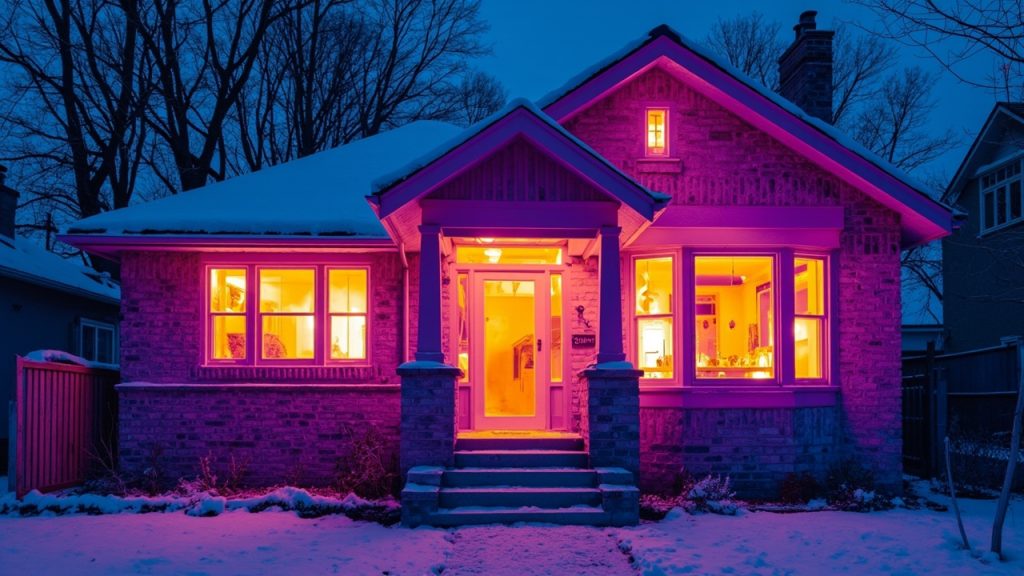
How Albany Park bungalows lose heat during Chicago winters
Living in an Albany Park bungalow means dealing with unique architectural quirks that impact your energy bill. These homes typically feature solid brick masonry and large octagonal front windows that face the biting winds off the North Branch of the Chicago River. While the brick provides great structure, it acts as a thermal bridge that pulls heat away from your living space when the temperature drops in 2026. Many residents in the bungalow belt notice that their rooms feel cold even when the furnace runs constantly. This happens because the heavy brick walls absorb heat and transfer it to the outside air through a process called conduction. You are essentially trying to heat the entire neighborhood because your walls cannot hold the thermal energy inside.
Drafts often enter through the gaps where the wooden window frames meet the masonry. In many homes near Kimball Avenue and Lawrence Avenue, the original wood sashes have shrunk over decades. These small openings allow cold air to pour into your home. This forces your heating system to work twice as hard to maintain a comfortable temperature. You can identify these leaks by feeling for cold air around the trim or using a thermal camera during a cold snap. Addressing these air leaks is the first step toward lowering your monthly gas and electric expenses. Even small cracks around a window frame can cause as much heat loss as leaving a small window open all winter long.
The geography of Albany Park contributes to these challenges. The proximity to the river creates a microclimate where humidity levels fluctuate wildly. In 2026, we see more frequent freeze-thaw cycles that stress the mortar joints between your bricks. When mortar fails, it creates microscopic pathways for air infiltration. You might notice a whistling sound during a high-wind day near the park. That sound is money leaving your wallet. Sealing these exterior penetrations with high-grade architectural caulk prevents the wind from stripping heat from your interior drywall. You must protect the envelope of the building before you invest in expensive mechanical upgrades.
Sealing the stack effect in your one and a half story home
The stack effect is a major cause of high energy bills in Chicago bungalows. Warm air rises and escapes through the roof while pulling cold air in through the basement and first floor. This creates a constant cycle of heat loss that leaves your feet cold and your attic too warm. Most Albany Park bungalows have knee walls on the second floor. These are the short walls that create storage space behind the finished rooms upstairs. These areas often lack proper air sealing and insulation. Cold air stays trapped behind these walls and leaches into your bedrooms. This makes the second floor feel like a refrigerator during the night.
You should seal the rim joists in your basement with spray foam or rigid foam board to stop the air from entering at the bottom. This stops the suction that pulls cold air into the house through the floorboards. In the attic, you need to ensure that the floor of the knee wall space is sealed tight against the ceiling of the floor below. Adding blown-in cellulose insulation to these spaces helps maintain a consistent temperature throughout the home. Using U.S. Department of Energy guidelines for Illinois Zone 5, you should aim for an R-value of at least R-60 in your attic spaces in 2026. This level of insulation prevents the snow on your roof from melting and forming dangerous ice dams.
The transition between the first floor and the attic is the most critical area for energy savings. Many bungalows have a central staircase that acts like a chimney. If you do not have a door at the top or bottom of these stairs, the heat from your main living area will migrate upward instantly. You can install heavy thermal curtains or a pocket door to manage this airflow. In 2026, we use advanced blower door testing to find the exact spots where the stack effect is most active. We often find significant leaks around light fixtures and plumbing stacks that go straight into the attic. Sealing these gaps with fire-rated expanding foam is a low-cost way to see immediate results on your utility bill.
Maintaining your boiler for maximum efficiency
Many bungalows in Albany Park still use steam or hot water boilers for heat. These systems provide a comfortable and steady warmth but they require regular care to stay efficient. If you hear banging or clanking noises in your pipes, your system is wasting fuel. This often happens because the radiators are not level or the air vents are clogged. Trapped air prevents steam from filling the radiator, which means your boiler runs longer to heat the room. You should bleed your radiators every season to remove trapped air and ensure even heat distribution. A balanced system ensures that the radiator furthest from the boiler gets just as hot as the one closest to it.
Our team sees many homeowners who ignore their boiler water levels. Dirty water in a steam boiler causes foaming and prevents efficient steam production. You should flush the low water cut-off every week during the winter to remove sediment. For those living in older properties, finding a reliable boiler repair specialist in Wicker Park and Bucktown for reliable home heating is a great way to ensure your system survives a 2026 polar vortex. A well-maintained boiler can reach an AFUE rating of over 90 percent with the right upgrades. Modern controls can also help your boiler adjust its firing rate based on the outdoor temperature.
Check the insulation on your steam pipes in the basement. Many original pipes were wrapped in materials that have deteriorated over the last century. Replacing old pipe wrap with modern fiberglass insulation ensures that the heat actually reaches your living room instead of warming your basement ceiling. This simple fix can reduce fuel consumption by nearly ten percent. You should also check the pressure gauge on your boiler. If the pressure exceeds two pounds for a residential steam system, you are likely burning far more gas than necessary. High pressure indicates a problem with the pressurestat or the venting system that needs professional attention immediately.
Comparison of heating system efficiency in 2026
| System Type | Typical AFUE Rating | Annual Maintenance Cost | Expected Lifespan |
|---|---|---|---|
| Standard Gas Furnace | 80 percent | Low | 15 to 20 years |
| High Efficiency Condensing Furnace | 96 to 98 percent | Moderate | 15 to 20 years |
| Modern Steam Boiler | 82 to 85 percent | High | 25 to 30 years |
| Electric Heat Pump Hybrids | 300 to 400 percent | Moderate | 15 years |
Understanding electric heat pump hybrids in Chicago climate zones
Electric heat pump hybrids represent a massive shift in how Albany Park residents heat their homes in 2026. These systems combine an electric air-source heat pump with a high-efficiency gas furnace. This is often called a dual-fuel system. The heat pump handles the heating when temperatures are above thirty degrees Fahrenheit. In these conditions, the heat pump is incredibly efficient because it moves heat instead of creating it. When the Chicago winter turns brutal and temperatures drop below the balance point, the system automatically switches to the gas furnace. This ensures you stay warm even when the thermometer hits sub-zero levels near the river.
In Chicago climate zone 5, the performance of a heat pump depends on its Cold Climate certification. Modern units in 2026 can maintain high efficiency down to five degrees Fahrenheit. This covers about eighty percent of the Chicago winter season. By using the heat pump for the majority of the year, you reduce your reliance on natural gas. This protects you from fluctuating gas prices and lowers your total carbon footprint. The gas furnace acts as a reliable backup that only kicks in during the most extreme weather events. This hybrid approach solves the historical problem of heat pumps struggling in deep freezes.
These systems also provide superior dehumidification during the muggy Albany Park summers. Because the indoor coil stays at a consistent temperature, it pulls more moisture out of the air than a traditional air conditioner. This makes your home feel cooler at a higher temperature setting. You can set your thermostat to seventy-four degrees and feel just as comfortable as you did at seventy degrees with an old system. This reduces the load on the compressor and extends the life of the equipment. For owners of historic bungalows, this is the most effective way to modernize your comfort without installing bulky ductwork in every room.
Upgrading to high efficiency HVAC systems in Chicago
If your furnace is over fifteen years old, it is likely the primary reason for your high energy bills. Modern units use variable speed blowers that adjust their output based on the actual heating needs of your home. This prevents the frequent on and off cycling that wastes electricity. When you look at central air installation costs for Lakeview Chicago homes in 2026, you can see how much technology has improved in recent years. New systems offer much higher SEER2 and AFUE ratings than the units installed just a decade ago. The energy savings from a new installation often pay for the unit within seven to ten years.
For homes without ductwork, ductless mini-split systems are an excellent choice for Albany Park residents. These units allow you to heat and cool specific rooms without the need for expensive renovations. This is especially helpful for the sunrooms and back porches that owners often convert into offices. You can keep your main living area at a lower temperature while keeping your workspace warm. This targeted heating significantly reduces your total energy consumption throughout the winter months. Many Logan Square homeowners trust our team for historic property HVAC upgrades because we understand how to integrate new tech into old structures without ruining the vintage charm.
Variable speed technology is the key to managing the unique layout of a bungalow. These homes often have long runs of ductwork that can lead to uneven heating. A variable speed motor can increase its static pressure to push air into the furthest bedrooms near the back of the house. Traditional single-stage motors simply cannot provide this level of control. This technology also operates much more quietly. You will no longer hear a loud blast of air every time the thermostat calls for heat. This creates a much more peaceful environment for your family while saving you money every single day.
Winter energy saving checklist for bungalow owners
You can take several small steps right now to lower your costs without spending a lot of money. These habits help your HVAC system run more smoothly and extend its life. Check your furnace filter every thirty days. A dirty filter restricts airflow and puts massive strain on the blower motor. This leads to higher electric bills and eventual mechanical failure. You should also ensure that your furniture does not block the return air vents or radiators. Blocking these paths prevents the system from sensing the temperature correctly and leads to short-cycling.
- Install a smart thermostat to lower temperatures when you are sleeping or at work.
- Reverse your ceiling fans to push warm air back down to the floor level.
- Use heavy curtains over large windows during the night to add a layer of insulation.
- Seal the gaps around your attic hatch with weather stripping and foam board.
- Check your basement windows for cracked glass or failing caulk around the frames.
- Insulate the first six feet of your hot water pipes leaving the water heater.
- Apply temporary plastic film to original single-pane windows for an extra air barrier.
- Close the damper on your fireplace when it is not in use to prevent heat loss.
If you experience a sudden system failure during a freeze, you need fast help. Knowing where to find the best emergency furnace repair services in the South Loop and surrounding areas can save you from frozen pipes and water damage. Emergency repairs are always more expensive than preventative maintenance so schedule your tune-up early in the fall. Our technicians check the heat exchanger for cracks and ensure the ignition system is firing correctly to keep you safe. A clean system is a safe system, especially in older homes with aging infrastructure.
Using 2026 rebates and tax credits for home improvements
The cost of upgrading your home can be offset by local and federal incentives. In 2026, Peoples Gas and ComEd offer several programs to help Chicago residents improve their energy efficiency. These programs often include free energy assessments where a professional identifies the biggest areas of heat loss in your bungalow. They may also provide free LED light bulbs, low flow showerheads, and programmable thermostats. These small changes add up to significant savings over a full year of utility bills. The current rebate levels for attic insulation have increased to cover a larger percentage of the total project cost.
Federal tax credits through the Inflation Reduction Act remain available in 2026 for homeowners who install high-efficiency furnaces, heat pumps, or improved insulation. You can claim thirty percent of the cost of energy-efficient home improvements, up to an annual limit of twelve hundred dollars for general weatherization. For heat pumps, the credit is even higher, reaching up to two thousand dollars per year. This makes the transition to electric hybrid systems much more affordable. You must ensure that the equipment meets specific efficiency ratings to qualify for these credits. Our team can provide the necessary documentation for your tax filings.
State-level incentives in 2026 also focus on point-of-sale rebates for low and moderate-income households. These rebates can cover up to eight thousand dollars for a new heat pump installation and sixteen hundred dollars for weatherization projects like air sealing and insulation. Organizations like the Chicago Bungalow Association provide resources and grants specifically for owners of these historic homes. They focus on preserving the beauty of the neighborhood while making the houses sustainable for the future. We recommend checking their website for current grant cycles and eligibility requirements. Combining these grants with federal tax credits can often cover more than half of the total cost of a major energy upgrade.
Estimated energy savings from common retrofits
| Improvement Project | Average Efficiency Gain | Impact on Monthly Bill |
|---|---|---|
| Attic Air Sealing and Insulation | 15 to 20 percent | Significant Reduction |
| Programmable Smart Thermostat | 8 to 12 percent | Moderate Reduction |
| Boiler Tune-Up and Balancing | 5 to 10 percent | Minor Reduction |
| New High Efficiency Furnace | 20 to 30 percent | Massive Reduction |
| Hybrid Heat Pump Conversion | 30 to 50 percent | Highest Possible Savings |
Preparing for the summer transition in Albany Park
Once the Chicago winter fades, the humidity from the river becomes the new challenge for Albany Park homes. Many of the same air sealing techniques that keep your home warm will also keep it cool during the summer. Sealing those attic leaks prevents hot humid air from pushing down into your bedrooms. This is a great time to evaluate your cooling system before the first heat wave. Getting your Lincoln Park AC fixed fast before the next heat wave hits is a priority for many of our clients across the north side. We often find that homes with good insulation spend forty percent less on cooling than their neighbors with drafty attics.
Ductwork in bungalows is often undersized for modern high-velocity air conditioners. If you find that your second floor never gets cool enough, you might need an attic fan or a dedicated mini-split unit for that level. Our 2026 assessments include a full ductwork inspection to ensure your system can handle the load. We also check the refrigerant levels to make sure your compressor is not working harder than it needs to. Regular maintenance prevents the emergency calls that always seem to happen on the hottest weekend of July. A seasonal check-up ensures your system is ready for the intense humidity of the 2026 summer season.
Keeping your Albany Park bungalow efficient takes a combination of DIY effort and professional expertise. Focus on the big air leaks first and ensure your heating system is tuned for the current season. Our team has helped thousands of Chicago residents lower their bills and increase their comfort. We understand the specific needs of historic masonry homes and the challenges of the local climate. If you are tired of wearing three layers of clothes inside your own house, contact us for a comprehensive energy evaluation today. We can help you navigate the 2026 rebate landscape to find the most cost-effective path to a comfortable home.
Frequently asked questions about Albany Park energy efficiency
Why is the second floor of my bungalow always colder than the first?
This temperature imbalance usually happens because of the stack effect and poor insulation in the knee walls. Warm air from the first floor rises and escapes through the roof, while cold air from the attic spaces behind the knee walls seeps into the bedrooms. In Albany Park bungalows, the lack of proper air sealing at the top of the wall allows this cycle to continue. Adding R-60 insulation and sealing the floor of the knee wall storage areas is the most effective way to solve this problem. You might also need to adjust the dampers in your ductwork to push more air to the second level.
Can a heat pump actually handle the Chicago cold in 2026?
Yes, modern cold-climate heat pumps can handle temperatures down to five degrees Fahrenheit with high efficiency. However, for a Chicago winter, we recommend a hybrid or dual-fuel system. This setup uses the electric heat pump for moderate cold and switches to a gas furnace when the temperature drops below zero. This provides the best balance of energy savings and reliable warmth during a polar vortex. The 2026 models have improved significantly over older technology and are now a standard recommendation for the Chicago area.
How do I stop my brick walls from feeling cold to the touch?
Brick is a high-density material that holds a lot of thermal mass. In the winter, it pulls heat out of your home. You cannot easily insulate the inside of a solid brick wall without losing interior space and potentially causing moisture issues. The best solution is to ensure your humidity levels are controlled and to use heavy area rugs or wall hangings to provide a small buffer. More importantly, focus on sealing the gaps where the brick meets the window frames and roofline. Most of the cold you feel is actually moving air rather than just the cold surface of the brick.
Are there specific 2026 grants for historic bungalows?
The Chicago Bungalow Association often offers energy efficiency grants that are specifically for income-qualified owners of certified bungalows. These grants can cover the cost of attic insulation and air sealing. Additionally, the federal government offers tax credits through the Inflation Reduction Act that apply to all homeowners. You can save up to two thousand dollars on a heat pump and twelve hundred dollars on other weatherization projects in 2026. Always check with a professional to ensure the work meets the required standards for these incentives.
Is it worth replacing my original wood windows?
In many cases, you can achieve similar energy savings by restoring your original wood windows and adding high-quality storm windows. Original windows were built to last over a hundred years, whereas many modern replacements only last twenty. If you use weather stripping and interior storm window kits, you can stop the drafts without losing the historic character of your Albany Park home. However, if the wood is rotted or the frames are severely warped, upgrading to modern energy-efficient windows may be necessary to stop high energy bills.
{
“@context”: “https://schema.org”,
“@type”: “BlogPosting”,
“headline”: “How to stop high energy bills in drafty Albany Park bungalows”,
“description”: “Stop high energy bills in your Albany Park bungalow. Learn about 2026 rebates, heat pump performance in Chicago, and expert insulation tips for brick homes.”,
“wordCount”: 3295,
“datePublished”: “2026-04-23T05:15:00.000Z”,
“dateModified”: “2026-04-23T05:15:00.000Z”,
“inLanguage”: “en-US”,
“mainEntityOfPage”: {
“@type”: “WebPage”,
“@id”: “https://5starhvacchicago.com”
},
“publisher”: {
“@type”: “LocalBusiness”,
“name”: “Five Star HVAC Chicago”,
“url”: “https://5starhvacchicago.com”
},
“author”: {
“@type”: “Organization”,
“name”: “Five Star HVAC Chicago”,
“url”: “https://5starhvacchicago.com”
},
“image”: {
“@type”: “ImageObject”,
“url”: “https://5starhvacchicago.com/wp-content/uploads/2026/03/how-to-stop-high-energy-bills-in-drafty-albany-par-1.jpg”
}
}
{
“@context”: “https://schema.org”,
“@type”: “HVACBusiness”,
“name”: “Five Star HVAC Chicago”,
“url”: “https://5starhvacchicago.com”,
“address”: {
“@type”: “PostalAddress”,
“addressLocality”: “Chicago”
},
“areaServed”: {
“@type”: “City”,
“name”: “Chicago”
}
}
{
“@context”: “https://schema.org”,
“@type”: “FAQPage”,
“mainEntity”: [
{
“@type”: “Question”,
“name”: “Why is the second floor of my bungalow always colder than the first?”,
“acceptedAnswer”: {
“@type”: “Answer”,
“text”: “This temperature imbalance usually happens because of the stack effect and poor insulation in the knee walls. Warm air from the first floor rises and escapes through the roof, while cold air from the attic spaces behind the knee walls seeps into the bedrooms. In Albany Park bungalows, the lack of proper air sealing at the top of the wall allows this cycle to continue. Adding R-60 insulation and sealing the floor of the knee wall storage areas is the most effective way to solve this problem. You might also need to adjust the dampers in your ductwork to push more air to the second level.”
}
},
{
“@type”: “Question”,
“name”: “Can a heat pump actually handle the Chicago cold in 2026?”,
“acceptedAnswer”: {
“@type”: “Answer”,
“text”: “Yes, modern cold-climate heat pumps can handle temperatures down to five degrees Fahrenheit with high efficiency. However, for a Chicago winter, we recommend a hybrid or dual-fuel system. This setup uses the electric heat pump for moderate cold and switches to a gas furnace when the temperature drops below zero. This provides the best balance of energy savings and reliable warmth during a polar vortex. The 2026 models have improved significantly over older technology and are now a standard recommendation for the Chicago area.”
}
},
{
“@type”: “Question”,
“name”: “How do I stop my brick walls from feeling cold to the touch?”,
“acceptedAnswer”: {
“@type”: “Answer”,
“text”: “Brick is a high-density material that holds a lot of thermal mass. In the winter, it pulls heat out of your home. You cannot easily insulate the inside of a solid brick wall without losing interior space and potentially causing moisture issues. The best solution is to ensure your humidity levels are controlled and to use heavy area rugs or wall hangings to provide a small buffer. More importantly, focus on sealing the gaps where the brick meets the window frames and roofline. Most of the cold you feel is actually moving air rather than just the cold surface of the brick.”
}
},
{
“@type”: “Question”,
“name”: “Are there specific 2026 grants for historic bungalows?”,
“acceptedAnswer”: {
“@type”: “Answer”,
“text”: “The Chicago Bungalow Association often offers energy efficiency grants that are specifically for income-qualified owners of certified bungalows. These grants can cover the cost of attic insulation and air sealing. Additionally, the federal government offers tax credits through the Inflation Reduction Act that apply to all homeowners. You can save up to two thousand dollars on a heat pump and twelve hundred dollars on other weatherization projects in 2026. Always check with a professional to ensure the work meets the required standards for these incentives.”
}
},
{
“@type”: “Question”,
“name”: “Is it worth replacing my original wood windows?”,
“acceptedAnswer”: {
“@type”: “Answer”,
“text”: “In many cases, you can achieve similar energy savings by restoring your original wood windows and adding high-quality storm windows. Original windows were built to last over a hundred years, whereas many modern replacements only last twenty. If you use weather stripping and interior storm window kits, you can stop the drafts without losing the historic character of your Albany Park home. However, if the wood is rotted or the frames are severely warped, upgrading to modern energy-efficient windows may be necessary to stop high energy bills.”
}
}
]
}
{
“@context”: “https://schema.org”,
“@type”: “BreadcrumbList”,
“itemListElement”: [
{
“@type”: “ListItem”,
“position”: 1,
“name”: “Home”,
“item”: “https://5starhvacchicago.com”
},
{
“@type”: “ListItem”,
“position”: 2,
“name”: “Blog”,
“item”: “https://5starhvacchicago.com/blog”
},
{
“@type”: “ListItem”,
“position”: 3,
“name”: “How to stop high energy bills in drafty Albany Park bungalows”
}
]
}
{
“@context”: “https://schema.org”,
“@type”: “Service”,
“serviceType”: “HVAC”,
“provider”: {
“@type”: “LocalBusiness”,
“name”: “Five Star HVAC Chicago”,
“url”: “https://5starhvacchicago.com”
},
“areaServed”: {
“@type”: “City”,
“name”: “Chicago”
},
“description”: “Stop high energy bills in your Albany Park bungalow. Learn about 2026 rebates, heat pump performance in Chicago, and expert insulation tips for brick homes.”
}