

Expert steam radiator repair for historic Andersonville apartments
Living in a historic Andersonville apartment means enjoying the unique character of vintage Chicago architecture. Many of these beautiful buildings between Foster Avenue and Bryn Mawr Avenue rely on steam heating systems that have served residents for nearly a century. While these systems provide a comfortable and moist heat that modern forced air cannot match, they require specialized knowledge to maintain. If your radiators are clanking, leaking, or failing to warm your home, you need a technician who understands the specific nuances of North Side steam systems.
The steam systems found in the 60640 and 60660 zip codes are often one-pipe or two-pipe configurations. These systems operate on the simple principle of boiling water to create steam, which then travels through heavy cast iron pipes to your radiators. As the steam cools, it turns back into water, known as condensate, and flows back to the boiler. When this cycle is interrupted by clogged air vents, improper pipe pitch, or failing boiler controls, your comfort disappears quickly. We provide 24/7 support for these issues through our weekend HVAC service to ensure no Andersonville resident stays cold during a Chicago winter.

Understanding steam heat in Chicago north side greystones
Steam heat is a cornerstone of the historic homes in the Andersonville area. Many of the three-flat buildings near Clark Street were built during an era when steam was the gold standard for luxury and reliability. Unlike modern furnaces that use blowers and ducts, steam systems use the natural pressure created by boiling water. This process is silent and efficient when the system is balanced correctly. However, age and poor maintenance can lead to significant problems that require expert intervention.
One of the most common issues we see in Andersonville is the loss of the system balance. Over decades, floors can settle and radiators can shift. This slight movement changes the pitch of the radiator or the horizontal pipes in the basement. If a radiator is not pitched correctly toward the supply valve, condensate gets trapped. When new steam enters the radiator and hits that pool of cold water, it creates a mini-explosion known as steam hammer. This is the loud banging or knocking sound that wakes you up at three in the morning. Fixing this requires more than just tightening a bolt. It involves precisely shimming the radiator feet to restore the correct angle for drainage.
Why your radiator makes loud banging noises
Loud noises from your heating system are a cry for help. In a steam system, silence is a sign of health. Banging usually indicates that water is stuck in the pipes where only steam should be. This often happens because the air vent on the side of the radiator is painted over or clogged with mineral deposits. Every time the heat kicks on, the air inside the radiator must escape through that vent so steam can enter. If the air is trapped, the steam cannot get in, and the radiator stays cold while the pipes under the floor bang loudly.
We specialize in identifying the root cause of these noises. Sometimes the issue is not the radiator itself but the boiler services performed previously. If a previous technician installed a boiler that is too large for the building, it will create too much steam too fast, leading to massive pressure spikes and violent pipe banging. We check the boiler pressure settings to ensure they stay between 0.5 and 1.5 pounds per square inch, which is the ideal range for residential steam systems.
The importance of proper pitch and condensate return
For a steam system to work, the water must return to the boiler as quickly as it left. In a one-pipe system, the same pipe carries steam up and water down. If that pipe is sagging or the radiator is tilted the wrong way, the water blocks the steam. This leads to uneven heating where the rooms closest to the boiler are sweltering while the back bedrooms near the alley are freezing. Our technicians use precision levels to check every run of pipe and every radiator in your Andersonville apartment.
We also look for problems in the basement. Many historic buildings have had their original asbestos insulation removed, but the pipes were never re-insulated. Bare pipes allow steam to turn back into water before it ever reaches your living room. This wastes energy and leaves you with a massive bill. Addressing these issues is part of our comprehensive approach to winterizing your HVAC system to prevent mid-season breakdowns.
Comparison of steam heating systems in 2026
There are two primary types of steam systems found in Chicago apartments. Understanding which one you have helps in diagnosing repair needs and estimating maintenance costs.
| System Feature | One-Pipe Steam | Two-Pipe Steam |
|---|---|---|
| Pipe Configuration | Single pipe for supply and return | Separate pipes for steam and condensate |
| Radiator Valves | Must be fully open or fully closed | Can use thermostatic valves for control |
| Common Failure Point | Clogged air vents on radiators | Failing steam traps on return lines |
| Efficiency Level | Moderate to Low | High with proper maintenance |
| Repair Complexity | Lower complexity | Higher complexity due to traps |
If you live in a larger apartment building near the lakefront, you likely have a two-pipe system. These systems use steam traps to keep steam inside the radiator while letting water and air out. When these traps fail, they usually fail in the open position, allowing live steam to enter the return lines. This causes the boiler to run constantly and can lead to a no heat emergency service call when the boiler safety switches trip.
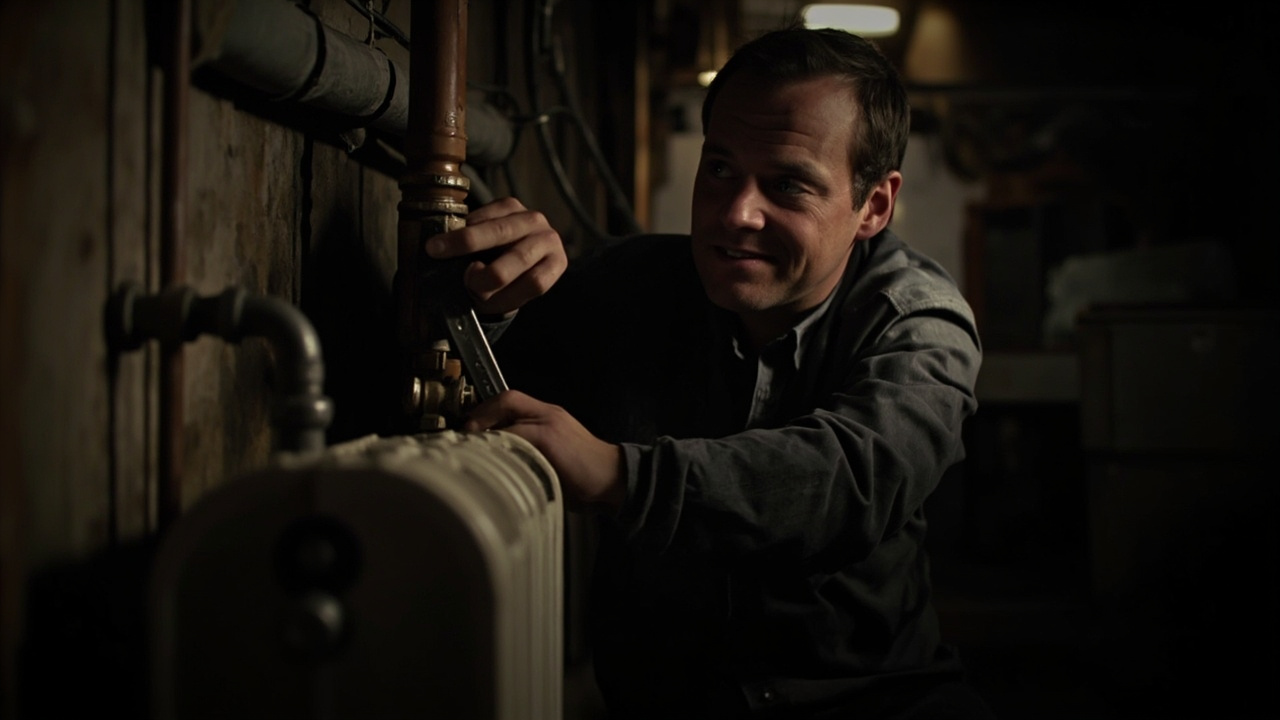
Routine maintenance for vintage cast iron radiators
Cast iron radiators are nearly indestructible, but the valves and vents attached to them are not. Regular maintenance is the only way to ensure your system lasts another century. According to the Wikipedia guide on steam heating, these systems are highly sensitive to water quality and pressure. In Chicago, our water has a high mineral content that can cause scale buildup inside the boiler and the pipes.
- Check the boiler sight glass weekly to ensure the water level is correct.
- Drain a small amount of water from the low water cut-off to remove sediment.
- Inspect radiator valves for any signs of green corrosion or active leaks.
- Listen for whistling or hissing sounds that indicate a failing air vent.
- Ensure the area around the radiator is clear of furniture to allow air circulation.
If you notice the water in your sight glass is dark or bouncing violently, it is time for a professional flush. We use specialized chemicals to clean the internal surfaces of your boiler, which improves heat transfer and lowers your fuel consumption. This is a critical step in managing high energy bills during the coldest months of the year.
Serving the Andersonville community and surrounding neighborhoods
Our team spent years working on the specific housing stock of the North Side. We know the difference between a greystone on Glenwood Avenue and a vintage courtyard building on Ashland Avenue. Each building type has a unique piping layout. We often find that Andersonville homes have been renovated over the years, sometimes by contractors who did not understand steam. They might have added a new radiator that was sized incorrectly, throwing the whole system out of balance. We specialize in correcting these past mistakes to restore the original comfort of your home.
We are proud to serve the entire HVAC Chicago market, with a special focus on the historic districts. Whether you are near the Swedish American Museum or closer to the quiet residential streets near Ravenswood, we can reach your home quickly. Our trucks are stocked with the specific parts needed for steam systems, such as Hoffman vents, Sarco traps, and heavy-duty pipe shims. We do not need to leave your home to go find parts because we come prepared for the specific challenges of Andersonville apartments.
Emergency radiator and boiler services in 60640 and 60660
Heating emergencies do not happen on a schedule. A pipe can spring a leak or a boiler can stop firing in the middle of a January blizzard. When you lose heat in a steam-heated building, the pipes can freeze and burst much faster than in a forced air home because the water is sitting inside the radiators. We offer emergency boiler repair to address these crises before they cause thousands of dollars in water damage to your historic hardwood floors and plaster ceilings.
We also handle situations involving the Chicago Department of Buildings. If your landlord is not maintaining the heat or if you have received a violation notice regarding your boiler room, we can help bring the system up to code. You can find more information about local regulations on the City of Chicago Buildings Department website. We ensure that every repair meets the high standards required for safety and efficiency in our city.
Common radiator component replacement schedule
To avoid emergency calls, it is helpful to know when your system components are nearing the end of their functional life. This table provides a general guideline for the parts found in most Andersonville apartments.
| Component | Average Lifespan | Warning Signs of Failure | Repair Time |
|---|---|---|---|
| Radiator Air Vent | 3 to 5 years | Constant hissing or spitting water | 30 minutes |
| Supply Valve | 20 to 30 years | Leaking from the handle or stuck valve | 1 to 2 hours |
| Steam Trap (Two-Pipe) | 5 to 10 years | Cold radiator or very hot return pipes | 1 hour |
| Boiler Sight Glass | 10 to 15 years | Stained glass or leaking seals | 1 hour |
| Low Water Cut-Off | 10 years | Boiler won’t fire or frequent tripping | 2 to 3 hours |
Maintaining these components proactively is much more affordable than a total system overhaul. If you wait until a valve fails completely, you might end up needing gas furnace leak repair or significant plumbing work. We recommend a full system inspection every autumn before the first frost hits the North Side.

Expert solutions for cold spots and uneven heating
If one room in your apartment is always cold, the problem is likely air. Air is the enemy of steam. If air cannot get out of the radiator, steam cannot get in. We often find that residents in Andersonville have tried to fix this by buying the biggest air vent they can find at a big-box store. This is usually a mistake. Air vents are sized based on the distance from the boiler and the size of the radiator. Installing the wrong size vent can cause the radiator to heat up too fast, leading to thermostat short cycling and uneven temperatures throughout the rest of the building.
We use a systematic approach to balance your system. We calculate the venting capacity needed for each room based on the total square footage of the radiation. By installing the correct vents, we ensure that every radiator in the apartment gets hot at exactly the same time. This improves comfort and significantly reduces the workload on your boiler, extending its life and saving you money on your monthly utilities. For those looking for even more control, we can install smart thermostat installation options that work with steam systems to provide better scheduling and remote monitoring.
Steam heating is a specialized trade that is slowly becoming a lost art. Most modern HVAC companies focus on high-efficiency furnaces and heat pumps, leaving vintage building owners with few options. We have committed ourselves to preserving the expertise required to keep Chicago’s historic heating systems running perfectly. Our deep roots in the community and our passion for vintage architecture make us the preferred choice for radiator repair in Andersonville. Contact us today to schedule an inspection and ensure your home stays warm and quiet all winter long.
{
“@context”: “https://schema.org”,
“@type”: “BlogPosting”,
“headline”: “Expert steam radiator repair for historic Andersonville apartments”,
“description”: “Get expert steam radiator repair for Andersonville apartments. We fix banging pipes, leaking valves, and cold radiators in vintage Chicago greystones.”,
“wordCount”: 1956,
“datePublished”: “2026-03-31T10:51:00.000Z”,
“dateModified”: “2026-03-31T10:51:00.000Z”,
“inLanguage”: “en-US”,
“mainEntityOfPage”: {
“@type”: “WebPage”,
“@id”: “https://5starhvacchicago.com”
},
“publisher”: {
“@type”: “LocalBusiness”,
“name”: “Five Star HVAC Chicago”,
“url”: “https://5starhvacchicago.com”
},
“author”: {
“@type”: “Organization”,
“name”: “Five Star HVAC Chicago”,
“url”: “https://5starhvacchicago.com”
},
“image”: {
“@type”: “ImageObject”,
“url”: “https://5starhvacchicago.com/wp-content/uploads/2026/03/expert-steam-radiator-repair-for-historic-anderson-1.jpg”
}
}
{
“@context”: “https://schema.org”,
“@type”: “HVACBusiness”,
“name”: “Five Star HVAC Chicago”,
“url”: “https://5starhvacchicago.com”,
“address”: {
“@type”: “PostalAddress”,
“addressLocality”: “Chicago”
},
“areaServed”: {
“@type”: “City”,
“name”: “Chicago”
}
}
{
“@context”: “https://schema.org”,
“@type”: “BreadcrumbList”,
“itemListElement”: [
{
“@type”: “ListItem”,
“position”: 1,
“name”: “Home”,
“item”: “https://5starhvacchicago.com”
},
{
“@type”: “ListItem”,
“position”: 2,
“name”: “Blog”,
“item”: “https://5starhvacchicago.com/blog”
},
{
“@type”: “ListItem”,
“position”: 3,
“name”: “Expert steam radiator repair for historic Andersonville apartments”
}
]
}
{
“@context”: “https://schema.org”,
“@type”: “Service”,
“serviceType”: “HVAC”,
“provider”: {
“@type”: “LocalBusiness”,
“name”: “Five Star HVAC Chicago”,
“url”: “https://5starhvacchicago.com”
},
“areaServed”: {
“@type”: “City”,
“name”: “Chicago”
},
“description”: “Get expert steam radiator repair for Andersonville apartments. We fix banging pipes, leaking valves, and cold radiators in vintage Chicago greystones.”
}