
Deciding between forced air and radiator heat for your Ravenswood two-flat
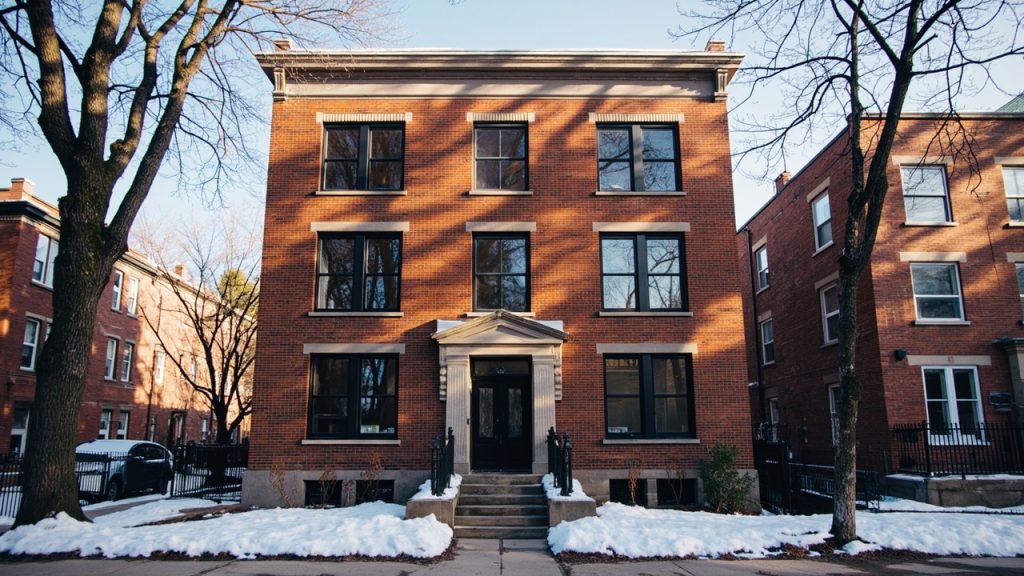
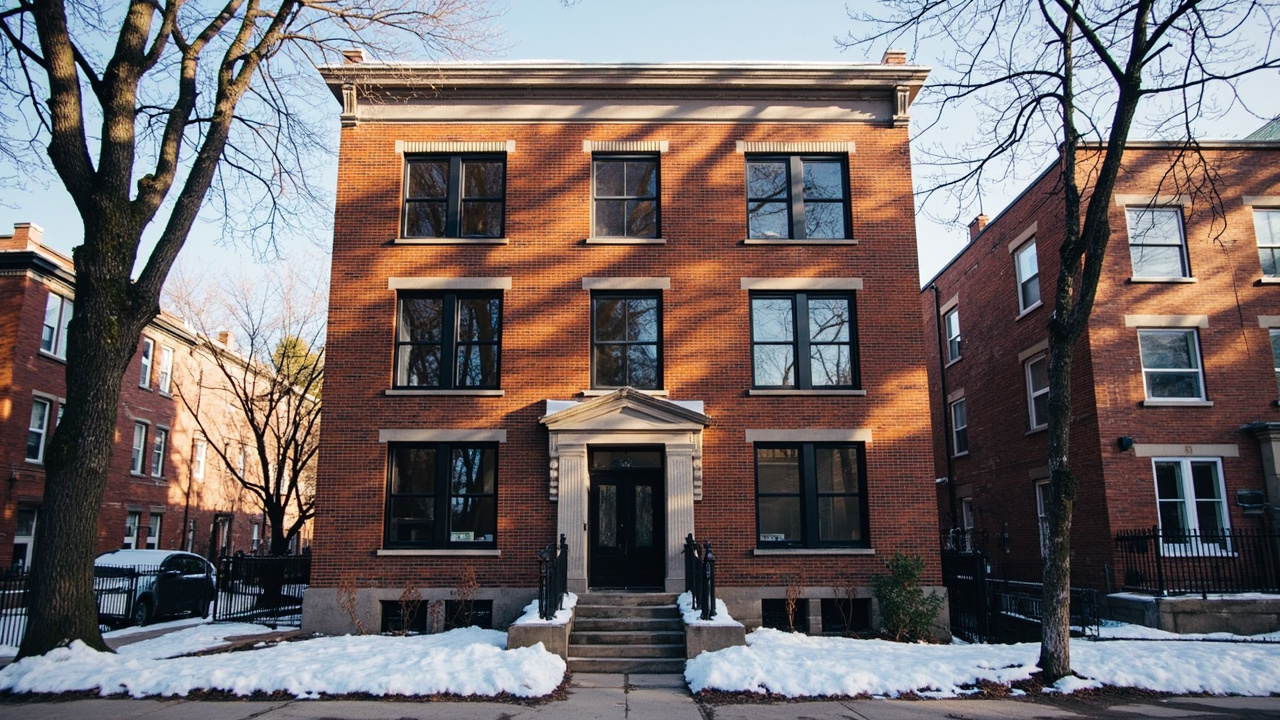
Ravenswood two-flats represent the classic architectural backbone of Chicago. These brick buildings have sheltered families through countless winters. Owners today face a significant decision when the original heating system reaches the end of its functional life. You must choose between maintaining the traditional radiator setup or converting the property to a modern forced air configuration. This choice impacts tenant satisfaction, monthly utility bills, and the long-term value of your real estate investment in 2026.
Chicago weather remains unpredictable and harsh. The 2026 winter season has already shown that heating reliability is not optional. A two-flat owner must consider how heat distributes across both floors. The layout of these buildings often features a long hallway with bedrooms on one side and living spaces on the other. This specific geometry creates challenges for air movement and thermal consistency. Understanding the mechanics of each system allows you to make an informed decision for your specific property needs.
Understanding the performance of radiator heat in Chicago masonry buildings
Many Ravenswood two-flats still operate on their original hydronic systems. These systems use a central boiler to heat water or create steam. The thermal energy travels through iron pipes to cast iron radiators located in each room. Radiators work through a combination of radiation and convection. They heat the objects in the room rather than just the air. This results in a very consistent temperature that many Chicagoans prefer during the deep freeze of January and February.
Radiator heat does not move dust or allergens around the home. Since there are no fans or ducts, the air stays still and holds more natural moisture. This is a major benefit for residents who suffer from dry skin or respiratory issues in the winter. Modern boilers in 2026 have high AFUE ratings. This means they convert almost all the fuel into usable heat. If you need assistance with an older system, finding a reliable boiler repair specialist in Wicker Park and Bucktown for reliable home heating is a smart move before the next cold front arrives.
Maintenance for radiator systems involves checking the boiler pressure and bleeding the radiators to remove trapped air. In steam systems, you must monitor the sight glass and ensure the low water cutoff works correctly. While radiators take up floor space, they are incredibly durable. Many cast iron units from the early twentieth century are still in perfect working order today. The primary drawback remains the lack of built-in cooling. If you keep radiators, you must rely on window units or separate ductless mini splits for the humid Chicago summers.
The mechanics and benefits of forced air systems for multi family units
Forced air systems use a furnace to heat air and a blower motor to push it through a network of ducts. This setup provides rapid temperature changes. If you turn the thermostat up, you feel the warmth almost immediately. Forced air is the standard for new construction in 2026 because it allows for integrated air conditioning, humidification, and air filtration. For Lakeview property owners, understanding central air installation costs for Lakeview Chicago homes in 2026 helps when planning a full system conversion.
One of the biggest advantages for a two-flat owner is the ability to separate the utilities. With two independent furnaces and duct systems, each tenant pays their own gas and electric bills. This simplifies property management and reduces your overhead. You can also install high-efficiency filters like MERV 13 or HEPA systems. These filters remove pollen, smoke, and viruses from the air. This level of indoor air quality control is impossible with a standard radiator setup.
However, forced air can lead to dry indoor conditions. The combustion process and the movement of air often strip moisture from the environment. You might notice static electricity or dry throat symptoms. Adding a whole-house humidifier to the furnace plenum can mitigate this issue. In the South Loop, residents often seek the best emergency furnace repair services in the South Loop when these complex blower motors or ignition boards fail during a cold snap.
Comparing heating systems for Ravenswood property owners
The following table compares the essential factors for homeowners considering an HVAC upgrade in 2026. These metrics reflect current labor rates and equipment efficiencies in the Chicago market.
| Feature | Radiator Heat | Forced Air Heat |
|---|---|---|
| Heat Distribution | Gentle and consistent radiation | Quick and directional airflow |
| Indoor Air Quality | High (no dust movement) | Moderate (requires filtration) |
| Humidity Levels | Naturally higher | Tends to be very dry |
| Cooling Integration | Requires separate system | Fully integrated central air |
| Expected Lifespan | 25 to 50 years | 15 to 20 years |
As the table shows, radiators win on longevity and comfort quality. Forced air wins on versatility and cooling integration. For many Ravenswood owners, the decision comes down to whether they want to deal with the structural impact of adding ductwork to a vintage building. Cutting through original wood floors and plaster walls is a messy and expensive process.
Structural challenges of retrofitting ductwork in a Ravenswood two-flat
Ravenswood buildings often feature thick masonry walls and lath and plaster interiors. These materials are excellent for soundproofing but difficult for HVAC contractors. To install forced air, a team must find space for supply and return ducts. This usually involves building bulkheads or soffits in the corners of rooms or inside closets. These changes can alter the historic aesthetic of the apartment.
If your two-flat has a crawlspace or an unfinished basement, the first floor installation is relatively straightforward. The second floor is much harder. We often have to run ducts through the attic and drop them down into the ceiling of the second-floor units. This is why why Logan Square homeowners trust our team for historic property HVAC upgrades. We understand how to preserve the character of the building while modernizing the mechanical systems. According to the U.S. Department of Energy, proper duct sealing is essential for maintaining efficiency in these retrofitted systems.
Operational costs and energy efficiency in 2026
Natural gas prices in Chicago fluctuate based on global demand and local pipeline capacity. In 2026, efficiency is the best hedge against rising costs. Modern condensing boilers and furnaces both offer efficiencies above 95 percent. This means only 5 percent of the energy is lost through the exhaust vent. The cost difference between the two systems often comes down to the electricity used by the blower motor versus the circulator pump.
| Cost Category | Boiler System | Furnace System |
|---|---|---|
| Annual Maintenance | Moderate (Inspection and flushing) | Low (Filters and sensor cleaning) |
| Emergency Repairs | Higher (Specialized parts) | Lower (Common components) |
| Monthly Fuel Usage | Efficient for long cycles | Efficient for rapid recovery |
| Installation Price | Higher for equipment | Higher for labor and ducts |
Forced air systems require monthly filter changes to maintain airflow. A clogged filter makes the motor work harder and can lead to a cracked heat exchanger. Radiator systems are more forgiving of neglect but can cause significant water damage if a pipe leaks or a steam vent fails. You should have a professional inspect your system every autumn regardless of which type you own.
Improving comfort without a total system conversion
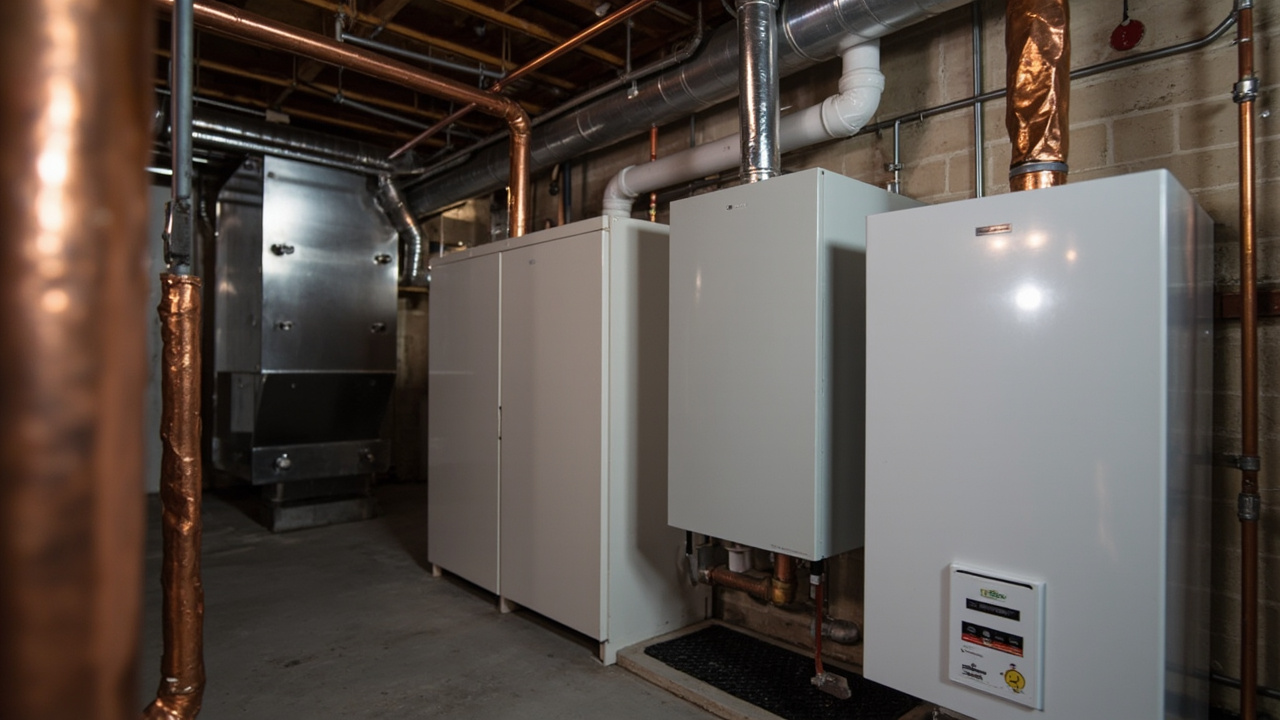
You do not always have to rip out your radiators to get modern comfort. Many Ravenswood residents choose a hybrid approach. You can keep the boiler for high quality winter heating and install a high velocity or ductless cooling system for the summer. High velocity systems use small, flexible tubes that fit inside existing wall cavities. This minimizes the need for bulkheads and preserves your original crown molding.
Ductless mini splits are another popular option in 2026. These units mount on the wall and provide localized cooling and supplemental heat. They are incredibly efficient because they do not lose energy through duct leakage. If you find yourself getting your Lincoln Park AC fixed fast before the next heat wave hits, you might ask your technician about adding a few ductless zones to your radiator-heated home. This provides the best of both worlds without the mess of a full conversion.
Specific maintenance tasks for Chicago heating systems
Proper care extends the life of your equipment and keeps your tenants happy. Follow these steps to ensure your system is ready for the next Chicago winter.
- Check the water level in your boiler sight glass every week during the winter.
- Listen for banging or clanging sounds in your pipes which can indicate air pockets or drainage issues.
- Change forced air filters every 30 to 90 days depending on pet ownership and indoor activity.
- Inspect the chimney or exhaust vent for blockages or signs of corrosion.
- Keep the area around your furnace or boiler clear of flammable materials and debris.
- Verify that your carbon monoxide detectors are functioning on every floor of the two-flat.
- Vacuum the fins of your radiators to ensure maximum heat transfer into the room.
Modern smart thermostats can also help manage both types of systems. These devices learn your schedule and adjust temperatures to save energy. Some models in 2026 can even detect issues with your HVAC system and send an alert to your phone before a total breakdown occurs. This technology is particularly useful for landlords who do not live on the property.
The impact of heating choices on property resale value
When you eventually sell your Ravenswood two-flat, the HVAC system will be a major point of negotiation. Buyers often prefer forced air because it implies central air conditioning is already present. It also suggests that the plumbing and electrical systems might have been updated at the same time. However, a well-maintained, high-efficiency boiler system can also be a selling point for buyers who appreciate the comfort and health benefits of radiant heat.
If you choose to keep the radiators, ensure they are aesthetically pleasing. Many owners in 2026 are stripping old layers of paint and refinishing the cast iron to serve as a design feature. If you convert to forced air, make sure the ductwork is hidden professionally. Sloppy bulkheads can make a beautiful vintage apartment feel cramped and poorly renovated. High quality workmanship pays for itself during the home inspection process.

Selecting the right contractor for your Chicago HVAC project
Conversion projects are complex and require a deep understanding of local building codes. You need a contractor who understands the specific load calculations for a multi-unit building. If the furnace is too small, it will run constantly and wear out prematurely. If it is too large, it will cycle on and off too quickly and fail to dehumidify the air. According to the Air Conditioning Contractors of America, a proper Manual J load calculation is the only way to size a system correctly.
Ask for references from other two-flat owners in the neighborhood. A contractor who has worked on buildings in Ravenswood or Lincoln Square will be familiar with the common structural hurdles. They will know how to navigate the narrow basement stairs and how to vent high-efficiency equipment through masonry walls. Always ensure the company provides a detailed estimate that includes permit fees and the removal of old equipment.
Choosing between forced air and radiator heat is a decision that will stay with your property for decades. Consider your budget, your long-term plans for the building, and the comfort of your tenants. Both systems have a place in the Chicago housing market. If you value silence and steady warmth, stay with the boiler. If you want a modern, all-in-one climate control solution, make the move to forced air. Your Ravenswood two-flat is an asset that deserves a heating system capable of handling the toughest Chicago winters with ease.
{
“@context”: “https://schema.org”,
“@type”: “BlogPosting”,
“headline”: “Deciding between forced air and radiator heat for your Ravenswood two-flat”,
“description”: “Explore the pros and cons of forced air and radiator heating for Ravenswood two-flats. Expert advice on Chicago HVAC upgrades for 2026 property owners.”,
“wordCount”: 1934,
“datePublished”: “2026-03-03T12:07:00.000Z”,
“dateModified”: “2026-03-03T12:07:00.000Z”,
“inLanguage”: “en-US”,
“mainEntityOfPage”: {
“@type”: “WebPage”,
“@id”: “https://5starhvacchicago.com”
},
“publisher”: {
“@type”: “LocalBusiness”,
“name”: “Five Star HVAC Chicago”,
“url”: “https://5starhvacchicago.com”
},
“author”: {
“@type”: “Organization”,
“name”: “Five Star HVAC Chicago”,
“url”: “https://5starhvacchicago.com”
},
“image”: {
“@type”: “ImageObject”,
“url”: “https://5starhvacchicago.com/wp-content/uploads/2026/03/comparing-forced-air-and-radiator-heat-for-your-ra-1.jpg”
}
}
{
“@context”: “https://schema.org”,
“@type”: “HVACBusiness”,
“name”: “Five Star HVAC Chicago”,
“url”: “https://5starhvacchicago.com”,
“address”: {
“@type”: “PostalAddress”,
“addressLocality”: “Chicago”
},
“areaServed”: {
“@type”: “City”,
“name”: “Chicago”
}
}
{
“@context”: “https://schema.org”,
“@type”: “BreadcrumbList”,
“itemListElement”: [
{
“@type”: “ListItem”,
“position”: 1,
“name”: “Home”,
“item”: “https://5starhvacchicago.com”
},
{
“@type”: “ListItem”,
“position”: 2,
“name”: “Blog”,
“item”: “https://5starhvacchicago.com/blog”
},
{
“@type”: “ListItem”,
“position”: 3,
“name”: “Deciding between forced air and radiator heat for your Ravenswood two-flat”
}
]
}
{
“@context”: “https://schema.org”,
“@type”: “Service”,
“serviceType”: “HVAC”,
“provider”: {
“@type”: “LocalBusiness”,
“name”: “Five Star HVAC Chicago”,
“url”: “https://5starhvacchicago.com”
},
“areaServed”: {
“@type”: “City”,
“name”: “Chicago”
},
“description”: “Explore the pros and cons of forced air and radiator heating for Ravenswood two-flats. Expert advice on Chicago HVAC upgrades for 2026 property owners.”
}