
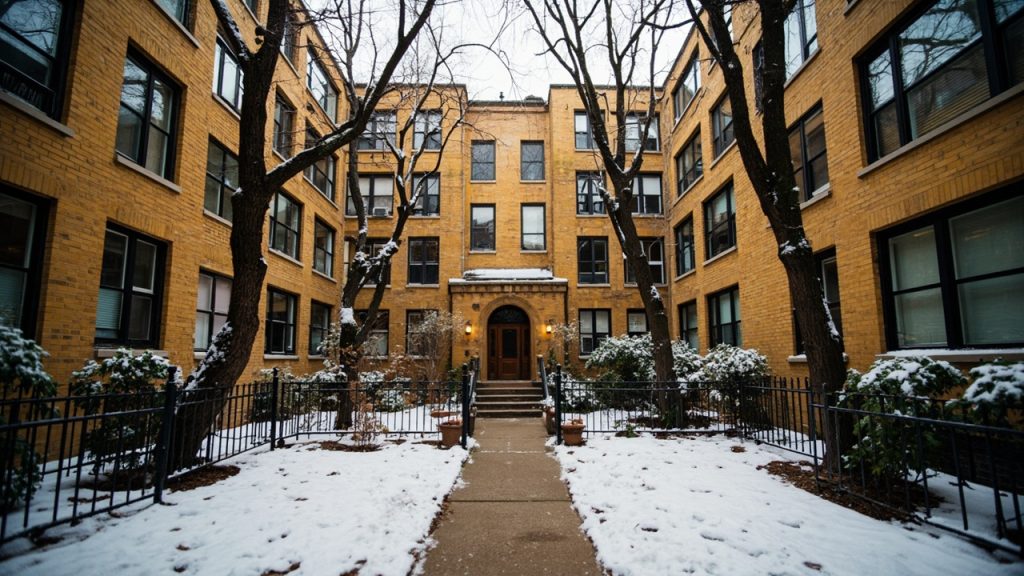
Living in a classic yellow brick courtyard building in Rogers Park offers a unique Chicago experience. These historic structures near Lake Michigan possess architectural charm that newer builds cannot replicate. The aging mechanical systems often produce a symphony of unwanted sounds. You might hear a metallic banging every morning or a high pitched whistle when your furnace kicks on. These noises are not annoyances. They often signal inefficiencies or impending equipment failure. Understanding the mechanical causes behind these sounds helps you maintain a comfortable and quiet home during the extreme Chicago seasons of 2026.
Many apartments in Rogers Park rely on steam heat. This technology is over a century old. It remains one of the most comfortable ways to heat a home when it functions correctly. The most common noise in these systems is the steam hammer. This sounds like someone is hitting your radiator with a heavy mallet. This happens when steam meets cold water sitting in the pipes. Instead of flowing smoothly, the steam pushes that water at high speeds until it hits an elbow or a valve. The impact creates that loud bang. This issue usually stems from a radiator that is not pitched correctly toward the supply valve. If the radiator tilts away from the valve, condensate cannot drain back to the boiler. It pools in the bottom of the unit and blocks the incoming steam. Shimming the legs of a radiator with heavy duty plastic or wood blocks often solves this problem by restoring the proper slope.
Another frequent culprit for noise in Rogers Park steam systems is a failing air vent. This is the small silver valve attached to the side of your radiator. Its job is to let air escape so steam can enter. When these vents age, they often hiss or whistle. If the internal mechanism gets stuck, the radiator might stay cold or leak water onto your hardwood floors. Replacing these vents is a standard maintenance task. For larger issues, you should look for a boiler repair specialist who understands the nuances of vintage Chicago residential loops.
Common noises and their causes in Chicago apartments
| Noise Type | Potential Source | System Type | Action Required |
|---|---|---|---|
| Loud Banging (Hammer) | Water trapped in lines | Steam Radiator | Adjust radiator pitch |
| High Pitched Whistle | High static pressure | Forced Air/Ducts | Check filter and registers |
| Metallic Rattling | Loose pipe hangers | Hydronic/Steam | Secure loose brackets |
| Rhythmic Thumping | Imbalanced blower fan | Furnace/AC | Clean or replace fan |
Whistling vents in forced air systems create a different set of challenges. Many vintage buildings in neighborhoods like Rogers Park and Logan Square were never designed for central air or modern furnaces. When contractors retrofitted these units decades ago, they often used the existing wall cavities or narrow closets for ductwork. This creates high static pressure. When the blower motor tries to push a large volume of air through a small opening, it creates a whistling or rushing sound. This is similar to how a person whistles by forcing air through pursed lips. If you notice a sharp whistle near your return vent, it likely means your furnace is starved for air. A dirty filter is the most common reason for this. In 2026, many homeowners use high MERV filters that provide excellent filtration but significantly restrict airflow. Swapping to a lower resistance filter or a wider pleated version can eliminate the noise and prevent the heat exchanger from overheating.
In some cases, the whistling comes from the supply registers. If too many vents are closed, the air pressure builds up in the remaining open vents. Keep at least eighty percent of your registers open to maintain proper system balance. If the noise persists, it might indicate a leak in the ductwork. Air escaping through a small hole in a seam or a disconnected joint creates a localized whistle. Sealing these leaks with professional grade mastic or foil tape improves efficiency and quiets the system. If you are planning a renovation, you might consider historic property HVAC upgrades to install high velocity systems that fit better in older wall structures.
High velocity HVAC systems represent a major technological shift for Rogers Park buildings in 2026. These systems use small flexible tubes instead of large metal ducts. The tubes are roughly two inches in diameter. They fit inside existing wall cavities without requiring major demolition of historic plaster. The air is delivered at a higher pressure but lower volume. This creates a gentle mixing of air in the room rather than a draft. These systems use specialized sound attenuators in the supply tubes. This ensures that the air delivery remains silent even though the motor is moving air at high speeds. These units are often paired with inverter driven heat pumps that vary their speed based on the load requirements of the apartment.
Thermal expansion is another major factor in vintage building noise. Materials expand when they get hot and contract when they cool down. In a Rogers Park apartment, your copper or steel pipes run through holes in wooden floor joists. As hot water or steam moves through the pipes, the metal expands and rubs against the wood. This produces a ticking or creaking sound. While this is rarely a sign of danger, it can be incredibly loud at night. Plumbers often solve this by widening the holes in the joists or adding plastic sleeves around the pipes to reduce friction. This is a common task when performing a gut rehab or during a major repair cycle.
Landlords and property managers must stay ahead of these issues to keep tenants satisfied. A noisy apartment is often a hard apartment to rent. If you manage units near Loyola University or the Jarvis Red Line stop, you know that student and professional tenants expect a quiet environment for studying and working from home. Regular maintenance prevents the small rattles from turning into emergency repairs. For those managing properties in other parts of the city, finding emergency furnace repair in the South Loop or Rogers Park is easier when you have a diagnostic history of the building noise.
The energy landscape in 2026 has pushed many Rogers Park residents toward advanced heat pump technology. Current models now feature vapor injection compressors. These allow the heat pump to provide full heating capacity even when outdoor temperatures drop to five degrees Fahrenheit. This is essential for the Chicago climate. These systems use R-454B or R-32 refrigerants. These have a much lower global warming potential than older chemicals. They also offer higher heat transfer efficiency. A modern heat pump in 2026 can reach SEER2 ratings of 22 and HSPF2 ratings of 10.5. For a vintage Rogers Park apartment, this means a significant reduction in noise compared to the vibration of an old air conditioner and the roar of a traditional gas furnace.
Energy efficiency and utility costs for Rogers Park in 2026
The cost of energy continues to influence how residents manage their HVAC systems. In 2026, the average electricity rate in the Chicago metro area is roughly 18 cents per kilowatt hour. Natural gas prices fluctuate around 1.10 per therm. For a typical 1,200 square foot vintage apartment in Rogers Park, monthly utility costs for an unoptimized steam system can average 280 dollars during the peak winter months. Upgrading to a modern heat pump or optimizing the existing steam loop can reduce these costs by 25 percent. Modern high velocity systems or ductless mini splits provide zoned control. This allows you to heat or cool only the rooms you are using. This approach significantly lowers the average utility bill to approximately 210 dollars per month.
| System Type | Efficiency Rating (2026 Std) | Avg Winter Cost (Monthly) | Noise Level (Decibels) |
|---|---|---|---|
| Vintage Steam Boiler | 80 to 82 AFUE | 280 to 350 Dollars | 65 to 80 dB |
| High Efficiency Gas Furnace | 96 to 98 AFUE | 220 to 260 Dollars | 55 to 65 dB |
| Cold Climate Heat Pump | 10.5 HSPF2 | 190 to 230 Dollars | 45 to 55 dB |
| High Velocity SDHV | 18 to 22 SEER2 | 210 to 250 Dollars | 40 to 50 dB |
Diagnostic steps are vital for maintaining peace in your home. You should start by checking the radiator pitch. This ensures water drains toward the boiler properly. You must inspect the air vent for signs of mineral buildup or leaking water. It is important to verify that the furnace filter is clean and installed in the correct direction. You should open all supply registers to reduce static pressure and eliminate whistling. Listening to the blower motor helps identify bearing wear or fan imbalance. Examining exposed pipes for loose hangers or brackets can reveal the source of metallic rattles. If you notice a persistent ticking, it is likely the thermal expansion of pipes against the building frame.
Sometimes the noise indicates a safety risk. A persistent hissing sound near your furnace or gas stove is a major red flag. This could be a gas leak. Natural gas has a distinct rotten egg odor added to it, but a small leak might only produce a sound at first. If you hear this, you must shut off the gas valve and call for service immediately. Similarly, a buzzing or crackling sound from your HVAC electrical panel suggests electrical arcing. This is a fire hazard that requires professional attention. In 2026, modern diagnostic tools like ultrasonic leak detectors and thermal imaging cameras allow technicians to pinpoint these issues without tearing open your vintage plaster walls.
If you are dealing with a noisy air conditioner during a Chicago summer, the problem might be the compressor or the outdoor fan motor. Many Rogers Park condos have condensers located on the roof or in tight alleyways. When these units vibrate against their mounting pads, the sound travels through the building structure. Installing rubber isolation pads can dampen these vibrations. If the indoor unit is the source of the noise, it may be time to look at getting your AC fixed fast before the next heat wave arrives. An aging blower motor often produces a grinding or squealing sound when the bearings begin to fail.
For many Rogers Park residents, the ultimate solution to noisy vintage systems is a full upgrade. Modern ductless mini split systems are popular in 2026 for older buildings. These systems do not require bulky ductwork. They provide whisper quiet heating and cooling to individual rooms. This eliminates the whistling vents and the clanging radiators. While the initial investment is higher than a simple repair, the energy savings and improved comfort justify the cost over time. You can find detailed information on central air installation costs to compare different options for your specific building type.
According to current data from the Department of Energy, heating and cooling account for the largest portion of home energy use. In a vintage Chicago apartment, a noisy system is almost always an inefficient one. When steam hammers through pipes or air whistles through restricted ducts, your system works harder than it needs to. This increases your monthly utility bills and shortens the lifespan of your equipment. Addressing the noise is a direct path to a more efficient home. Modern systems in 2026 are designed with acoustic dampening as a primary feature. This includes insulated cabinets for furnaces and sound blankets for heat pump compressors.
Repair vs replacement for noise reduction in 2026
| Component | Repair Feasibility | Noise Reduction Impact | Typical Life Expectancy |
|---|---|---|---|
| Steam Radiator Vents | High | Moderate | 3 to 5 years |
| Blower Motors | Moderate | High | 10 to 15 years |
| Ductwork Sealing | High | High | 20 plus years |
| Boiler Controls | Moderate | Low | 15 to 20 years |
Landlord and tenant responsibilities for apartment noise
Question. Is my landlord responsible for fixing a rattling pipe? In 2026, Chicago building codes and residential landlord tenant ordinances generally require that a landlord maintain the heating system in good working order. If a rattling pipe is caused by loose brackets or a failing boiler, the landlord must address it to ensure the system functions properly. However, if the noise is a minor aesthetic issue and the heat still reaches required temperatures, it can be a grey area. Residents should document the decibel level of the noise and report it in writing.
Question. Can a tenant replace their own radiator vents to stop a whistle? You should check your lease before making any modifications to the plumbing or heating system. Most Rogers Park landlords prefer that a professional handles these tasks to avoid water damage. If a vent is installed incorrectly, it can cause the radiator to spray water. This damages the vintage hardwood floors. Many landlords will provide the vent if you agree to have their maintenance team install it. This ensures the building insurance remains valid.
Question. What if the noise is caused by a neighbor? In vintage courtyard buildings, sounds travel through the shared plumbing stacks. If your neighbor is banging on their radiator or has a faulty vent, you might hear it in your unit. You should coordinate with the building manager to inspect the entire vertical line of radiators. Often a single failing vent on the first floor causes pressure issues that result in noise on the third floor.
Question. How do I know if the noise is an emergency? Any noise accompanied by the smell of gas or smoke is an immediate emergency. If you hear a loud grinding sound from a furnace, you should turn it off to prevent the motor from seizing. A steam hammer that is so violent it shakes the radiator can eventually lead to a pipe burst. These should be reported to the property manager immediately to prevent structural damage from water leaks.
Maintaining the quiet of your home requires a proactive approach. Do not wait for the system to stop working before investigating a new sound. If your apartment starts making noises that are not part of its normal operation, it is time for a professional evaluation. This is true as we head into the colder months of 2026. A quick adjustment to a radiator pitch or a simple filter change can save you from a major breakdown in the middle of a Chicago blizzard. Your vintage Rogers Park apartment should be a sanctuary, not a source of constant mechanical noise. By understanding the common causes of these sounds, you can work with your HVAC technician to ensure your historic home remains both charming and quiet for years to come.
If you need a professional to inspect your vintage heating or cooling system, contact our team today. We specialize in the unique challenges of Chicago historic buildings and can help you silence those whistling vents and rattling pipes for good.
{
“@context”: “https://schema.org”,
“@type”: “BlogPosting”,
“headline”: “Dealing with whistling vents and rattling pipes in vintage Rogers Park apartments”,
“description”: “Stop the noise in your Rogers Park home. Learn about fixing steam hammers, whistling vents, and 2026 heat pump tech for historic Chicago buildings.”,
“wordCount”: 2432,
“datePublished”: “2026-02-12T12:38:00.000Z”,
“dateModified”: “2026-02-12T12:38:00.000Z”,
“inLanguage”: “en-US”,
“mainEntityOfPage”: {
“@type”: “WebPage”,
“@id”: “https://5starhvacchicago.com”
},
“publisher”: {
“@type”: “LocalBusiness”,
“name”: “Five Star HVAC Chicago”,
“url”: “https://5starhvacchicago.com”
},
“author”: {
“@type”: “Organization”,
“name”: “Five Star HVAC Chicago”,
“url”: “https://5starhvacchicago.com”
},
“image”: {
“@type”: “ImageObject”,
“url”: “https://5starhvacchicago.com/wp-content/uploads/2026/03/dealing-with-whistling-vents-and-rattling-pipes-in-1.jpg”
}
}
{
“@context”: “https://schema.org”,
“@type”: “HVACBusiness”,
“name”: “Five Star HVAC Chicago”,
“url”: “https://5starhvacchicago.com”,
“address”: {
“@type”: “PostalAddress”,
“addressLocality”: “Chicago”
},
“areaServed”: {
“@type”: “City”,
“name”: “Chicago”
}
}
{
“@context”: “https://schema.org”,
“@type”: “BreadcrumbList”,
“itemListElement”: [
{
“@type”: “ListItem”,
“position”: 1,
“name”: “Home”,
“item”: “https://5starhvacchicago.com”
},
{
“@type”: “ListItem”,
“position”: 2,
“name”: “Blog”,
“item”: “https://5starhvacchicago.com/blog”
},
{
“@type”: “ListItem”,
“position”: 3,
“name”: “Dealing with whistling vents and rattling pipes in vintage Rogers Park apartments”
}
]
}
{
“@context”: “https://schema.org”,
“@type”: “Service”,
“serviceType”: “HVAC”,
“provider”: {
“@type”: “LocalBusiness”,
“name”: “Five Star HVAC Chicago”,
“url”: “https://5starhvacchicago.com”
},
“areaServed”: {
“@type”: “City”,
“name”: “Chicago”
},
“description”: “Stop the noise in your Rogers Park home. Learn about fixing steam hammers, whistling vents, and 2026 heat pump tech for historic Chicago buildings.”
}