

Converting your Portage Park home from oil to gas heating costs and benefits
Portage Park homeowners face unique challenges when modernizing older heating systems. Many residences in the 60634 and 60641 zip codes still use heating oil tanks that date back decades. As we move through 2026, the shift toward natural gas is accelerating due to rising oil prices and local environmental standards. If you live in a classic Chicago Bungalow near the Six Corners area, you likely have an underground tank or a large indoor unit taking up valuable basement space. Replacing these systems involves more than just swapping a furnace. It requires a coordinated effort between HVAC professionals, tank removal experts, and Peoples Gas technicians.
The transition to natural gas provides significant long-term financial relief. Current data shows that natural gas remains much cheaper than heating oil for Chicago residents. While the initial investment is substantial, the monthly utility savings often pay for the system upgrade within a few years. You also gain the ability to install high-efficiency cooling systems at the same time. Many homeowners choose to address their air conditioning needs during this conversion. You can find more information on central air installation costs for Lakeview Chicago homes which share similar architectural layouts with many Portage Park properties.

Average cost factors for Chicago homeowners
A full conversion includes three main phases. First, you must deal with the existing oil tank. Second, Peoples Gas must run a new service line to your home if one does not exist. Third, an HVAC team must install the new gas furnace and modify your existing ductwork. In 2026, the total project cost typically ranges based on the complexity of the tank removal and the efficiency of the new equipment. Homes with easy access to the street and simple basement layouts sit at the lower end of the pricing spectrum. Properties with tanks buried under concrete patios or tucked behind narrow gangways require more labor and specialized machinery.
The city of Chicago has strict requirements for gas piping and venting. New high-efficiency furnaces utilize PVC venting rather than traditional chimney liners. This change requires drilling through the foundation or siding of your home. If your Portage Park home has a finished basement, these modifications might require additional drywall repair. Many residents also take this opportunity to upgrade their water heaters to gas models to maximize the utility of the new gas line. For those in neighboring areas like Logan Square, we have documented why historic property HVAC upgrades require a careful touch to maintain the integrity of older structures.
| Project Phase | Estimated Timeframe | Estimated Cost Range |
|---|---|---|
| Oil Tank Removal or Abandonment | 1 to 3 Days | $2,500 to $5,500 |
| Peoples Gas Line Installation | 4 to 8 Weeks Lead Time | $1,500 to $3,200 |
| High Efficiency Furnace Installation | 1 to 2 Days | $5,000 to $9,000 |
| Ductwork and Venting Upgrades | 1 Day | $1,200 to $2,800 |
Oil tank removal and soil remediation
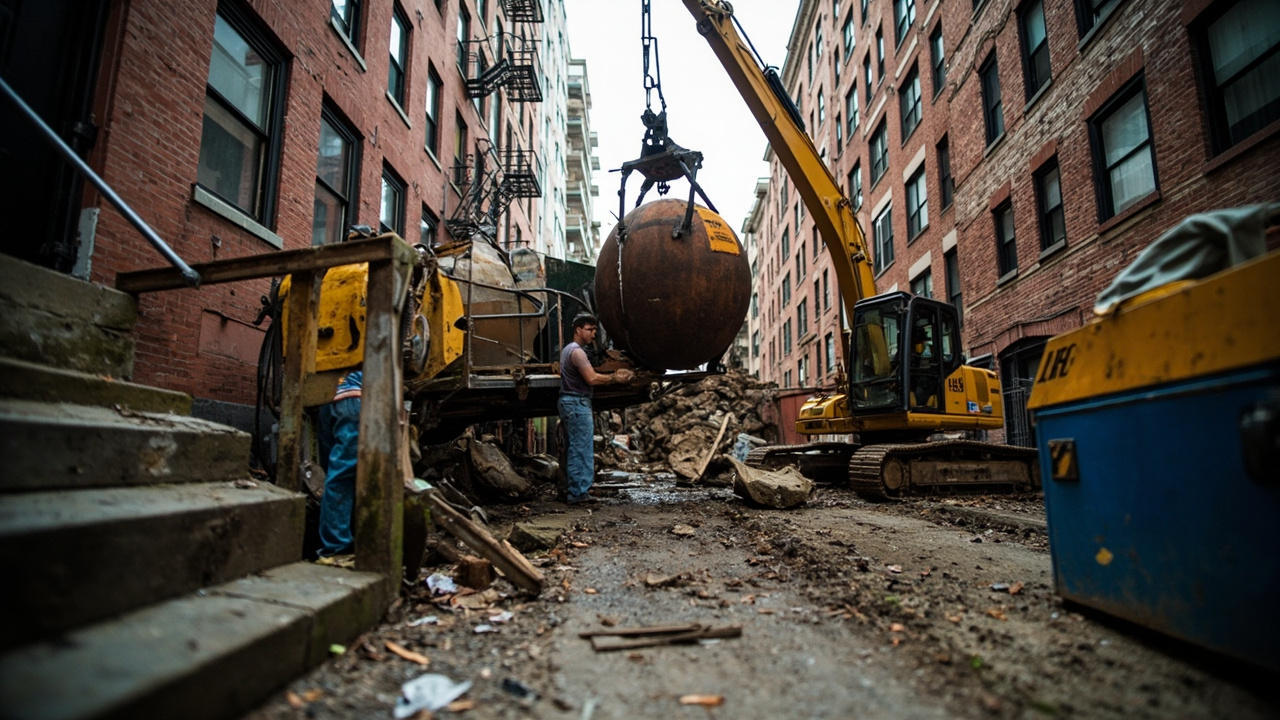
The most variable cost in any conversion is the oil tank. If your tank is in the basement, the process involves draining the remaining fuel, cutting the tank into manageable pieces, and hauling it away. This is usually straightforward. However, many Portage Park homes have underground storage tanks. According to the Environmental Protection Agency standards for underground tanks, any signs of leakage require immediate soil remediation. Soil testing is a standard part of the removal process in 2026. If the soil is contaminated, you must pay for the excavation and disposal of the tainted dirt.
Chicago building codes allow for tank abandonment in place if removal is physically impossible without damaging the foundation. This involves filling the tank with an inert material like sand or foam. While this is cheaper upfront, it can complicate future property sales. Most buyers in the current market prefer a certificate of removal. Professional HVAC contractors help navigate the permit process with the Chicago Department of Buildings to ensure all work meets current safety codes. If you encounter a heating failure during the winter before your conversion is complete, you may need emergency furnace repair services to keep your home safe until the new gas line is active.
High efficiency furnace selection and venting
In 2026, the standard for new gas furnaces is a 96 percent AFUE rating or higher. AFUE stands for Annual Fuel Utilization Efficiency. This means 96 percent of the gas burned turns into usable heat for your home. Older oil furnaces often operate at 60 to 70 percent efficiency. This jump in performance significantly reduces your carbon footprint and monthly costs. Modern units use a secondary heat exchanger to pull extra heat from the exhaust gases. This process creates condensation, which requires a dedicated drain line. We often route this to a nearby floor drain or install a condensate pump.
The venting for these units uses plastic pipes instead of the metal flues used by oil systems. These pipes usually exit through the side of the house. In Portage Park bungalows, we must be careful to place these vents away from windows and doors to comply with Chicago safety ordinances. If your home has a radiant heating system with a boiler instead of a furnace, the conversion process is similar but involves a new gas boiler. Residents looking for boiler repair specialists in Wicker Park and Bucktown often face these same venting decisions when upgrading to gas fired units.
- Check your current oil levels to time the conversion when the tank is nearly empty.
- Contact Peoples Gas early because the service line installation can take several months.
- Verify if your electrical panel has enough space for the new furnace blower and accessories.
- Schedule a soil test if you have an underground tank to avoid unexpected costs during removal.
- Review current federal tax credits for high efficiency HVAC upgrades under the Inflation Reduction Act.
Gas line installation and utility coordination
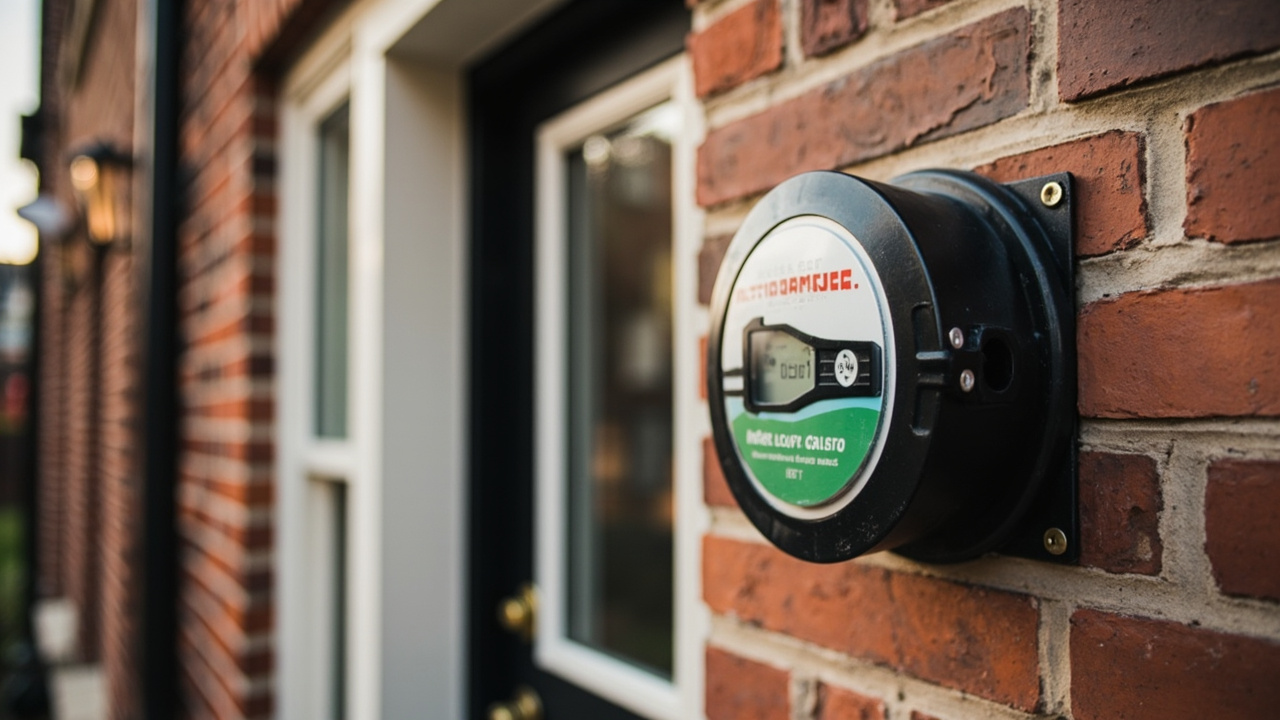
Peoples Gas manages the exterior portion of the gas line. You must apply for a new service and a gas meter. In some cases, the utility company covers a portion of the line installation cost if you commit to using gas for heating. The location of the meter is critical. Chicago codes typically require the meter to be outside, though some exceptions exist for historic districts. Once the meter is set, your HVAC contractor runs the interior gas piping to the furnace, water heater, and other appliances. We use black iron pipe for these runs to ensure maximum durability and safety.
Current 2026 regulations require specific pressure testing for all new gas lines. A city inspector must sign off on the work before we can light the furnace. This adds a layer of safety and ensures the system remains leak free for decades. If you are also planning to upgrade your air conditioning, doing so during the gas conversion saves on labor. Many homeowners find that their old electrical service needs an upgrade to handle modern blowers and compressors. For those in nearby neighborhoods, ensuring your Lincoln Park AC is fixed or replaced during the off season is the best way to avoid summer price spikes.
Incentives and rebates for Chicago residents
The financial burden of conversion is lessened by current 2026 rebates. Both the state of Illinois and federal programs offer incentives for switching from oil to high efficiency natural gas. Energy Star certified furnaces qualify for significant tax credits. Additionally, Peoples Gas often provides rebates for homeowners who install smart thermostats and high AFUE equipment. These programs change frequently, so checking the Department of Energy guidelines on furnaces is a good way to see what current standards apply to your project.
We recommend looking at the total cost of ownership rather than just the installation price. A cheaper, mid efficiency furnace will cost more in monthly bills and may not qualify for the best rebates. In 2026, the price gap between mid efficiency and high efficiency units has narrowed, making the top tier models a better value for most Portage Park families. When you factor in the increased property value of a home without an oil tank, the ROI becomes even clearer. Most buyers today view an oil tank as a liability and a potential environmental risk.
| System Comparison | Heating Oil System | Natural Gas System (96%+ AFUE) |
|---|---|---|
| Annual Operating Cost | Highest | Lowest |
| Maintenance Frequency | Annual Cleaning Required | Standard Filter Changes |
| Environmental Impact | Higher Carbon Emissions | Lower Carbon Emissions |
| System Life Expectancy | 15 to 20 Years | 20 to 25 Years |
| Fuel Reliability | Requires Scheduled Deliveries | Continuous Utility Supply |
Specific challenges in Portage Park bungalows
Portage Park is famous for its bungalow belt. These homes feature solid brick construction and specific basement layouts. The narrow spaces between houses can make it difficult to bring in excavation equipment for tank removal. We often use mini excavators or hand digging techniques to protect your landscaping and foundation. Furthermore, the brick chimneys in these homes are often not suitable for modern gas exhaust. Instead of a costly chimney rebuild, we use the direct vent method through the side wall. This is a cleaner and safer solution for 100 year old masonry.
Proper sizing of the new furnace is another critical step. An oversized furnace will cycle on and off too frequently, which wears out the components and wastes energy. An undersized unit will fail to keep your home warm during a Chicago polar vortex. We perform a full Manual J load calculation for every Portage Park conversion. This takes into account your insulation levels, window types, and the specific square footage of your bungalow. By getting the math right, we ensure your new gas system provides consistent comfort through every room of the house.
Upgrading from oil to gas heating is a major step in modernizing your Portage Park home. While the costs involve several different service providers, the resulting safety, efficiency, and property value increase make it a wise decision in 2026. Working with an experienced local HVAC team ensures that the transition is smooth and that all Chicago city codes are strictly followed. If you are ready to move away from the high costs and maintenance of heating oil, start by scheduling a site assessment to determine the specific needs of your property.
{
“@context”: “https://schema.org”,
“@type”: “BlogPosting”,
“headline”: “Converting your Portage Park home from oil to gas heating costs and benefits”,
“description”: “Learn the current 2026 costs for oil to gas conversion in Portage Park. Get expert insights on tank removal, new furnace pricing, and Chicago utility requirements.”,
“wordCount”: 1697,
“datePublished”: “2026-03-28T09:31:00.000Z”,
“dateModified”: “2026-03-28T09:31:00.000Z”,
“inLanguage”: “en-US”,
“mainEntityOfPage”: {
“@type”: “WebPage”,
“@id”: “https://5starhvacchicago.com”
},
“publisher”: {
“@type”: “LocalBusiness”,
“name”: “Five Star HVAC Chicago”,
“url”: “https://5starhvacchicago.com”
},
“author”: {
“@type”: “Organization”,
“name”: “Five Star HVAC Chicago”,
“url”: “https://5starhvacchicago.com”
},
“image”: {
“@type”: “ImageObject”,
“url”: “https://5starhvacchicago.com/wp-content/uploads/2026/03/the-real-cost-of-converting-your-portage-park-home-1.jpg”
}
}
{
“@context”: “https://schema.org”,
“@type”: “HVACBusiness”,
“name”: “Five Star HVAC Chicago”,
“url”: “https://5starhvacchicago.com”,
“address”: {
“@type”: “PostalAddress”,
“addressLocality”: “Chicago”
},
“areaServed”: {
“@type”: “City”,
“name”: “Chicago”
}
}
{
“@context”: “https://schema.org”,
“@type”: “BreadcrumbList”,
“itemListElement”: [
{
“@type”: “ListItem”,
“position”: 1,
“name”: “Home”,
“item”: “https://5starhvacchicago.com”
},
{
“@type”: “ListItem”,
“position”: 2,
“name”: “Blog”,
“item”: “https://5starhvacchicago.com/blog”
},
{
“@type”: “ListItem”,
“position”: 3,
“name”: “Converting your Portage Park home from oil to gas heating costs and benefits”
}
]
}
{
“@context”: “https://schema.org”,
“@type”: “Service”,
“serviceType”: “HVAC”,
“provider”: {
“@type”: “LocalBusiness”,
“name”: “Five Star HVAC Chicago”,
“url”: “https://5starhvacchicago.com”
},
“areaServed”: {
“@type”: “City”,
“name”: “Chicago”
},
“description”: “Learn the current 2026 costs for oil to gas conversion in Portage Park. Get expert insights on tank removal, new furnace pricing, and Chicago utility requirements.”
}