
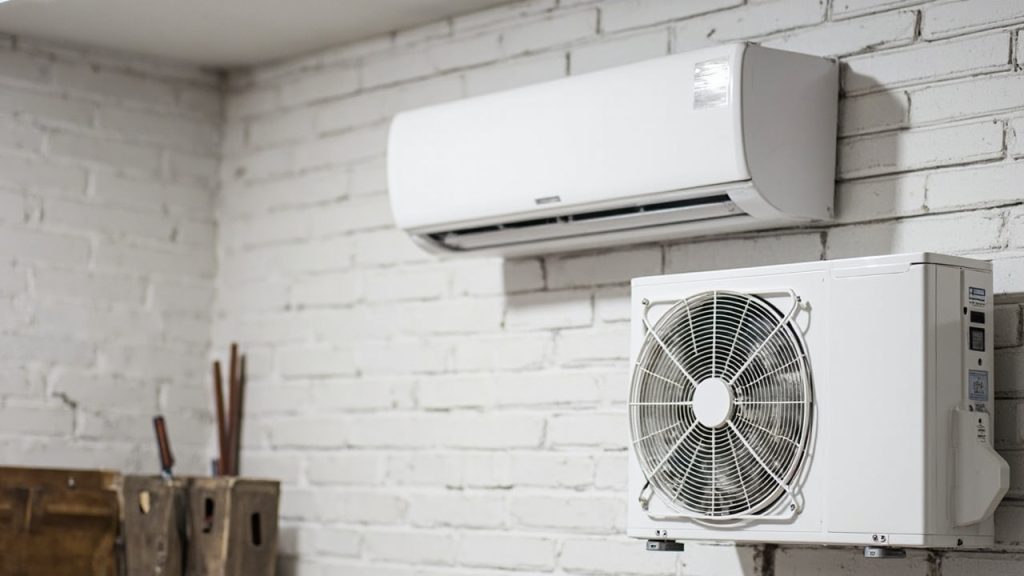
Garfield Ridge homeowners often find themselves staring at their detached garages during the peak of a Chicago summer or the depths of a February freeze. That brick structure near Midway Airport holds a lot of potential but stays unusable for half the year because of the extreme temperatures. Whether you are rebuilding a classic car or setting up a home gym, traditional heating and cooling options often fall short. Adding a ductless mini split to your garage or workshop is the most effective way to gain total climate control without the mess of extending ductwork from your main house.
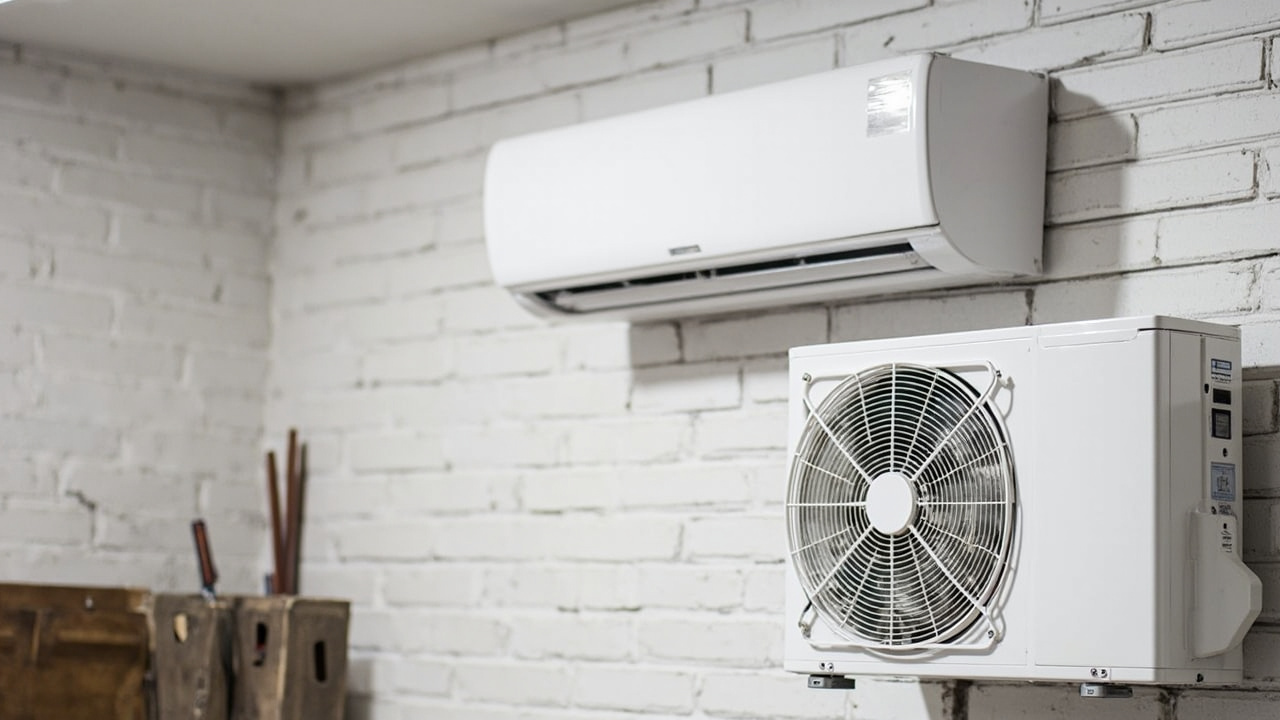
Working in a garage in the 60638 area code presents unique challenges. The proximity to the airport means noise is a factor and the typical Chicago lot size requires a compact solution. Ductless systems consist of an outdoor condenser unit and an indoor air handler connected by a small conduit. This setup allows for independent temperature control that does not strain your primary home HVAC system. In 2026, these systems have reached new levels of efficiency that make them the standard for residential conversions across the city.
Understanding the Chicago Climate Impact on Garage HVAC
The weather in the Garfield Ridge neighborhood is shaped by the urban heat island effect and the seasonal shifts of the Midwest. Summer humidity can make a garage feel like a sauna while winter winds off the plains turn concrete floors into ice blocks. A standard window unit or a portable space heater cannot keep up with these swings. Those old methods are also notoriously expensive to operate and often pose safety risks in a workshop environment where sawdust or flammable liquids might be present.
Ductless mini splits utilize heat pump technology to move heat rather than create it through combustion or electric resistance. Current models available in 2026 are specifically rated for cold climates. This is a vital distinction for Chicago residents. You need a system capable of providing 100 percent heating capacity even when the outdoor temperature drops well below zero. These units use variable speed compressors that ramp up or down based on the exact demand of the room. This prevents the constant cycling on and off that wastes energy and wears out components prematurely.
If you have recently looked at central air installation costs for Lakeview Chicago homes in 2026, you know that whole-house systems are a significant investment. A mini split for your garage offers a more localized and affordable way to expand your living space. It provides the same high-end filtration and dehumidification as a full residential system but scaled for a smaller footprint.
The Technical Benefits of Ductless Systems in Workshops
Workshops require specific air quality considerations. Woodworking generates fine dust that can clog standard HVAC filters and ruin a central system. A ductless air handler features dedicated, easy to clean filters that keep the internal components protected. Because the system does not use ducts, there is no place for dust to settle and blow back into the room later. This creates a much cleaner environment for painting, finishing, or simply breathing during a long project.
The quiet operation of a mini split is another major advantage. Most indoor units run at decibel levels lower than a whisper. This is helpful for residents who spend hours in their garage and do not want the constant roar of a furnace or a loud window unit. Since the noisy compressor stays outside, the environment inside the garage remains peaceful. This is especially important in the dense residential blocks of Garfield Ridge where keeping noise levels down is a courtesy to your neighbors.
Comparison of Garage Heating and Cooling Methods
| System Type | Heating Efficiency | Installation Difficulty | Air Quality Impact |
|---|---|---|---|
| Ductless Mini Split | High (HSPF2 10+) | Moderate | Excellent (Multi-stage filtration) |
| Gas Unit Heater | Moderate (80 percent AFUE) | High (Requires gas line) | Poor (Combustion risks) |
| Window Unit and Space Heater | Low | Low | Average (Minimal filtration) |
| Electric Baseboard | Very Low | Low | Neutral |
Installation Requirements for Chicago Garages
Installing a mini split in a Chicago garage involves more than just mounting a box on the wall. The City of Chicago Department of Buildings has specific codes regarding electrical work and equipment placement. You can find detailed information on these standards through the City of Chicago official website. Most garage installations require a dedicated 220V circuit. Since many older Garfield Ridge garages only have a single 15-amp circuit for lights, an electrical upgrade is often part of the project.
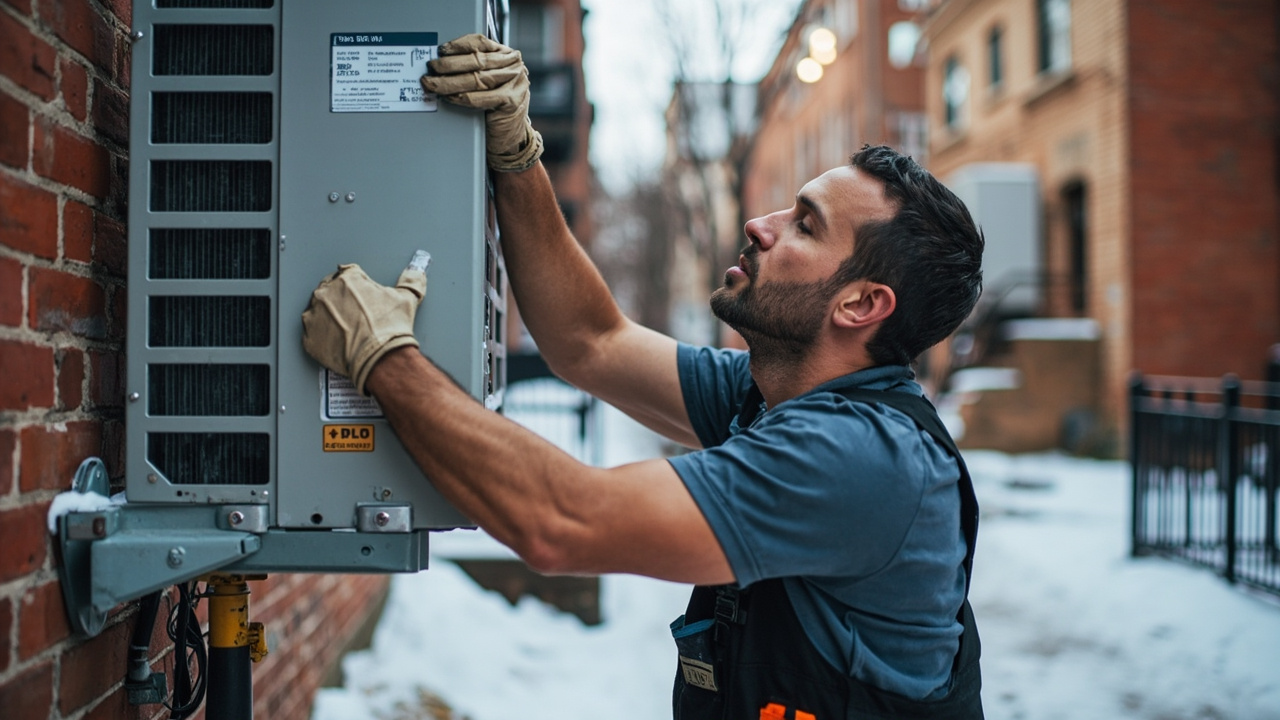
The placement of the outdoor unit is also critical. In Chicago, we recommend mounting the condenser on a wall bracket or a raised stand. This keeps the unit above the snow line and prevents ice from blocking the drainage ports during a thaw cycle. If the unit sits directly on the ground, a heavy snowstorm can choke the airflow and cause the system to shut down exactly when you need it most. Our team ensures that the refrigerant lines are properly insulated and encased in a protective line set cover to withstand the harsh local environment.
When we work with homeowners on historic property HVAC upgrades in Logan Square, we often face similar structural hurdles. Brick garages in Garfield Ridge require specialized masonry bits to create the three-inch hole needed for the conduit. We seal these penetrations with weather-resistant silicone and fire-stop materials to maintain the integrity of your garage wall.
Sizing Your Mini Split for a Chicago Workshop
Choosing the right size for your system is essential. An undersized unit will run constantly and fail to keep the space comfortable. An oversized unit will cool the air too quickly without removing humidity, leaving the garage feeling clammy. We perform a heat load calculation that considers several factors specific to your structure.
- Square footage of the garage floor
- Ceiling height and attic space availability
- The amount and quality of insulation in the walls and door
- The number and orientation of windows
- The type of work being done in the space
A typical two-car garage in Chicago is roughly 400 to 500 square feet. For a well-insulated space, a 12,000 BTU unit is often sufficient. However, if the garage has thin wooden doors or uninsulated brick walls, a 15,000 or 18,000 BTU unit might be necessary to overcome the heat loss. We always look at the R-value of the garage door because it is the largest source of thermal transfer in the building.
Estimated BTU Requirements for Chicago Garages
| Garage Size | Insulated Walls/Door | Uninsulated Walls/Door |
|---|---|---|
| 1 Car (250 sq ft) | 9,000 BTU | 12,000 BTU |
| 2 Car (450 sq ft) | 12,000 BTU | 18,000 BTU |
| 3 Car (650 sq ft) | 18,000 BTU | 24,000 BTU |
The Importance of Garage Insulation and Weatherization
No HVAC system can perform at peak efficiency if the building is leaking air. If you are adding a mini split, you must also look at your insulation. Many Garfield Ridge garages have open rafters or unfinished walls. Installing fiberglass batts or spray foam insulation in the wall cavities will significantly reduce the workload on your new unit. This is a common topic when we discuss reliable home heating in Wicker Park and Bucktown because older Chicago structures depend heavily on the building envelope.
You should also inspect the weatherstripping around the garage door and the entry door. Air leaks around the bottom of the garage door are the primary reason for cold floors. High-quality brush seals or rubber gaskets can block the wind from whipping under the door. If your garage has windows, ensuring they are properly caulked will prevent drafts from undermining the comfort of your workshop. These small steps make a massive difference in your monthly ComEd bill.
If you find that your main home comfort is also suffering during these upgrades, you might need emergency furnace repair services in the South Loop or your local neighborhood to ensure your primary systems are functioning alongside your new garage unit. A balanced home ecosystem is the key to managing Chicago utility costs in 2026.
Operational Costs and Energy Efficiency in 2026
In 2026, energy prices remain a central concern for Chicago residents. Ductless mini splits are among the most efficient ways to heat and cool a space because they avoid the energy losses associated with ductwork. In a typical central air system, you can lose up to 30 percent of your energy through leaks or poorly insulated ducts in unconditioned spaces like attics or crawlspaces. A ductless system delivers the conditioned air directly into the garage, eliminating that waste.
Many units are now equipped with smart technology that allows you to control the temperature from your phone. If you know you will be working in the garage after dinner, you can turn the unit on from your kitchen. This prevents you from needing to keep the garage at 70 degrees all day long. You can maintain a lower set point when the space is empty and quickly bring it up to a comfortable temperature when needed. This on-demand heating and cooling is perfect for the lifestyle of a Garfield Ridge hobbyist.
For those concerned about the environment, most modern mini splits use R-32 or other low-GWP (Global Warming Potential) refrigerants that meet current 2026 environmental standards. These systems are significantly better for the planet than the older R-410A units. You can learn more about these refrigerant standards and their benefits on the Air-Conditioning, Heating, and Refrigeration Institute website.
Long Term Maintenance for Your Garage Mini Split
To keep your system running reliably through the Chicago seasons, regular maintenance is required. In a workshop, this mostly means keeping the filters clean. Sawdust can accumulate quickly, so you should check the filters every two weeks if you are doing heavy woodworking. Most filters can be popped out, rinsed in a sink, dried, and replaced in a few minutes. This simple task maintains airflow and prevents the motor from straining.
The outdoor unit also needs attention. Keep the area around the condenser clear of weeds, leaves, and debris. In the winter, ensure that snow does not pile up around the sides of the unit. We recommend a professional tune-up once a year to check refrigerant levels and clean the coils. This ensures that when the next heat wave hits, you are not scrambling for help. If you ever find yourself in a cooling crisis, we provide the same fast response as when getting your Lincoln Park AC fixed fast before a major weather event.
A well-maintained mini split can last for 15 to 20 years. In a garage setting, where the unit might not run as frequently as the main house system, the lifespan can be even longer if you treat it right. This makes the investment in a ductless system one of the most cost-effective ways to increase the value of your Garfield Ridge property and improve your quality of life.
Adding a ductless mini split is the best move you can make for your Chicago garage or workshop. It provides a level of comfort and utility that traditional heaters just cannot match. If you are ready to stop shivering through your winter projects or sweating through your summer hobbies, a professional installation is the answer. We can help you size the system, navigate the local permit process, and get your workspace ready for anything the Chicago weather has in store for 2026.
{
“@context”: “https://schema.org”,
“@type”: “BlogPosting”,
“headline”: “Adding a Ductless Mini Split to Your Garfield Ridge Garage or Workshop”,
“description”: “Transform your Garfield Ridge garage into a year-round workspace with a ductless mini split. Learn about Chicago installation requirements and efficiency in 2026.”,
“wordCount”: 1886,
“datePublished”: “2026-04-24T05:59:00.000Z”,
“dateModified”: “2026-04-24T05:59:00.000Z”,
“inLanguage”: “en-US”,
“mainEntityOfPage”: {
“@type”: “WebPage”,
“@id”: “https://5starhvacchicago.com”
},
“publisher”: {
“@type”: “LocalBusiness”,
“name”: “Five Star HVAC Chicago”,
“url”: “https://5starhvacchicago.com”
},
“author”: {
“@type”: “Organization”,
“name”: “Five Star HVAC Chicago”,
“url”: “https://5starhvacchicago.com”
},
“image”: {
“@type”: “ImageObject”,
“url”: “https://5starhvacchicago.com/wp-content/uploads/2026/03/adding-a-ductless-mini-split-to-your-garfield-ridg-1.jpg”
}
}
{
“@context”: “https://schema.org”,
“@type”: “HVACBusiness”,
“name”: “Five Star HVAC Chicago”,
“url”: “https://5starhvacchicago.com”,
“address”: {
“@type”: “PostalAddress”,
“addressLocality”: “Chicago”
},
“areaServed”: {
“@type”: “City”,
“name”: “Chicago”
}
}
{
“@context”: “https://schema.org”,
“@type”: “BreadcrumbList”,
“itemListElement”: [
{
“@type”: “ListItem”,
“position”: 1,
“name”: “Home”,
“item”: “https://5starhvacchicago.com”
},
{
“@type”: “ListItem”,
“position”: 2,
“name”: “Blog”,
“item”: “https://5starhvacchicago.com/blog”
},
{
“@type”: “ListItem”,
“position”: 3,
“name”: “Adding a Ductless Mini Split to Your Garfield Ridge Garage or Workshop”
}
]
}
{
“@context”: “https://schema.org”,
“@type”: “Service”,
“serviceType”: “HVAC”,
“provider”: {
“@type”: “LocalBusiness”,
“name”: “Five Star HVAC Chicago”,
“url”: “https://5starhvacchicago.com”
},
“areaServed”: {
“@type”: “City”,
“name”: “Chicago”
},
“description”: “Transform your Garfield Ridge garage into a year-round workspace with a ductless mini split. Learn about Chicago installation requirements and efficiency in 2026.”
}