
The Critical Temperature for Chicago Plumbing and Heating Systems
When the temperature in Chicago drops below 20 degrees Fahrenheit, the risk for property damage increases significantly. This 20 degree threshold represents a tipping point where uninsulated pipes in exterior walls or crawl spaces begin to lose heat faster than the surrounding environment can provide it. In 2026, we are seeing a trend of shorter but much more intense cold snaps that put immense pressure on local infrastructure. Homeowners in neighborhoods like Austin and Hermosa often deal with older housing stock where insulation has settled over time. This settling creates voids that allow Lake Michigan winds to penetrate the building envelope. If your furnace fails during one of these deep freezes, your home can reach freezing temperatures within hours. Protecting your property requires a dual approach that focuses on both your plumbing and your heating system reliability.

Why Chicago Homes Face Unique Winter Risks
Chicago architecture presents specific challenges during the winter months. The famous Chicago Bungalow Belt features brick masonry that is beautiful but porous. Over decades, mortar can develop small cracks that allow frigid air to whistle through to the wall cavities where water lines reside. In the West Loop and South Loop, newer high-rises face different issues such as wind tunnel effects that can freeze pipes in mechanical closets located near outer glass walls. If you live in these areas, you should be aware of the best emergency furnace repair services in the South Loop to ensure your primary heat source never stays offline for long. A functioning furnace is the first line of defense against a total plumbing disaster. When the furnace runs, it circulates warm air that permeates floor joists and wall cavities, keeping water moving and warm.
Step by Step Prevention Checklist for the 2026 Winter Season
Preparation must happen before the first frost warning. Start by inspecting your rim joists in the basement or crawl space. These are the areas where the house frame meets the foundation. Use spray foam or rigid foam board to seal any gaps where light or air enters. Next, focus on your water lines. Any pipe located in an unheated area should be wrapped in high-density foam sleeves. For homes with particularly vulnerable plumbing, installing UL-listed heat tape can provide an active heat source that prevents ice formation. During a polar vortex event, the old rule of dripping your faucets still applies. You only need a trickle of water to keep the line from reaching a static state where it can easily freeze. Open cabinet doors under sinks located against exterior walls to allow room air to reach the plumbing. This is especially important for why Logan Square homeowners trust our team for historic property HVAC upgrades because older kitchens often lack modern wall insulation.
Consider the following materials for your winterization efforts.
| Material Type | Insulation Value | Best Use Case |
|---|---|---|
| Polyethylene Foam Sleeves | R-3 to R-5 | Standard indoor pipes in basements |
| Fiberglass Pipe Wrap | R-4 to R-7 | High-heat areas near water heaters |
| Closed-Cell Rubber Insulation | R-5 to R-9 | Outdoor or highly exposed transition pipes |
| Spray Foam Insulation | R-6 per inch | Sealing rim joists and wall penetrations |
The Essential Connection Between HVAC Health and Pipe Safety
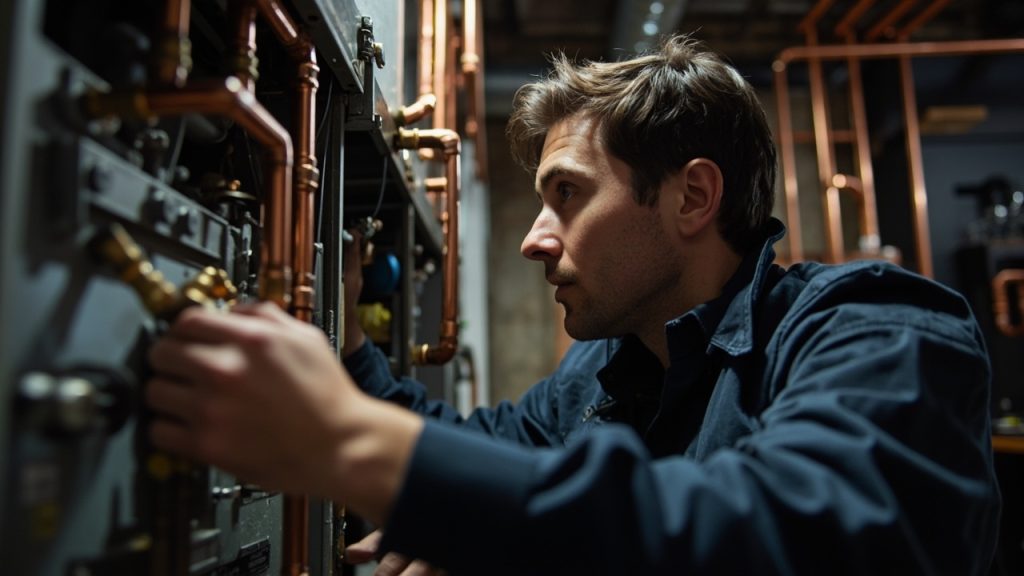
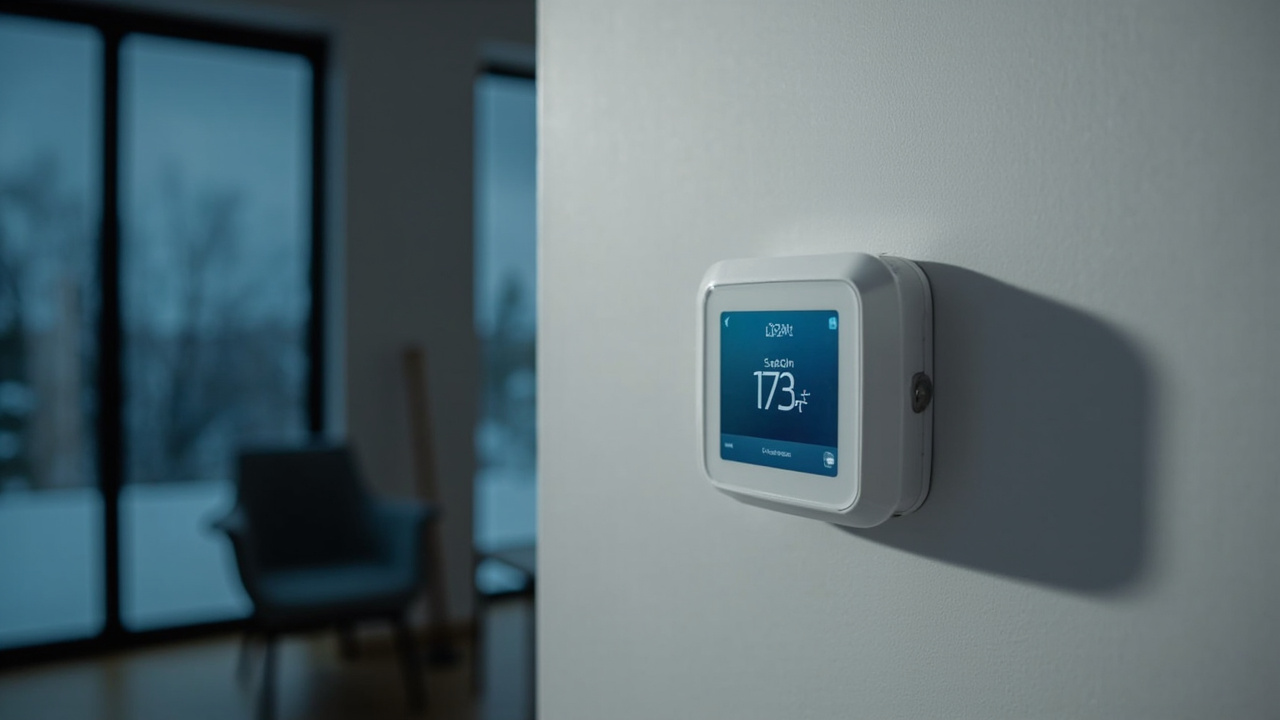
Your heating system does more than keep you comfortable. It acts as a life support system for your home. If your boiler or furnace shuts down during a Chicago deep freeze, the internal temperature of your home will plummet. This is why seasonal maintenance is non-negotiable. In Wicker Park and Bucktown, many homes still rely on radiant heat systems that require specific expertise. You can find more information about finding a reliable boiler repair specialist in Wicker Park and Bucktown for reliable home heating to prevent a midnight system failure. Modern smart thermostats in 2026 now come with low-temperature alerts. These devices will send a notification to your phone if your home temperature drops below 50 degrees. This early warning gives you time to call a technician before the pipes have a chance to freeze. You should also ensure your air filters are clean. A clogged filter restricts airflow, which can cause the heat exchanger to overheat and shut the system down as a safety precaution.
Identifying Vulnerable Areas in Your Chicago Property
Not all pipes are created equal. Some are tucked deep within the core of the home while others are dangerously exposed. Pipes running through unheated attics or crawl spaces are at the highest risk. If you have a bathroom or laundry room over a garage, those lines are also prime candidates for freezing. Check for pipes that pass through the floor into a cold basement. In many Chicago bungalows, the main water shut-off valve is located in the front of the basement near the street. This area is often several degrees colder than the rest of the house. You can monitor these specific zones using inexpensive wireless thermometers. If you notice a specific area dipping toward 40 degrees, it is time to add supplemental heat or improve the insulation in that specific bay.
Common signs of a freezing pipe include the following items.
- A noticeable drop in water pressure from a single faucet
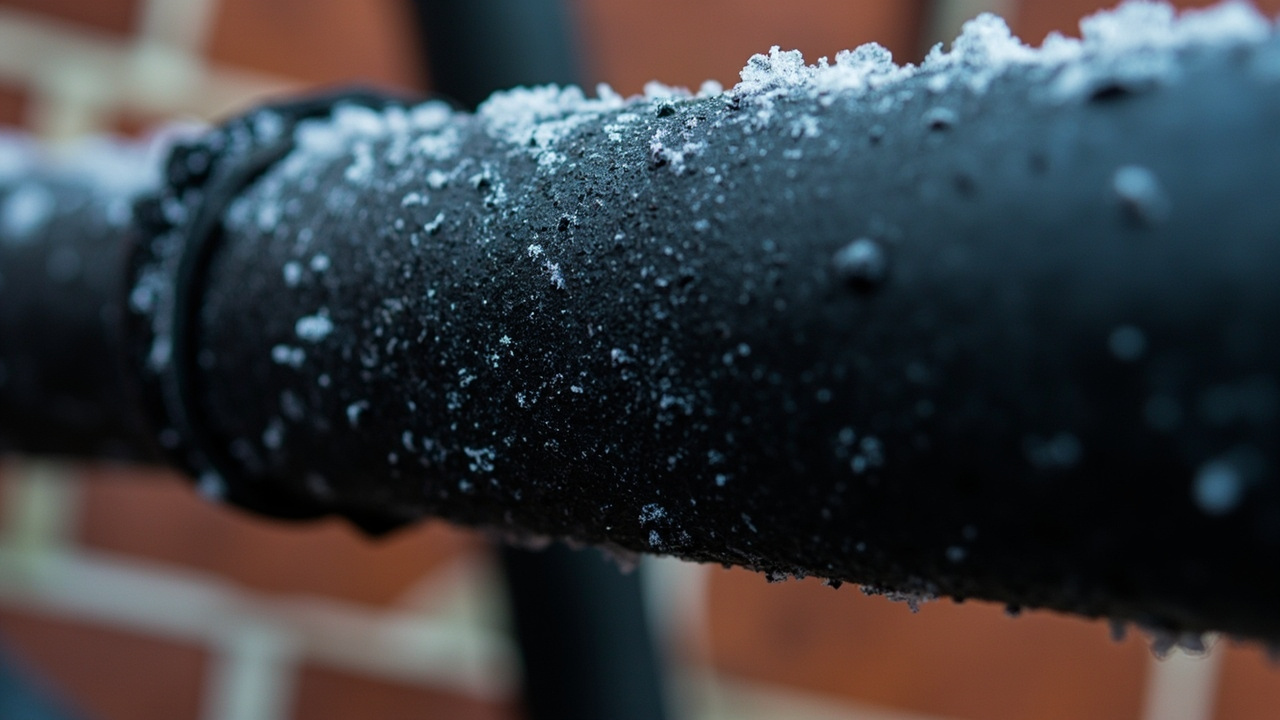
- Frost visible on the outside of copper or PEX tubing
- Strange gurgling sounds when you turn on the tap
- A complete lack of water flow when the valve is open
- Damp spots on drywall or ceilings indicating a small hairline fracture
Safe Thawing Techniques for Frozen Water Lines
If you turn on the faucet and only a few drops come out, you likely have a frozen pipe. You must act quickly but safely. First, keep the faucet open so the water can flow out as the ice melts. Use a hairdryer or a portable space heater to gently warm the section of the pipe. Never use a blowtorch or any open flame. Using a torch can lead to a house fire or cause the water inside the pipe to boil and explode the fitting. Start thawing from the faucet end and work your way back toward the frozen area. This allows the melting ice to escape through the open tap. If you cannot reach the frozen section or if the pipe has already burst, turn off the main water supply immediately. For residents in Lincoln Park, maintaining your climate control systems is essential. If you had issues during the summer, you might want to look into getting your Lincoln Park AC fixed fast before the next heat wave hits as we often perform full system audits during these repairs.
Comparing the Costs of Prevention Versus Emergency Repair
The financial impact of a burst pipe in 2026 is substantial. Beyond the plumbing repair, you face water remediation, mold prevention, and potentially structural repairs. Prevention is a fraction of the cost. Investing in a high-efficiency furnace or a modern boiler can pay for itself by preventing just one emergency. If you are looking at long-term upgrades, you can check central air installation costs for Lakeview Chicago homes in 2026 to see how integrated systems can improve your overall home resilience. A well-maintained system operates more efficiently and provides consistent heat during the harshest January nights.
| Service or Item | Estimated Timeframe | Benefit Level |
|---|---|---|
| Annual Furnace Tune-Up | 1.5 to 2 Hours | Maximum prevention of system failure |
| Pipe Insulation Installation | 2 to 4 Hours | High protection for specific zones |
| Smart Thermostat Installation | 1 Hour | Excellent early warning capabilities |
| Emergency Pipe Repair | 3 to 8 Hours | Required after failure occurs |
| Professional Energy Audit | 3 Hours | Identifies all air leaks and voids |
When to Call a Professional Chicago HVAC Technician
DIY methods have their limits. If your furnace is making loud banging noises or if the pilot light is yellow instead of blue, you need professional intervention immediately. These are signs of mechanical failure or incomplete combustion which can lead to carbon monoxide risks. Similarly, if you find a frozen pipe behind a wall, do not attempt to cut into the drywall yourself if you are unsure of the electrical layout. Professional plumbers and HVAC techs use thermal imaging cameras to locate blockages without destroying your home. According to the Federal Emergency Management Agency, winter storms are a leading cause of property damage in the Midwest. Taking proactive steps now ensures your home remains a safe sanctuary during the 2026 winter season. If you suspect your heating system is struggling to keep up with the current wind chill, contact a local expert who understands the nuances of Chicago weather patterns. Quick action can save you thousands in avoided damage and keep your family warm through the deep freeze.
Protecting your Chicago home from extreme cold is a continuous process of observation and maintenance. By sealing air leaks, insulating vulnerable pipes, and ensuring your HVAC system is in peak condition, you can navigate the 2026 winter with confidence. If you need assistance with a furnace that is not heating properly or want a full winterization inspection, reach out to a local professional today. Do not wait for the temperature to drop below zero before you check your systems.
{
“@context”: “https://schema.org”,
“@type”: “BlogPosting”,
“headline”: “Preventing Frozen Pipes and HVAC Failures During a Chicago Deep Freeze”,
“description”: “Learn how to protect your Chicago home from frozen pipes and furnace failures during the 2026 polar vortex with expert HVAC and plumbing prevention tips.”,
“wordCount”: 1513,
“datePublished”: “2026-03-12T10:18:00.000Z”,
“dateModified”: “2026-03-12T10:18:00.000Z”,
“inLanguage”: “en-US”,
“mainEntityOfPage”: {
“@type”: “WebPage”,
“@id”: “https://5starhvacchicago.com”
},
“publisher”: {
“@type”: “LocalBusiness”,
“name”: “Five Star HVAC Chicago”,
“url”: “https://5starhvacchicago.com”
},
“author”: {
“@type”: “Organization”,
“name”: “Five Star HVAC Chicago”,
“url”: “https://5starhvacchicago.com”
},
“image”: {
“@type”: “ImageObject”,
“url”: “https://5starhvacchicago.com/wp-content/uploads/2026/03/how-to-prevent-frozen-pipes-and-hvac-failures-duri-1.jpg”
}
}
{
“@context”: “https://schema.org”,
“@type”: “HVACBusiness”,
“name”: “Five Star HVAC Chicago”,
“url”: “https://5starhvacchicago.com”,
“address”: {
“@type”: “PostalAddress”,
“addressLocality”: “Chicago”
},
“areaServed”: {
“@type”: “City”,
“name”: “Chicago”
}
}
{
“@context”: “https://schema.org”,
“@type”: “BreadcrumbList”,
“itemListElement”: [
{
“@type”: “ListItem”,
“position”: 1,
“name”: “Home”,
“item”: “https://5starhvacchicago.com”
},
{
“@type”: “ListItem”,
“position”: 2,
“name”: “Blog”,
“item”: “https://5starhvacchicago.com/blog”
},
{
“@type”: “ListItem”,
“position”: 3,
“name”: “Preventing Frozen Pipes and HVAC Failures During a Chicago Deep Freeze”
}
]
}
{
“@context”: “https://schema.org”,
“@type”: “Service”,
“serviceType”: “HVAC”,
“provider”: {
“@type”: “LocalBusiness”,
“name”: “Five Star HVAC Chicago”,
“url”: “https://5starhvacchicago.com”
},
“areaServed”: {
“@type”: “City”,
“name”: “Chicago”
},
“description”: “Learn how to protect your Chicago home from frozen pipes and furnace failures during the 2026 polar vortex with expert HVAC and plumbing prevention tips.”
}