
Comparing high velocity cooling and traditional AC for your Old Town historic home
Living in an Old Town Chicago property means you enjoy incredible history and architectural detail. Many of these homes date back to the late nineteenth century. They feature solid masonry walls and intricate plaster work. These features make your home beautiful but they also make installing modern cooling systems difficult. You have two main choices when you want to upgrade from window units to central air. You can choose a high velocity system or a traditional central air conditioner. Both systems have distinct advantages for Chicago homeowners. Making the right choice depends on your specific floor plan and how much you want to change your interior walls.
Traditional air conditioning remains the most common choice for modern construction in Lakeview and the South Loop. It uses large ducts to move high volumes of air at a low speed. High velocity systems work differently. They use small flexible tubes to move air at a much higher speed. This method allows the system to fit into tight spaces where traditional metal ducts cannot go. If you are calculating central air installation costs for Lakeview Chicago homes in 2026, you will see that ductwork requirements significantly influence the final price. Old Town homes often lack the closet space or wall depth needed for large rigid ducts. This is where small duct technology becomes a top contender for vintage properties near the lakefront.
The current 2026 climate in Chicago brings extreme humidity peaks during the summer months. Old Town residents often deal with the heavy air coming off Lake Michigan. This humidity makes indoor spaces feel warmer than the actual temperature. Choosing a system that handles latent heat or humidity is just as important as choosing one that lowers the temperature. Modern systems have adapted to these needs by using advanced sensors and variable speed motors. These components ensure your home stays dry and cool even when the outdoor dew point rises to uncomfortable levels.
How high velocity cooling works in historic properties
High velocity systems use the principle of aspiration. Traditional AC units use convection to cool a room by blowing cold air into the space. Aspiration works by creating a high speed stream of air that enters the room through small two inch openings. This stream creates a gentle suction that pulls the existing room air into the flow. This process mixes the air quickly and evenly. It eliminates the cold spots and hot spots that sometimes occur with traditional registers. Because the air moves so fast, these systems remove about 30 percent more humidity than a standard unit. This is a massive benefit during a humid July in Chicago when the air feels thick and heavy.
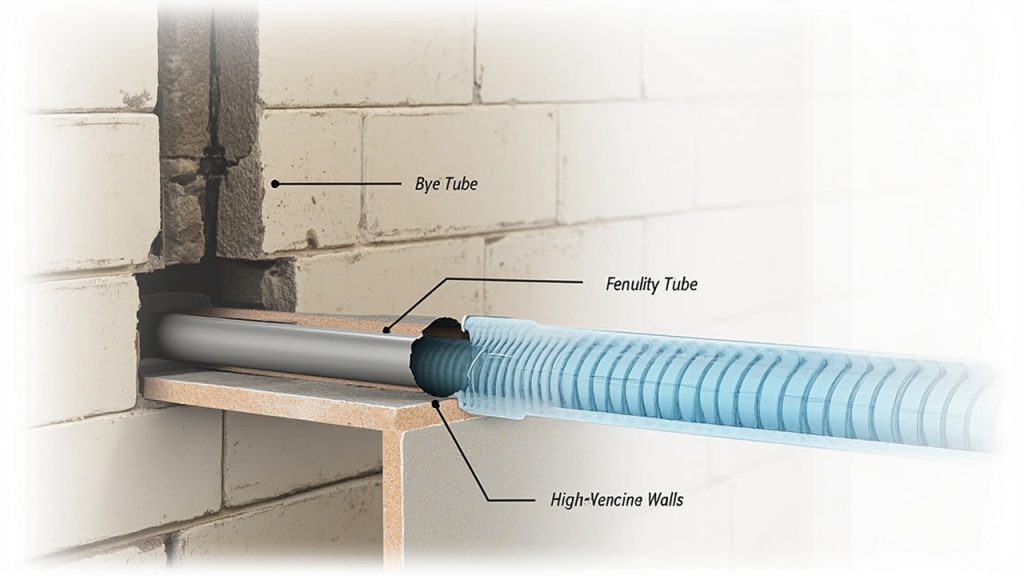
The equipment for high velocity systems is smaller than traditional air handlers. We often install the main unit in an attic or a basement. We then run flexible tubing through the spaces between your floor joists and behind your lath and plaster walls. You do not need to build large drywall boxes or bulkheads to hide the pipes. The outlets are about the size of a small dinner plate or even smaller. You can find these outlets in various finishes like wood or brass to match your historic decor. This preserves the original look of your home while providing modern comfort. If you have worked with a team for historic property HVAC upgrades in Logan Square, you likely know how important it is to keep the original ceiling heights intact.
The tubing used in these systems is seamless. This means there are no joints to leak air inside your walls. Traditional metal ducts often leak at the seams as the home shifts over decades. In an Old Town row house, wall movement is common due to the clay soil and age of the foundation. Seamless tubing ensures that all the cold air you pay for actually reaches the room. The insulation on these tubes is also thicker relative to their size. This prevents condensation from forming inside your walls, which protects your historic plaster from water damage and mold.
Traditional central air considerations for vintage layouts
Traditional central air conditioning uses large metal ducts that are typically 8 to 12 inches wide. These ducts require significant space. In a newer home, builders include this space in the design. In an Old Town row house, you often have to sacrifice closet space or build soffits. These soffits can change the feel of a room by lowering the ceiling in certain areas. Traditional systems are excellent for cooling large open areas efficiently. They are also very quiet because the air moves at a slower pace through the registers. If your home has already undergone a full renovation where the walls were removed, traditional ductwork might be easier to install.
Traditional systems are widely understood by every HVAC technician in the city. Parts are easy to find and the initial equipment cost is often lower than high velocity specialized systems. But you must consider the cost of the carpentry work. Cutting into historic plaster and then repairing it adds a lot of labor to the project. You might also need to repaint entire rooms after the ductwork installation. This is why many owners of greystones and brick cottages look for alternatives that minimize structural changes. When you are getting your Lincoln Park AC fixed fast before the next heat wave hits, you want a system that is reliable and easy to maintain.
One advantage of traditional systems is the ability to use high efficiency filtration. Because the ducts are large, you can install thick MERV 13 or HEPA filters without restricting the airflow too much. This is helpful for residents who suffer from allergies during the Chicago spring and summer. Modern traditional units in 2026 also feature better communication between the thermostat and the outdoor condenser. This allows for precise control over the indoor climate. However, the physical footprint of the indoor air handler remains a challenge for homes without a dedicated utility room or large basement.
| Feature | High Velocity System | Traditional Central AC |
| Duct Size | 2 inch flexible tubing | 8 to 12 inch rigid metal |
| Humidity Removal | Up to 30 percent more | Standard removal levels |
| Installation Impact | Minimal wall damage | Often requires bulkheads |
| Air Movement Method | Aspiration and mixing | Convection and dumping |
| System Sound | Quiet with dampening | Very quiet airflow |
Technical differences in performance and efficiency
Efficiency standards have changed as of 2026. All new systems must meet strict SEER2 ratings to ensure lower energy consumption. High velocity systems like those from Unico or SpacePak have improved their motor technology to meet these goals. These systems use inverter technology to adjust the speed of the blower based on the cooling demand. This prevents the system from cycling on and off constantly. Traditional systems also offer high SEER2 ratings. Some top tier traditional units can reach very high efficiency levels. But if the ductwork is not sealed perfectly, a traditional system loses a lot of its efficiency. High velocity tubing is seamless and leaks much less than traditional sheet metal joints.
Noise is another factor to consider. Some people worry that high velocity means loud wind noise. Modern systems use sound dampening tubes at the end of each run. This reduces the sound to a whisper. Traditional systems are very quiet at the register but can sometimes have a metallic rattling sound if the ducts are not secured well. For those living in the North Side or searching for reliable home heating and cooling in Wicker Park, performance during extreme temperature swings is vital. Chicago summers are getting hotter and humidity levels are rising. A system that can dry the air out quickly will make a 75 degree room feel much cooler than a humid room at the same temperature.
In 2026, the use of low global warming potential refrigerants has become the standard. Both high velocity and traditional systems now use these eco-friendly cooling agents. This change reflects the broader push for sustainability in the Chicago building sector. When you upgrade your system, you are not just getting better comfort. You are also ensuring your home complies with current environmental regulations. This is a key selling point for historic homes that are often seen as less efficient than new builds.
Comparing 2026 energy savings for a 2,500 square foot home
When you evaluate a 2,500 square foot historic home in Old Town, energy consumption is a major concern. Older homes often have less insulation in the walls. This makes the efficiency of the AC system even more critical. In 2026, a system with a SEER2 rating of 18 or higher can provide significant relief on your monthly ComEd bills. A traditional system at 14 SEER2 will cost significantly more to operate than a high velocity system equipped with an inverter driven motor.
For a typical 2,500 square foot home, a high velocity system can save approximately 15 to 20 percent on cooling costs compared to older standard units. This is because the high velocity system reduces the run time by reaching the set temperature faster through better air mixing. It also handles the humidity so well that you can set the thermostat to 74 degrees instead of 71 degrees and feel the same level of comfort. This three degree difference alone can reduce energy usage by nearly 10 percent during a heat wave. Traditional systems also offer savings if you opt for multi stage compressors, but the duct leakage common in retrofitted historic homes often offsets some of those gains.
The physical layout of your 2,500 square foot home affects these savings. In a three story row house, the top floor is often 5 to 10 degrees warmer than the parlor level. High velocity systems are better at pushing air to these upper levels through small vertical runs. This creates a balanced temperature across all floors. Traditional systems often struggle to push enough air to the third floor without oversized ducts that ruin the aesthetics of the lower floors. When the temperature is balanced, the system does not have to work as hard to satisfy the thermostat on the main level.
Seasonal maintenance for high velocity and traditional systems
Proper maintenance ensures your cooling system lasts for decades. In Chicago, your system faces heavy use from June through September. For high velocity systems, you must check the specialized filters every three months. These systems use high efficiency filters that catch more dust than standard ones, but they also clog faster. If a high velocity filter is dirty, the static pressure rises and the motor has to work much harder. You should also inspect the small outlets for any signs of dust buildup or moisture, which could indicate a drainage issue.
Traditional systems require similar care but on a larger scale. You should replace the 1-inch or 4-inch pleated filters before the cooling season starts. We recommend checking the outdoor condenser unit for cottonwood seeds and debris. In neighborhoods like Old Town, the proximity of trees means your outdoor coils can get clogged quickly. This blocks the airflow and can cause the compressor to overheat. Washing the coils with a gentle stream of water from a garden hose can improve efficiency by up to 15 percent. Do not use a power washer as this will damage the delicate aluminum fins.
Both systems require a professional check of the condensate drain line. These lines carry the water removed from your air out of the house. If they clog with algae or dirt, the water can back up and damage your ceilings. In a historic home, a ceiling leak is a disaster for original plaster. A technician will clear the drain line and check the refrigerant levels. In 2026, checking for leaks is more important than ever to prevent the loss of expensive modern refrigerants. Regular maintenance is the best way to avoid the need for emergency repairs during a Chicago heat wave.
Example Scenario Installation in an Old Town row house
Consider a three story row house on Menomonee Street built in 1885. The owners wanted to remove their window units but refused to lower their 11-foot ceilings. A traditional AC system would have required a large bulkhead running the length of the main hallway. This would have cut through original crown molding and plaster medallions. Instead, we planned a high velocity installation using a single air handler located in the attic. This location allowed us to serve the third and second floors easily. To reach the first floor, we used a defunct chimney flue as a chase for the flexible tubing.
We placed two small outlets in each room. On the main parlor level, we used wood-grain outlets that blended perfectly with the mahogany floorboards. The entire installation process took four days. We only had to make two small openings in the plaster on the second floor to route the tubes. These were easily patched and painted in a single afternoon. The owners reported that the system was nearly invisible and the house felt significantly drier than it ever did with window units. They also noted that the top floor remained just as cool as the first floor, which was a first for that property.
This scenario shows why high velocity is the gold standard for Old Town. It respects the architecture while providing high performance cooling. The total labor cost for the HVAC crew was higher than a traditional install, but the homeowners saved thousands by not needing a carpenter to build drywall chases or a plaster expert to restore the ceilings. The long term value of the home was preserved because the original architectural volume remained intact. This is a common result for residents who prioritize preservation alongside comfort.
The installation process in Chicago neighborhoods
Installing a high velocity system typically takes less time for the HVAC crew but requires more technical skill. We spend less time on demolition and more time on routing the tubes. We often start at the highest point of the house and work our way down through the interior walls. We can usually complete an installation in a standard Old Town home within 3 to 5 days. Traditional AC takes longer if we have to build new duct chases. If the home already has a furnace and existing ducts, then a traditional AC add on is the fastest option. However, most Old Town homes use radiant heat from boilers and have no ducts at all. In these cases, high velocity is almost always the preferred choice to avoid major construction.
You should also consider the outdoor unit. Both systems use a standard condensing unit that sits outside your home. In Old Town, outdoor space is limited. We often place these units on rooftops or in narrow gangways. You must follow the City of Chicago Landmark guidelines if your property is part of a protected district. This may limit where you can place the outdoor equipment or the vents. High velocity vents are much easier to hide from the street view than traditional large grilles. This helps you stay in compliance with local preservation rules while upgrading your indoor comfort.
| Factor | Historical Suitability | Typical Timeline |
| Retrofit Ease | Highest for vintage homes | Moderate to difficult |
| Architectural Integrity | Maintains original detail | May require modifications |
| Temperature Balance | Even throughout all floors | Can vary by floor level |
| Maintenance Needs | Specialized filter changes | Standard filter changes |
Managing the cost and long term value
The initial price for a high velocity system is often higher than a basic traditional central air unit. This is because the equipment is specialized and the installation requires specific training. But you must look at the total project cost. If you choose traditional AC, you have to pay for the HVAC system and the carpenters and the painters. When you add all those bills together, the high velocity system often costs less overall. It also adds significant value to your home. Future buyers in Old Town look for central cooling but they do not want to see ruined crown molding or weird drywall boxes in the corners of the rooms.
Energy bills are another long term factor. Because high velocity systems remove more moisture, you can usually set your thermostat 2 or 3 degrees higher and feel just as comfortable. This saves money on your monthly ComEd bill. These systems also have very little thermal loss because the tubes are well insulated. Traditional ducts in an unconditioned attic can lose 20 percent of their cooling capacity before the air reaches your bedroom. High velocity tubes are small and easy to wrap in thick insulation to prevent this loss. If you ever face a breakdown, knowing the best emergency repair services in the South Loop or your local neighborhood ensures your investment stays protected.
Steps to choosing your cooling system
- Evaluate your existing heating system to see if ductwork can be shared.
- Measure your wall and floor cavity space to determine duct fit.
- Check your local historic district guidelines for exterior equipment placement.
- Compare the humidity removal ratings for the specific models you are considering.
- Review the SEER2 ratings to ensure the system meets 2026 efficiency standards.
- Ask for a demonstration of the sound levels of a high velocity system.
- Consult with a technician who has experience with both Unico and SpacePak brands.
- Request a Manual J load calculation to ensure the system is correctly sized.
- Inspect the electrical panel to see if an upgrade is needed for the new compressor.
Frequently asked questions about historic home cooling
Is a high velocity system louder than traditional AC? Modern high velocity systems use sound attenuators which are basically mufflers for your air ducts. When installed correctly, the sound at the outlet is a soft whisper. You will not hear the metallic expansion and contraction noises often associated with traditional sheet metal ducts. Most homeowners find the consistent sound of high velocity air to be excellent white noise for sleeping.
What certifications should my installer have? You should look for NATE certification and specific factory training from brands like Unico or SpacePak. These systems require precise math regarding static pressure and airflow. If an installer treats a high velocity system like a traditional one, it will be loud and inefficient. Ensure the company has a history of working in Chicago historic districts and understands the specific building codes for 2026.
How do warranties work for these systems? Most major manufacturers offer parts warranties that range from five to ten years. However, these warranties usually require the system to be registered within a certain timeframe after installation. You should also ask your installer about their labor warranty. Because these systems are complex, having a professional who stands by their installation is vital for long term peace of mind.
Will the small outlets ruin my wallpaper or paint? No, the outlets are designed to be unobtrusive. They do not blow air directly onto the wall surface. Instead, the air stream shoots straight out into the room to begin the aspiration process. This prevents the dust smudges that you sometimes see around traditional ceiling registers. You can paint or stain the outlet covers to match your existing walls perfectly.
Choosing the right system for your lifestyle
If you prefer a perfectly quiet home and have the space for ducts, traditional AC is a reliable workhorse. It has served Chicago for decades. If you own a home with beautiful 1890s woodwork and high ceilings, you probably want to avoid traditional ducts. High velocity cooling gives you the comfort of a modern home without the scars of a modern renovation. It handles the brutal Chicago humidity better than almost any other technology on the market today. You will notice the difference the first time a storm rolls in from the lake and the humidity spikes.
Every historic home in Chicago is different. Some have been updated many times and others are nearly original. The decision between high velocity and traditional cooling comes down to how you use your space and how much you value your historic finishes. Both will keep you cool during the next heat wave. One will hide inside your walls and the other will require some changes to your floor plan. Take the time to look at both options before you start your project this summer. Your Old Town home is a piece of history and the right cooling system will keep it comfortable for the next generation of Chicagoans. Contact a local expert who understands the unique challenges of our local building stock and the requirements of the 2026 energy codes.
{
“@context”: “https://schema.org”,
“@type”: “BlogPosting”,
“headline”: “Comparing high velocity cooling and traditional AC for your Old Town historic home”,
“description”: “Compare high velocity and traditional AC for Old Town Chicago homes. Learn about 2026 SEER2 efficiency and how to cool historic properties without losing detail.”,
“wordCount”: 3441,
“datePublished”: “2026-03-08T06:39:00.000Z”,
“dateModified”: “2026-03-08T06:39:00.000Z”,
“inLanguage”: “en-US”,
“mainEntityOfPage”: {
“@type”: “WebPage”,
“@id”: “https://5starhvacchicago.com”
},
“publisher”: {
“@type”: “LocalBusiness”,
“name”: “Five Star HVAC Chicago”,
“url”: “https://5starhvacchicago.com”
},
“author”: {
“@type”: “Organization”,
“name”: “Five Star HVAC Chicago”,
“url”: “https://5starhvacchicago.com”
},
“image”: {
“@type”: “ImageObject”,
“url”: “https://5starhvacchicago.com/wp-content/uploads/2026/03/comparing-high-velocity-cooling-and-traditional-ac-1.jpg”
}
}
{
“@context”: “https://schema.org”,
“@type”: “HVACBusiness”,
“name”: “Five Star HVAC Chicago”,
“url”: “https://5starhvacchicago.com”,
“address”: {
“@type”: “PostalAddress”,
“addressLocality”: “Chicago”
},
“areaServed”: {
“@type”: “City”,
“name”: “Chicago”
}
}
{
“@context”: “https://schema.org”,
“@type”: “BreadcrumbList”,
“itemListElement”: [
{
“@type”: “ListItem”,
“position”: 1,
“name”: “Home”,
“item”: “https://5starhvacchicago.com”
},
{
“@type”: “ListItem”,
“position”: 2,
“name”: “Blog”,
“item”: “https://5starhvacchicago.com/blog”
},
{
“@type”: “ListItem”,
“position”: 3,
“name”: “Comparing high velocity cooling and traditional AC for your Old Town historic home”
}
]
}
{
“@context”: “https://schema.org”,
“@type”: “Service”,
“serviceType”: “HVAC”,
“provider”: {
“@type”: “LocalBusiness”,
“name”: “Five Star HVAC Chicago”,
“url”: “https://5starhvacchicago.com”
},
“areaServed”: {
“@type”: “City”,
“name”: “Chicago”
},
“description”: “Compare high velocity and traditional AC for Old Town Chicago homes. Learn about 2026 SEER2 efficiency and how to cool historic properties without losing detail.”
}