
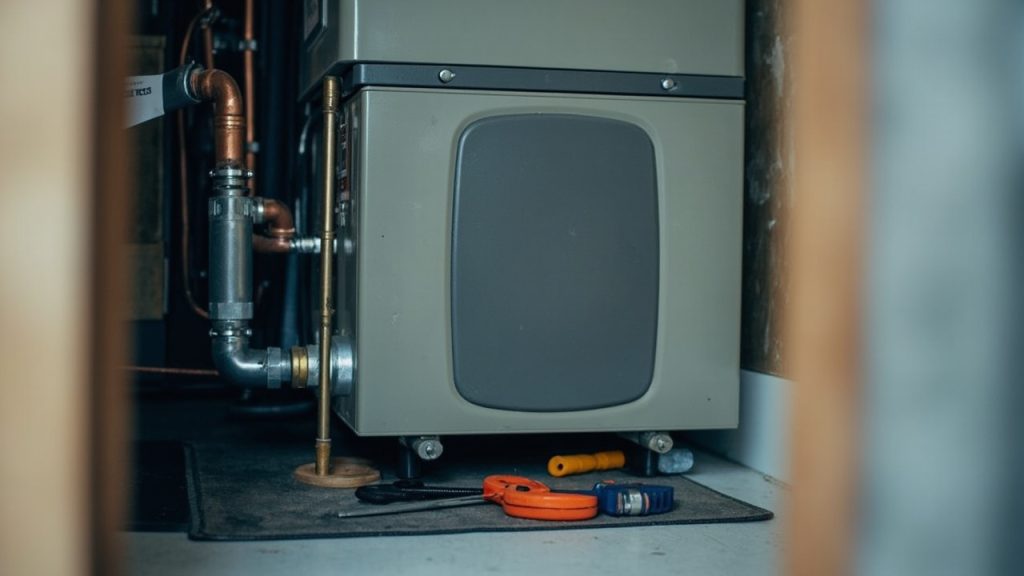
Living in an Edgewater high-rise offers some of the best views of Lake Michigan but the vertical living environment also creates unique mechanical challenges. When your heating and cooling system starts making a loud banging noise it can echo through the concrete walls and disturb your peace. In many Chicago towers along Sheridan Road these sounds are more than just a nuisance. They often signal specific mechanical issues within systems like water source heat pumps or fan coil units. Understanding why these noises occur requires a look at how high-rise HVAC systems differ from the furnaces found in suburban homes.
How high-rise acoustics amplify HVAC sounds
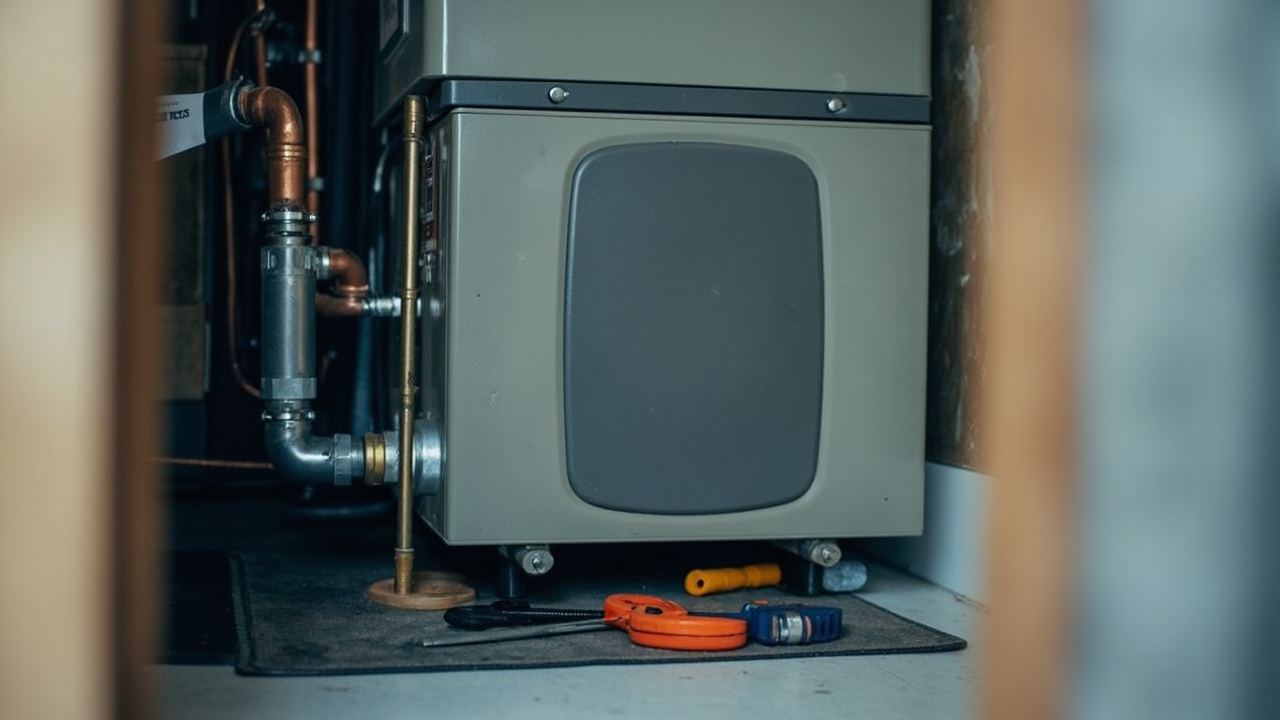
Edgewater condos typically feature concrete slab construction. While this is great for fire safety and structural integrity it acts as a perfect conductor for vibration. A small rattle in a blower motor that might go unnoticed in a wood-frame house becomes a rhythmic thumping in a high-rise unit. This is especially true in older buildings where vibration isolation pads have hardened or compressed over the decades. When the rubber mountings under a compressor lose their elasticity the mechanical energy transfers directly into the floor. This creates a low-frequency hum or banging that can be felt as much as heard.
The layout of the building also plays a role. Most Edgewater towers use a centralized water loop to manage climate control. This means your unit is connected to a massive network of vertical pipes carrying water from a boiler or cooling tower on the roof. When valves open or close rapidly within this system it can create a phenomenon known as water hammer. This sounds like someone is hitting your pipes with a literal hammer. If you hear a loud bang every time your thermostat clicks on or off you are likely experiencing the effects of pressure surges within the building riser.
Identifying the specific banging sound in your condo
Not all banging noises are created equal. To solve the problem you must first identify the texture of the sound. A heavy metallic thud is different from a light tapping or a rapid rattling. High-rise units like Water Source Heat Pumps (WSHP) and Packaged Terminal Air Conditioners (PTAC) have several moving parts that can fail in very specific ways.
| Sound Type | Likely Cause | Urgency Level |
|---|---|---|
| Heavy Metallic Bang | Compressor failure or refrigerant slugging | Immediate Attention |
| Rapid Rhythmic Tapping | Loose blower wheel or debris in fan housing | Moderate |
| Single Loud Thud on Startup | Water hammer or thermal expansion in pipes | Consult Building Engineer |
| Clicking or Chattering | Failing contactor or electrical relay | High |
If you hear a loud bang followed by the unit shutting down it often points toward the compressor. In a high-rise environment the compressor is the heart of your unit. It moves refrigerant through the coils to provide heat or cooling. If liquid refrigerant enters the compressor instead of vapor a condition called slugging occurs. This creates a massive internal shock that sounds like a hammer strike. This is a critical issue that can destroy the unit if left unaddressed. Residents in the South Loop often face similar challenges and should look for the best emergency furnace repair services in the South Loop when their systems fail during a cold snap.
Common HVAC systems found in Edgewater towers
Edgewater features a mix of architectural styles from the mid-century modern towers near Hollywood Beach to newer luxury developments. The type of system in your unit dictates why it might be making noise. Most residents will have one of three primary configurations.
- Water Source Heat Pumps (WSHP). These are the most common in modern Edgewater condos. They connect to the building water loop and use a compressor to transfer heat.
- Fan Coil Units (FCU). These units do not have a compressor. They rely on the building providing hot or cold water and simply use a fan to blow air over a coil.
- PTAC Units. Common in older buildings and hotels these are the large units that sit under a window and vent directly through the wall.

Why vertical piping causes noise in Chicago buildings
Vertical distribution of water in a 40-story building involves immense pressure. The pipes must handle the weight of the water column and the forces of thermal expansion. As the water temperature in the building loop changes the metal pipes actually grow or shrink in length. In many Edgewater buildings the pipes are held by clamps that have become brittle or loose. As the pipe expands it rubs against the wood or metal framing of your condo walls. This creates a series of loud pops or bangs that sound like they are coming from inside your HVAC unit even though they are actually in the wall. This is a common complaint in historic properties where the original infrastructure is being pushed to its limits. Property owners who want to avoid these issues should consider how Logan Square homeowners trust our team for historic property HVAC upgrades when dealing with aging infrastructure.
Technical causes of banging in condo heat pumps
If the noise is definitely coming from the mechanical cabinet of your unit several technical failures could be the culprit. A frequent issue we see in 2026 is the failure of the vibration isolation mounts. These are rubber grommets that separate the heavy compressor from the metal chassis. When they fail the compressor vibrates against the frame and creates a metallic clanging. Replacing these mounts is a standard part of high-rise maintenance but it requires specialized tools to lift the heavy compressor without damaging the refrigerant lines.
Another culprit is the blower motor assembly. The fan that moves air through your Edgewater condo is balanced with small weights. Over time dust and debris can accumulate on the blades. If a chunk of dust falls off or if the fan wheel becomes loose it will wobble and strike the housing. This produces a rapid banging or scraping sound. Because high-rise units are often located in small closets near bedrooms this noise is amplified by the surrounding walls. This is why regular cleaning of the blower assembly is non-negotiable for Chicago residents. For those planning for the future understanding central air installation costs for Lakeview Chicago homes in 2026 can help you budget for a full system replacement if your old unit becomes too noisy to repair.
The impact of Lake Michigan winds on Edgewater units
Edgewater units facing the lake deal with significant static pressure issues. When the wind howls off the lake in the winter it can push against the exhaust vents of PTAC units or the fresh air intakes of your building. This pressure can cause the fan blades to spin backward or create a whistling sound that eventually leads to a mechanical bang when the motor tries to engage against the wind force. Properly sealing the perimeter of your unit and ensuring the dampers are functional can mitigate this environmental noise. If you are worried about your system handling the next big weather event you might want to look into getting your Lincoln Park AC fixed fast before the next heat wave hits as similar principles apply to maintaining unit integrity against the elements.
Solutions for a quieter condo environment
Fixing a noisy HVAC unit starts with a professional diagnostic. Because condo units are tied into the building water loop a mistake can affect your neighbors. You should never attempt to bleed a water source heat pump or adjust the main valves without proper training. We recommend a multi-step approach to noise reduction.
| Maintenance Task | Frequency | Benefit |
|---|---|---|
| Heat Exchanger Descaling | Every 12 Months | Reduces pressure and eliminates gurgling |
| Vibration Pad Replacement | Every 5 to 7 Years | Cuts down on structural noise transfer |
| Blower Wheel Cleaning | Every 24 Months | Ensures balanced operation and quiet airflow |
| Refrigerant Charge Check | Annually | Prevents compressor slugging and banging |
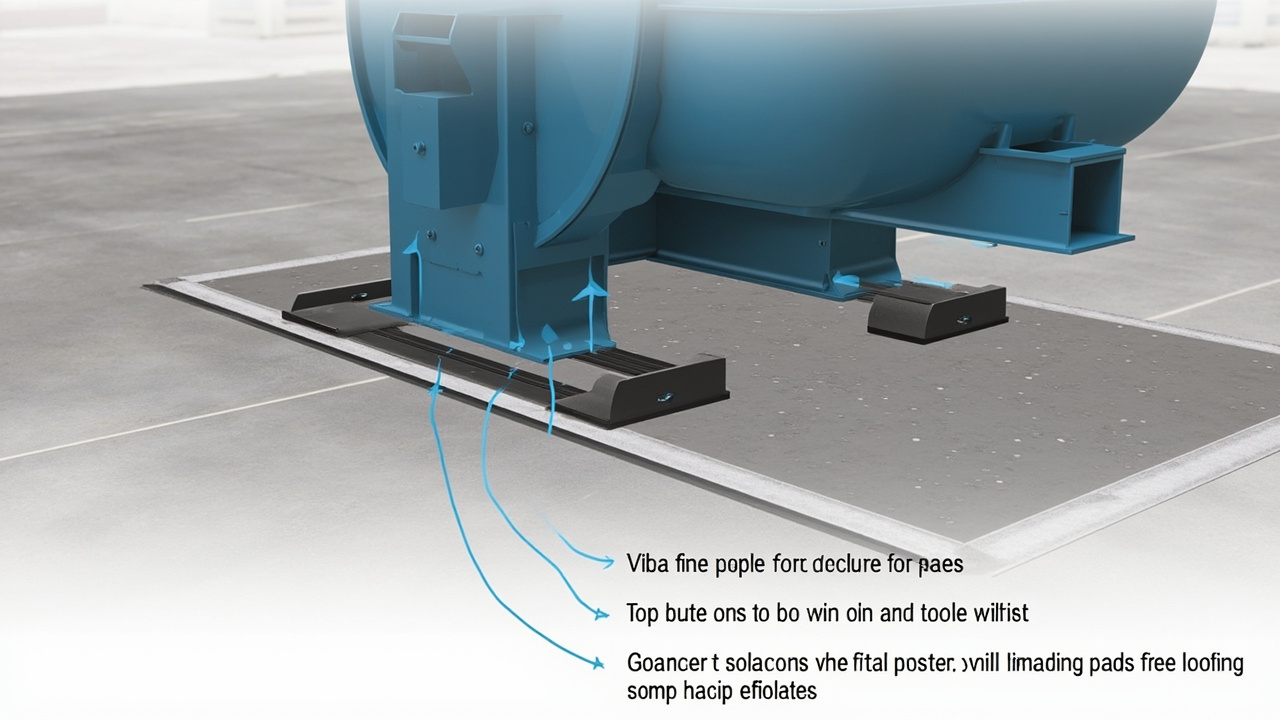
In addition to mechanical repairs you can also invest in acoustic solutions. Many residents find that installing a sound blanket around the compressor significantly drops the decibel level. These blankets are made of high-density materials that trap sound waves without causing the unit to overheat. You can also work with a technician to install a soft-start kit. This device allows the compressor to ramp up slowly instead of kicking on with a loud jolt. This is one of the most effective ways to stop the banging noise that happens at the beginning of every cooling cycle.
Dealing with the Condo Association for HVAC repairs
One of the most confusing parts of Edgewater condo living is determining who is responsible for the noise. In most Chicago buildings the rule is simple. If the component is inside your unit it is your responsibility. If the noise is coming from the riser pipes behind the drywall it is likely a common element that the building must fix. If you suspect water hammer is the cause of your banging noise you should contact your building engineer immediately. They can check the pressure reducing valves and the expansion tanks in the mechanical room. This is a common issue in the North Side where many buildings are transitioning to more efficient water management systems. If you need help with a different type of system elsewhere in the city you can find a reliable boiler repair specialist in Wicker Park and Bucktown for reliable home heating to assist with those older steam or hot water setups.
When to call a professional for high-rise HVAC service
If your unit is making a noise that sounds like metal hitting metal you should turn it off immediately. Continuing to run a unit that is banging can lead to catastrophic failure. A small repair like a loose fan blade can quickly turn into a total motor replacement if the blade breaks and shreds the internal components. In the current 2026 market the cost of parts and labor makes preventative maintenance much more attractive than emergency replacement. Professional technicians who understand high-rise systems will check the static pressure and the delta-T across your coils to ensure everything is running within factory specifications.
Organizations like the Air Conditioning Heating and Refrigeration Institute provide standards for sound levels in residential units. You can check the AHRI website for more information on how units are rated for noise. If your unit is significantly louder than its original rating it is a clear sign that mechanical wear has taken its toll. Our team has spent over 15 years working in the towers of Edgewater and we know exactly how to quiet these systems down. Whether you are in a classic building on Bryn Mawr or a modern tower on Sheridan we have the experience to diagnose and fix your noisy HVAC unit for good.
Don’t let a banging noise keep you awake at night. Give us a call today to schedule a diagnostic and bring peace back to your Chicago condo.
{
“@context”: “https://schema.org”,
“@type”: “BlogPosting”,
“headline”: “Why your Edgewater condo unit makes loud banging noises”,
“description”: “Discover why your Edgewater condo HVAC unit is making loud banging or clanking noises. Expert tips on WSHP and PTAC repair for Chicago high-rise residents.”,
“wordCount”: 1806,
“datePublished”: “2026-03-06T07:46:00.000Z”,
“dateModified”: “2026-03-06T07:46:00.000Z”,
“inLanguage”: “en-US”,
“mainEntityOfPage”: {
“@type”: “WebPage”,
“@id”: “https://5starhvacchicago.com”
},
“publisher”: {
“@type”: “LocalBusiness”,
“name”: “Five Star HVAC Chicago”,
“url”: “https://5starhvacchicago.com”
},
“author”: {
“@type”: “Organization”,
“name”: “Five Star HVAC Chicago”,
“url”: “https://5starhvacchicago.com”
},
“image”: {
“@type”: “ImageObject”,
“url”: “https://5starhvacchicago.com/wp-content/uploads/2026/03/why-your-edgewater-condo-unit-is-making-that-loud-1.jpg”
}
}
{
“@context”: “https://schema.org”,
“@type”: “HVACBusiness”,
“name”: “Five Star HVAC Chicago”,
“url”: “https://5starhvacchicago.com”,
“address”: {
“@type”: “PostalAddress”,
“addressLocality”: “Chicago”
},
“areaServed”: {
“@type”: “City”,
“name”: “Chicago”
}
}
{
“@context”: “https://schema.org”,
“@type”: “BreadcrumbList”,
“itemListElement”: [
{
“@type”: “ListItem”,
“position”: 1,
“name”: “Home”,
“item”: “https://5starhvacchicago.com”
},
{
“@type”: “ListItem”,
“position”: 2,
“name”: “Blog”,
“item”: “https://5starhvacchicago.com/blog”
},
{
“@type”: “ListItem”,
“position”: 3,
“name”: “Why your Edgewater condo unit makes loud banging noises”
}
]
}
{
“@context”: “https://schema.org”,
“@type”: “Service”,
“serviceType”: “HVAC”,
“provider”: {
“@type”: “LocalBusiness”,
“name”: “Five Star HVAC Chicago”,
“url”: “https://5starhvacchicago.com”
},
“areaServed”: {
“@type”: “City”,
“name”: “Chicago”
},
“description”: “Discover why your Edgewater condo HVAC unit is making loud banging or clanking noises. Expert tips on WSHP and PTAC repair for Chicago high-rise residents.”
}