
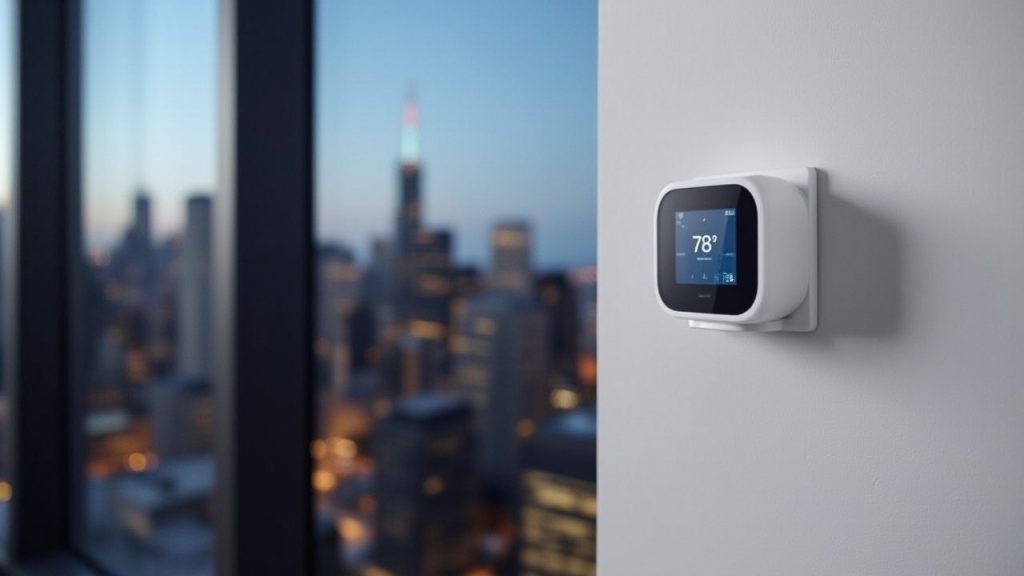
Living in the West Loop during 2026 offers a unique mix of high-end tech and urban challenges. If you reside in one of the newer glass towers near Fulton Market or a converted loft along Halsted, you know that Chicago climate control is a year-round battle. Your HVAC system is the heartbeat of your home, and the thermostat is its brain. Choosing the right smart thermostat for your modern West Loop condo requires more than just picking a popular brand. You must understand how high-rise HVAC systems differ from suburban houses. Most condos in this area utilize fan coil units or heat pumps rather than traditional furnaces. This technical distinction dictates which smart devices will actually work without damaging your equipment.
Modern West Loop residents prioritize efficiency and integration. With the current energy prices in 2026, a misconfigured thermostat can lead to hundreds of dollars in wasted electricity and gas. Furthermore, the dense Wi-Fi environment of a 30-story building can interfere with cheaper smart home gadgets. You need a device that maintains a stable connection while managing the specific multi-stage fan speeds common in high-rise buildings. This guide provides the technical insights necessary to upgrade your climate control effectively.
Understanding the HVAC systems found in West Loop high-rises
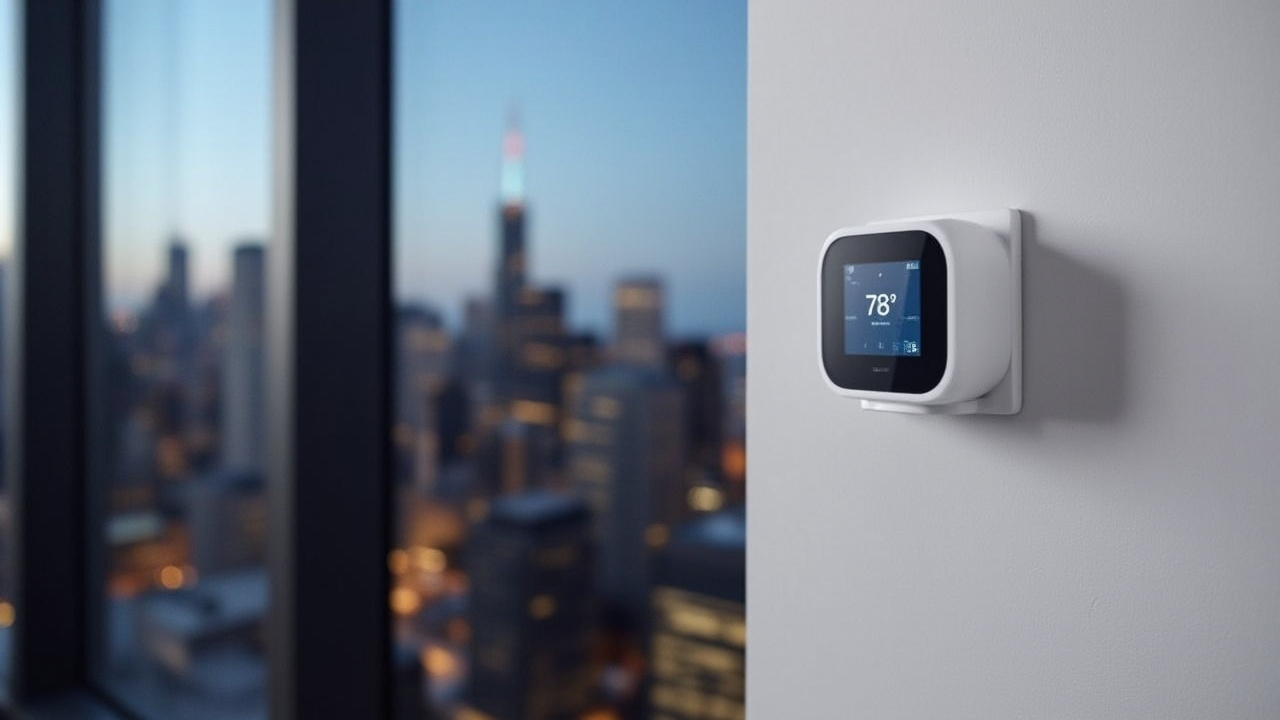
Before you purchase a device, you must identify your system type. Unlike the single-family homes in other neighborhoods, West Loop condos frequently use two-pipe or four-pipe fan coil units. A two-pipe system switches between heating and cooling for the entire building based on the season. A four-pipe system allows you to switch between heating and cooling at any time. If you install a standard thermostat meant for a residential furnace onto a fan coil unit, you might lose control of your fan speeds or fail to trigger the valve correctly. This often results in a unit that either runs constantly or fails to reach the set temperature.
Many units in newer buildings also utilize water-source heat pumps. These systems rely on a shared water loop within the building to exchange heat. These require thermostats that can manage reversing valves and specific compressor delay cycles. If your system is failing to maintain temperature, it might be more than a thermostat issue. For those living slightly south, seeking the best emergency furnace repair services in the South Loop is a common step when the hardware itself fails during a polar vortex. In the West Loop, checking your terminal box for 24V or 120V power is the first technical step.
Comparing smart thermostat compatibility for Chicago condos
The following table outlines how the leading models of 2026 handle the specific requirements of urban condo HVAC systems.
| Thermostat Model | Fan Coil Compatibility | Voltage Type | C-Wire Required |
|---|---|---|---|
| Ecobee Smart Premium | High with adapter | 24V Low Voltage | Yes |
| Google Nest Learning | Moderate | 24V Low Voltage | Recommended |
| Honeywell Home T10 Pro | Native Support | 24V Low Voltage | Yes |
| Sensi Touch 2 | Limited | 24V Low Voltage | Yes |
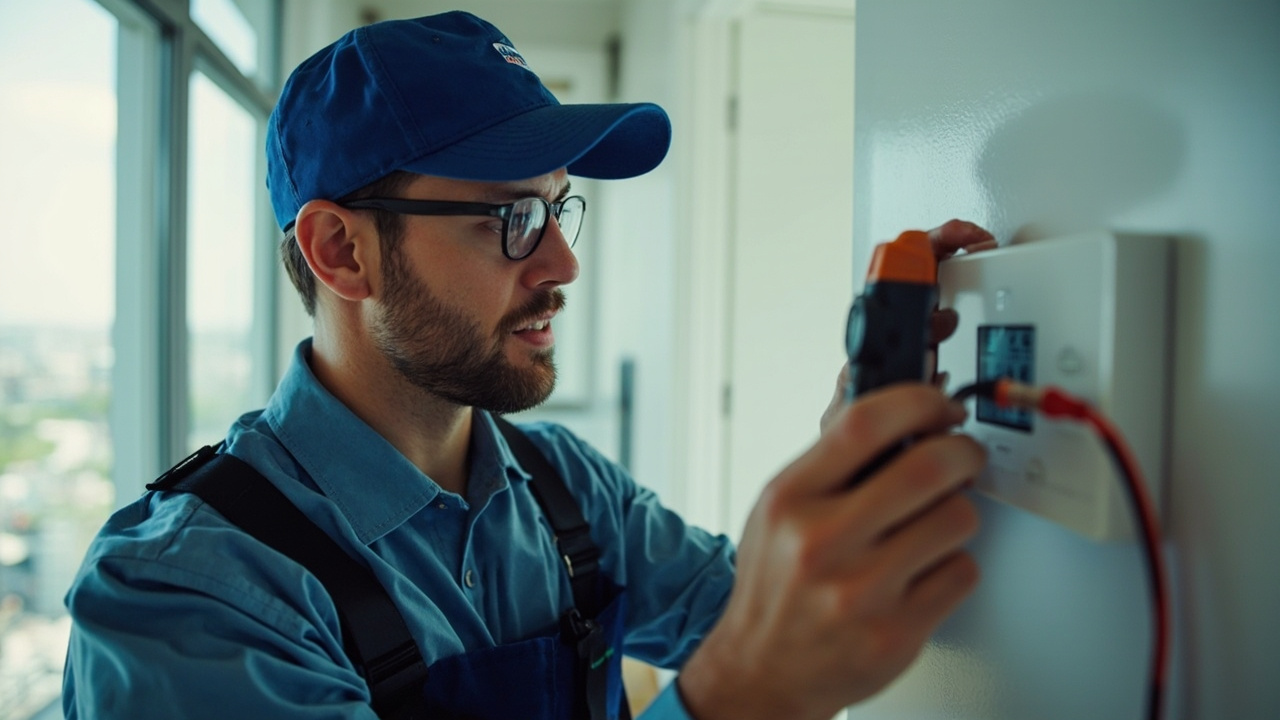
Most modern thermostats operate on 24V low voltage. However, many older West Loop lofts and some specific high-rise builds use line voltage thermostats which carry 120V or 240V directly through the wall switch. Connecting a smart thermostat meant for 24V to a 120V line will result in an immediate electrical short and potential fire hazard. Always use a multimeter to check the voltage before attempting a DIY installation. If you find high voltage, you will need a transformer or a specific line-voltage smart thermostat like those made by Mysa.
The importance of C-wires and power management
A common hurdle in West Loop condo upgrades is the absence of a common wire or C-wire. This wire provides a continuous loop of 24V power to keep the thermostat display and Wi-Fi radio running. Older buildings might only have two or four wires at the wall. While some brands claim to work without a C-wire by stealing power from the heating or cooling circuits, this often leads to a clicking noise in the HVAC unit or intermittent Wi-Fi drops. In a dense building with hundreds of competing signals, a weak power supply to your Wi-Fi chip will cause the device to go offline frequently.
If your condo is missing a C-wire, you have two options. You can hire an electrician to pull a new wire through the conduit or use a Power Extender Kit. The Ecobee Smart Premium includes this kit in the box. It allows you to use your existing four wires to provide full power to the device. For residents in nearby areas like Wicker Park, finding a reliable boiler repair specialist in Wicker Park and Bucktown for reliable home heating is often necessary because those older properties use radiators where C-wires are even rarer. In the West Loop, the conduit is usually accessible, making the upgrade simpler but still technical.
Top smart thermostat recommendations for West Loop residents
Based on field performance in Chicago high-rises during the 2026 season, three models stand out for their reliability and feature sets.
Ecobee Smart Premium for total environmental control
The Ecobee Smart Premium remains the top choice for West Loop condos because of its remote sensor technology. Condo layouts often feature floor-to-ceiling windows that create hot spots near the glass and cold spots in the bedroom. By placing a remote sensor in the bedroom, the thermostat ensures the HVAC system runs until that specific room reaches the desired temperature. It also features a built-in air quality monitor which is useful for urban dwellers concerned about city dust and allergens. Its ability to handle multi-speed fans makes it ideal for the First Co or International Environmental Corp fan coil units found in many local buildings.
Google Nest Learning Thermostat for effortless scheduling
For professionals who work in the Loop or commute via the Ogilvie Transportation Center, the Nest Learning Thermostat offers the best geofencing. It detects when you leave the building based on your phone location and shifts to Eco mode automatically. This prevents you from heating an empty condo while you are at the office. However, the Nest can be finicky with certain fan coil units that require specific fan-only commands. It is best suited for modern condos with standard heat pumps or forced air systems.
Honeywell Home T10 Pro for complex configurations
The Honeywell T10 Pro is often the preferred choice for professional installers. It lacks the flashy glass finish of the Nest but offers deep configuration menus for humidity control and ventilation. If your West Loop condo has a built-in humidifier or a heat recovery ventilator, the T10 Pro can manage those systems directly. This level of control is vital for maintaining the wood flooring often found in luxury lofts which can warp if the humidity levels drop too low during a dry Chicago winter.
Maximizing energy efficiency with ComEd rebates in 2026
Upgrading your thermostat is not just about convenience. It is a financial decision. In 2026, Commonwealth Edison or ComEd continues to offer significant incentives for residents who install ENERGY STAR certified smart thermostats. These rebates often cover a large portion of the hardware cost. Beyond the initial rebate, the energy savings in a Chicago climate are substantial. By reducing your heating and cooling by just three degrees during the hours you are at work, you can lower your monthly utility bill by double-digit percentages.
The Environmental Protection Agency provides updated guidelines on how smart thermostats contribute to national energy goals. In the West Loop, where many buildings are moving toward LEED certification, individual unit efficiency contributes to the overall building performance. If you are also considering larger upgrades to your system, checking the central air installation costs for Lakeview Chicago homes in 2026 can help you understand the broader market for HVAC investments in the city.
Technical considerations for thermostat placement
Where you place your thermostat in a West Loop condo matters as much as the model you choose. Developers often place thermostats in hallways for aesthetic reasons, but this is rarely the most accurate location for temperature readings. Follow these placement rules for the best results.
- Avoid placing the thermostat on an exterior wall where the cold Lake Michigan wind might skew the sensor.
- Keep the device away from direct sunlight coming through large floor-to-ceiling windows.
- Ensure the unit is not positioned directly above or below a supply vent.
- Mount the device approximately five feet from the floor for the most accurate average air temperature reading.
- Verify that the Wi-Fi signal is strong at the mounting location before drilling into the drywall.
If you find that your current thermostat location is problematic, you can use the remote sensors mentioned earlier. This allows the brain of the system to remain in the hallway while the actual temperature data comes from your living room or bedroom. This setup is especially effective in the open-concept floor plans common in the West Loop.
Professional installation versus DIY in high-rise buildings
While installing a thermostat might seem like a simple weekend project, high-rise buildings present unique risks. Many West Loop condos are part of associations with strict rules regarding mechanical work. A mistake during installation could potentially cause a short circuit that affects the building’s communication loop or triggers a fire alarm. If your system involves a 2-pipe fan coil, you must ensure the thermostat is programmed to allow for seasonal changeover. Failure to do this can result in the unit blowing hot air when the building has switched to chilled water mode.
Professional installation also ensures that the thermostat is properly integrated with other smart home systems like Amazon Alexa, Apple Home, or Google Home. A veteran technician will verify that the firmware is updated and that the geofencing is correctly calibrated. For those who own properties in other neighborhoods, like historic homes, the challenges are different. You might find that why Logan Square homeowners trust our team for historic property HVAC upgrades often comes down to our ability to handle vintage wiring that newer tech can struggle with.
Troubleshooting common smart thermostat issues in 2026
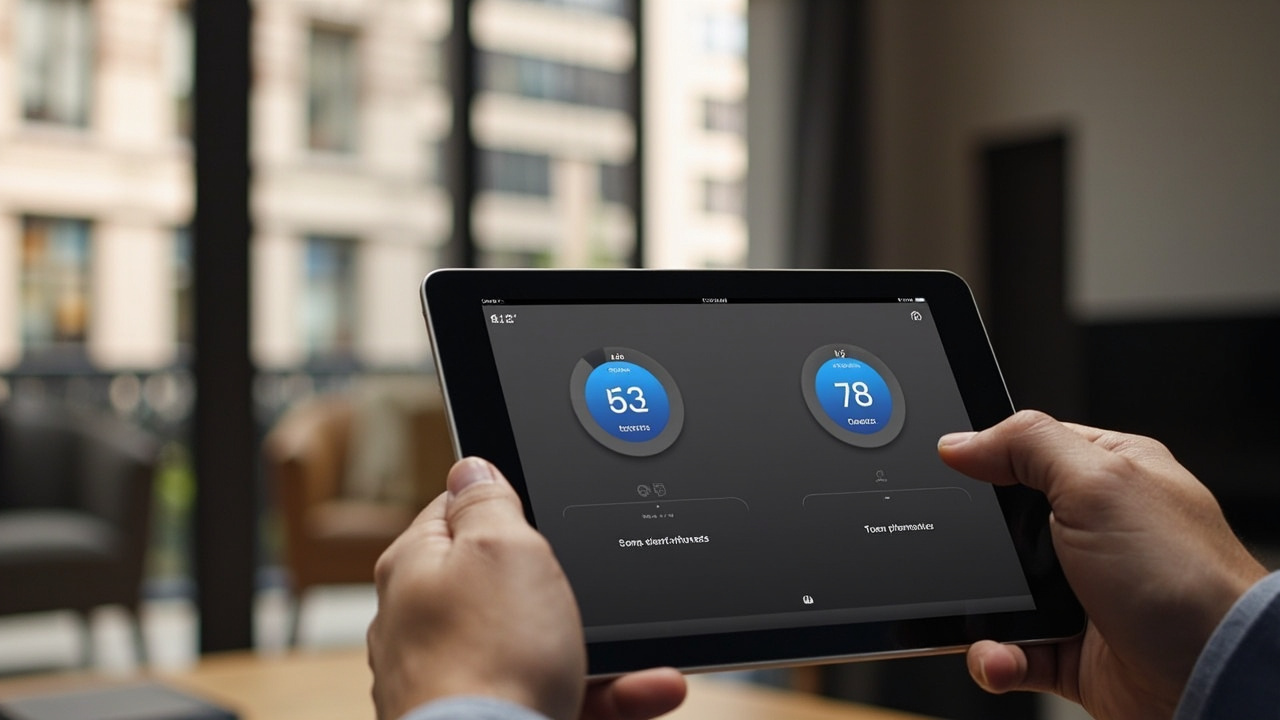
Even the best devices can experience issues due to the high-density environment of the West Loop. Use this table to diagnose and fix common problems.
| Issue | Potential Cause | Recommended Solution |
|---|---|---|
| Device goes offline frequently | Wi-Fi channel interference | Switch to a 5GHz network or add a mesh node nearby |
| AC won’t turn on | Incorrect fan coil programming | Check the technician menu for 2-pipe or 4-pipe settings |
| Screen is blank | Blown fuse or loose C-wire | Check the HVAC control board fuse and wire connections |
| Inaccurate temp readings | Drafts inside the wall conduit | Seal the hole behind the thermostat with plumbers putty |
A specific issue in West Loop condos is the draft that comes through the wall cavity. Because many buildings use pressurized hallways for fire safety, air can be pushed through the hole where the thermostat wires come out. This air is often a different temperature than the room, causing the thermostat to read incorrectly. Sealing that hole with a bit of insulation or putty is a professional trick that solves many comfort complaints. If your cooling system continues to struggle, getting your Lincoln Park AC fixed fast before the next heat wave hits is a good reminder that maintenance must happen before the weather turns extreme.
Final thoughts on West Loop thermostat upgrades
Upgrading to a smart thermostat in 2026 is one of the most effective ways to modernize your West Loop condo. It provides better comfort, lower bills, and a higher level of control over your home environment. By selecting a device that is compatible with your specific fan coil or heat pump system, you ensure long-term reliability. Always prioritize models that offer remote sensors to combat the unique temperature swings caused by large windows. Whether you choose the feature-rich Ecobee, the sleek Nest, or the reliable Honeywell, your modern condo will benefit from the increased intelligence of these devices. If you are unsure about the wiring or system type in your building, consulting with a professional who has local high-rise experience is the safest way to move forward with your installation.
{
“@context”: “https://schema.org”,
“@type”: “BlogPosting”,
“headline”: “Selecting the best smart thermostat for your West Loop condo in 2026”,
“description”: “Learn how to choose the right smart thermostat for your West Loop condo. Expert advice on fan coil units, high-rise compatibility, and 2026 ComEd rebates.”,
“wordCount”: 2003,
“datePublished”: “2026-03-02T09:54:00.000Z”,
“dateModified”: “2026-03-02T09:54:00.000Z”,
“inLanguage”: “en-US”,
“mainEntityOfPage”: {
“@type”: “WebPage”,
“@id”: “https://5starhvacchicago.com”
},
“publisher”: {
“@type”: “LocalBusiness”,
“name”: “Five Star HVAC Chicago”,
“url”: “https://5starhvacchicago.com”
},
“author”: {
“@type”: “Organization”,
“name”: “Five Star HVAC Chicago”,
“url”: “https://5starhvacchicago.com”
},
“image”: {
“@type”: “ImageObject”,
“url”: “https://5starhvacchicago.com/wp-content/uploads/2026/03/choosing-the-right-smart-thermostat-for-your-moder-1.jpg”
}
}
{
“@context”: “https://schema.org”,
“@type”: “HVACBusiness”,
“name”: “Five Star HVAC Chicago”,
“url”: “https://5starhvacchicago.com”,
“address”: {
“@type”: “PostalAddress”,
“addressLocality”: “Chicago”
},
“areaServed”: {
“@type”: “City”,
“name”: “Chicago”
}
}
{
“@context”: “https://schema.org”,
“@type”: “BreadcrumbList”,
“itemListElement”: [
{
“@type”: “ListItem”,
“position”: 1,
“name”: “Home”,
“item”: “https://5starhvacchicago.com”
},
{
“@type”: “ListItem”,
“position”: 2,
“name”: “Blog”,
“item”: “https://5starhvacchicago.com/blog”
},
{
“@type”: “ListItem”,
“position”: 3,
“name”: “Selecting the best smart thermostat for your West Loop condo in 2026”
}
]
}
{
“@context”: “https://schema.org”,
“@type”: “Service”,
“serviceType”: “HVAC”,
“provider”: {
“@type”: “LocalBusiness”,
“name”: “Five Star HVAC Chicago”,
“url”: “https://5starhvacchicago.com”
},
“areaServed”: {
“@type”: “City”,
“name”: “Chicago”
},
“description”: “Learn how to choose the right smart thermostat for your West Loop condo. Expert advice on fan coil units, high-rise compatibility, and 2026 ComEd rebates.”
}