
Geothermal Heating and Cooling Solutions for South Shore Chicago
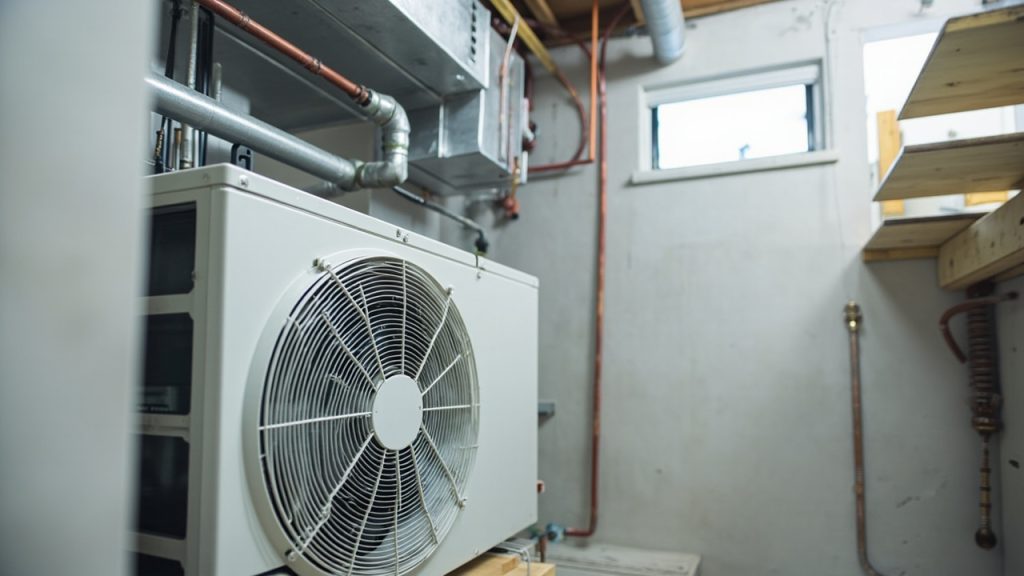
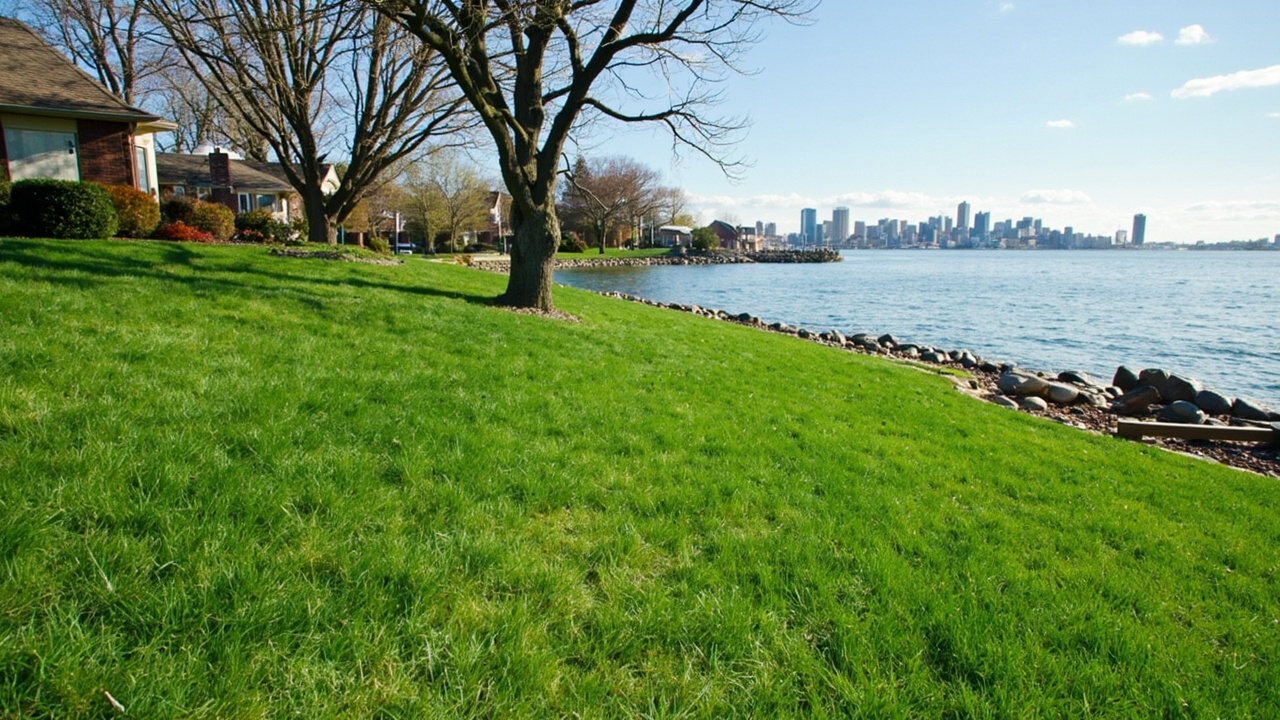
Living along the South Shore lakefront brings unique challenges and opportunities for home comfort. The proximity to Lake Michigan creates a microclimate that tests any standard HVAC system. In 2026, homeowners increasingly turn to geothermal technology to handle these demands. This system uses the steady temperature of the earth to provide heating and cooling. Unlike air source pumps that struggle when the Chicago wind chill drops, geothermal remains consistent. It pulls heat from the ground during the winter and pushes heat back into the ground during the summer. This process offers a level of efficiency that traditional furnaces and air conditioners cannot match. Properties in the South Shore Cultural Center area or near Jackson Park benefit significantly from this approach because of the specific soil conditions and property sizes available.
The transition to renewable energy in Chicago has accelerated. Owners of historic homes and new builds alike are looking for ways to reduce utility bills while maintaining comfort. Geothermal systems, also known as ground source heat pumps, are the most efficient option on the market today. They do not burn fossil fuels to create heat. Instead, they move existing heat from one place to another. This movement requires a small amount of electricity but produces significantly more energy than it consumes. While some neighbors might be looking for the best emergency furnace repair services in the South Loop to keep an old unit running, others are investing in the long term stability of a ground loop system. The initial investment is higher, but the operational costs are the lowest available in 2026.
How Geothermal Systems Master the Chicago Climate
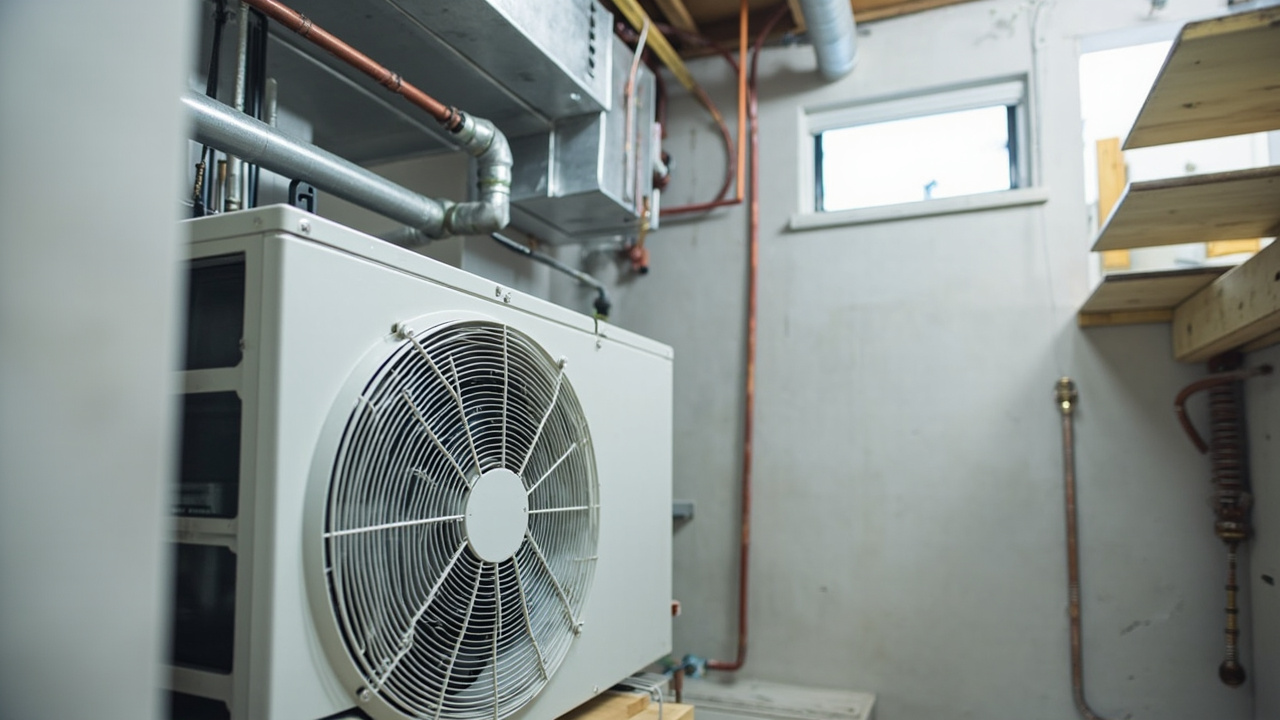
Chicago weather is famous for its extremes. In 2026, we still see sub zero days in January and humid nineties in July. Standard air source heat pumps lose efficiency as the outdoor temperature drops. By the time it hits zero degrees, many air source units rely on expensive electric backup heat. Geothermal avoids this problem entirely. About six to ten feet below the surface in Chicago, the ground stays a constant temperature of roughly 55 degrees. The system circulates a water based solution through underground pipes. This liquid absorbs the earth’s heat and carries it to the heat pump inside the home. The pump concentrates that heat and distributes it through your ductwork or radiant floor system. Because the starting point is always 55 degrees, the system does not have to work hard to reach a comfortable 72 degrees inside.
The cooling process works the same way but in reverse. The system takes the heat from your home and sends it into the cool earth. This is far more efficient than trying to dump heat into 95 degree humid air with a traditional condenser. For homes along the lakefront, the sandy and moist soil provides excellent thermal conductivity. This means the earth absorbs and releases heat even faster than dry clay. Homeowners often compare these benefits to other upgrades. For example, understanding central air installation costs for Lakeview Chicago homes in 2026 helps put the geothermal investment into perspective. While a standard AC unit might last 15 years, a geothermal heat pump lasts 25 years or more, and the ground loops can last over 50 years.
Vertical Boreholes and Tight South Shore Lots
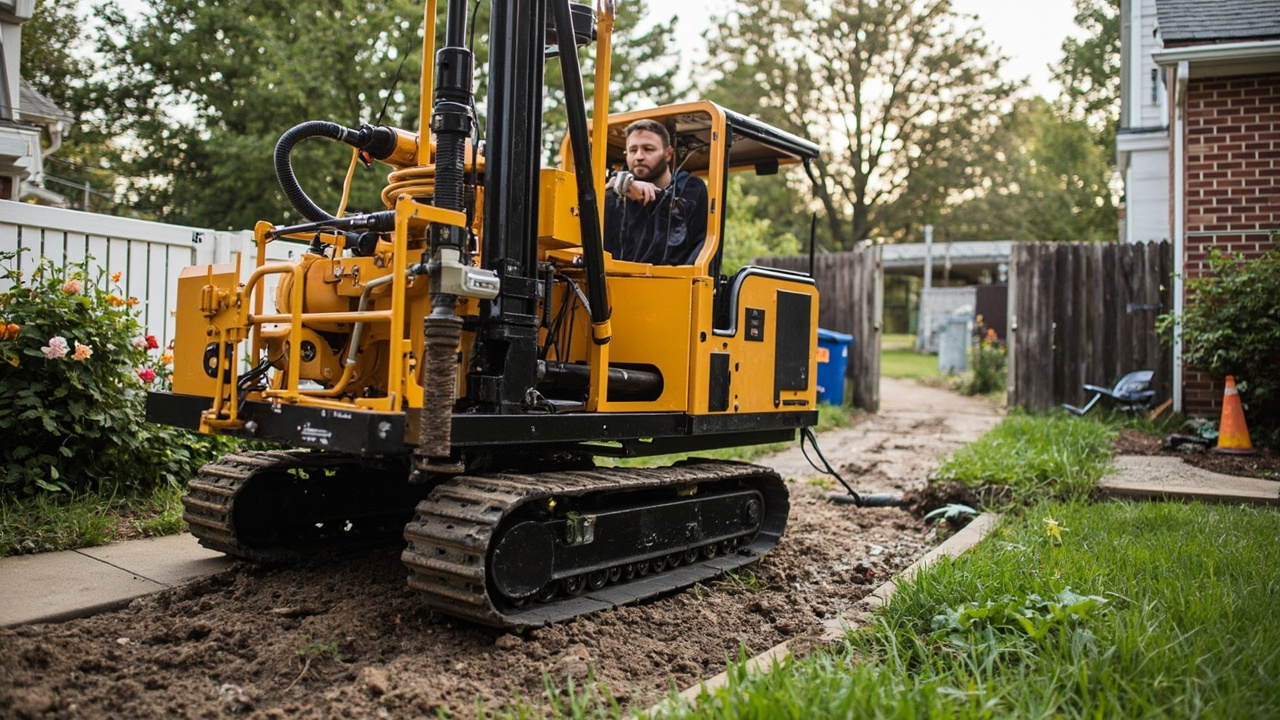
A common myth is that you need a massive yard for geothermal. In the South Shore neighborhood, many properties have limited space. We solve this by using vertical boreholes. Instead of digging wide, shallow trenches, we drill deep holes that are only a few inches wide. These holes usually go down 200 to 500 feet. A U-shaped pipe is inserted into the hole and then sealed with special grout. This grout ensures a tight thermal connection between the pipe and the surrounding earth. This method allows us to install high capacity systems on small city lots or behind historic greystones. It is a clean process that preserves your landscaping once the drilling is complete.
The drilling process in Chicago requires a deep understanding of the local geology. Near the lake, we often encounter a mix of sand, silt, and clay. These materials are excellent for heat transfer. We work closely with the City of Chicago Department of Buildings to ensure all permits and environmental regulations are met. This technical expertise is why Logan Square homeowners trust our team for historic property HVAC upgrades that require precision and care. Installing a ground loop in a dense urban environment takes more planning than a suburban install, but the results are worth the effort.
Performance Data Comparison for 2026
When evaluating HVAC options, it helps to look at the numbers. The Coefficient of Performance or COP measures how much energy a system moves compared to how much it uses. A COP of 4.0 means the system provides four units of heat for every one unit of electricity it consumes. Traditional electric heat has a COP of 1.0. Modern high efficiency gas furnaces are roughly 95 to 98 percent efficient, which is still less than 1.0 in COP terms.
| System Type | Heating Efficiency (COP) | Cooling Efficiency (EER) | Average Lifespan |
|---|---|---|---|
| Standard Gas Furnace | 0.95 | N/A | 15-20 Years |
| Air Source Heat Pump | 2.0 – 3.5 | 13 – 18 | 12-15 Years |
| Geothermal Heat Pump | 4.0 – 5.0 | 20 – 30 | 25+ Years |
| Electric Baseboard | 1.0 | N/A | 20 Years |
As the table shows, geothermal systems operate at a level that other technologies cannot reach. This efficiency translates directly into lower monthly bills. In a city like Chicago where heating costs dominate the winter budget, these savings add up quickly. Many residents who were previously getting your Lincoln Park AC fixed fast before the next heat wave hits find that geothermal provides a much more reliable and quiet cooling experience. There are no loud outdoor fans to disturb your patio time or bother the neighbors.
Financial Incentives and Tax Credits in 2026
The cost of a geothermal system is a major consideration for any South Shore homeowner. However, several financial tools make it more accessible in 2026. The Federal Investment Tax Credit remains a cornerstone of these projects. This credit allows you to deduct 30 percent of the total cost of the system from your federal taxes. This includes the heat pump, the drilling, the loop installation, and even necessary ductwork modifications. This is a dollar for dollar reduction in your tax liability, not just a deduction. When you apply this 30 percent credit, the price gap between geothermal and high end traditional HVAC narrows significantly.
Local utility companies like ComEd also offer substantial rebates for geothermal installs. These programs are designed to reduce the load on the electrical grid during peak summer months. By installing a system that uses very little power for cooling, you help the entire city’s infrastructure. Combined with the long term energy savings, most Chicago homeowners see a full return on their investment within seven to ten years. After that point, the system continues to save you thousands of dollars every year. Many people who are currently finding a reliable boiler repair specialist in Wicker Park and Bucktown are surprised to learn that geothermal can often integrate with their existing radiant heat setups, providing a modern alternative to aging boilers.
Installation Timeline and What to Expect
A typical geothermal project involves several phases. We start with a detailed load calculation for your home. This ensures the system is sized perfectly for your specific square footage and insulation levels. Over-sizing a geothermal system is a common mistake that leads to inefficiency and short cycling. We use industry standard software to get this right every time.
- Site Assessment and Design Phase: 1 to 2 weeks.
- Permitting with the City of Chicago: 2 to 4 weeks.
- Drilling and Ground Loop Installation: 3 to 5 days.
- Interior Equipment Installation: 2 to 3 days.
- System Testing and Calibration: 1 day.
The drilling phase is the most intensive part of the project. We use compact rigs designed for urban environments. These rigs can navigate narrow alleys and side yards without causing major damage. We take great care to protect your property and manage any spoils from the drilling process. Once the loops are in the ground and the headers are connected, the rest of the installation looks very similar to a standard furnace or heat pump swap. The indoor unit is often smaller than a traditional furnace and much quieter. It does not require a vent or chimney because there is no combustion happening inside the home.
Environmental Impact and Sustainable Living
For many South Shore residents, the move to geothermal is about more than just money. It is about reducing their carbon footprint. Geothermal systems are recognized by the EPA as the most environmentally safe and cost effective way to condition a home. By using the earth as a thermal battery, you are tapping into a renewable resource that is available 24 hours a day. Unlike solar or wind, geothermal does not depend on the weather. It is always there, right under your feet.
Switching to a ground source system eliminates the risk of carbon monoxide poisoning in your home. Since there is no gas line connected to the unit, there is no flame and no exhaust. This improves indoor air quality and provides peace of mind. Many of our clients in 2026 are moving toward all electric homes. Geothermal is the final piece of that puzzle. When combined with a high quality filtration system, it provides a healthy and stable environment for your family. The U.S. Department of Energy provides extensive data on how these systems contribute to national energy goals and local grid stability.
Comparing Geothermal Investment and Value
To understand the true value of geothermal, you have to look at the total cost of ownership. A cheap furnace might cost less today, but it will cost more every month for the next 15 years. It will also need to be replaced sooner. Geothermal flips this equation. You pay more at the start to ensure your monthly costs stay low for decades. This is particularly valuable for retirees in the South Shore area or those planning to stay in their homes for a long time. It adds significant resale value to the property, as future buyers in 2026 and beyond are looking for energy efficient features.
| Factor | Standard HVAC System | Geothermal System |
|---|---|---|
| Monthly Utility Cost | High (Market Volatile) | Low (Stable) |
| Maintenance Needs | Frequent (Combustion Parts) | Low (Simple Design) |
| Carbon Footprint | Significant | Minimal |
| Noise Level | Loud Outdoor Unit | Silent Operation |
The reliability of these systems is a major selling point. There are fewer moving parts to break. There is no outdoor condenser exposed to the wind, rain, and snow of a Chicago winter. Everything is either buried deep underground or protected inside your mechanical room. This protection from the elements extends the life of the components. When we talk to homeowners about the International Ground Source Heat Pump Association standards, they realize that geothermal is a proven technology that has been refined over decades to handle climates exactly like ours.
Expert Guidance for Your South Shore Home
Choosing the right HVAC system is one of the biggest decisions you will make for your home. In 2026, the options are better than ever. Geothermal offers a way to disconnect from rising gas prices and enjoy a more comfortable home. Our team has the experience needed to navigate the unique challenges of lakefront properties. We understand the soil, the codes, and the expectations of South Shore homeowners. Whether you are looking for a way to heat a historic mansion or a modern lakeside retreat, geothermal is worth a serious look. Contact us to schedule a site visit and a detailed energy analysis to see if your property is a good fit for this technology.
{
“@context”: “https://schema.org”,
“@type”: “BlogPosting”,
“headline”: “Geothermal Heating for South Shore Lakefront Homes and Why It Works”,
“description”: “Explore why geothermal heating is the top choice for South Shore lakefront homes in 2026. Learn about efficiency, drilling, and Chicago specific incentives.”,
“wordCount”: 1965,
“datePublished”: “2026-02-15T08:46:00.000Z”,
“dateModified”: “2026-02-15T08:46:00.000Z”,
“inLanguage”: “en-US”,
“mainEntityOfPage”: {
“@type”: “WebPage”,
“@id”: “https://5starhvacchicago.com”
},
“publisher”: {
“@type”: “LocalBusiness”,
“name”: “Five Star HVAC Chicago”,
“url”: “https://5starhvacchicago.com”
},
“author”: {
“@type”: “Organization”,
“name”: “Five Star HVAC Chicago”,
“url”: “https://5starhvacchicago.com”
},
“image”: {
“@type”: “ImageObject”,
“url”: “https://5starhvacchicago.com/wp-content/uploads/2026/03/why-geothermal-might-be-the-ultimate-choice-for-so-1.jpg”
}
}
{
“@context”: “https://schema.org”,
“@type”: “HVACBusiness”,
“name”: “Five Star HVAC Chicago”,
“url”: “https://5starhvacchicago.com”,
“address”: {
“@type”: “PostalAddress”,
“addressLocality”: “Chicago”
},
“areaServed”: {
“@type”: “City”,
“name”: “Chicago”
}
}
{
“@context”: “https://schema.org”,
“@type”: “BreadcrumbList”,
“itemListElement”: [
{
“@type”: “ListItem”,
“position”: 1,
“name”: “Home”,
“item”: “https://5starhvacchicago.com”
},
{
“@type”: “ListItem”,
“position”: 2,
“name”: “Blog”,
“item”: “https://5starhvacchicago.com/blog”
},
{
“@type”: “ListItem”,
“position”: 3,
“name”: “Geothermal Heating for South Shore Lakefront Homes and Why It Works”
}
]
}
{
“@context”: “https://schema.org”,
“@type”: “Service”,
“serviceType”: “HVAC”,
“provider”: {
“@type”: “LocalBusiness”,
“name”: “Five Star HVAC Chicago”,
“url”: “https://5starhvacchicago.com”
},
“areaServed”: {
“@type”: “City”,
“name”: “Chicago”
},
“description”: “Explore why geothermal heating is the top choice for South Shore lakefront homes in 2026. Learn about efficiency, drilling, and Chicago specific incentives.”
}