
The Evolution of Heating in Bronzeville Historic Homes
Bronzeville is famous for its stunning greystones and historic architecture. These buildings often rely on heating systems installed decades ago. Most greystones in the 60653 and 60615 zip codes use steam heat. While steam was once the standard for Chicago residential architecture, it often presents challenges for modern living in 2026. You might notice uneven temperatures, loud banging in the walls, or high monthly energy bills from Peoples Gas. Moving to a hot water system, also known as a hydronic system, provides a solution that matches the elegance of your home with modern performance.
Many homeowners in the area are making this switch during renovations. Whether you own a classic single family greystone or a multi-unit 2-flat, the conversion process significantly improves daily comfort. Hot water systems offer better control over the heat in each room. You can say goodbye to the days of opening windows in January because the master bedroom is too hot while the garden unit stays freezing. This guide explains why this conversion is the right choice for Bronzeville residents and how the mechanical process works in these specific Chicago structures.
Understanding the Limitations of Vintage Steam Systems
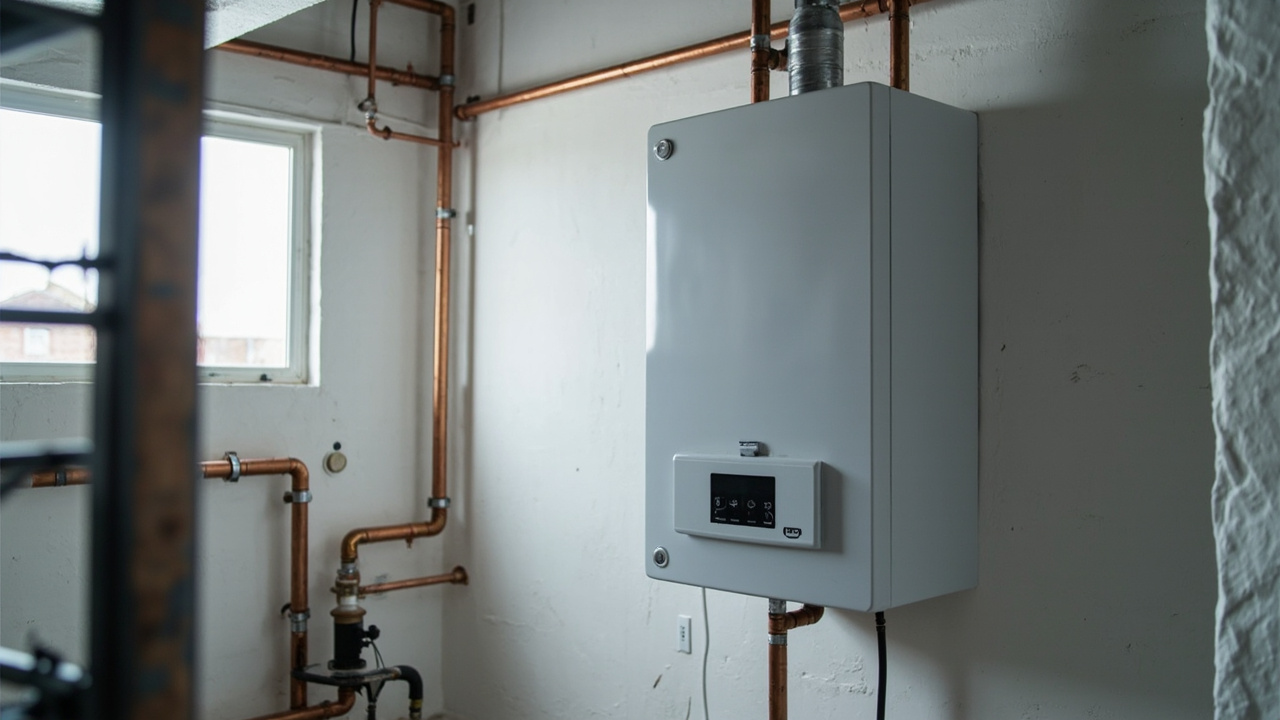
Steam systems operate at very high temperatures and rely on pressure to move heat. In a typical Bronzeville greystone, the original pipes were sized for the building before modern insulation existed. Steam radiators often hiss or clang when the air vents fail. This noise happens because steam meets cold water in the pipes, creating a hammer effect. This can wake you up at night or disturb tenants in a rental unit. Additionally, steam systems are difficult to zone. You usually have one thermostat controlling the whole building, leading to massive energy waste.
Maintenance for steam is also more intensive. You have to monitor water levels in the boiler glass constantly. If the water gets dirty, the system loses efficiency. In 2026, many homeowners prefer the low maintenance nature of hot water. Hot water systems use a pump to move water through the pipes, which is silent and far more efficient. If you have been finding a reliable boiler repair specialist in Wicker Park and Bucktown or Bronzeville, you likely already know how difficult it can be to find parts for aging steam equipment.
The Technical Benefits of Hot Water Conversion
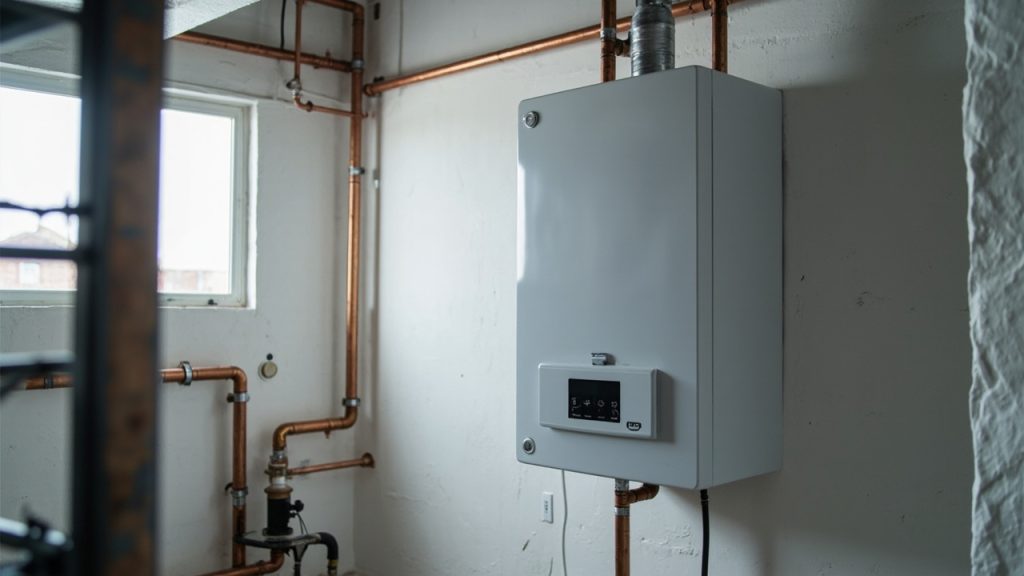
A hot water system operates as a closed loop. This means the water stays inside the system and does not evaporate like steam. Because of this, you do not have to deal with the constant introduction of fresh water, which brings in minerals that cause corrosion. Hot water also allows for more precise temperature modulation. Modern condensing boilers can adjust their flame size based on the outdoor temperature. This is called an outdoor reset. It ensures that the boiler only uses the exact amount of gas needed to keep your home warm.
The efficiency gains are substantial. Most old steam boilers in Chicago operate at around 60 percent to 70 percent efficiency. New hot water condensing boilers reach 95 percent or higher. This reduction in gas usage helps lower your carbon footprint and your monthly utility costs. For a detailed look at energy saving technologies, you can visit the U.S. Department of Energy page on hydronic heating. This level of efficiency is a major selling point if you plan to sell your greystone in the future.
Comparing Steam and Hot Water Systems
The following table illustrates the performance differences you can expect after a conversion.
| Feature | Existing Steam System | Converted Hot Water System |
|---|---|---|
| Heat Delivery | High temperature pulses | Continuous, gentle warmth |
| Operating Noise | Clanging, hissing, and gurgling | Silent operation |
| Efficiency Rating | 60 percent to 75 percent AFUE | 90 percent to 98 percent AFUE |
| Zoning Ability | Very difficult and expensive | Simple with zone valves or pumps |
| Maintenance Needs | Weekly water checks and flushing | Annual professional inspection |
The Steps to Convert Your Greystone
Converting a heating system in a masonry building requires careful planning. You cannot just swap the boiler. The process involves several key stages to ensure the old pipes and radiators can handle the new flow of water.
- The system evaluation involves checking every radiator and pipe for leaks.
- Technicians remove the old, heavy cast iron steam boiler from the basement.
- The team installs a new high-efficiency boiler, such as a Lochinvar or Weil-McLain model.
- Piping is updated to include a circulator pump and an expansion tank.
- Steam radiators are retrofitted with new valves and vents to allow water to circulate properly.
- The system is flushed and pressure tested to prevent leaks in the historic walls.
If you are also considering cooling upgrades, this is a great time to look at your options. Many homeowners find that getting your Lincoln Park AC fixed fast before the next heat wave hits or planning for a new system in Bronzeville is easier when the walls are already open for heating work. Combined comfort systems are becoming the standard for 2026 renovations.
Retrofitting Cast Iron Radiators
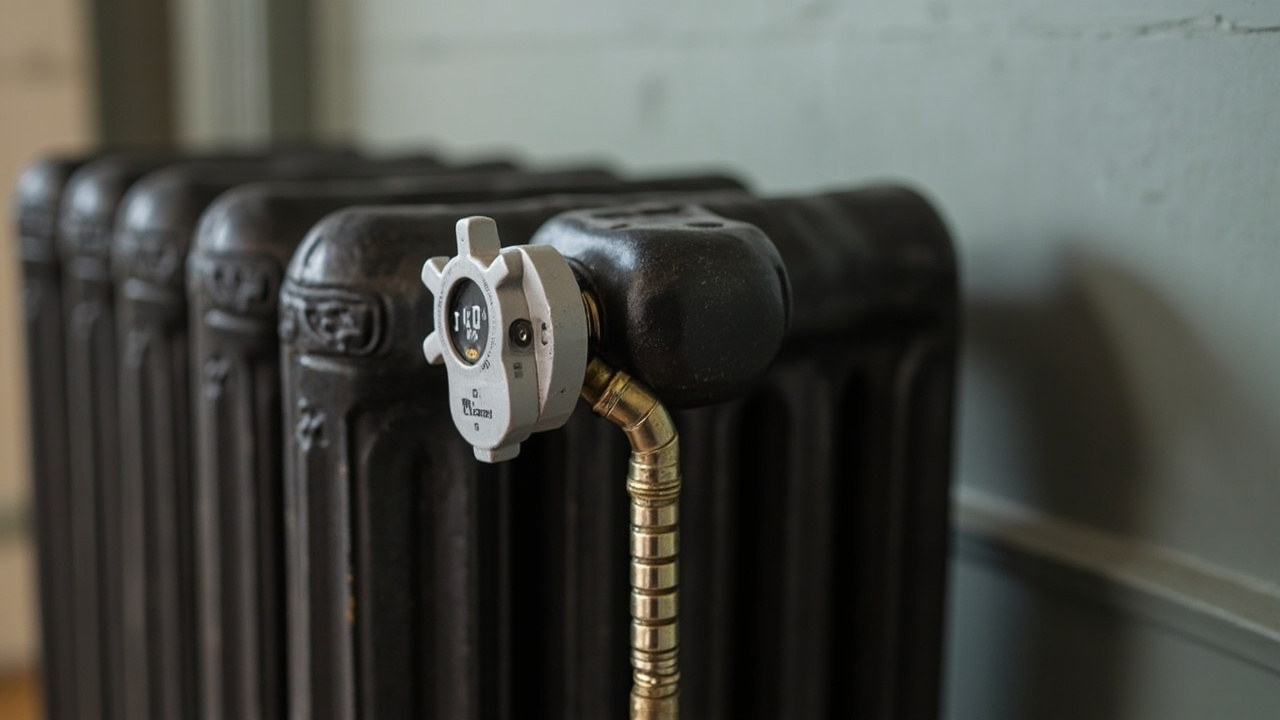
One of the best parts of a Bronzeville greystone is the original cast iron radiators. You do not have to get rid of them. These radiators are incredibly effective at holding heat. During a conversion, we often reuse these units. We must add a specific type of valve called a Thermostatic Radiator Valve or TRV. This allows you to control the temperature of each individual radiator. If the radiator is a one-pipe steam style, we might need to drill and tap it to add a second connection for the water to return to the boiler.
Cleaning these radiators is essential. Over the last century, sludge and rust build up inside. We flush them with high-pressure water before connecting them to the new boiler. This prevents debris from clogging the new high-efficiency heat exchanger. Reusing these radiators maintains the historic aesthetic of your home while giving you the performance of a modern system. This is why many Logan Square homeowners trust our team for historic property HVAC upgrades, as we understand the value of preserving vintage features.
Timeline for a Full Conversion Project
A conversion in a typical Chicago greystone usually takes about one to two weeks. The duration depends on the number of radiators and the condition of the existing pipes. We try to schedule these projects in the spring or fall to avoid leaving your family without heat during a deep freeze. However, if your system fails mid-winter, we can provide temporary heating solutions.
| Phase of Work | Estimated Duration | Major Activities |
|---|---|---|
| Demolition and Removal | 1 to 2 Days | Draining system and hauling away the old boiler |
| Mechanical Room Setup | 3 to 4 Days | Installing the new boiler, pumps, and manifold |
| Radiator Retrofitting | 2 to 3 Days | Changing valves and cleaning the cast iron units |
| Piping and Testing | 2 Days | Pressure testing and balancing the heat flow |
Specific Challenges for Bronzeville Masonry Buildings
Greystones present unique challenges because of their thick limestone and brick walls. Traditional ductwork for forced air is often impossible to install without dropping ceilings and losing historic crown molding. This is why hot water heat is superior. Small copper or PEX pipes can be run through existing floor joists with minimal damage to the plaster. If you are in the middle of an emergency, knowing where to find the best emergency furnace repair services in the South Loop or Bronzeville is helpful, but a proactive conversion prevents those emergencies from happening.
The basements in Bronzeville are another factor. Some have very low ceilings or tight crawlspaces. Modern condensing boilers are wall-mounted and much smaller than the old steam units. This frees up floor space, allowing you to finish your basement or add extra storage. We also have to ensure the venting meets City of Chicago codes. New boilers vent through plastic PVC pipes out the side of the house, which means we no longer need to rely on the old, crumbling brick chimney.
Energy Efficiency Rebates and Financial Incentives
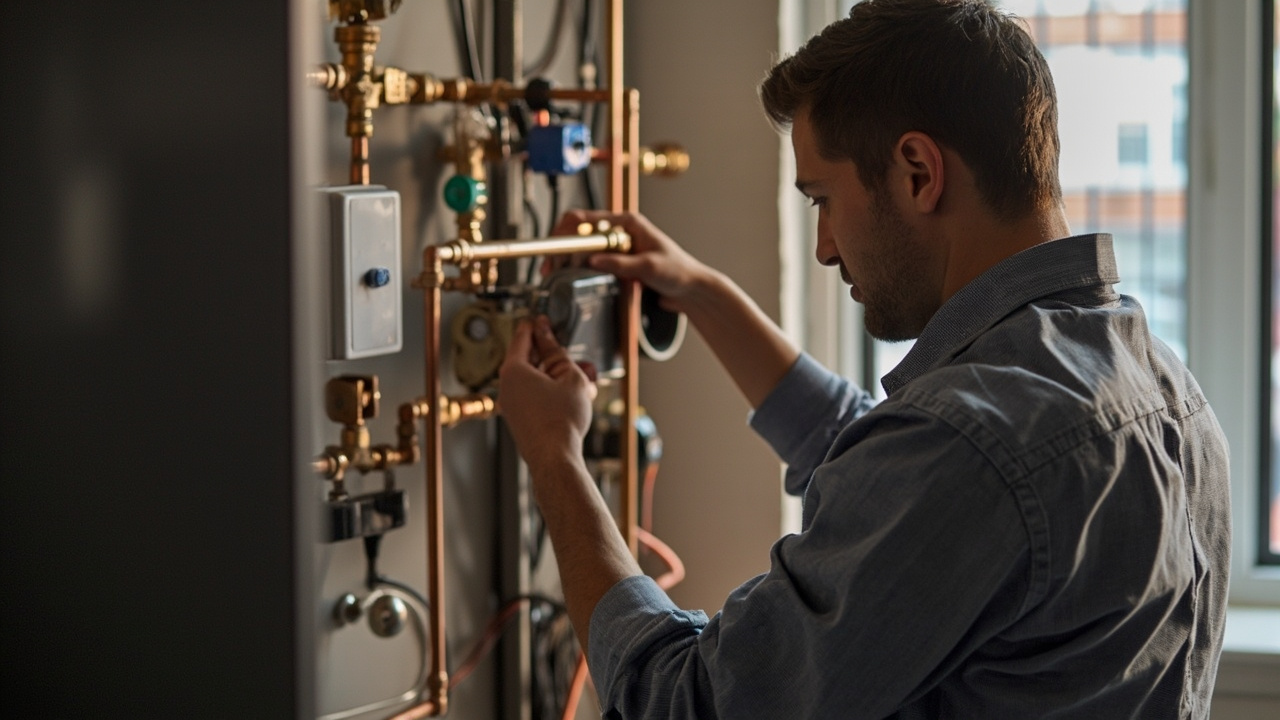
In 2026, there are several programs designed to help Chicago homeowners offset the cost of these upgrades. Peoples Gas offers rebates for the installation of high-efficiency boilers. These rebates can cover a significant portion of the equipment cost. Additionally, federal tax credits for energy efficiency are currently available. These credits reward you for choosing a boiler with a high AFUE rating. When you factor in the monthly gas savings, the conversion often pays for itself over several years.
While the initial investment is higher than a simple boiler swap, the long-term value added to your greystone is undeniable. Buyers in the current market look for homes with modernized mechanicals. If you are curious about broader project costs, you can look at central air installation costs for Lakeview Chicago homes in 2026 to see how heating and cooling budgets compare for vintage properties. Investing in your heating system is the most effective way to protect the structural integrity of your building by preventing pipe bursts and moisture issues associated with old steam leaks.
Maintenance for Your New Hydronic System
Once your conversion is complete, the system is much easier to manage. You will no longer need to add water every week. The system includes an automatic feed valve that maintains the correct pressure. We recommend an annual checkup before the heating season begins. During this visit, we check the pump operation, clean the burner, and ensure the expansion tank is working. This simple maintenance keeps your system running at peak efficiency for 20 years or more.
The water quality inside the system is also monitored. We often add a magnetic filter to the return line. This filter catches any tiny particles of iron from the old radiators before they can reach the boiler. This protection is critical for the longevity of modern equipment. By taking these steps, you ensure that your Bronzeville greystone remains a warm and quiet sanctuary for your family regardless of how cold the Chicago winter gets.
Making the Choice for a Better Home Environment
Converting from steam to hot water is a major decision, but it is one that fundamentally changes how you experience your home. You move from a system that you have to manage to one that works for you. The warmth is more consistent, the operation is silent, and the utility bills are lower. For anyone living in a historic Bronzeville greystone, this is the most effective mechanical upgrade you can perform. You preserve the history of the building while enjoying the technology of 2026. If you are ready to stop the clanging and start saving, contact a local specialist who understands the nuances of Chicago greystone architecture.
{
“@context”: “https://schema.org”,
“@type”: “BlogPosting”,
“headline”: “Upgrading your Bronzeville Greystone from Steam to Hot Water Heat”,
“description”: “Learn how to convert your Bronzeville greystone from noisy steam to efficient hot water heat. Improve comfort and lower Peoples Gas bills in your 60653 home.”,
“wordCount”: 1772,
“datePublished”: “2026-02-14T08:13:00.000Z”,
“dateModified”: “2026-02-14T08:13:00.000Z”,
“inLanguage”: “en-US”,
“mainEntityOfPage”: {
“@type”: “WebPage”,
“@id”: “https://5starhvacchicago.com”
},
“publisher”: {
“@type”: “LocalBusiness”,
“name”: “Five Star HVAC Chicago”,
“url”: “https://5starhvacchicago.com”
},
“author”: {
“@type”: “Organization”,
“name”: “Five Star HVAC Chicago”,
“url”: “https://5starhvacchicago.com”
},
“image”: {
“@type”: “ImageObject”,
“url”: “https://5starhvacchicago.com/wp-content/uploads/2026/03/converting-your-bronzeville-greystone-from-steam-t-1.jpg”
}
}
{
“@context”: “https://schema.org”,
“@type”: “HVACBusiness”,
“name”: “Five Star HVAC Chicago”,
“url”: “https://5starhvacchicago.com”,
“address”: {
“@type”: “PostalAddress”,
“addressLocality”: “Chicago”
},
“areaServed”: {
“@type”: “City”,
“name”: “Chicago”
}
}
{
“@context”: “https://schema.org”,
“@type”: “BreadcrumbList”,
“itemListElement”: [
{
“@type”: “ListItem”,
“position”: 1,
“name”: “Home”,
“item”: “https://5starhvacchicago.com”
},
{
“@type”: “ListItem”,
“position”: 2,
“name”: “Blog”,
“item”: “https://5starhvacchicago.com/blog”
},
{
“@type”: “ListItem”,
“position”: 3,
“name”: “Upgrading your Bronzeville Greystone from Steam to Hot Water Heat”
}
]
}
{
“@context”: “https://schema.org”,
“@type”: “Service”,
“serviceType”: “HVAC”,
“provider”: {
“@type”: “LocalBusiness”,
“name”: “Five Star HVAC Chicago”,
“url”: “https://5starhvacchicago.com”
},
“areaServed”: {
“@type”: “City”,
“name”: “Chicago”
},
“description”: “Learn how to convert your Bronzeville greystone from noisy steam to efficient hot water heat. Improve comfort and lower Peoples Gas bills in your 60653 home.”
}