
Living in a Norwood Park bungalow or a classic Chicago frame home offers a lot of charm but the basement often presents a massive comfort challenge. Many residents on the Northwest Side convert these spaces into guest rooms or home offices only to find the air feels heavy and smells like a wet basement within a few months. Cooling a finished basement Chicago properties require involves more than just adding a vent to your existing furnace. You are fighting physics because the ground stays at a constant cool temperature while the humid Chicago air creates a condensation nightmare against your foundation walls.
The damp cave feeling happens when warm air enters the cool basement and loses its ability to hold moisture. This moisture settles on your flooring and furniture. If you want to transform that space into a truly livable area in 2026 you must address both the temperature and the relative humidity levels. Professional HVAC solutions in the city have changed significantly this year with new refrigerant standards and higher efficiency requirements for all installations. Your neighbors near Higgins Avenue and Northwest Highway are likely dealing with the same clay soil and high water table issues that lead to these basement comfort problems.
The specific physics of Chicago basement humidity
Chicago basements sit deep in the ground where the soil remains roughly fifty five degrees year round. When the summer heat hits Norwood Park and the humidity climbs near eighty percent that heavy air finds its way into your home. As that warm air touches the cool basement walls it hits the dew point. This creates liquid water on surfaces that you might not even see until mold starts to grow behind your drywall. This is why a finished basement feels clammy even if the thermostat says seventy degrees.
Properly managing this environment requires a strategy that goes beyond standard air conditioning. You need a system that can move air constantly to prevent stagnant pockets of moisture. In 2026 we see more homeowners opting for integrated solutions that talk to each other through smart home hubs. This ensures that your cooling system and your dehumidification system are not fighting each other for control of the room. This integrated approach is especially important in older Norwood Park homes where original ductwork was never sized for the extra square footage of a finished basement.
Comparing basement cooling and moisture control options
Selecting the right equipment depends on how you use the space and your existing home infrastructure. Some residents might just need a small boost in airflow while others require a dedicated system that operates independently from the rest of the house. The following table compares the most common methods we use to solve the damp cave problem in 2026.
| System Type | Ideal Use Case | Installation Time | Moisture Control Rating |
|---|---|---|---|
| Ductless Mini Split | Full basement suites or home offices | 1 day | Excellent |
| Whole Home Dehumidifier | Basements with existing ductwork | 1 to 2 days | Superior |
| Ductwork Extension | Open concept basements during renovation | 3 to 5 days | Moderate |
| Heat Pump Hybrid | Year round living spaces | 2 days | High |
Why ductless mini splits are the gold standard for Norwood Park
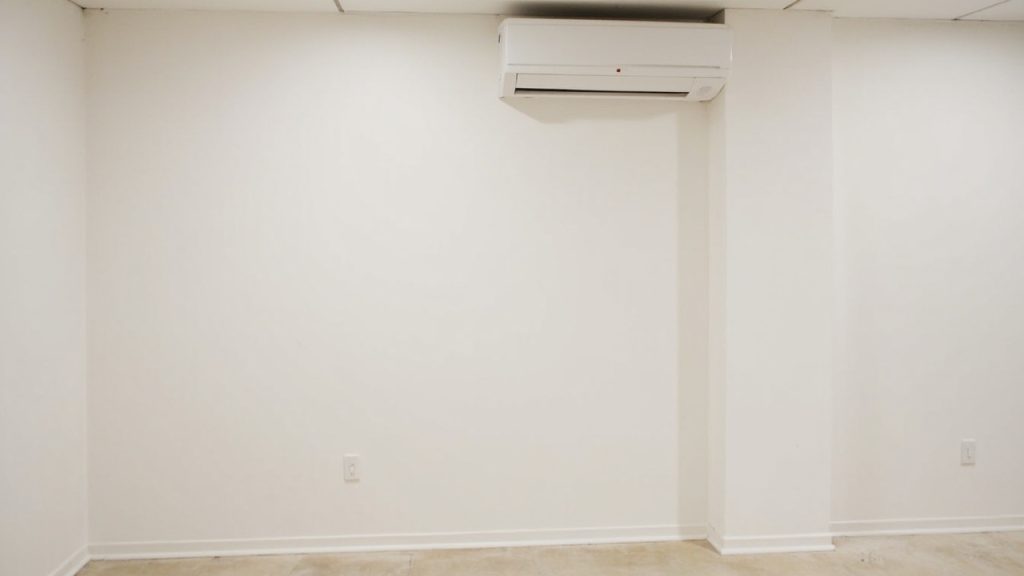
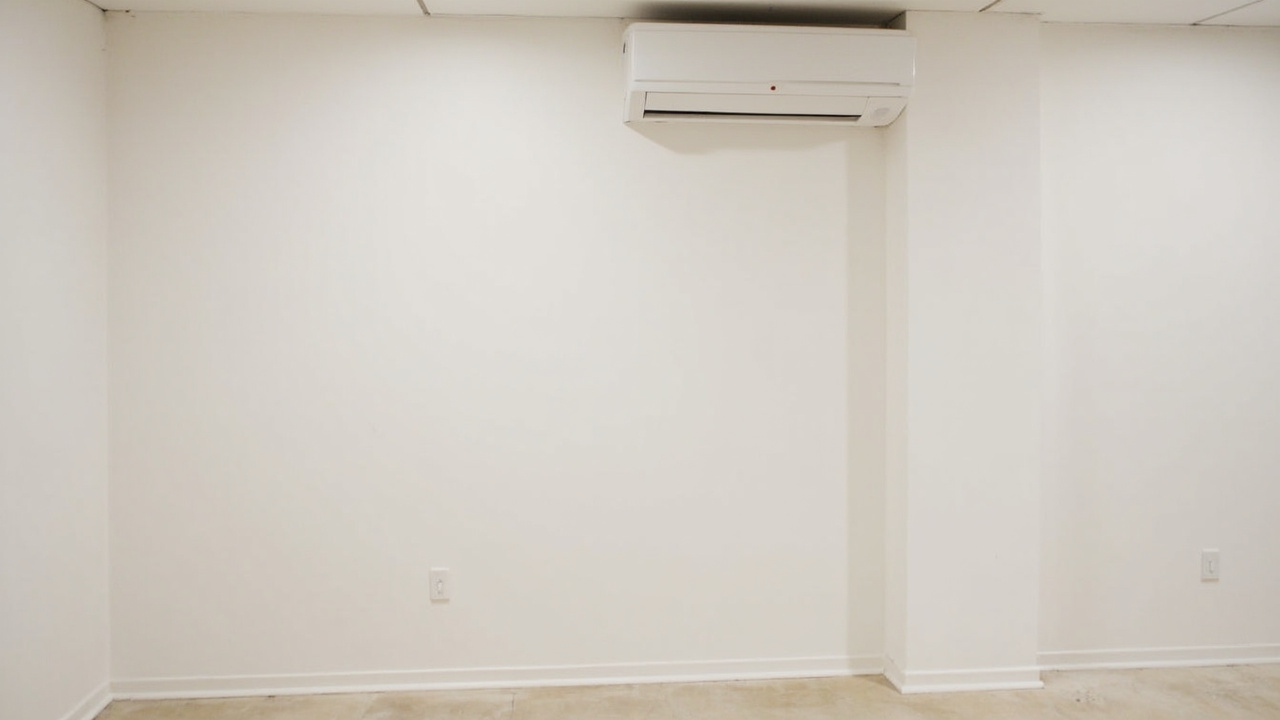
Many Norwood Park homeowners choose ductless mini split systems because they provide independent control. If you are using your basement as a gym you might want the temperature at sixty five degrees while the rest of your home stays at seventy two. A mini split allows this without forcing your main AC unit to work overtime. These systems also have a dedicated dry mode that removes massive amounts of water from the air without overcooling the space. This feature is the primary tool for how to keep your Norwood Park finished basement from feeling like a damp cave.
Installing these systems requires an outdoor condenser and an indoor air handler mounted on the wall. In 2026 these units are incredibly quiet which is vital if you live near the train lines or under the O’Hare flight paths in the Northwest Side. You can find more information about how these modern systems compare to older technology at the U.S. Department of Energy website. The high efficiency of these units often makes them eligible for current utility incentives that help offset the initial investment.
The role of whole home dehumidification
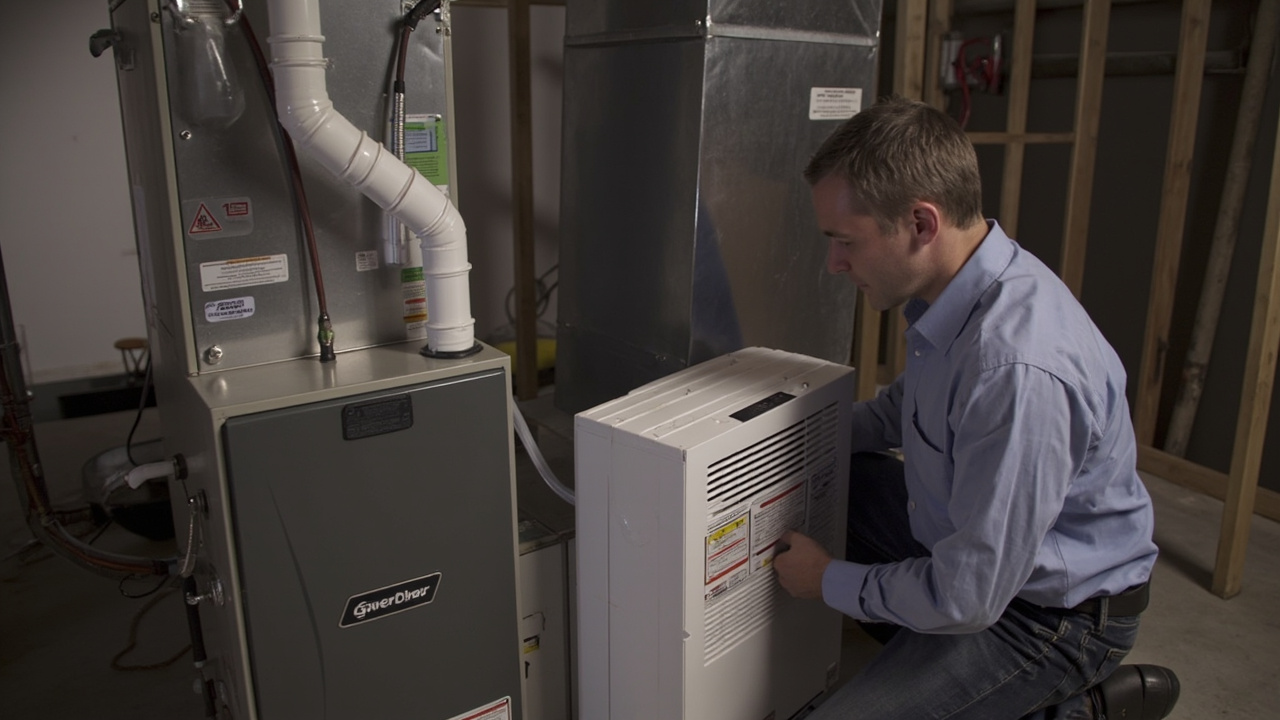
If your basement already has vents but still feels damp a standalone dehumidifier is likely not enough. Portable units from big box stores are loud and require you to empty a bucket every few hours. In 2026 we recommend whole home dehumidifiers that tie directly into your HVAC system. These units can remove up to one hundred pints of water per day and drain directly into your sump pump or floor drain. This keeps your humidity levels between forty and fifty percent which is the sweet spot for preventing that cave feeling.
High humidity levels also put a strain on your cooling system. When the air is dry your AC does not have to work as hard to make you feel comfortable. This prolongs the life of your equipment. If you are already looking at central air installation costs for Lakeview Chicago homes in 2026 you should consider adding dehumidification to the quote to protect your investment. Managing the latent heat load of a basement is the only way to ensure the space remains usable through a typical Chicago August.
Airflow and ventilation requirements for 2026
Stagnant air is the enemy of a comfortable basement. Even with a good AC system you need to ensure the air is moving through every corner of the room. Many Chicago basements suffer from air pockets behind furniture or in closets where moisture builds up and creates odors. Increasing the air changes per hour or ACH is a technical necessity for a healthy indoor environment. This often involves installing return air vents at the floor level to pull the coldest dampest air back into the system for conditioning.
In modern 2026 construction we often use Energy Recovery Ventilators or ERVs. These devices bring in fresh outdoor air while pre conditioning it with the energy from the air being exhausted. This prevents the basement from smelling stale. If you have been finding a reliable boiler repair specialist in Wicker Park and Bucktown for reliable home heating you might already know that older homes lack the natural ventilation found in modern builds. Adding an ERV to your Norwood Park home provides that fresh air without skyrocketing your utility bills.
Recommended humidity levels for Chicago basements
Maintaining the correct moisture balance is a science. If the air is too dry you will deal with static electricity and wood furniture cracking. If it is too wet you get the cave feeling and potential mold. The following table shows the target ranges we look for during a professional basement climate assessment.
| Relative Humidity Percentage | Comfort Level | Risk Factors |
|---|---|---|
| Below 30% | Too Dry | Dry skin and woodwork damage |
| 30% to 50% | Ideal | Maximum comfort and health |
| 50% to 60% | Acceptable | Slightly heavy feeling in summer |
| Above 60% | Dangerous | High risk for mold and dust mites |
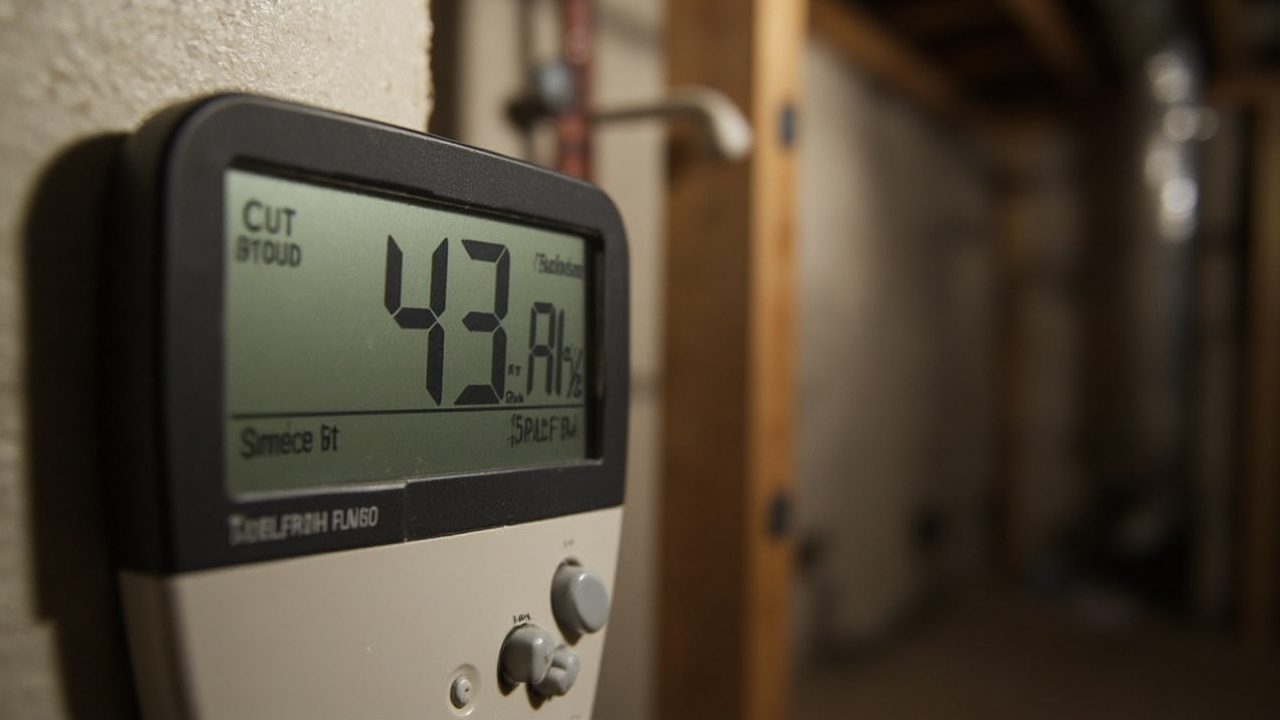
You can monitor these levels with a simple hygrometer from any local hardware store. If you notice your basement consistently stays above sixty percent you need to take action before it damages your drywall or subflooring. The Environmental Protection Agency provides detailed guides on why these ranges matter for your long term health.
Steps to dehumidify and cool your basement effectively
If you are ready to fix your Norwood Park basement follow this priority list to get the best results for your money. These steps address both the symptoms and the root causes of the cave like atmosphere.
- Seal the foundation cracks first to prevent liquid water from seeping through the clay soil.
- Upgrade your sump pump to a high capacity model with a battery backup to ensure the basement stays dry during heavy Chicago storms.
- Install a dedicated HVAC zone for the basement using a mini split or zoned ductwork dampers.
- Run a whole house dehumidifier that is rated for the square footage of your entire lower level.
- Ensure your dryer vent and any bathroom fans are properly exhausting to the outdoors and not into your crawlspace or attic.
- Replace old basement windows with high efficiency units that prevent humid air infiltration.
Focusing on these areas will yield the most significant improvement in air quality. If you are dealing with a historic property you may face additional challenges with space for ductwork. This is why Logan Square homeowners trust our team for historic property HVAC upgrades and why we apply those same specialized techniques to the classic bungalows of Norwood Park. We understand how to work within the constraints of solid masonry walls and low ceiling heights.
Common mistakes in basement climate control
One of the biggest mistakes we see in 2026 is homeowners trying to use a portable air conditioner with a hose running out a window. These units are extremely inefficient and actually create a vacuum effect that pulls more humid air into the basement from the outside. Another error is overcooling the space. If you lower the temperature without removing the moisture you just create a cold damp environment that is even more uncomfortable than a warm one. This is often referred to as the refrigerator effect.
Another issue involves the insulation used in finished basements. If you use fiberglass batts against a concrete wall they can act like a sponge for moisture. In 2026 Chicago building codes emphasize the use of closed cell spray foam or rigid foam boards that provide an integrated vapor barrier. This prevents the air from your basement from ever reaching the cold concrete foundation. This is a critical step in how to keep your Norwood Park finished basement from feeling like a damp cave.
Seasonal maintenance for your basement HVAC system
Your basement systems require regular attention to stay effective. Because basements are naturally dustier than the rest of the house you should change your air filters more frequently. Dust and debris can clog the condensate drain lines of your AC or dehumidifier which leads to water leaks and increased humidity. We recommend a professional inspection twice a year to ensure your systems are ready for the extreme shifts in Chicago weather. If you find yourself in a situation where your main system fails during a heat wave you might need getting your Lincoln Park AC fixed fast before the next heat wave hits to prevent the basement from becoming a humidity trap.
In the winter the basement presents the opposite problem. It can become extremely dry while the walls remain cold. A balanced system will help circulate warm air from your furnace or heat pump to keep the floors comfortable. If you experience a complete heating failure during a January cold snap you need to move quickly to prevent pipes from freezing in those exterior basement walls. Knowing where to find the best emergency furnace repair services in the South Loop and surrounding neighborhoods ensures you have a backup plan when the temperature drops below zero.
The value of a dry and cool basement
Transforming your basement into a comfortable living space adds significant value to your Norwood Park home. In 2026 buyers are looking for move in ready spaces that do not require additional remediation work. By investing in proper cooling and humidity control you protect your home from mold damage and create a healthy environment for your family. The difference between a damp cave and a luxury basement suite comes down to how you handle the air. With the right combination of high efficiency equipment and smart ventilation you can enjoy your entire home regardless of the weather outside. If you notice a musty smell or a clammy feeling when you walk downstairs it is time to evaluate your HVAC strategy and implement a professional solution.
{
“@context”: “https://schema.org”,
“@type”: “BlogPosting”,
“headline”: “How to keep your Norwood Park finished basement from feeling like a damp cave”,
“description”: “Stop the damp cave feeling in your Norwood Park basement. Learn expert cooling and humidity control tips for 2026 including mini-splits and dehumidification.”,
“wordCount”: 1978,
“datePublished”: “2026-02-13T11:15:00.000Z”,
“dateModified”: “2026-02-13T11:15:00.000Z”,
“inLanguage”: “en-US”,
“mainEntityOfPage”: {
“@type”: “WebPage”,
“@id”: “https://5starhvacchicago.com”
},
“publisher”: {
“@type”: “LocalBusiness”,
“name”: “Five Star HVAC Chicago”,
“url”: “https://5starhvacchicago.com”
},
“author”: {
“@type”: “Organization”,
“name”: “Five Star HVAC Chicago”,
“url”: “https://5starhvacchicago.com”
},
“image”: {
“@type”: “ImageObject”,
“url”: “https://5starhvacchicago.com/wp-content/uploads/2026/03/how-to-keep-your-norwood-park-finished-basement-fr-1.jpg”
}
}
{
“@context”: “https://schema.org”,
“@type”: “HVACBusiness”,
“name”: “Five Star HVAC Chicago”,
“url”: “https://5starhvacchicago.com”,
“address”: {
“@type”: “PostalAddress”,
“addressLocality”: “Chicago”
},
“areaServed”: {
“@type”: “City”,
“name”: “Chicago”
}
}
{
“@context”: “https://schema.org”,
“@type”: “BreadcrumbList”,
“itemListElement”: [
{
“@type”: “ListItem”,
“position”: 1,
“name”: “Home”,
“item”: “https://5starhvacchicago.com”
},
{
“@type”: “ListItem”,
“position”: 2,
“name”: “Blog”,
“item”: “https://5starhvacchicago.com/blog”
},
{
“@type”: “ListItem”,
“position”: 3,
“name”: “How to keep your Norwood Park finished basement from feeling like a damp cave”
}
]
}
{
“@context”: “https://schema.org”,
“@type”: “Service”,
“serviceType”: “HVAC”,
“provider”: {
“@type”: “LocalBusiness”,
“name”: “Five Star HVAC Chicago”,
“url”: “https://5starhvacchicago.com”
},
“areaServed”: {
“@type”: “City”,
“name”: “Chicago”
},
“description”: “Stop the damp cave feeling in your Norwood Park basement. Learn expert cooling and humidity control tips for 2026 including mini-splits and dehumidification.”
}